





Pond Heating
Choose pond temperature equipment by water volume, heat loss, flow and seasonal duty
Pond temperature control is a system-design task rather than a simple watts-per-litre purchase. Water volume, exposed surface area, insulation, covers, wind, target temperature, winter air conditions, pipe losses and fish-keeping objectives all influence the required heating or cooling duty.
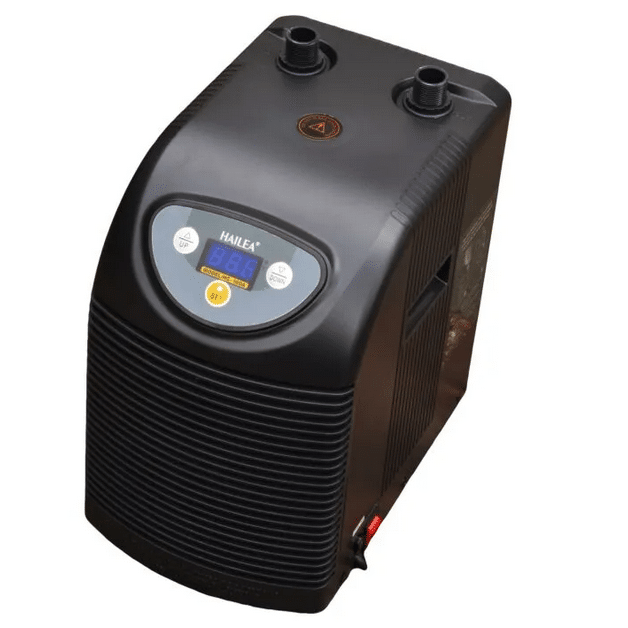
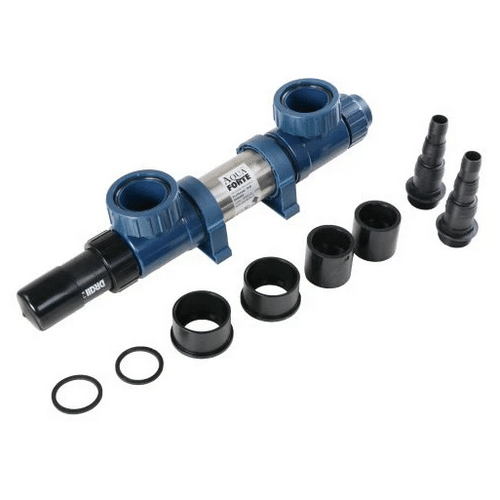
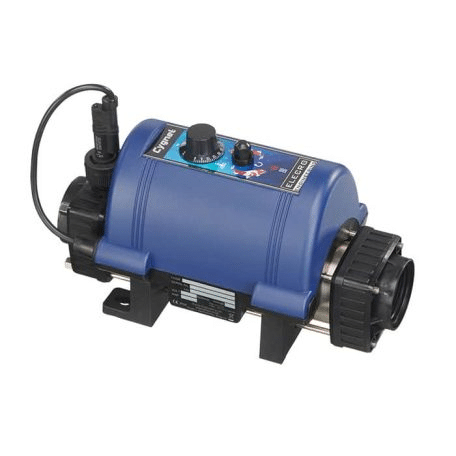
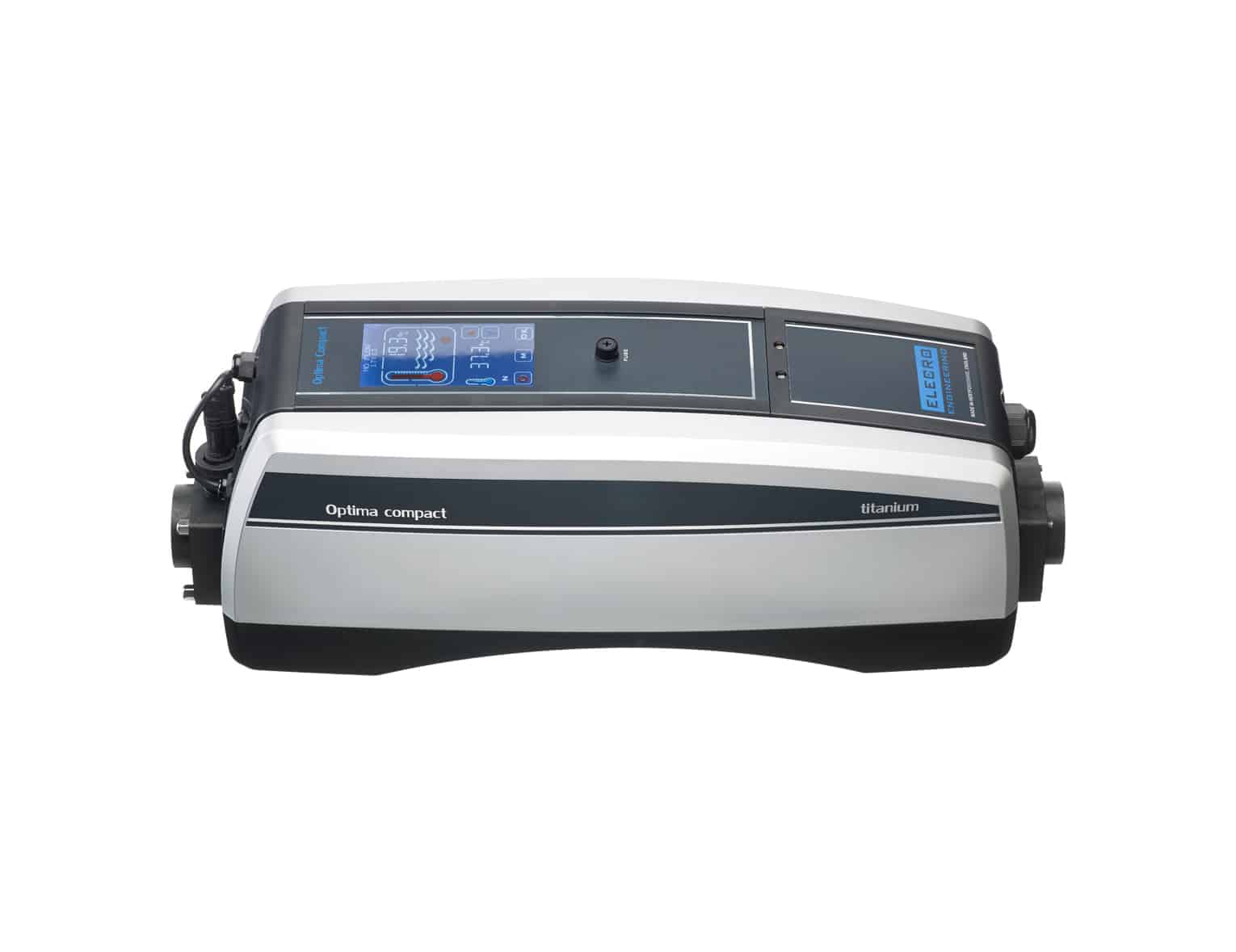
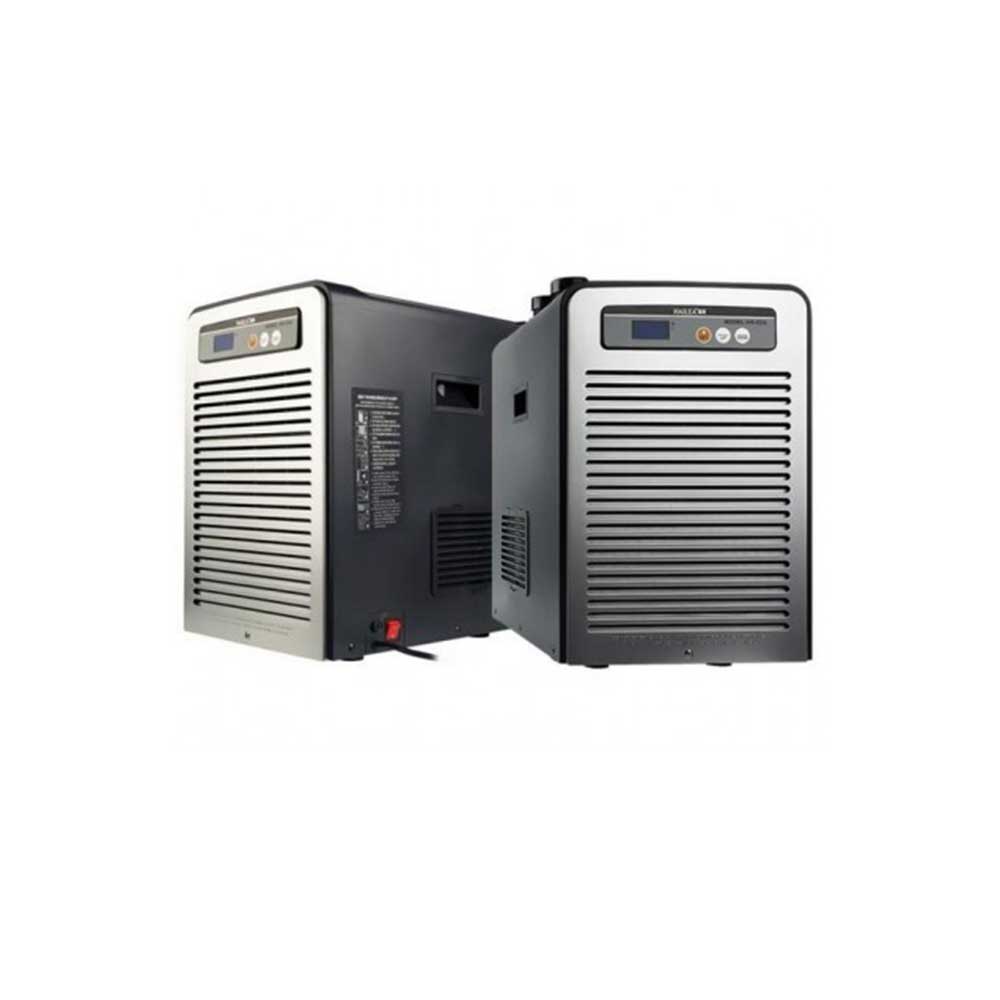
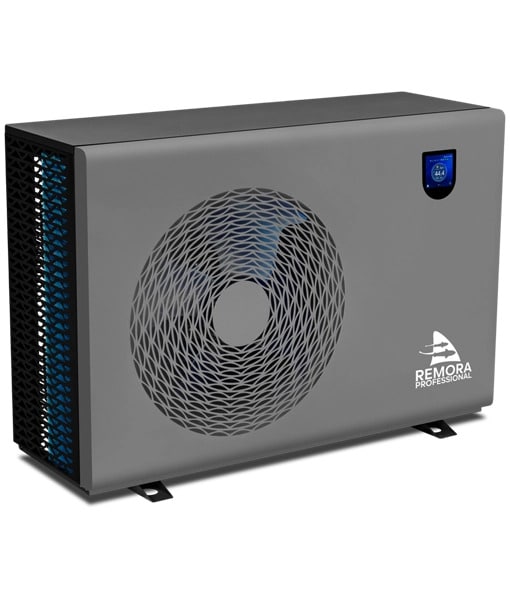
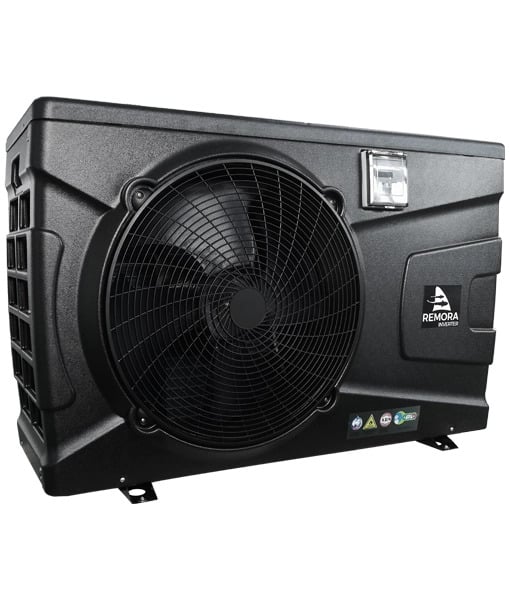
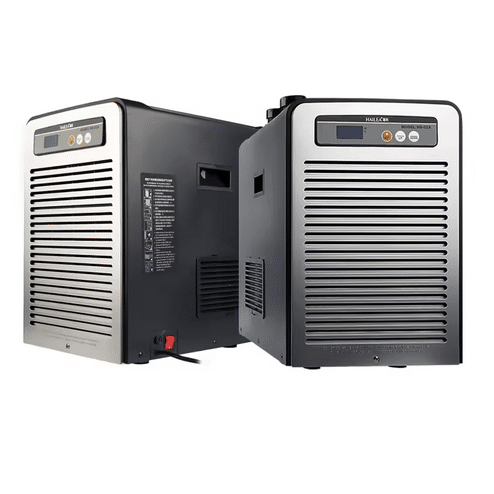
Electric in-line heaters turn electrical input directly into water heat, while air-source heat pumps move heat from ambient air and their output changes with operating conditions. Water chillers remove heat and must release it into a well-ventilated surrounding space.
Compare heating method, hydraulic duty and whole-life operation
- Measure actual water volume and exposed surface area.
- Define maintenance, frost-protection or temperature-rise duty.
- Check model output at relevant air and water temperatures.
- Match minimum and maximum water flow.
- Plan electrical supply, bypass, insulation and service access.
Our practical view: We size pond heating from the temperature you want to hold and the heat the pond will lose in real winter conditions. Covers, exposure, flow, bypass design, electrics and running cost matter as much as the headline pond-volume rating.
Price range: £2,495.00 through £6,980.00 (inc VAT)
Price range: £1,720.00 through £4,695.00 (inc VAT)


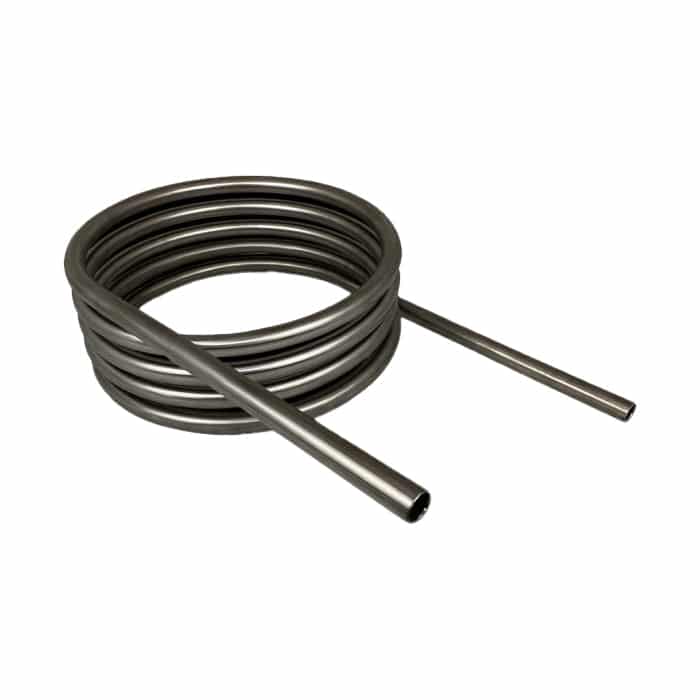
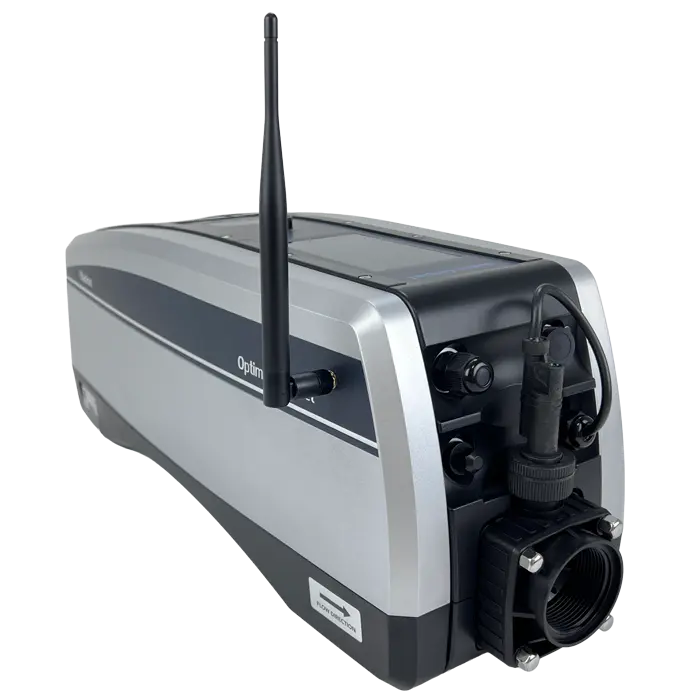


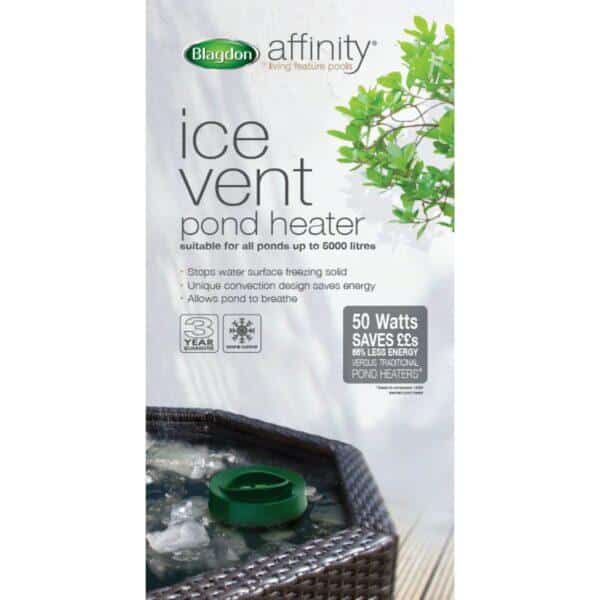

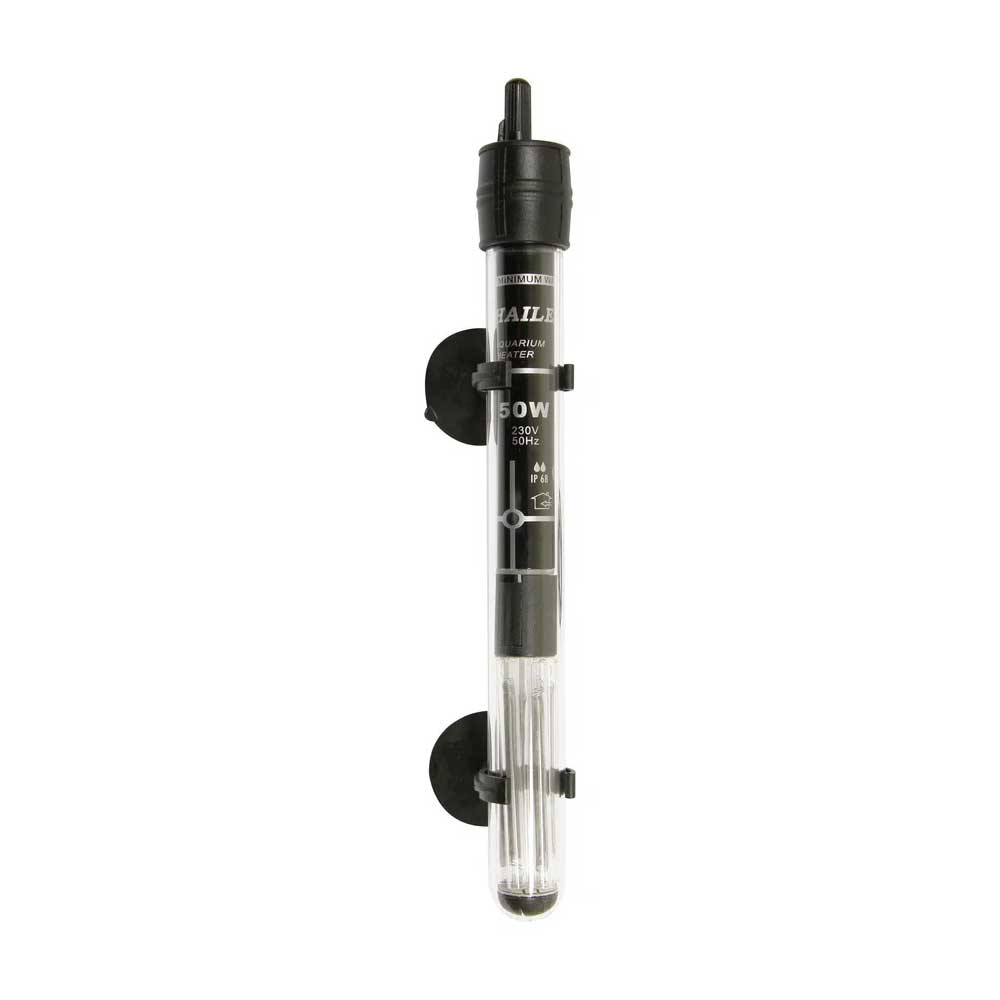
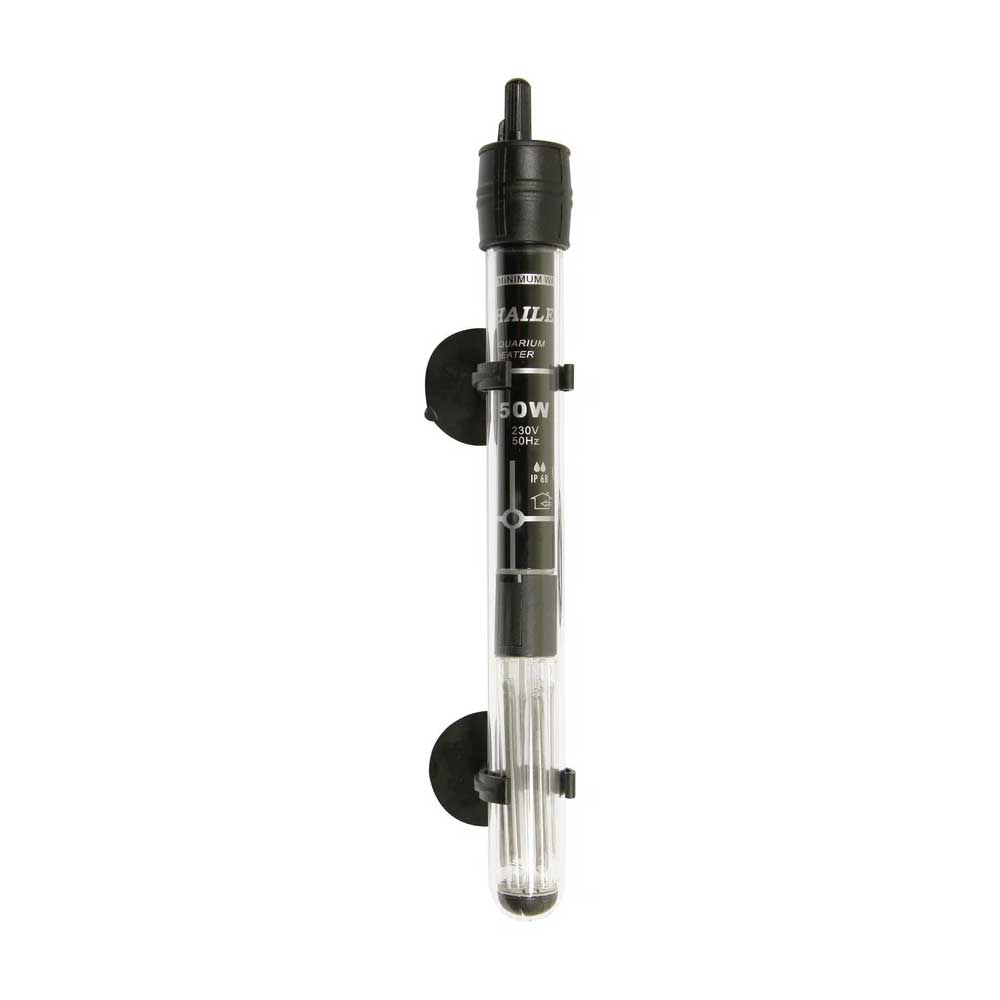
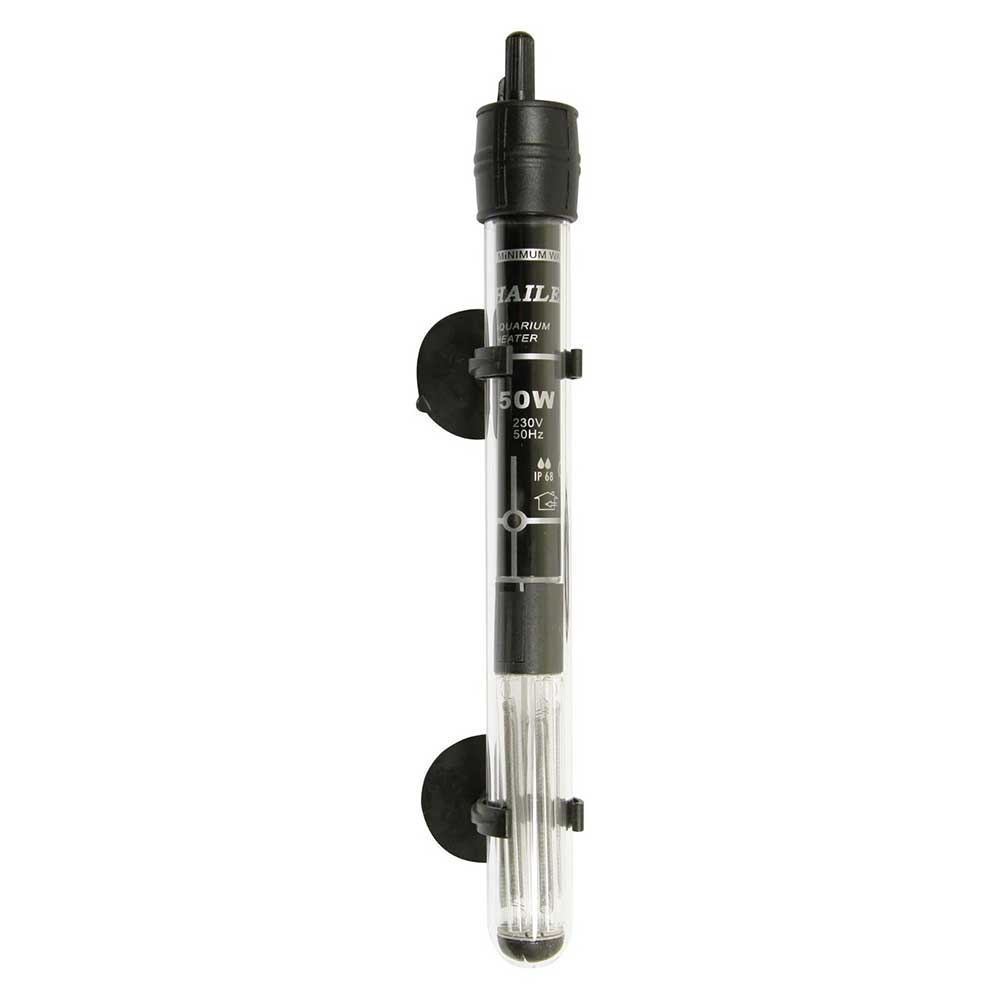
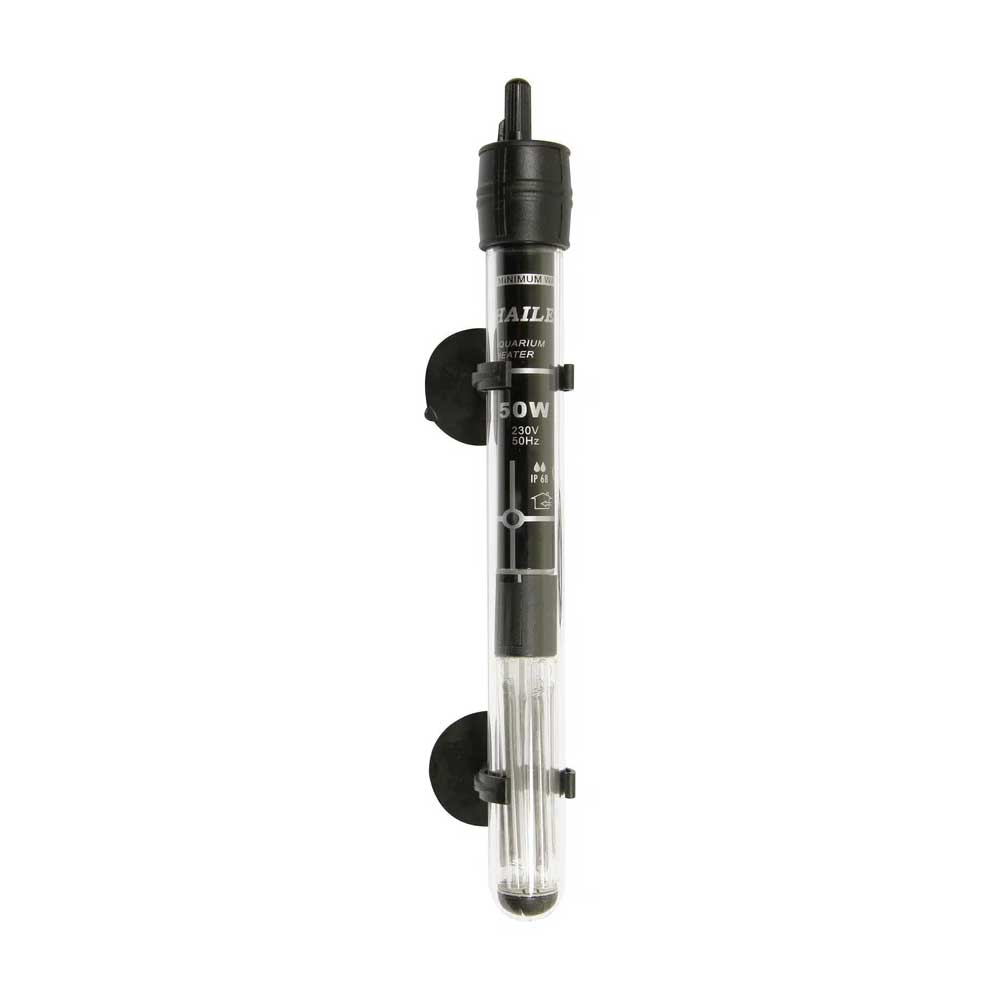
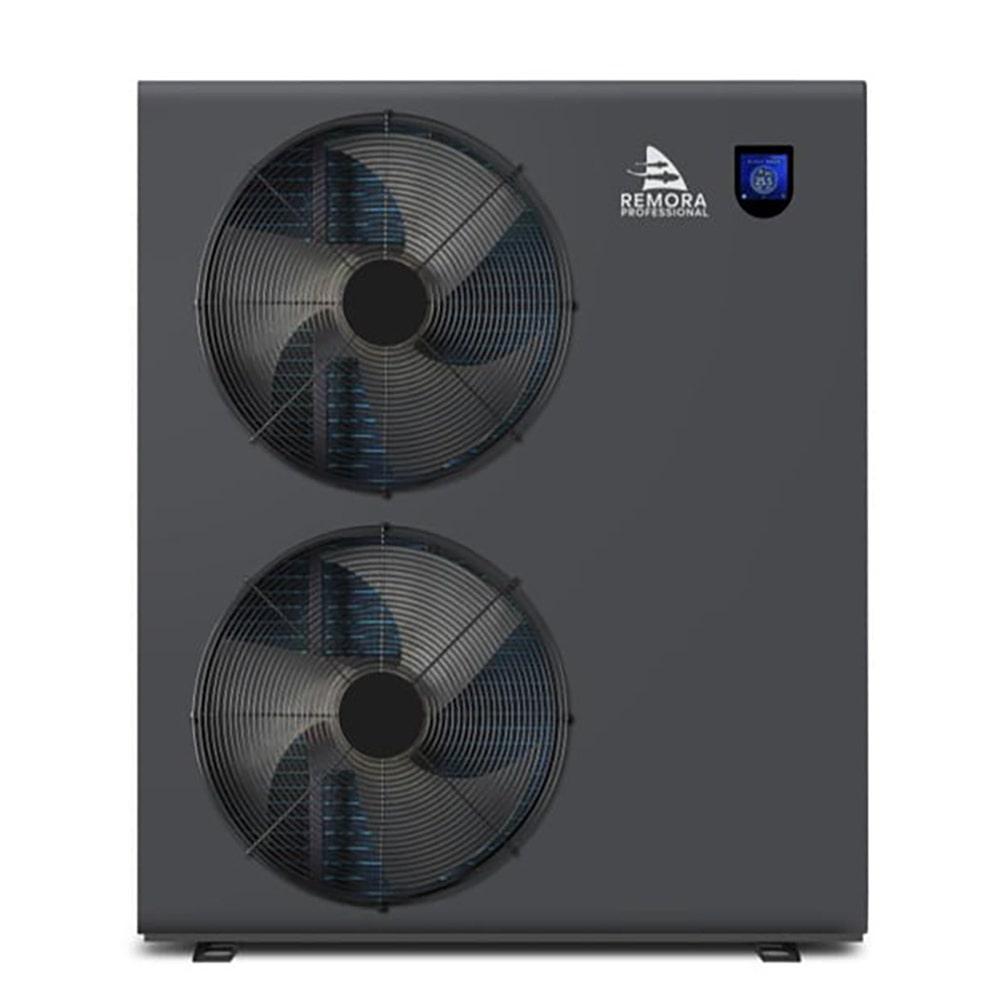
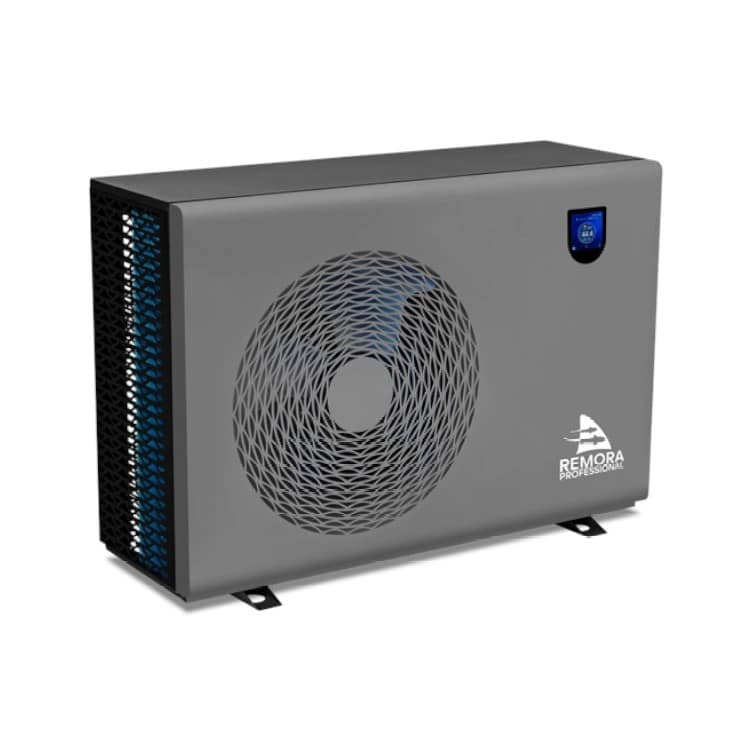
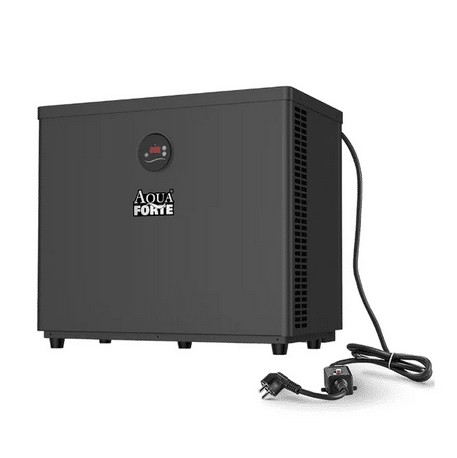
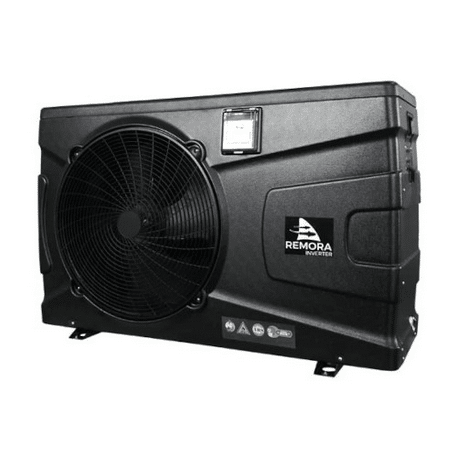
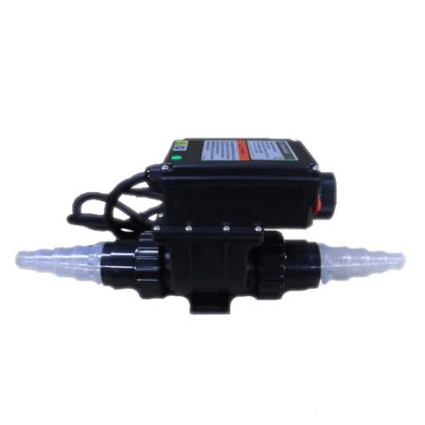
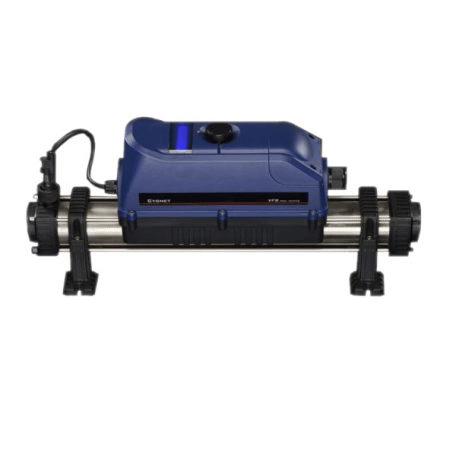
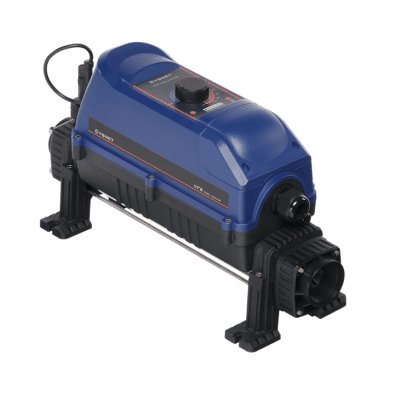
Pond Heating Selection and Installation Guide
Heat loss determines the real requirement
Two ponds with the same litres can need very different equipment because covers, wind exposure, pipe runs and temperature difference change heat loss.
Flow protects performance and equipment
A heater, heat pump or chiller must operate within its stated hydraulic range; dry running, air locks or inadequate flow can cause faults or damage.
Temperature changes should be controlled
Use a correctly placed sensor, sensible set point and gradual management appropriate to the livestock and system rather than chasing rapid changes.
Useful pages alongside Pond Heating: Pond heating · Air-source heat pumps · In-line heaters · Water chillers · Pond pumps · Pond filters · Air pumps
Pond Heating Frequently Asked Questions
These Pond Heating answers cover the practical questions we hear most often. Follow the exact manual and use competent installers where the equipment requires them.
What types of pond heating are available?
Common options include direct electric in-line heaters and air-source heat pumps, with covers and insulation used to reduce heat loss. Chillers provide active cooling where required.
How do I size a pond heater?
Use a heat-loss calculation or the current manufacturer sizing process using volume, surface area, target temperature, winter conditions, insulation and exposure.
Is pond volume enough to choose a heater?
No. Surface area, cover, insulation, wind, ambient temperature and required temperature rise can be equally important.
What is the difference between an in-line heater and a heat pump?
An in-line electric heater converts electrical input directly to heat. A heat pump transfers ambient heat and its output and efficiency vary with conditions.
Can a pond heat pump work in winter?
Only within the exact models operating-air-temperature range, and available heat output usually changes as outdoor conditions become colder.
Does a heat pump always deliver its stated maximum output?
No. Output and coefficient of performance are test-condition dependent, so compare performance at conditions relevant to the installation.
Why use a pond cover with heating?
A suitable cover can reduce evaporation and surface heat loss, lowering the heating duty, but it must be installed safely with appropriate gas exchange.
Can pond pipework lose much heat?
Yes. Long exposed runs and filter housings can lose heat, so suitable insulation and compact routing may improve system performance.
Where should a pond heater be installed?
Follow the exact manual for circulation order, orientation, bypass, weather protection, flow direction and sensor location.
Does a pond heater need a bypass?
Many installations use a bypass to set the correct unit flow and allow servicing, but the design must follow the model and filtration requirements.
Can a pond heater run without water flow?
No unless the exact equipment is specifically designed for it. Flow switches and interlocks must never be bypassed.
What electrical protection does pond heating need?
Use the supply, isolation, protective devices, earthing and installation method required by the manual and current electrical rules, completed by a competent person.
How quickly should pond temperature be changed?
Avoid unnecessary rapid changes; select and control the system around livestock needs and the advice relevant to the species and husbandry plan.
Can pond heating replace good filtration and aeration?
No. Temperature control does not process waste or provide oxygen and can change biological and oxygen demand.
Why can warmer water need more aeration attention?
As water warms its oxygen-holding capacity changes while animal and biological activity may increase, so monitor aeration and water quality.
When is a water chiller useful?
A chiller is used where maximum temperature or heat gain must be controlled in compatible aquariums, aquaculture, hydroponic or technical systems.
What should I record when running pond heating?
Record set point, actual water and air temperatures, running hours or energy use, flow, maintenance and any alarms or unusual livestock behaviour.
How do I choose the right Pond Heating product?
For Pond Heating, compare water volume, calculated heat gain or loss, target temperature, winter ambient conditions, flow, connections, electrical supply and the manufacturers performance data.
Why does water flow matter for Pond Heating?
Correct flow through Pond Heating supports heat transfer and its safety devices; too little, too much or interrupted water can reduce output or trigger a fault.
Can Pond Heating be sized from pond litres alone?
No. Sizing Pond Heating also requires surface area, insulation, exposure, ambient temperature, equipment heat and the temperature change being requested.
Does Pond Heating need professional installation?
Install Pond Heating using competent plumbing, refrigeration and electrical trades where the exact equipment and current requirements call for them.
What plumbing details should I check for Pond Heating?
For Pond Heating plumbing, confirm flow direction, connection size, pressure, bypass arrangement, pump duty, isolation, drainage and material compatibility.
What maintenance does Pond Heating need?
Maintain Pond Heating using its model manual for scale or debris control, airflow, sensors, flow switches, frost protection and professional service intervals.
Can I ignore a flow or temperature alarm?
No. If Pond Heating reports a flow or temperature alarm, stop and identify the cause instead of repeatedly resetting or bypassing a safety device.
What should I check before ordering Pond Heating?
Before ordering Pond Heating, record the required duty, water volume, target and winter temperatures, hydraulic flow, electrical supply, available space and controls.
