





Pond Fibreglassing
A long lasting, watertight finish for ponds of all shapes and sizes
Fibreglass gives a suitable pond a smooth, fitted lining without the folds of a flexible liner. It is a popular choice for koi ponds and formal garden ponds, especially where the design includes viewing windows, shelves or carefully finished edges. The structure underneath matters just as much as the finish you see.
At That Pond Guy, we arrange fibreglass installations, repairs and liner conversions for a wide range of pond projects. We look at the existing construction, fittings and access before recommending the work. Some ponds are ready for preparation and lining; others need repairs or structural work first.
A smooth lining makes cleaning more straightforward, but a healthy pond still depends on suitable filtration, water testing and regular care. As pond specialists, we consider how the finished pond will be used and maintained as well as how it will look.
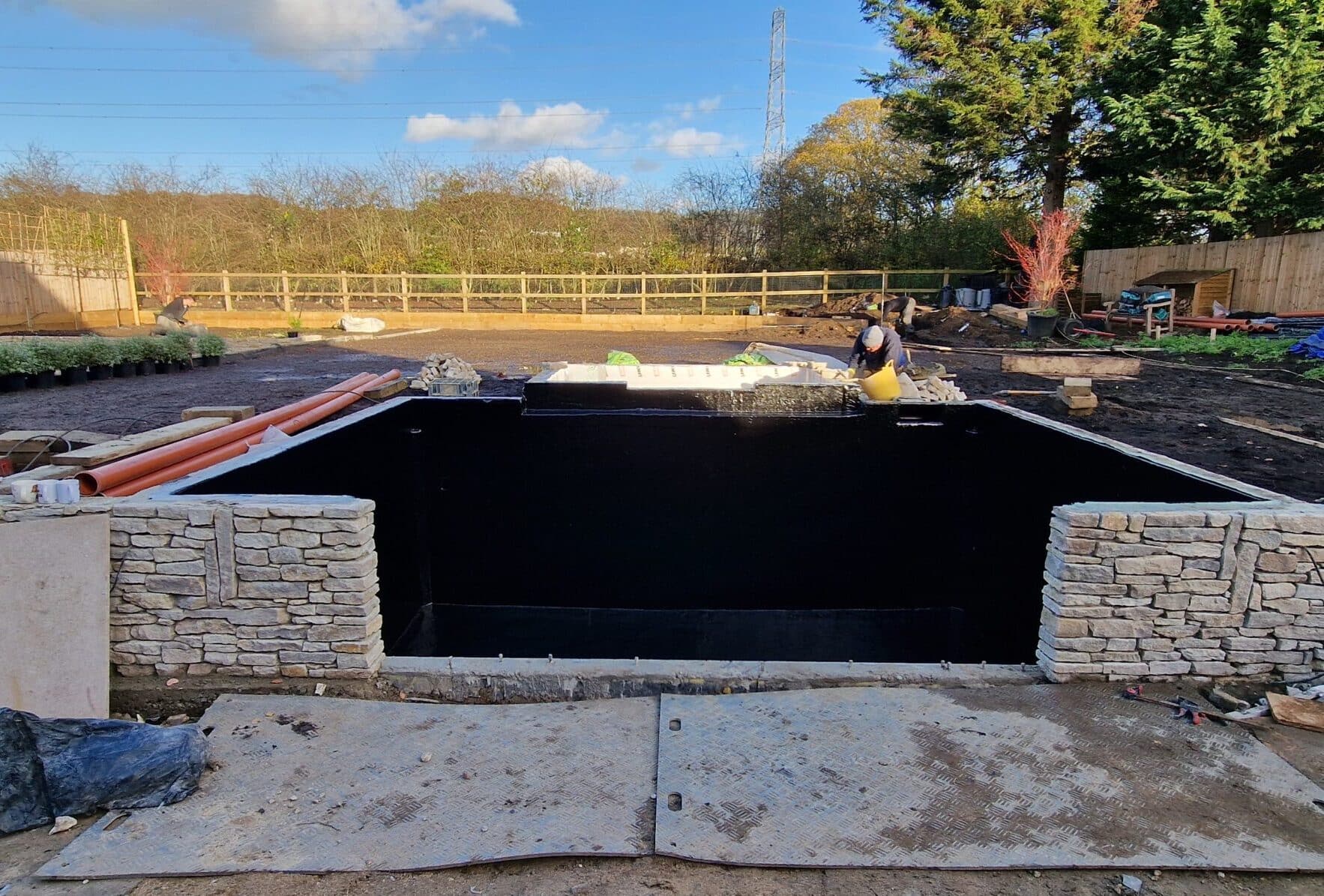
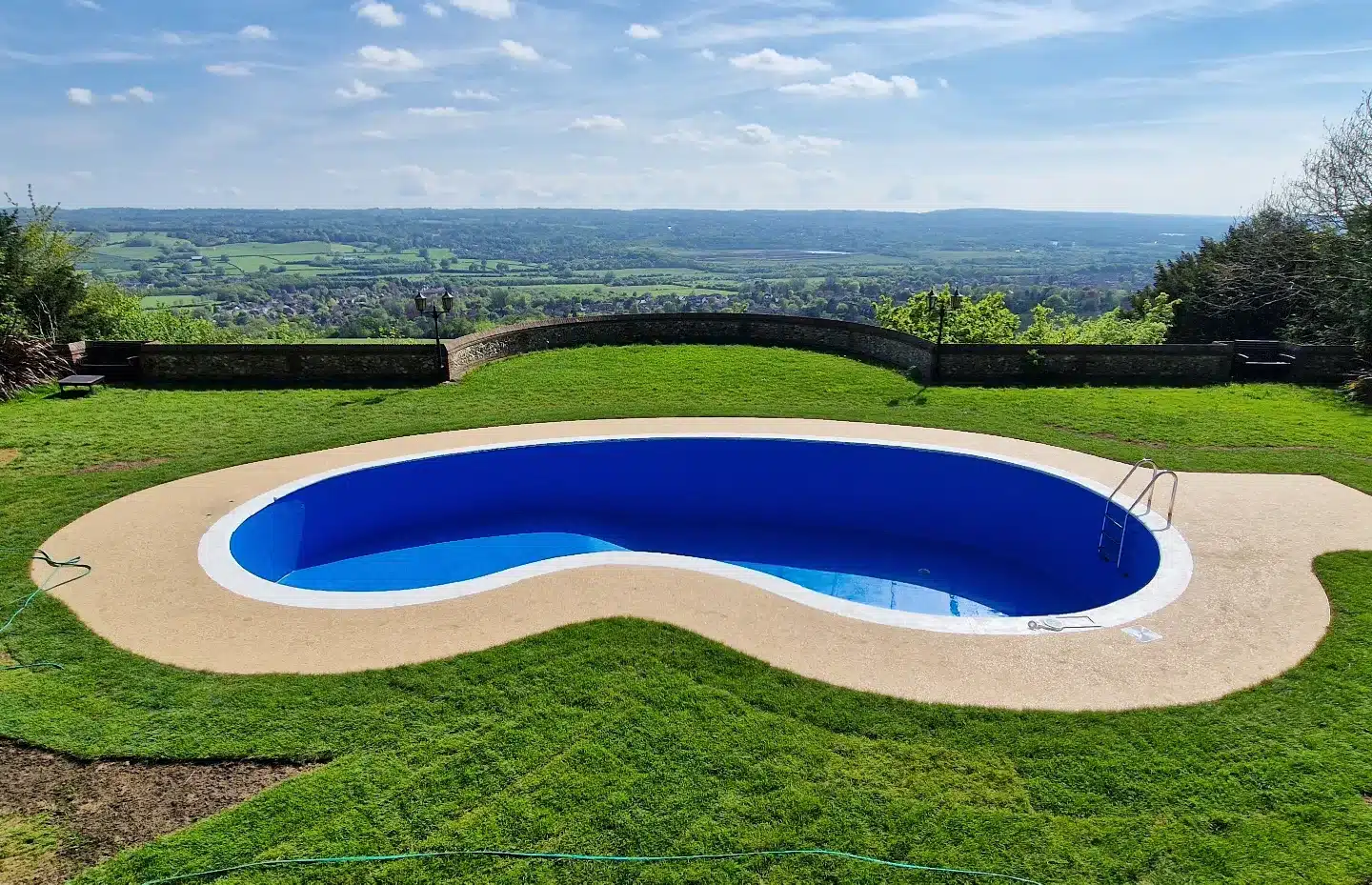
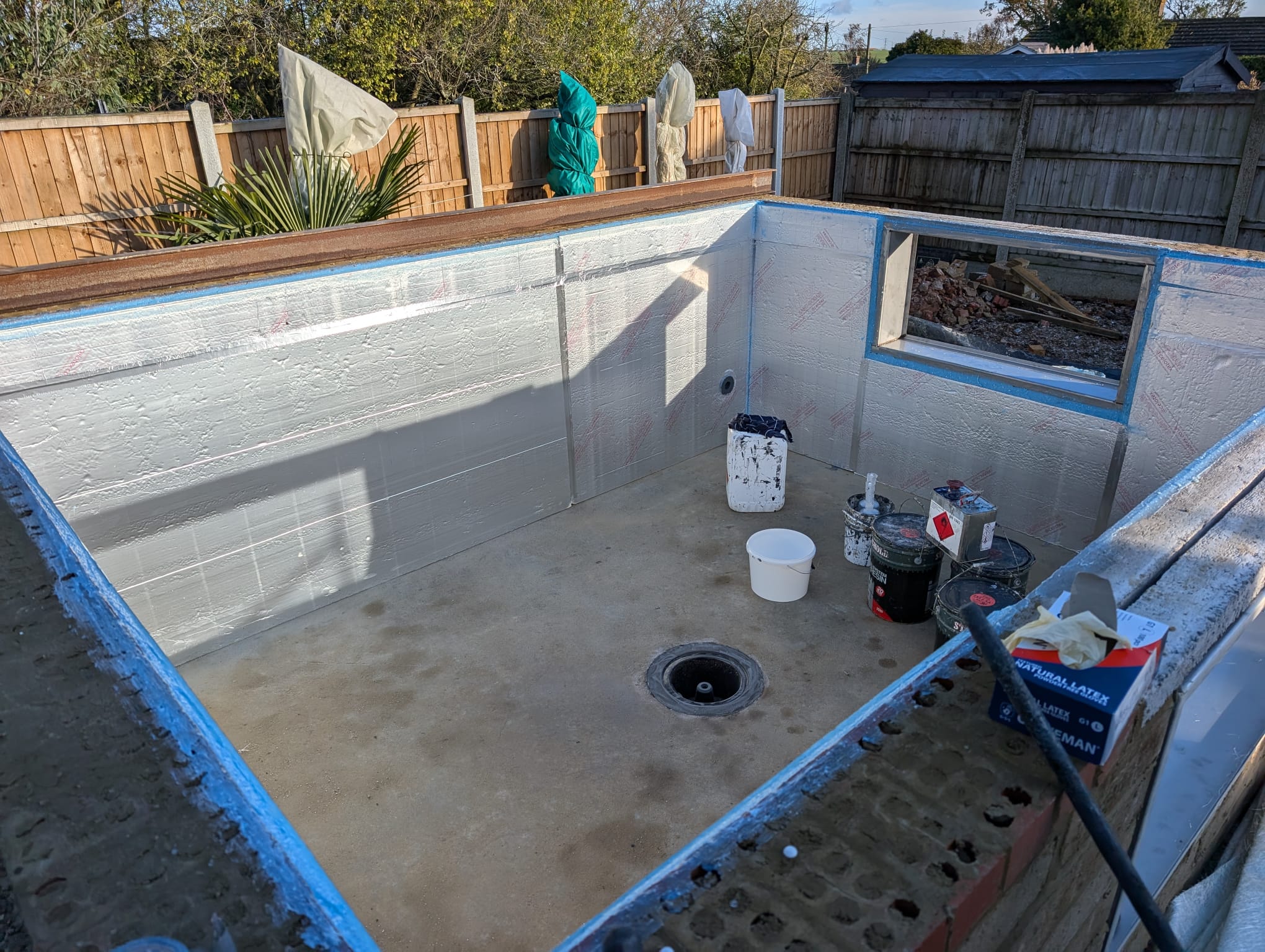
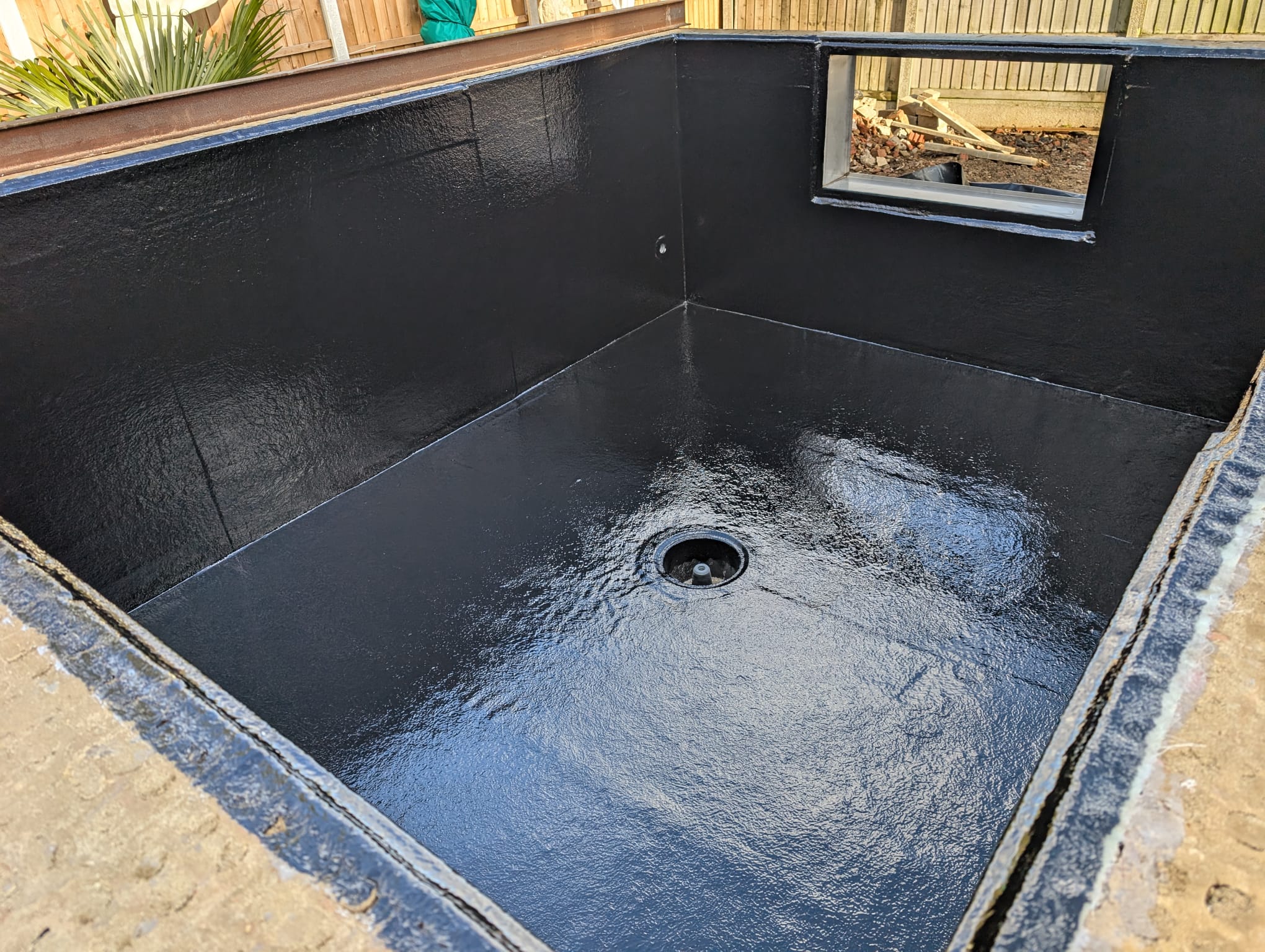
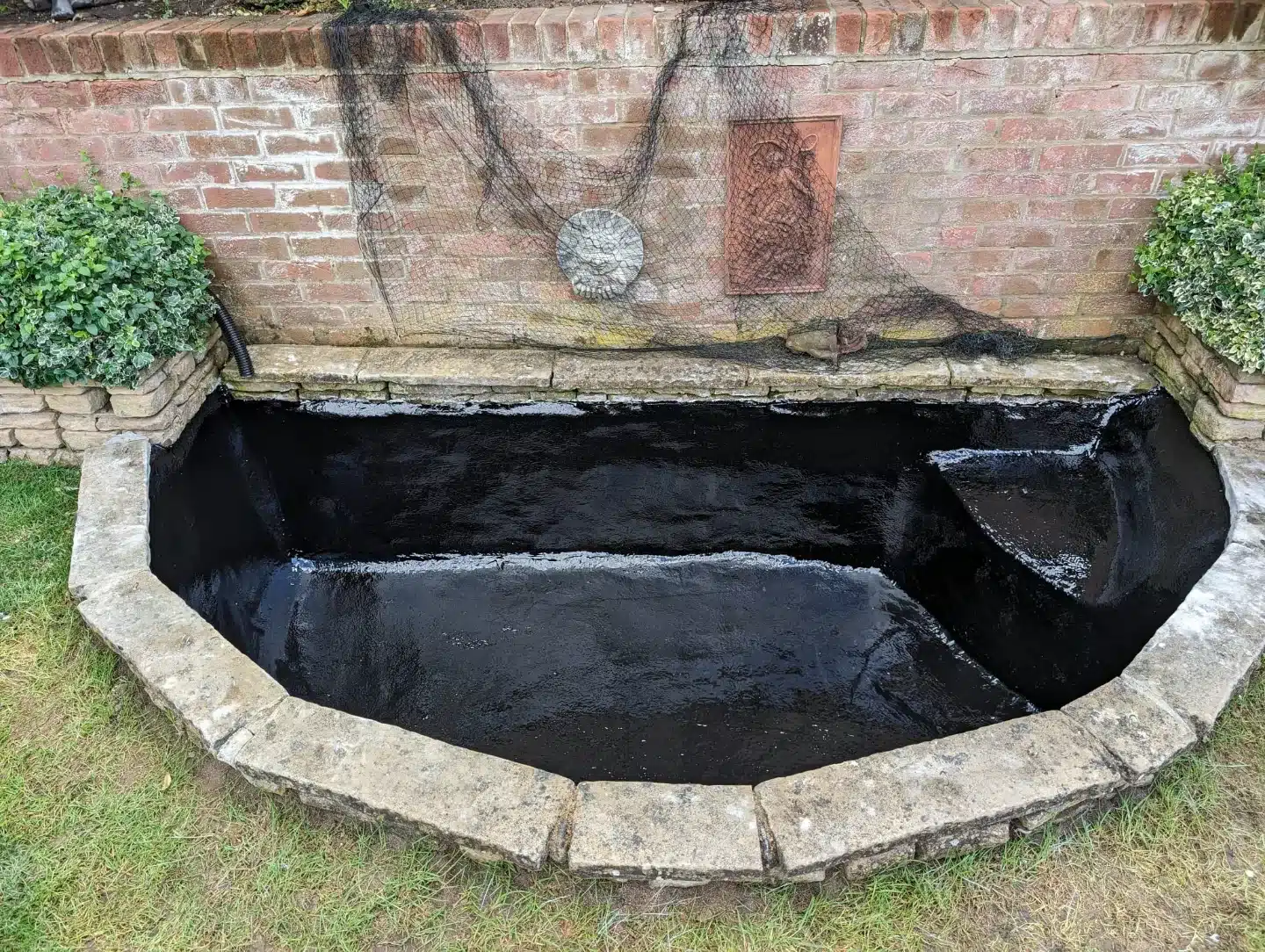
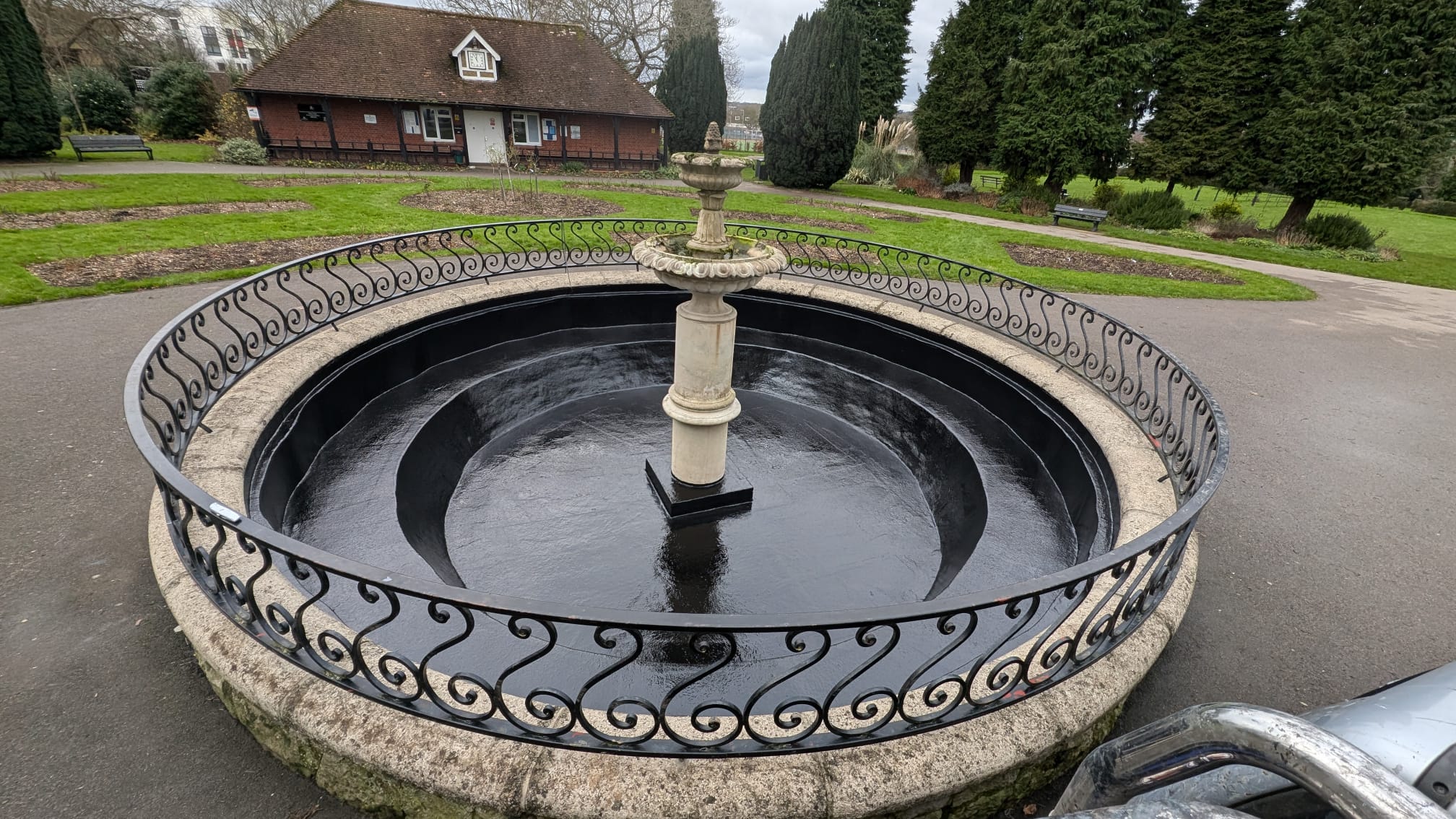
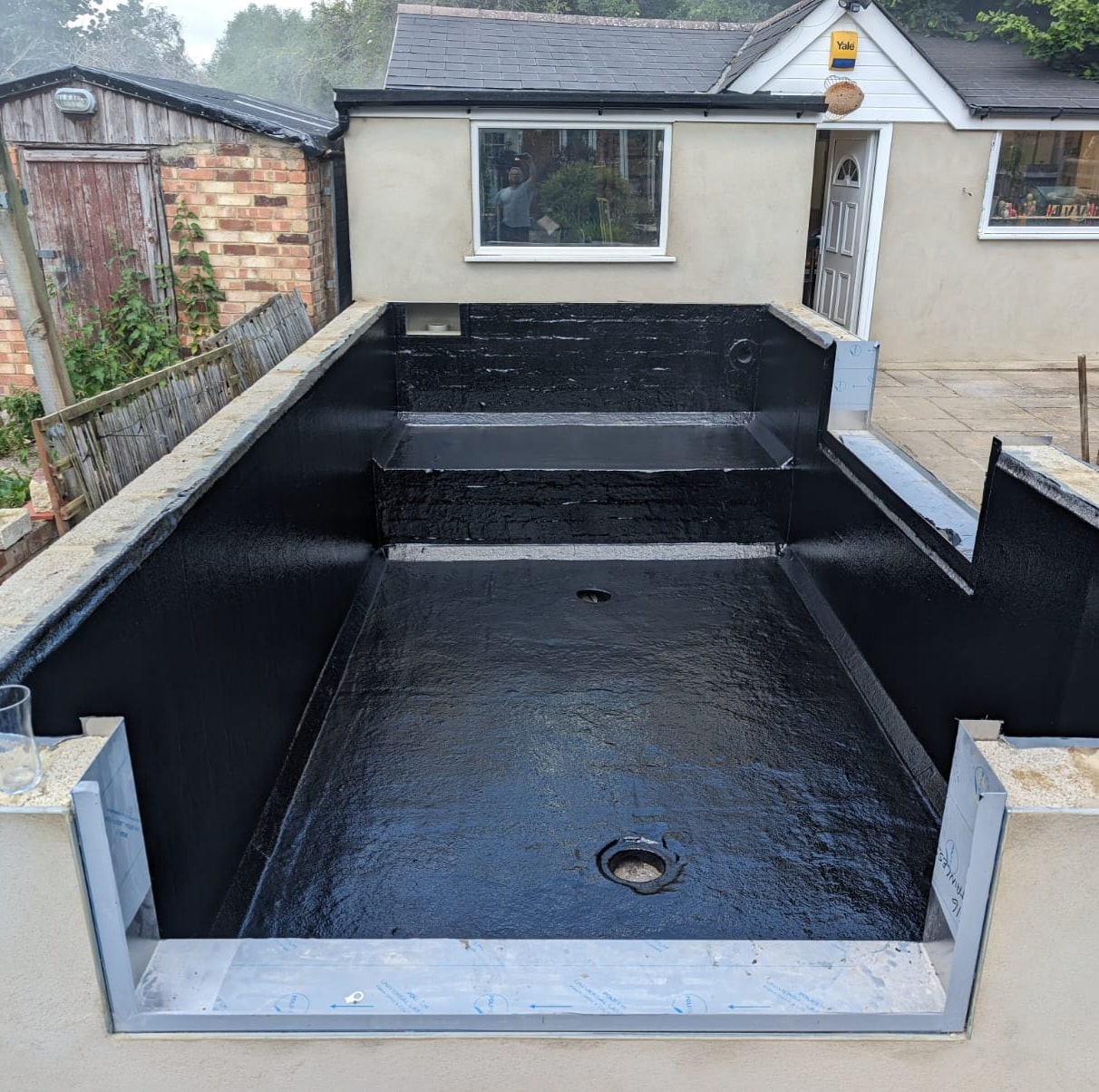
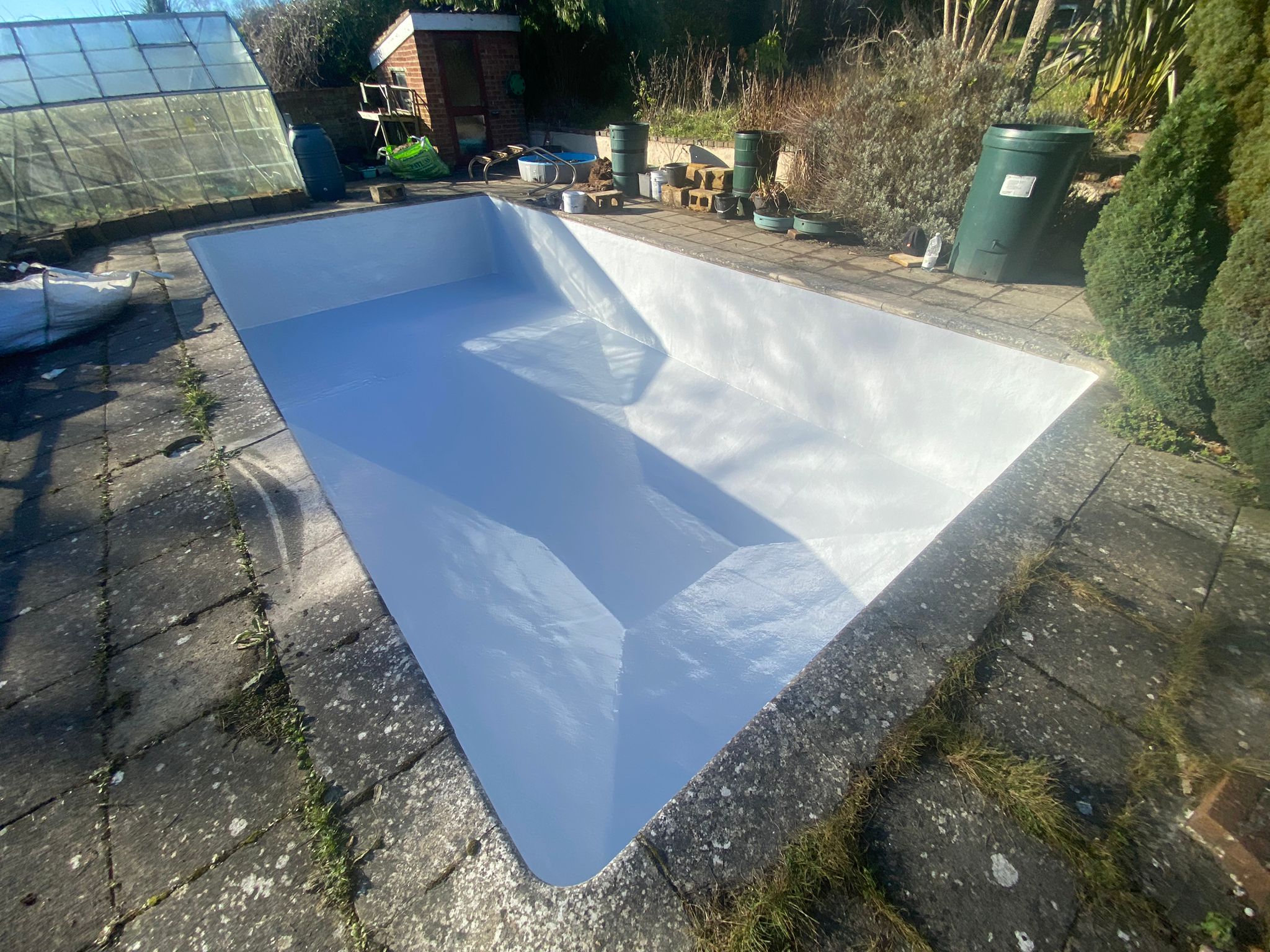
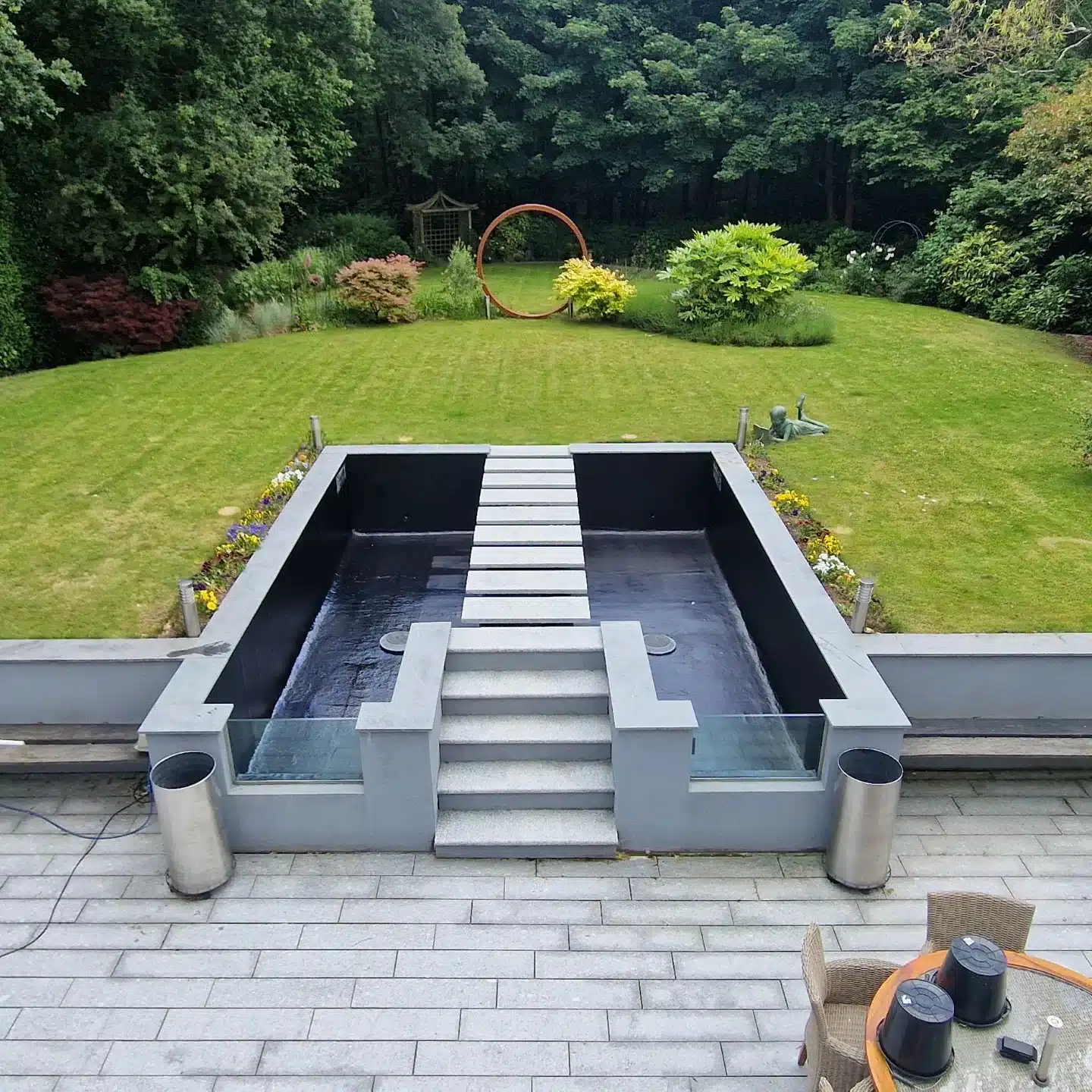
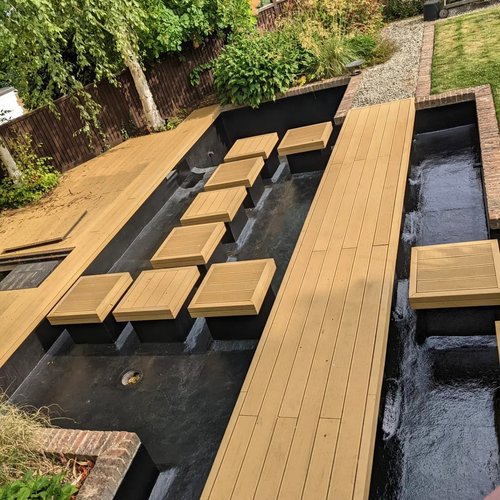
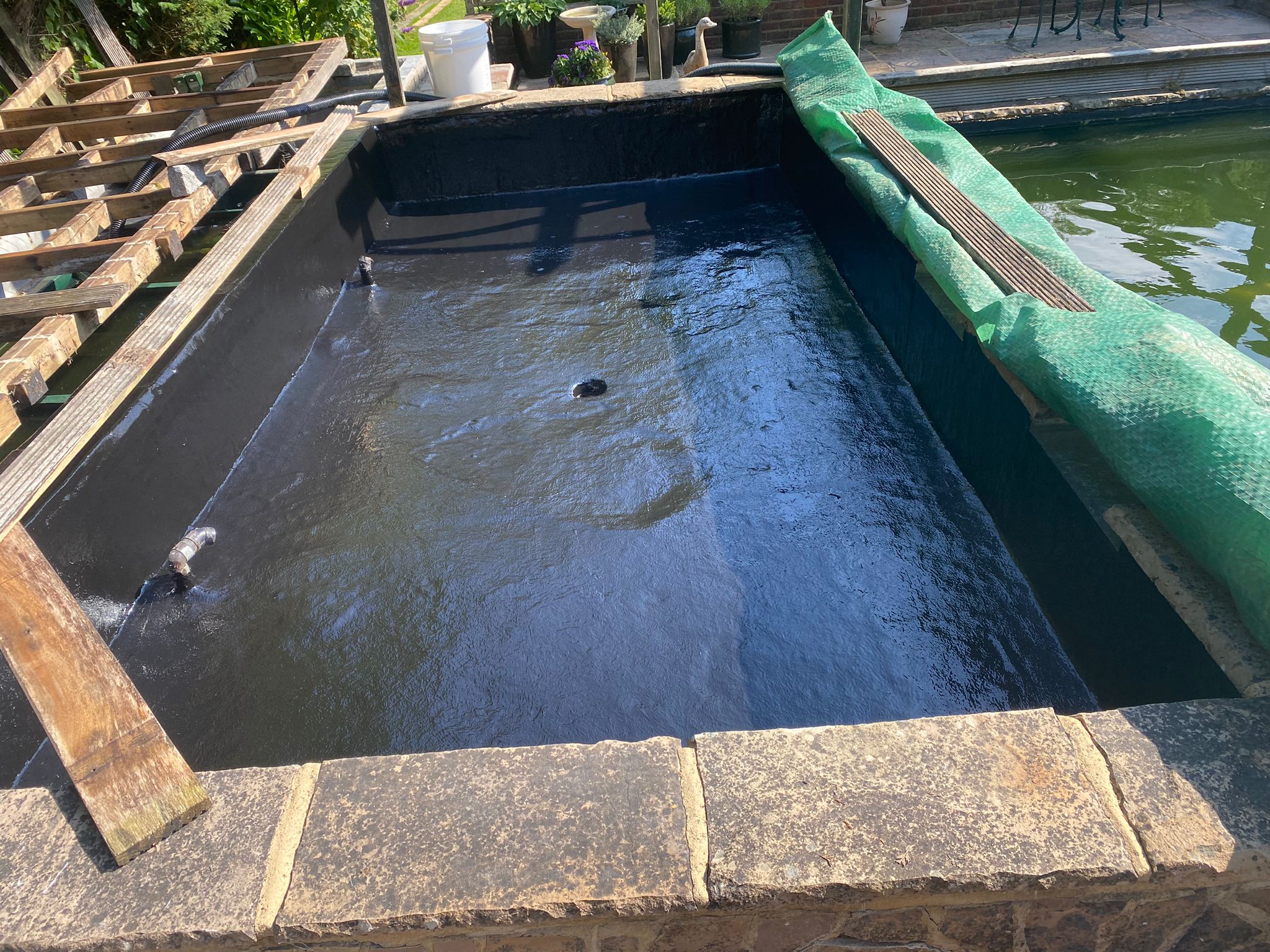
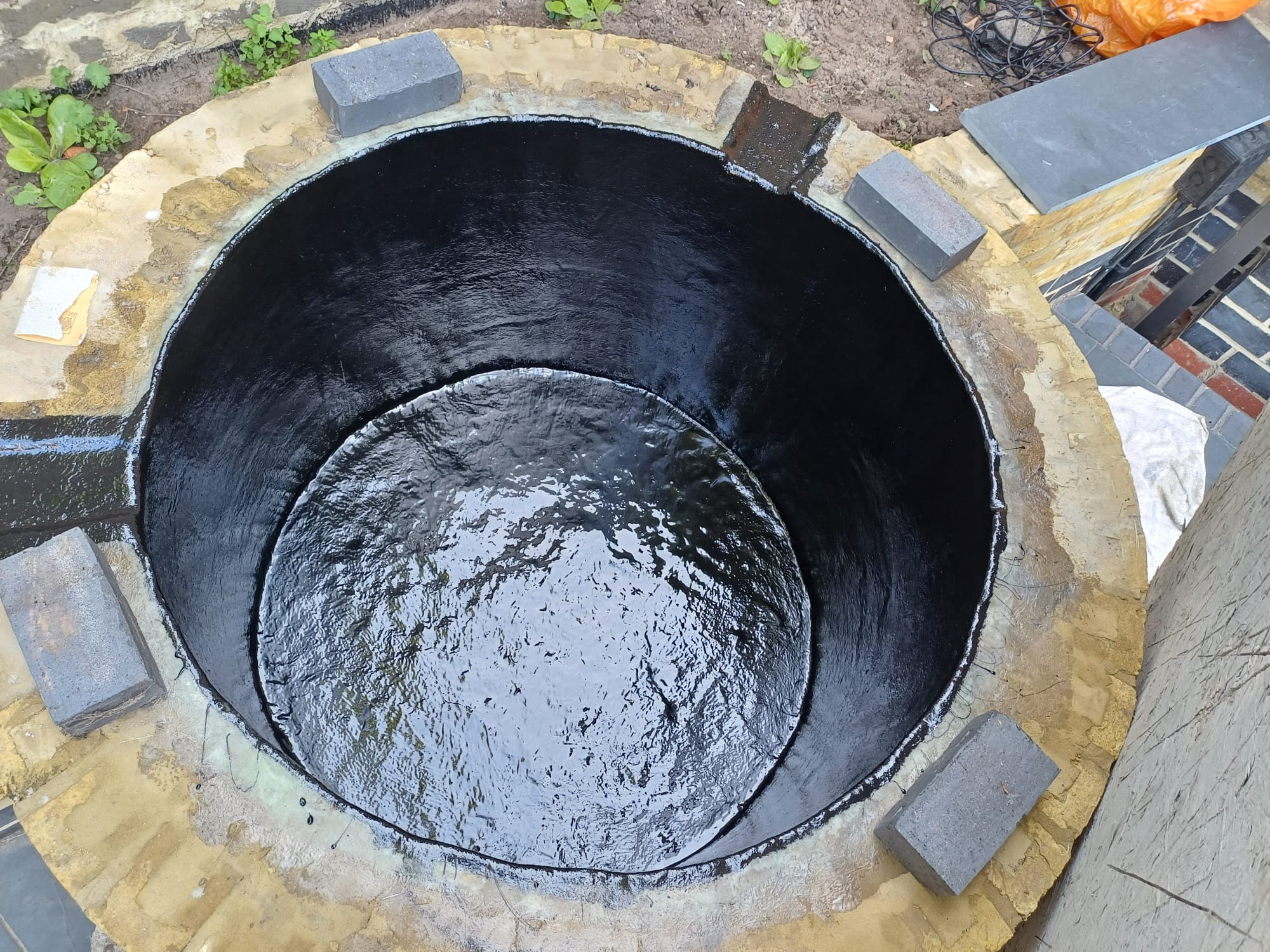
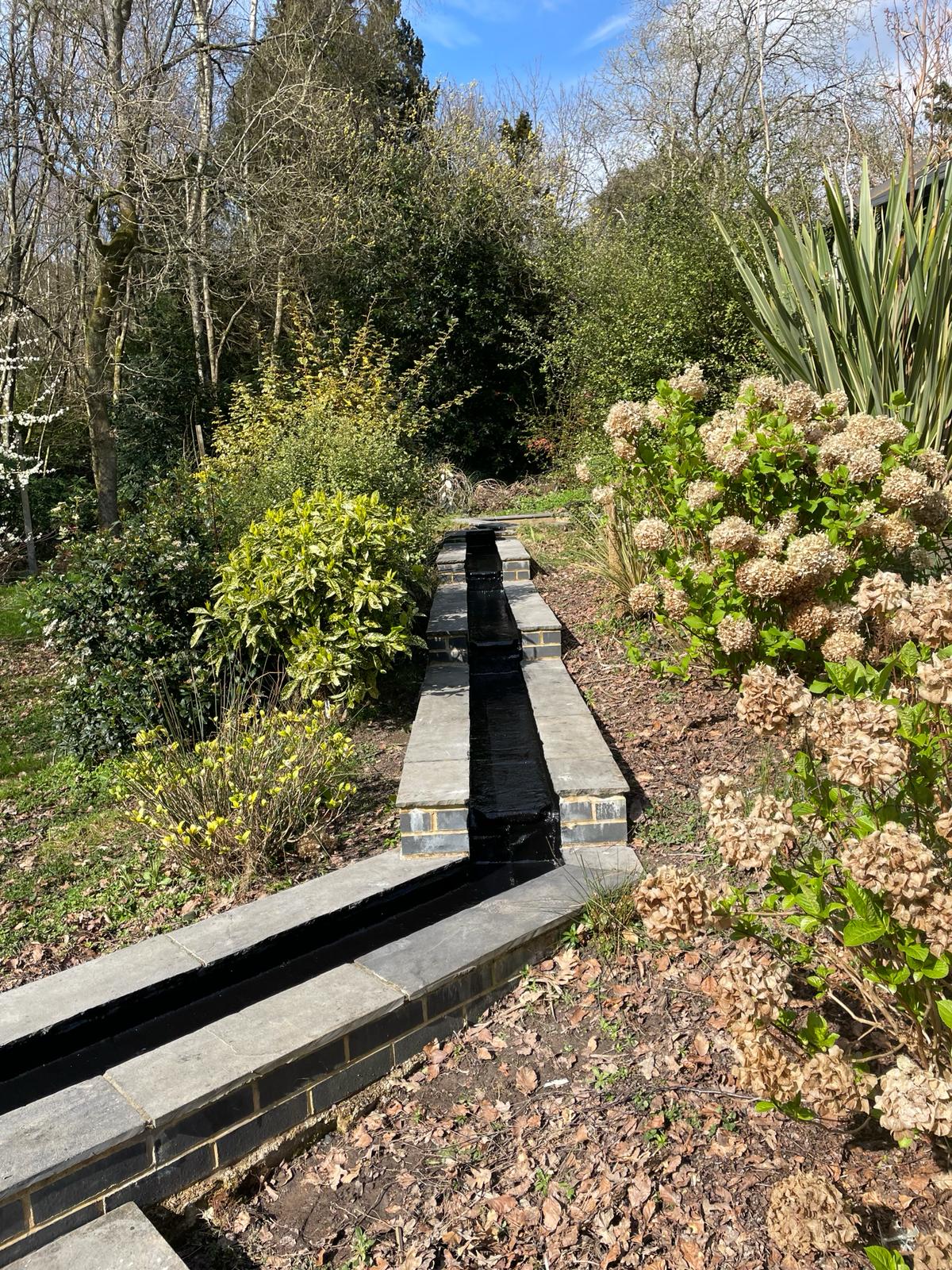
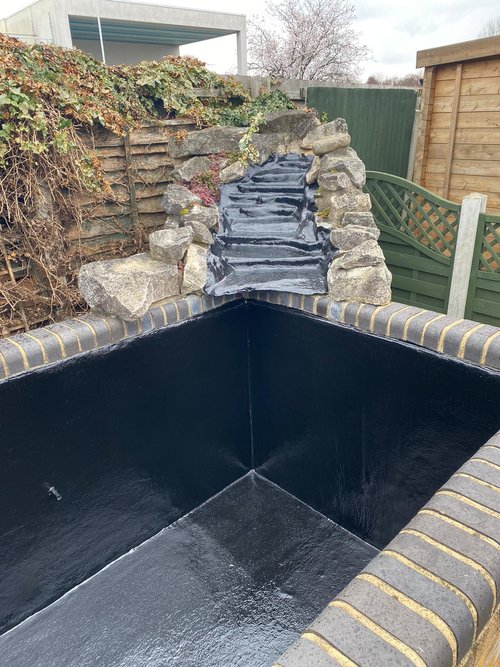
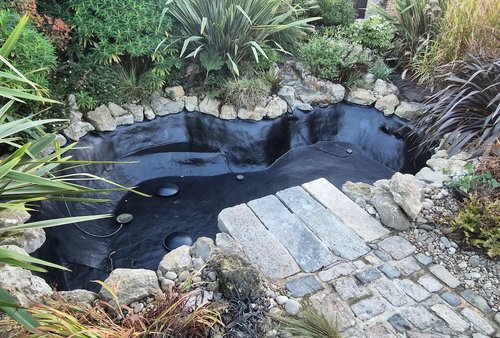
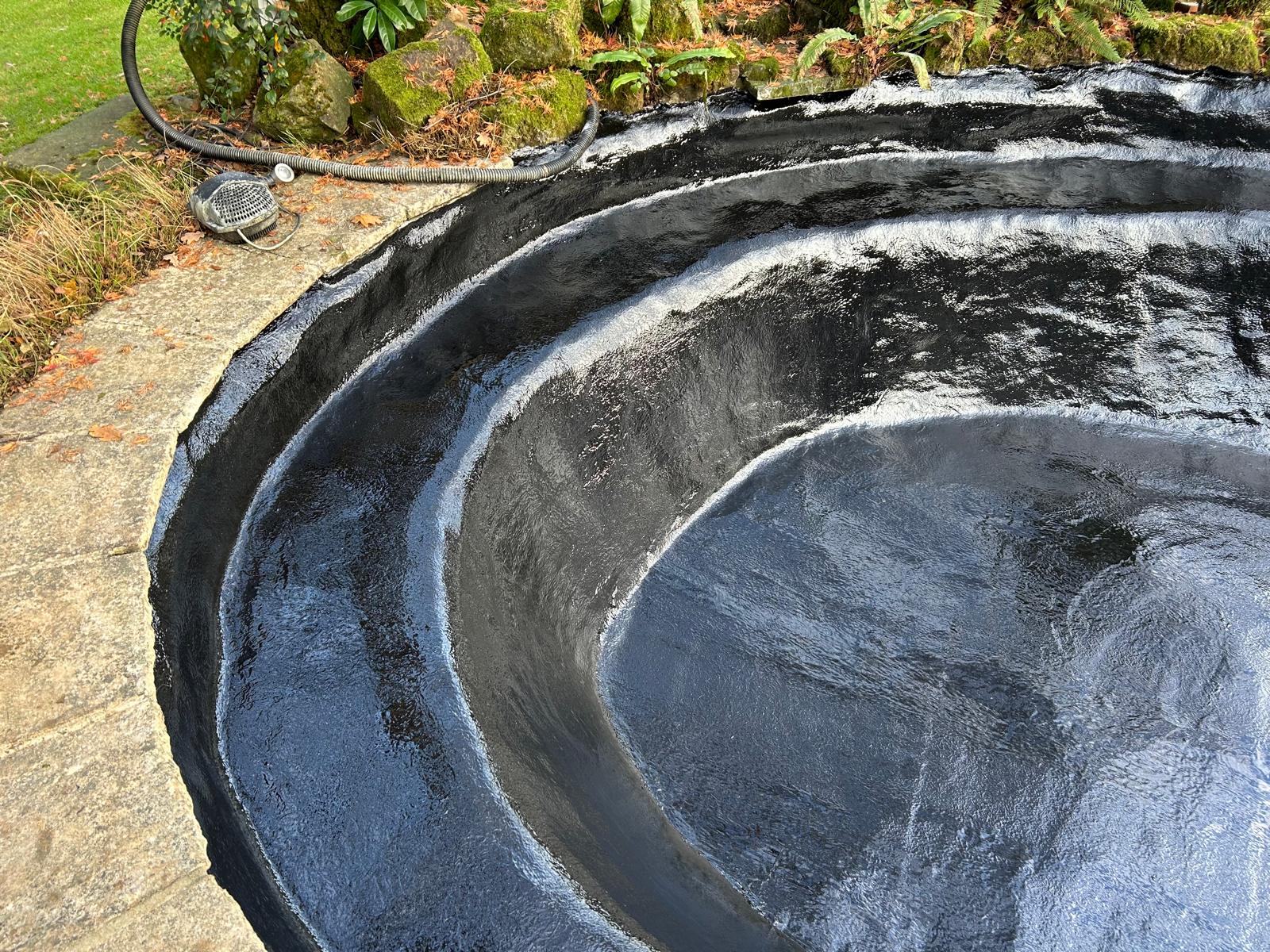
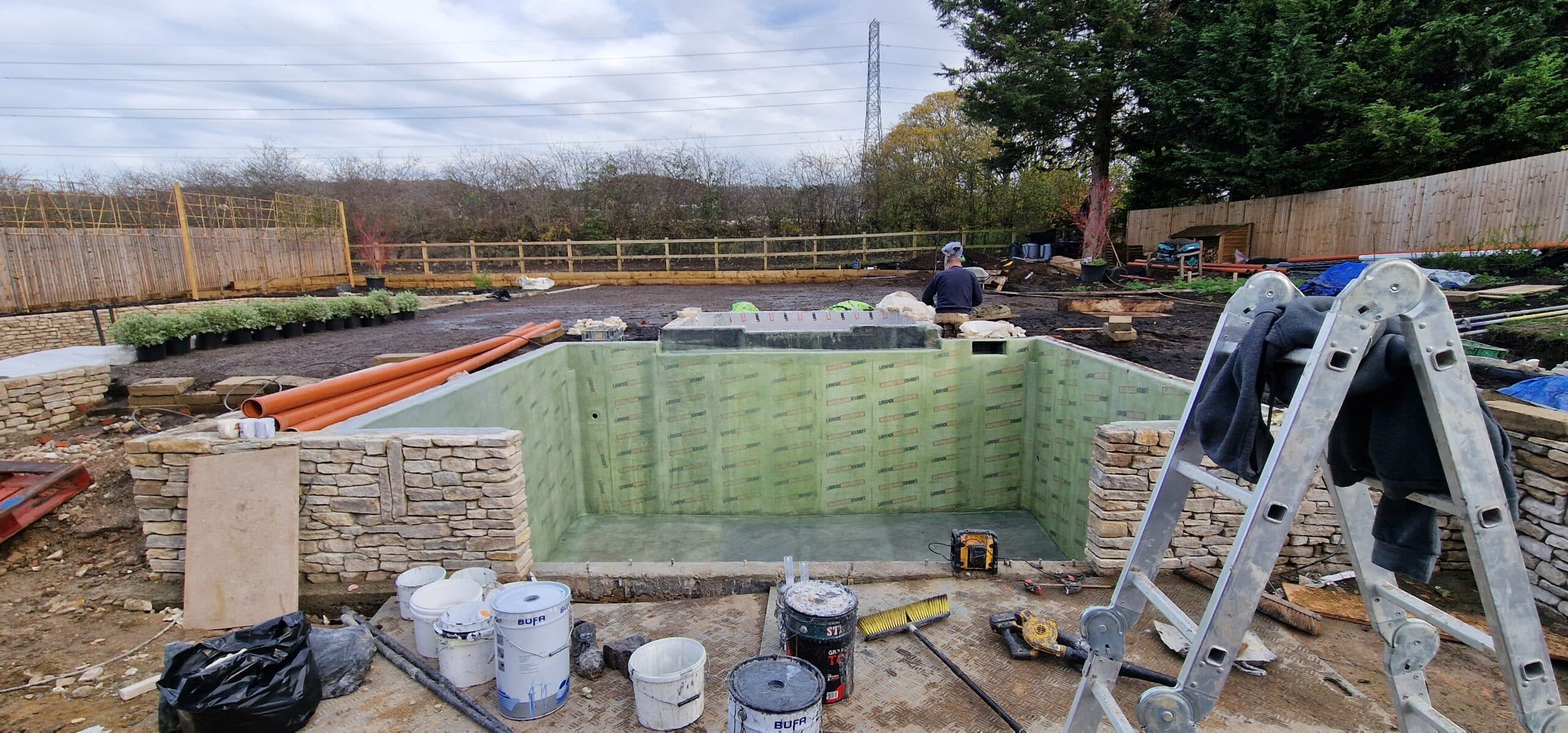
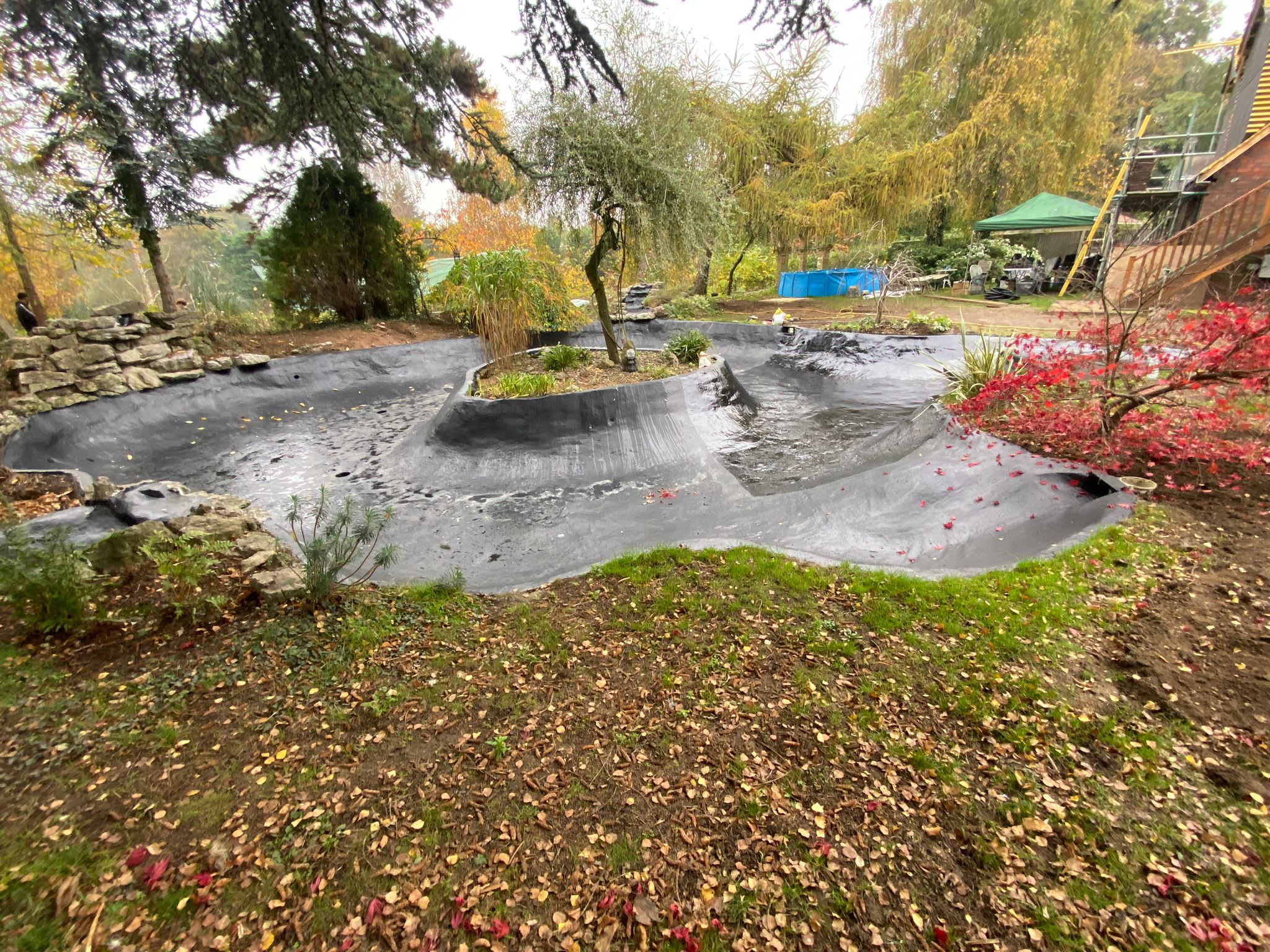
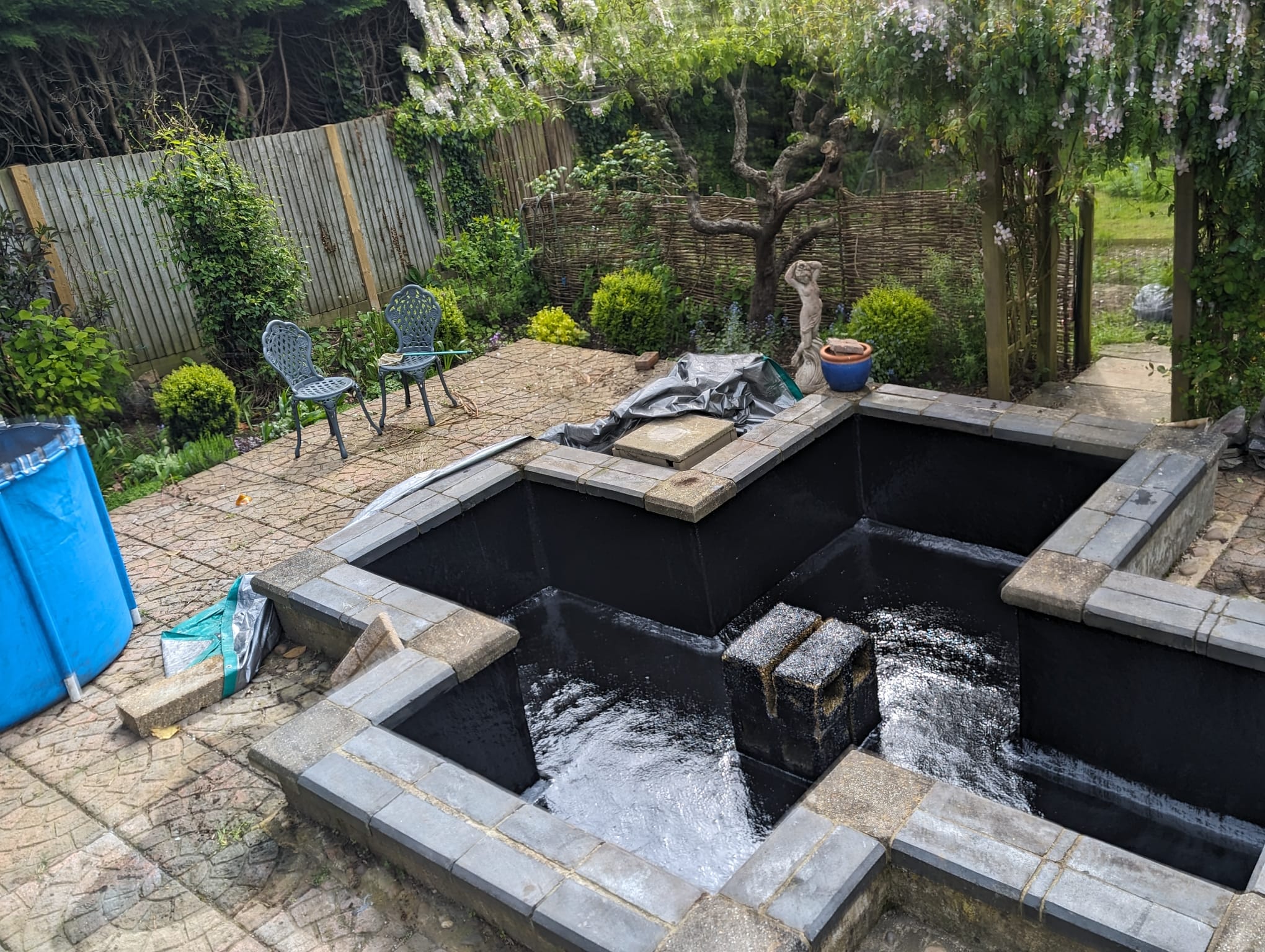
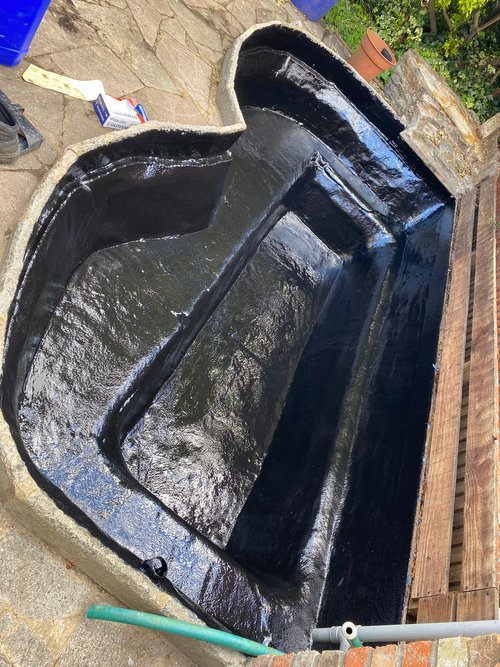
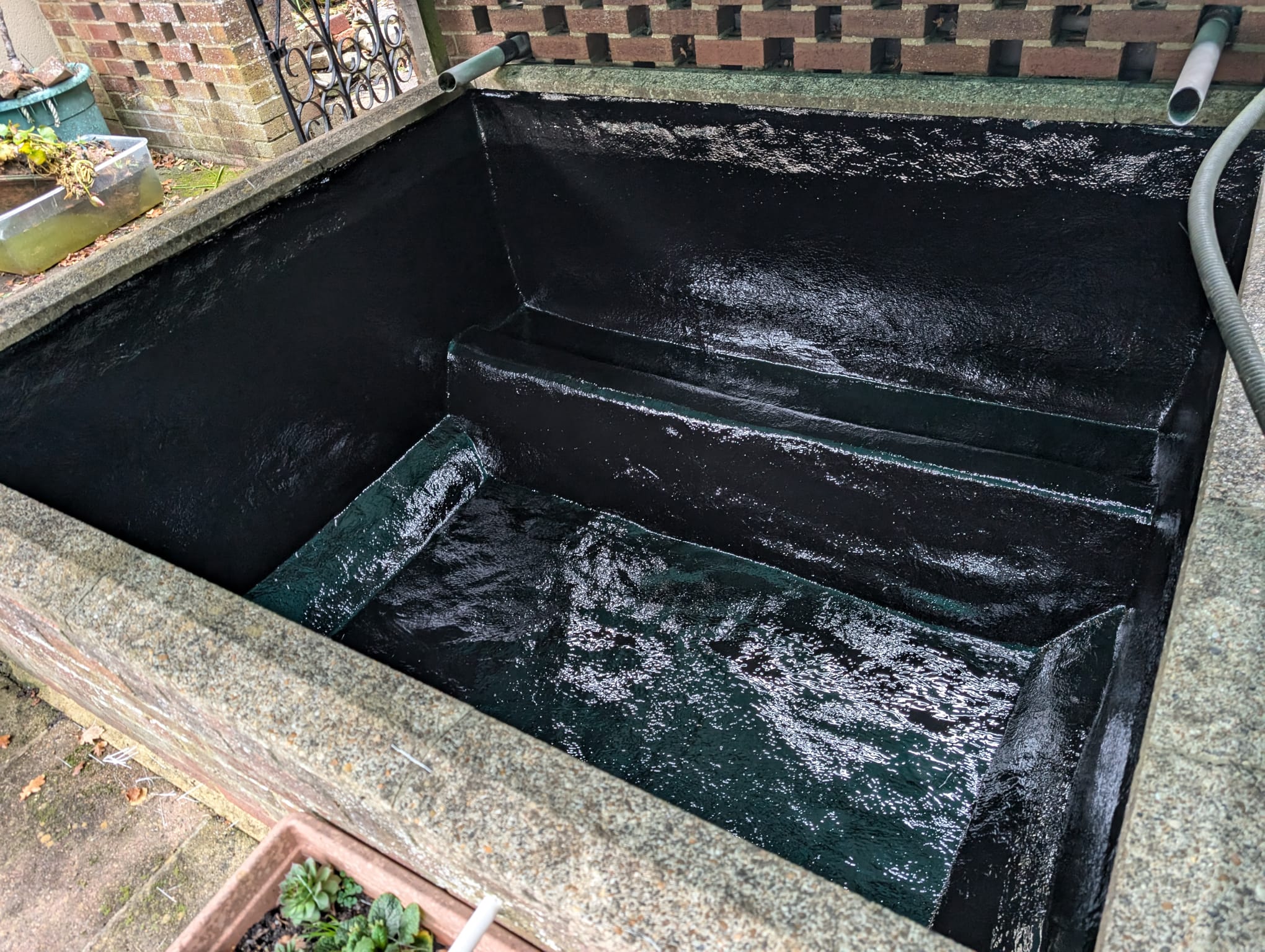
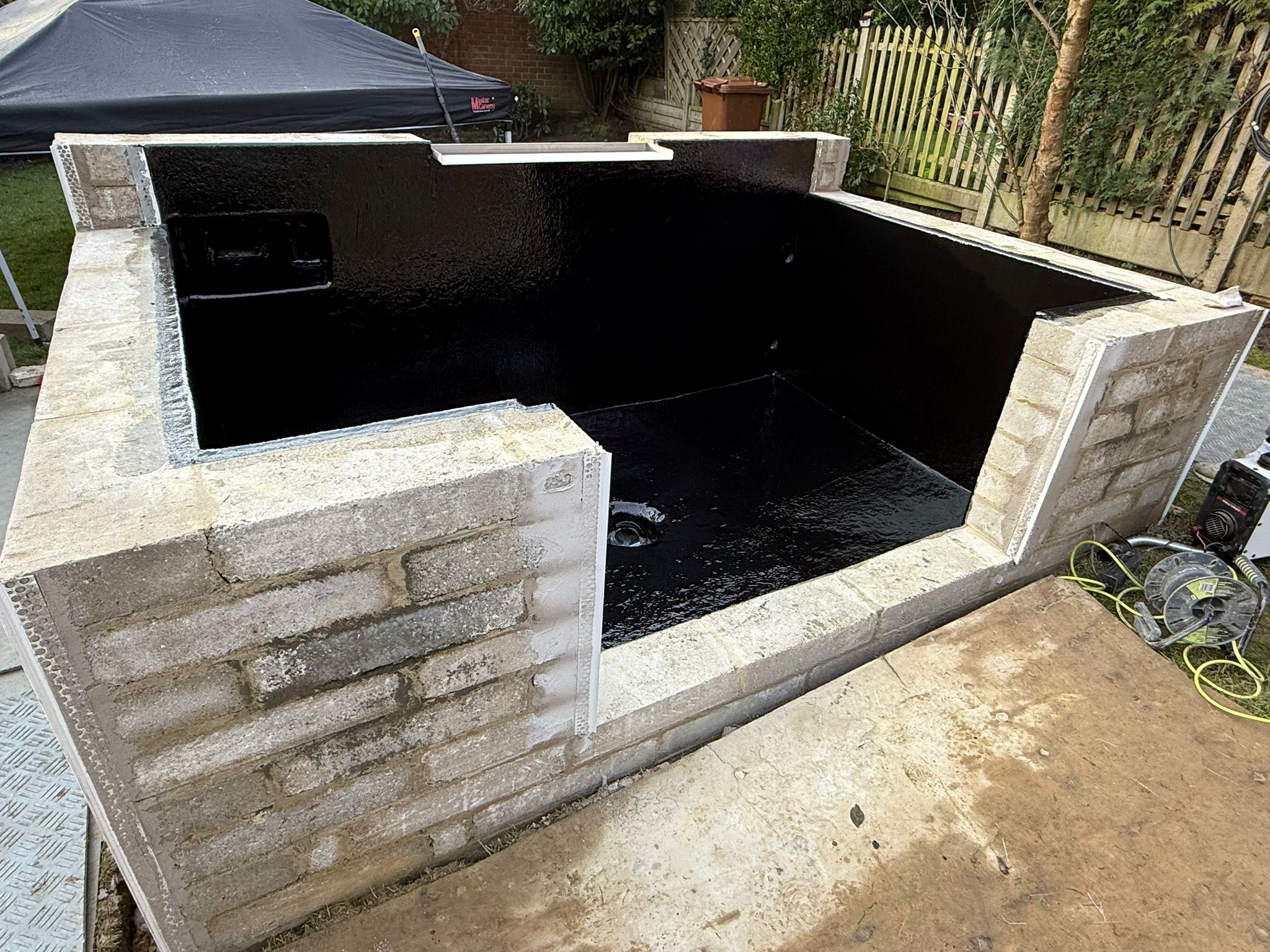
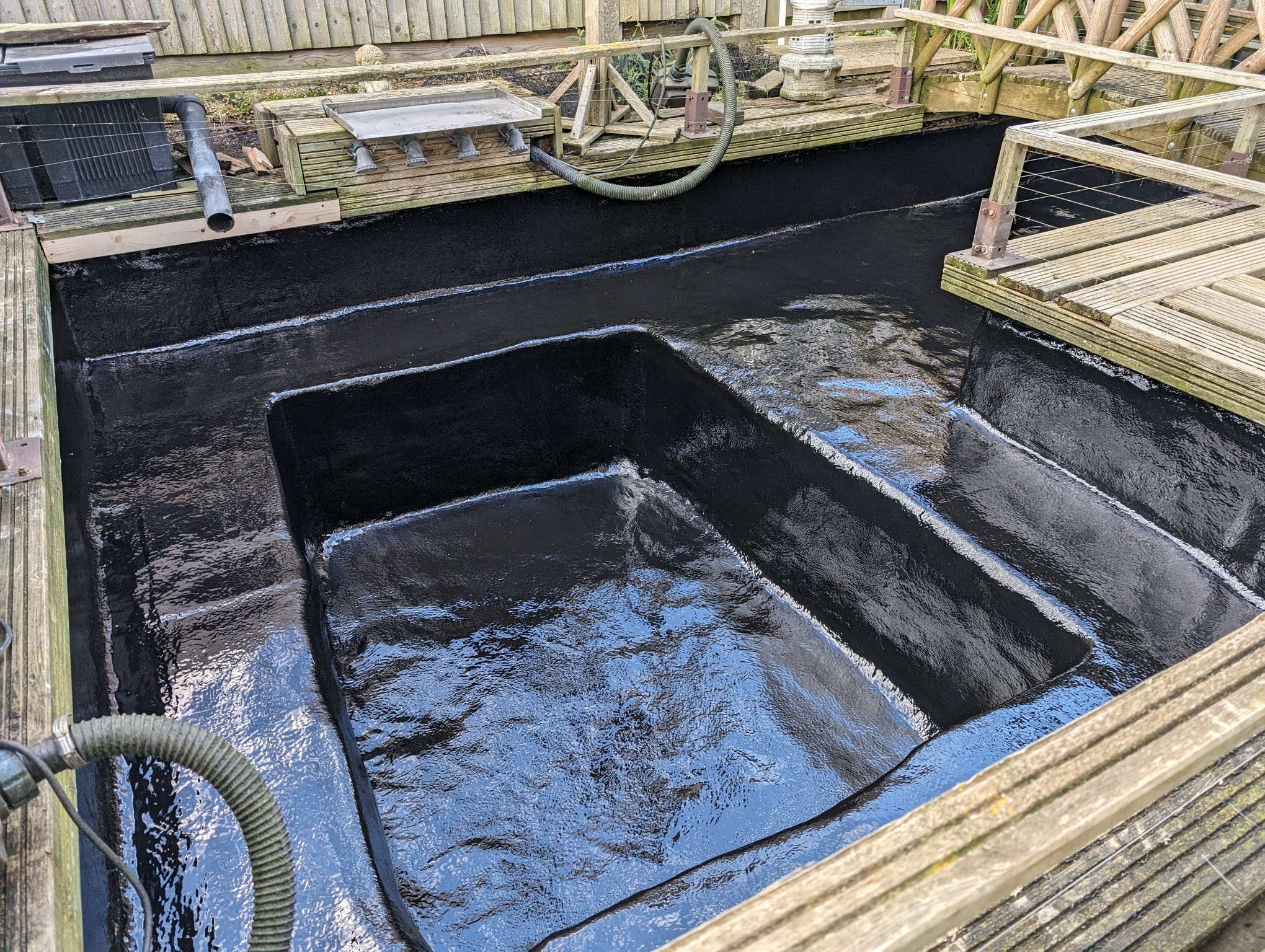
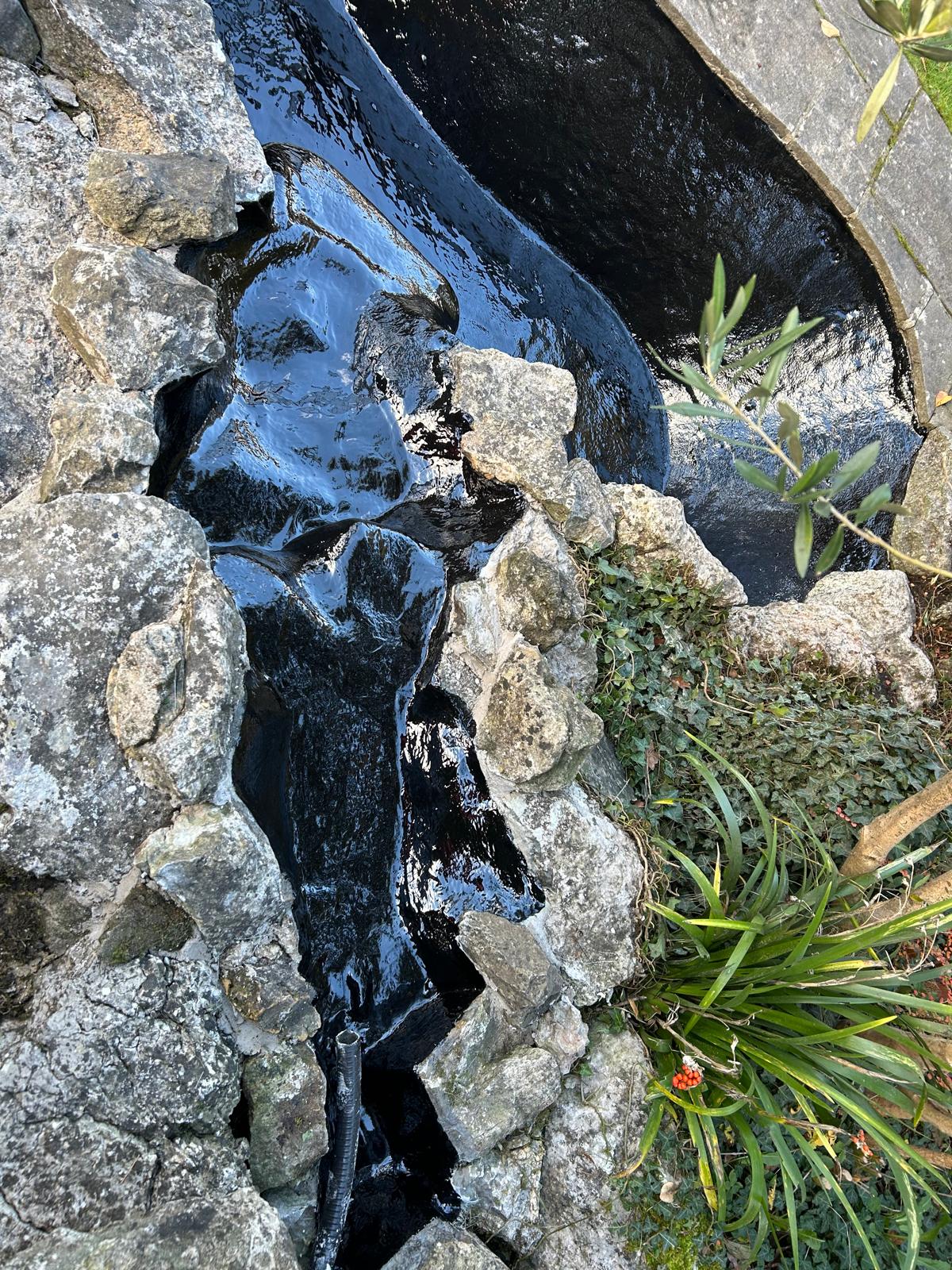
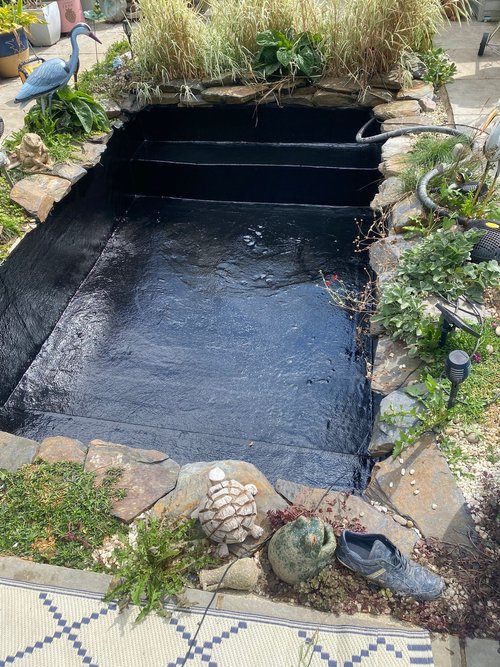
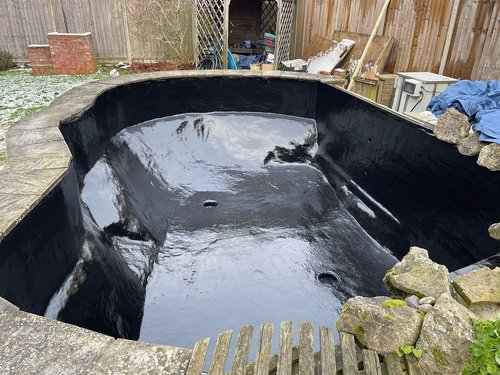
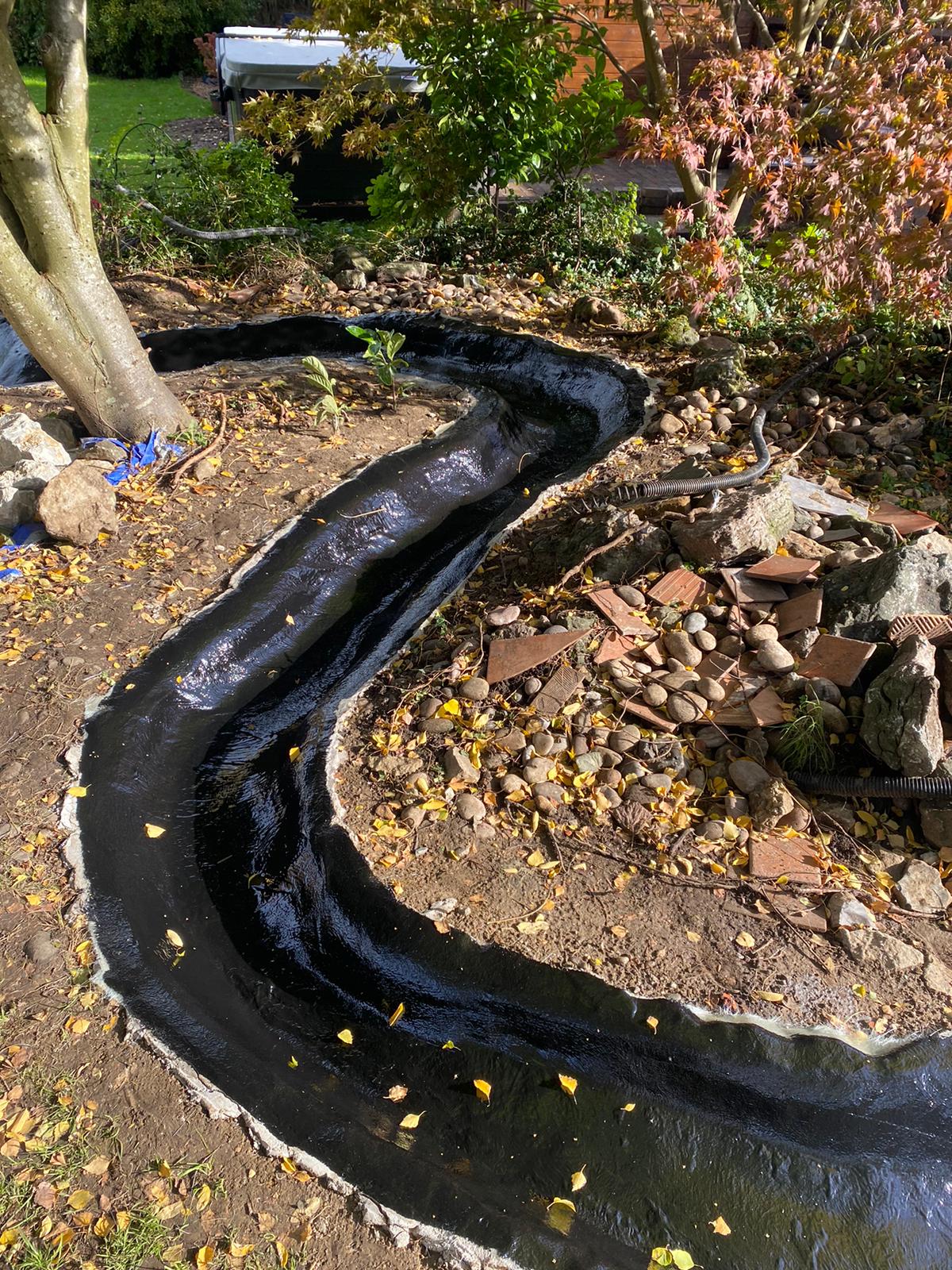
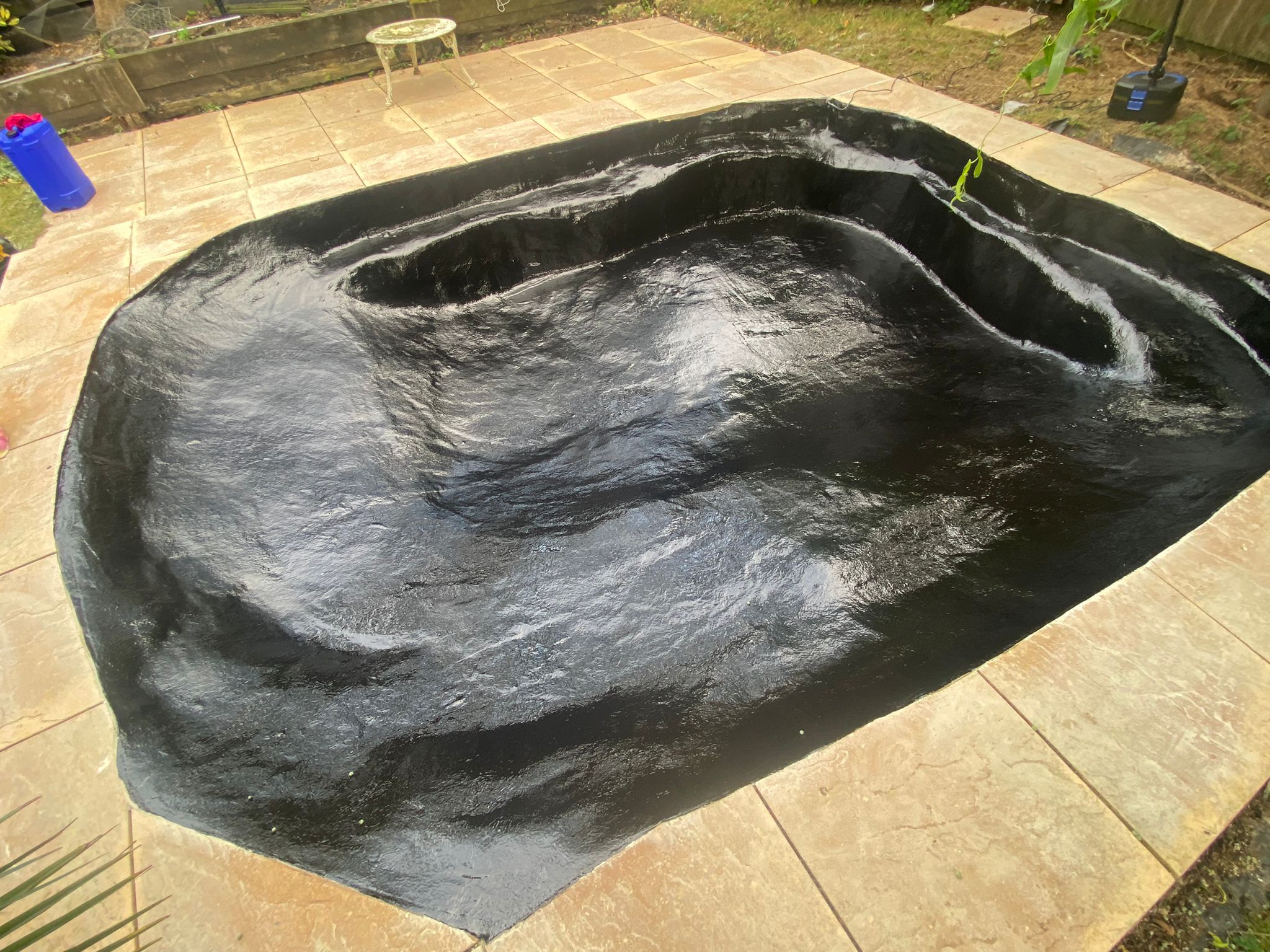
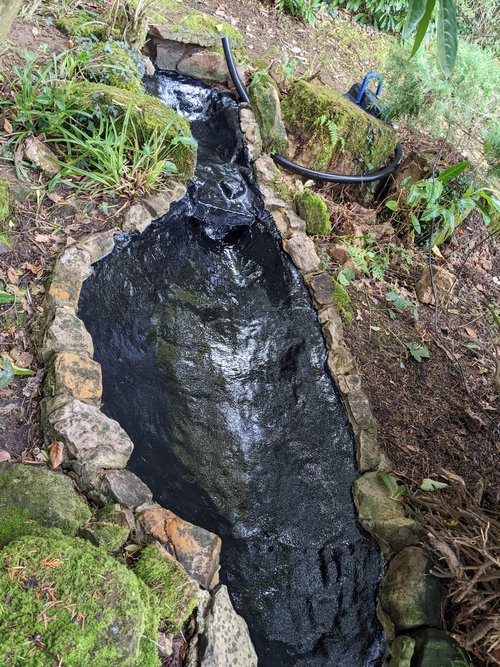
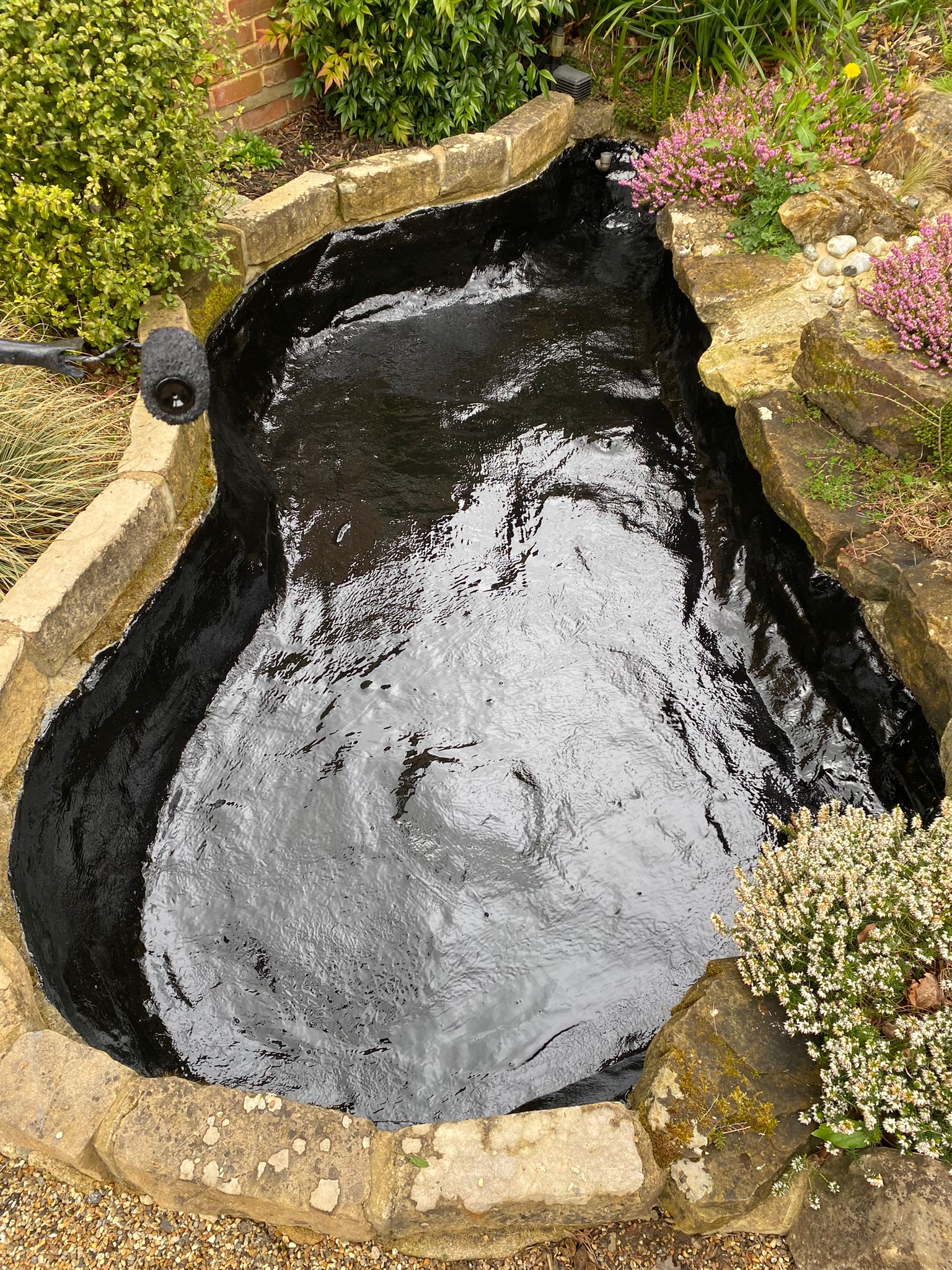
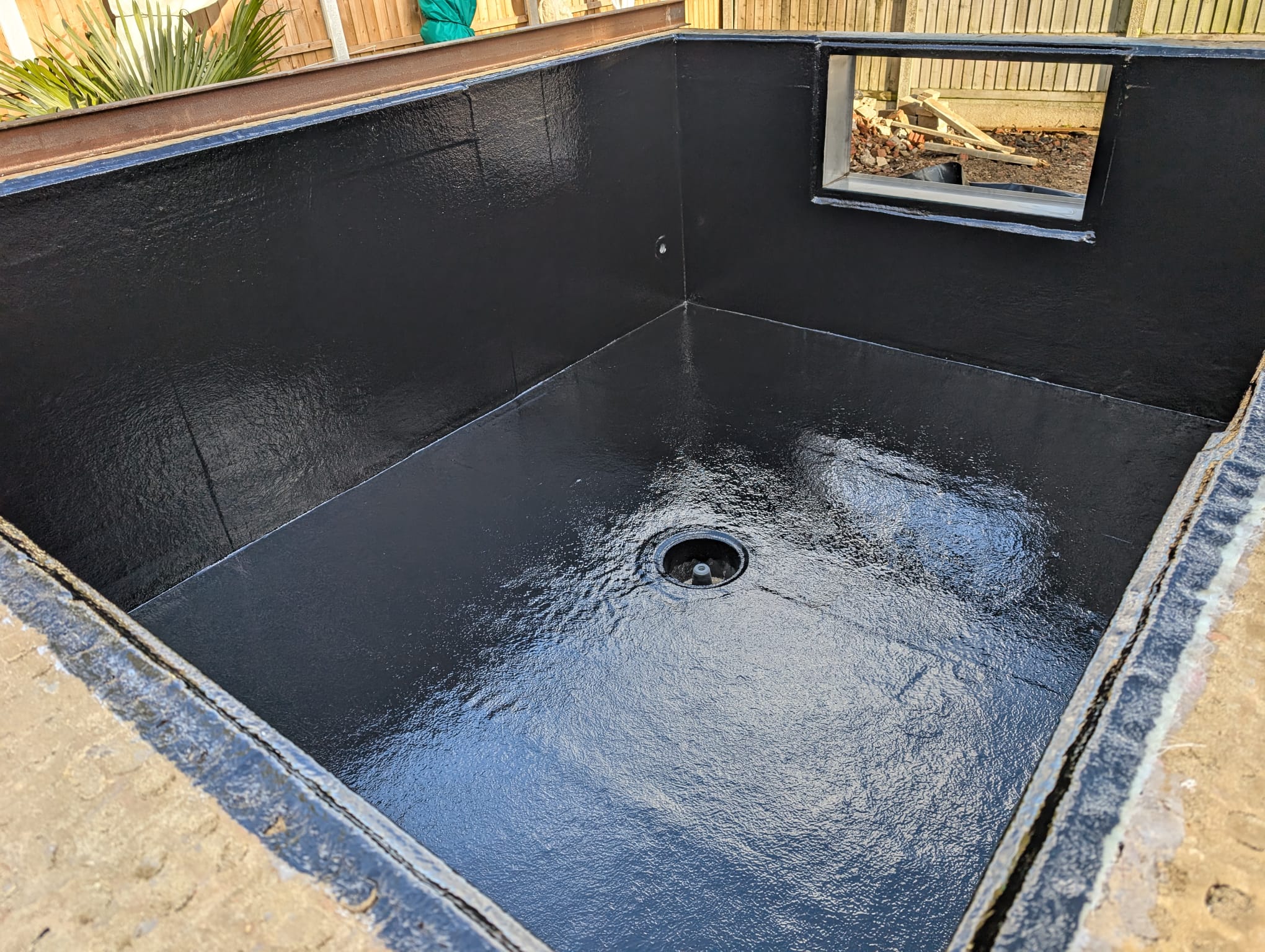
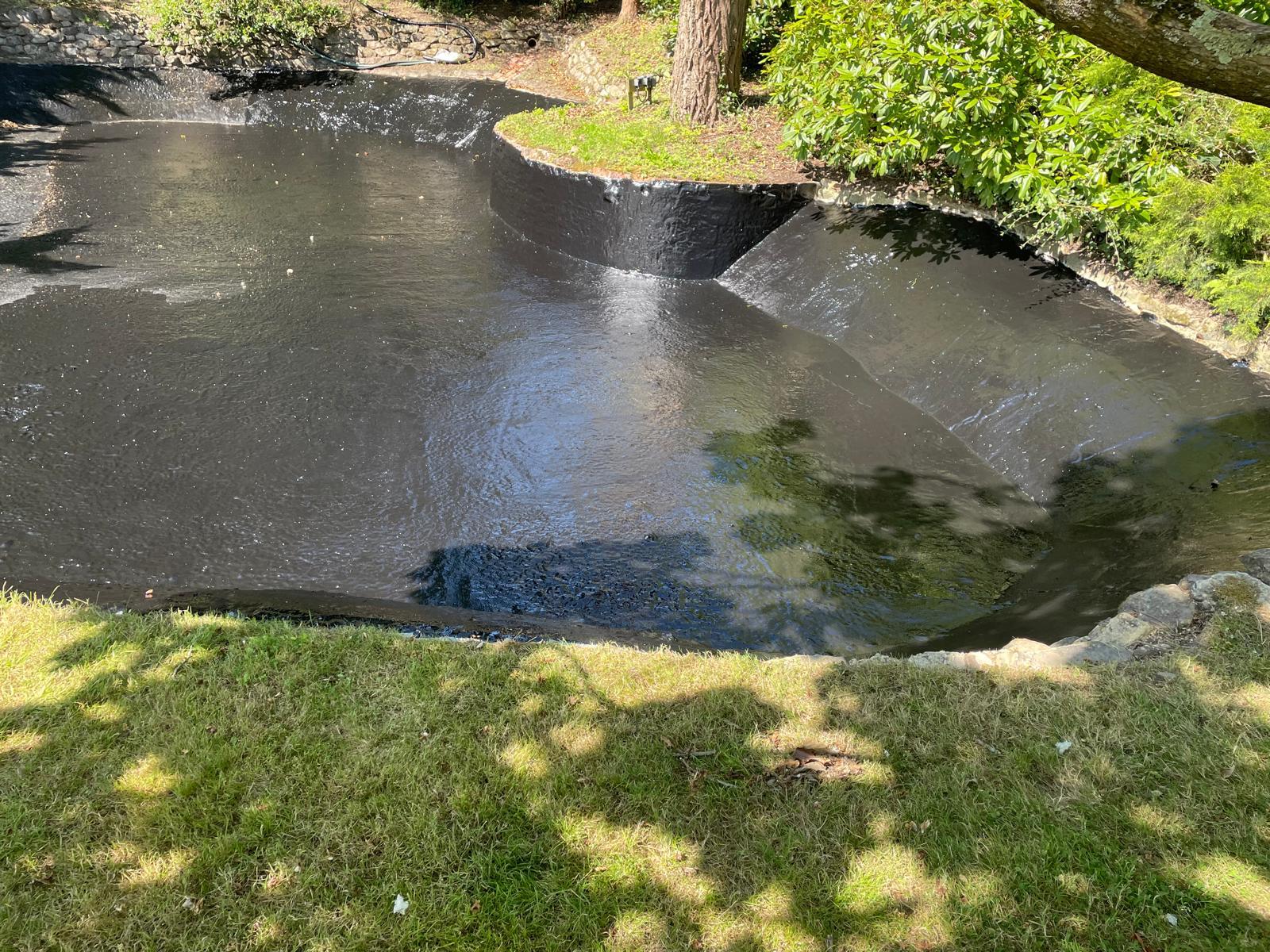
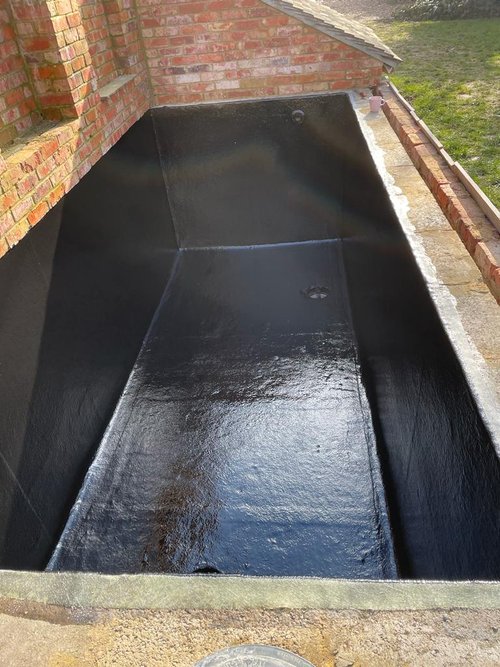
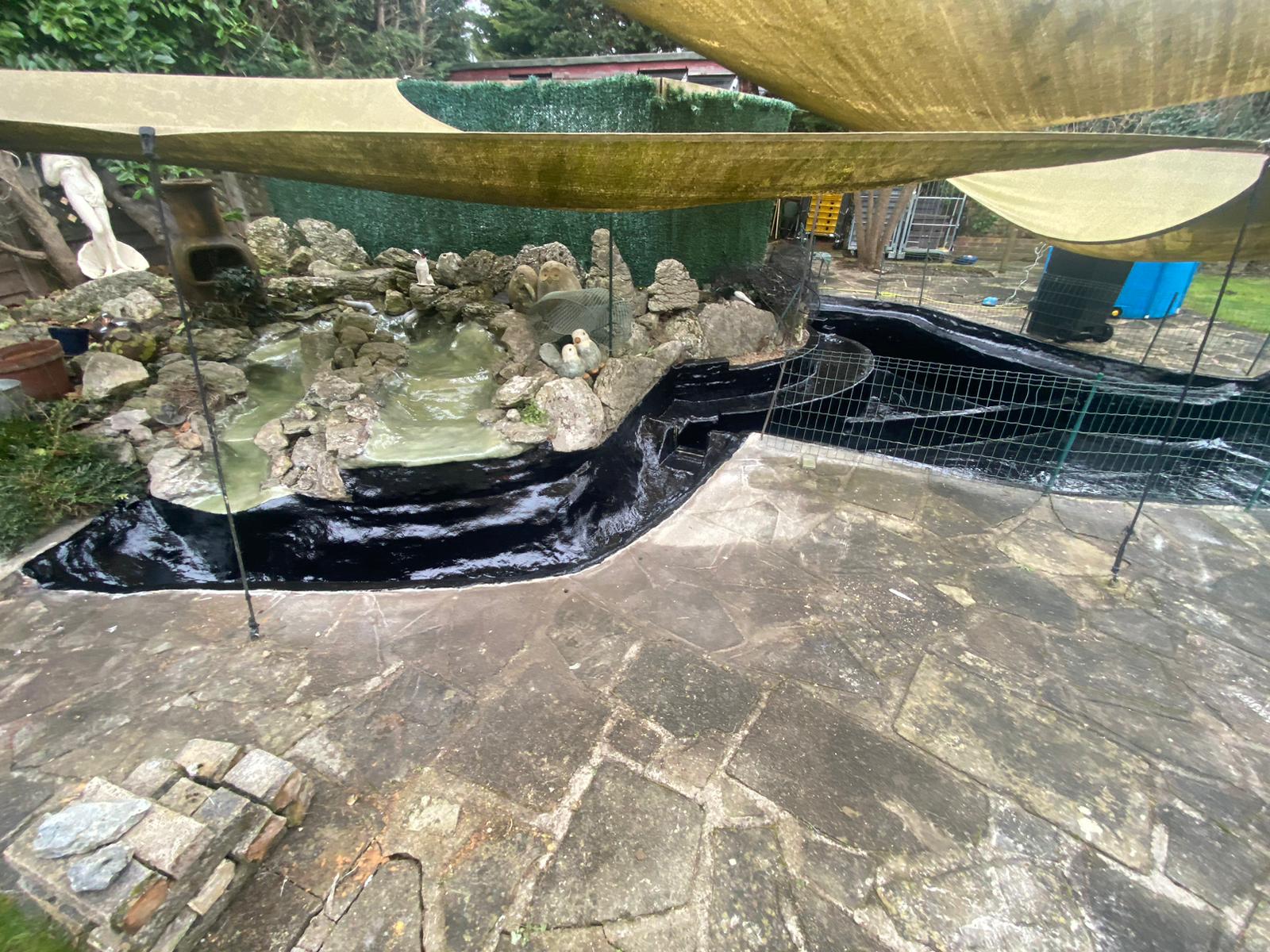
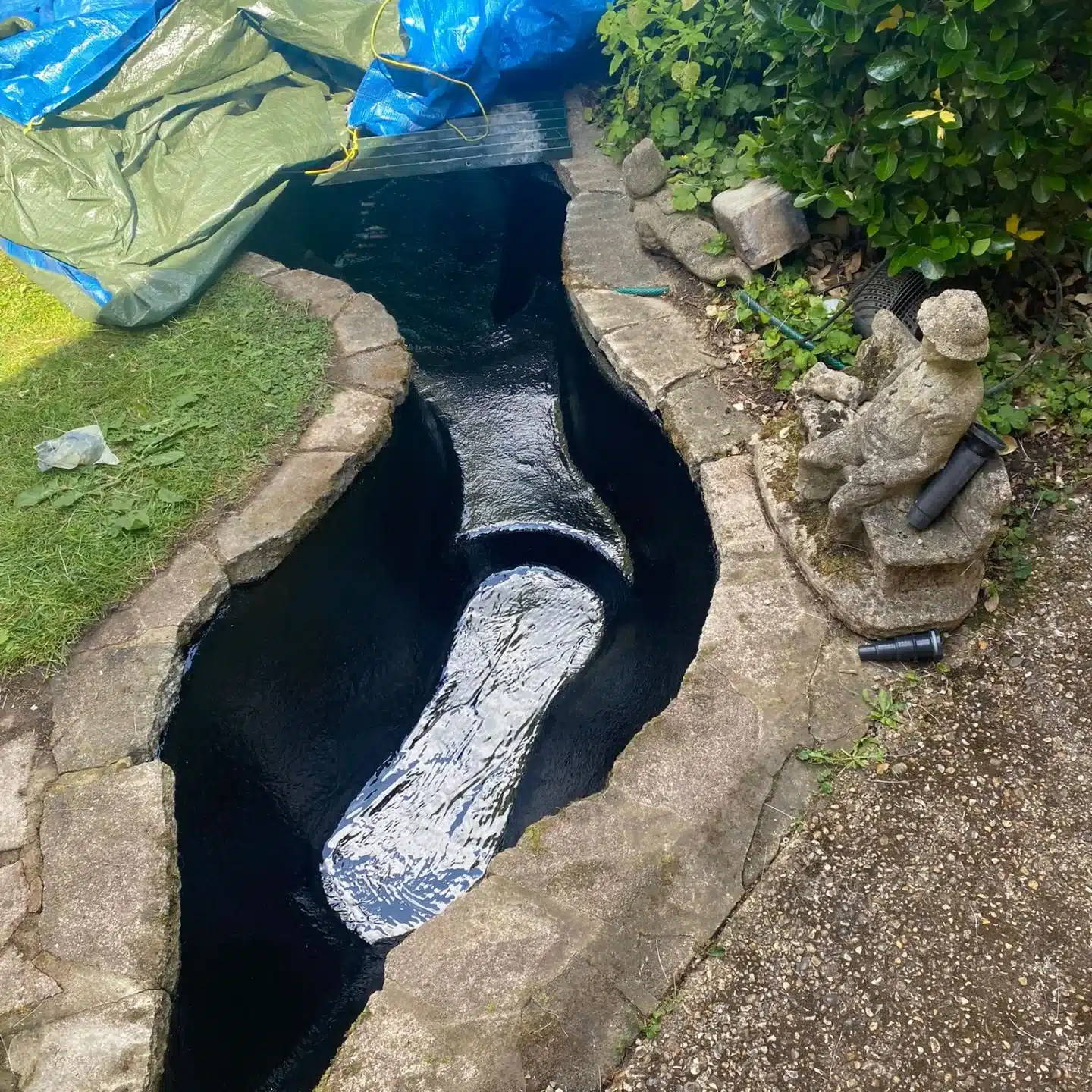
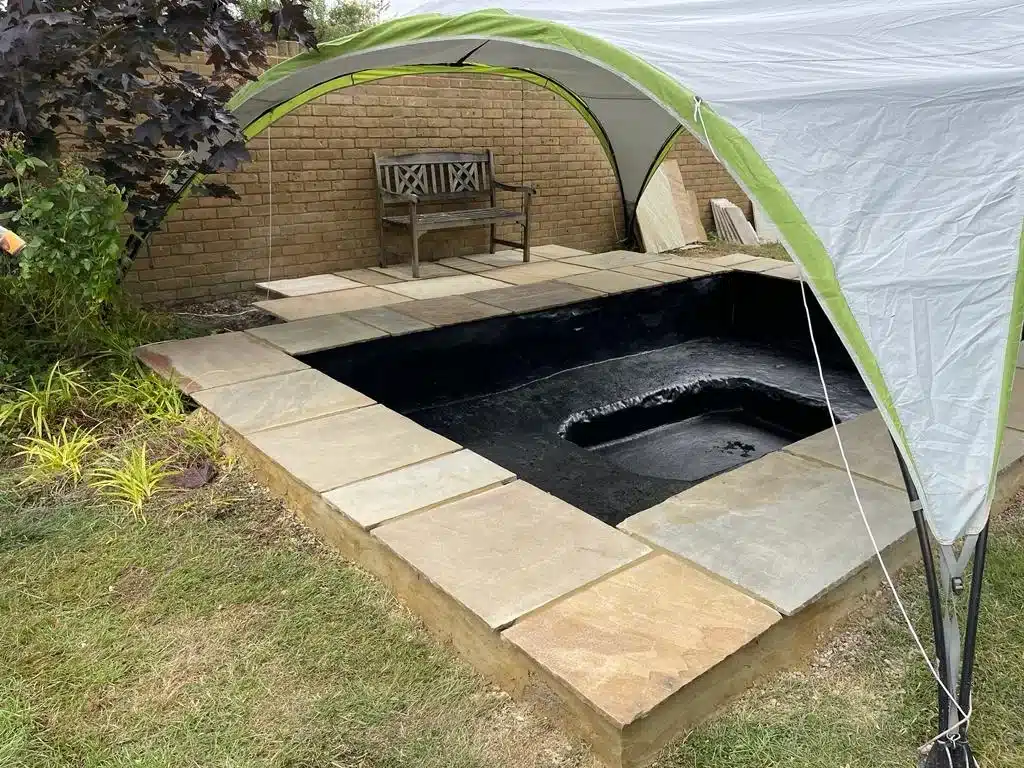
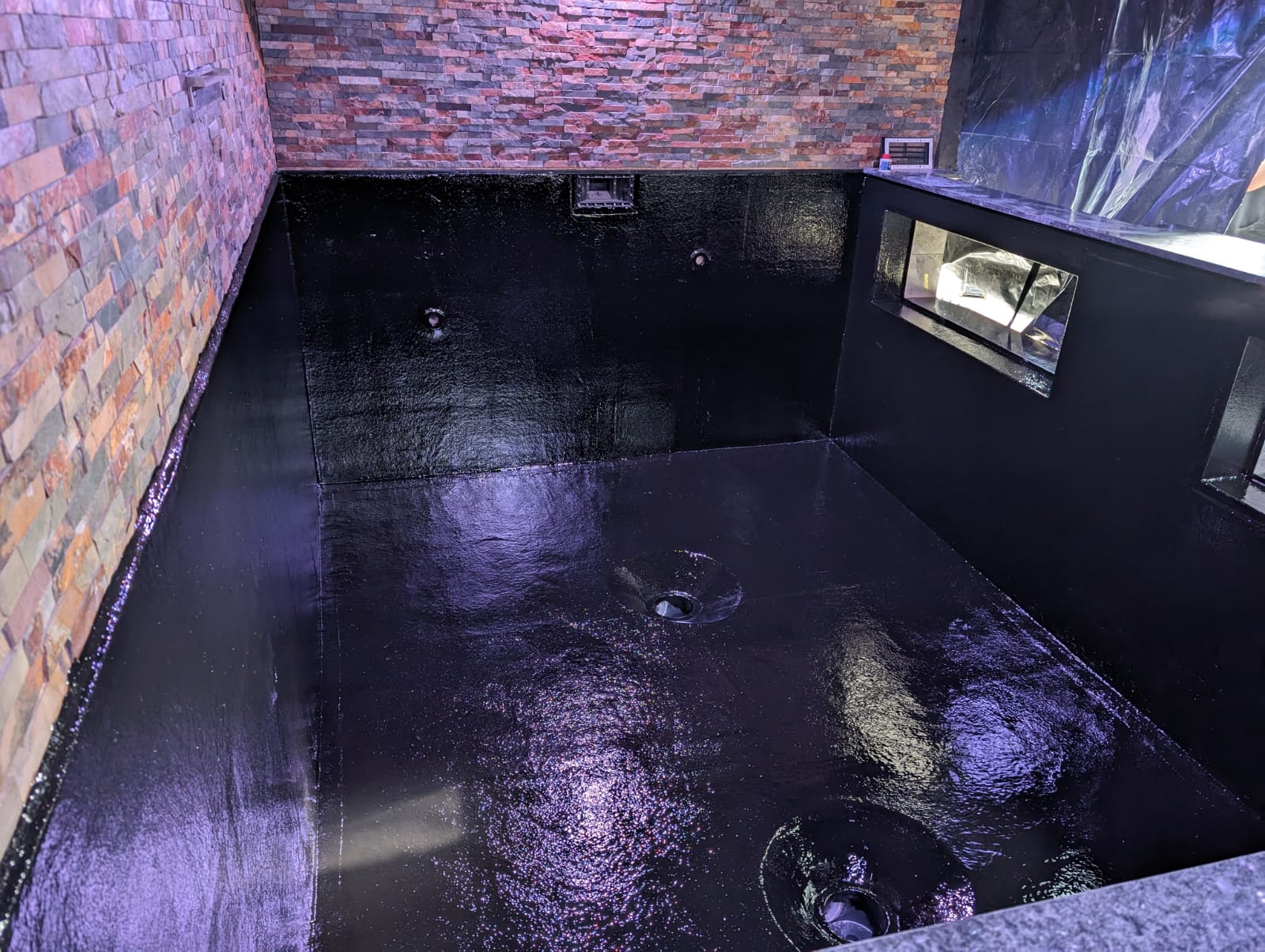
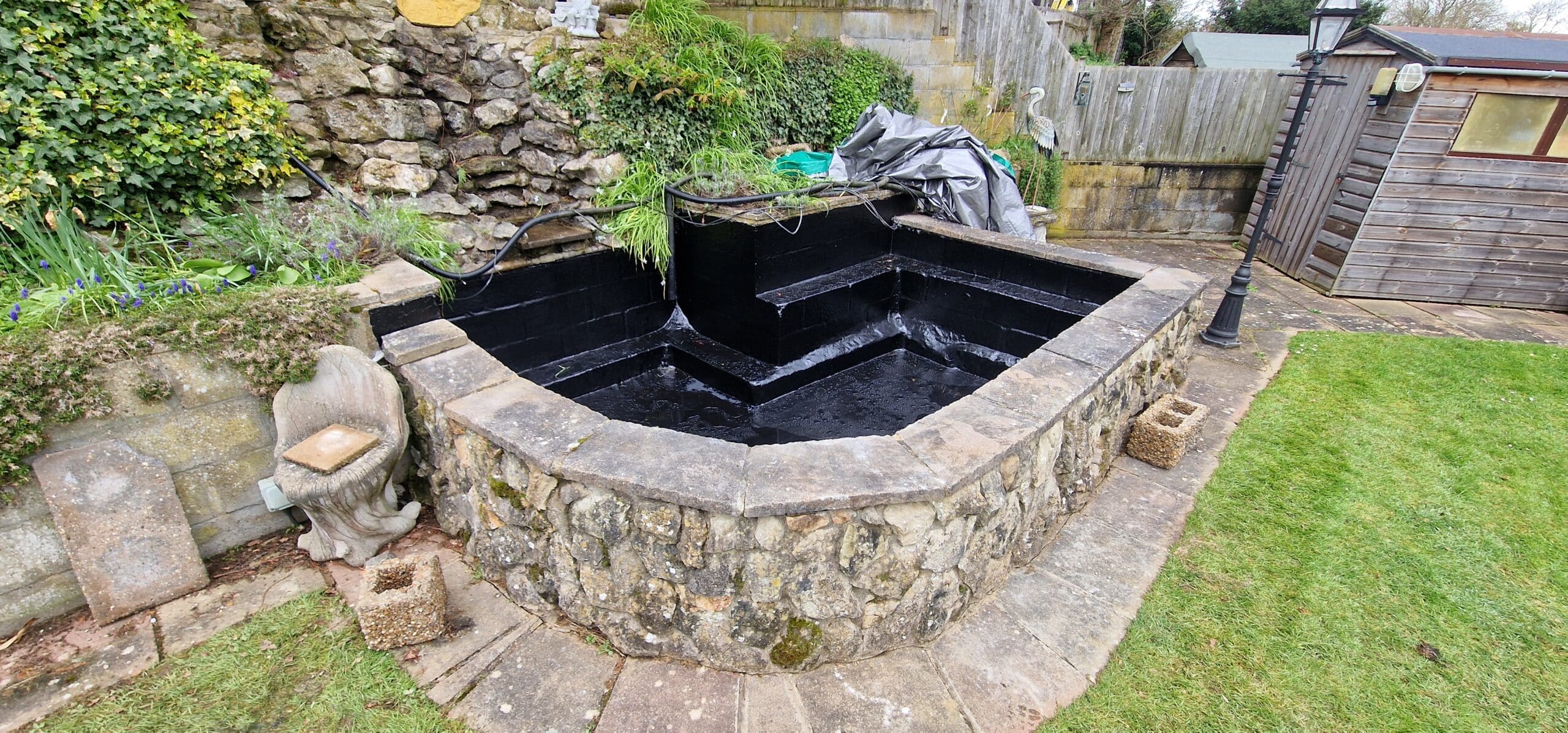
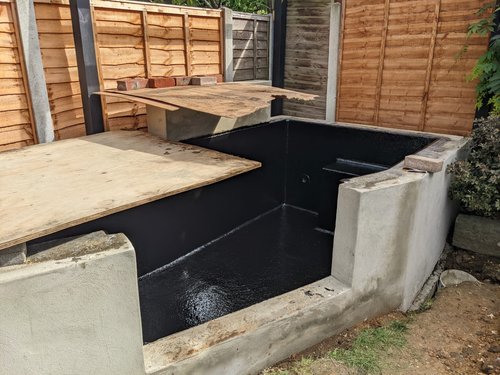
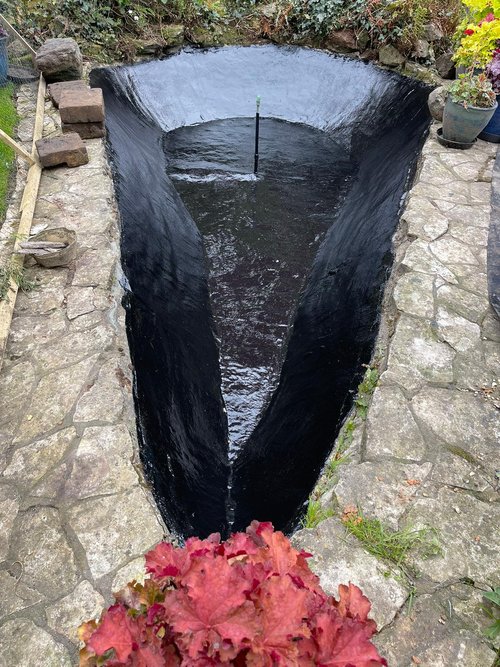
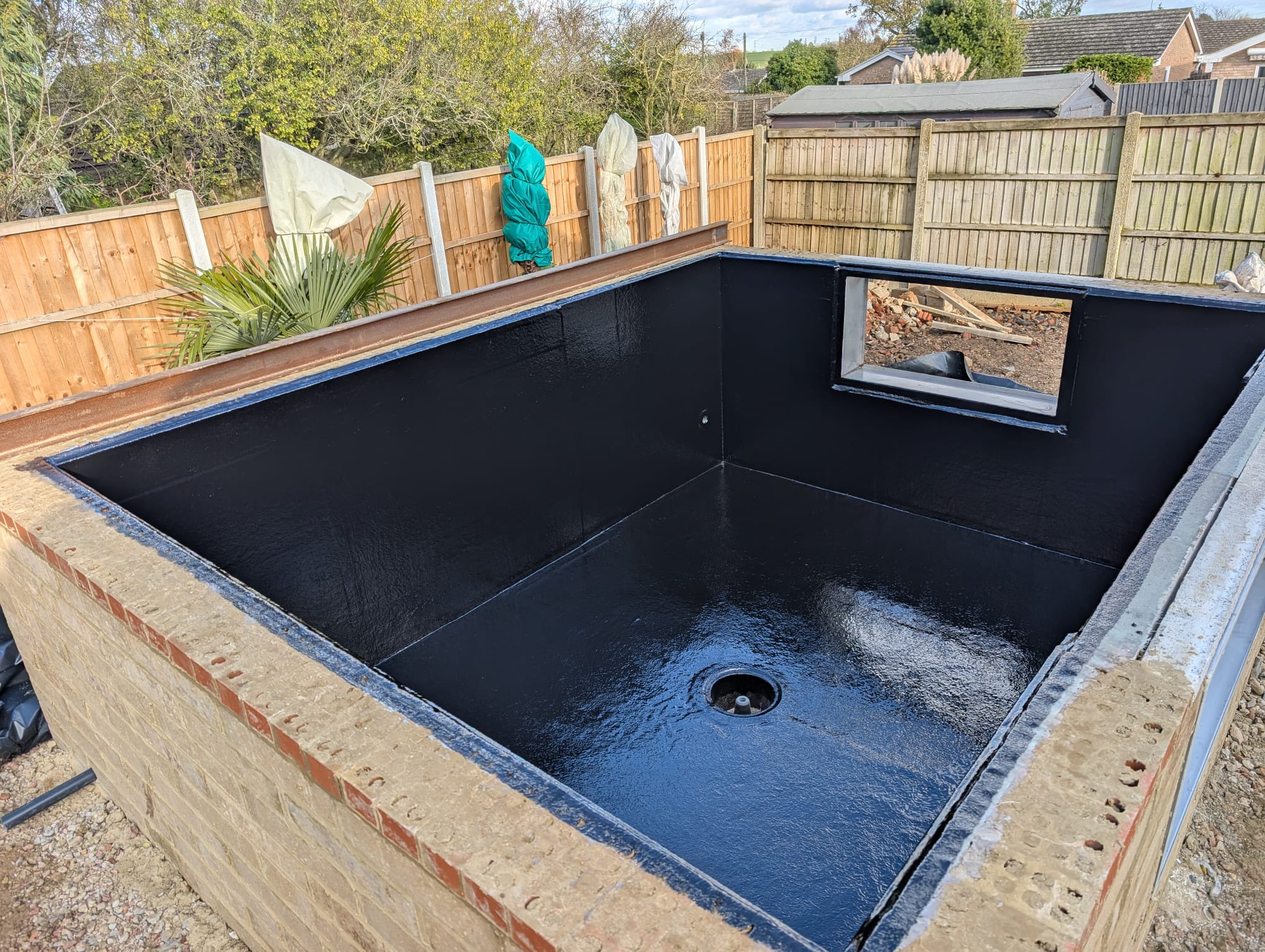
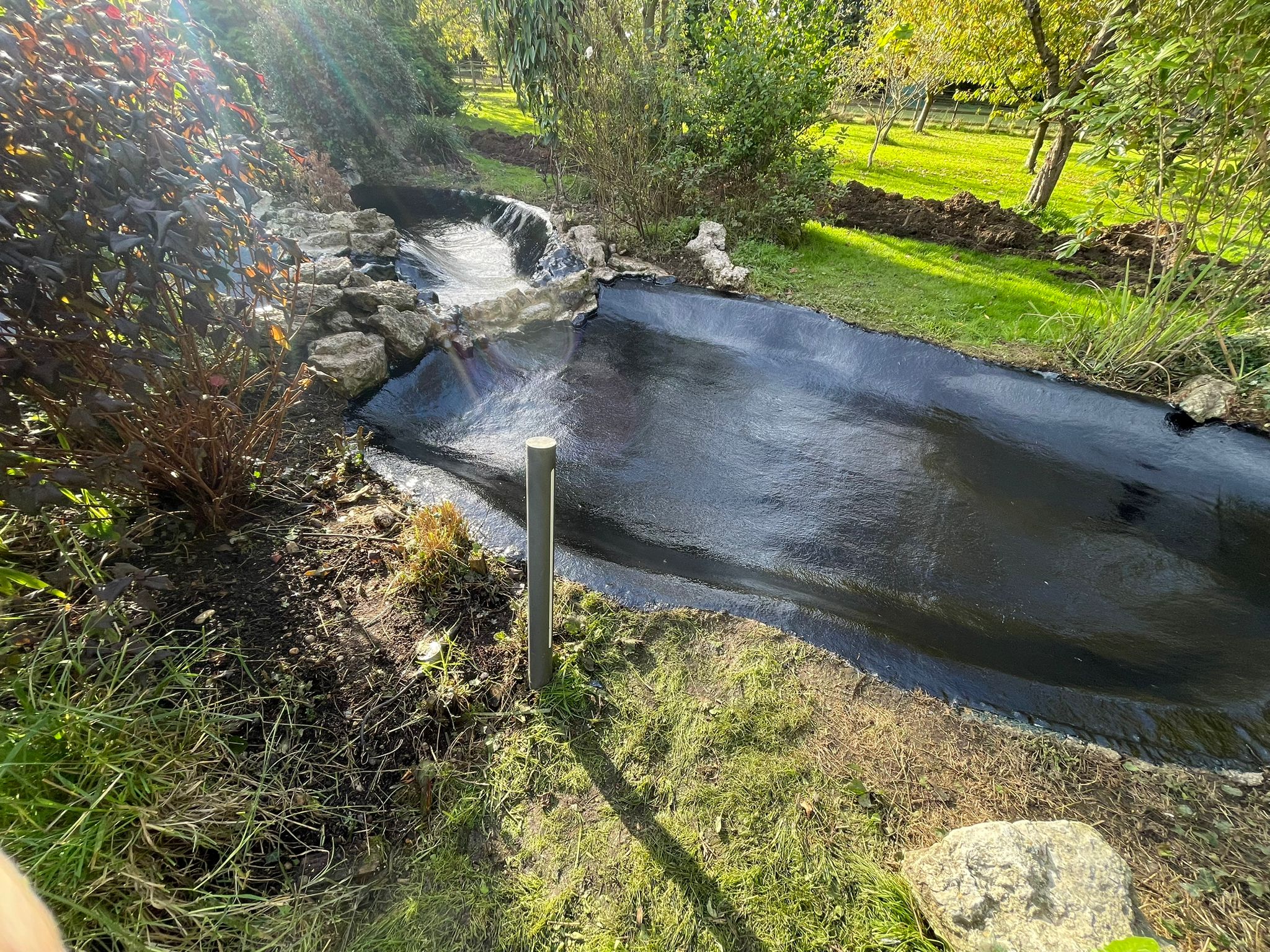
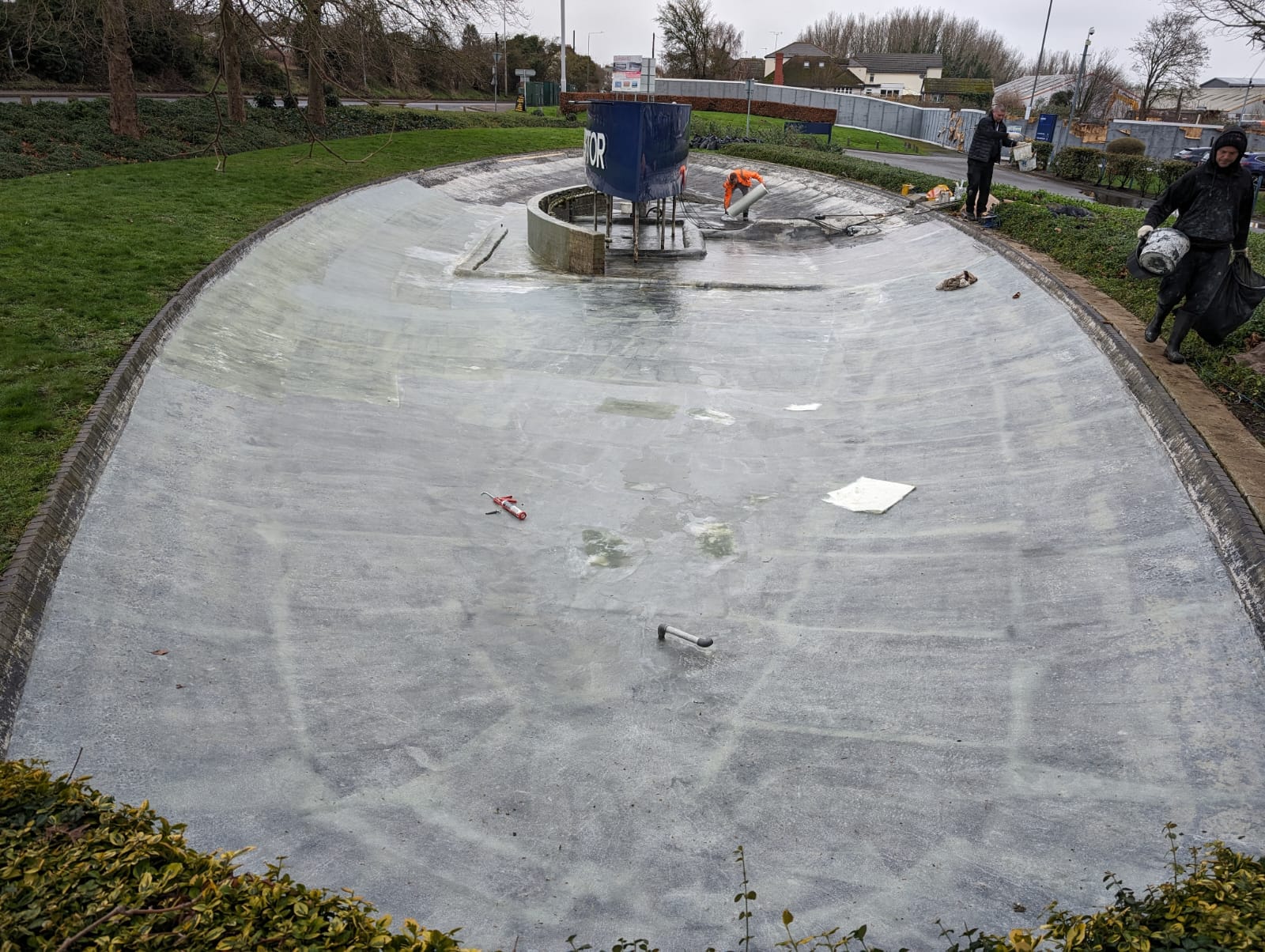
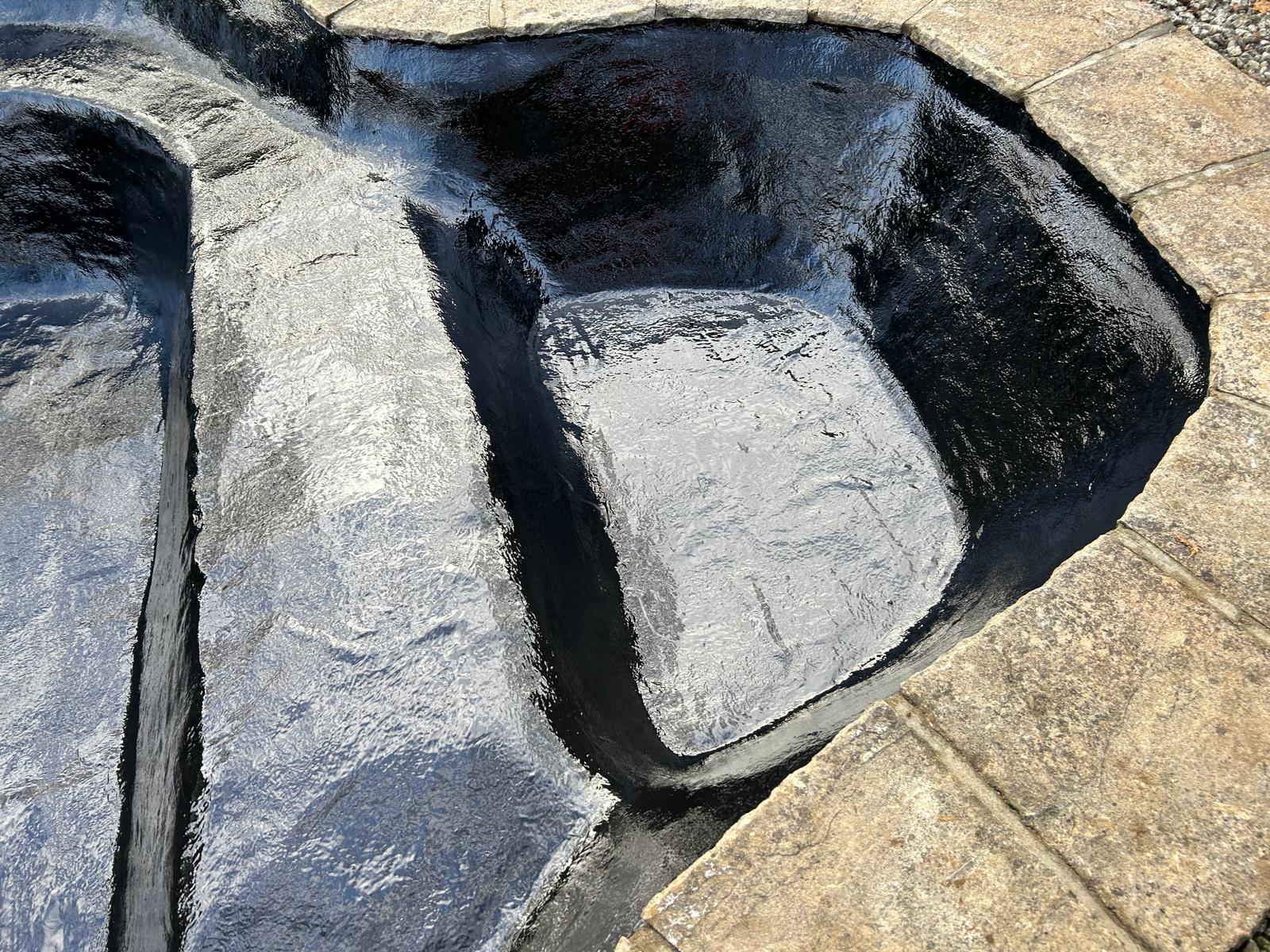
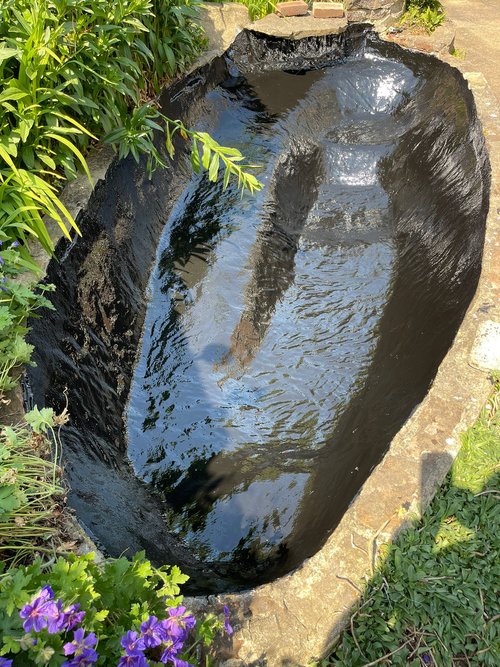
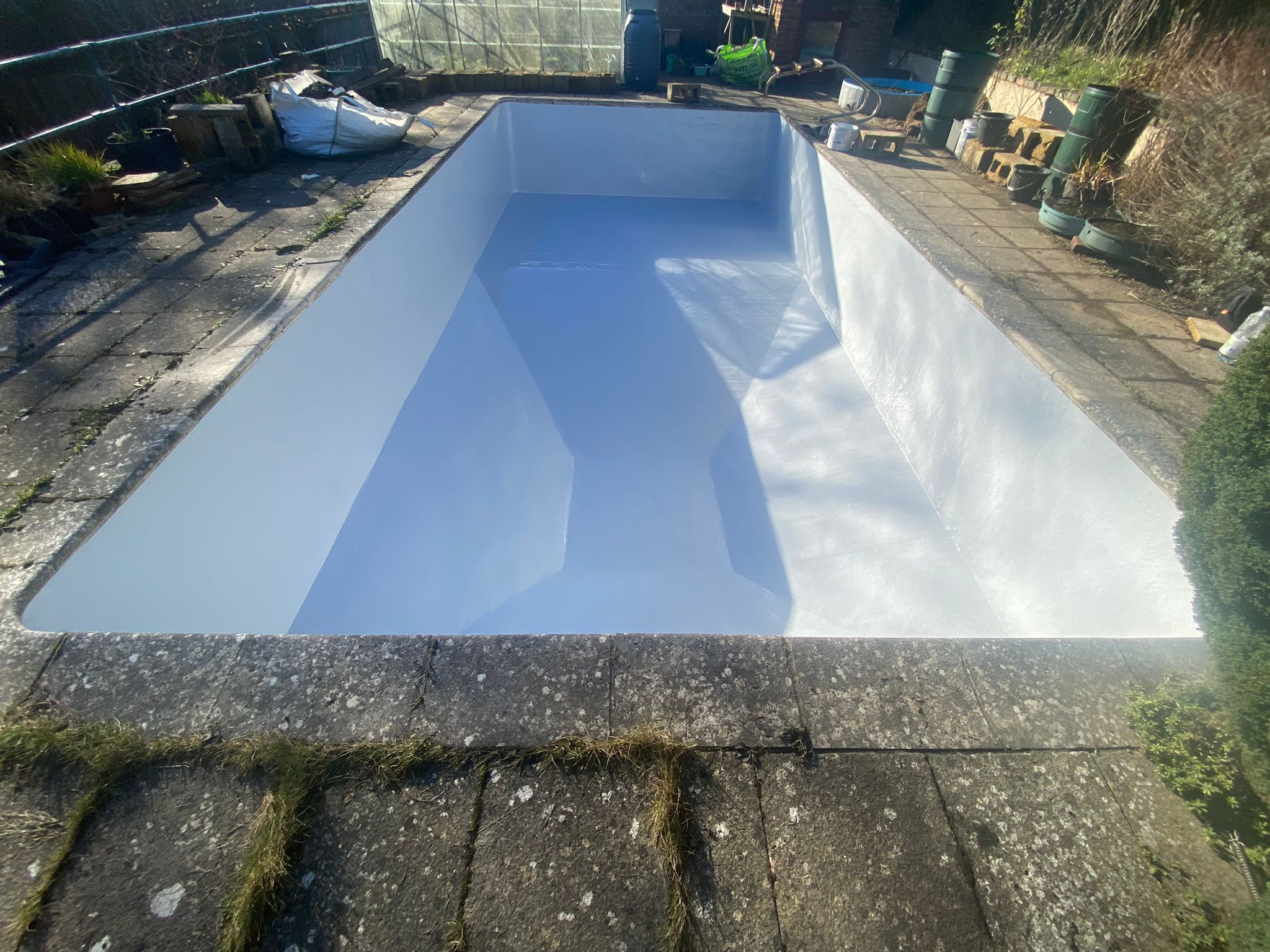
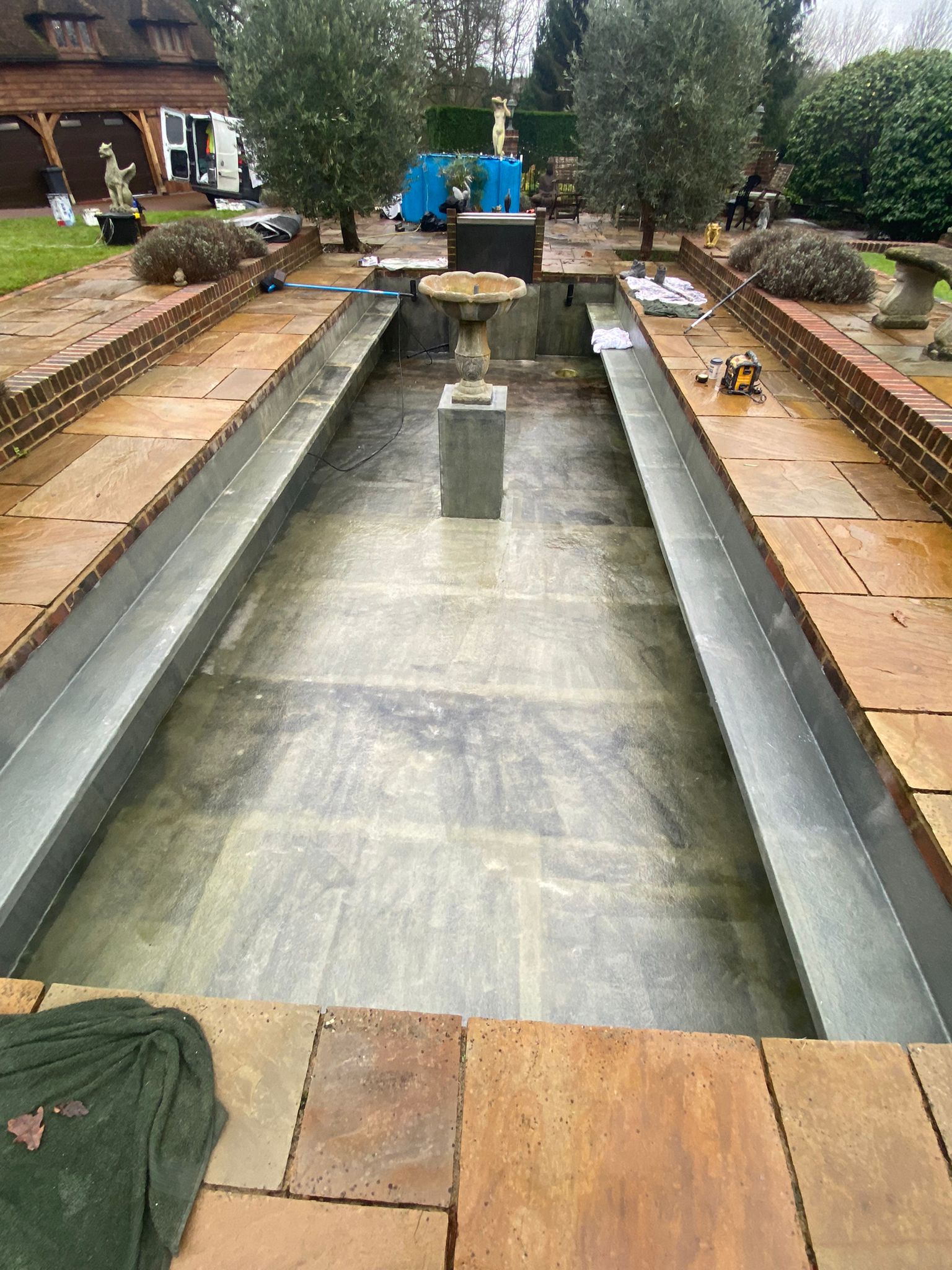
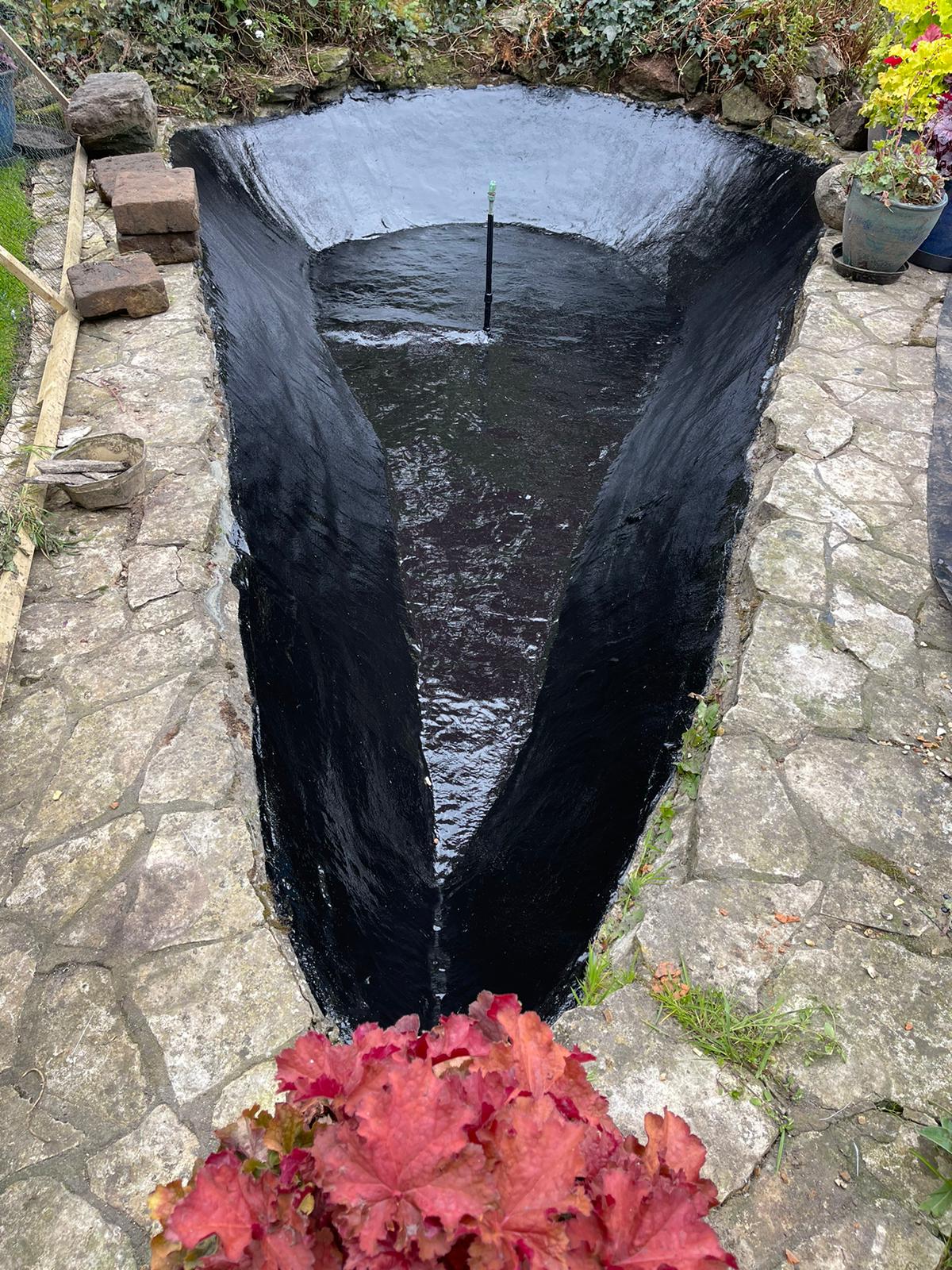
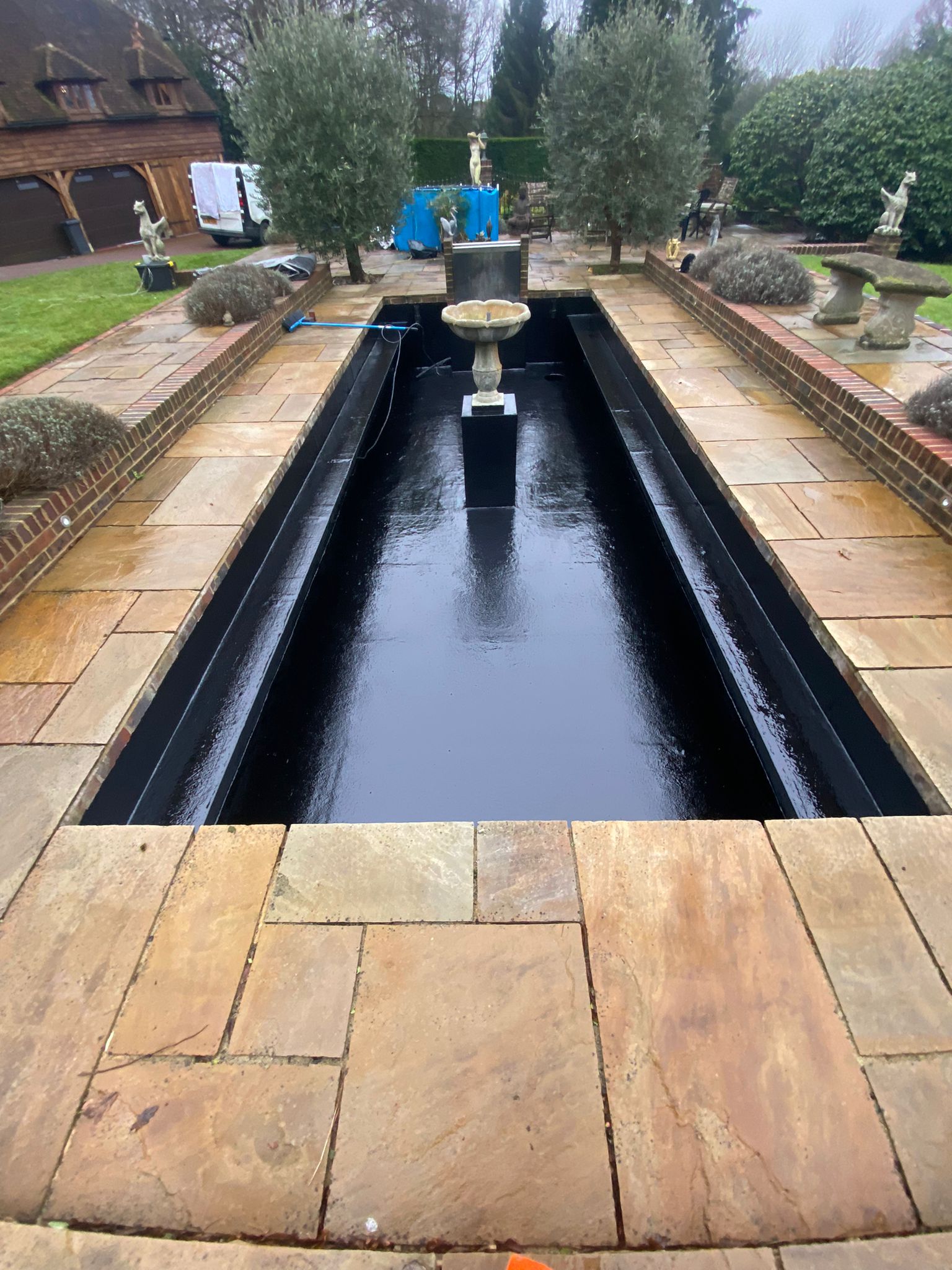
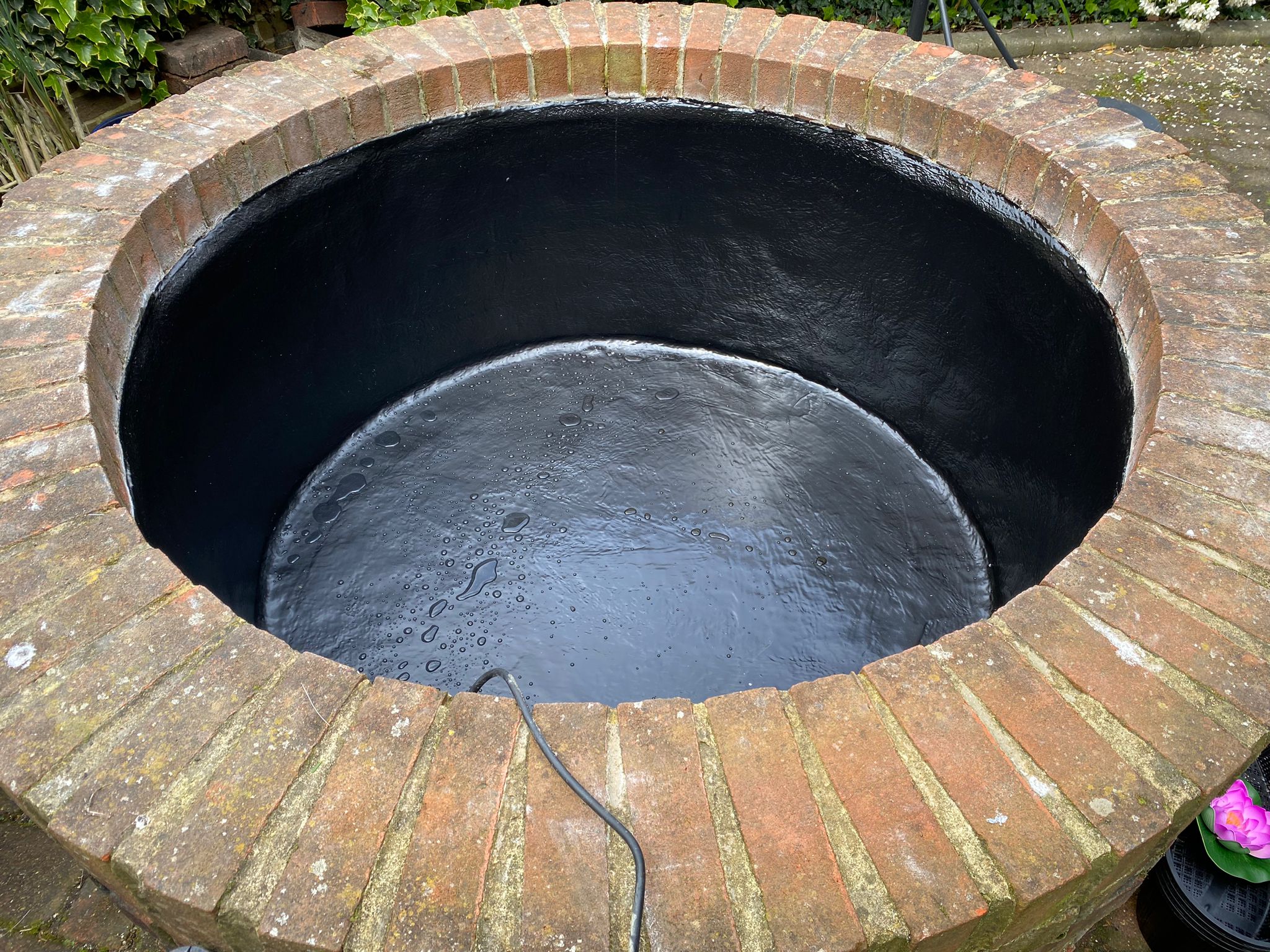
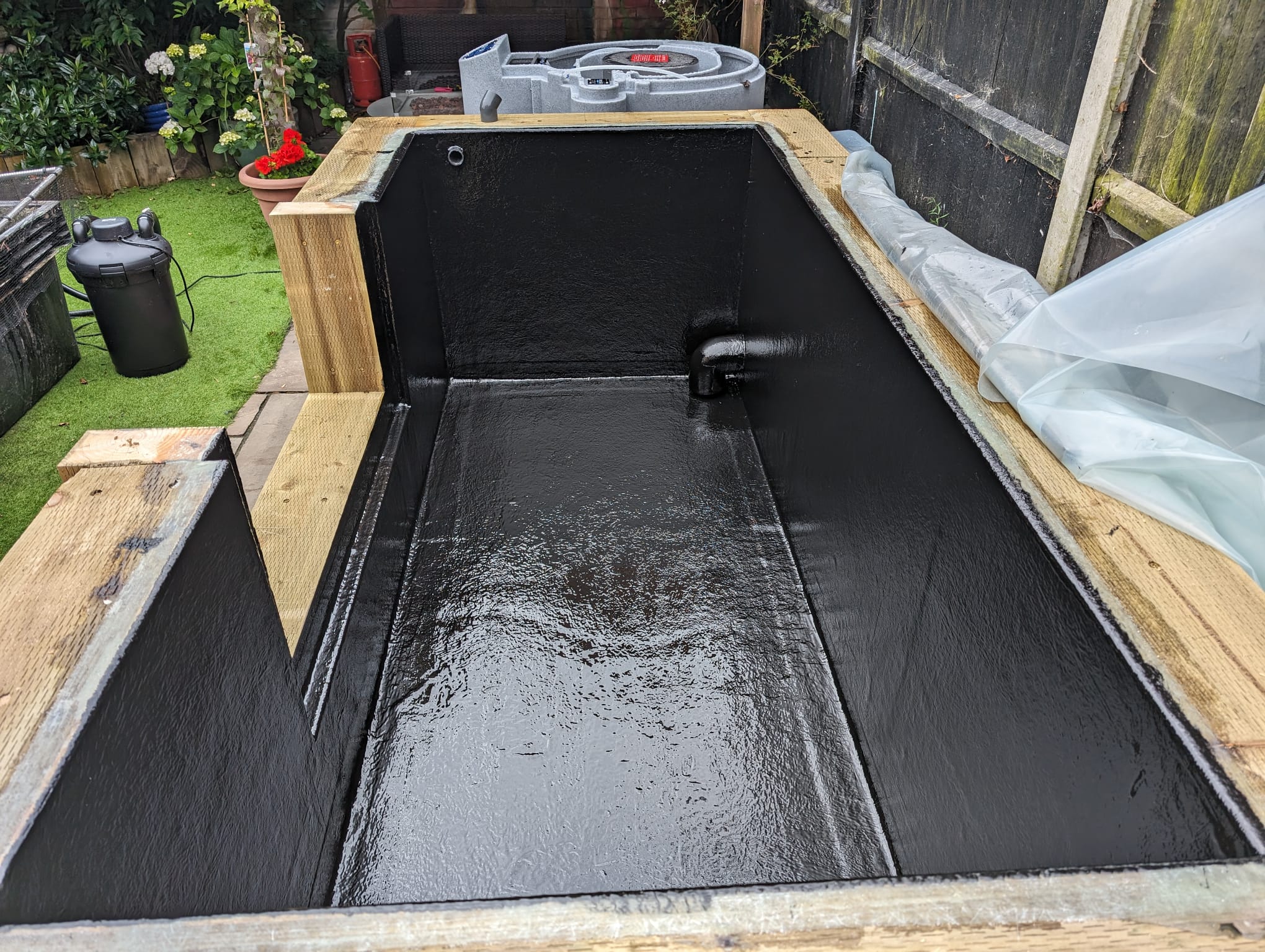
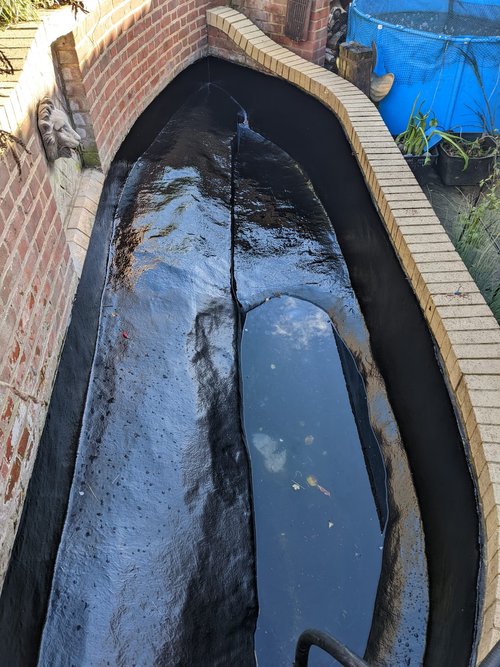
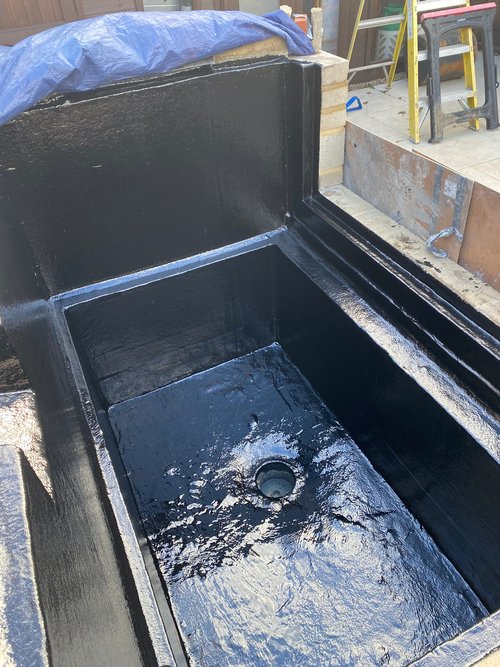
The project photographs further down this page show our work on different pond shapes and stages of construction. If you are planning a new pond or improving an older one, send us photographs and approximate dimensions so we can discuss the options.
Why choose fibreglass for ponds
Fibreglass is applied to a prepared surface, so it can follow the shape of the pond and be detailed around drains, returns and viewing windows. On a suitable structure, this produces a neat lining with no loose folds to hide debris. Careful preparation and detailing are essential to a successful installation.
We use it for both new ponds and refurbishment projects. It is particularly useful where a clean internal finish is part of the design, including koi ponds with straight walls, shelves, steps or curves. The lining is one part of the build: it does not replace sound foundations or repair an unstable structure by itself.
The surface is straightforward to inspect and clean. Algae can still grow, and filtration and maintenance remain important. Choosing fibreglass should be about the pond’s construction and your priorities, rather than expecting it to solve every water-quality or maintenance problem.
Our pond fibreglassing process
Every fibreglass installation is carried out in a structured and controlled way to achieve a clean finish and long term reliability.
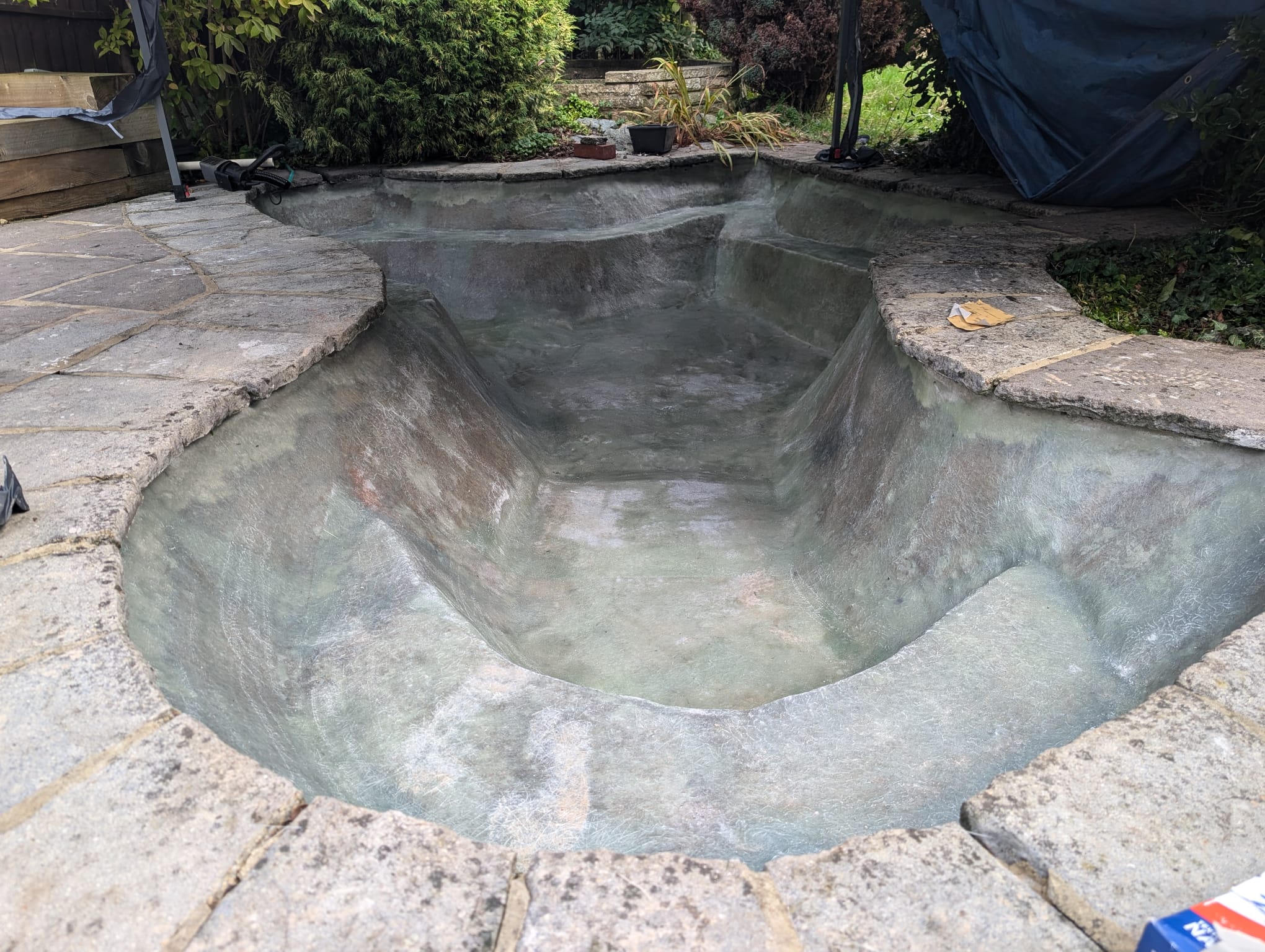
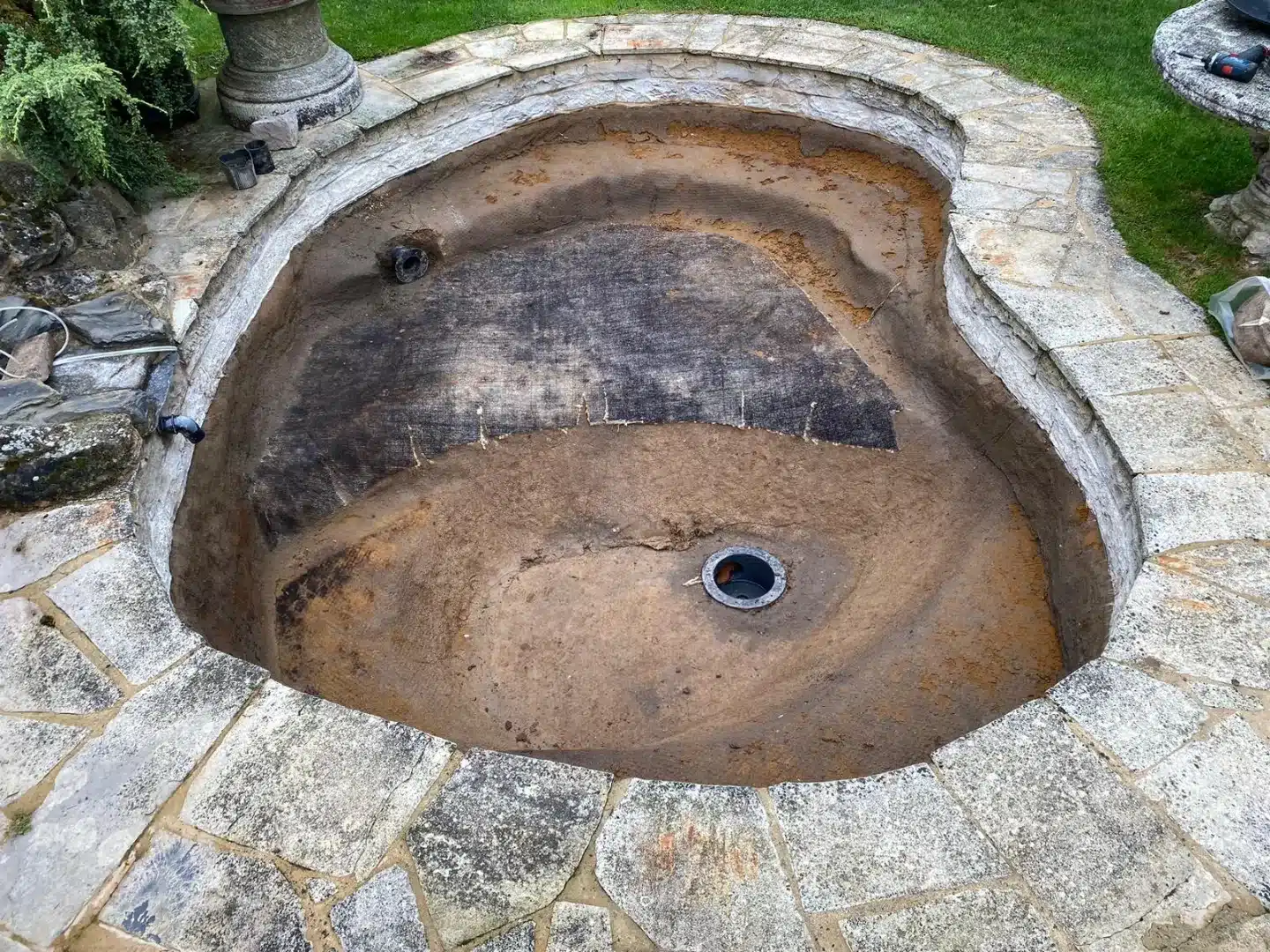
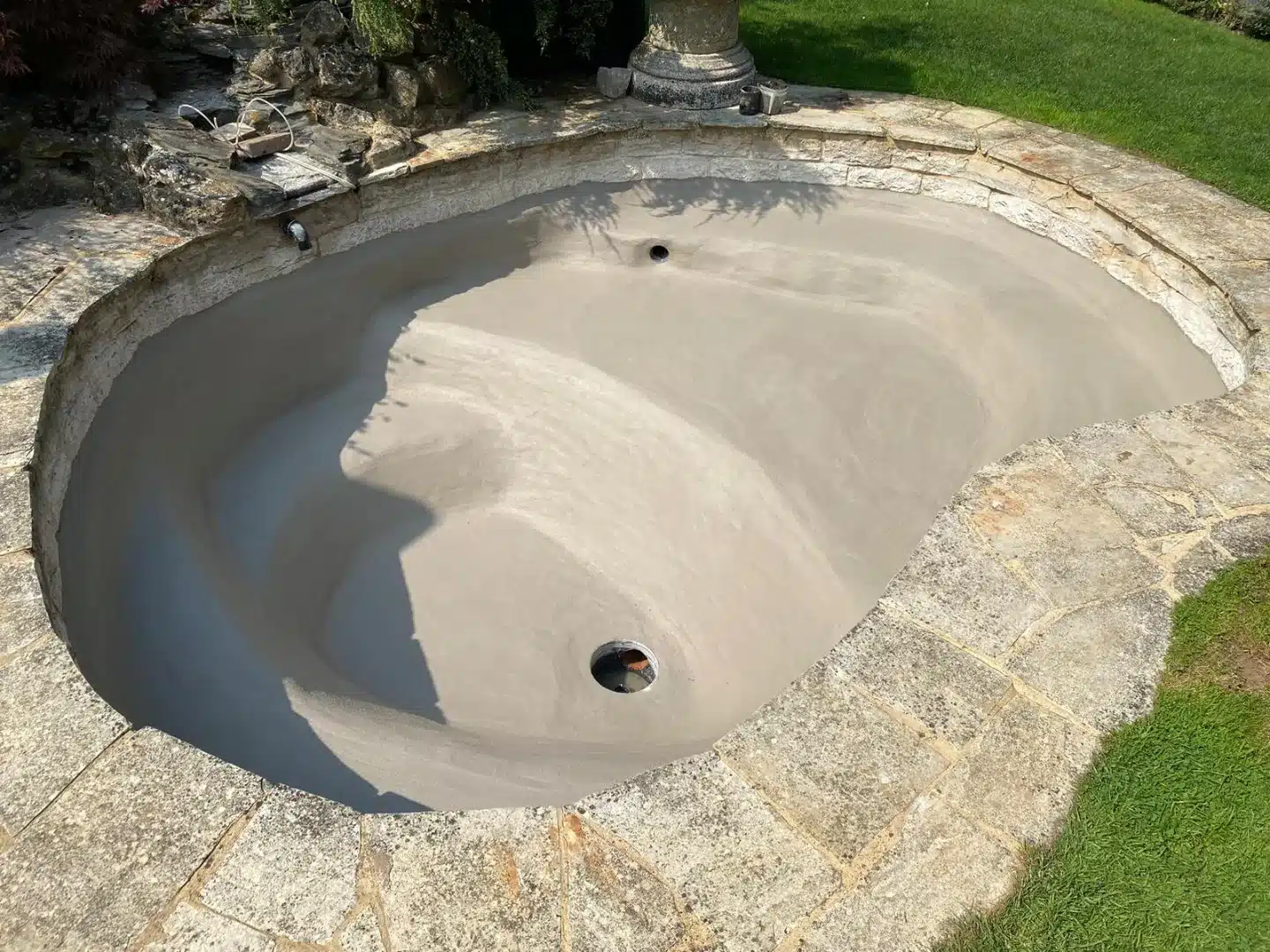
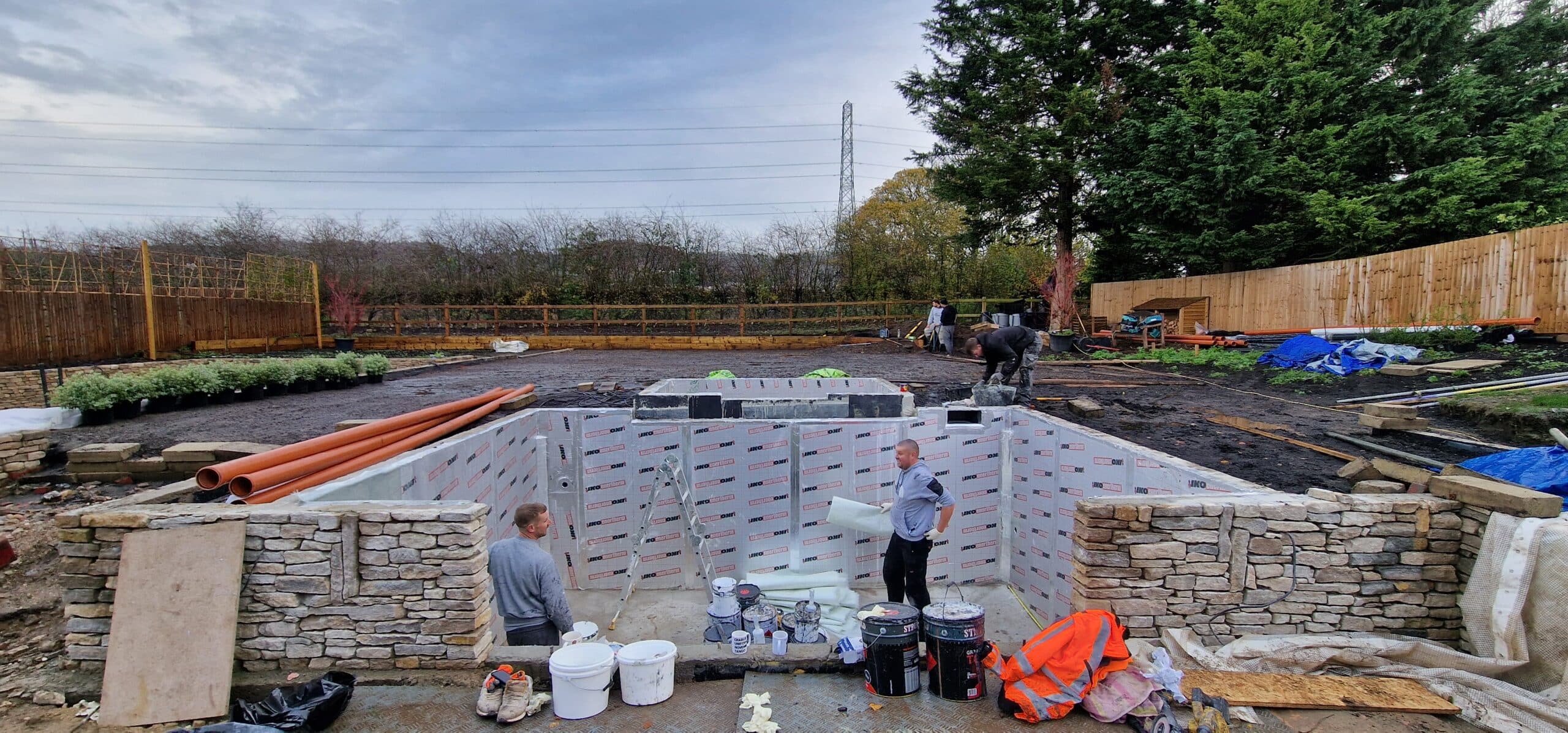
The process starts with thorough preparation of the pond structure. We clean, level, and smooth all surfaces to create a solid base for the fibreglass. Any imperfections are corrected at this stage, and where needed, we install insulation boards or carry out structural adjustments to improve strength and overall performance.
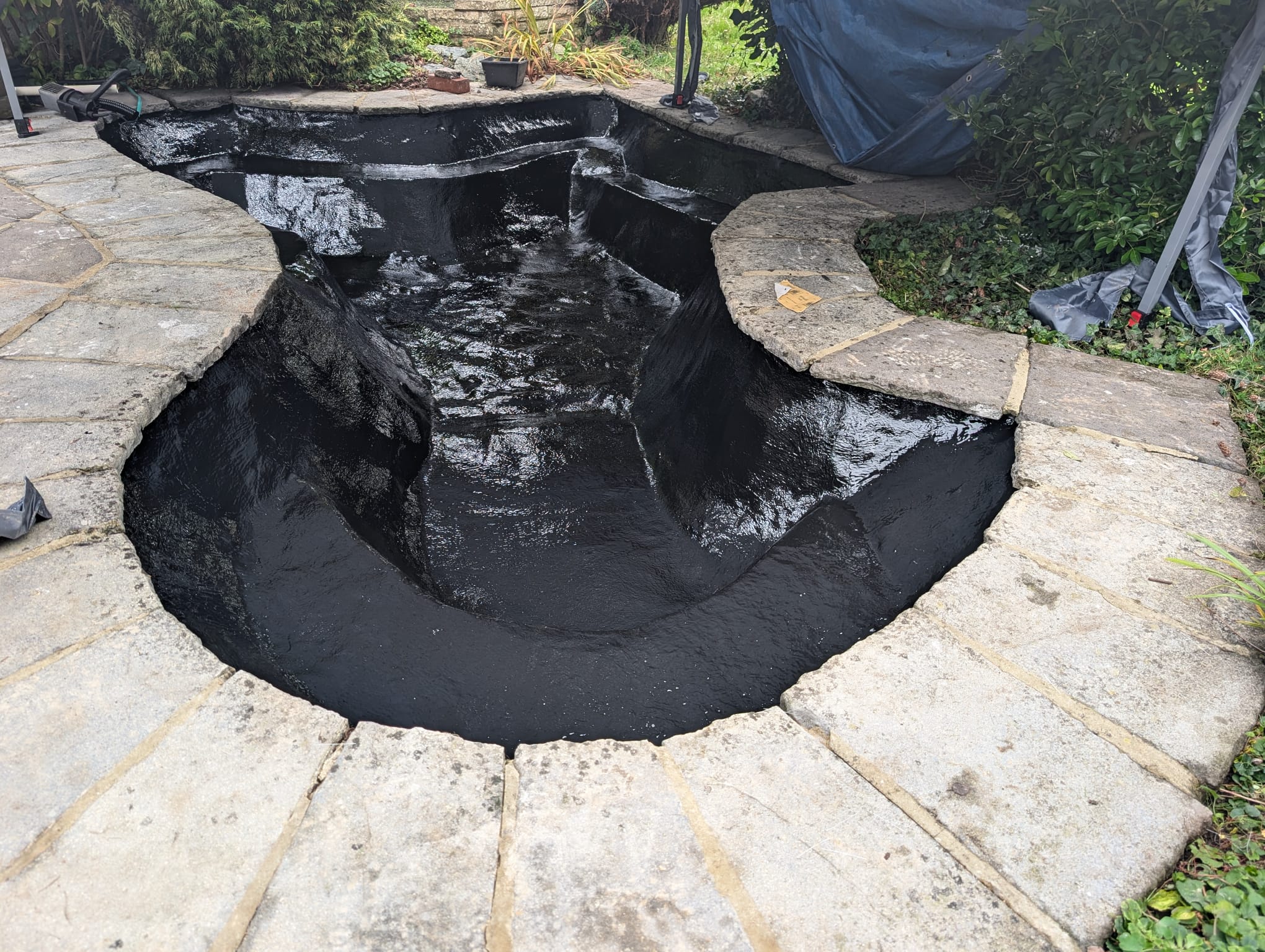
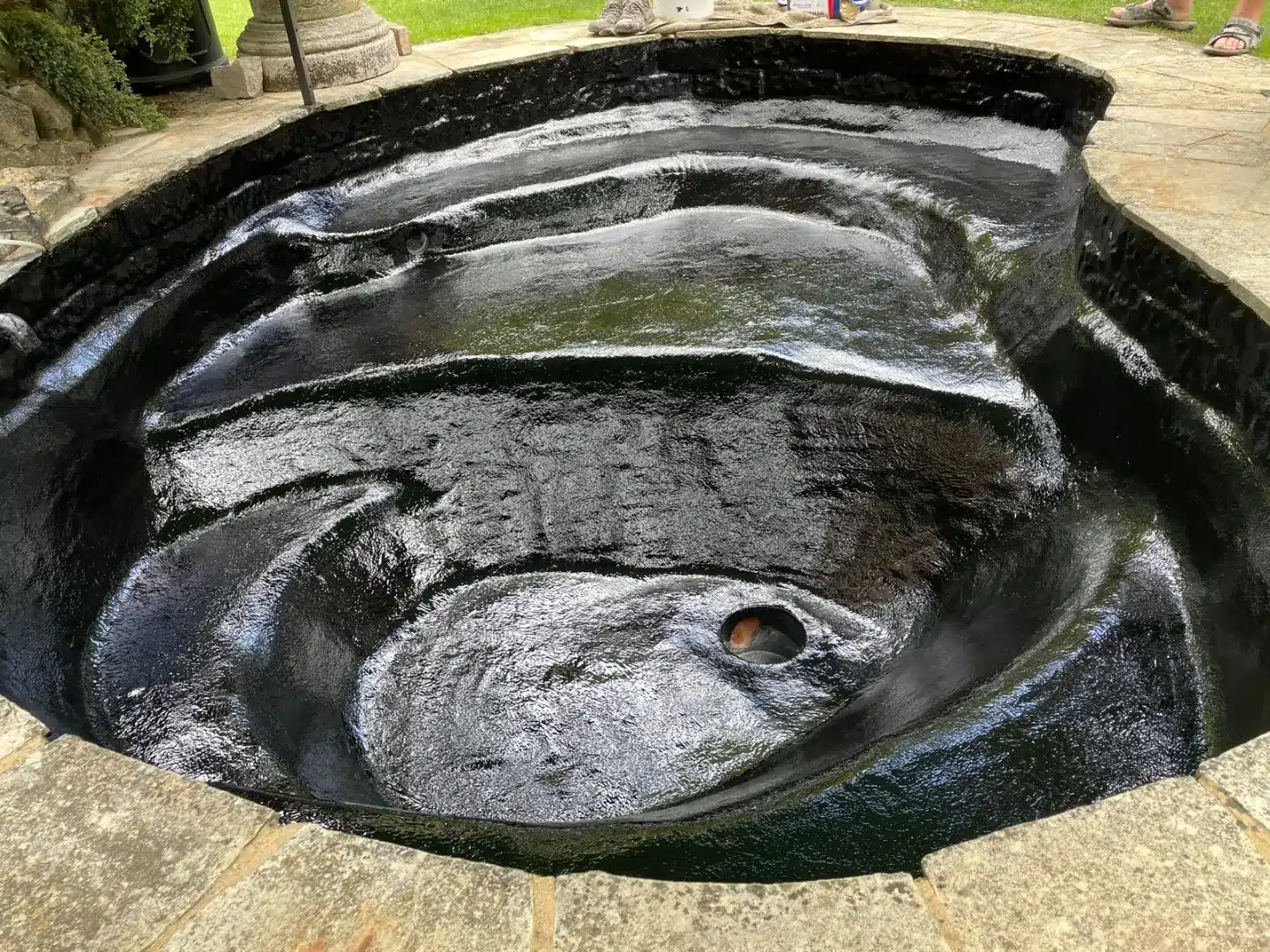
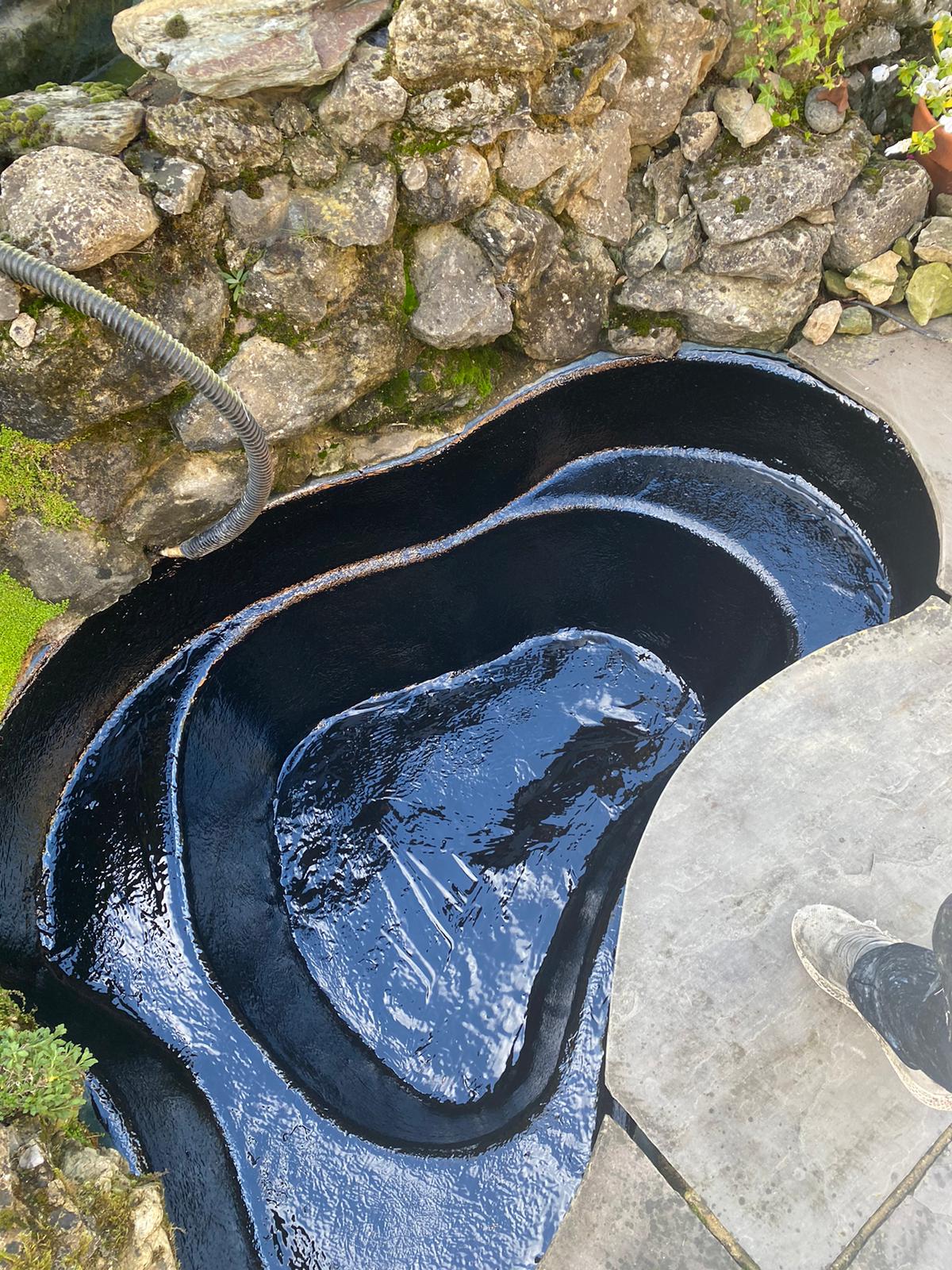
Once prepared, we apply layers of fibreglass matting and resin to build up a strong and fully sealed lining. Each layer is carefully worked by hand to remove air pockets and ensure even coverage across all surfaces, including corners, steps, and detailing. This stage is key to achieving a consistent and durable finish.
The finished lining needs time to cure under the conditions specified for the materials used. Before filling, the surface and fittings must be checked and any required cleaning or preparation completed. A dry-looking surface alone does not tell you that it is ready for fish.
The finishing system is selected for the intended use of the pond and the agreed appearance. We explain the return-to-use arrangements, including when the pond can be filled and how fish will be returned safely. If the pond already contains fish or plants, their temporary care needs to be planned before work begins.
Fibreglass vs pond liner
Both fibreglass and flexible liners have their place. A flexible liner can suit an informal garden pond or a design where a rigid supporting structure would add unnecessary work and cost. Its performance depends on the material, protection beneath it, installation and subsequent care.
Fibreglass is worth considering when you want a fitted finish over a suitable, stable structure. It avoids liner folds and allows careful detailing around the pond’s features. That makes it a useful option for many koi and formal ponds, but it is not automatically the best choice for every site or budget.
We discuss the existing construction, the shape you want and the practicalities of looking after the pond. Our comparison guide explains the trade-offs in more detail, including preparation, maintenance and repair.
Converting a liner pond to a fibreglass pond
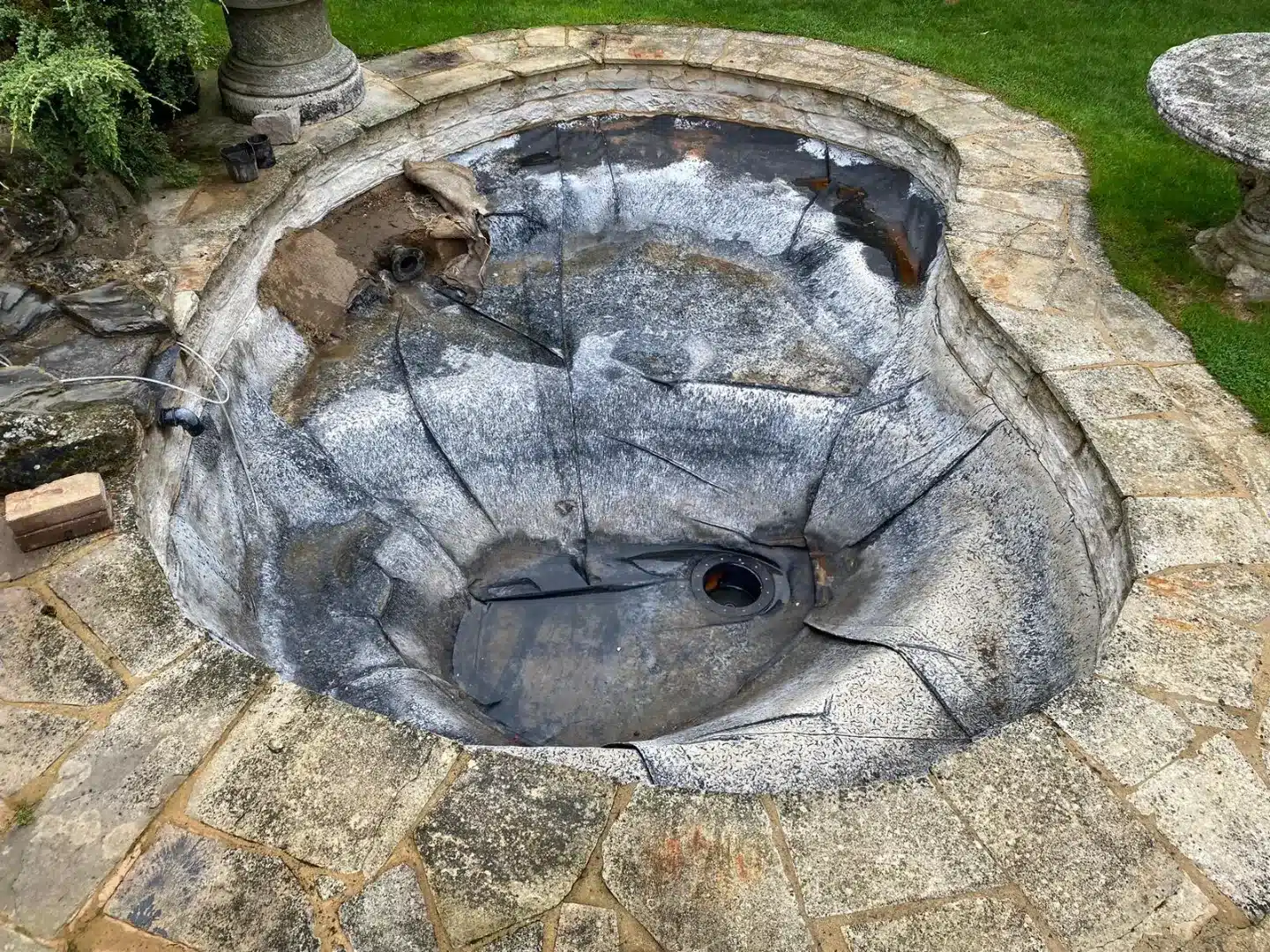
An ageing or leaking liner does not always mean starting the whole pond again. Where the underlying structure is suitable, a fibreglass conversion may let you retain much of the pond while replacing the lining. The first step is to establish what caused the problem and what sits beneath the liner.
Before draining, fish and plants need suitable temporary accommodation and there needs to be a plan for the filtration. Removing the old liner exposes the construction for assessment. Repairs, rendering or more substantial work may be needed before the surface is ready; a thin render coat alone is not a substitute for a stable structure.
The lining and details around fittings are then completed to the agreed specification. Insulation may also be considered as part of the design. After the specified curing and checks, the pond can be prepared for refilling and returning to use.
The result is a fitted surface without liner folds. Pipes, fittings and the condition of the structure still matter, so a conversion should not be described as a guarantee against every future leak. Our conversion guide shows the stages and photographs from completed work.
If you would like a more detailed breakdown of the process, including preparation, insulation options, and what to expect during installation, you can read our full guide here: 👉 Converting a liner pond to a fibreglass pond
Pond and swimming pool fibreglassing specialists
We carry out fibreglassing across a wide range of projects, from small garden ponds through to large koi ponds and more complex water features. This includes new pond builds, converting existing liner ponds to fibreglass, repairing and refurbishing leaking ponds, as well as swimming ponds and natural pools.
We also complete structural preparation work where required, including upgrades and insulation prior to fibreglassing. This ensures the final finish is not only watertight, but also built on a solid and reliable base.
With extensive hands on experience across both ponds and pools, we understand the technical requirements involved in creating a durable, long lasting finish. No two ponds are the same, which is why we tailor each fibreglass installation to the specific build. Every project is approached with the same level of care and attention to detail, ensuring the fibreglass system is suited to its intended use and performs properly over time.
Areas we cover
We provide professional pond and swimming pool fibreglassing services across the South East, covering a wide range of residential and commercial projects.
Our core service areas include Kent, London, Essex, Surrey, and Sussex. We also regularly carry out fibreglassing work in Hertfordshire, Suffolk, Cambridgeshire, Norfolk, Buckinghamshire, Bedfordshire, Berkshire, and Oxfordshire, with many of these areas supported by dedicated service pages.
Each project is assessed individually, taking into account access, structure, intended use, and long term performance. This allows us to plan the installation properly and ensure the finished pond performs as expected.
We are able to travel further for larger or more specialised projects, particularly where full pond builds or fibreglass conversions are involved. If you are based outside these areas, feel free to get in touch as we may still be able to help.
Why work with That Pond Guy for pond fibreglassing
Choosing the right contractor for fibreglassing work is critical. Poor preparation or rushed installation often leads to problems later on. At That Pond Guy, we focus on doing the job properly, using the correct materials, proven methods, and the right level of preparation for each project.
We have extensive hands on experience in pond construction, maintenance, and refurbishment, which means we understand how fibreglassing fits into the wider pond system. This allows us to deliver reliable results across a range of projects, from koi ponds and swimming ponds through to more complex upgrades and conversions.
Every pond is different, and we approach each job with that in mind. We take the time to assess the structure, plan the installation correctly, and carry out the work to a high standard rather than rushing through the process.
We also place a strong focus on clear communication and honest advice. From the first enquiry through to completion, we aim to make the process straightforward and ensure you know exactly what to expect at each stage.
Pond fibreglassing advice and guides
If you are looking for more detailed information about pond fibreglassing, we have created a range of in depth guides covering installation, preparation, lifespan, and long term performance.
These guides are based on real projects and practical experience, helping you understand what to expect and how to get the best results from your pond.
You can explore the full guides below:
What is pond fibreglassing?
Converting a liner pond to a fibreglass pond
Fibreglass vs liner
How to prepare your pond for fibreglass installation
The lifespan of a fibreglass pond and how to extend it
How fibreglass is installed
The difference between DIY fibreglassing and hiring a professional
Insulating and fibreglassing koi ponds
Contact us
If you are considering fibreglass lining for your pond or swimming pool, get in touch to discuss your project. We offer clear advice, realistic timescales, and free, no obligation quotations.
Whether you are planning a new pond, upgrading an existing liner, or looking for repairs, we are happy to help you find the right solution.
You can contact us using the form below or visit our contact page for full details. 👉 Contact us
Let That Pond Guy help you achieve a strong, seamless, and long lasting fibreglass finish you can rely on.
Real pond fibreglassing projects
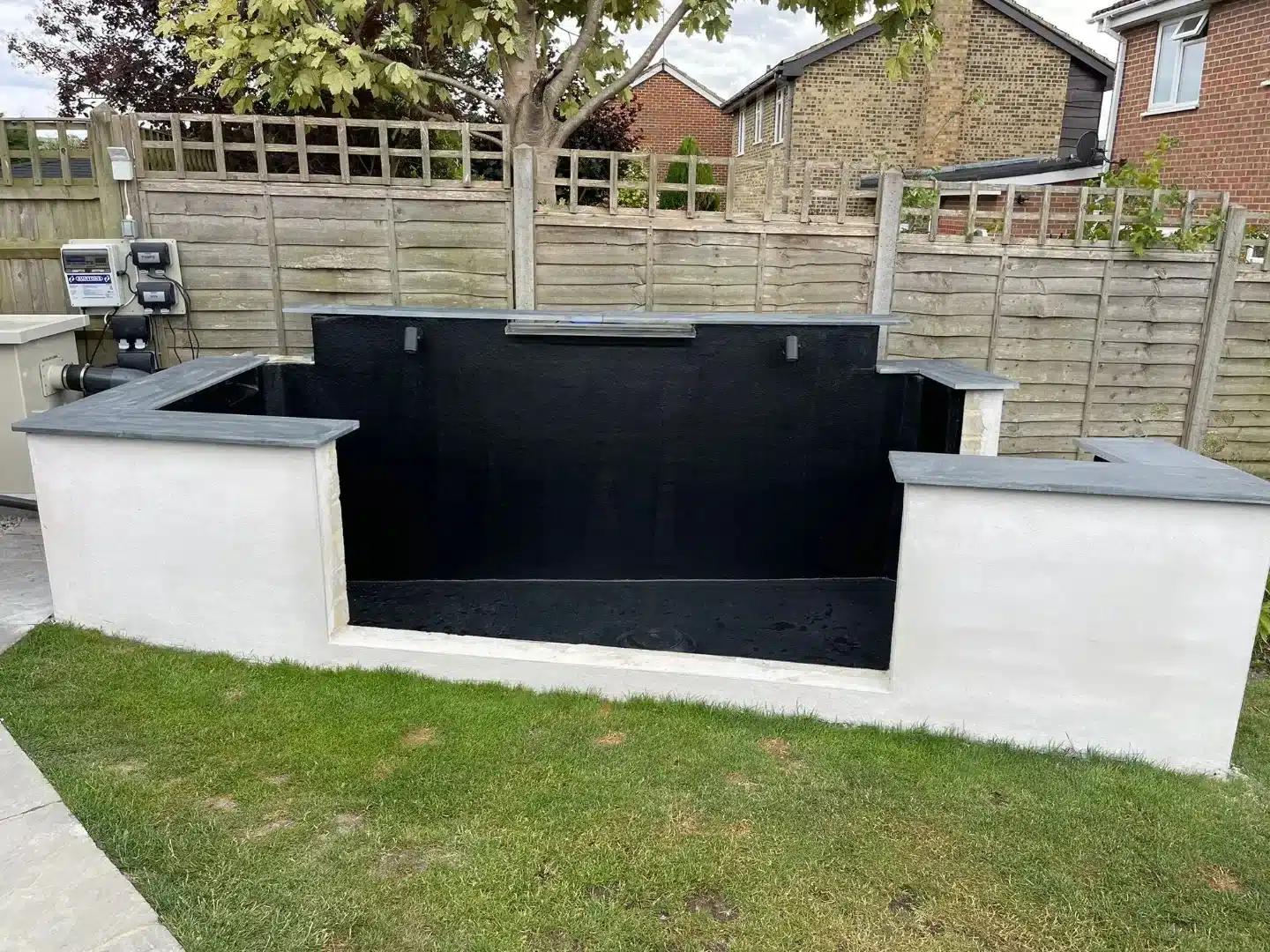
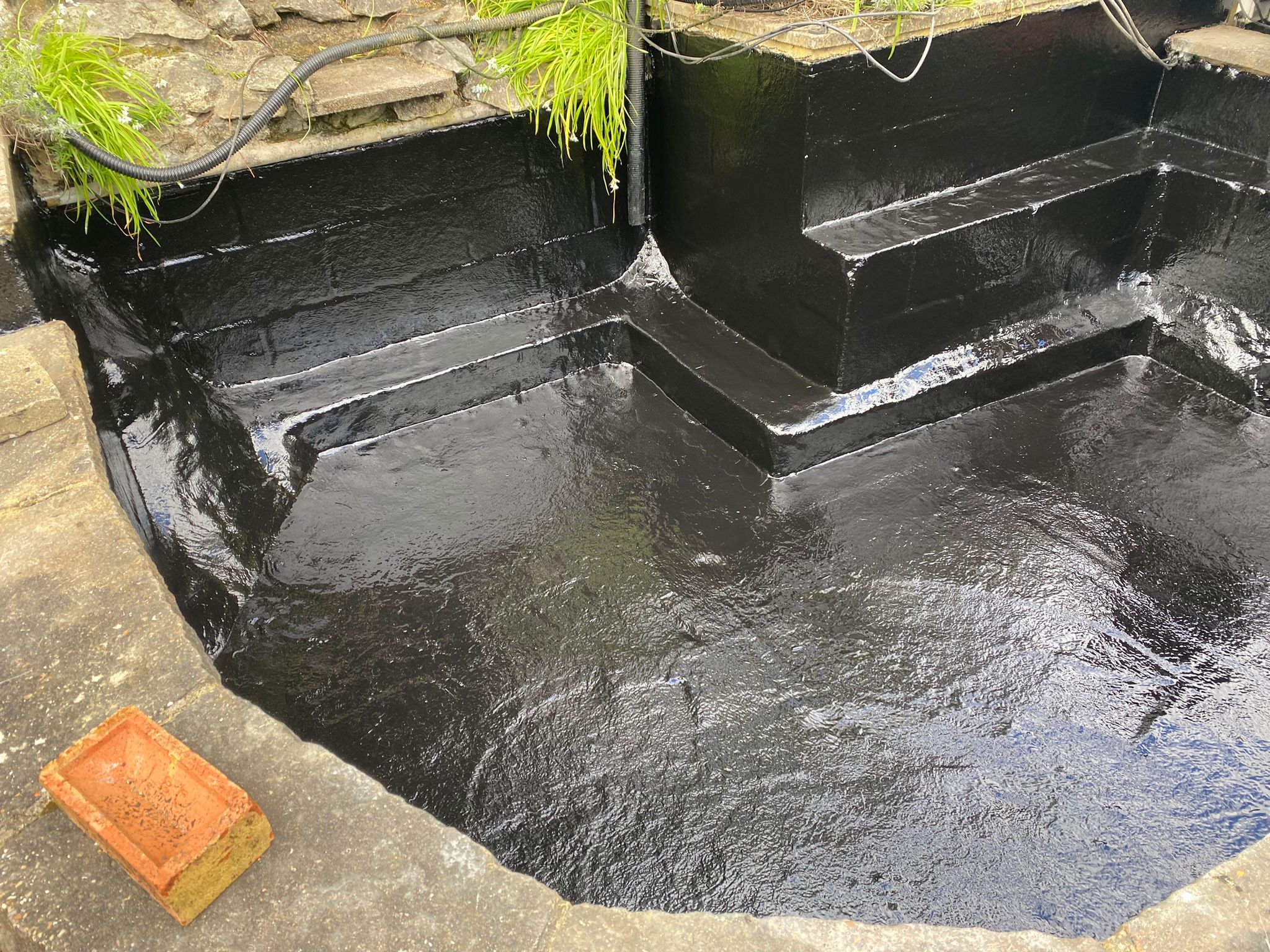
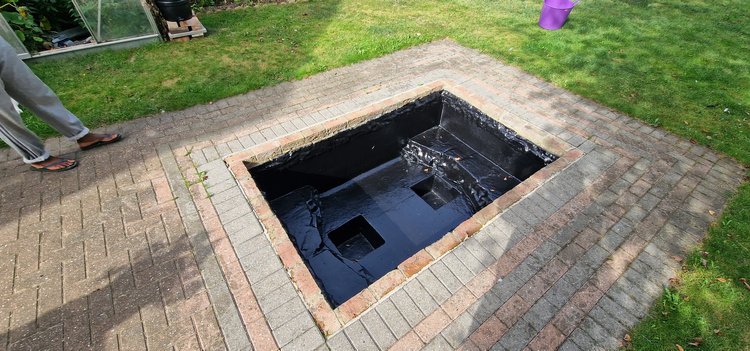
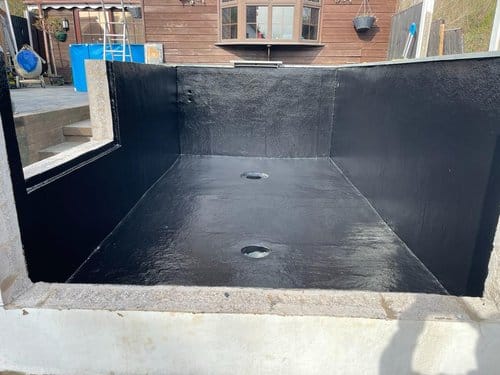
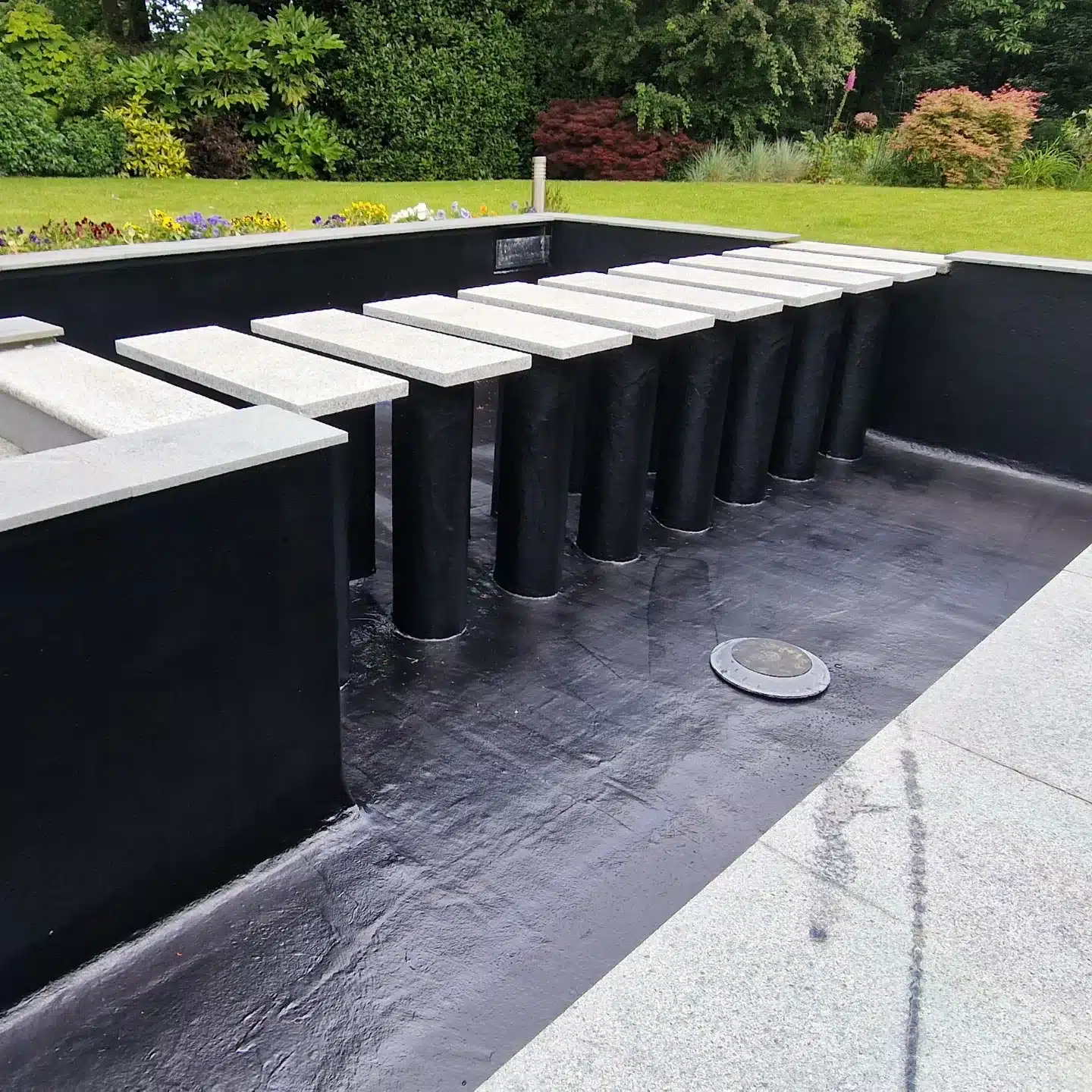
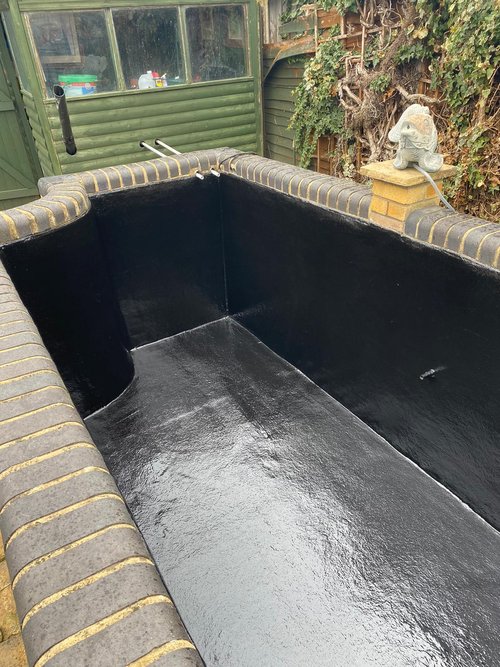
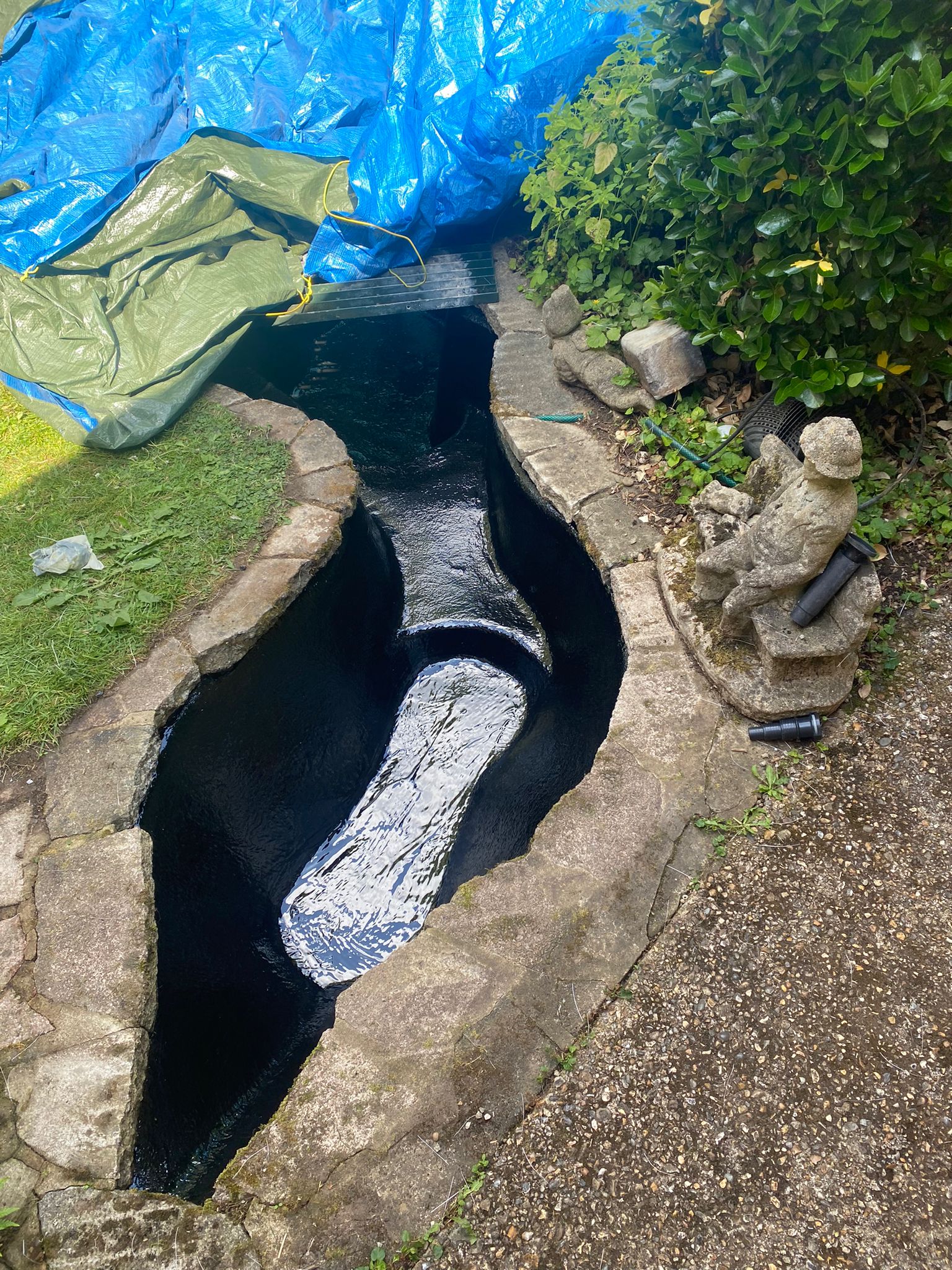
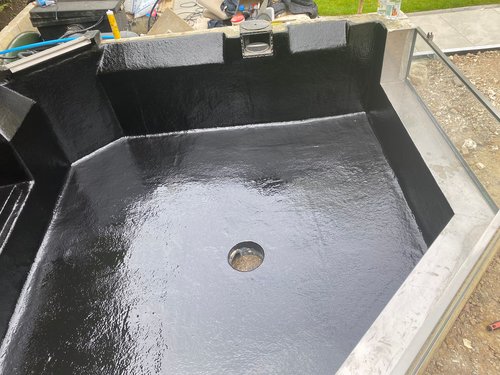
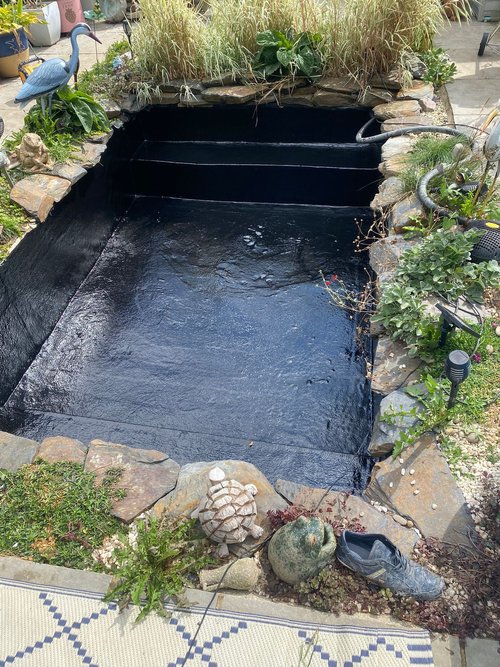
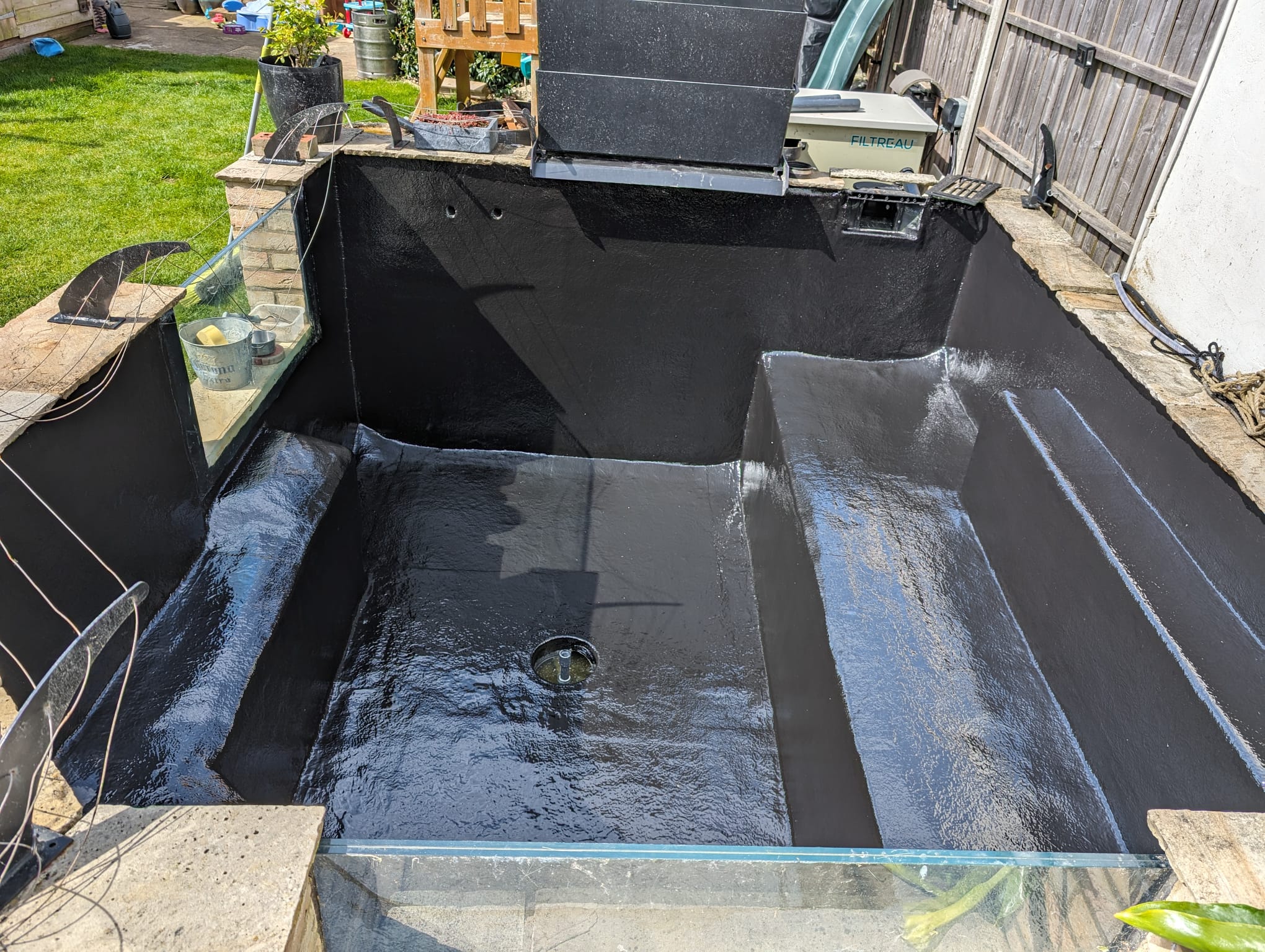
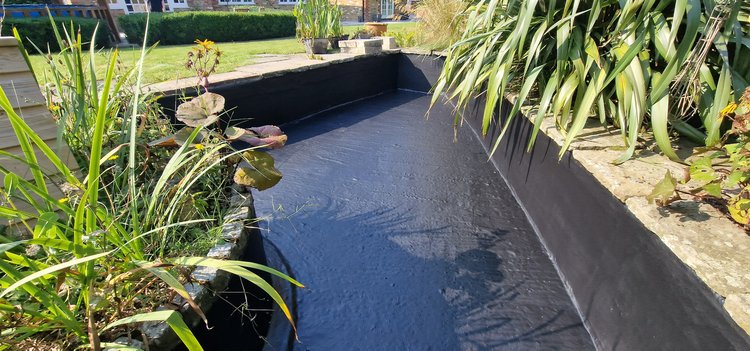
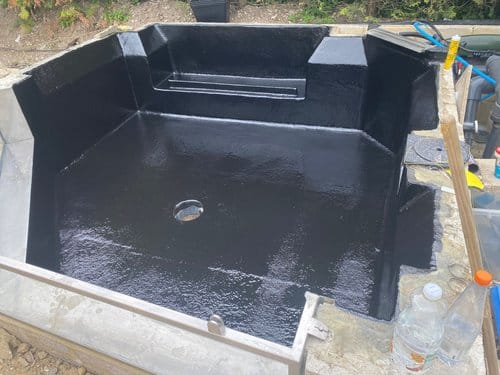
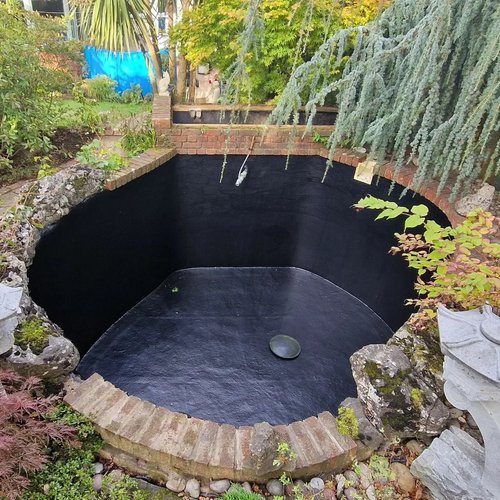
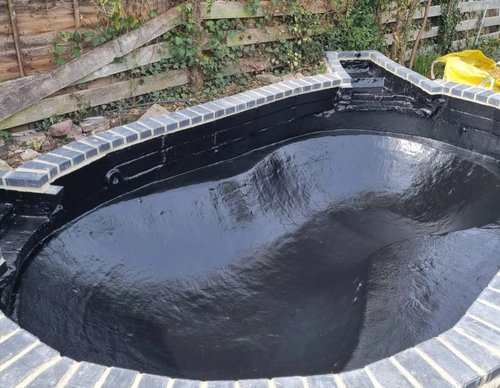
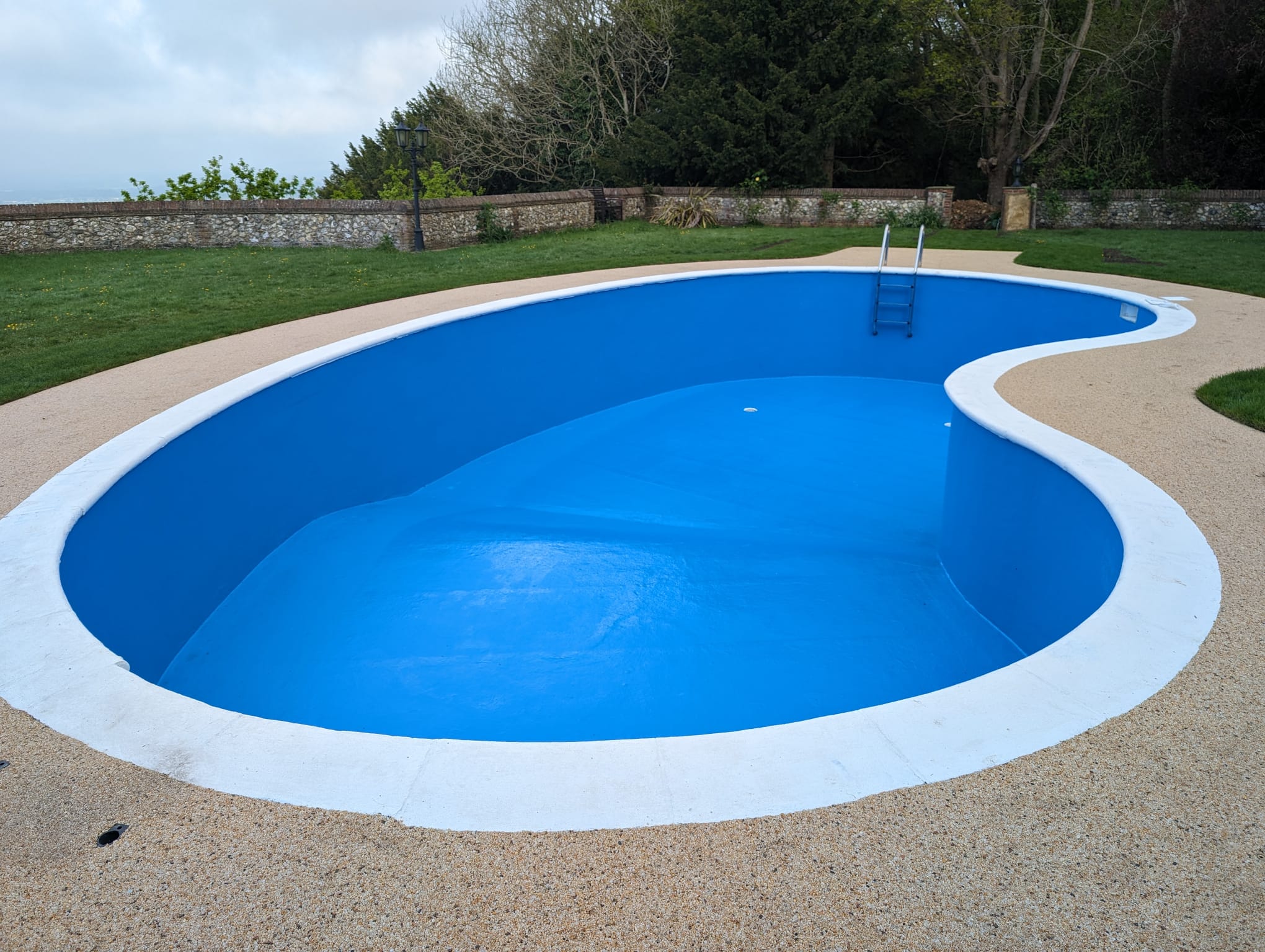
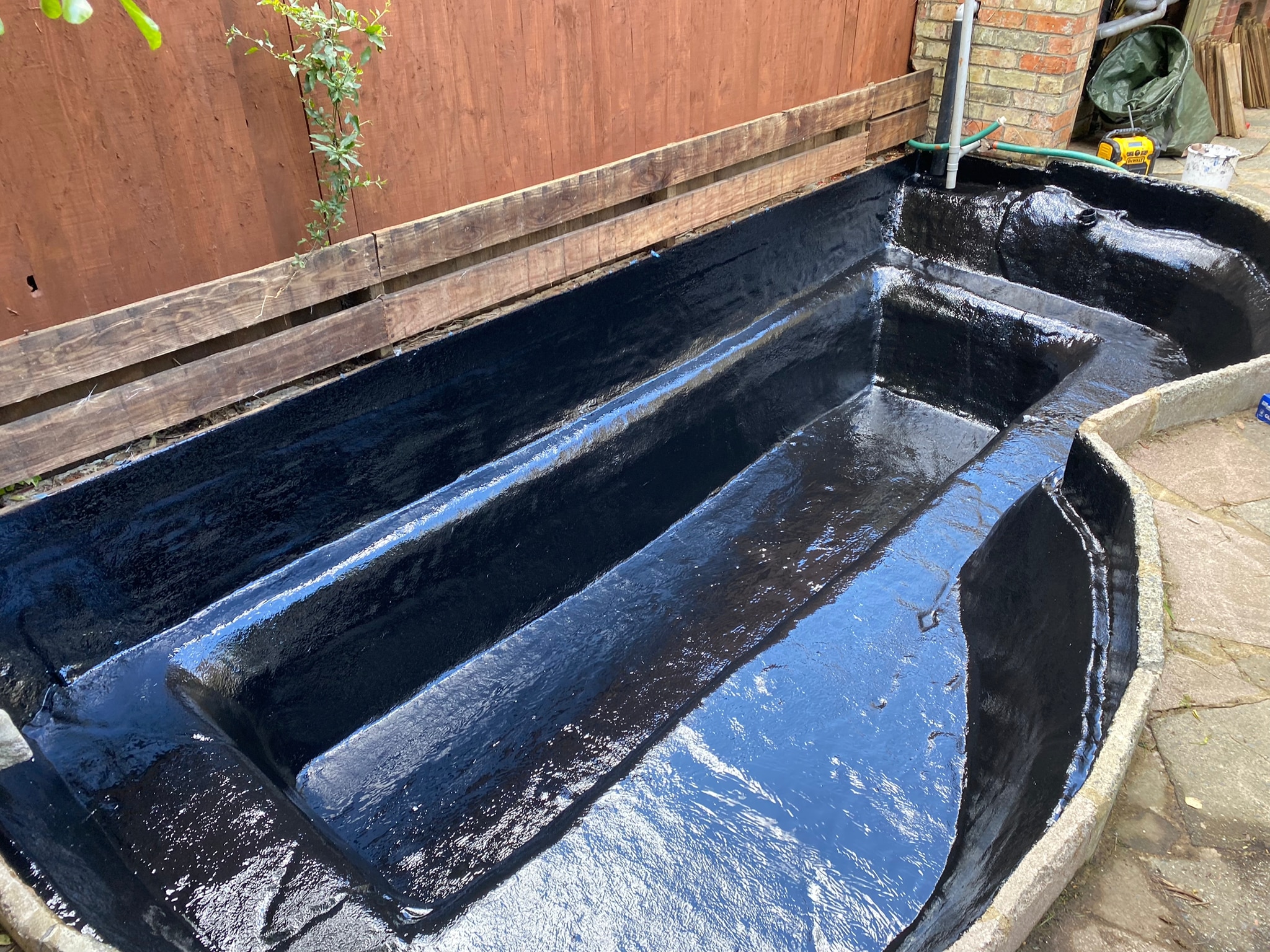
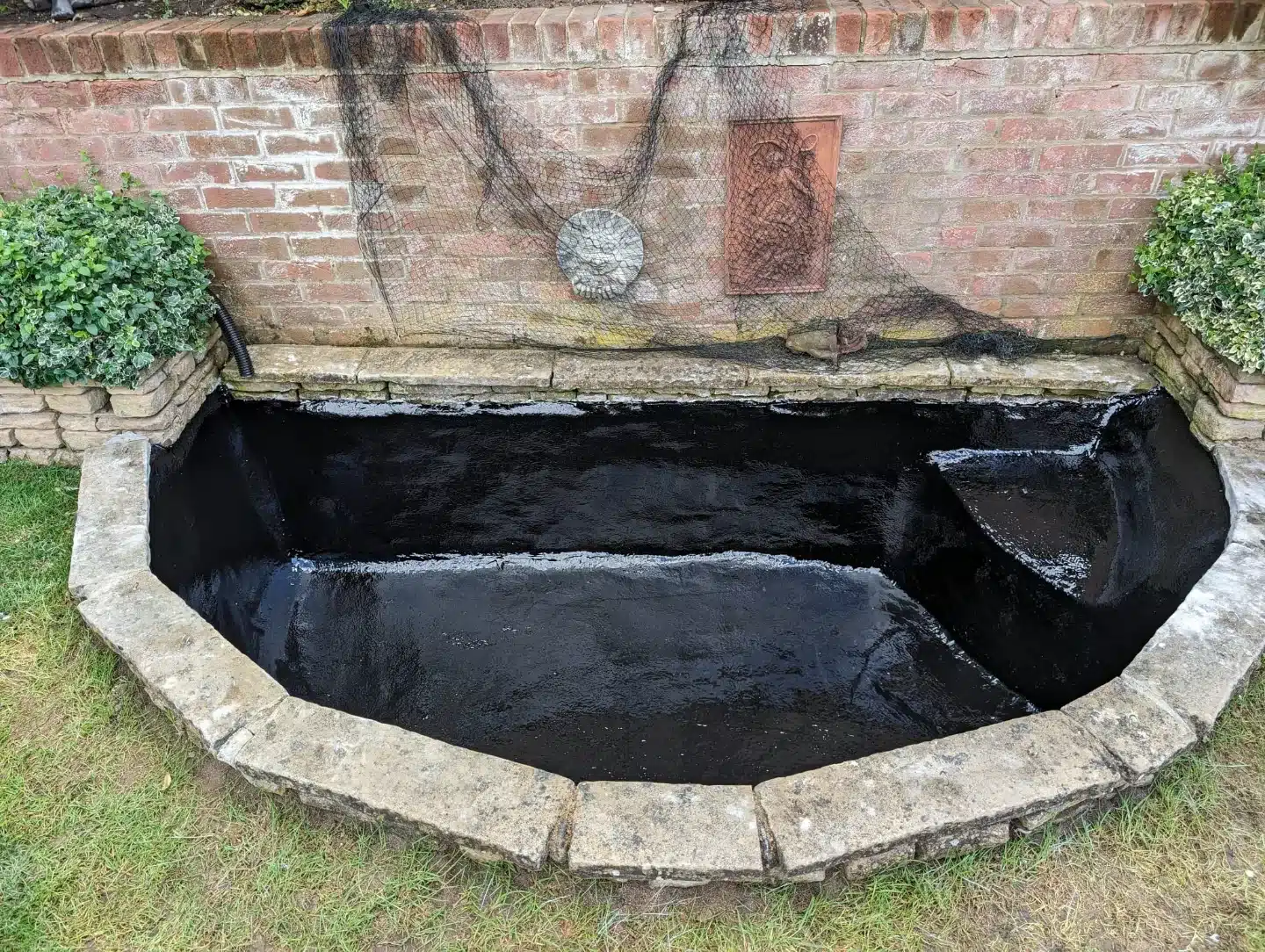
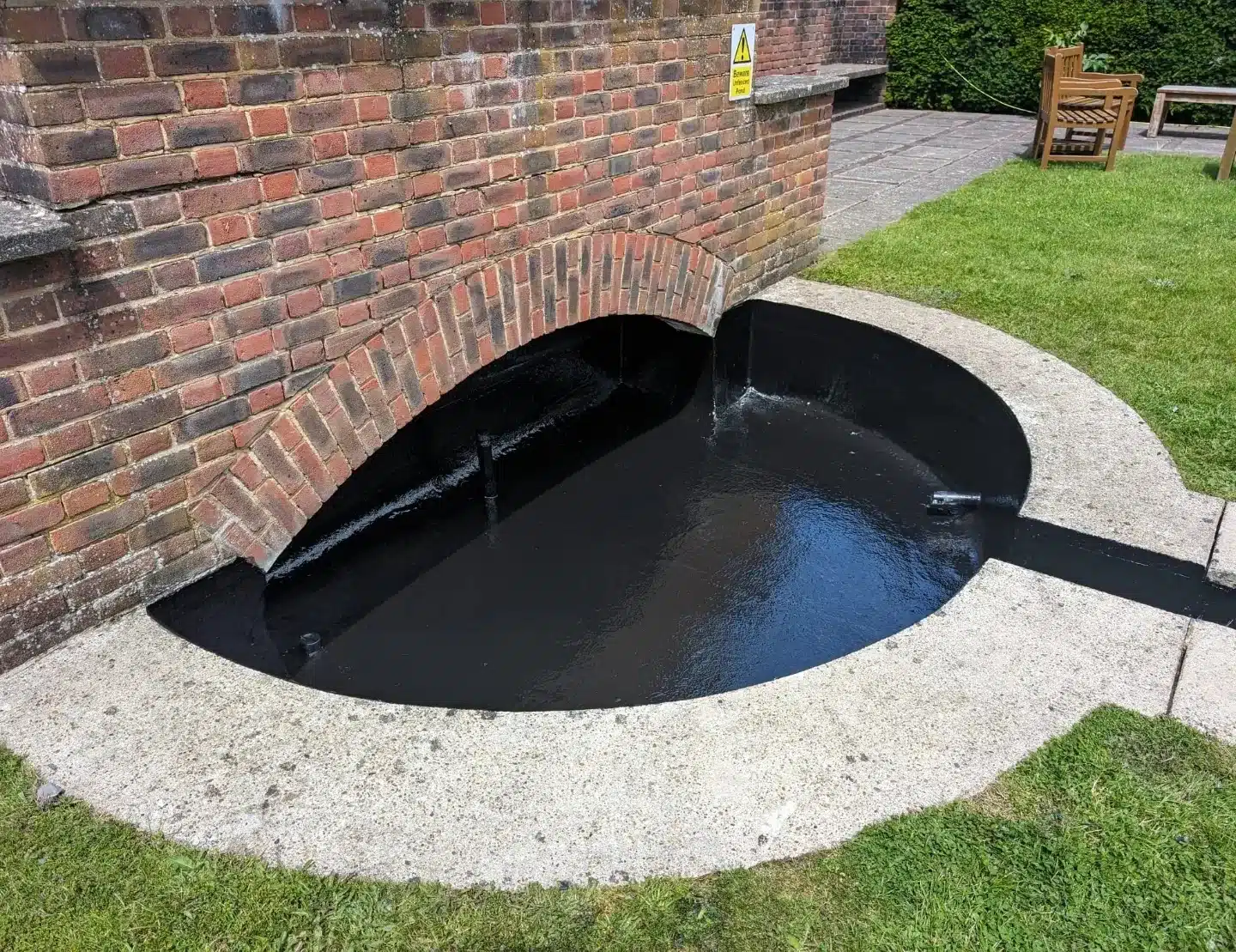
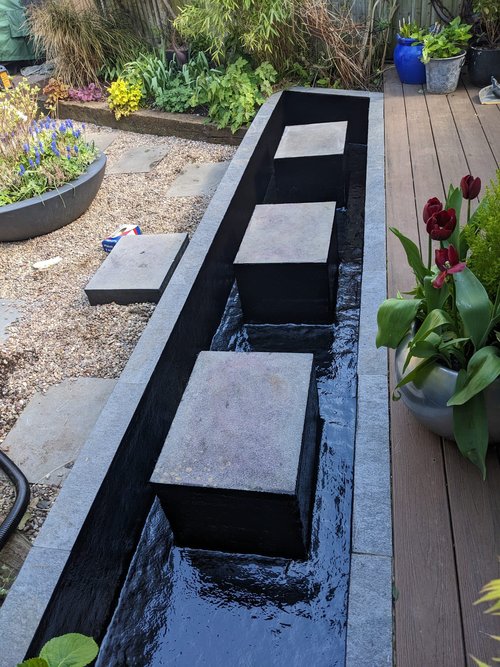
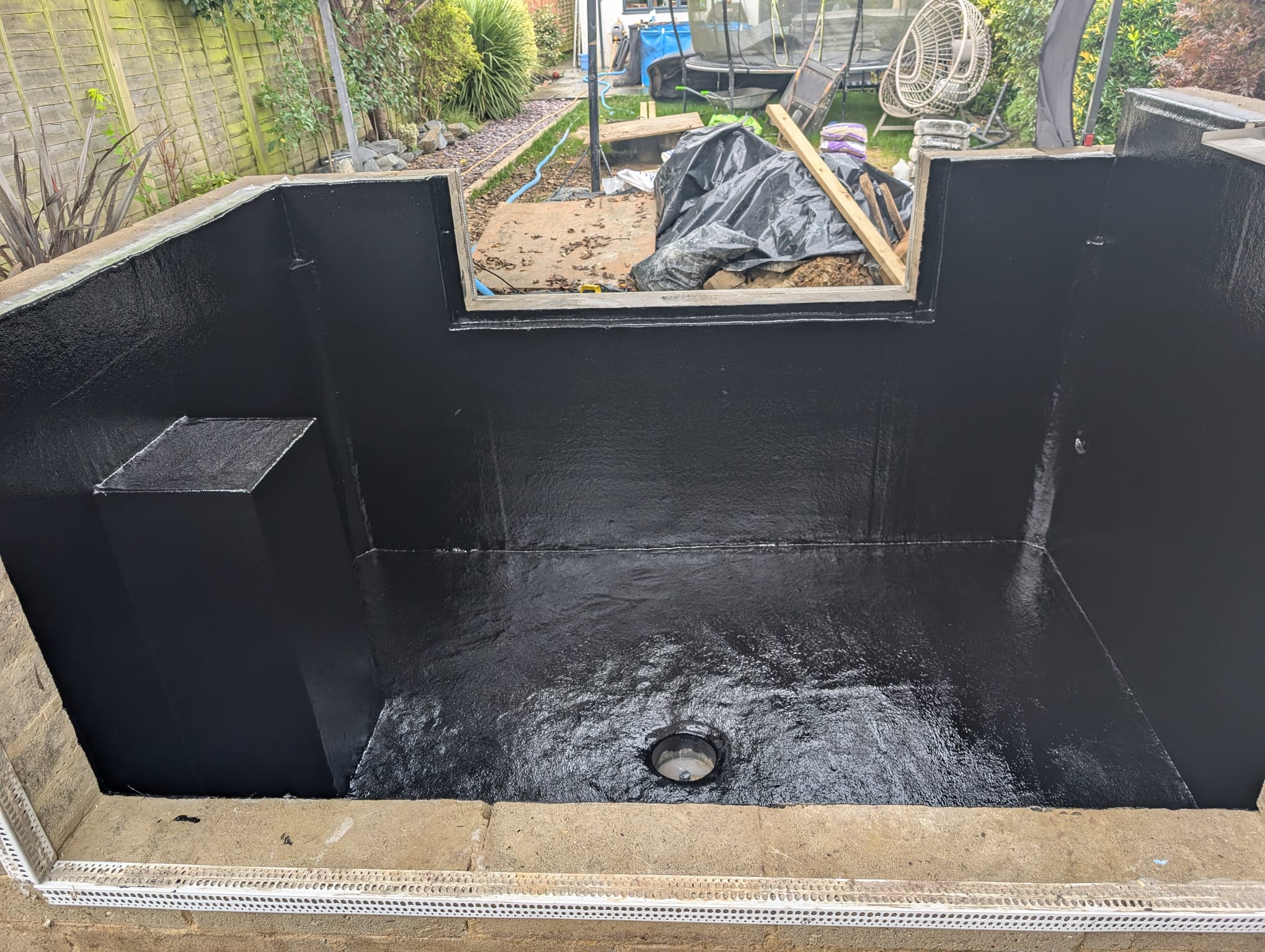
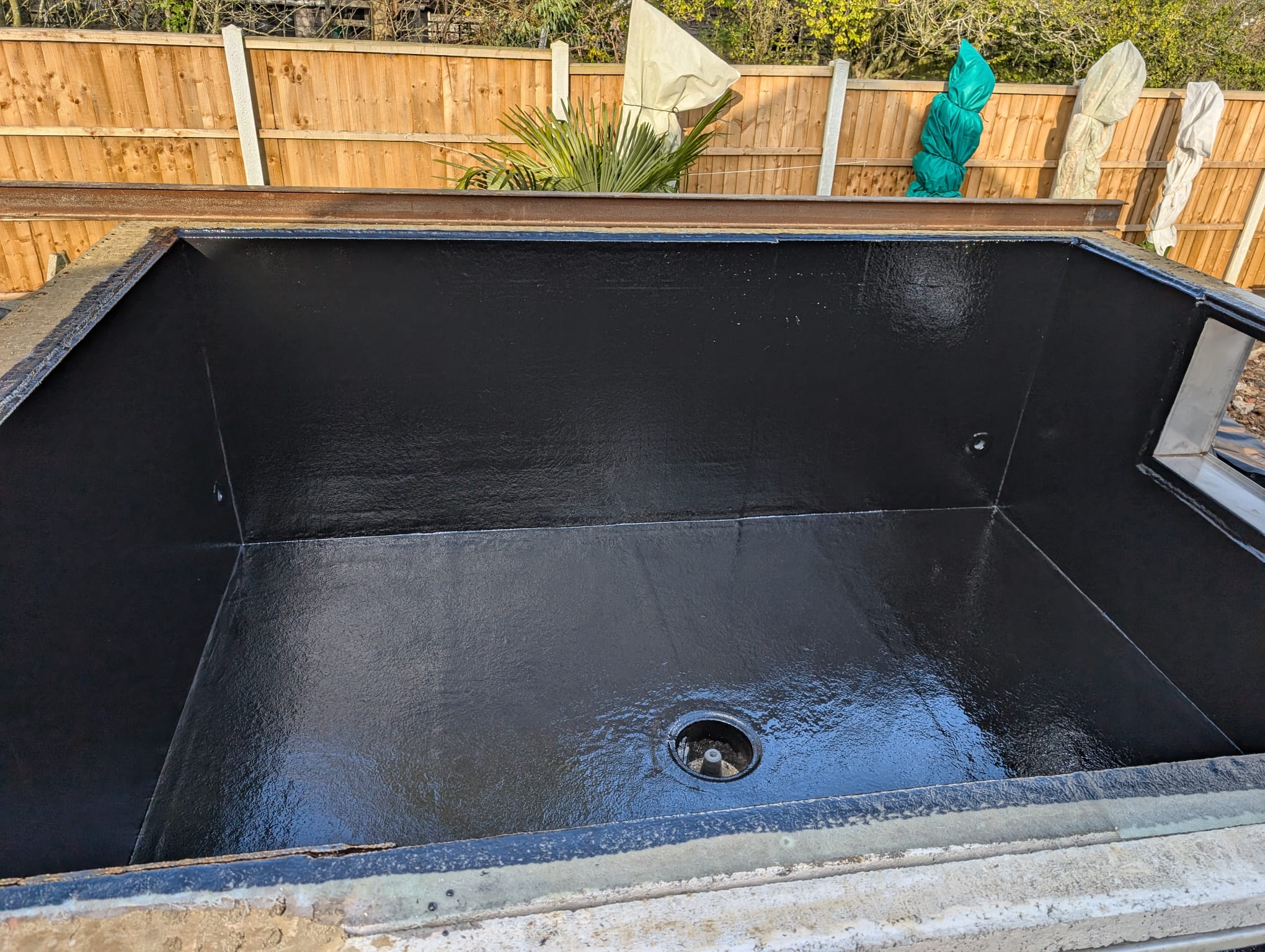
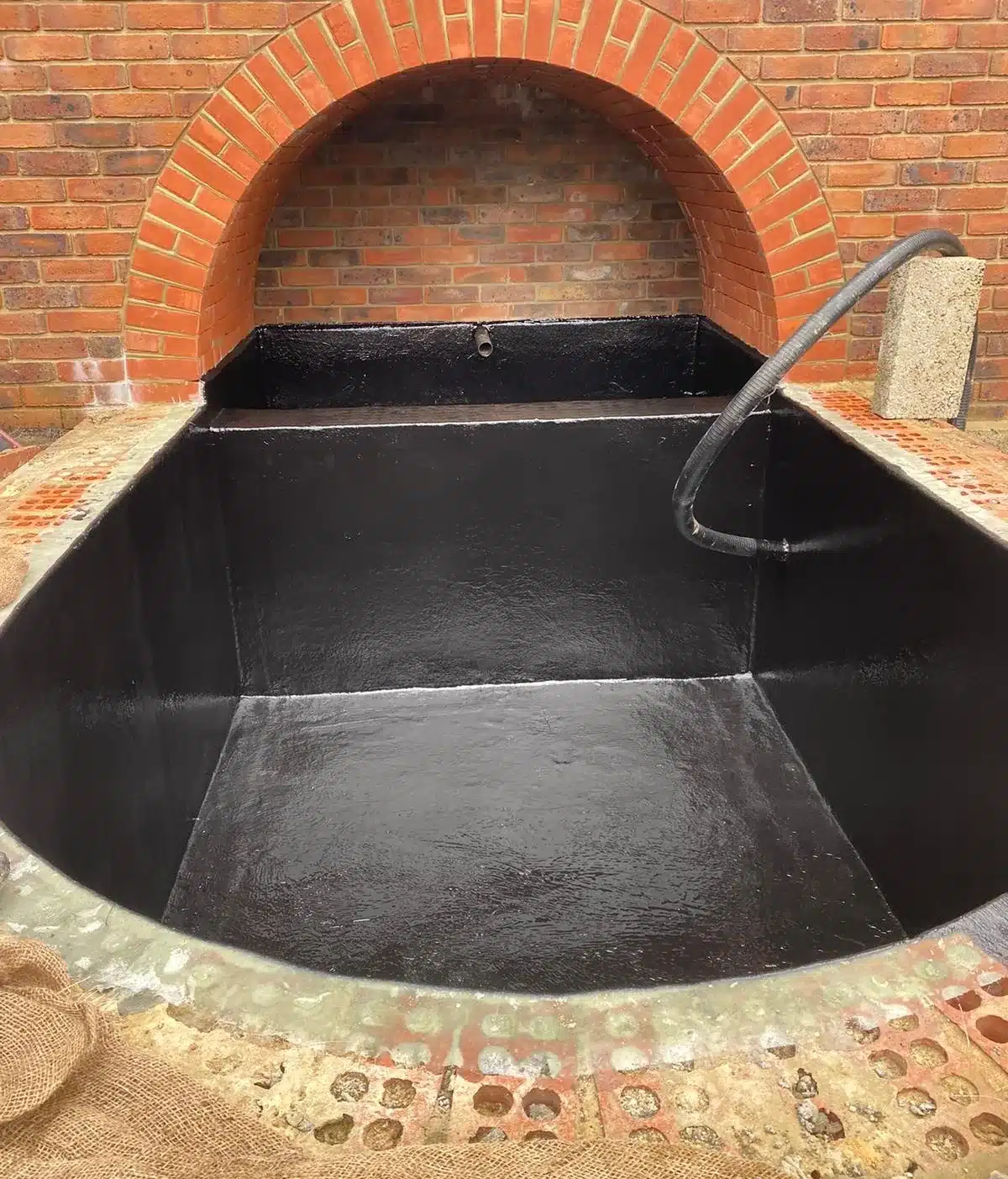
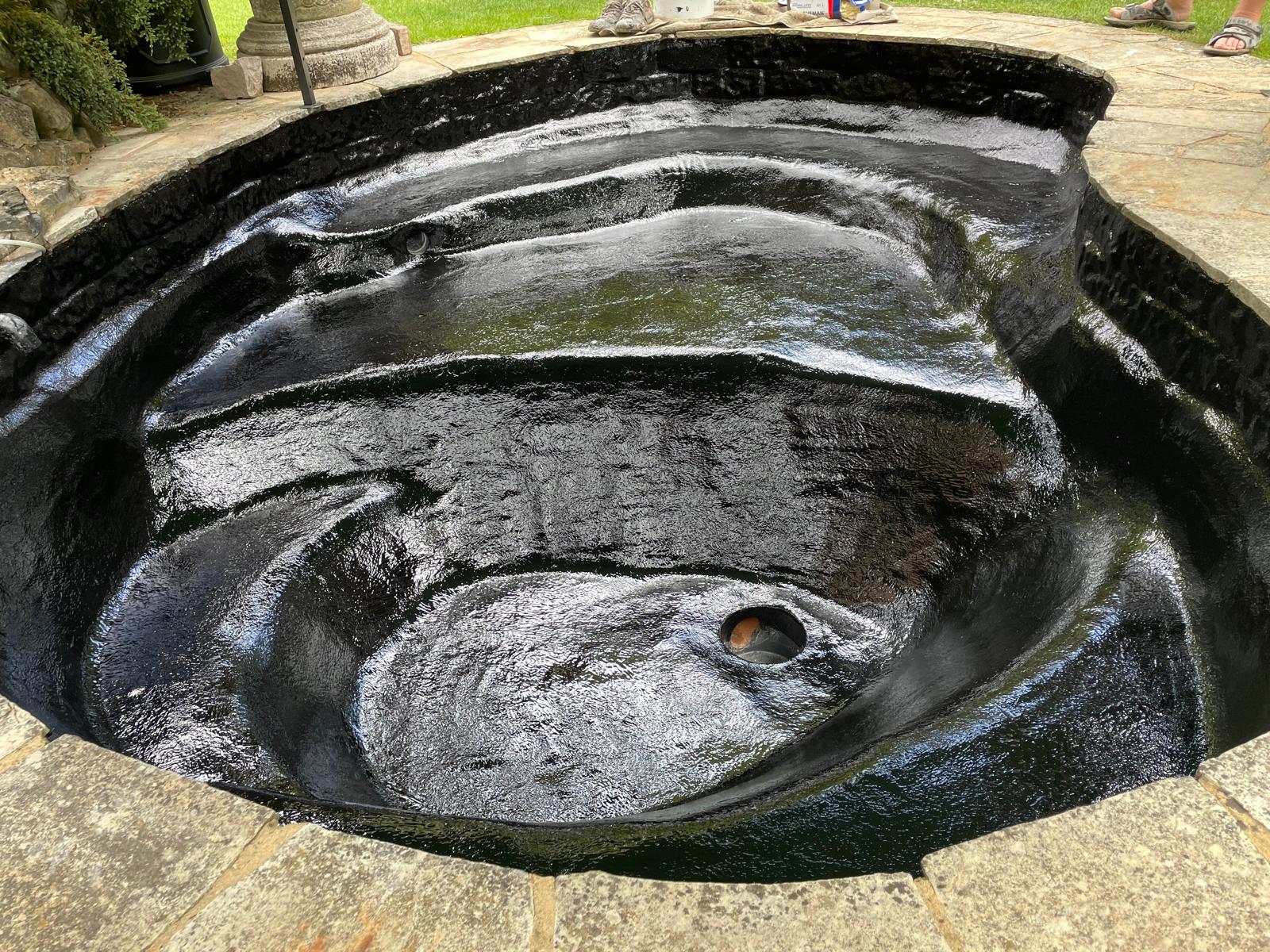
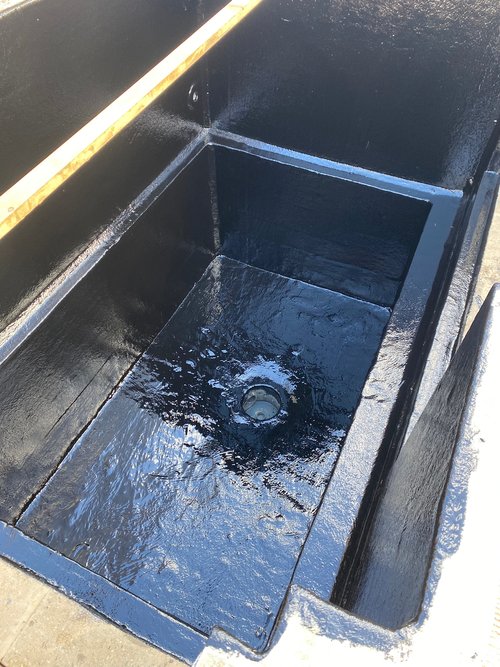
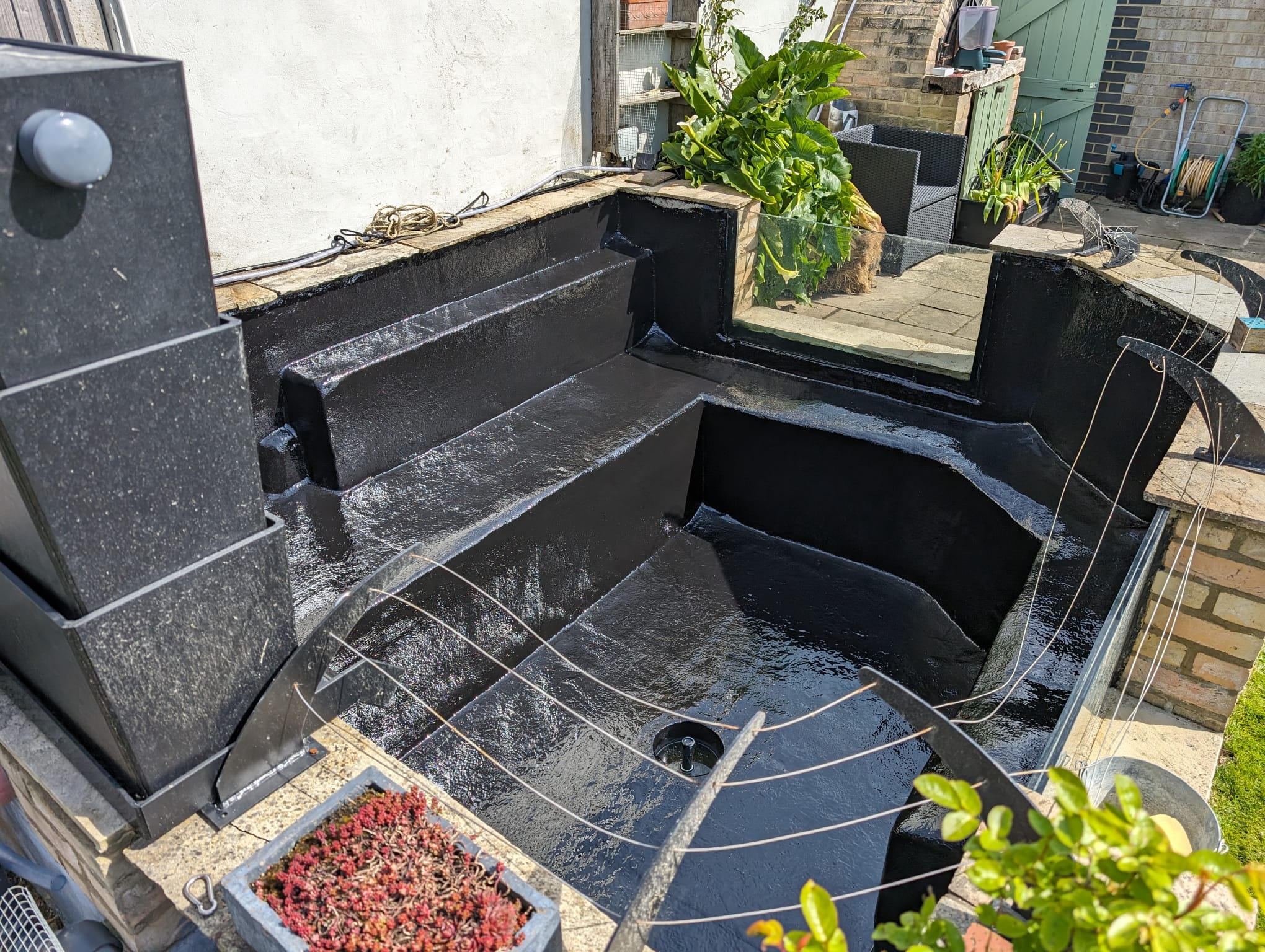
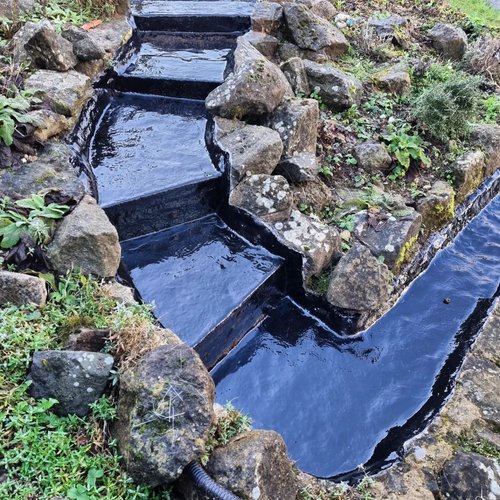
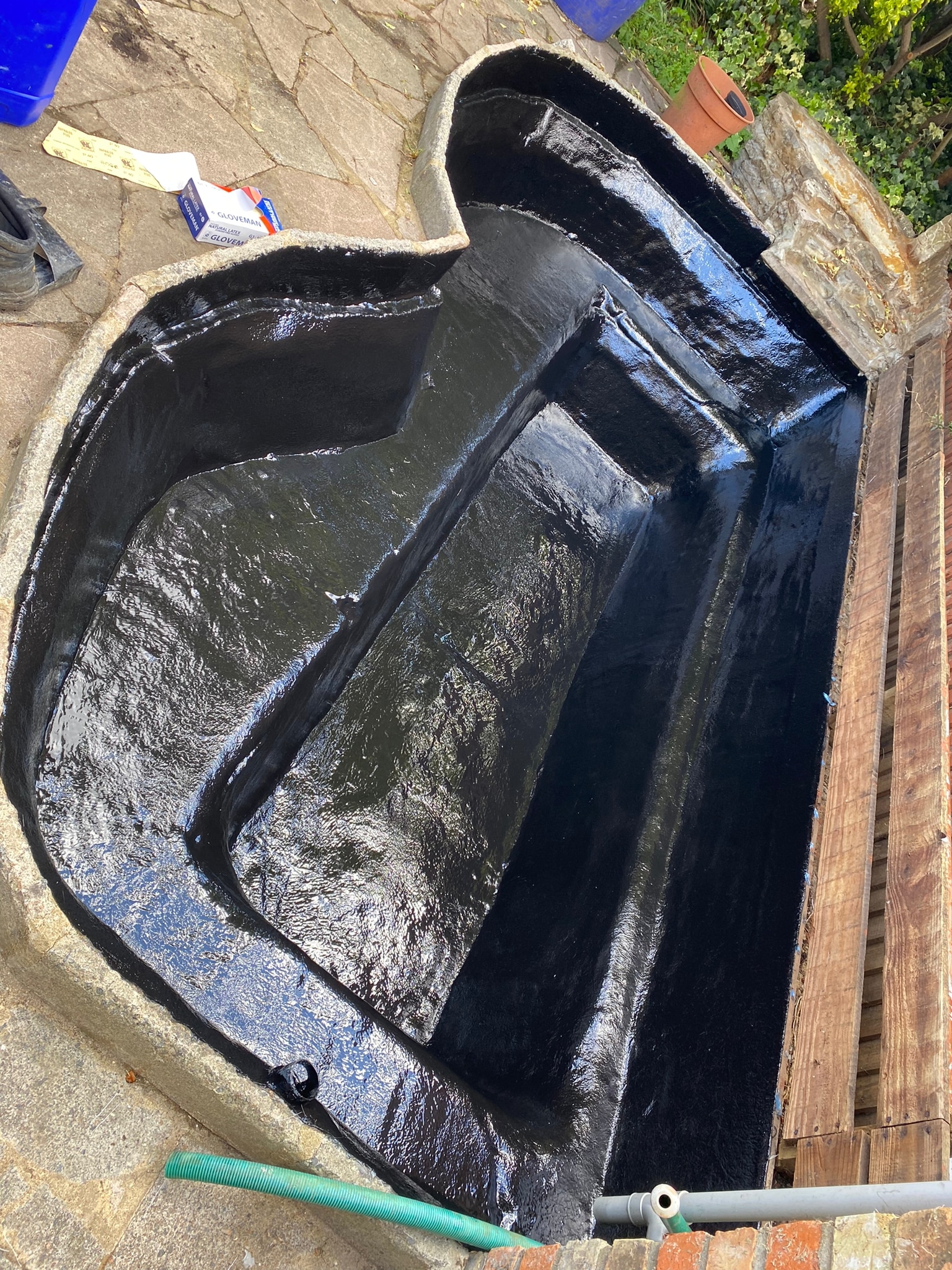
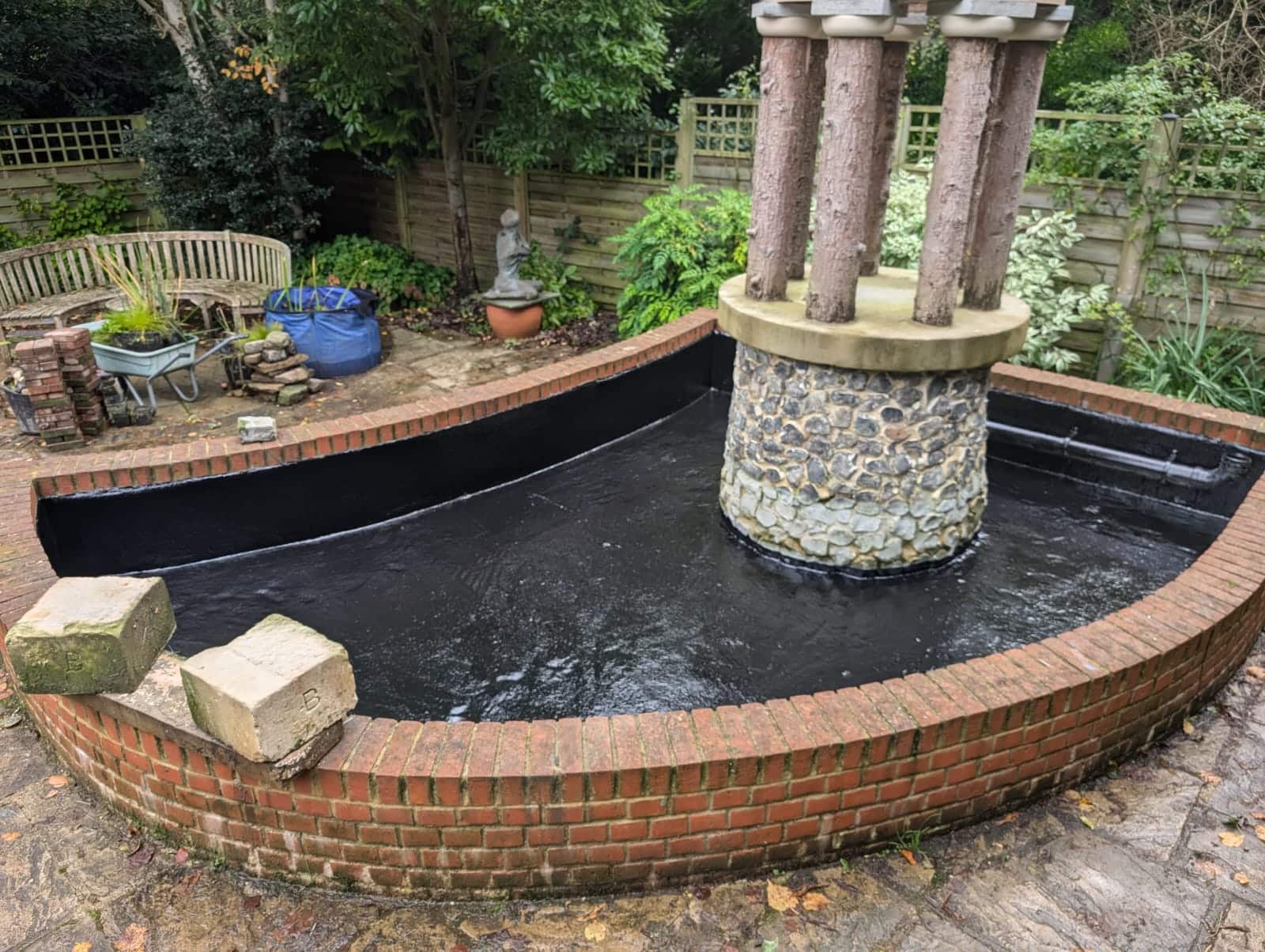
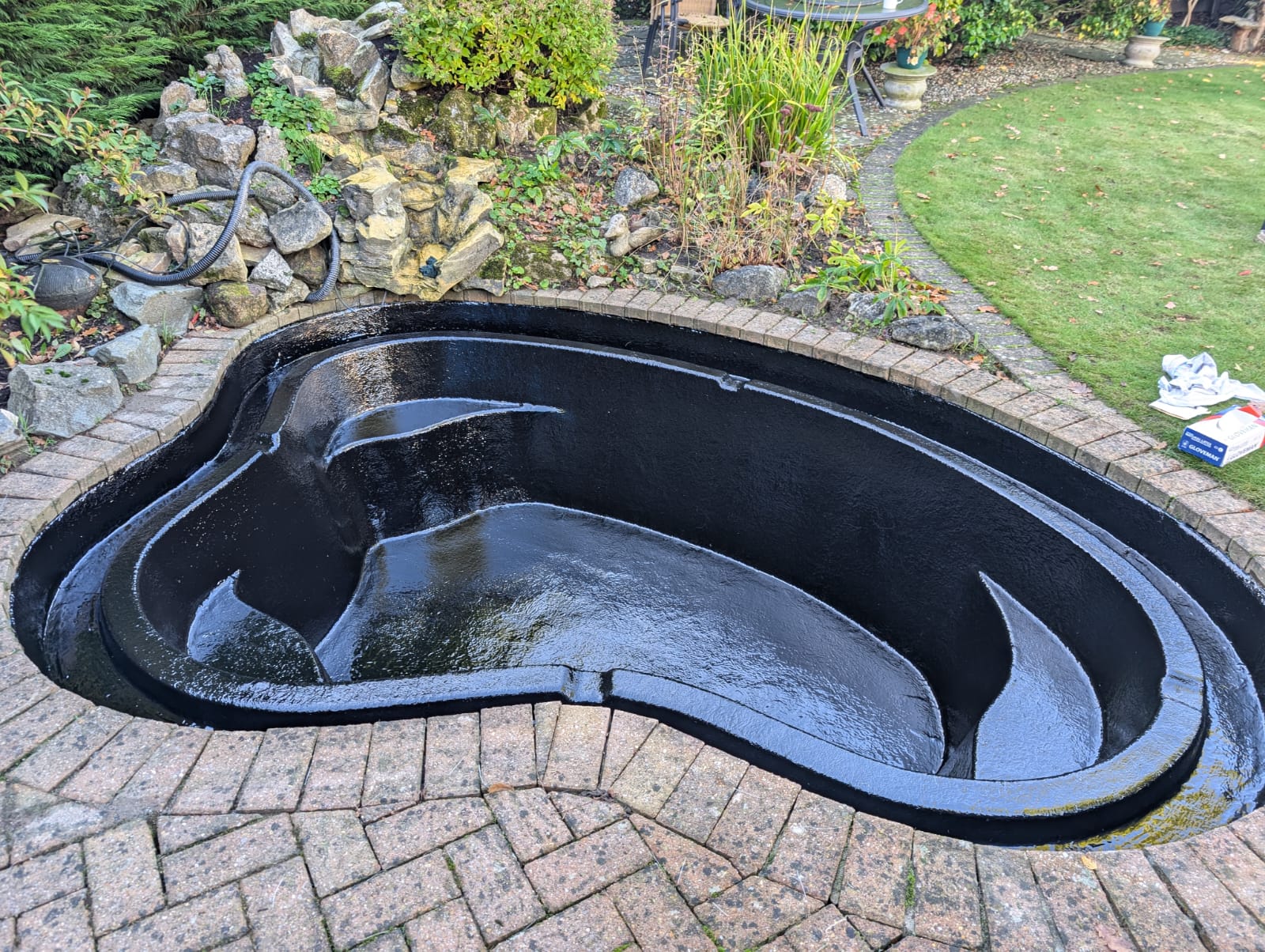
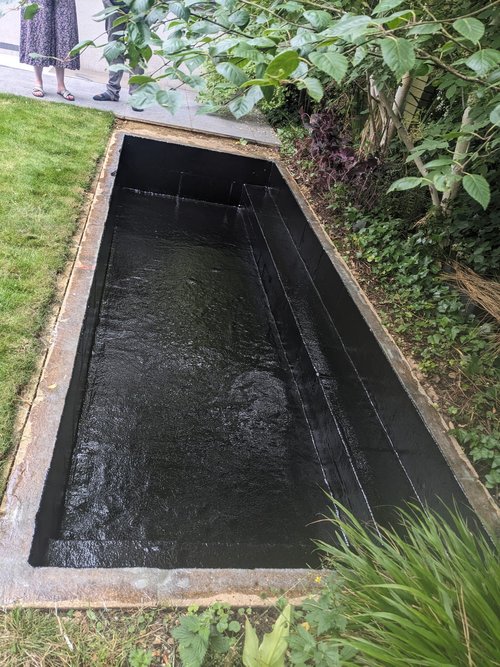
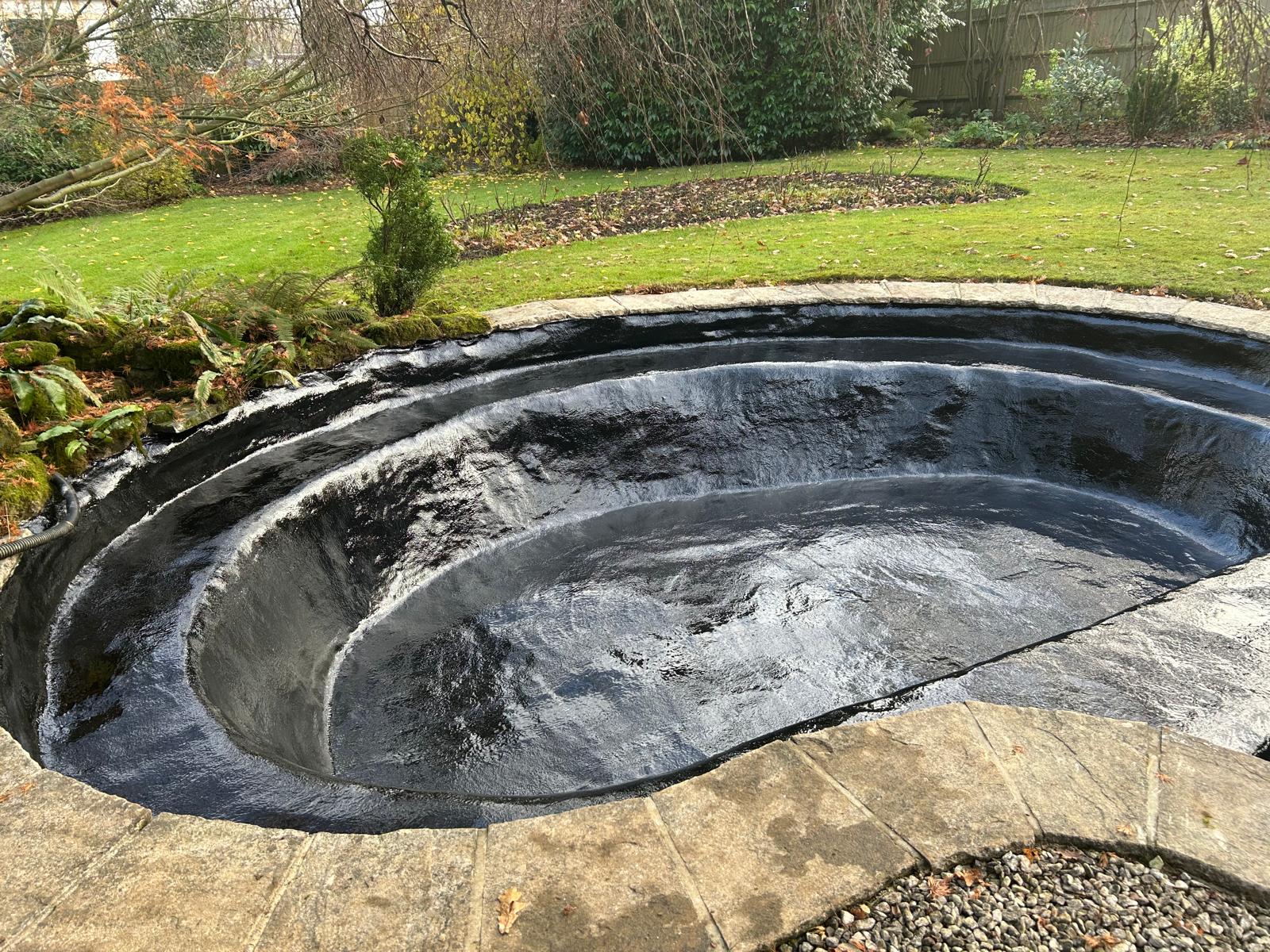
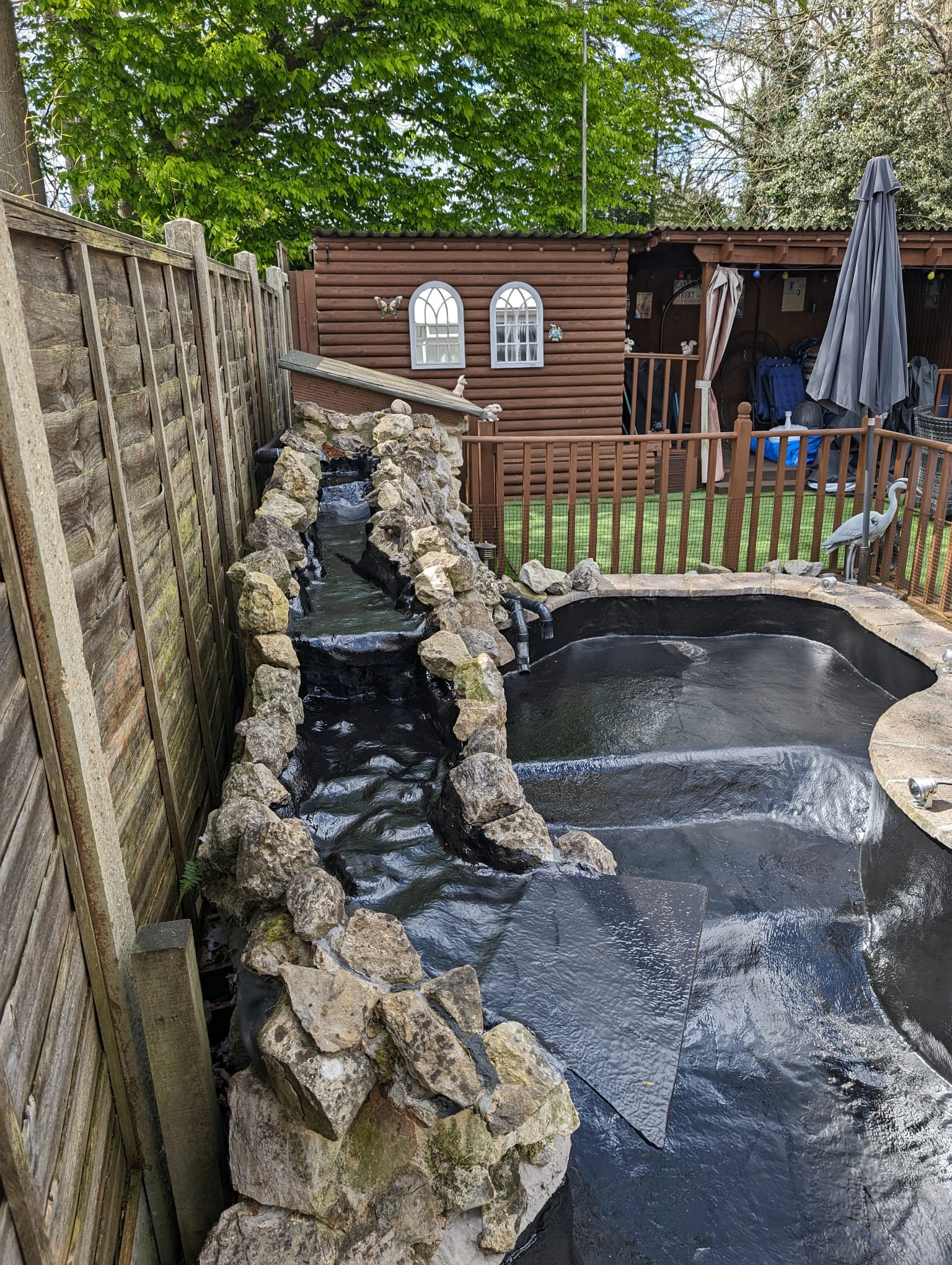
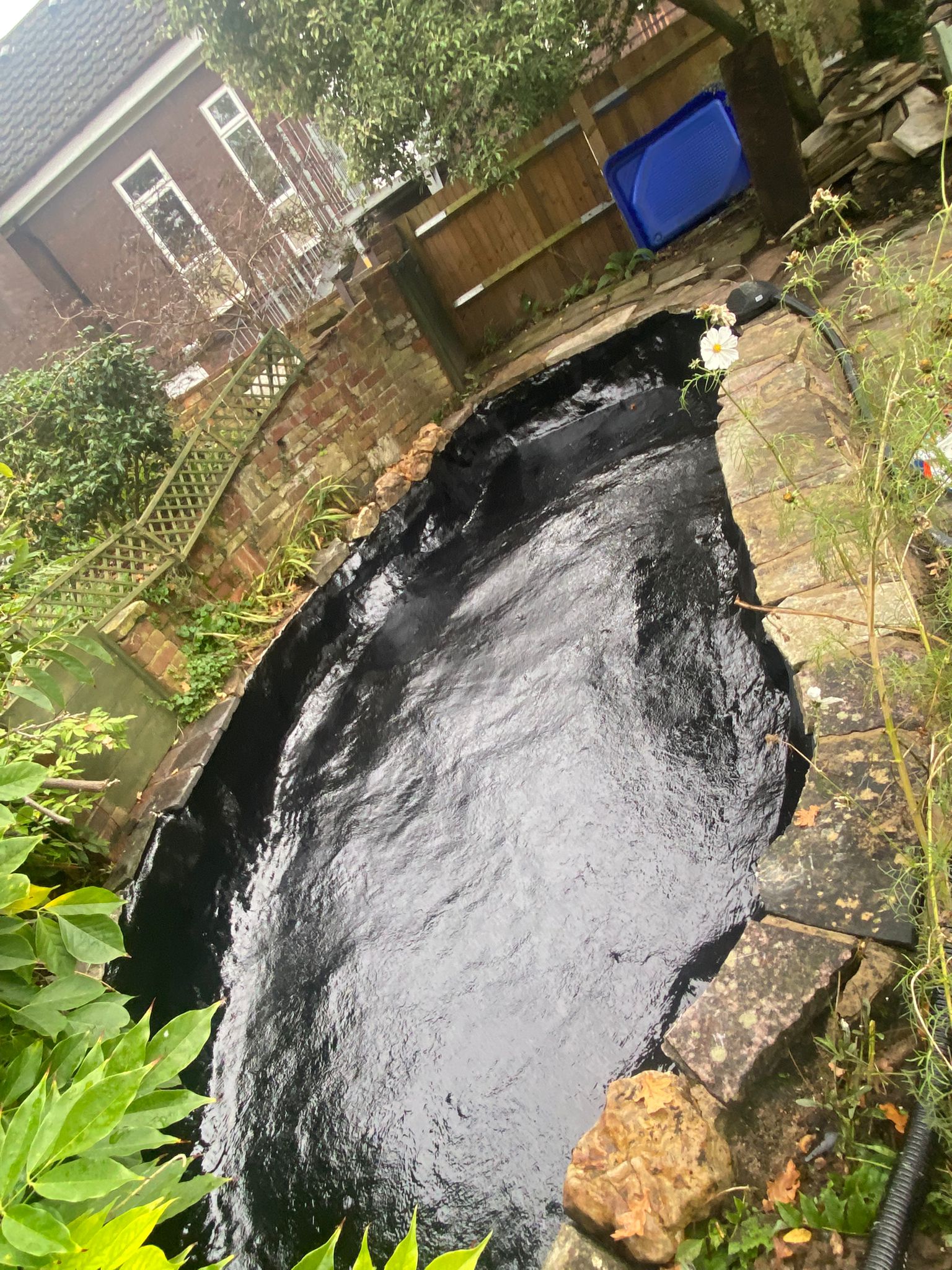
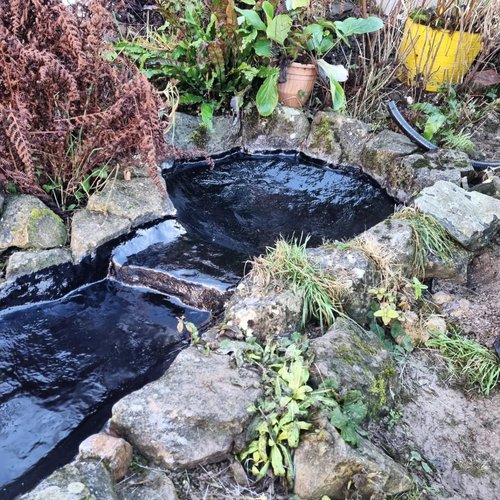
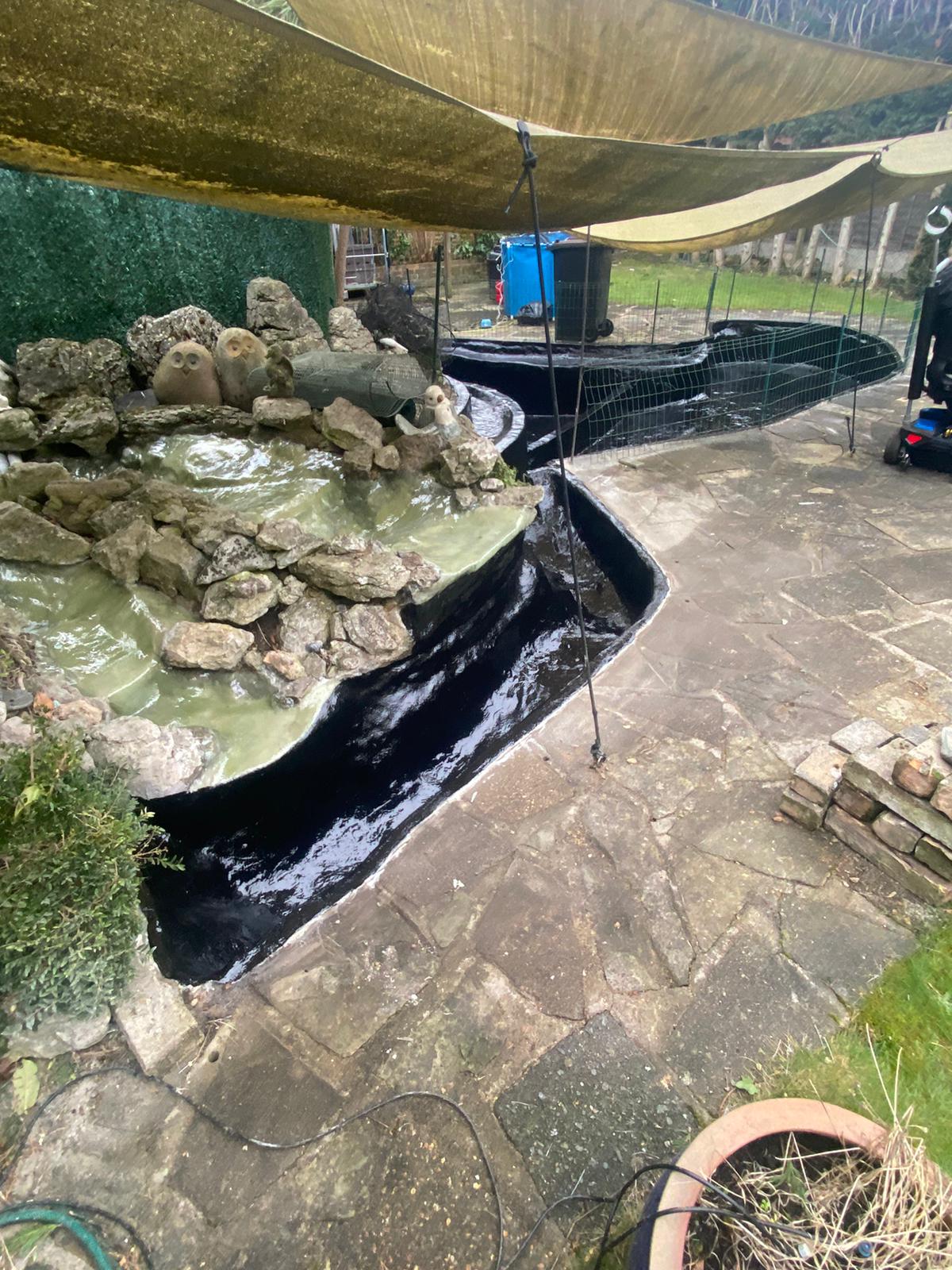
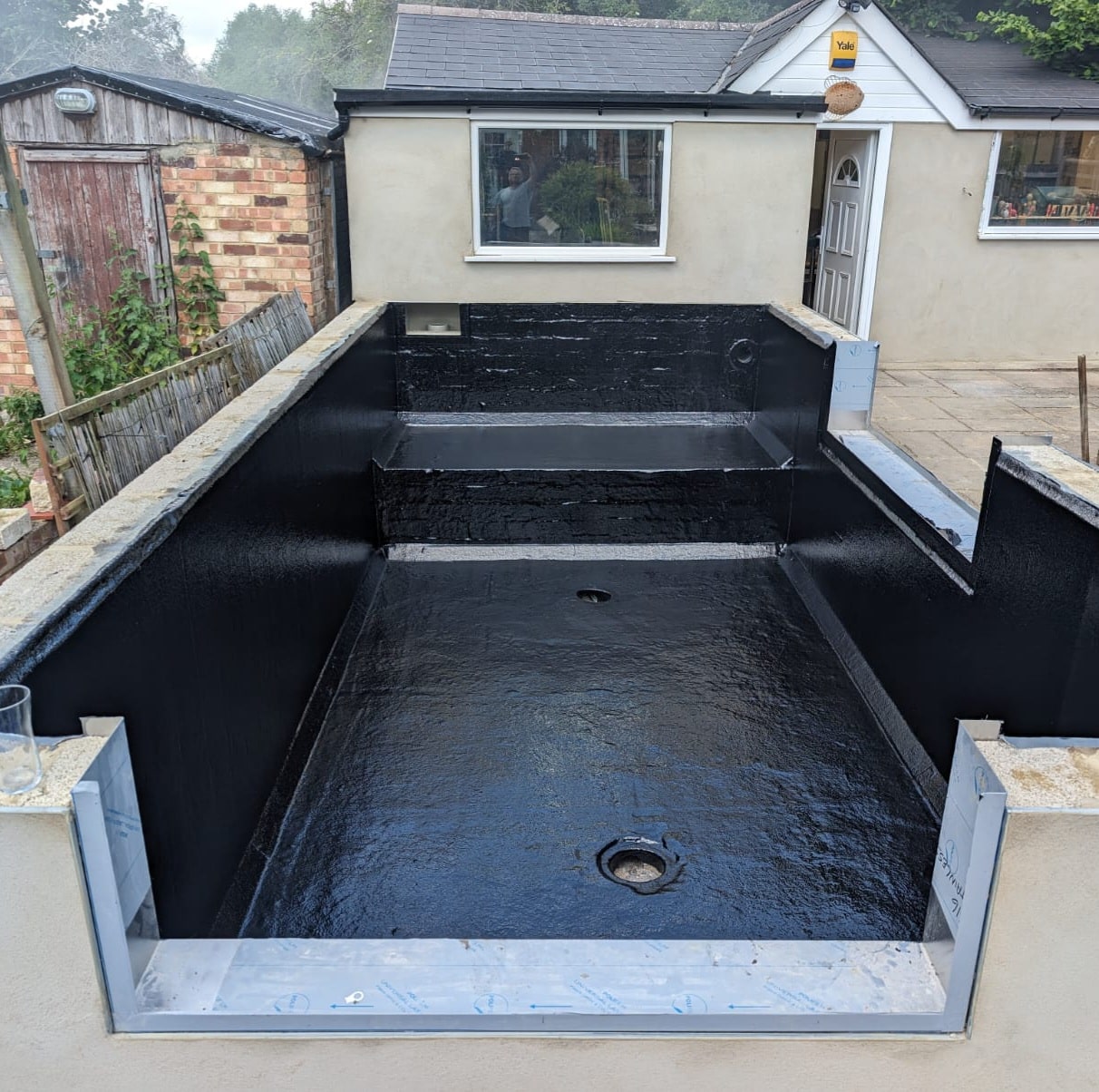
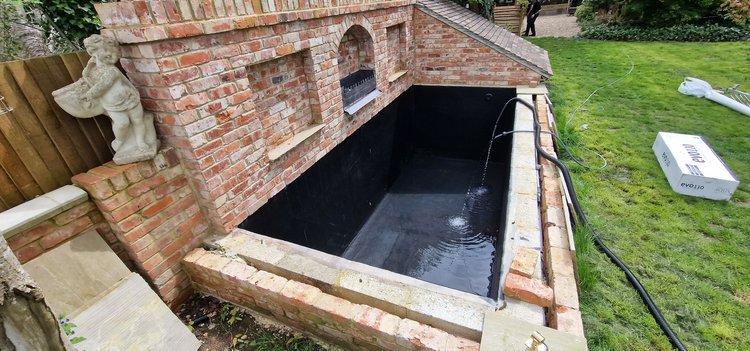
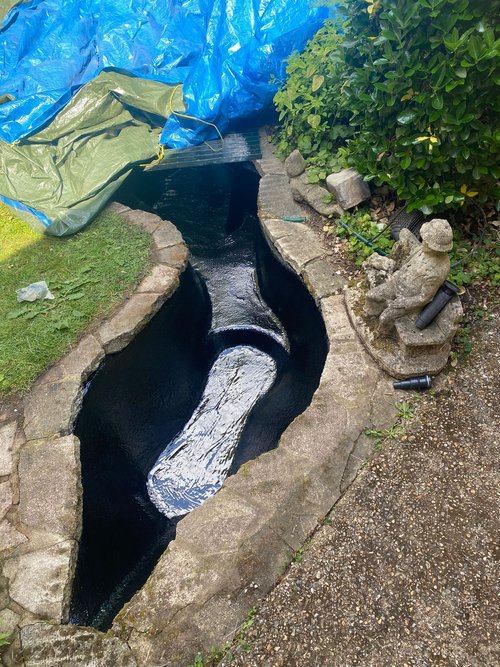
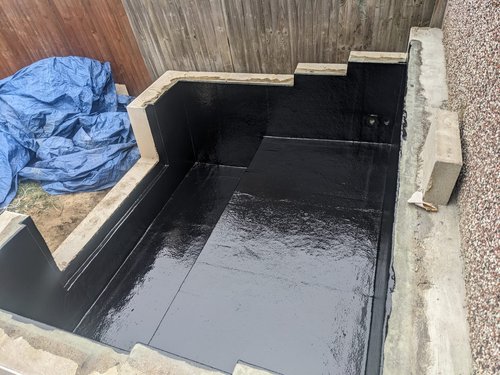
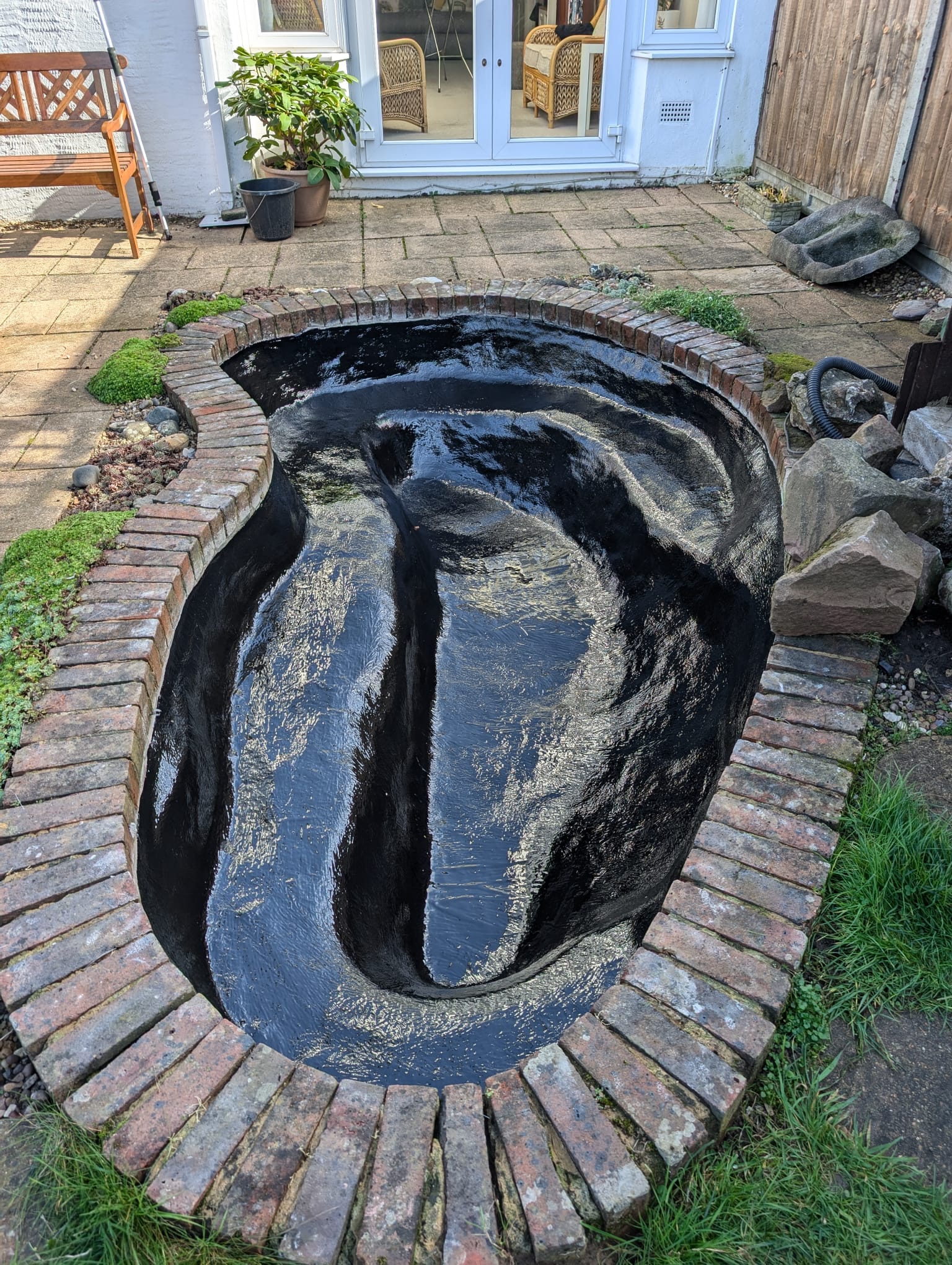
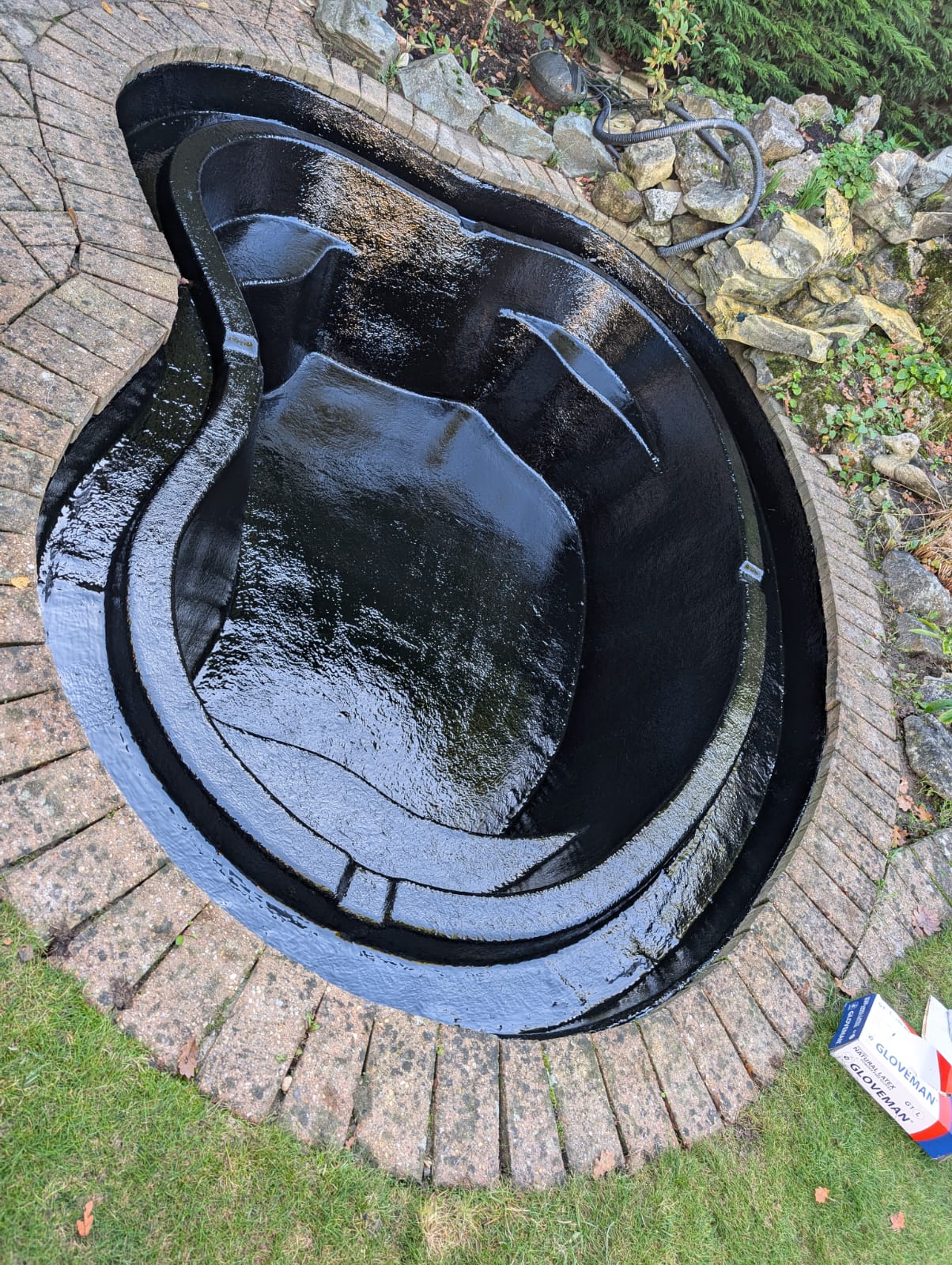
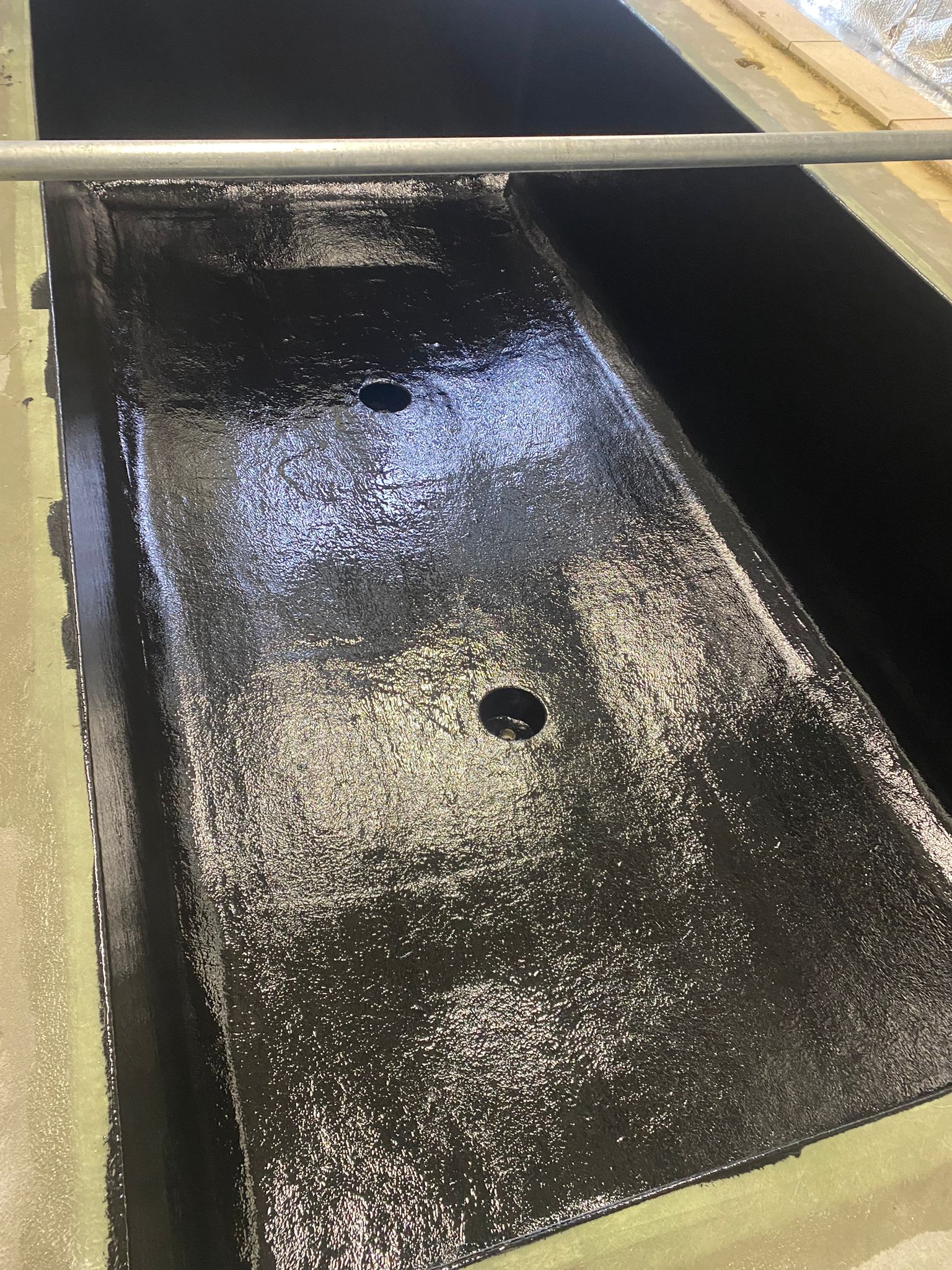
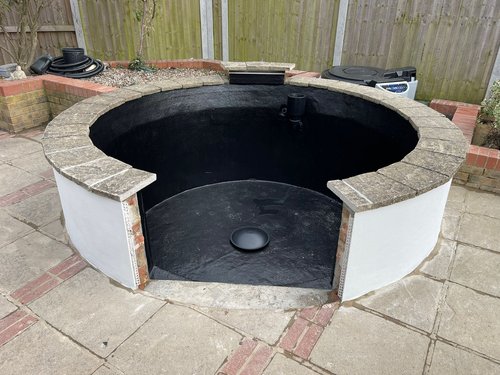
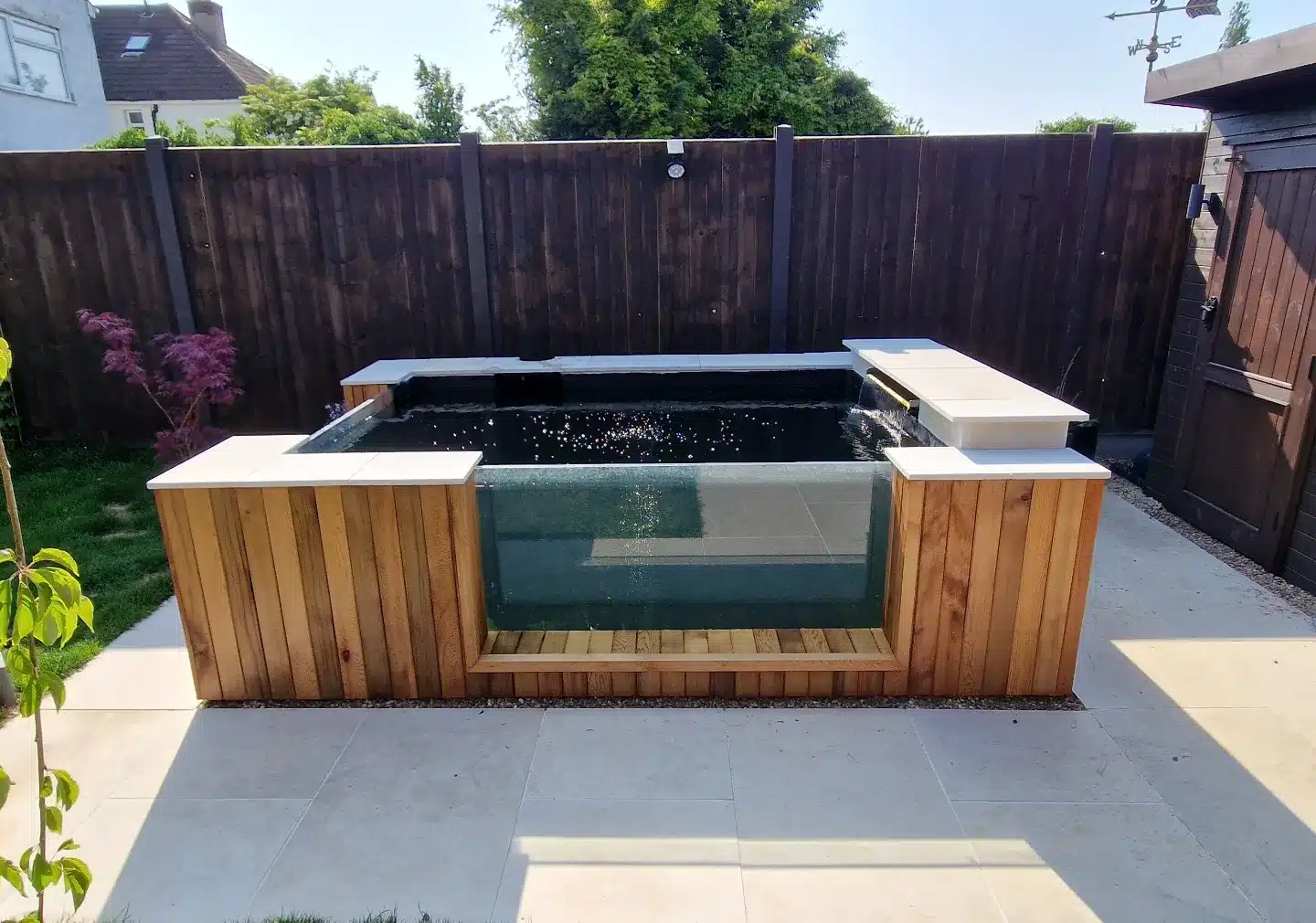
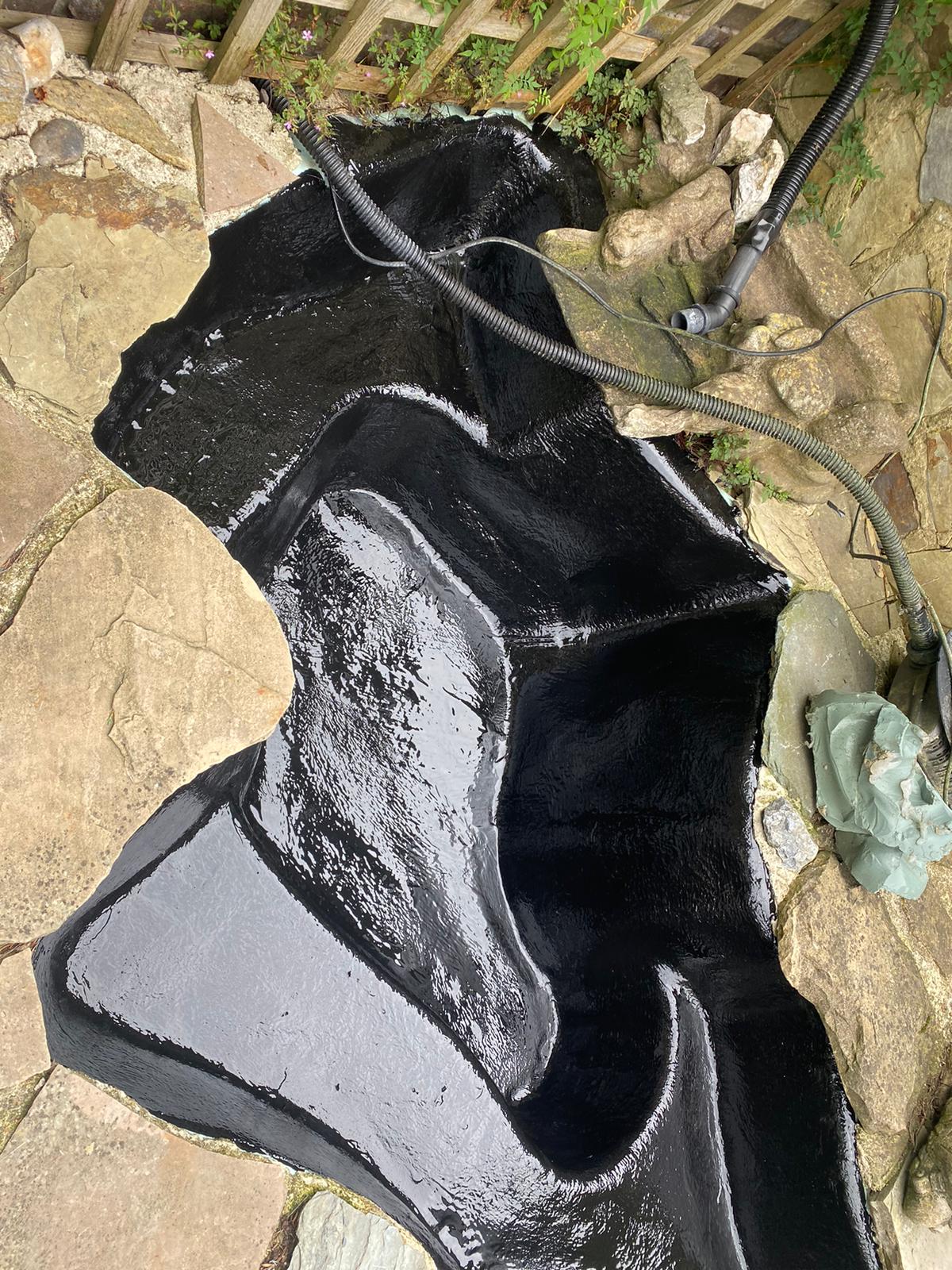
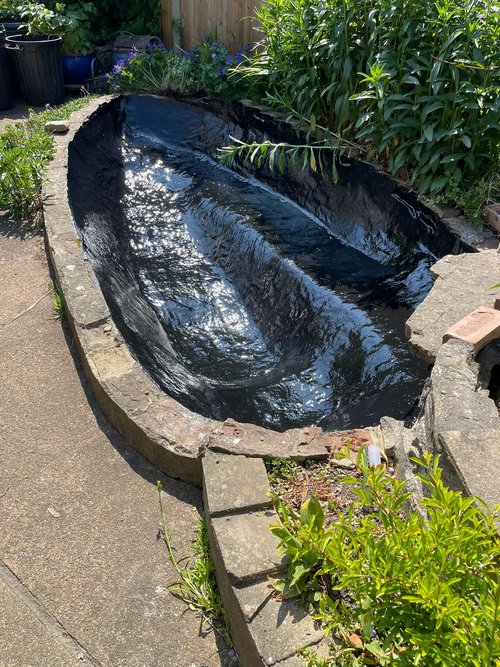
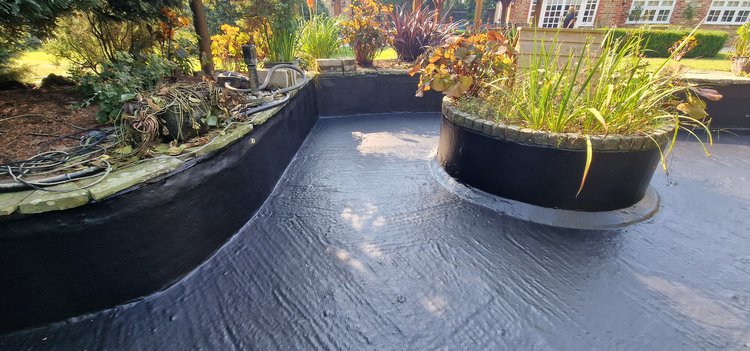
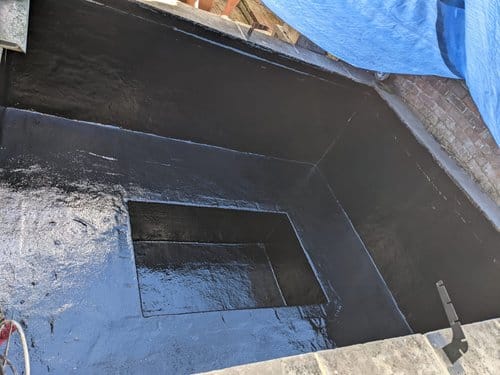
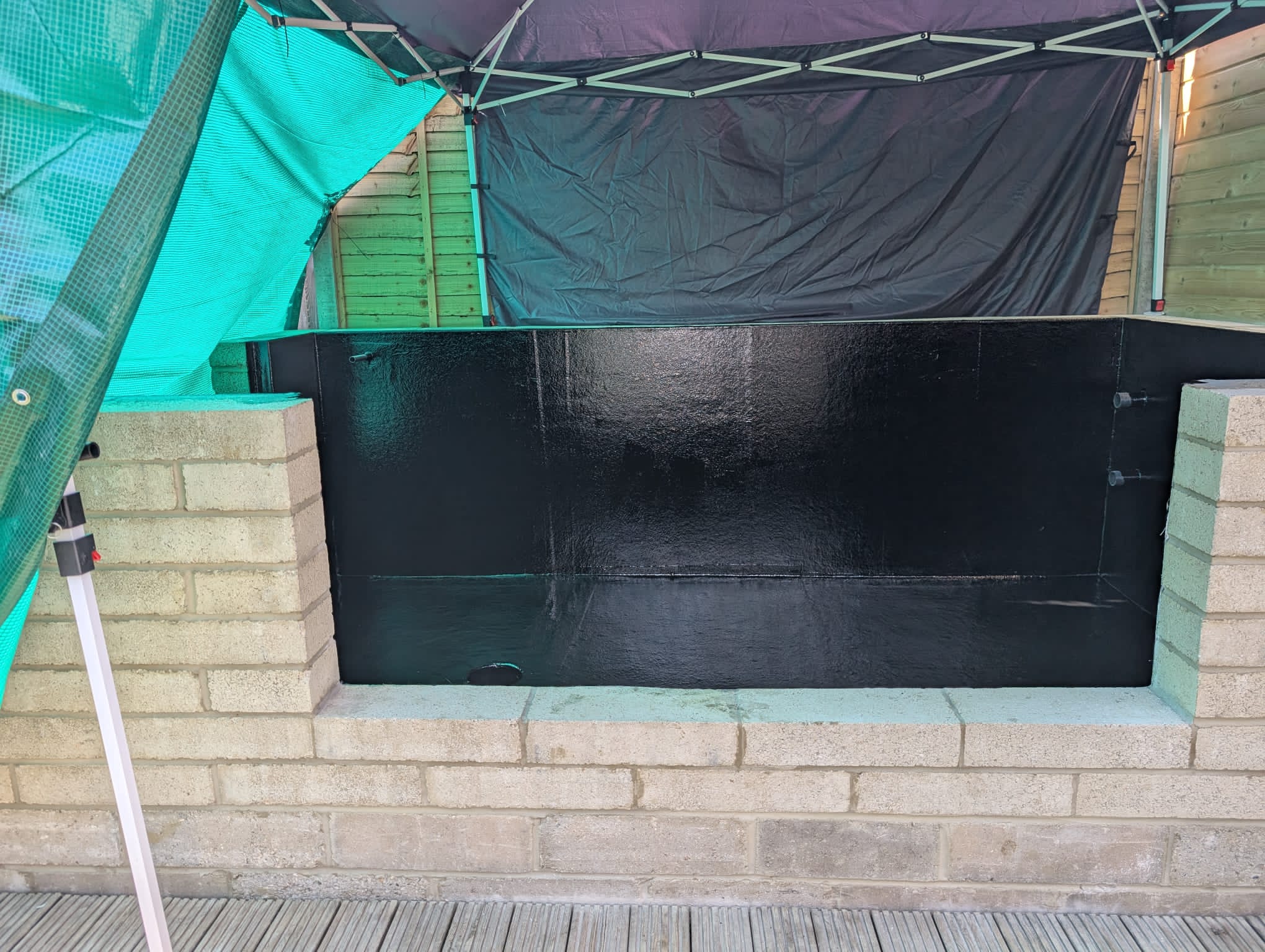
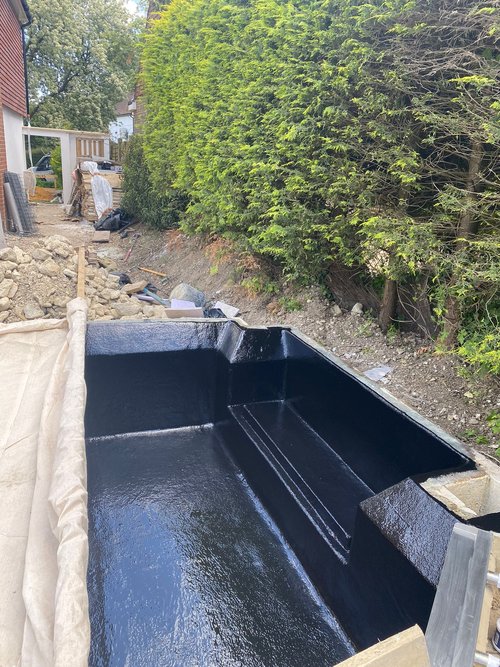
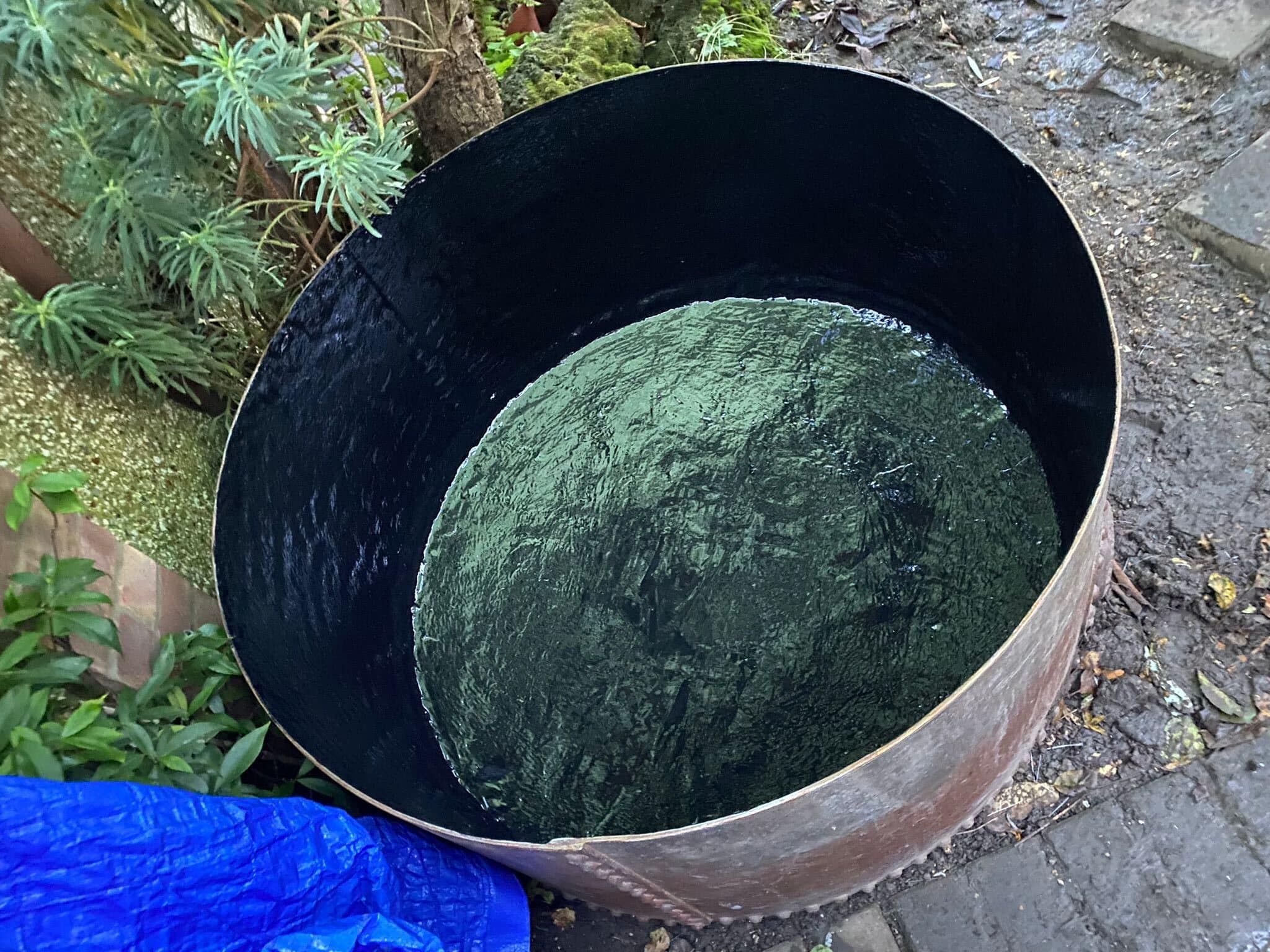
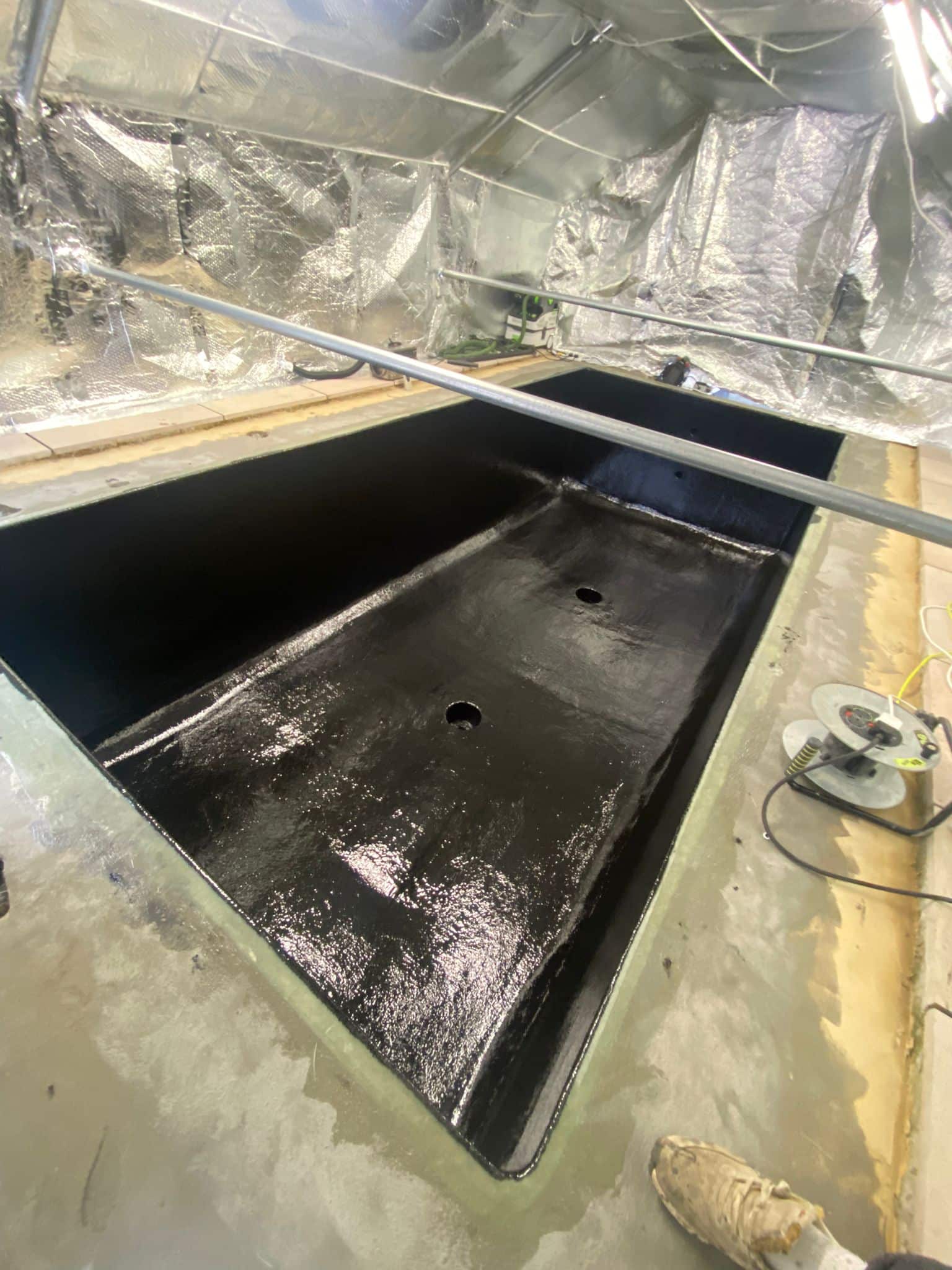
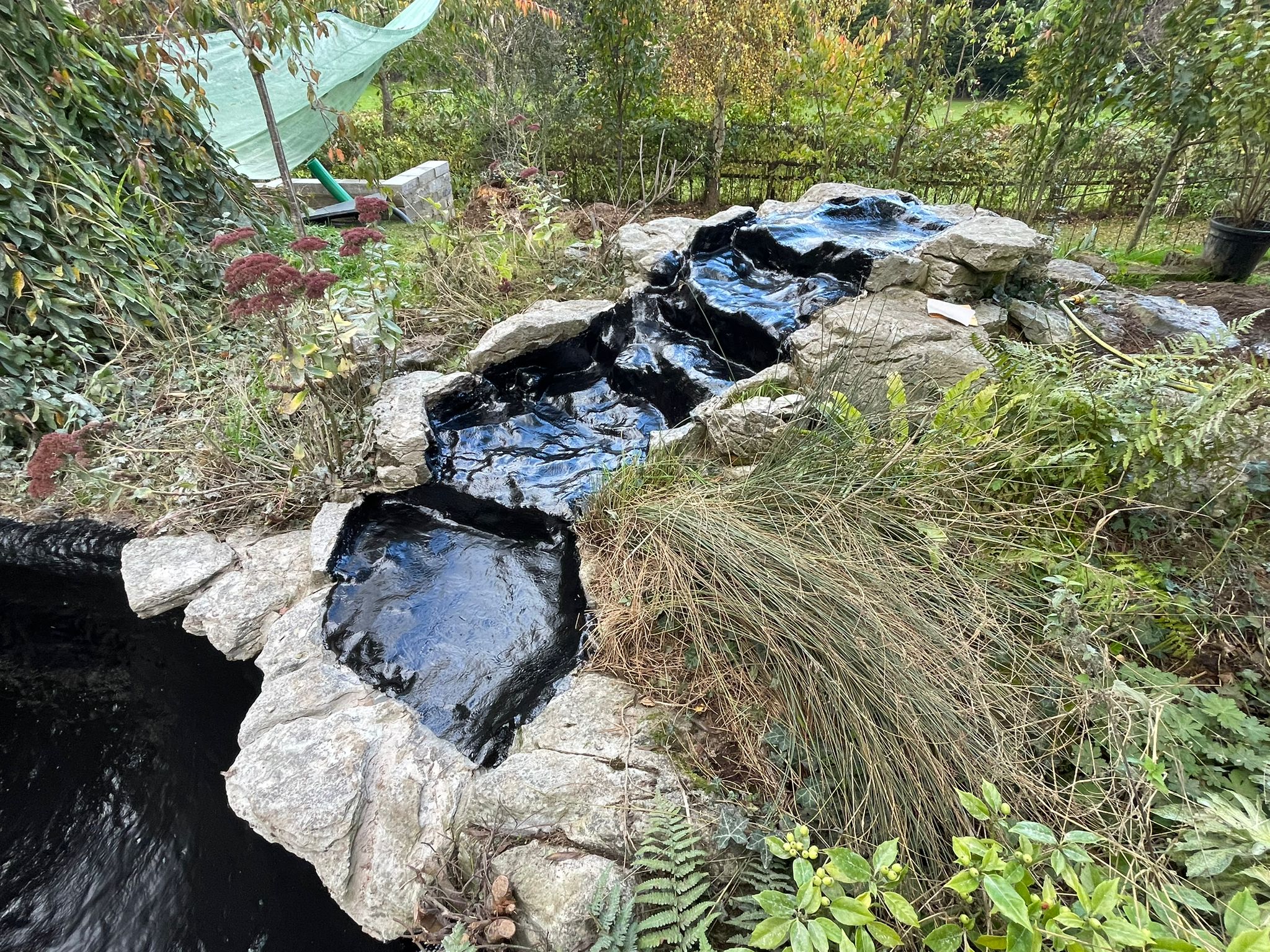
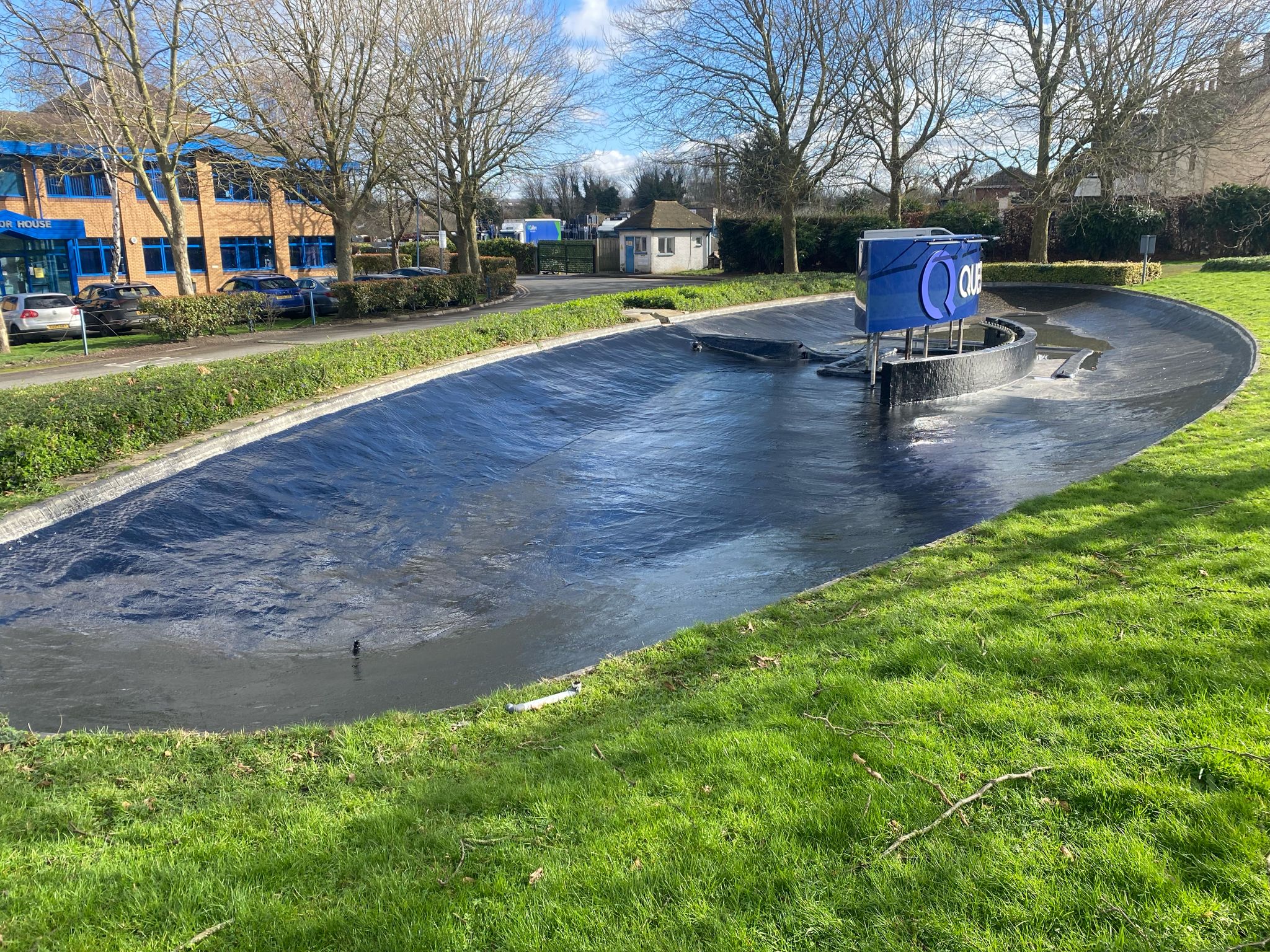
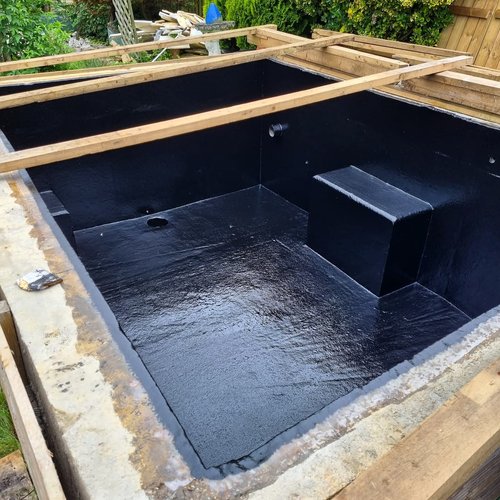
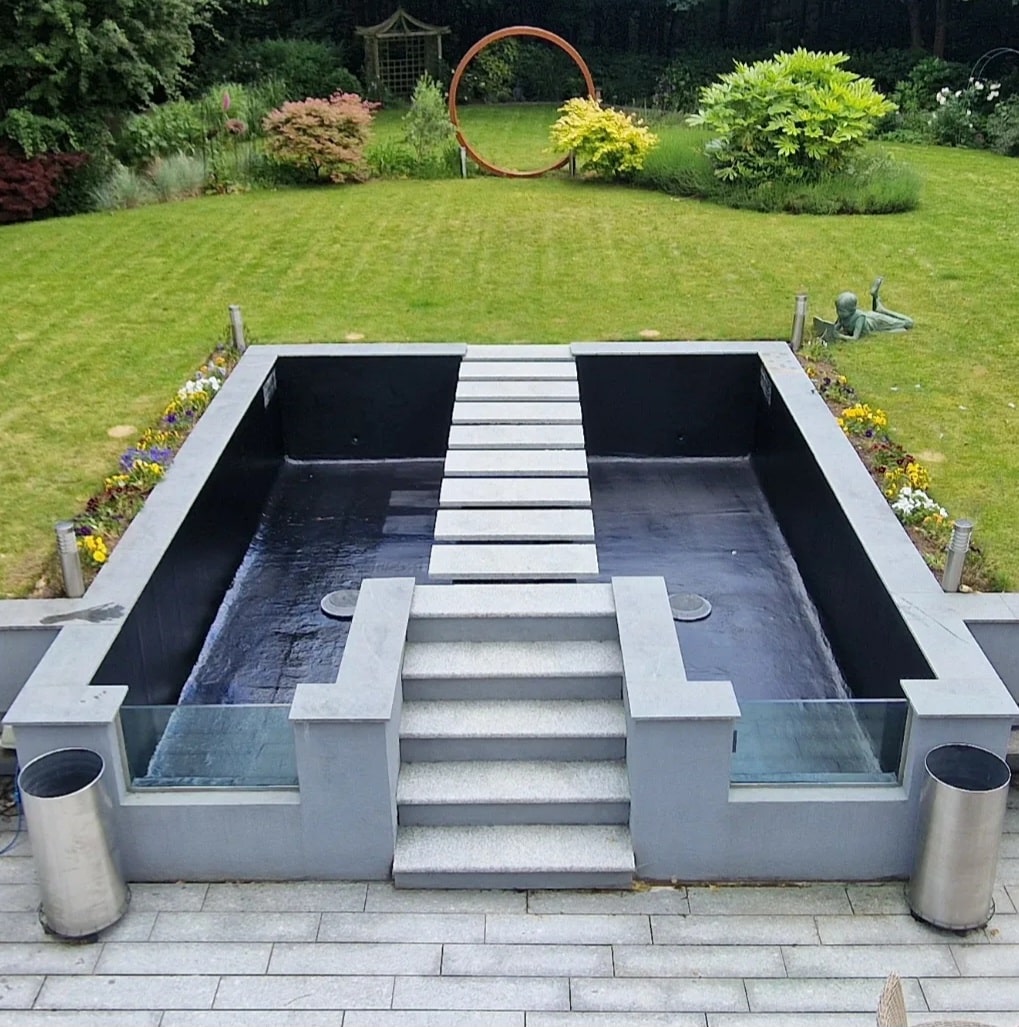
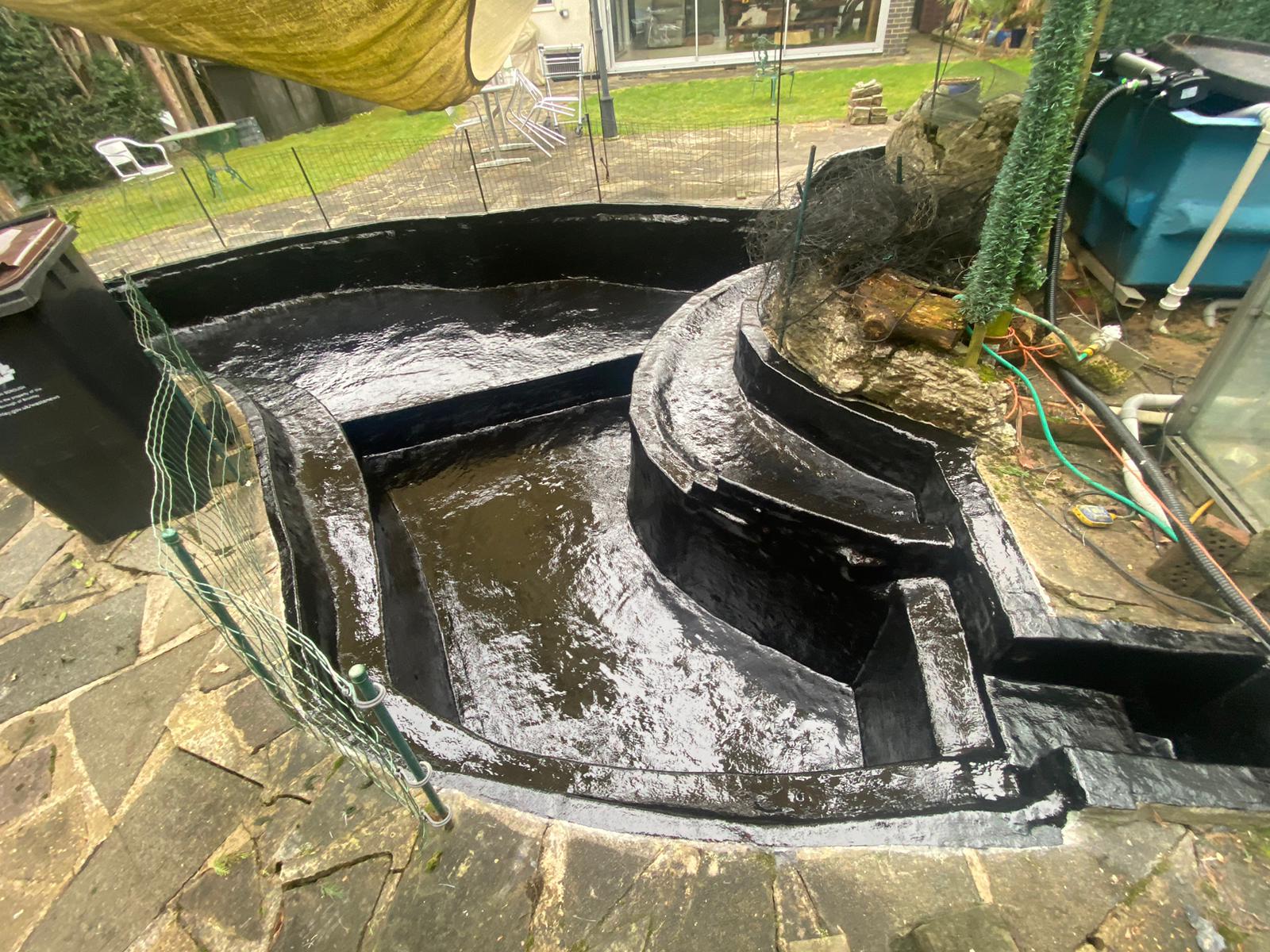
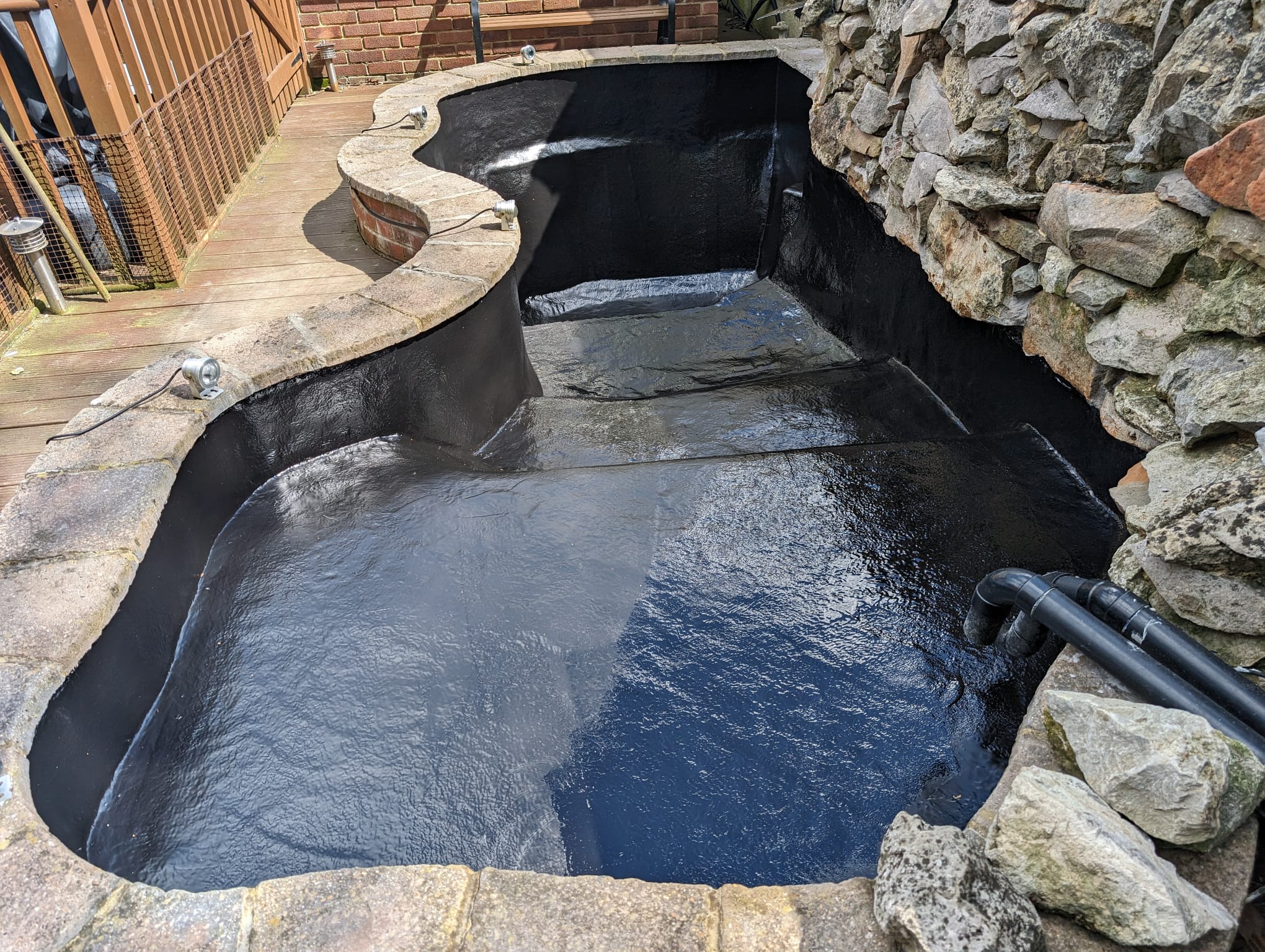
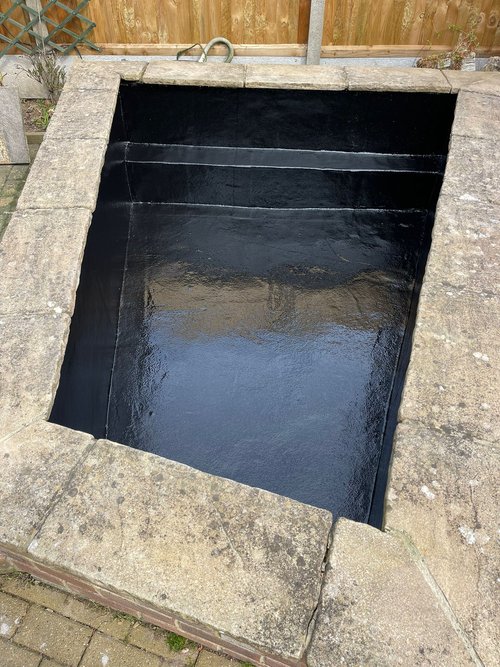
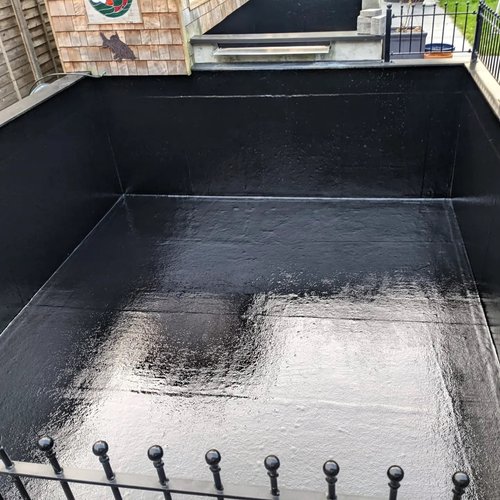
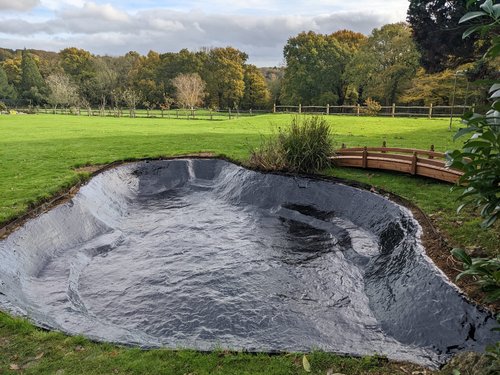
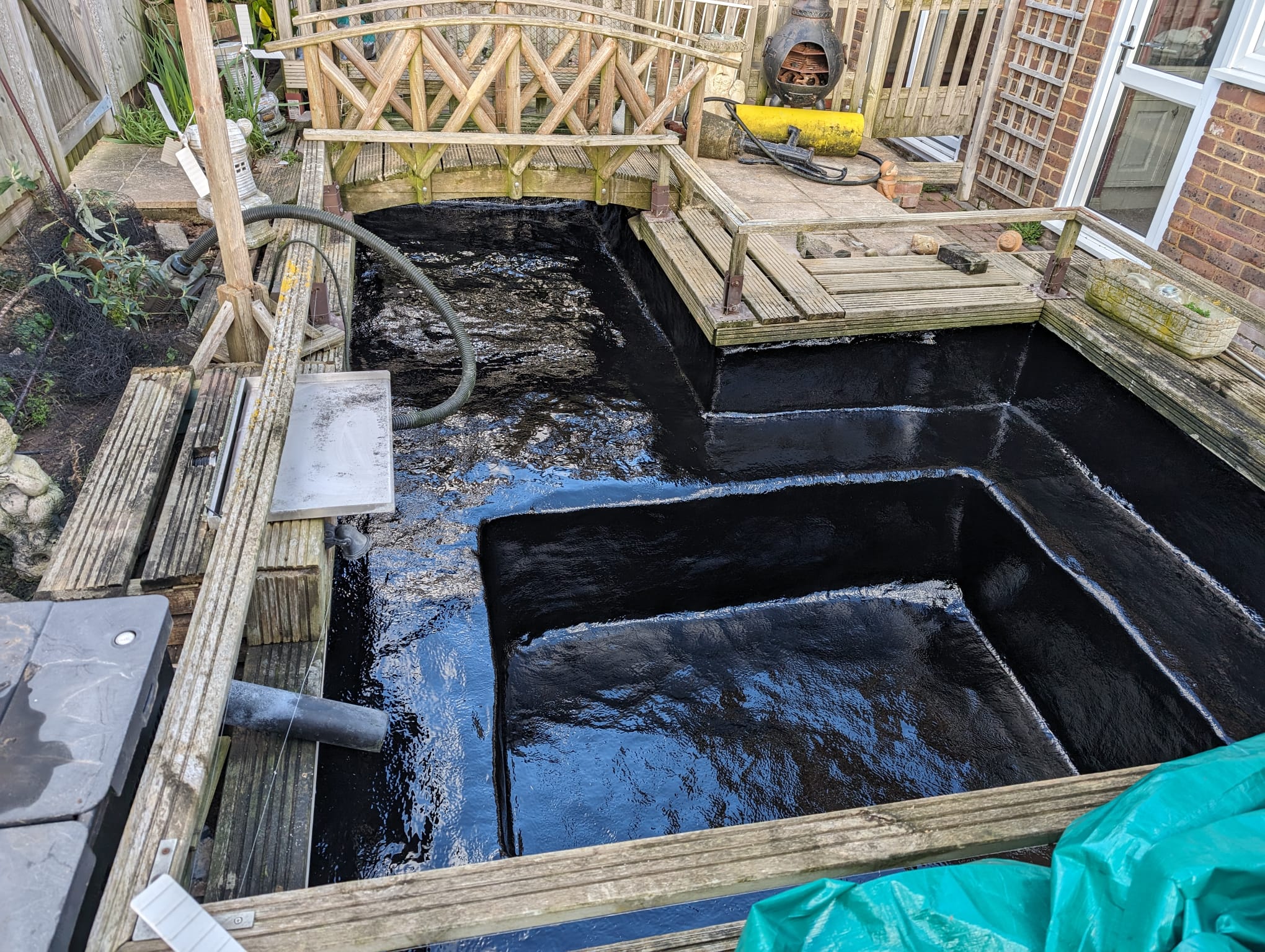
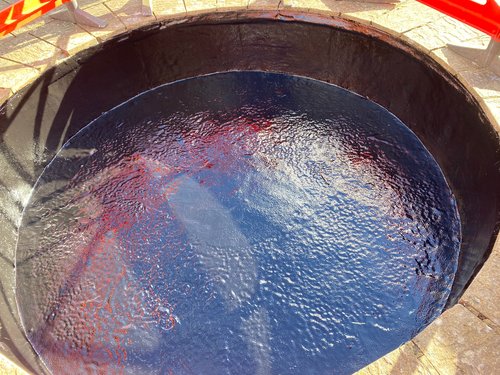
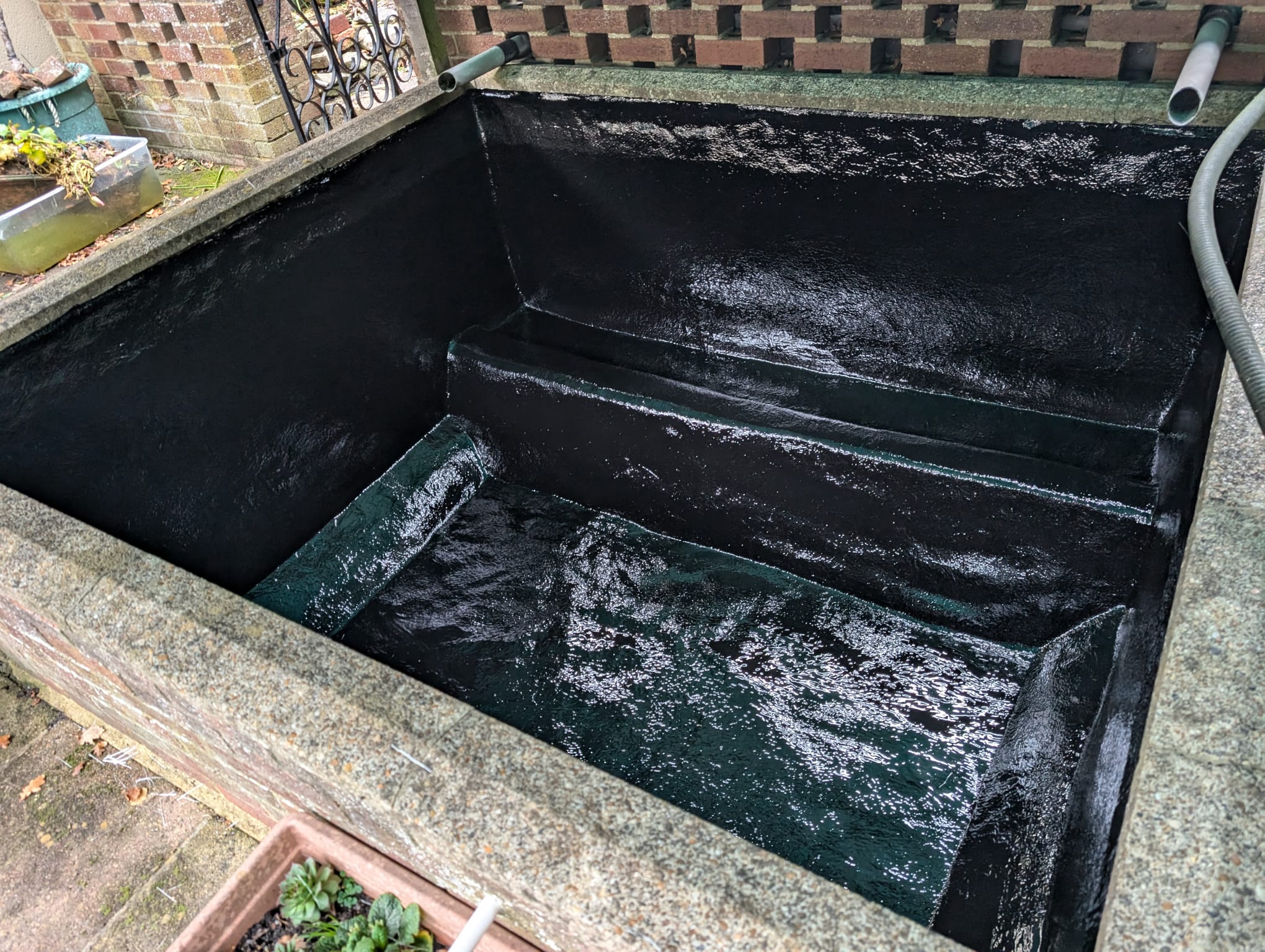
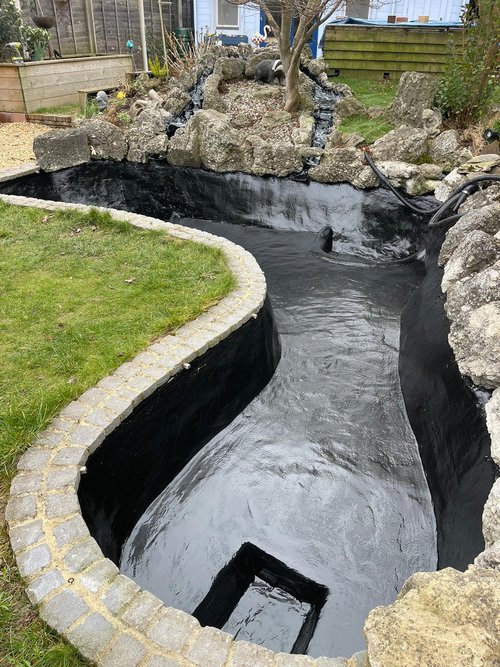
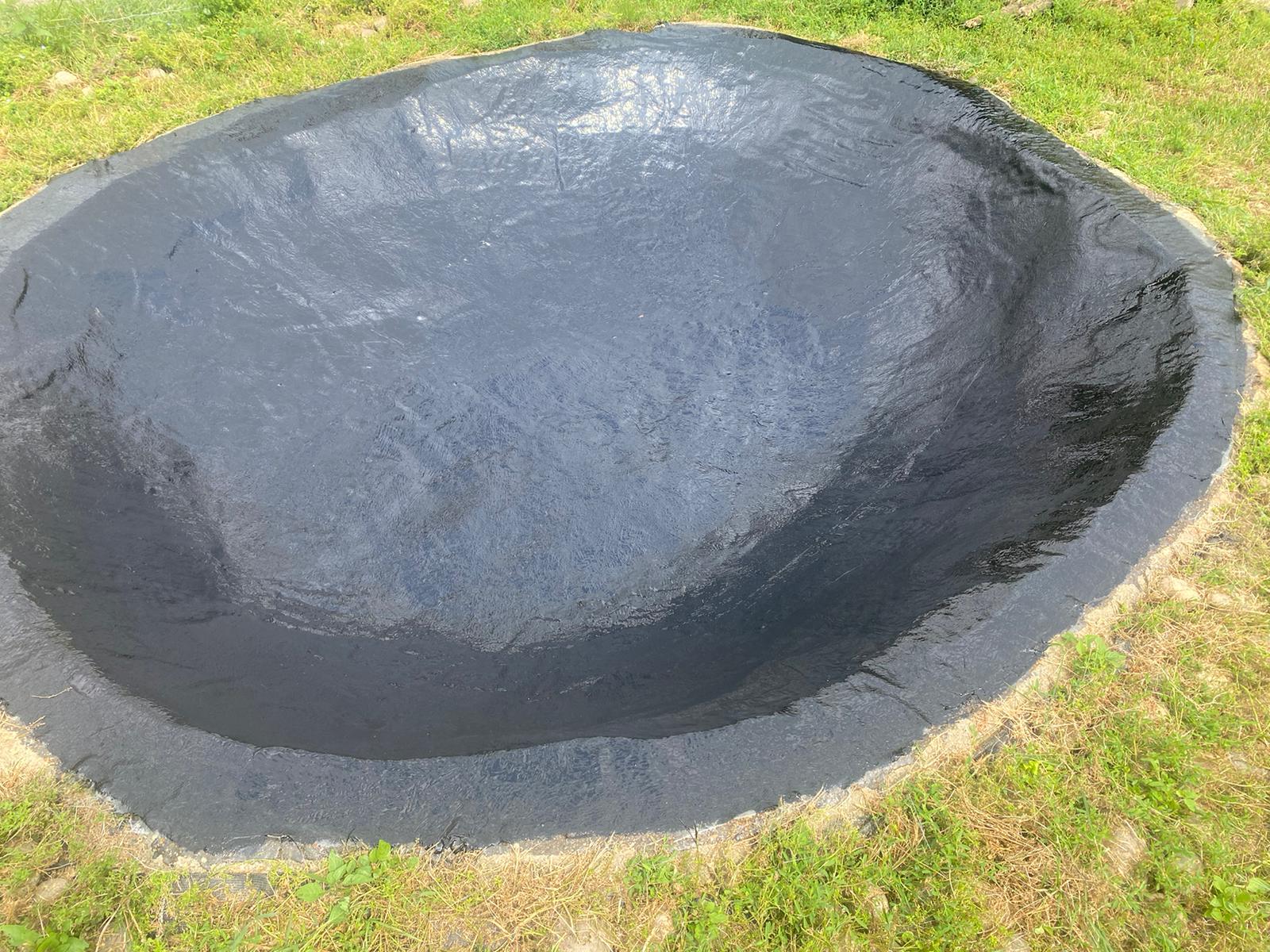
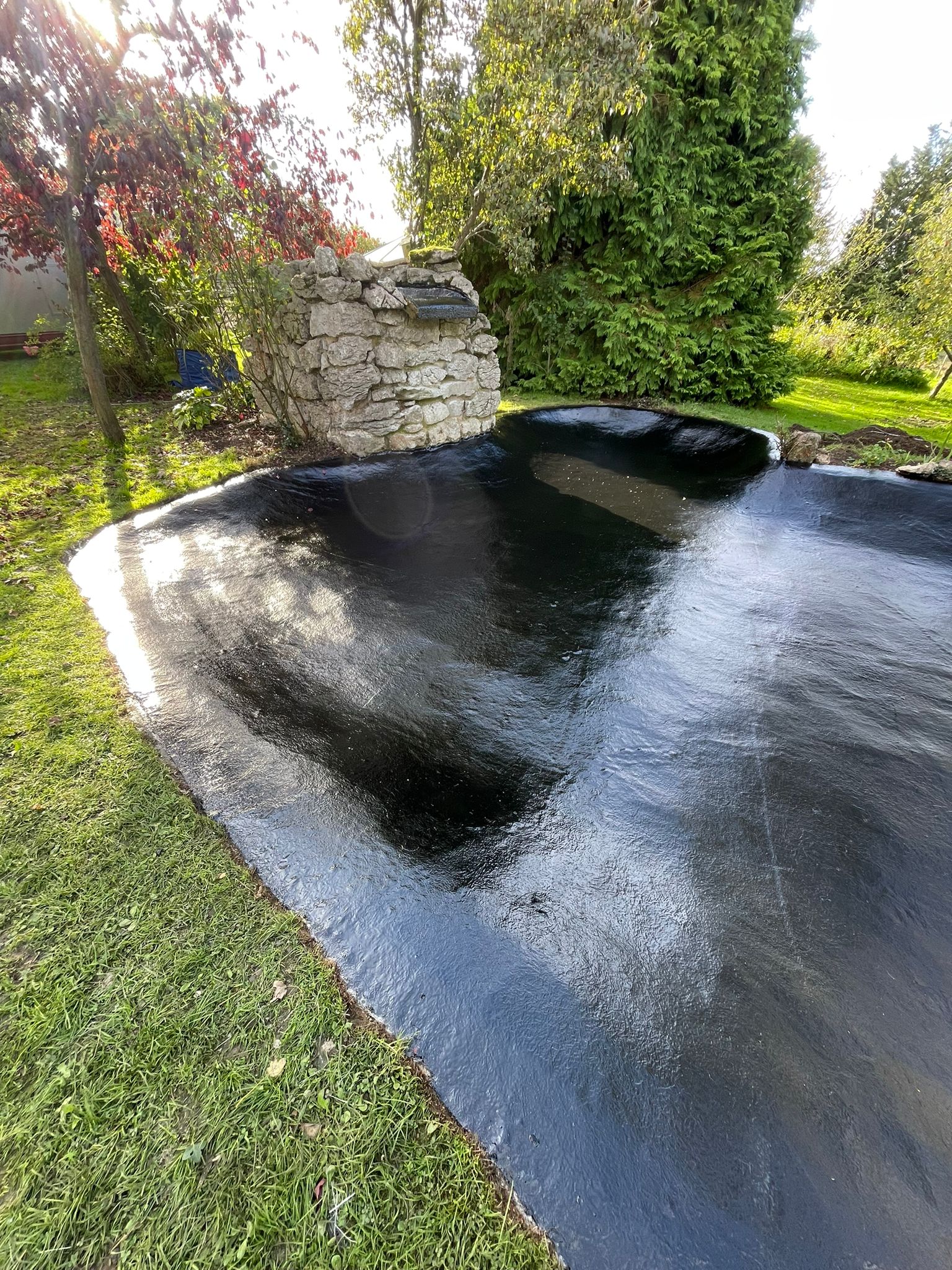
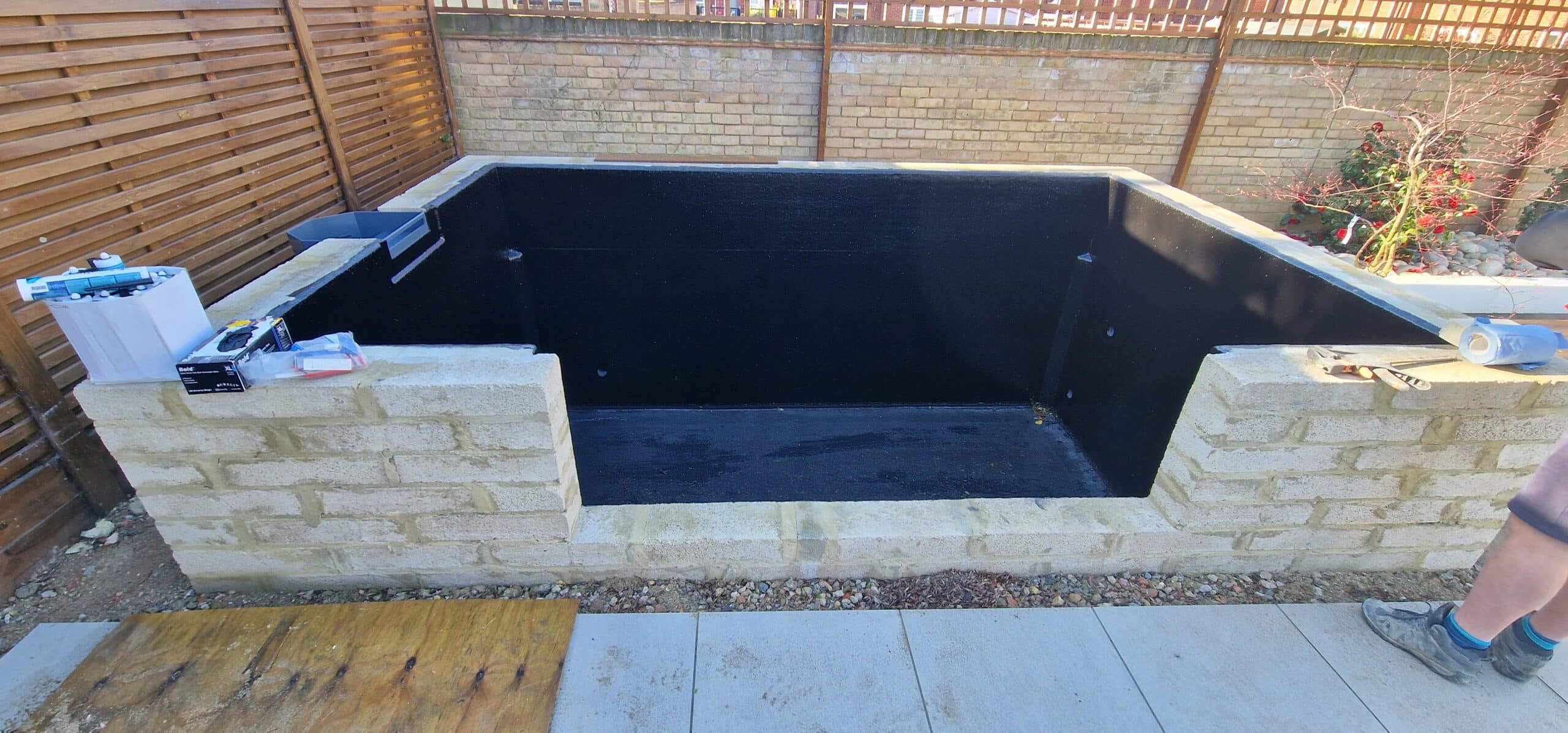
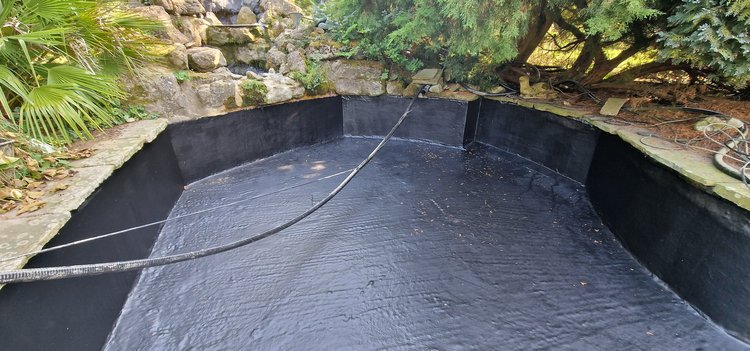
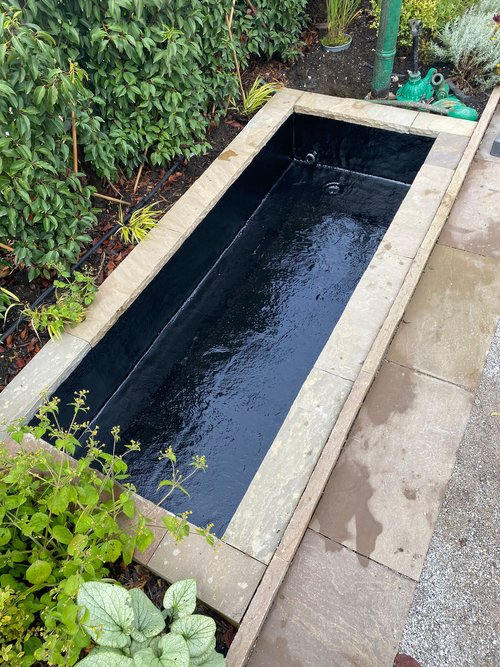
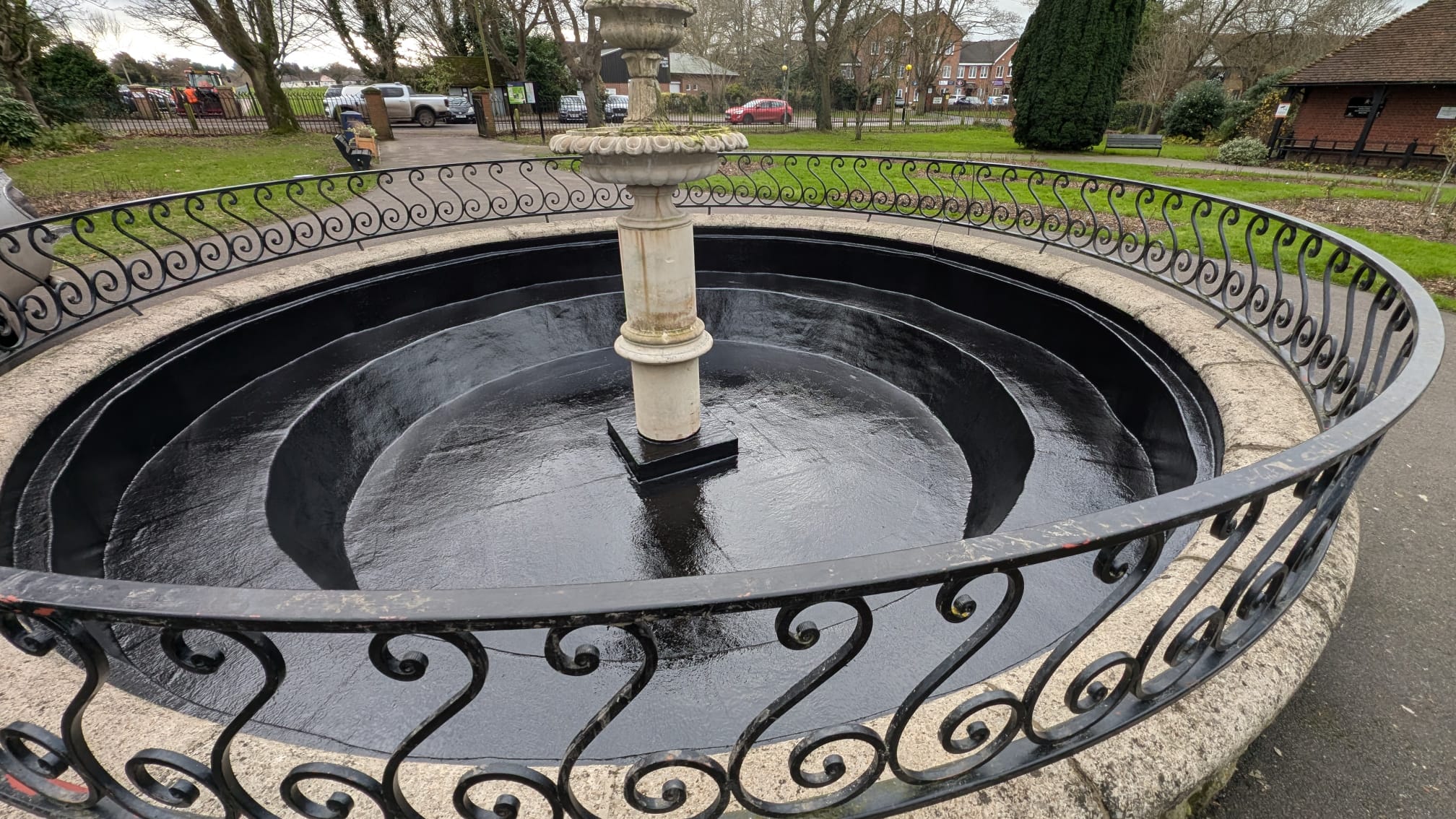
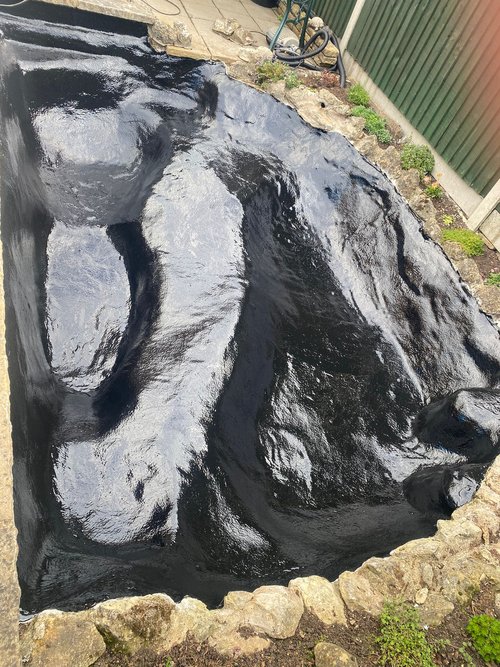
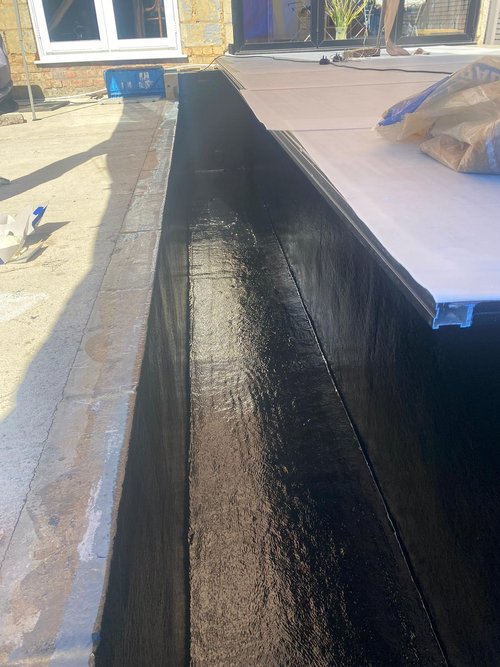
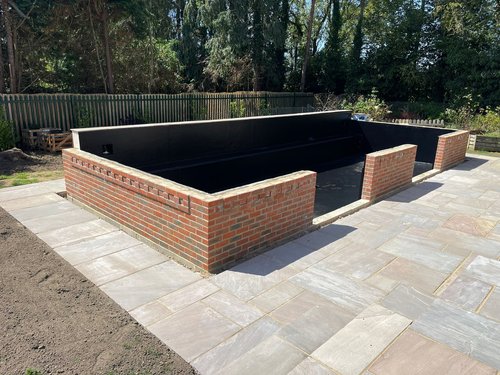
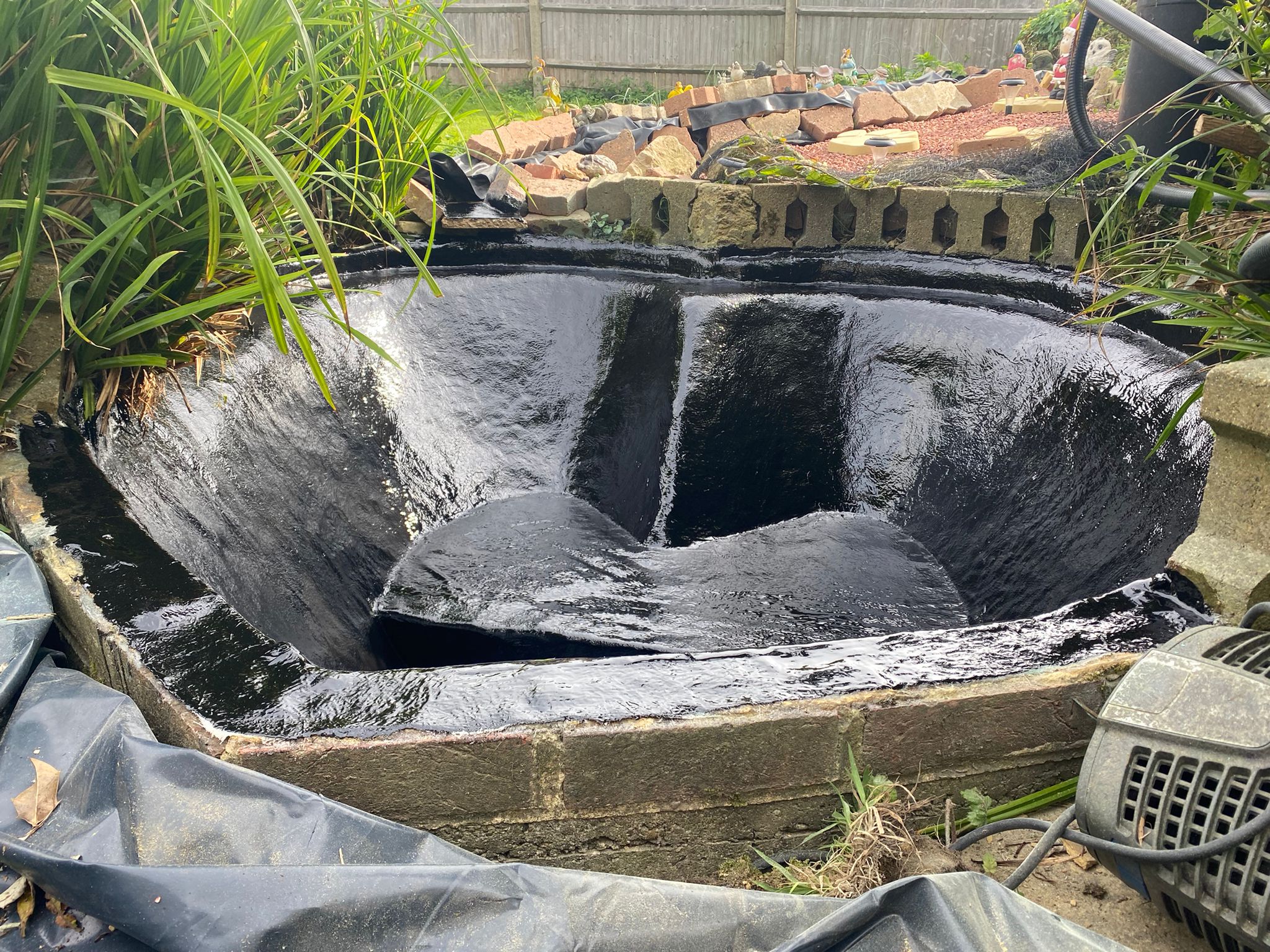
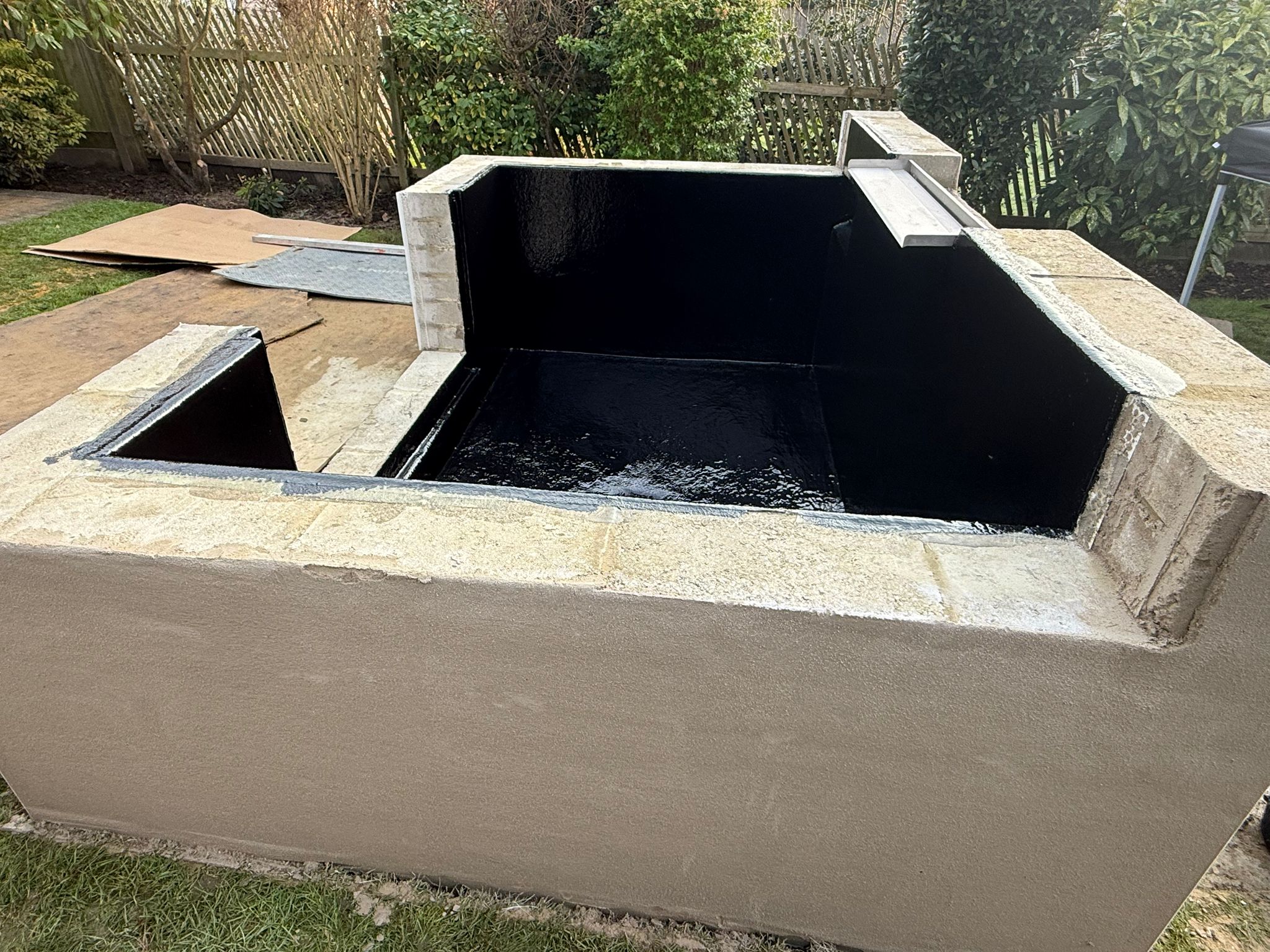
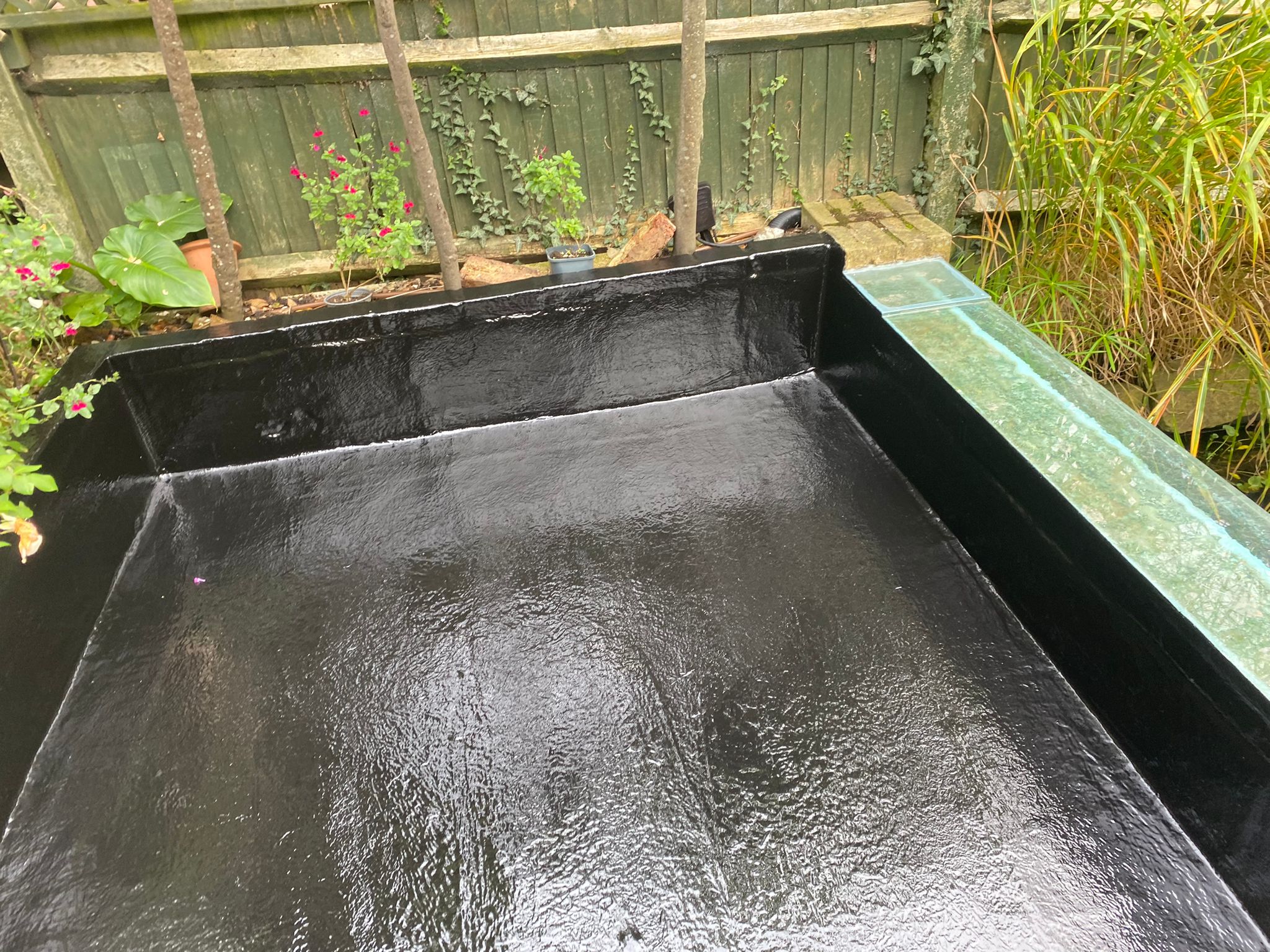
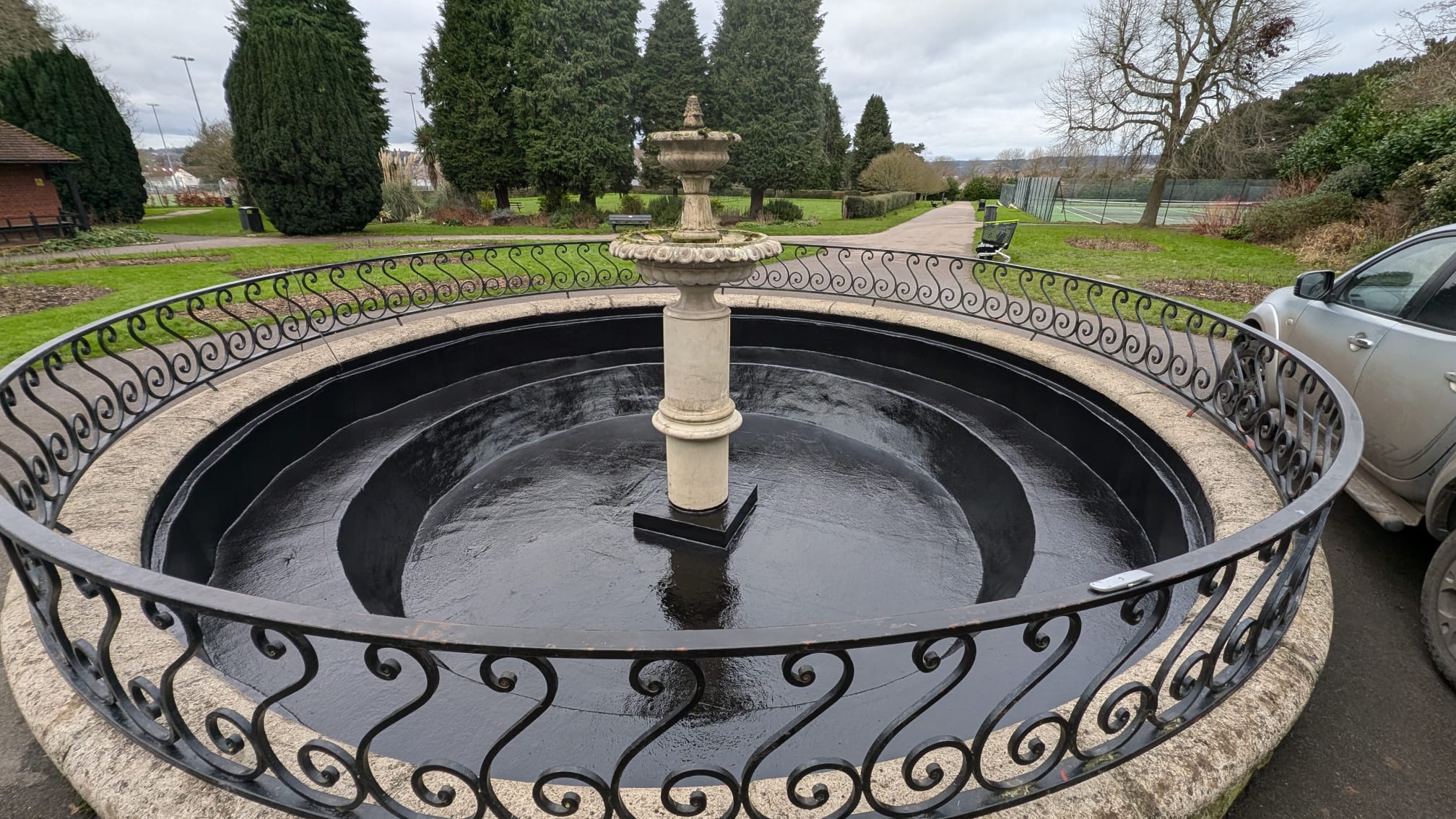
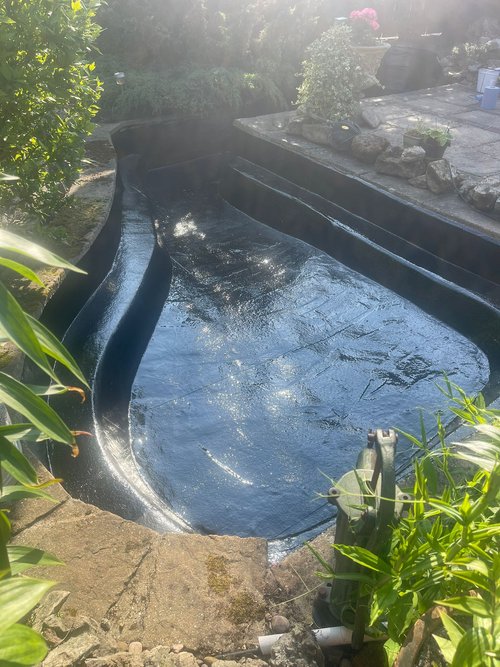
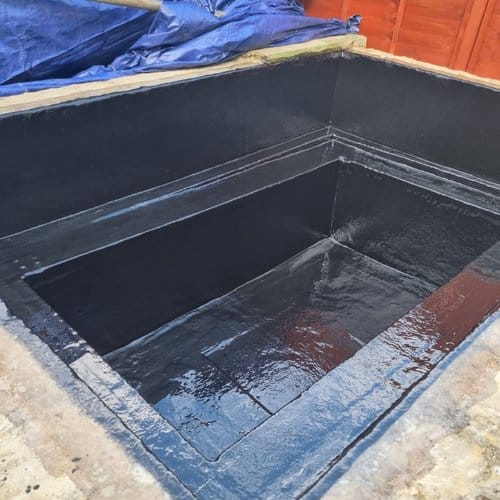
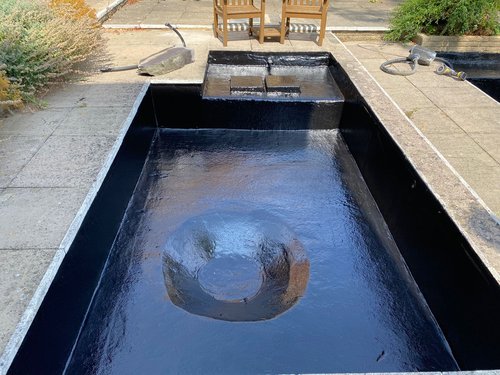
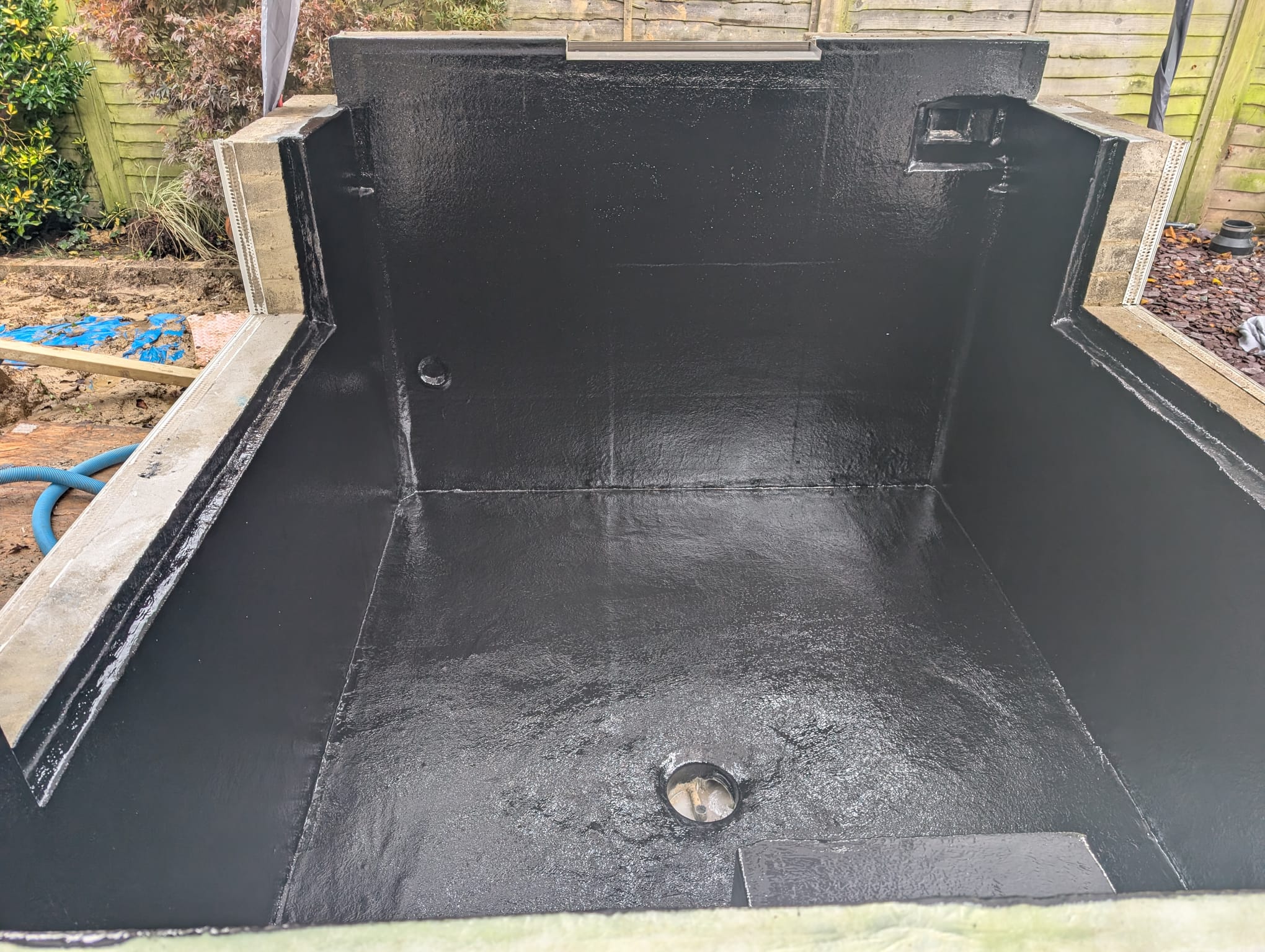
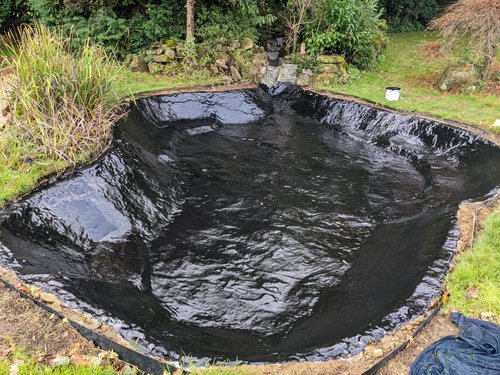
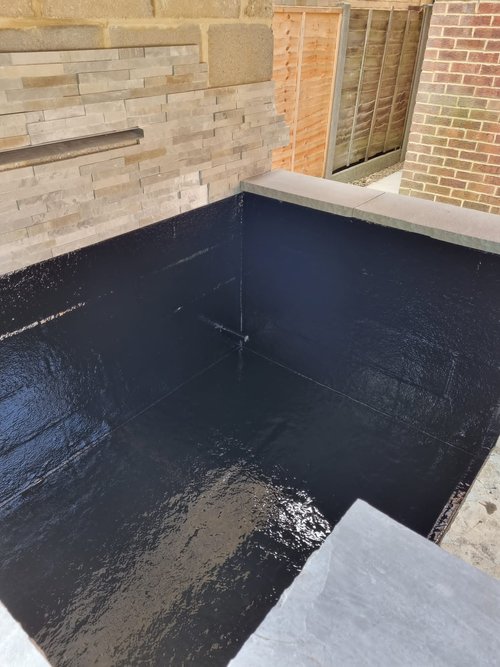
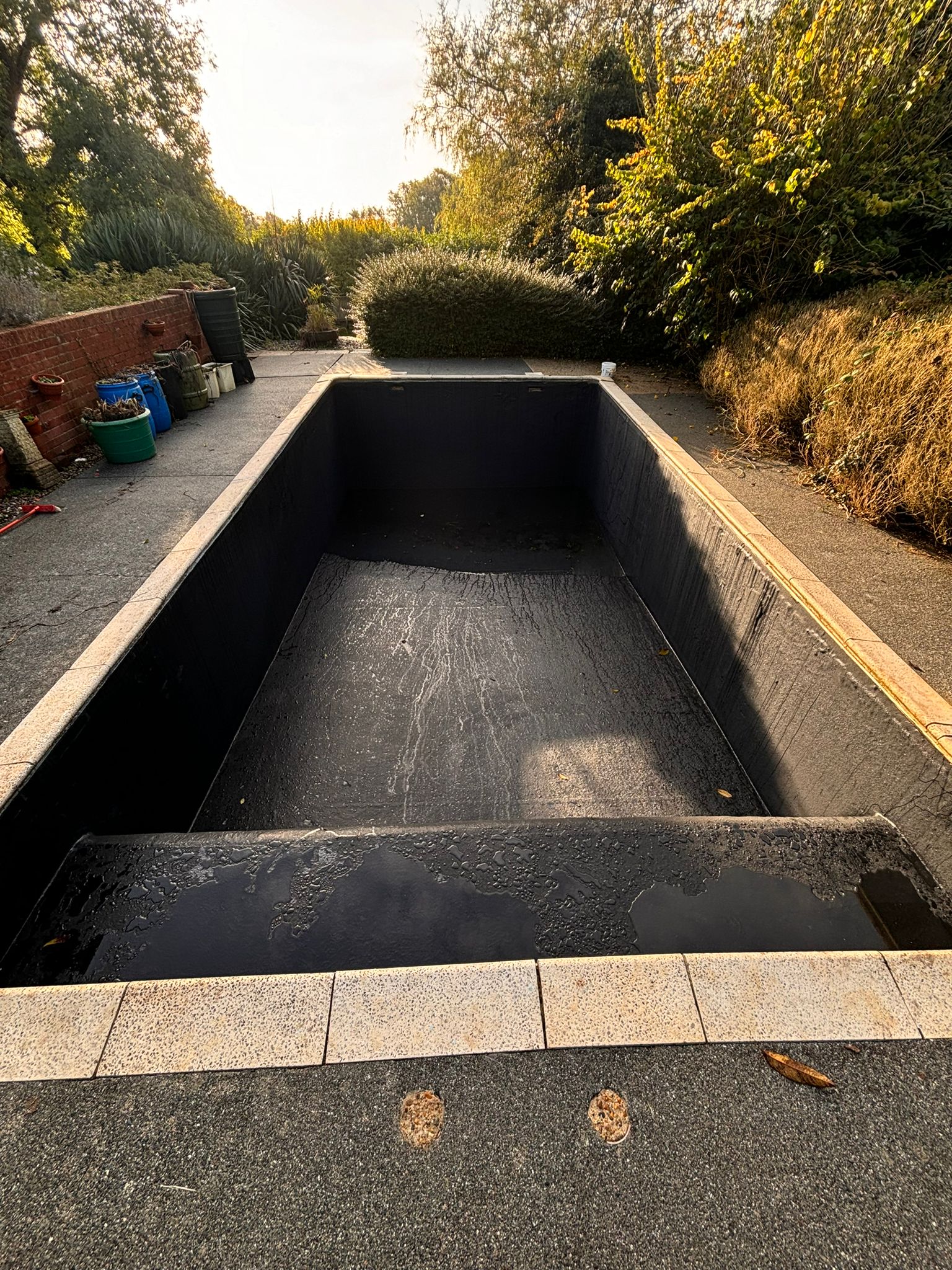
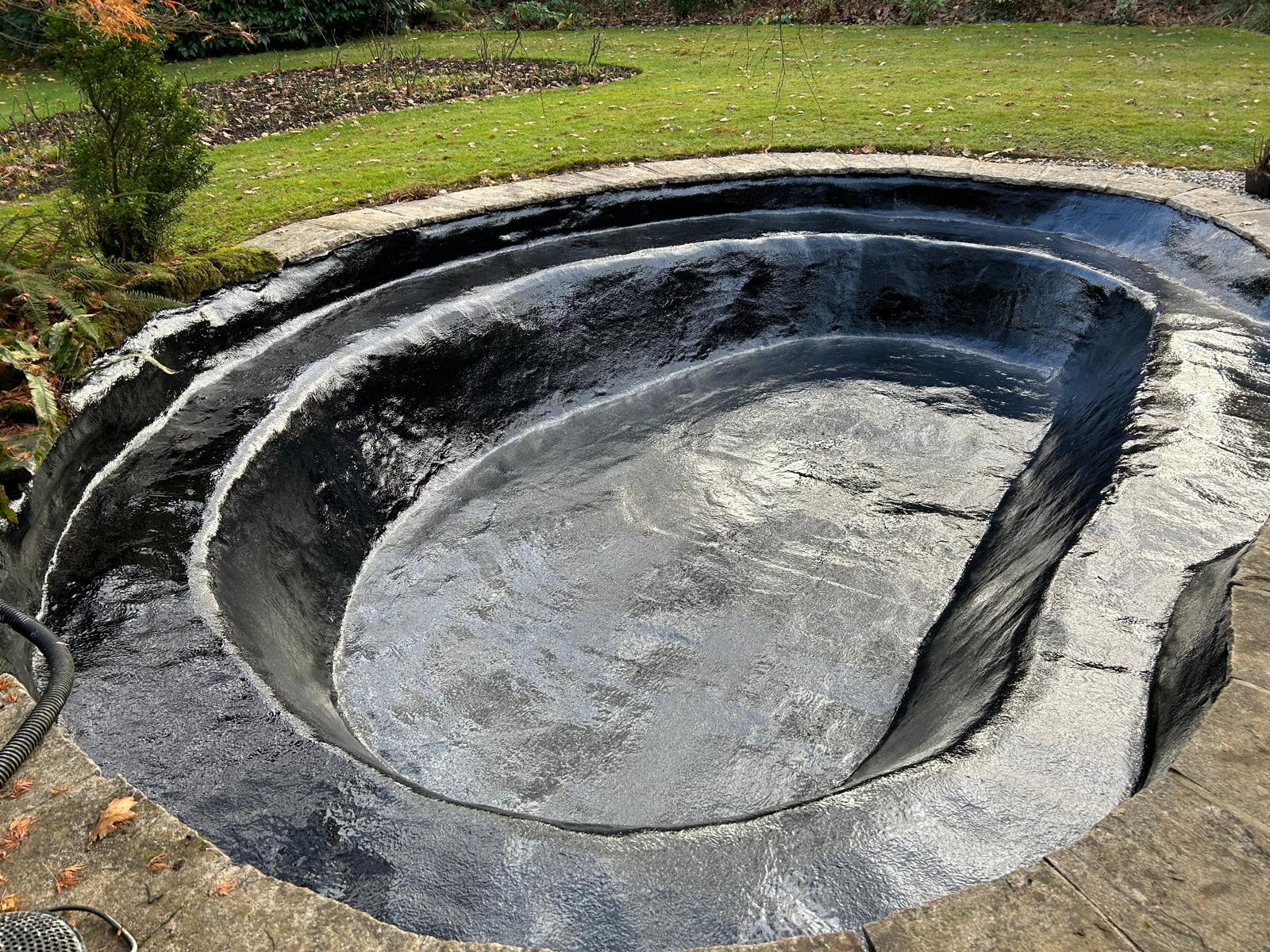
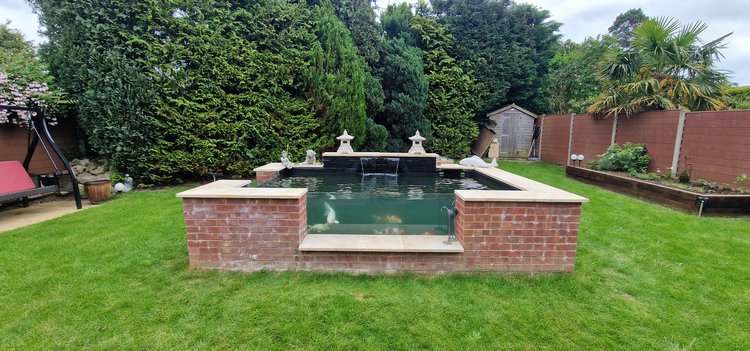
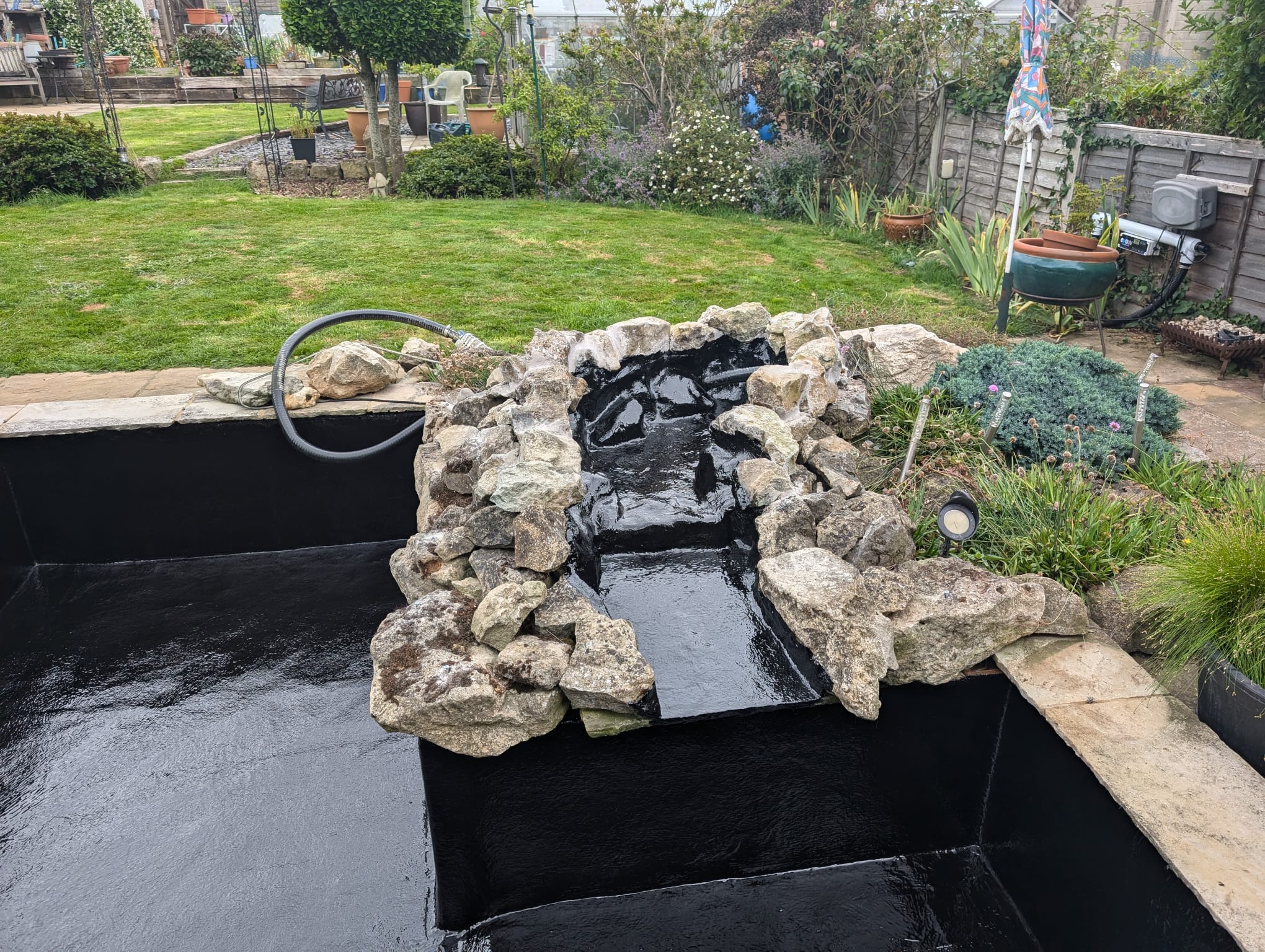
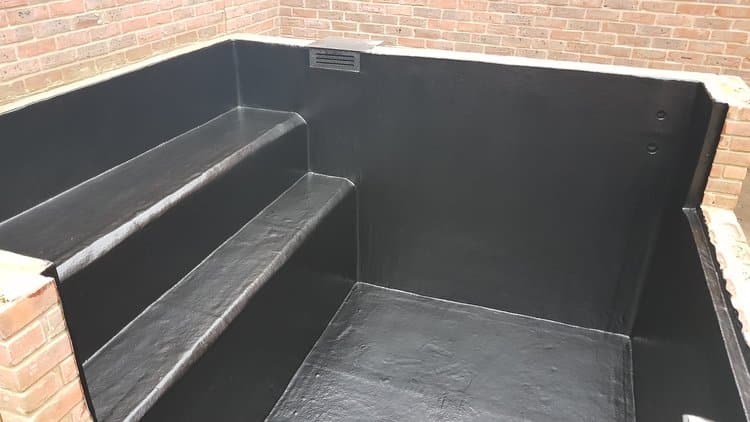
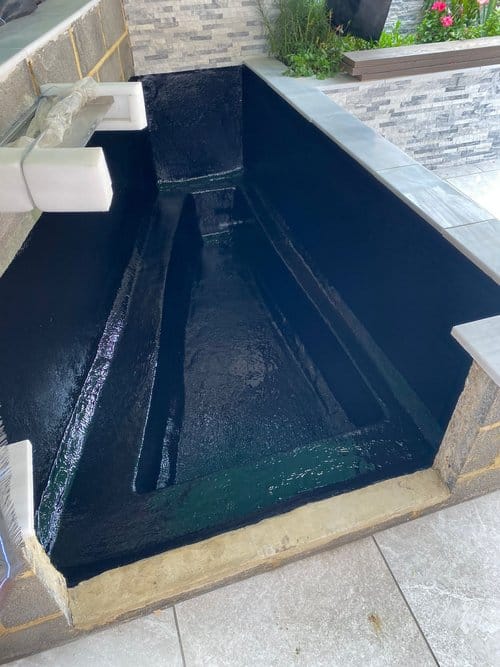
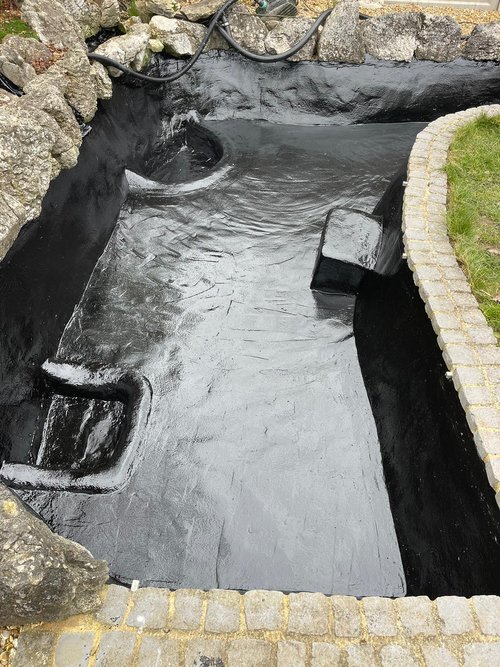
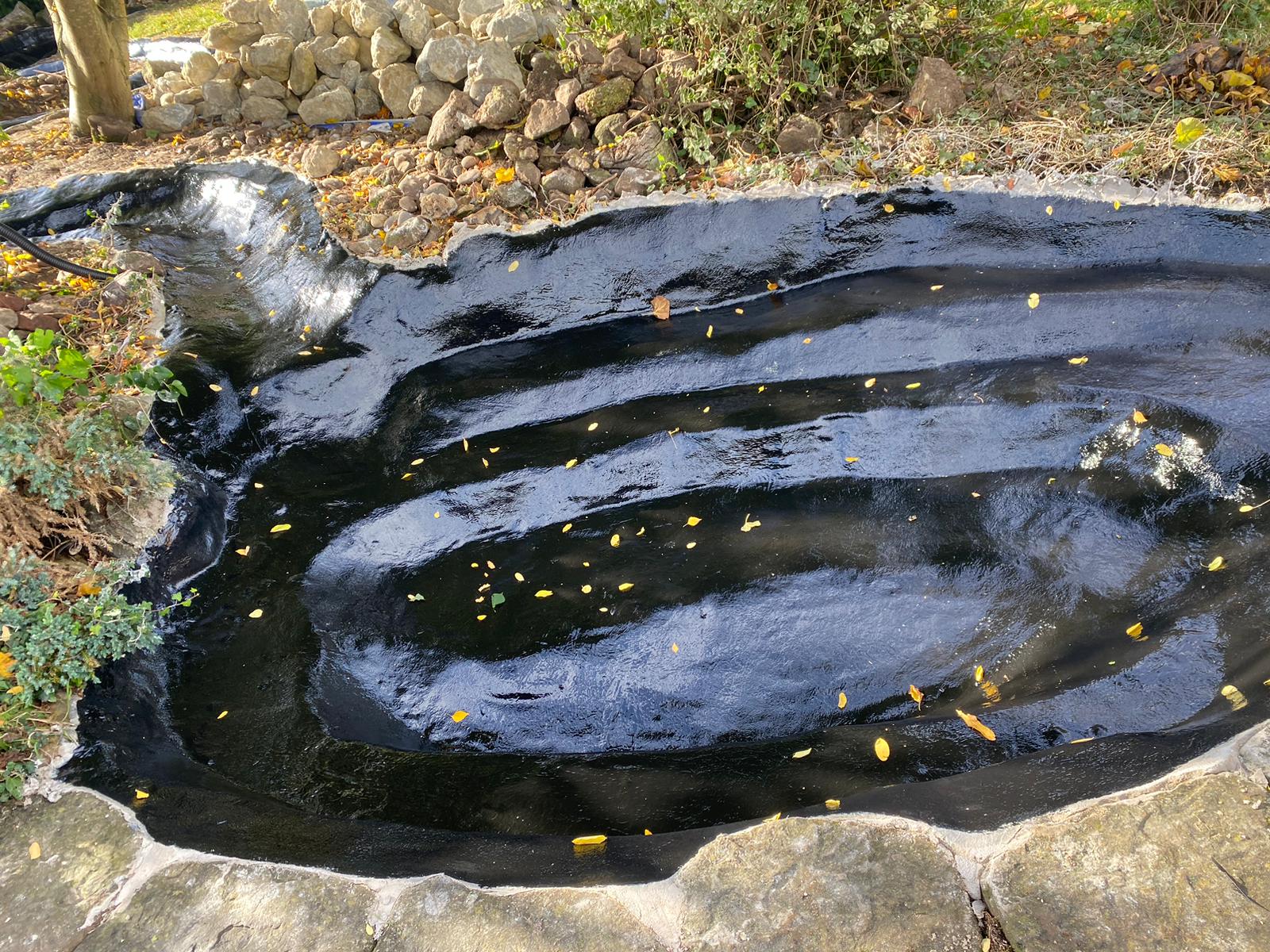
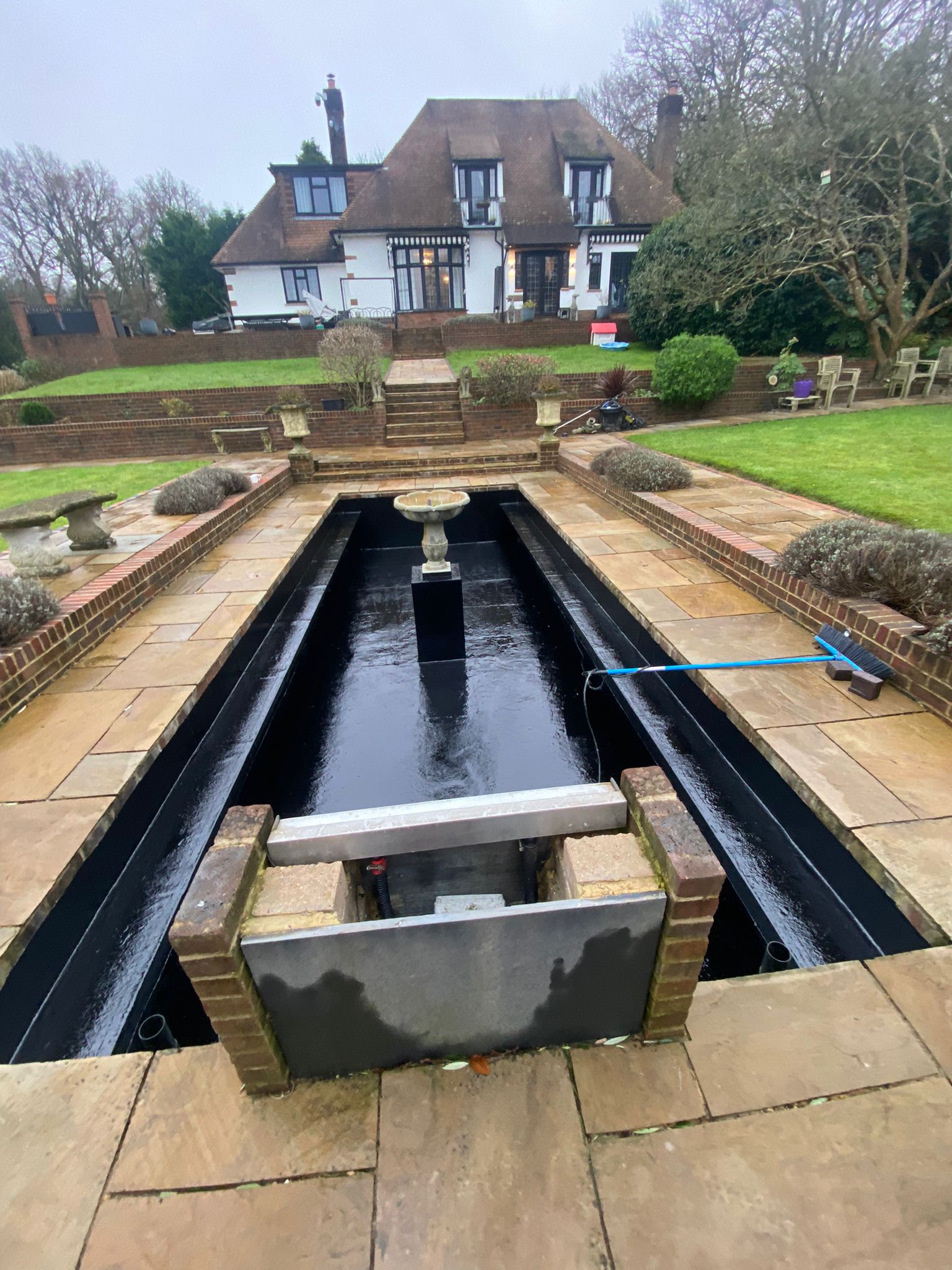
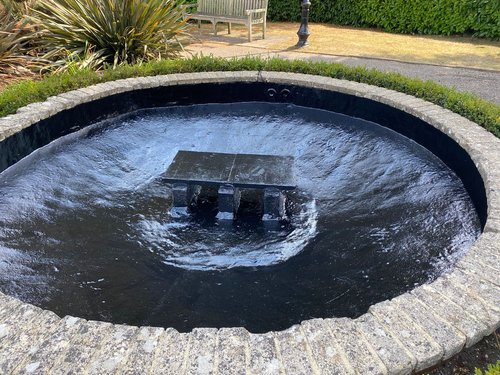
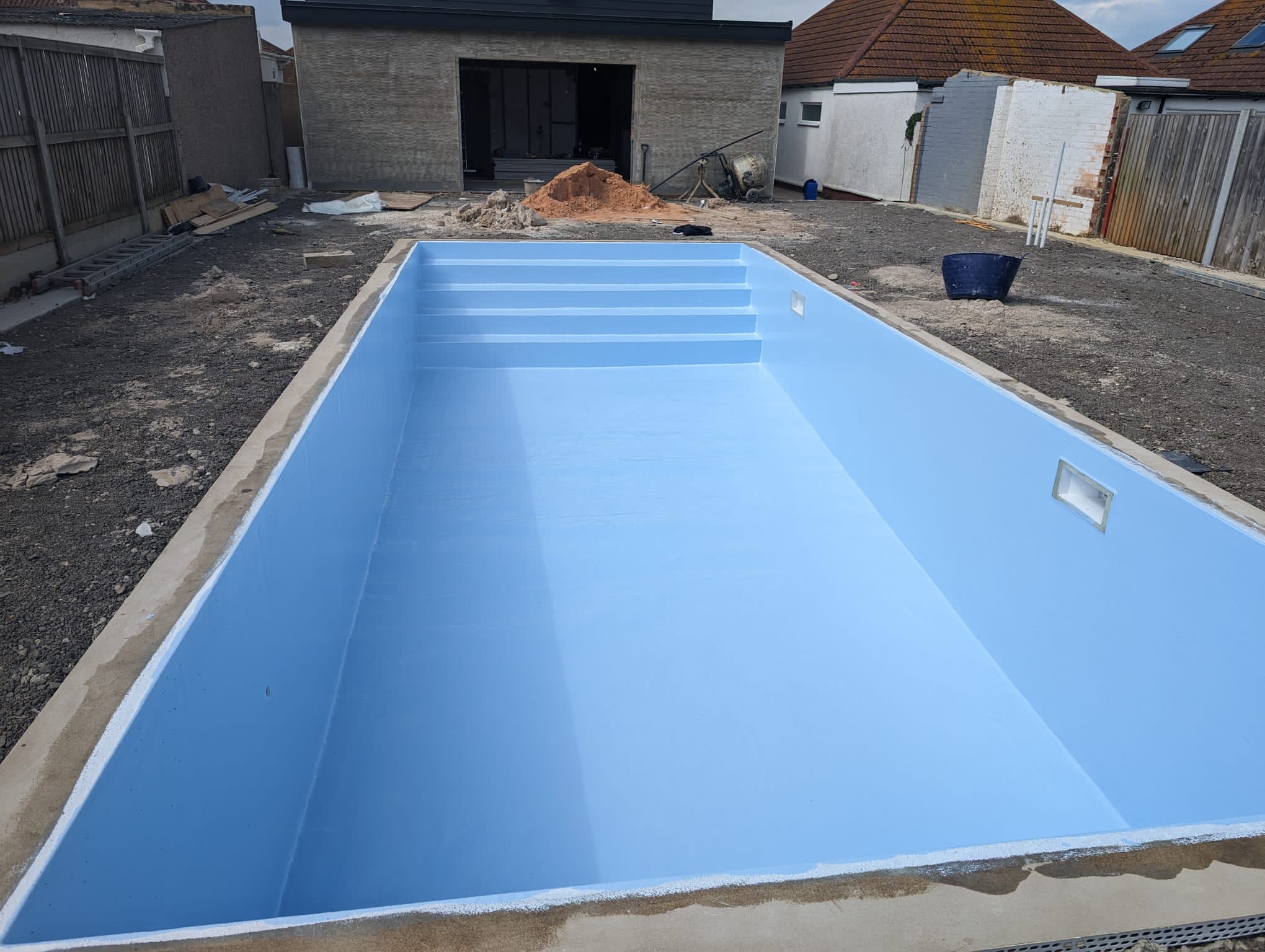
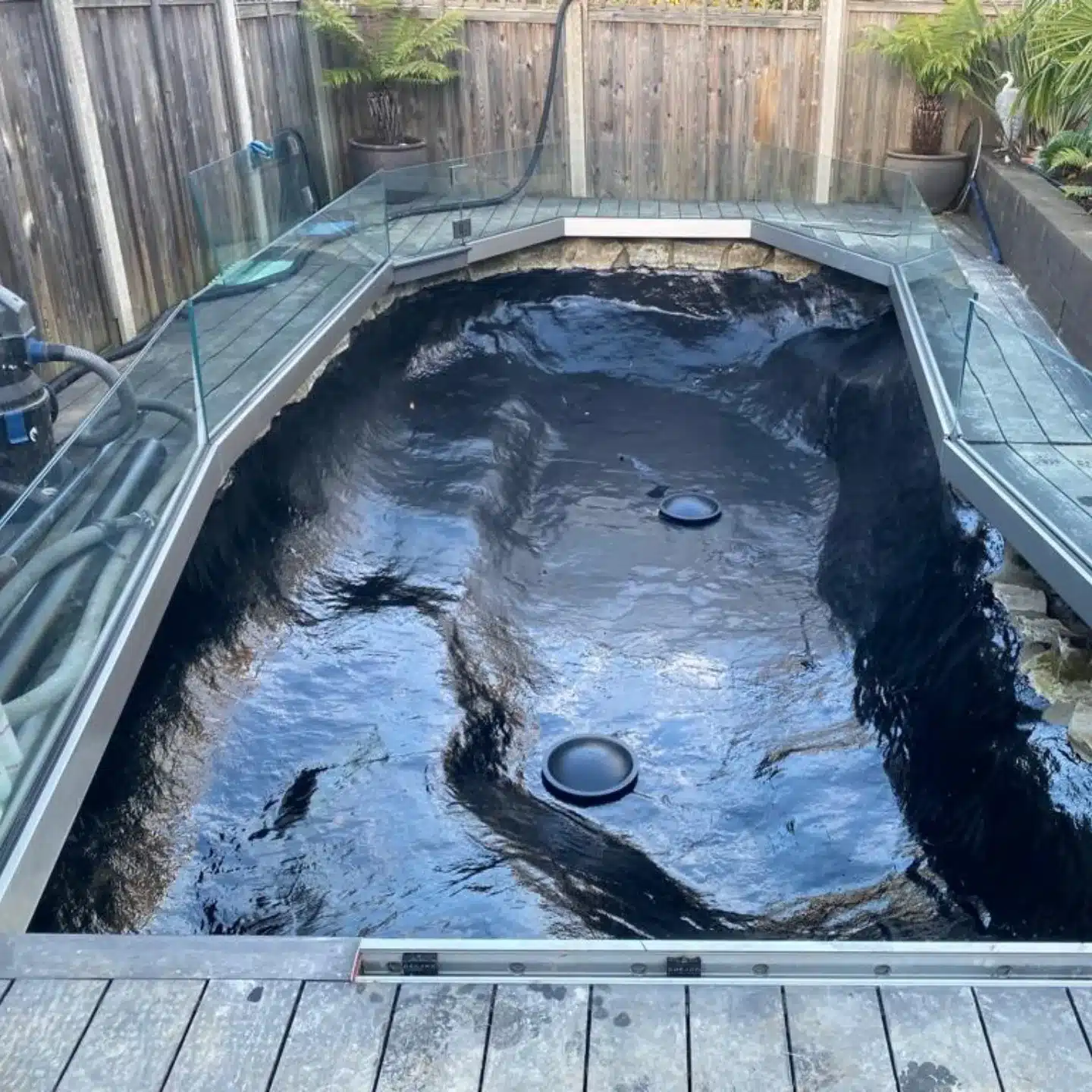
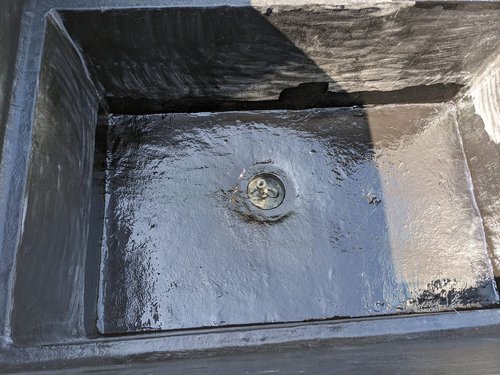
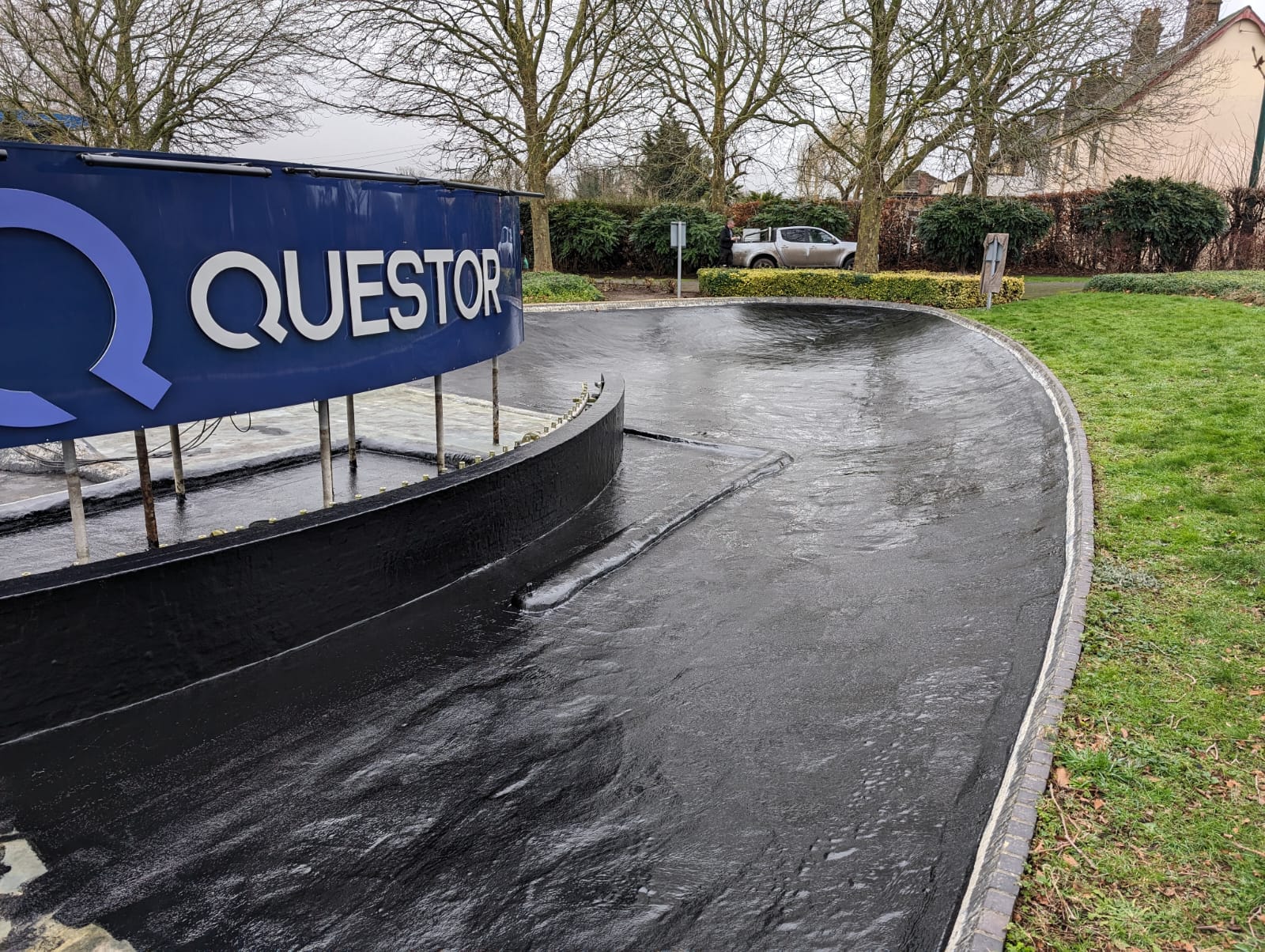
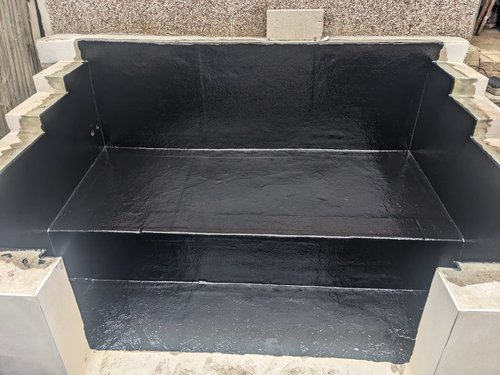
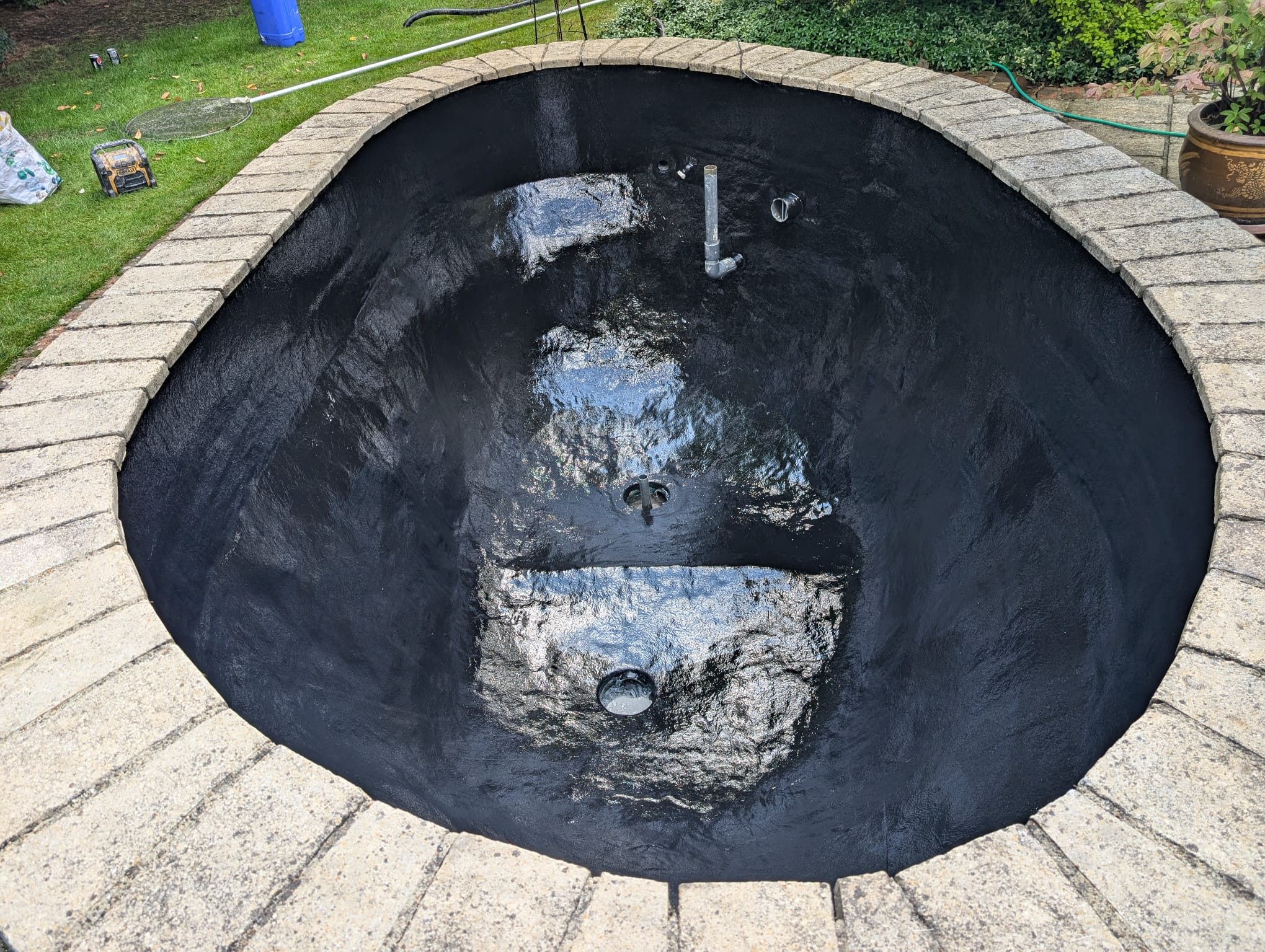
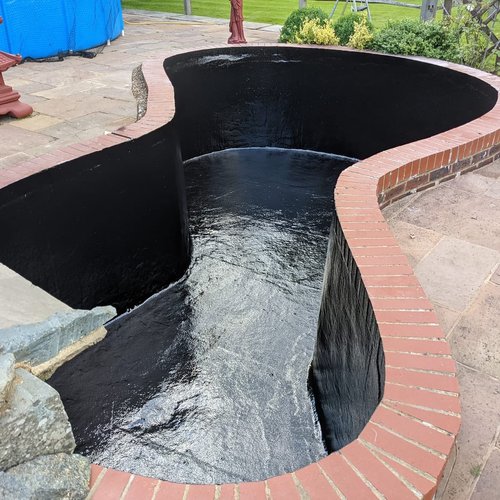
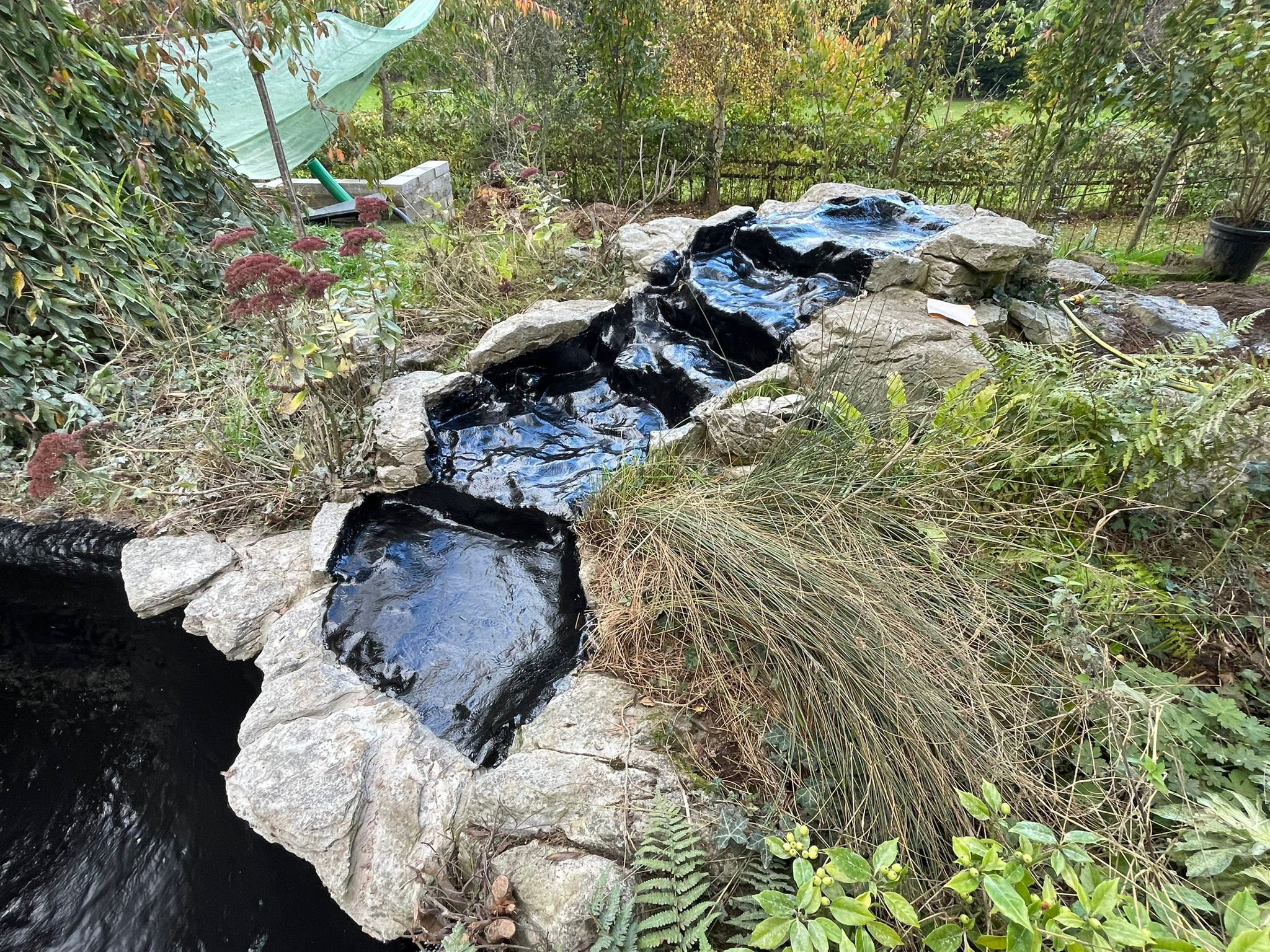
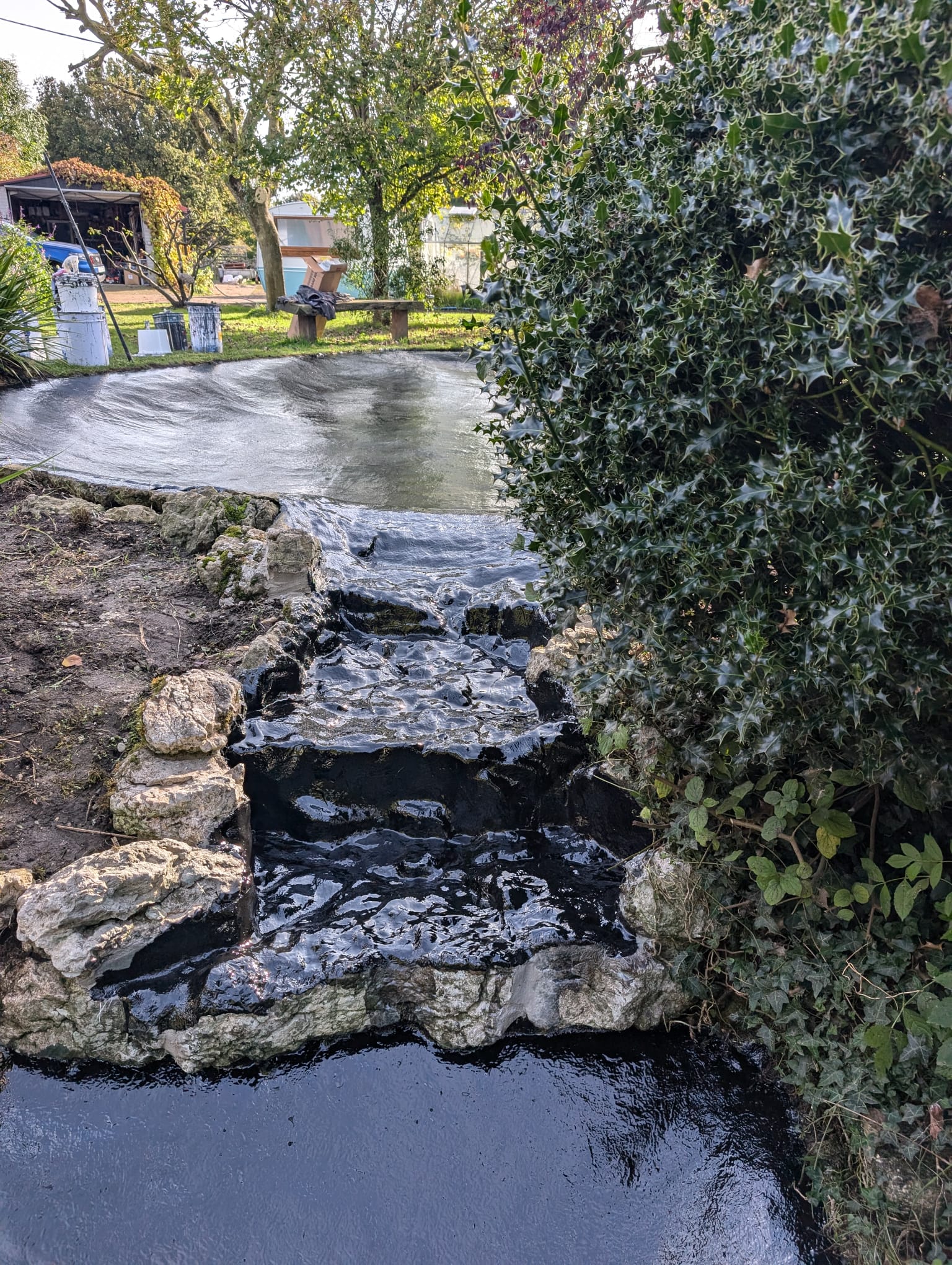
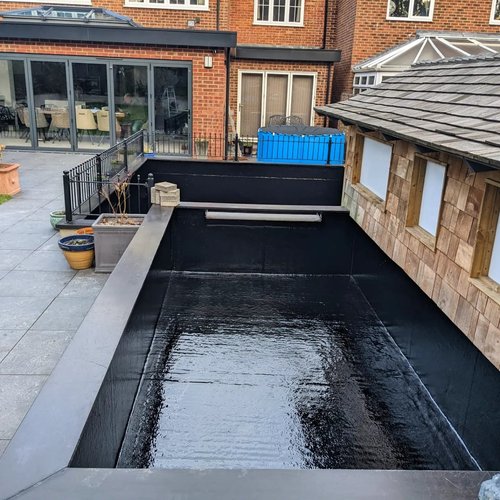
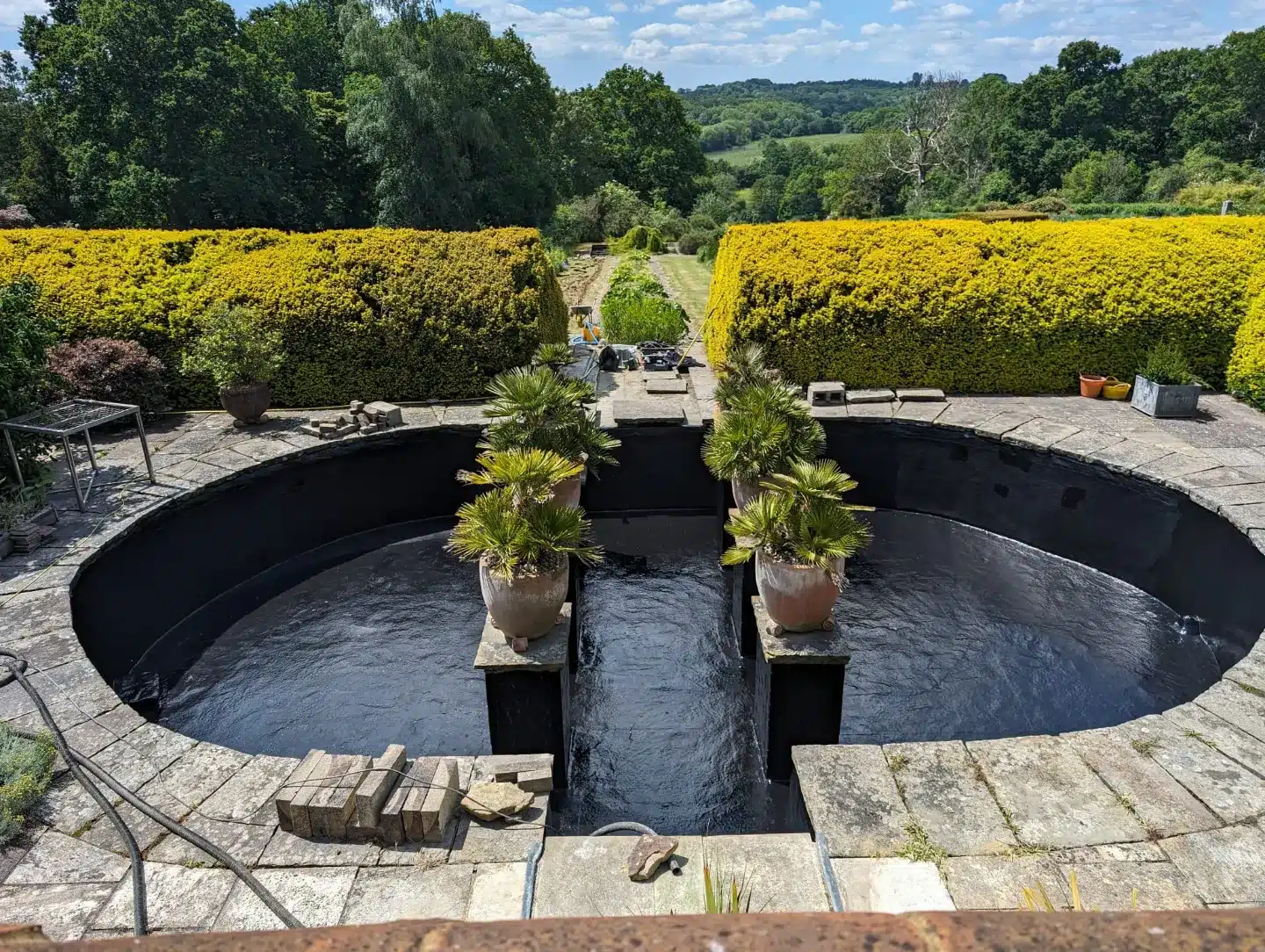
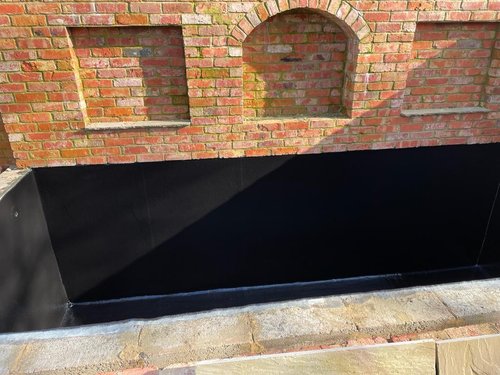
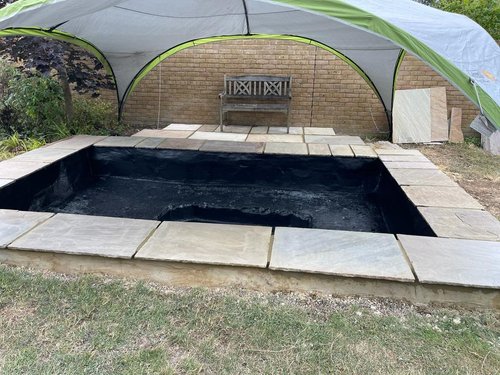
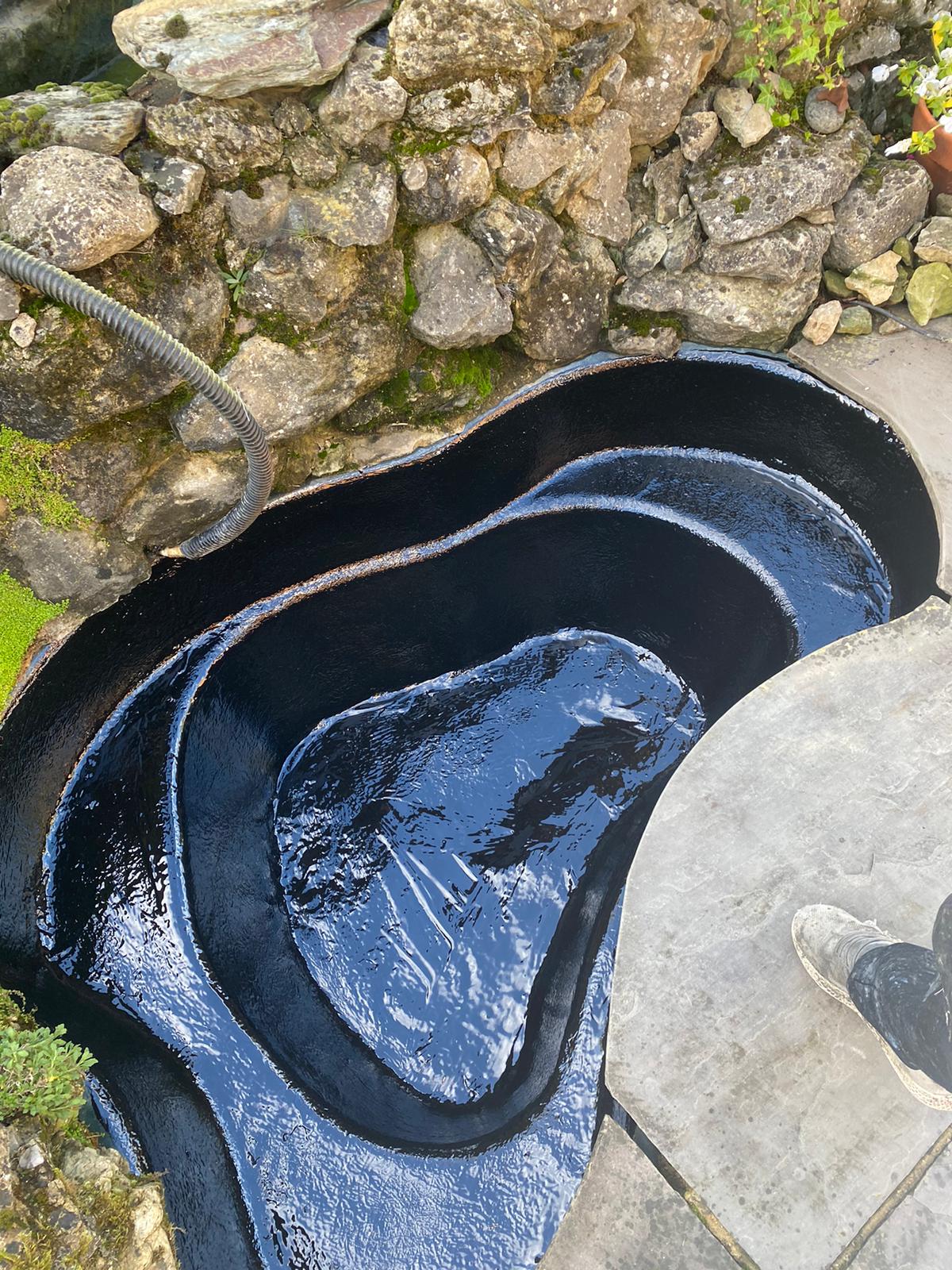
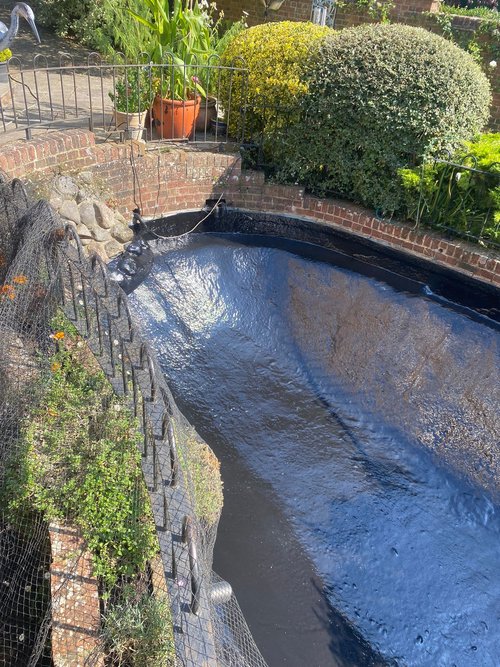
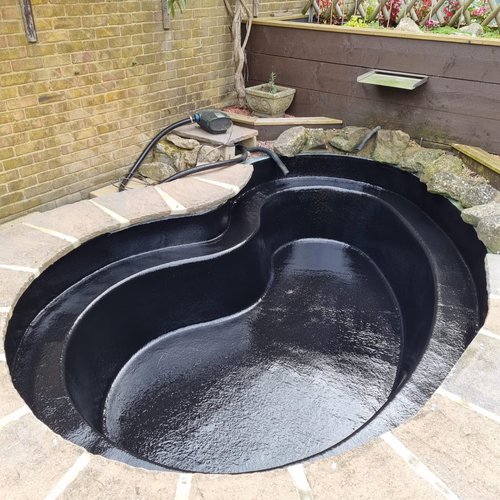
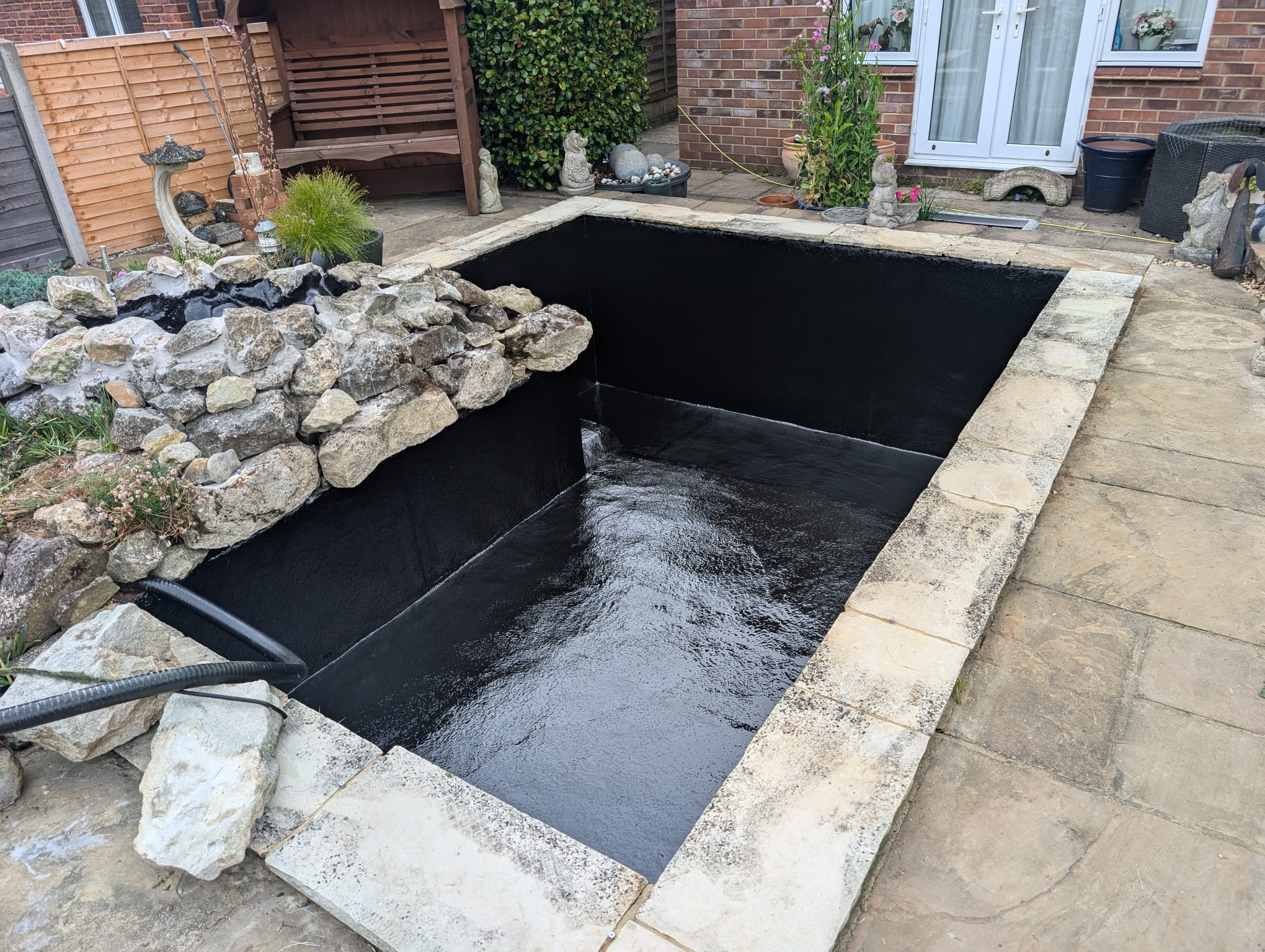
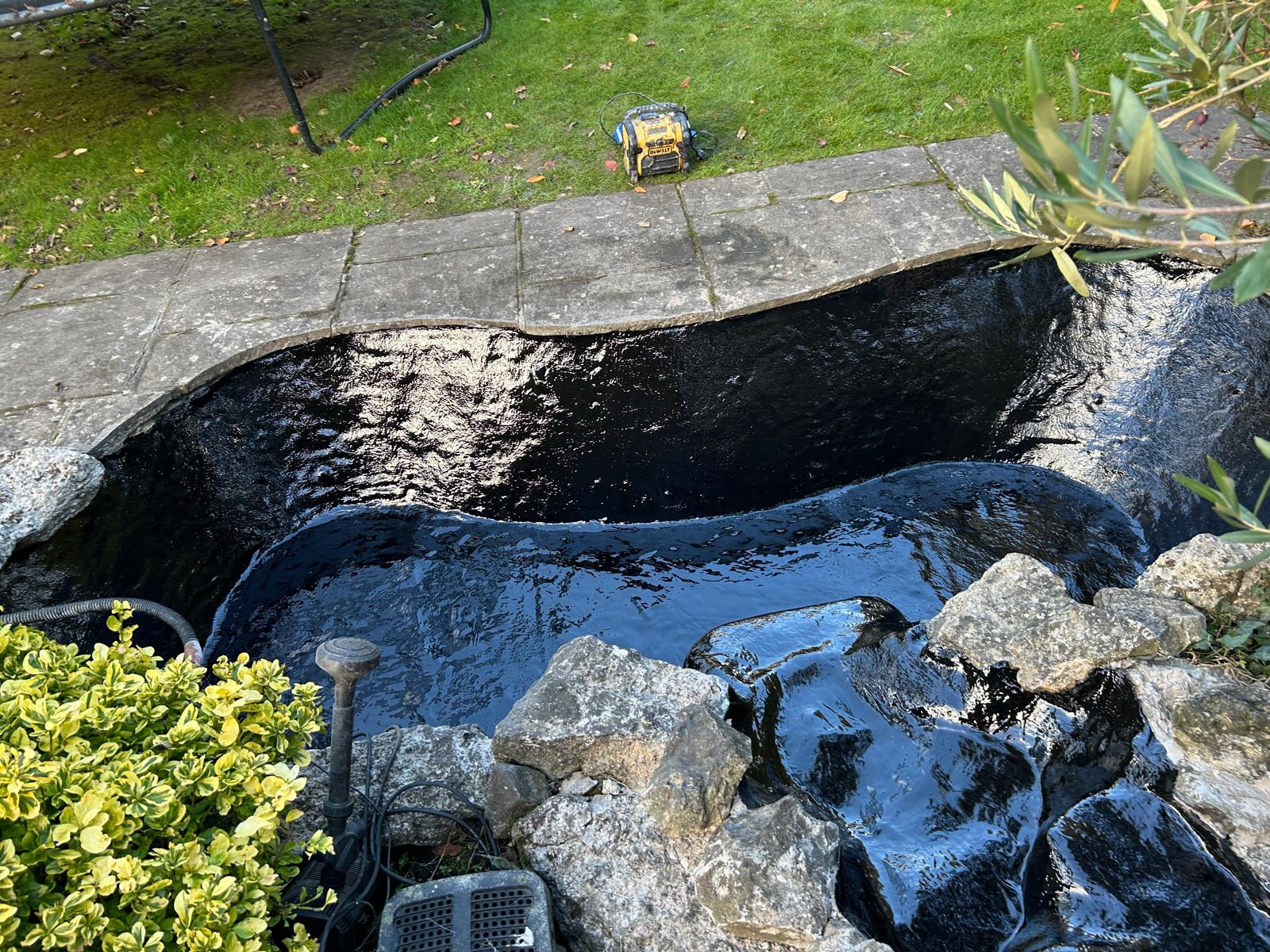
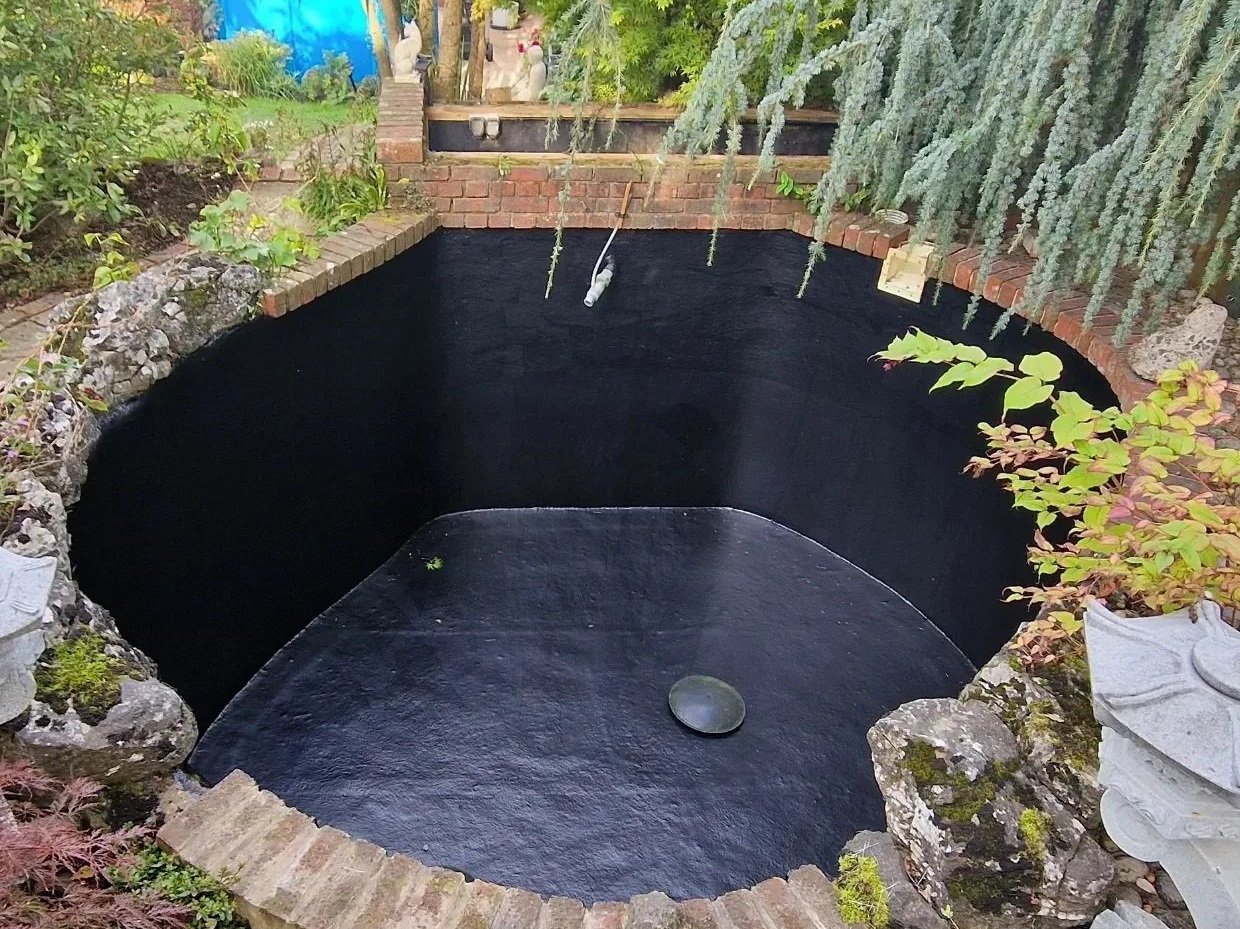
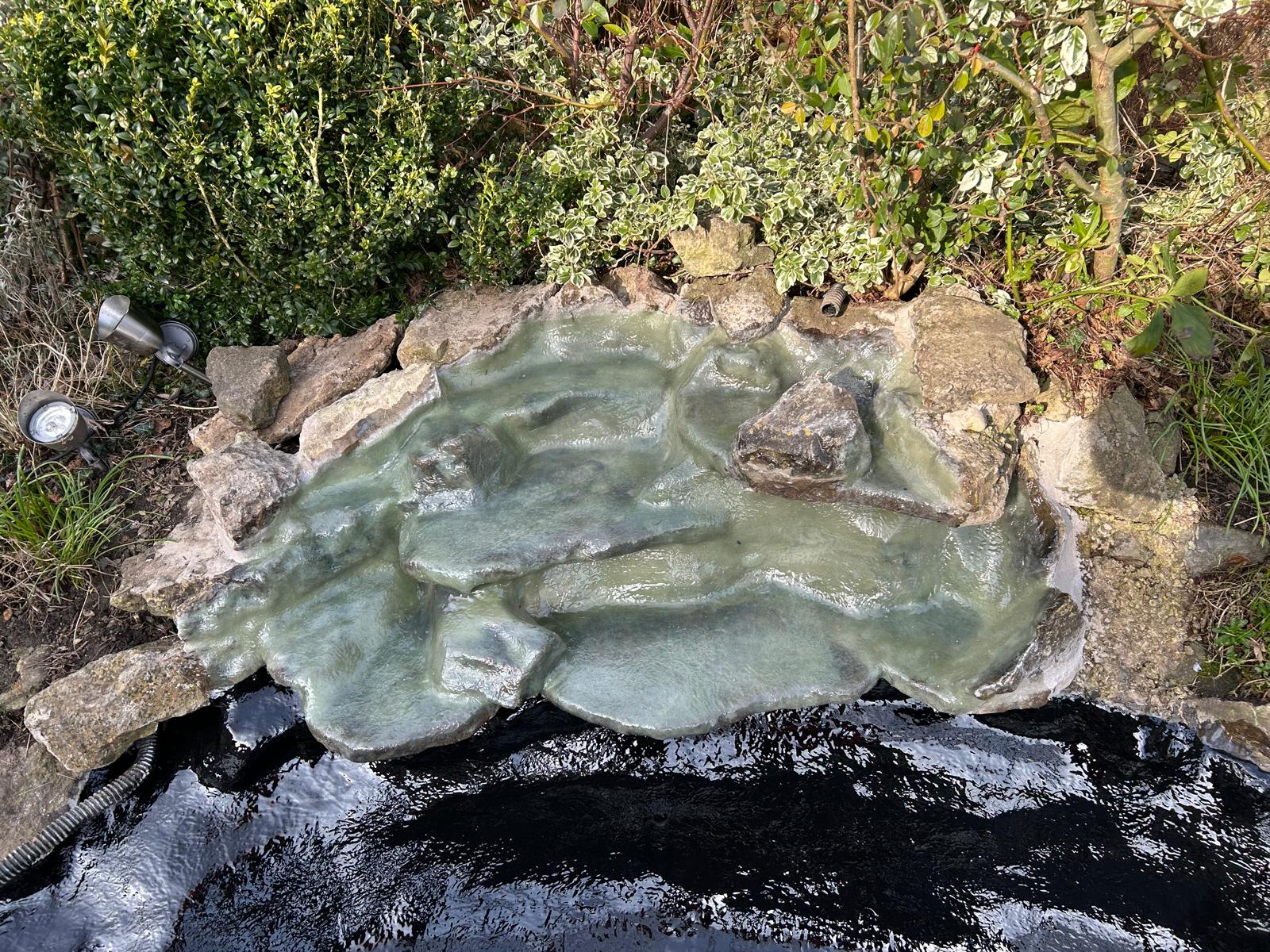
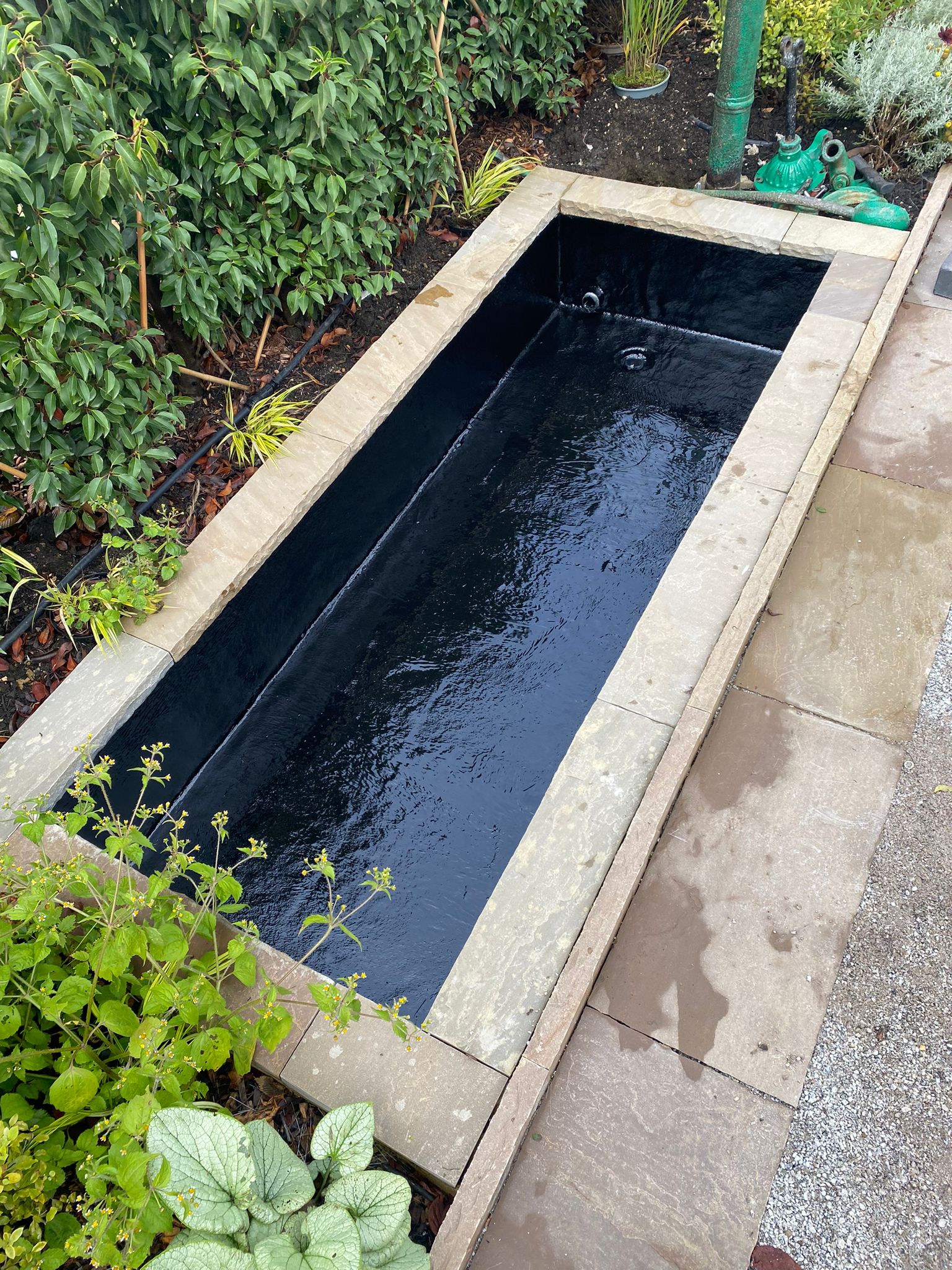
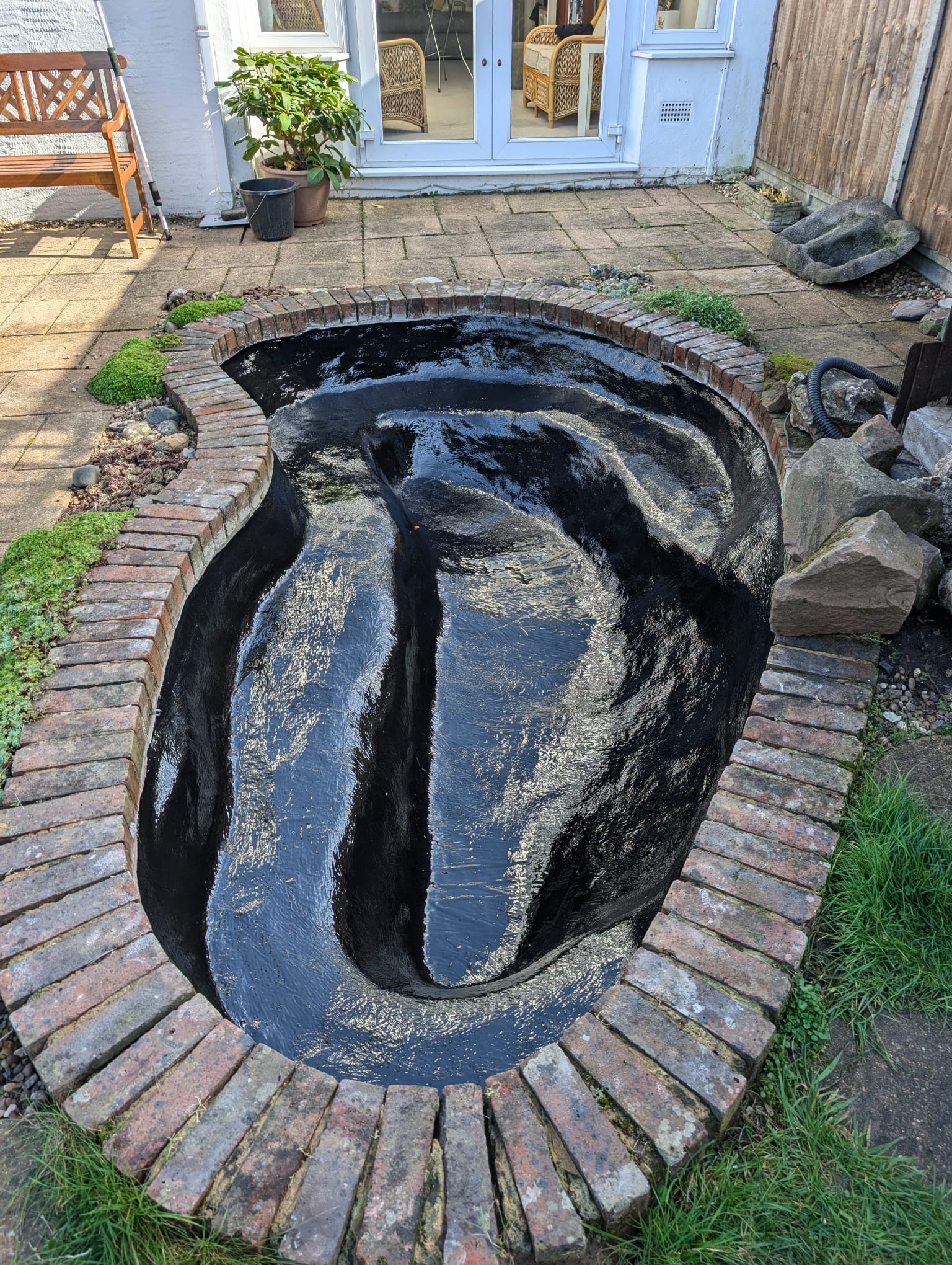
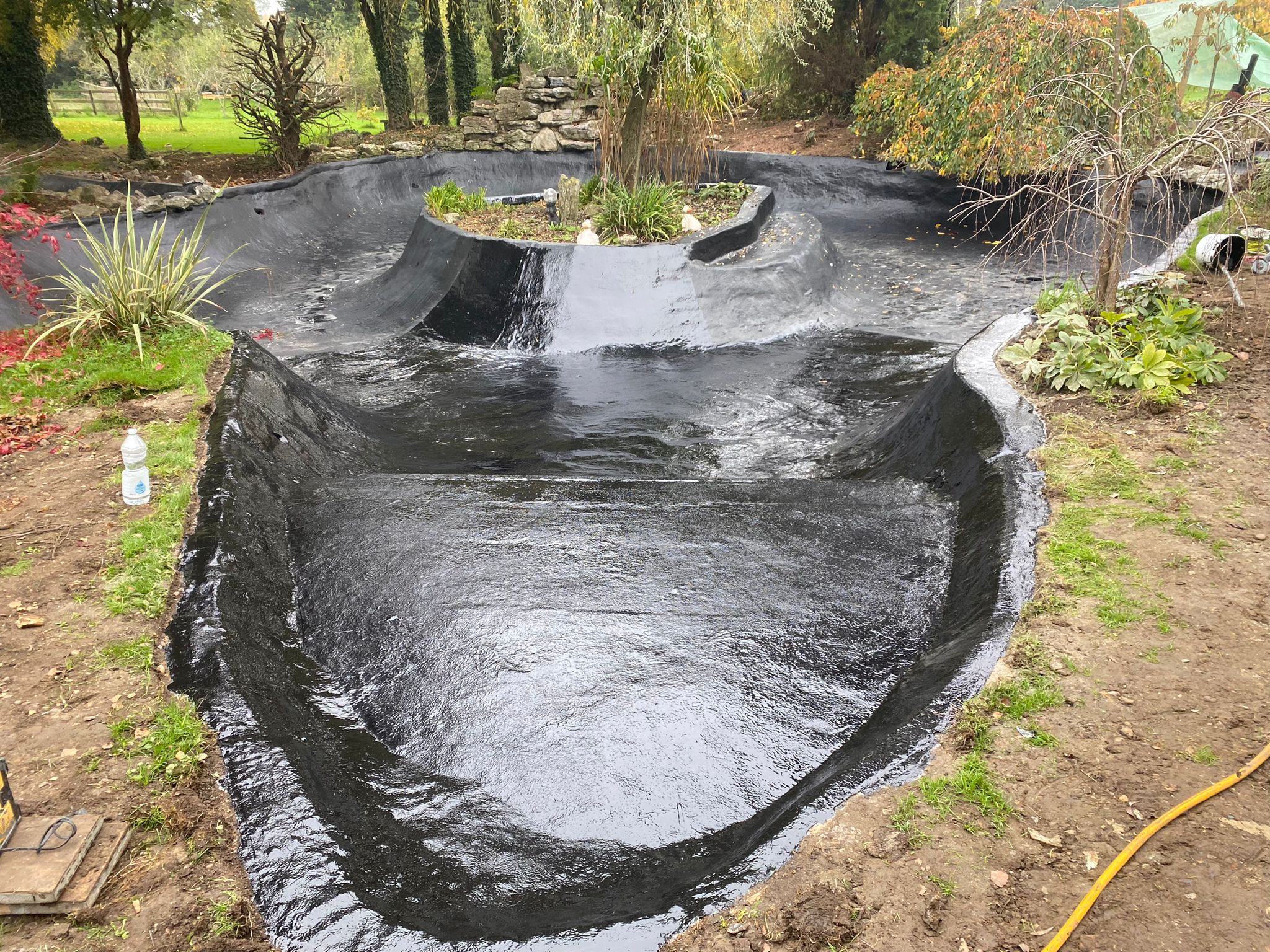
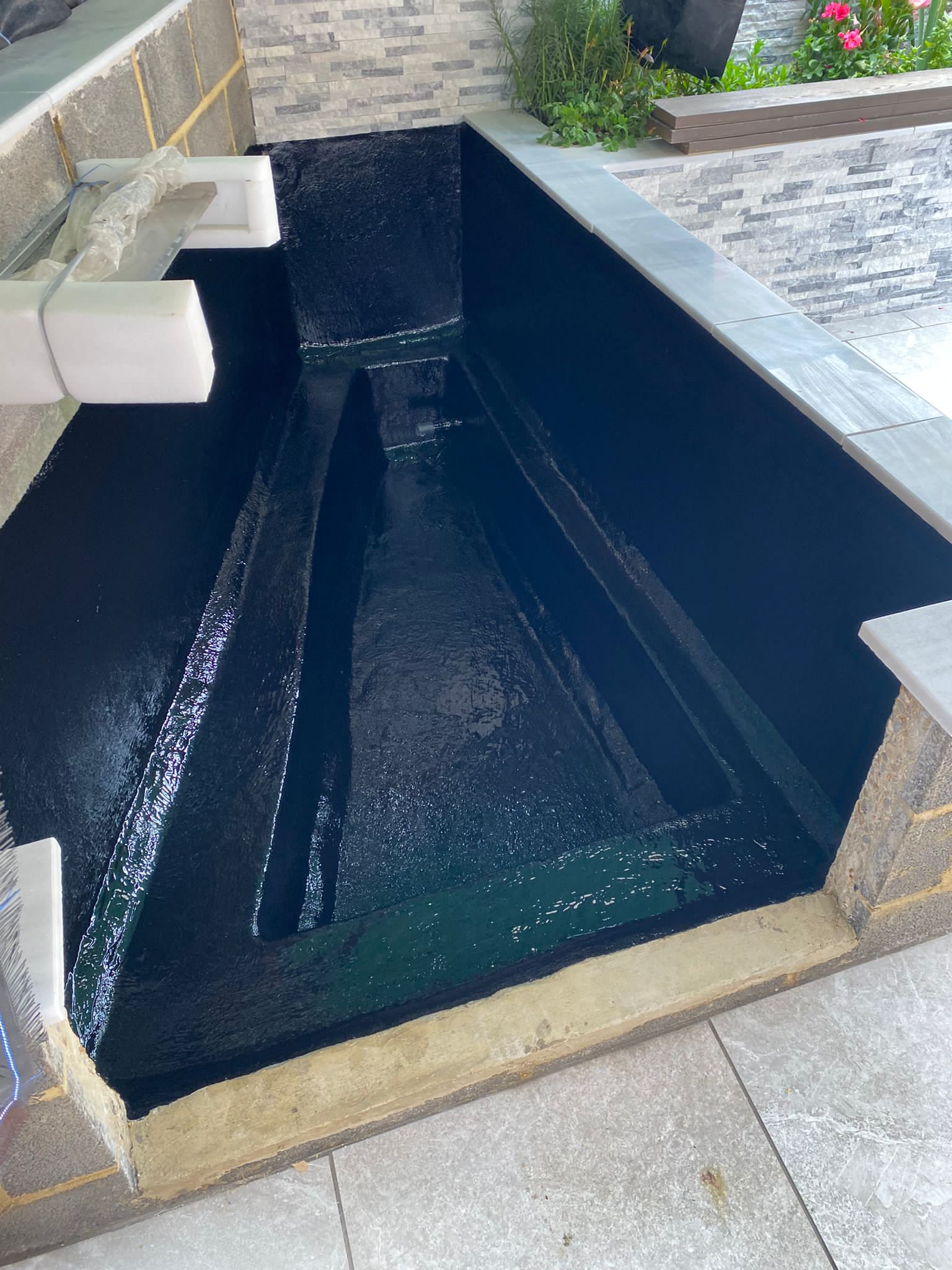
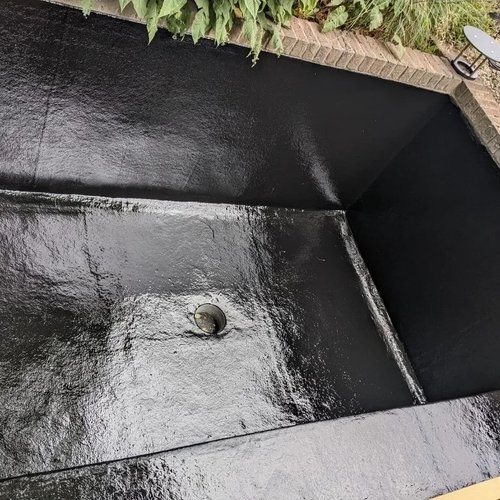
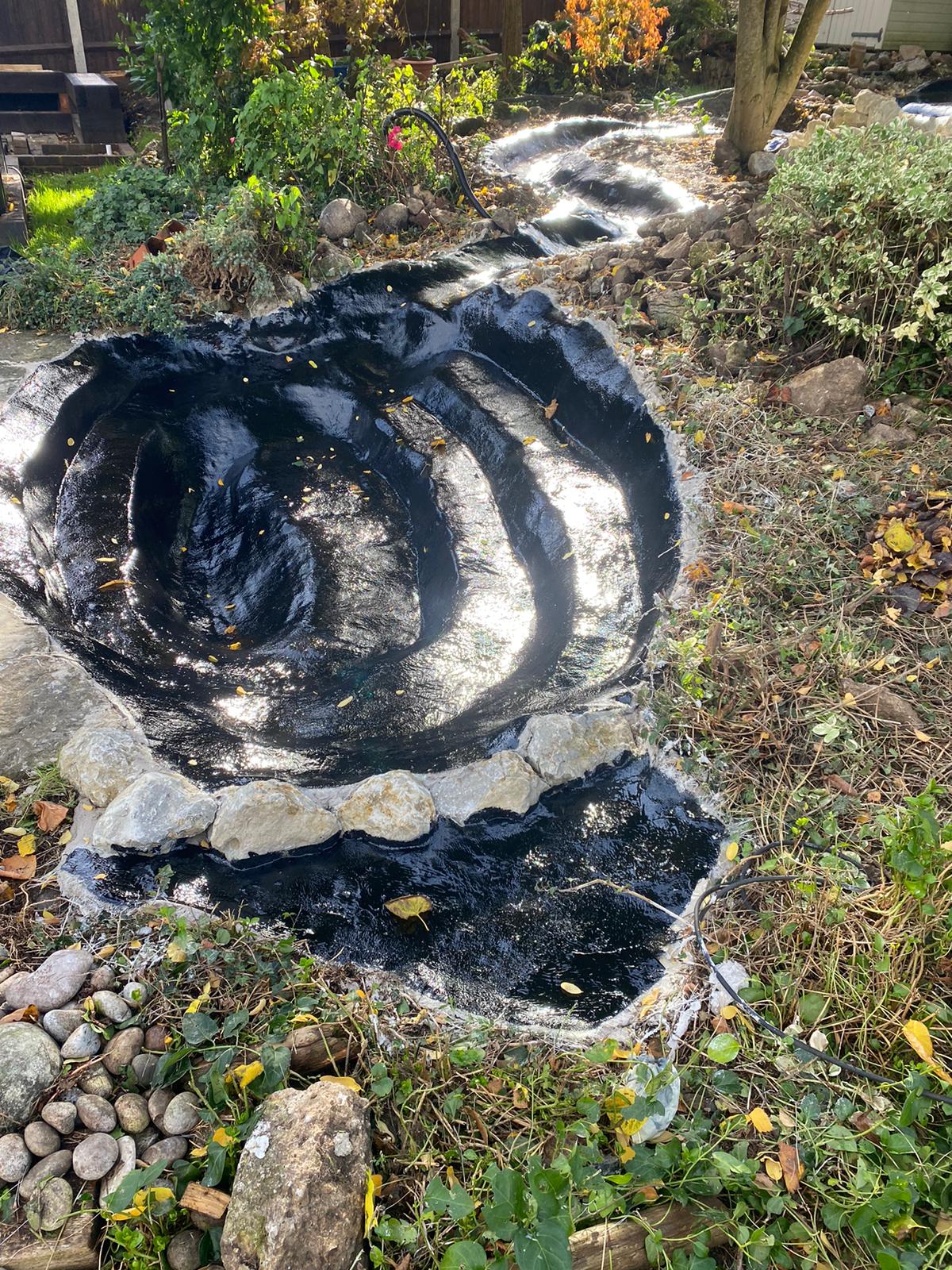
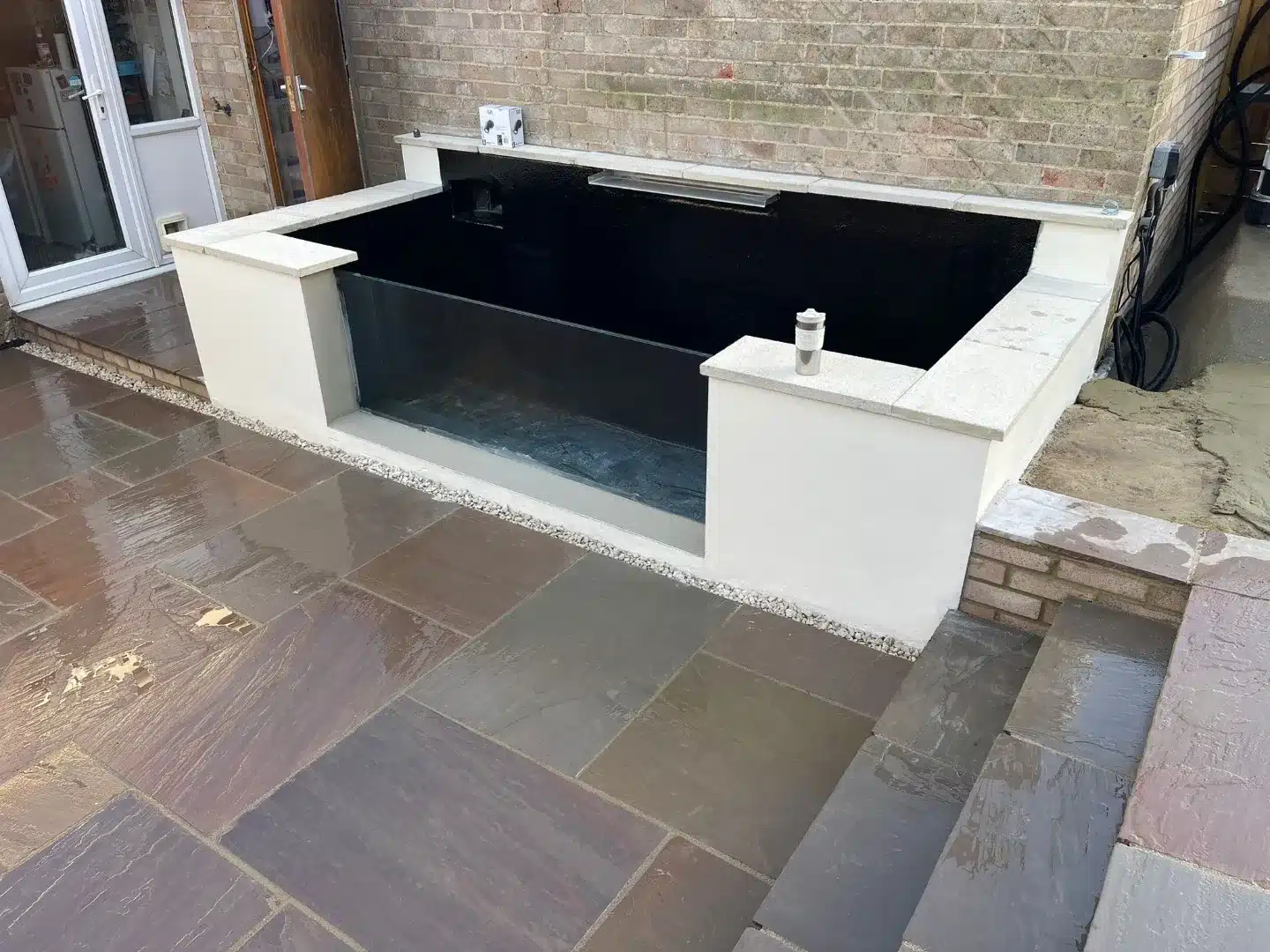
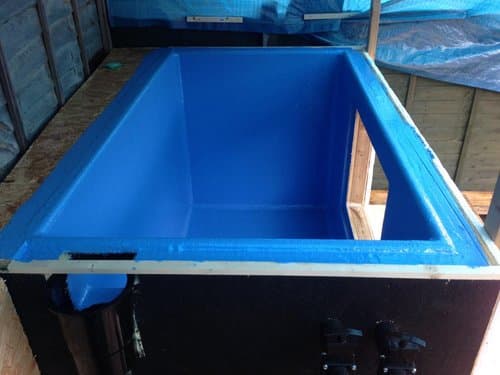
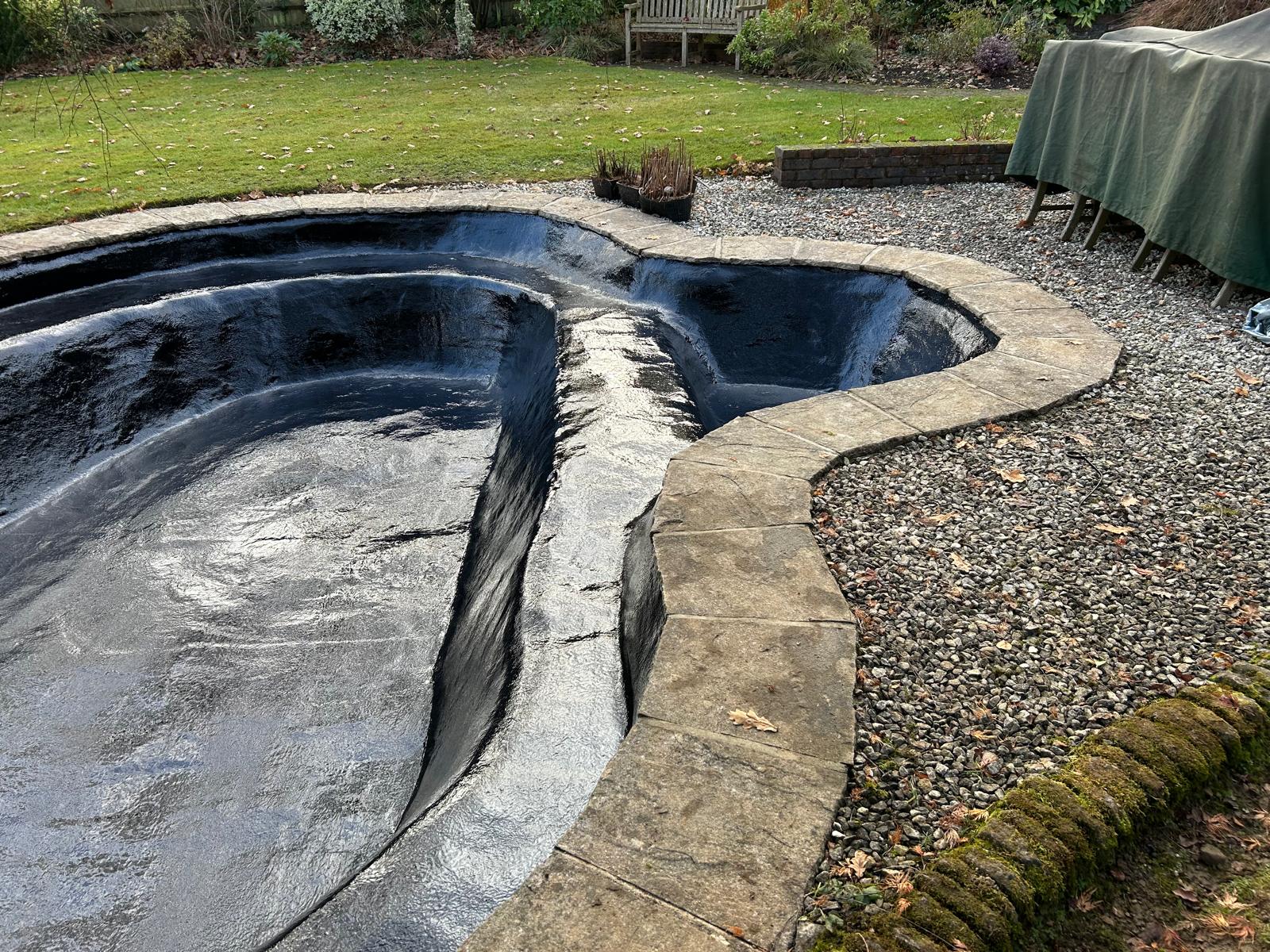
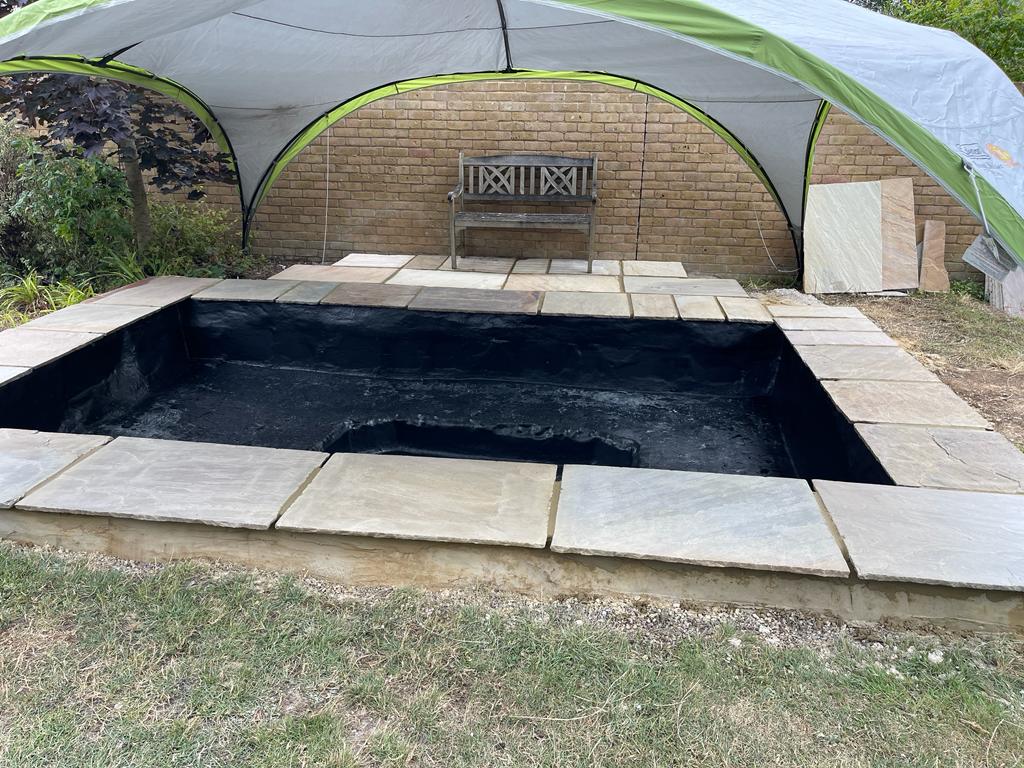
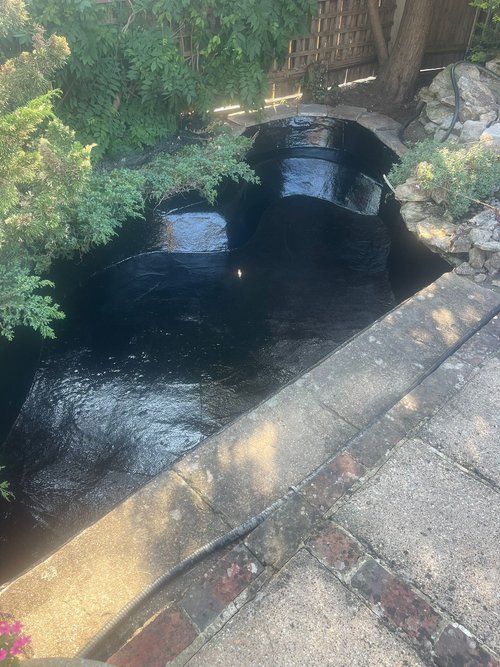
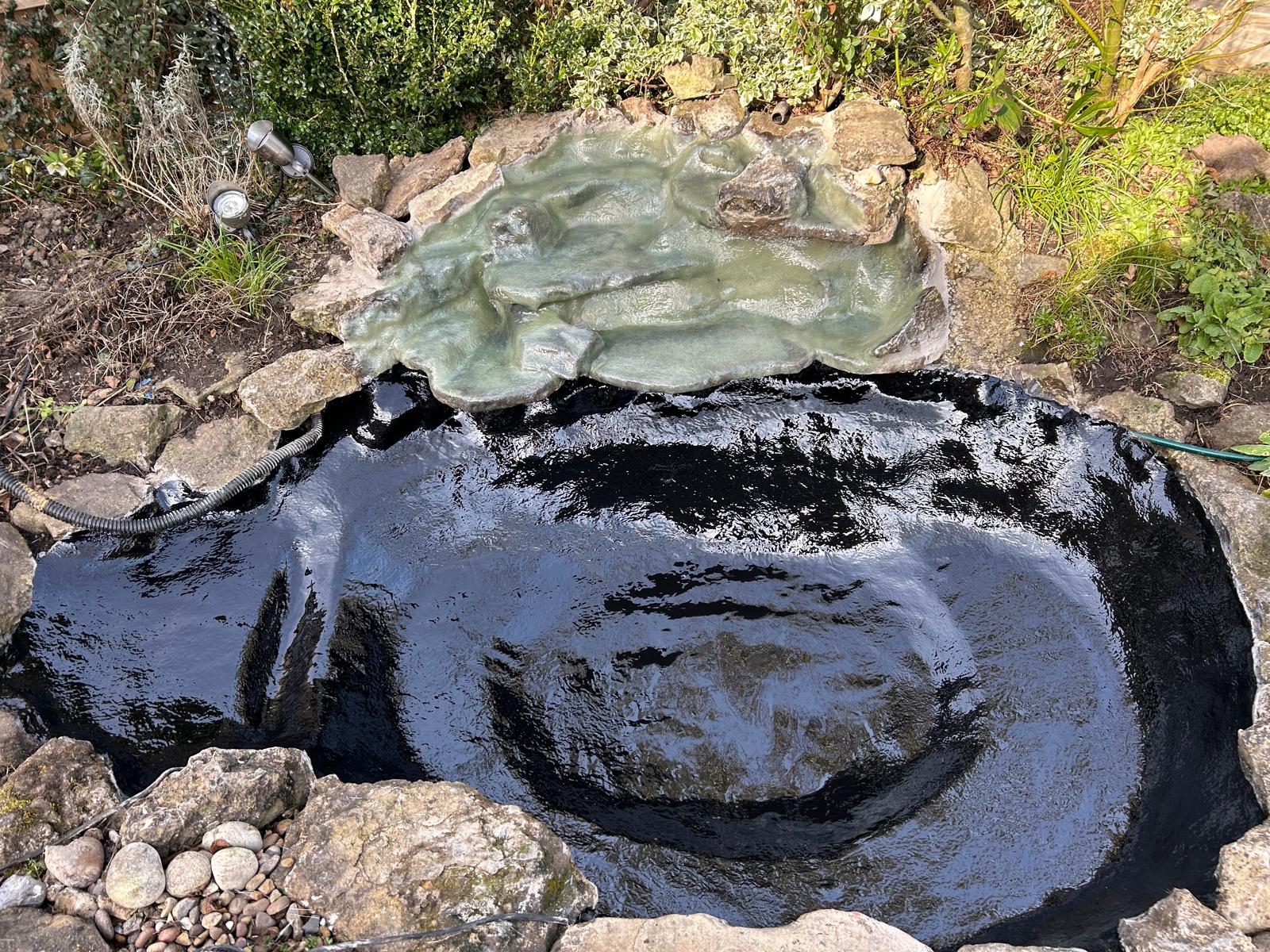
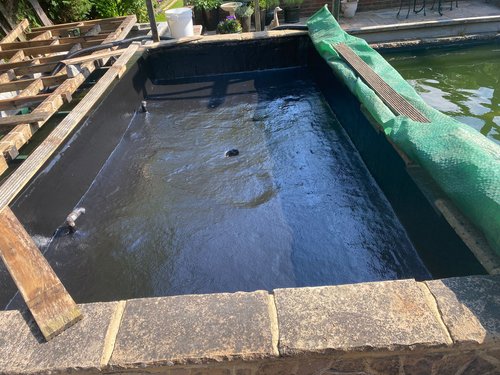
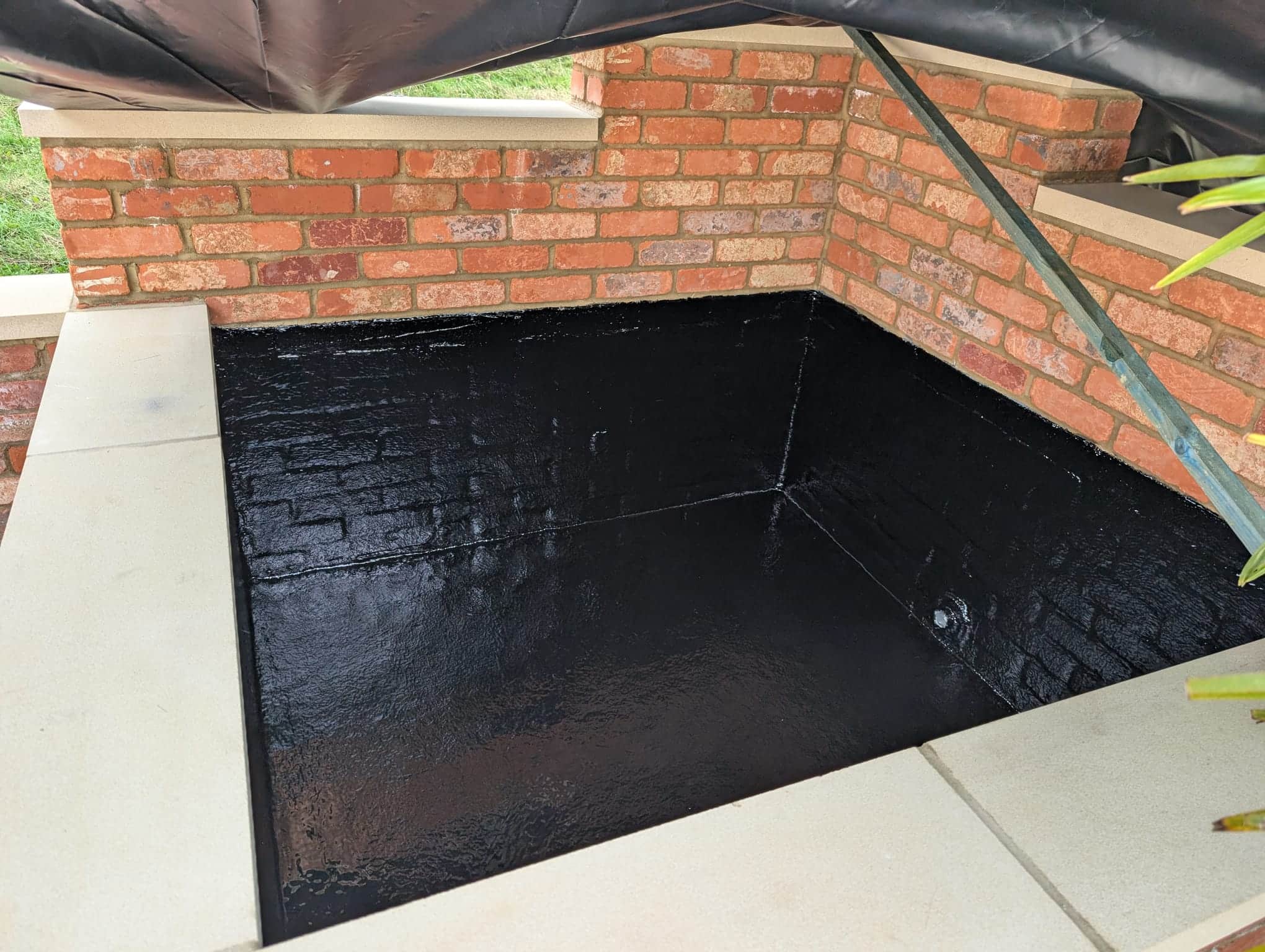
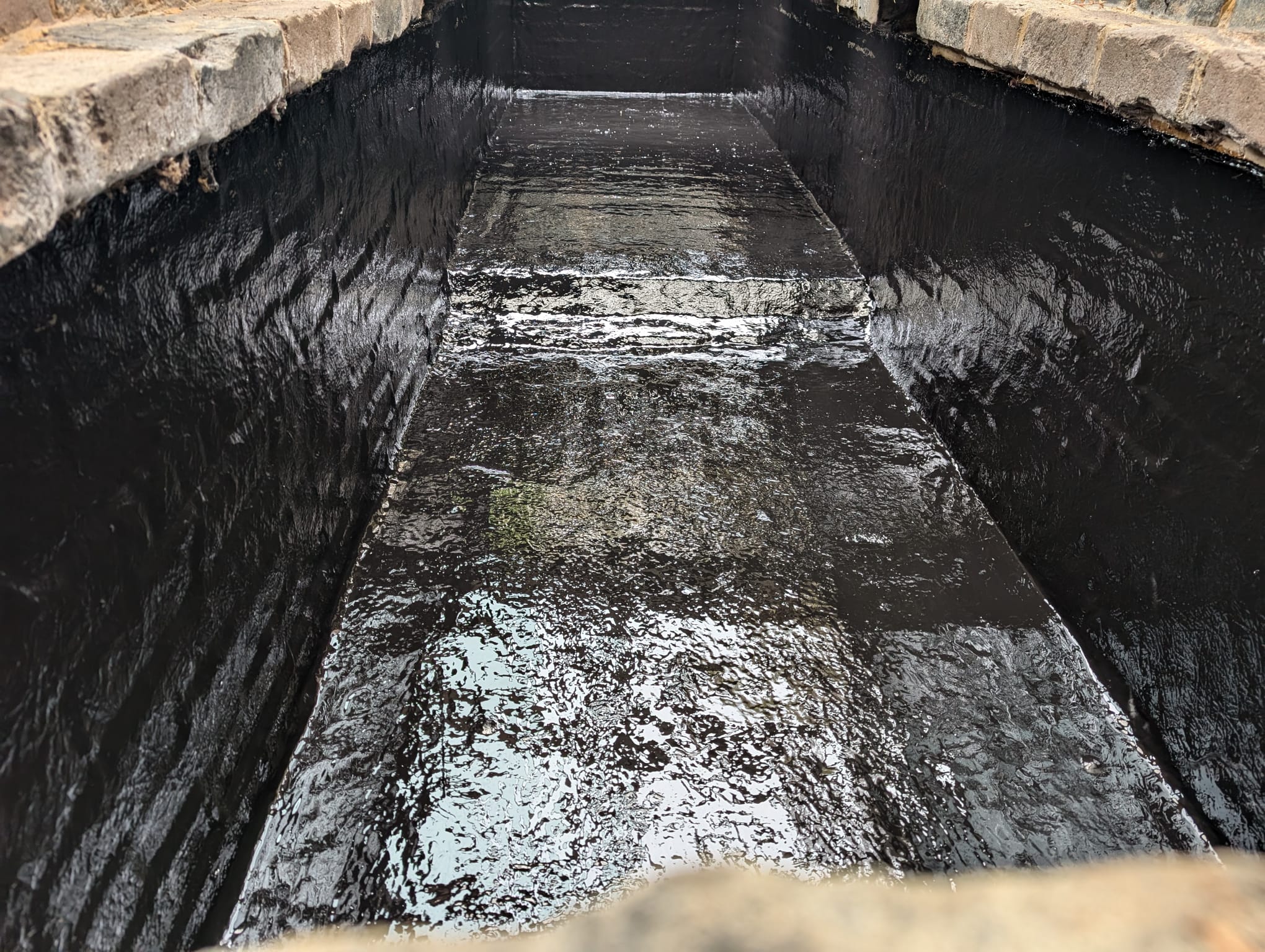
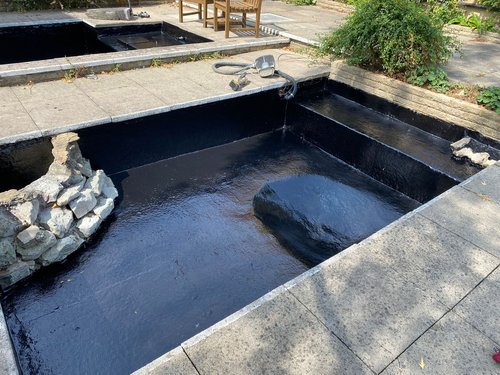
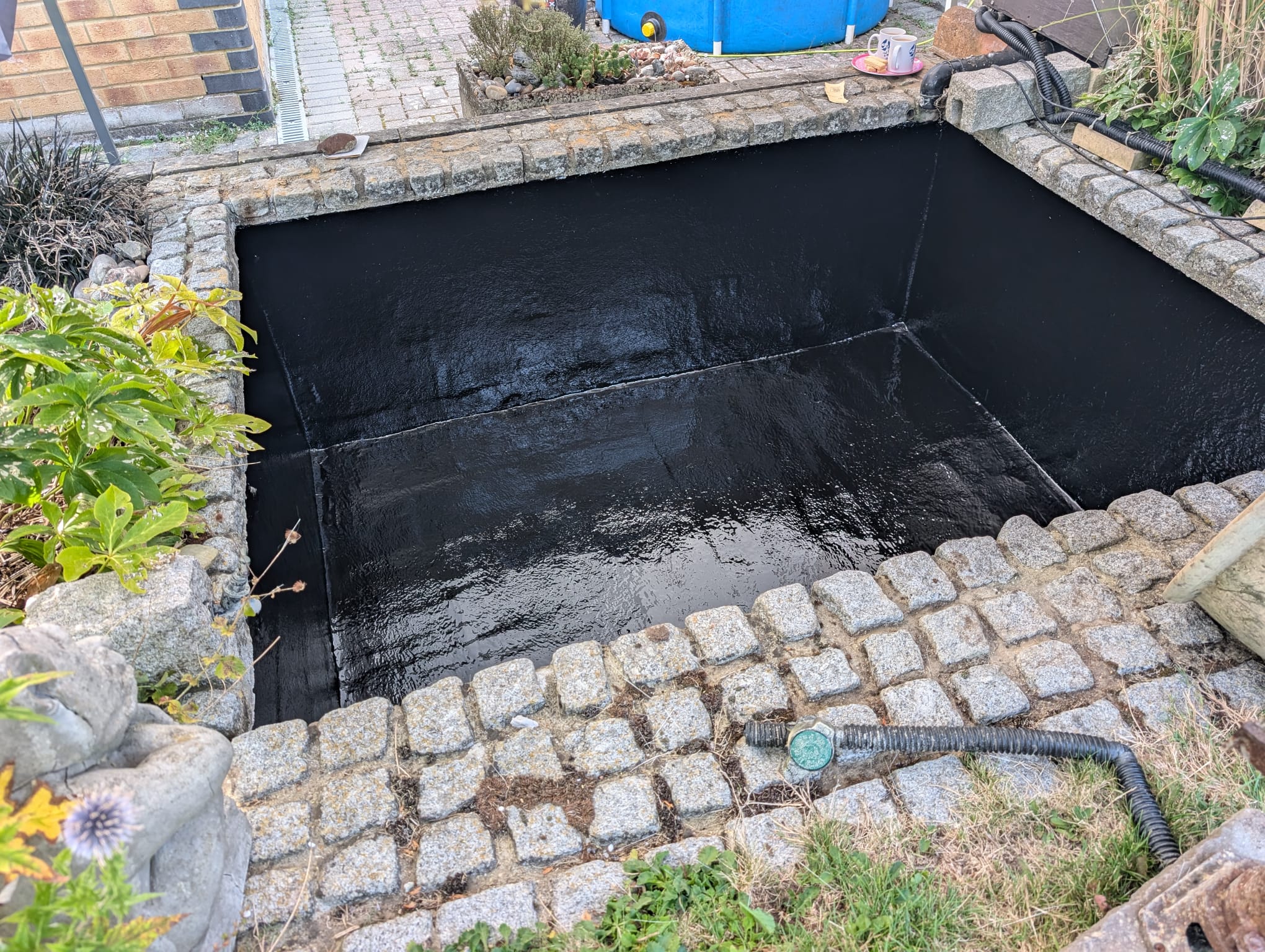
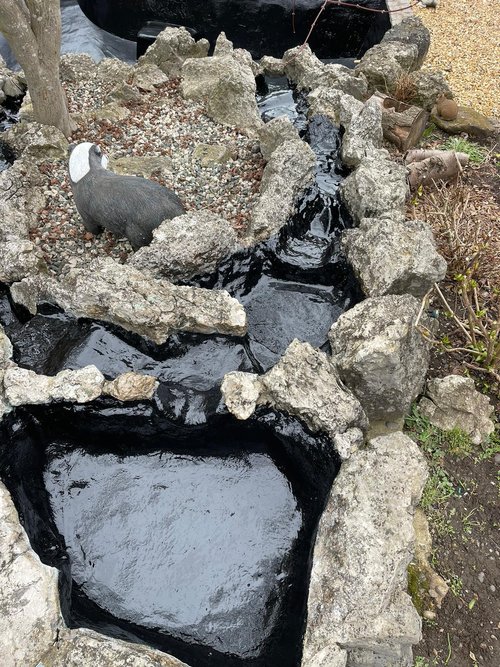
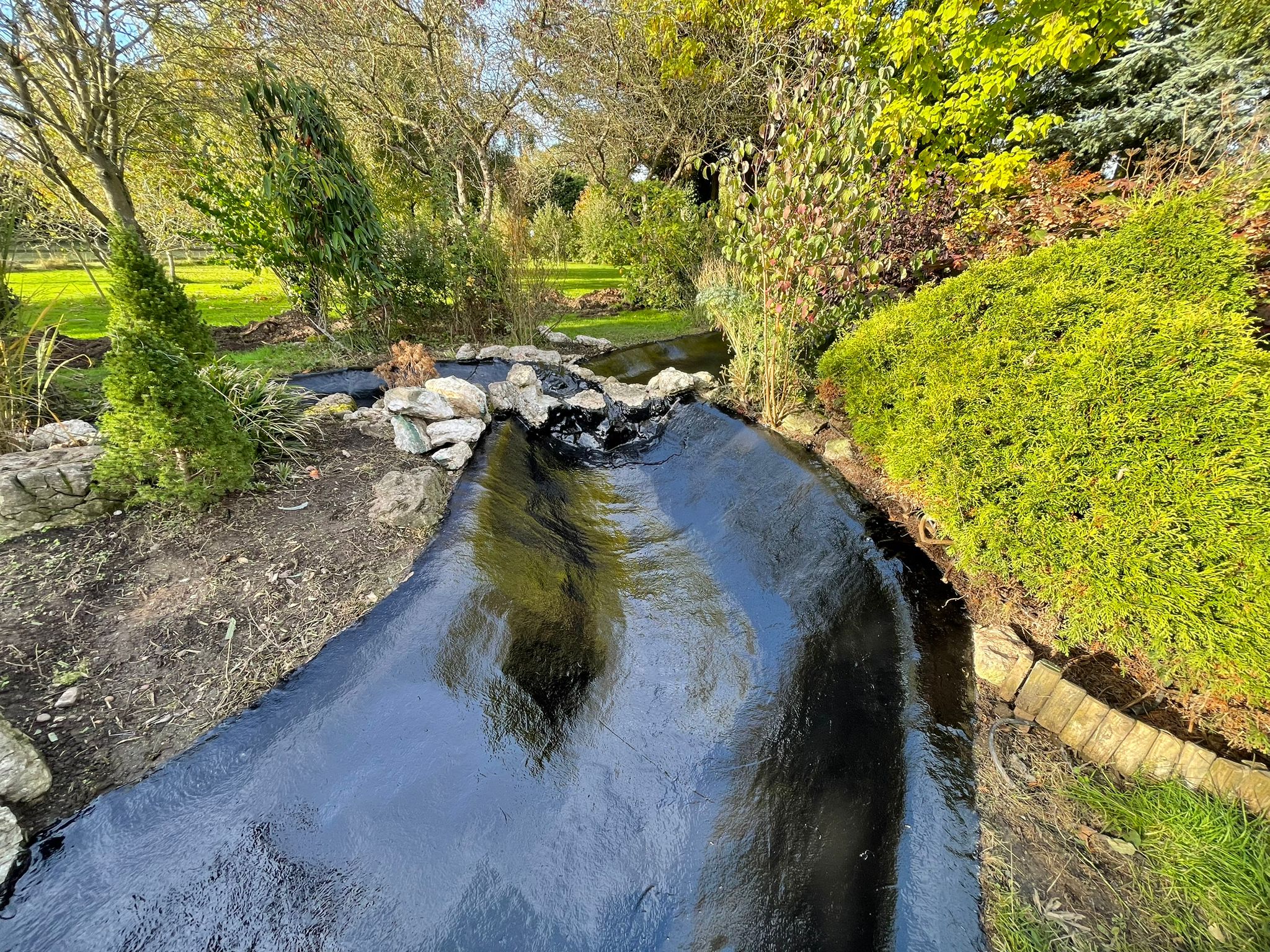
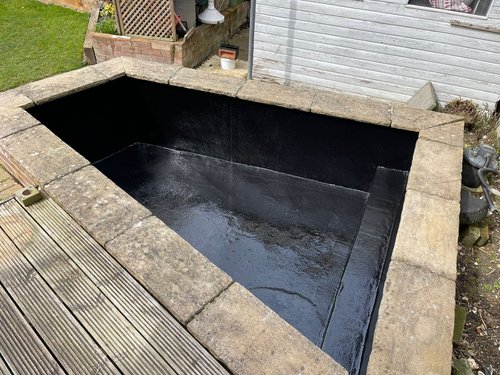
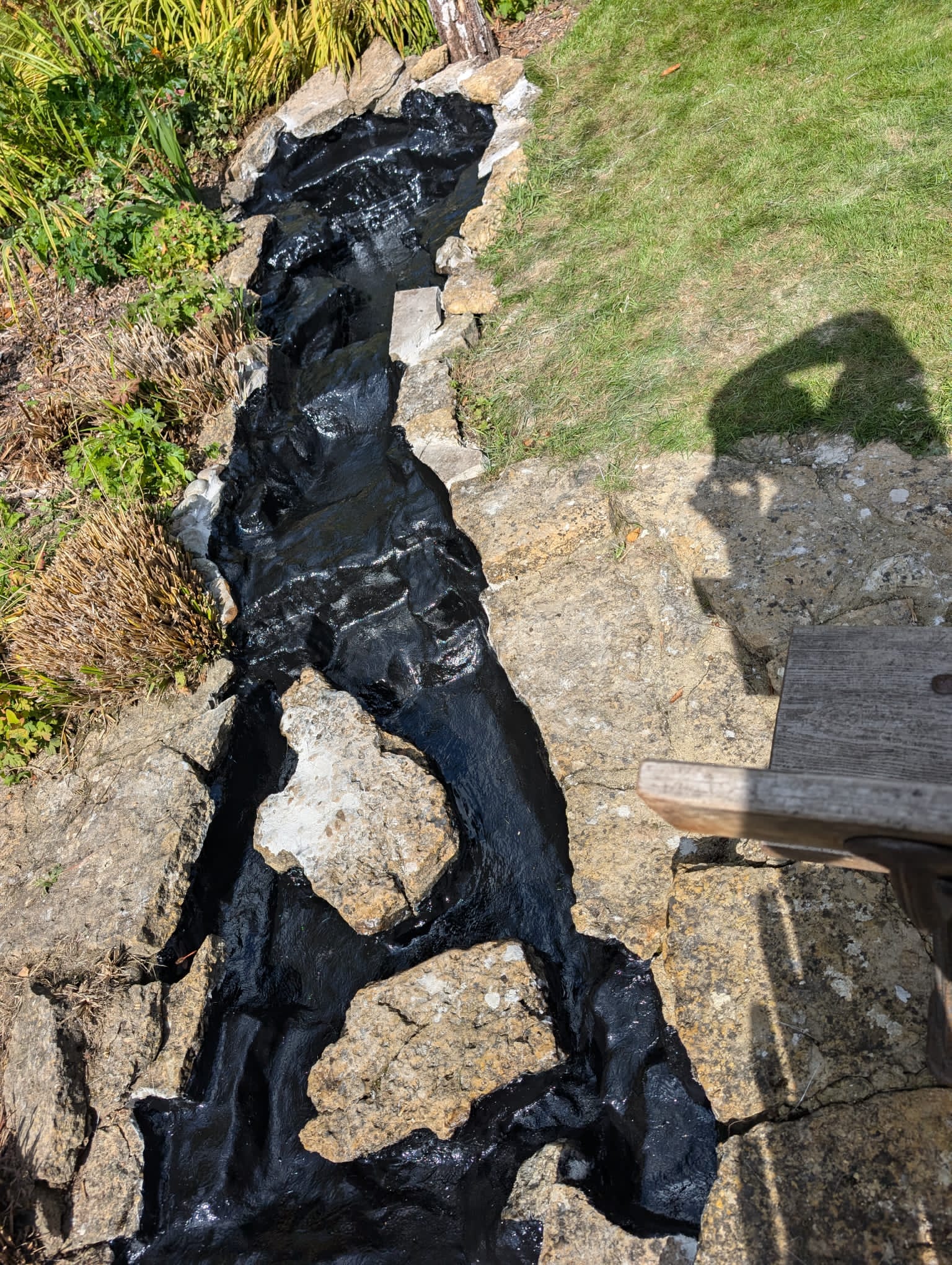
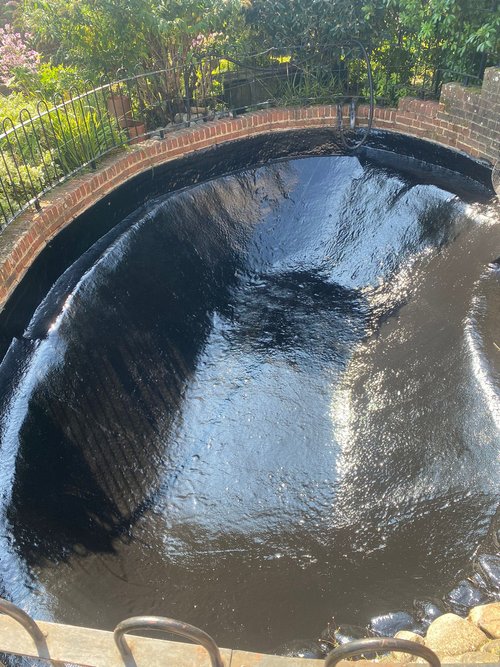
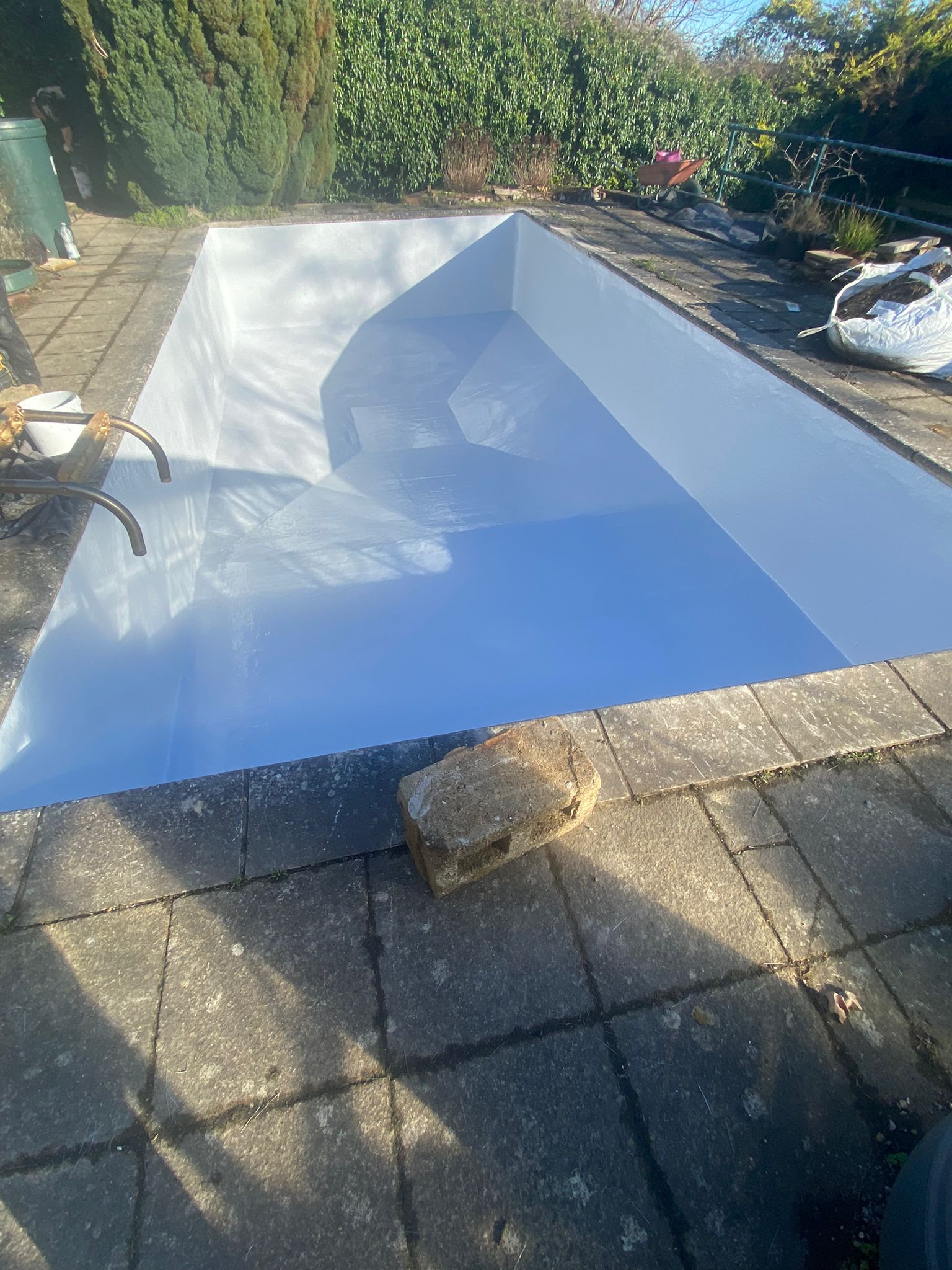
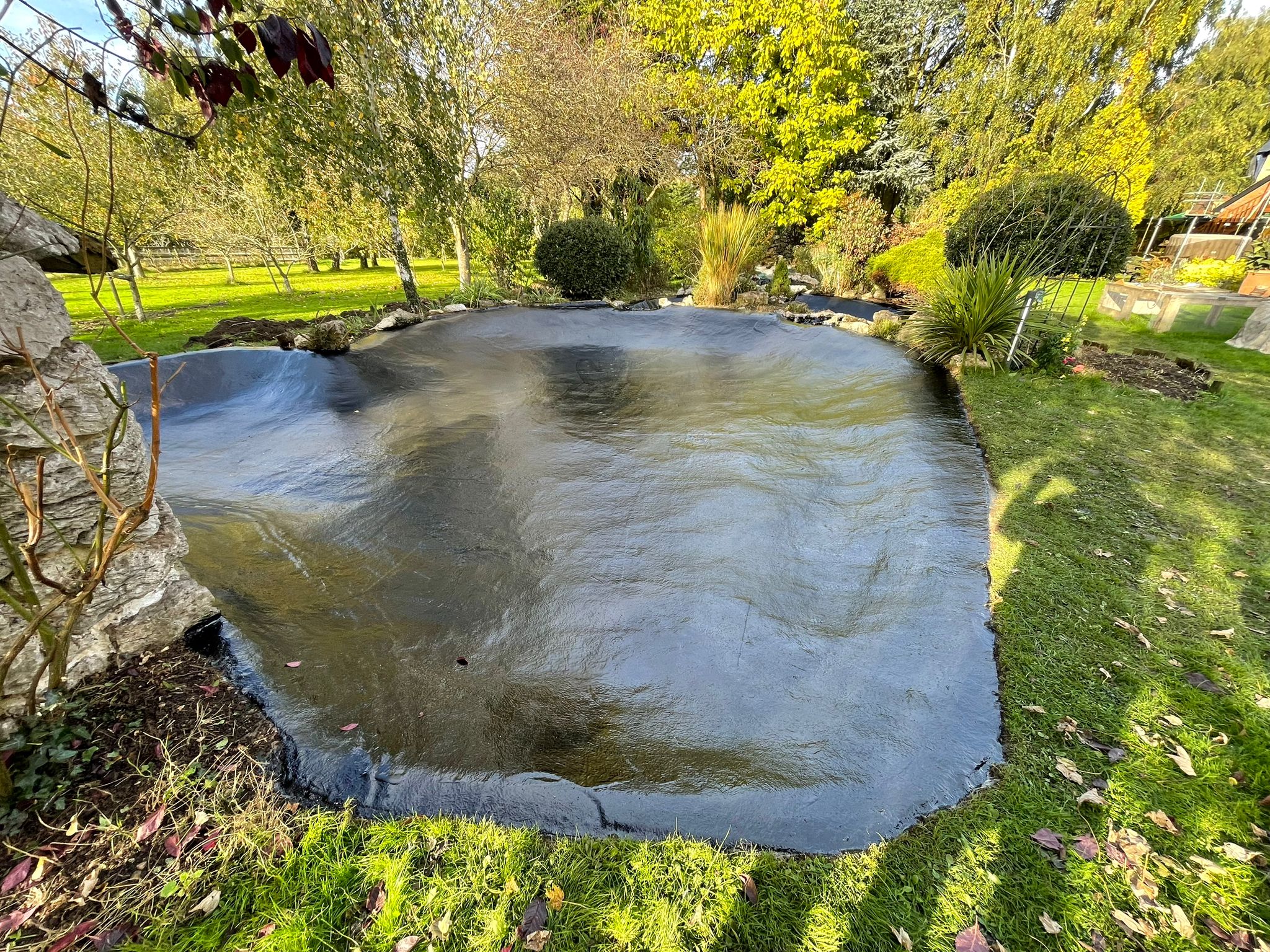
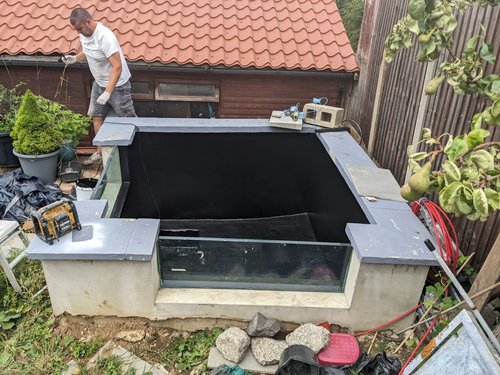
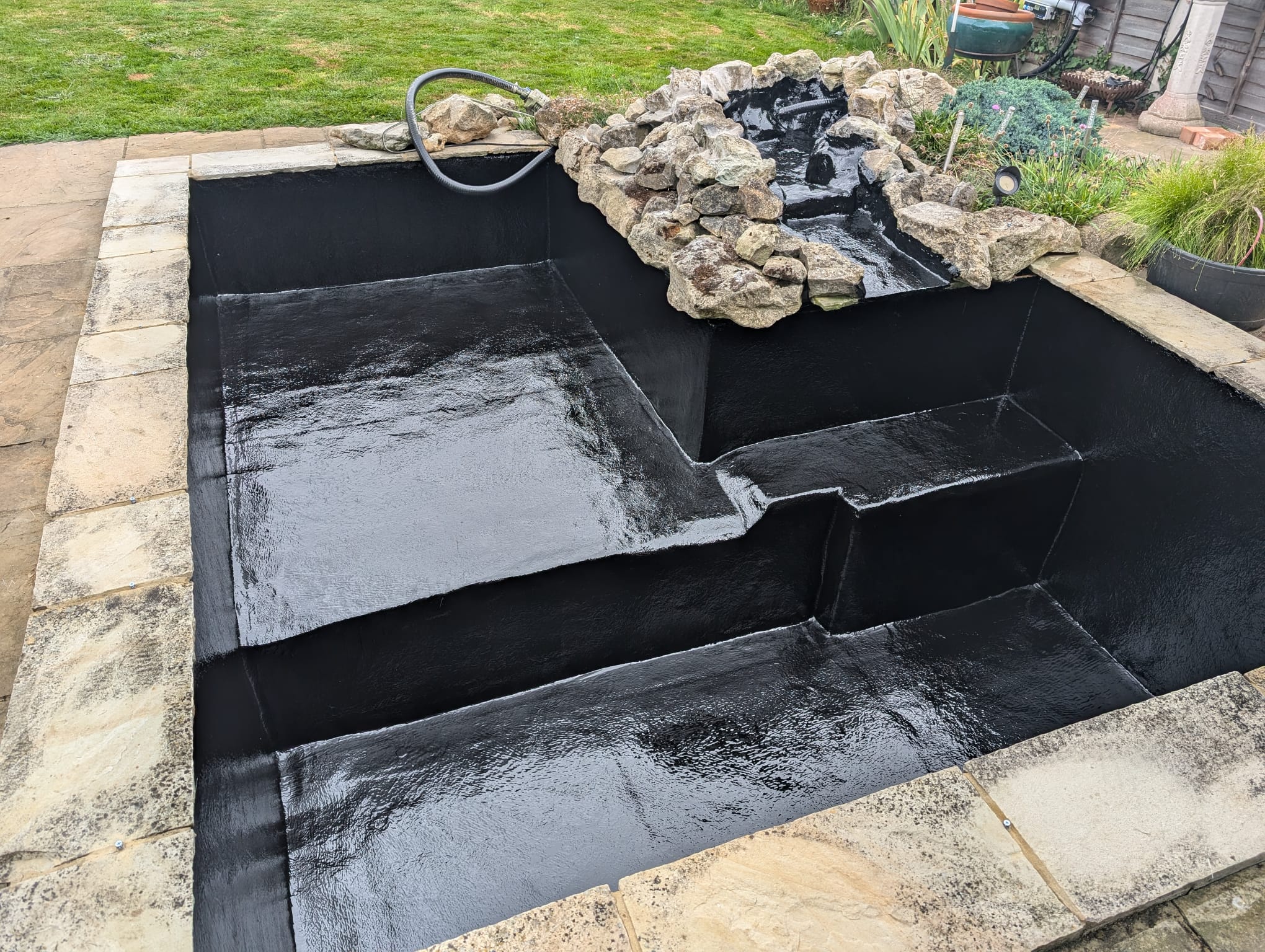
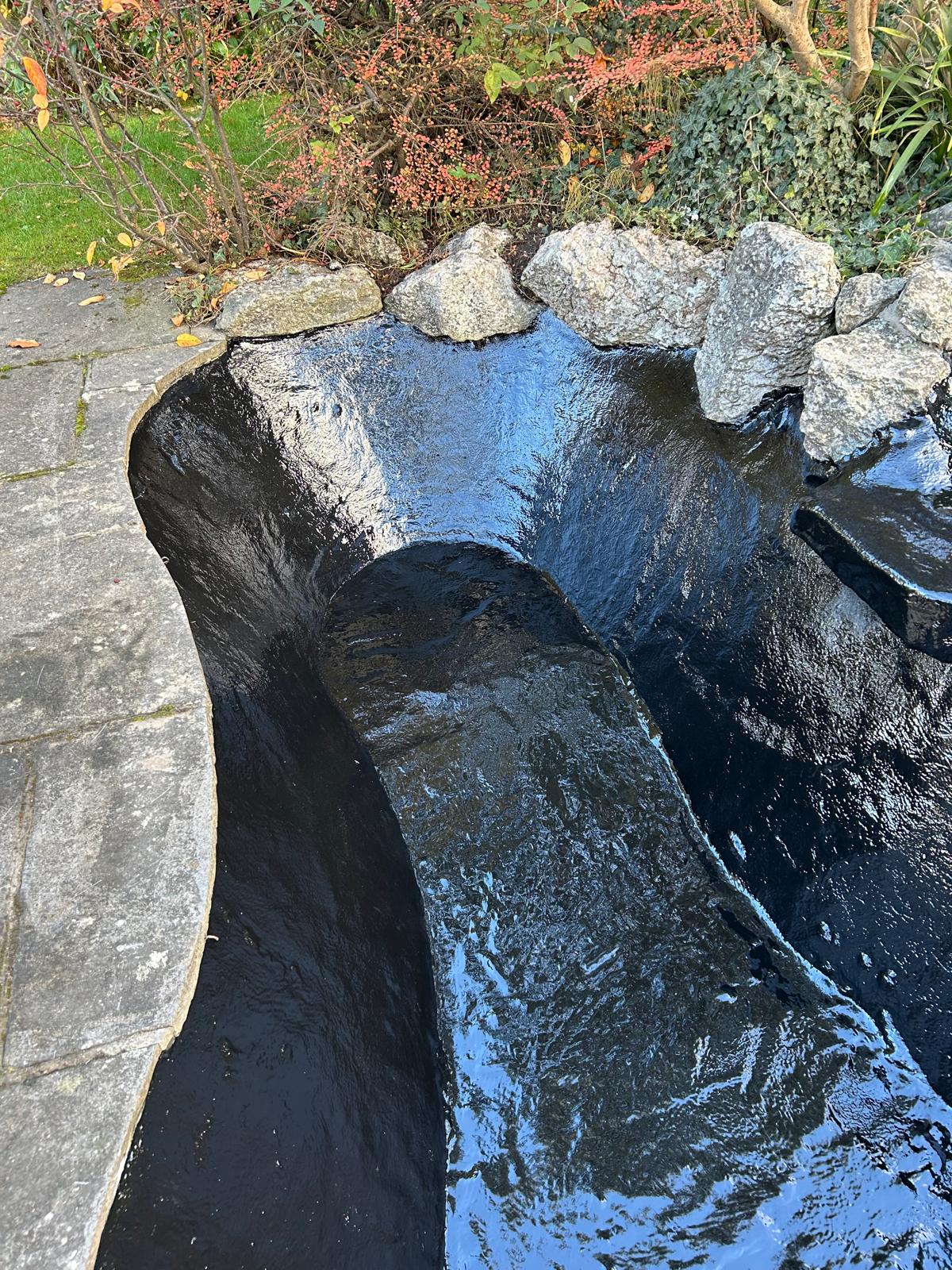
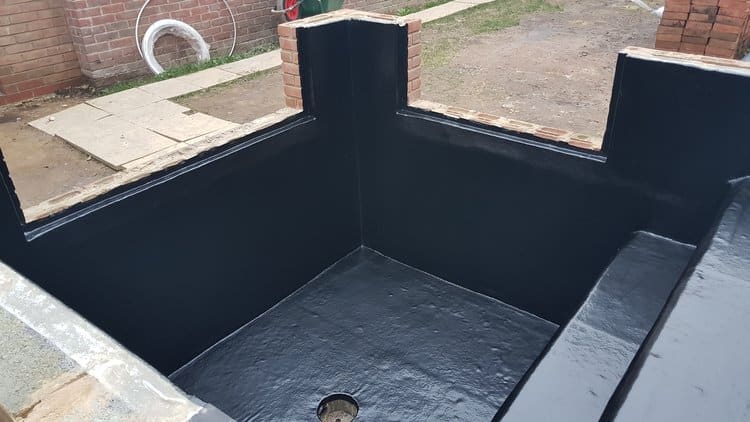
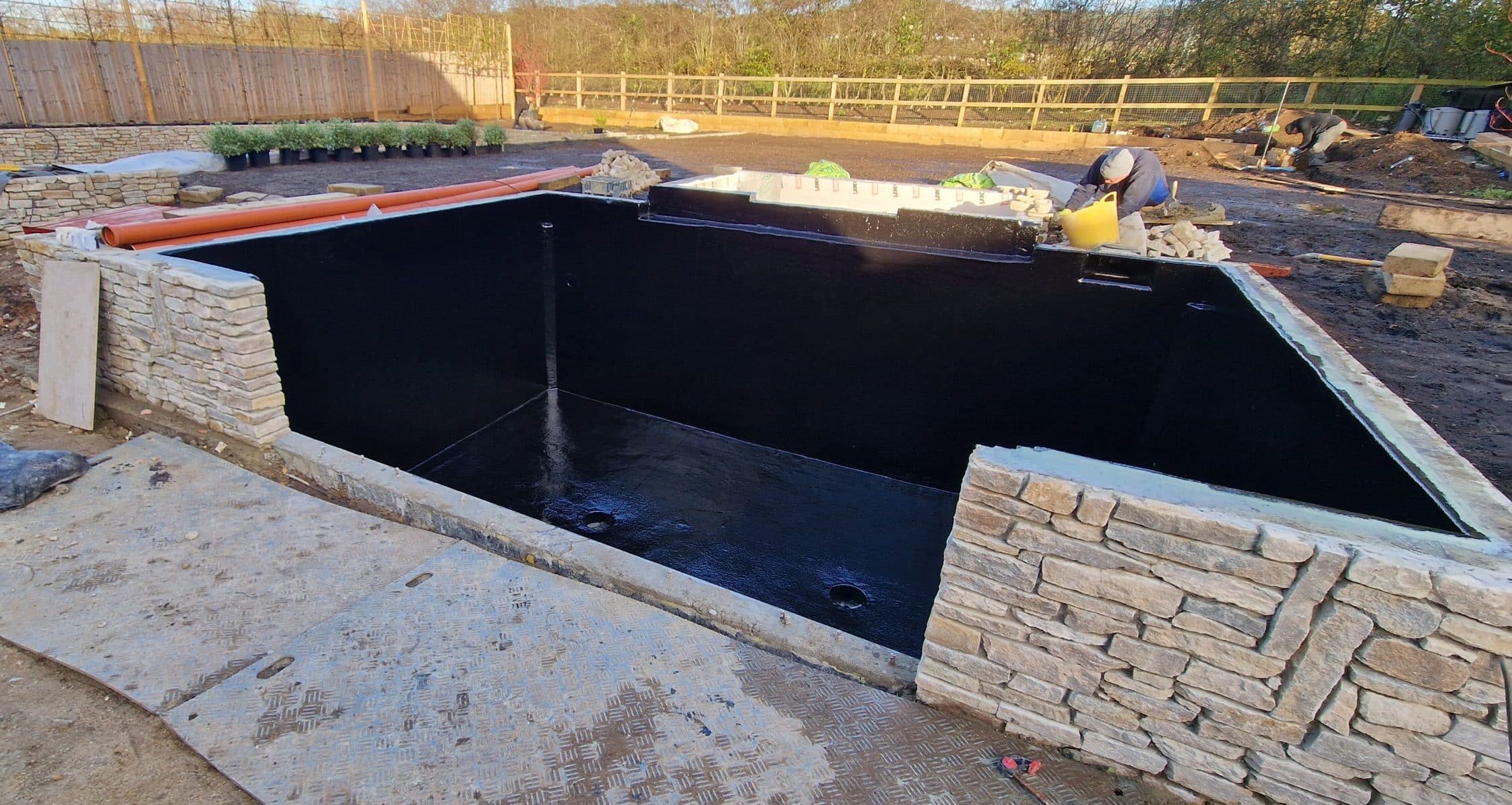
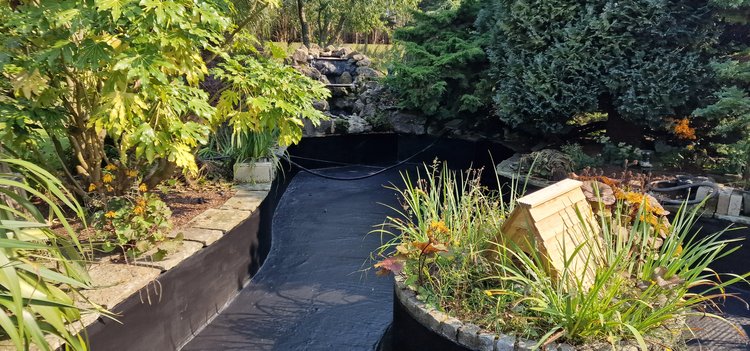
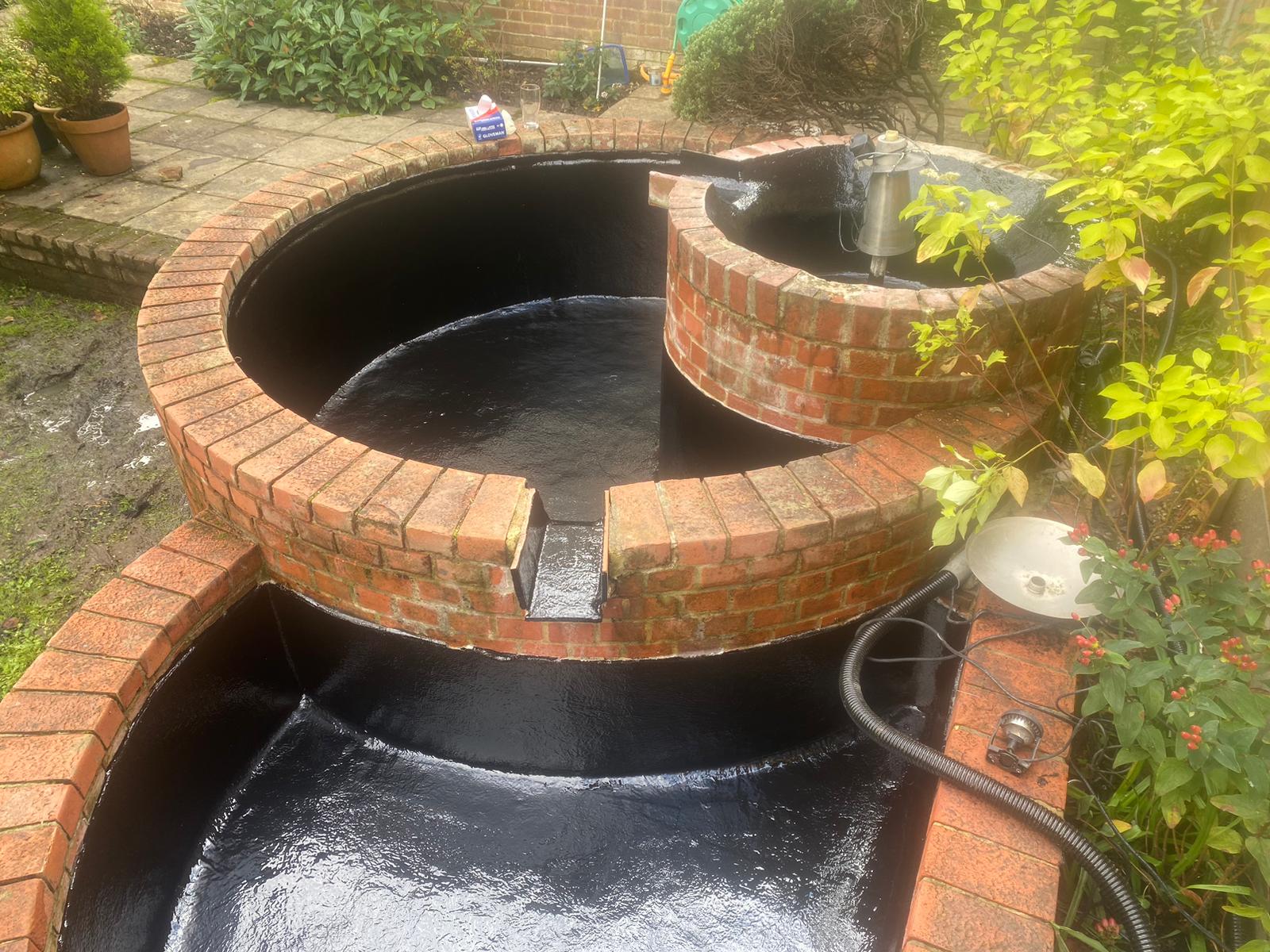
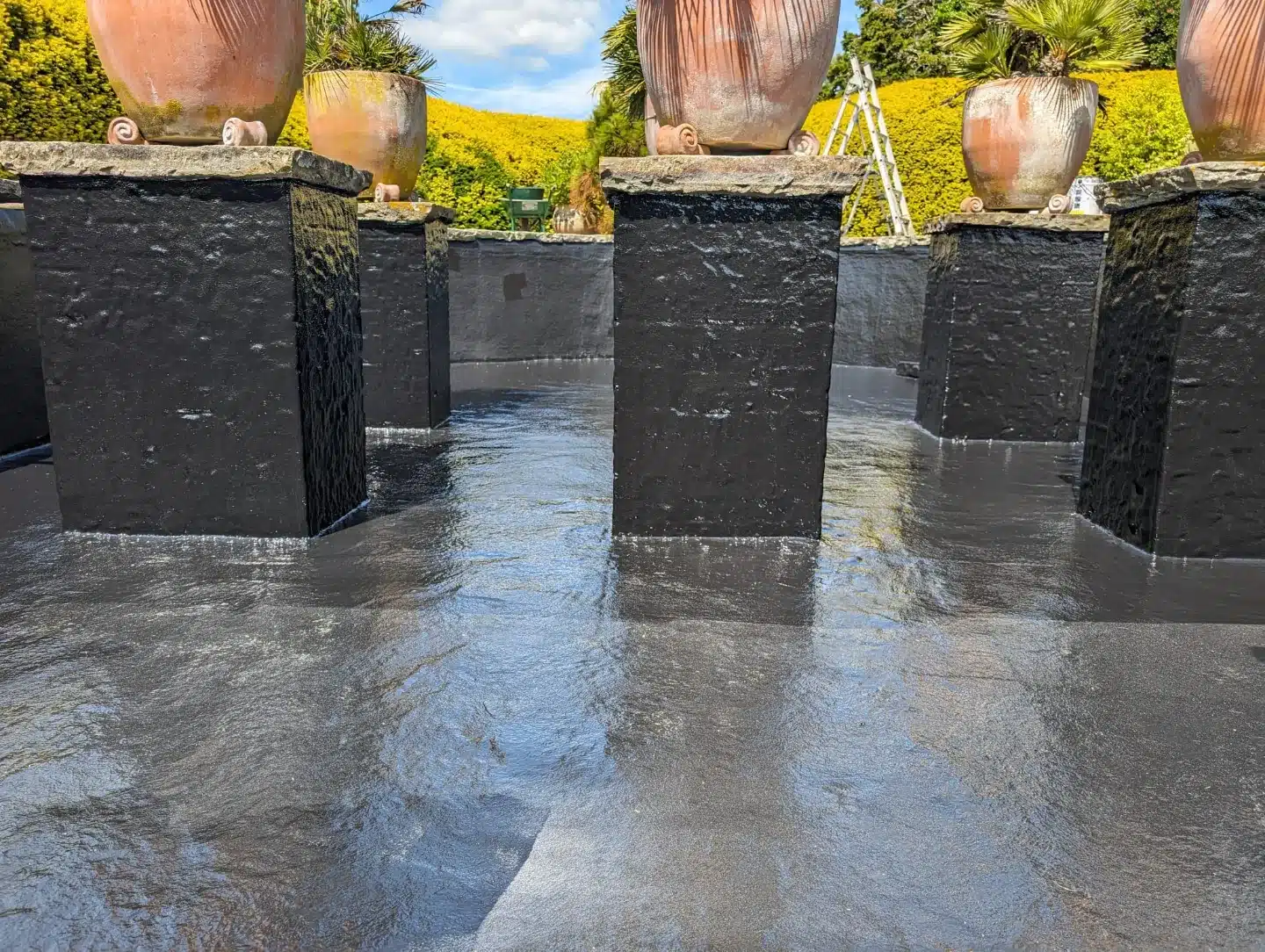
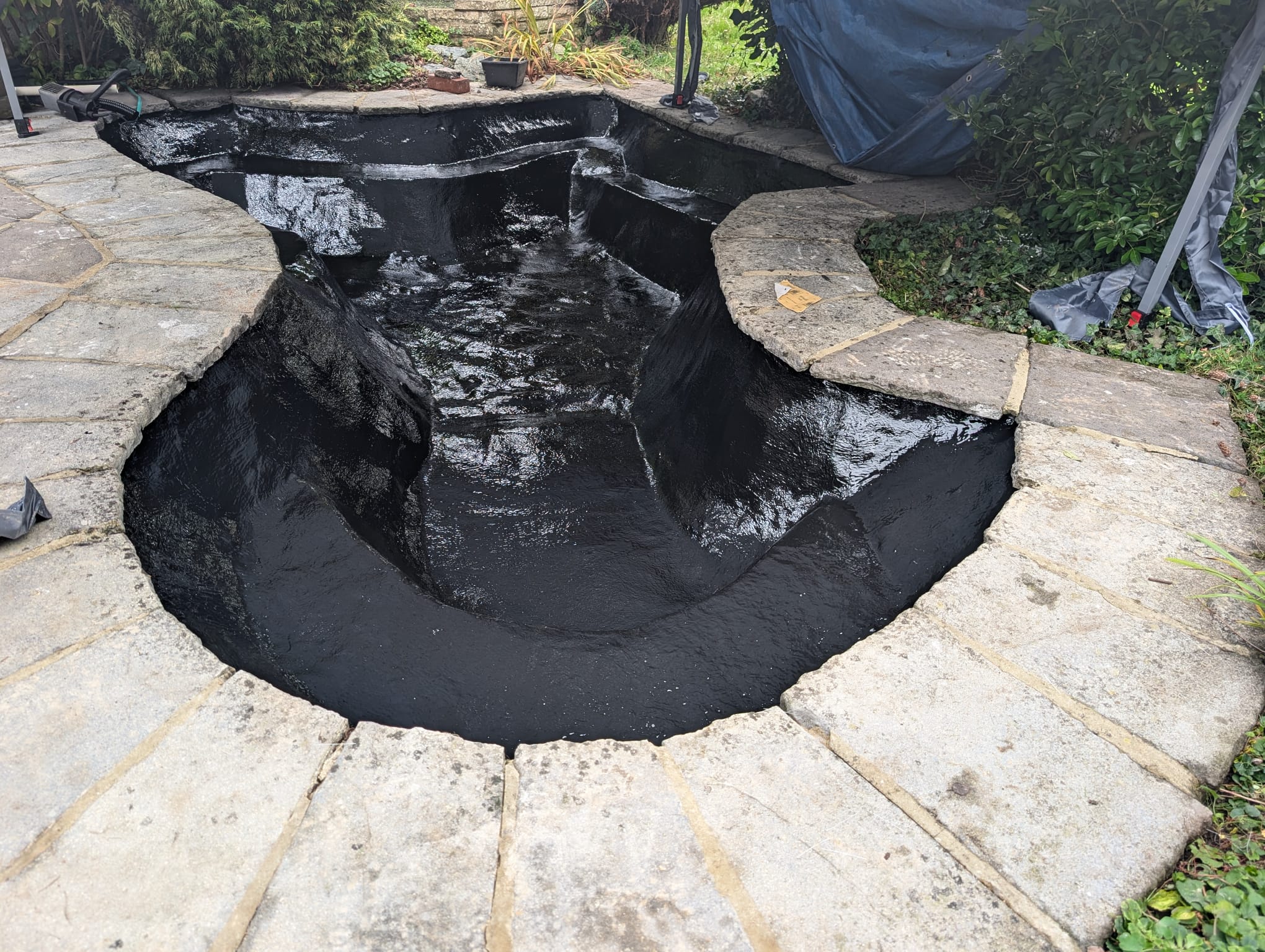
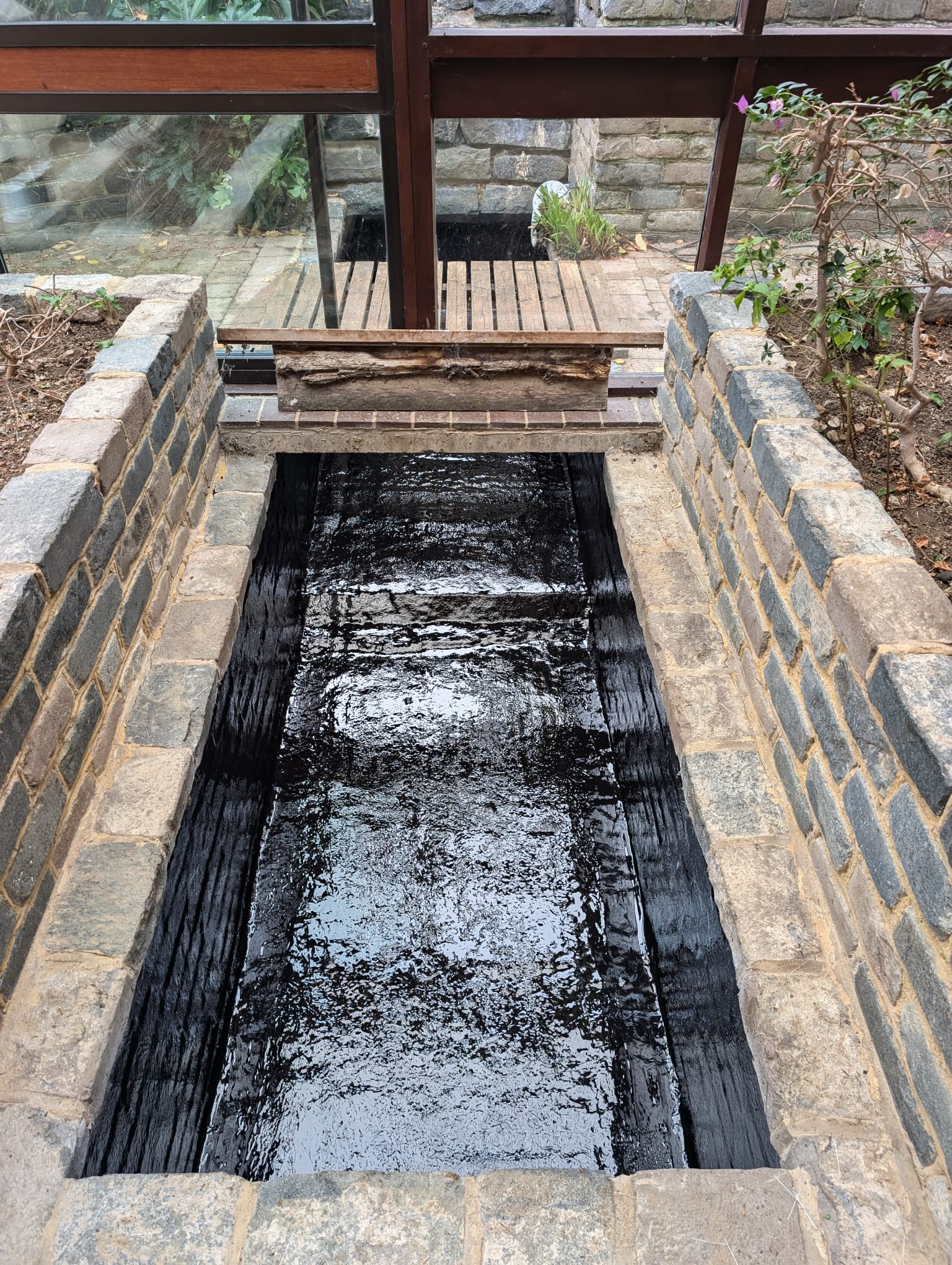
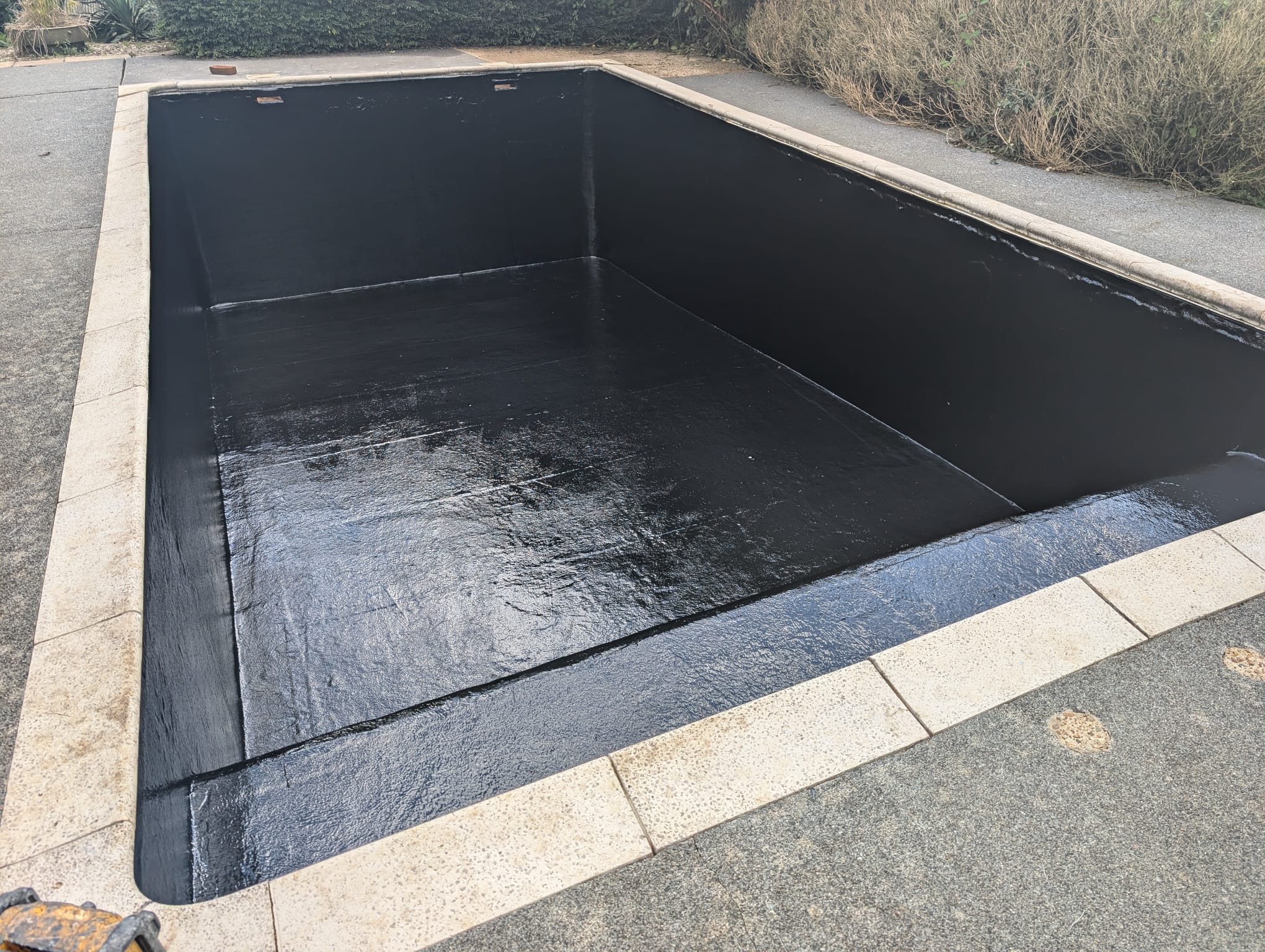
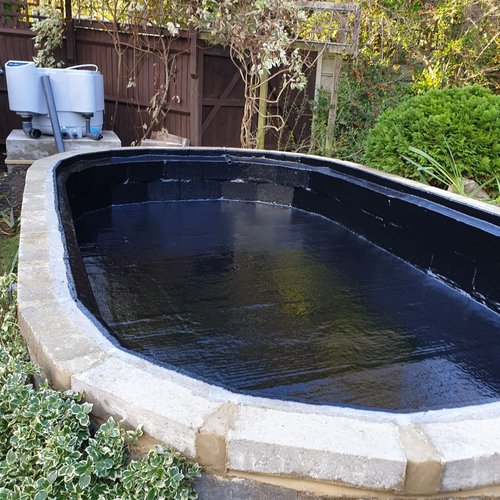
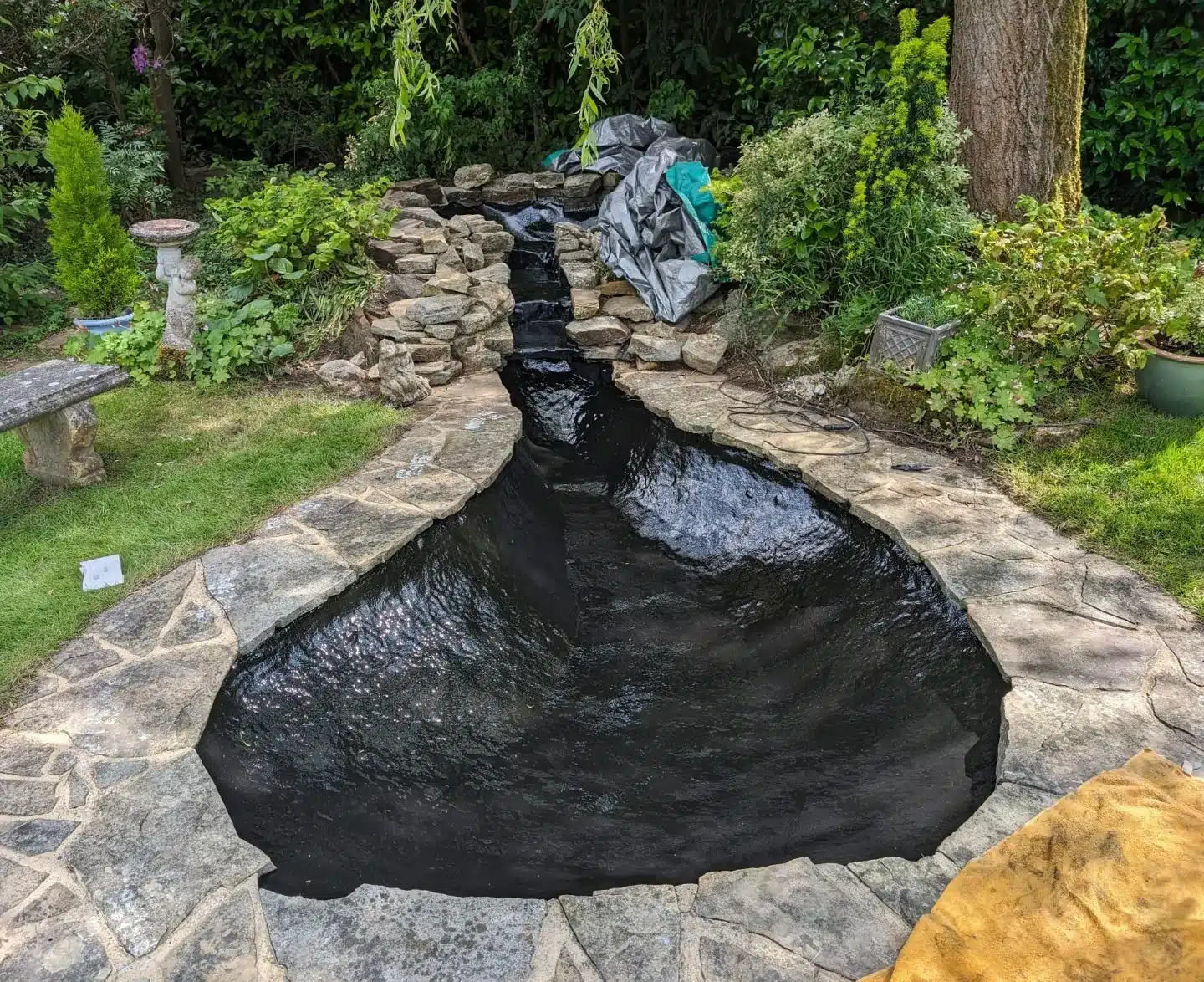
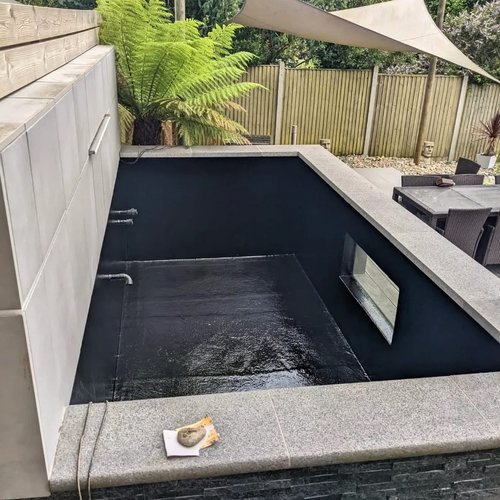
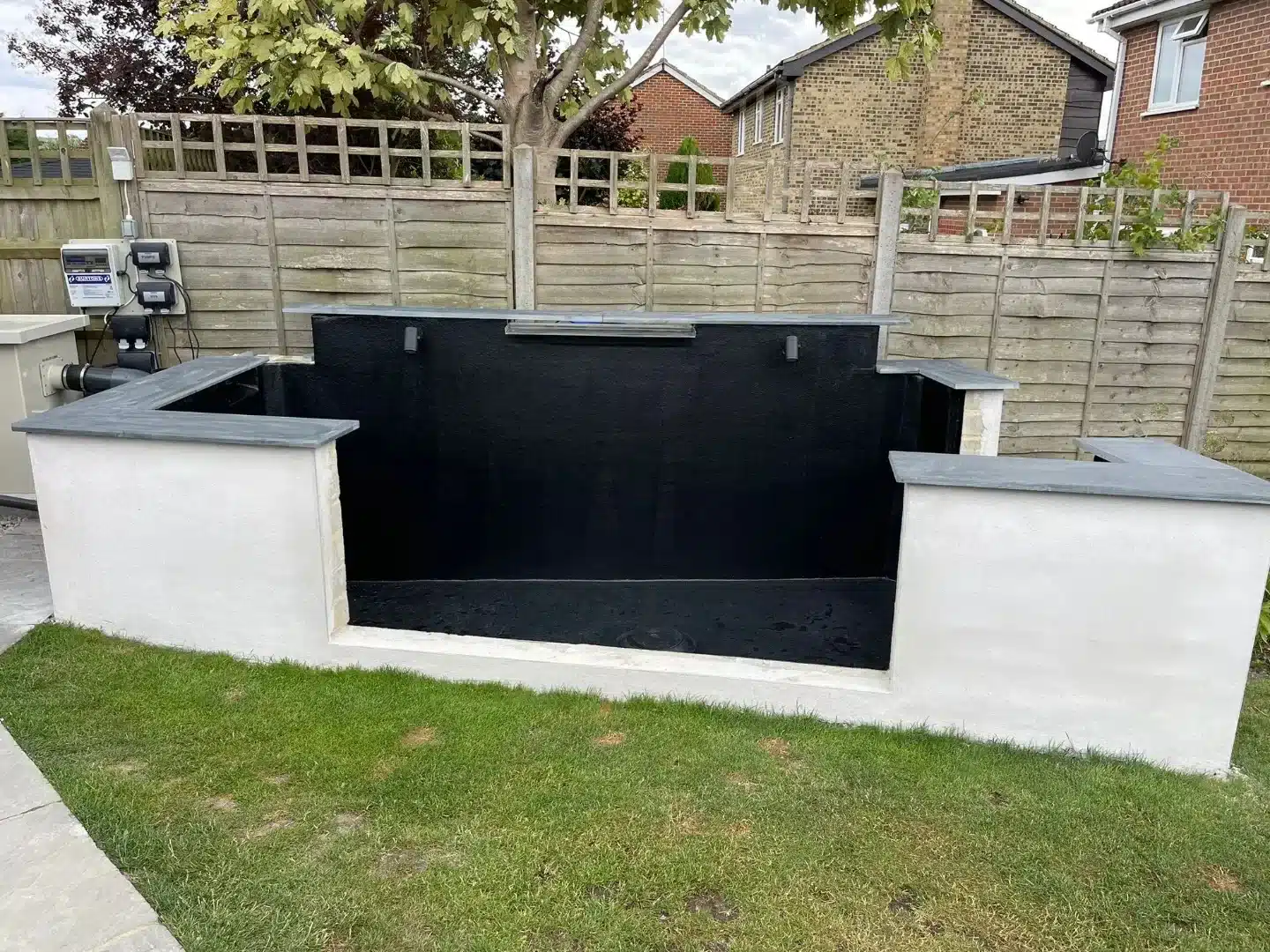
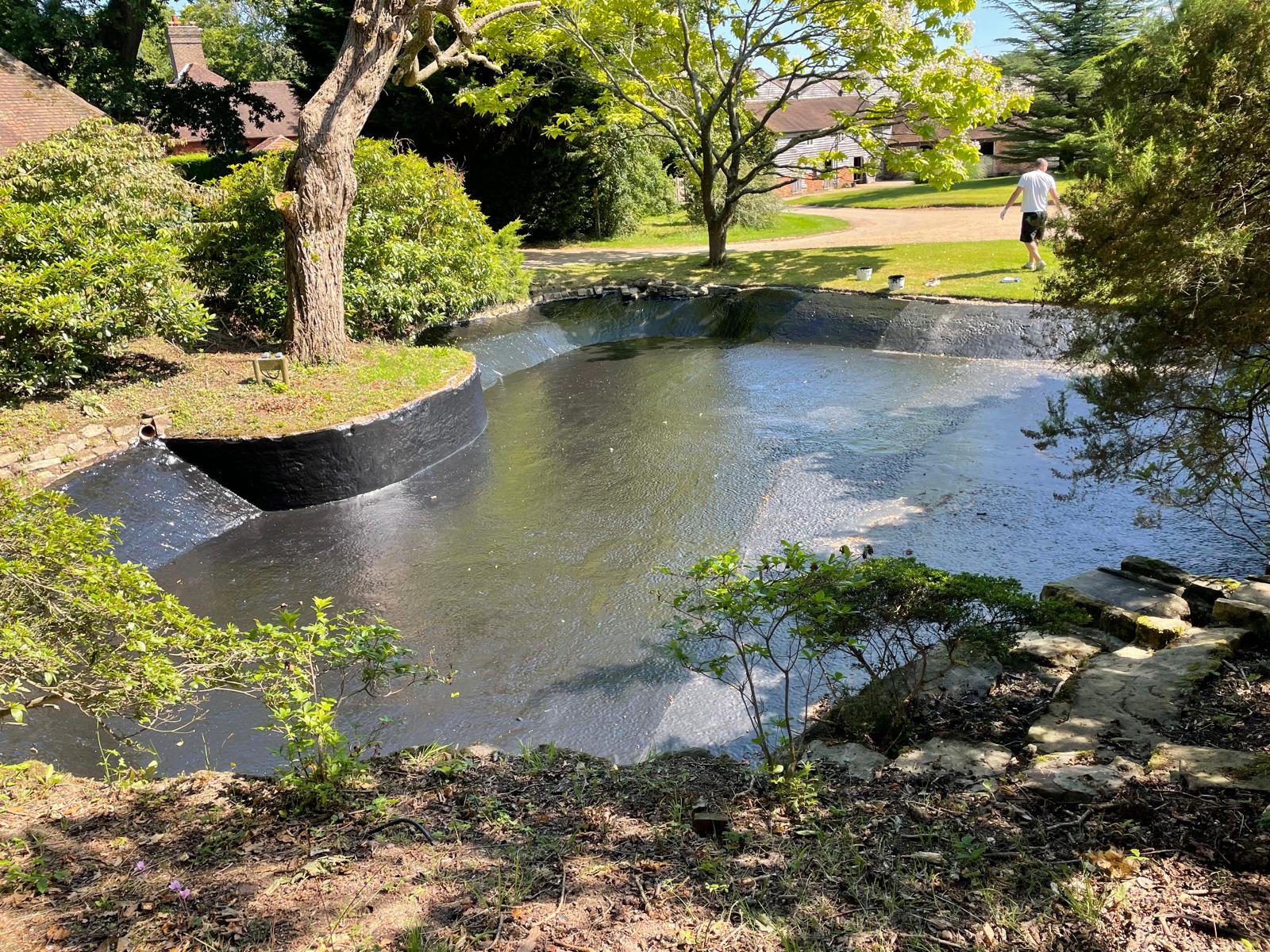
Browse more than 200 photographs from genuine pond, koi pond and pool fibreglassing work completed by That Pond Guy. The gallery includes new shells, liner-to-GRP conversions, insulation and preparation, complex shapes, viewing windows and finished ponds. Sixty photographs are shown initially; use Load More to explore the full gallery.




Pond Fibreglassing Frequently Asked Questions
What is pond fibreglassing and how does it work
Pond fibreglassing uses glass reinforced plastic (GRP), made with glass matting and resin, to form a fitted lining over a prepared surface. It is commonly used for koi and formal ponds where a smooth finish is wanted. The lining depends on a suitable supporting structure and careful detailing around fittings; it is not a substitute for sound construction.
Is fibreglass better than a pond liner
It depends on the pond. Fibreglass suits many structured koi and formal ponds where a fitted finish is important. A flexible liner can be a sensible choice for informal shapes and projects where building a rigid supporting structure would add unnecessary cost. Compare the whole installation, maintenance needs and repair options before deciding.
How long does fibreglass pond lining last
A well specified and properly installed lining can give many years of service. There is no single lifespan that applies to every pond: the supporting structure, preparation, materials, installation and ongoing care all affect the result. Check the finish and fittings as part of normal maintenance and investigate damage or unexplained water loss rather than leaving it to develop.
Is fibreglass safe for koi and pond fish
The resin and finishing system must be suitable for the intended pond use and installed correctly. Follow the manufacturer’s curing and preparation instructions before filling or returning fish. Fibreglass being dry to the touch is not, on its own, a sufficient check. Once the pond is back in use, filtration, water quality and fish care remain essential.
Can you fibreglass over an existing pond liner
In most cases, a pond liner cannot be left in place under fibreglass.
Fibreglass needs to bond directly to a solid and properly prepared surface. Liners are flexible and move over time, which makes them unsuitable as a base for fibreglassing.
This is why liner conversions usually involve draining the pond, removing the liner, and preparing the structure underneath before fibreglass is applied.
Can a liner pond be converted to fibreglass
Often, yes, provided the underlying structure is suitable or can be made suitable. Removing the old liner reveals what preparation is needed. A conversion gives a fitted surface without folds, but pipes, fittings and structural defects also need attention if the pond has been losing water.
Why do pond liners fail over time
Pond liners can fail for a number of reasons, particularly as they age.
Over time, liners can become brittle due to UV exposure, shift due to ground movement, or develop weak points where folds and creases occur. These areas can trap debris and create stress points that eventually lead to leaks.
This is one of the main reasons many pond owners choose to upgrade to fibreglass.
Does fibreglass crack or fail
It can. Problems with preparation, application, impact or movement in the supporting structure can damage a lining. This is why we assess the base and details before installation. If an existing pond develops a crack or leak, the cause should be investigated before deciding on a repair.
How much does it cost to fibreglass a pond
The cost of fibreglassing a pond depends on several factors, including size, shape, access, condition of the existing structure, and the amount of preparation required.
A simple pond will be quicker and more cost effective than a complex pond with repairs, insulation, or structural work needed beforehand.
Because every pond is different, fibreglassing is usually priced based on the specific project rather than a fixed rate.
Is fibreglassing a pond worth it
It can be worthwhile if the fitted finish and suitability for your pond justify the preparation and installation cost. Ask what work is included beneath the lining, how existing features will be treated and what ongoing care is needed. A new flexible liner may still be the better choice for some ponds.
How long does pond fibreglassing take
The time required to fibreglass a pond depends on the size of the pond and the amount of preparation needed.
A straightforward job can be completed relatively quickly, while larger or more complex projects may take longer, particularly if structural work or repairs are required first.
Weather conditions also play a role, as fibreglassing needs suitable temperatures and dry conditions to achieve the best results.
Can fibreglass be repaired if it gets damaged
Yes, fibreglass can usually be repaired if damage occurs.
Small areas can often be repaired locally without needing to redo the entire pond. The repair process involves preparing the damaged area and applying new fibreglass layers to restore the seal.
As with installation, proper preparation is important to ensure the repair is long lasting.
Is fibreglass suitable for all types of ponds
Fibreglass is suitable for most types of ponds, including garden ponds, koi ponds, formal ponds, and swimming ponds.
It is particularly beneficial in ponds where a clean finish, strong structure, and long term durability are important.
However, the structure must be suitable for fibreglassing, which is why each project is assessed individually.
Can fibreglass be used on complex pond shapes
Yes, fibreglass is ideal for complex pond designs.
It can be applied to shelves, steps, curves, windows, and detailed features while maintaining a seamless finish. This makes it a popular choice for bespoke pond builds.
Does fibreglass make a pond easier to clean
A smooth lining without folds can make debris easier to see and remove. Algae can still grow, and cleaning the surface does not replace filter maintenance, water testing or managing the fish load.
Can fibreglass be used for swimming ponds
Yes, fibreglass is often used in swimming ponds and natural pools.
It provides a watertight and durable finish that can be tailored to suit larger and more complex designs. Proper preparation and finishing are especially important in ponds used for swimming.
Do you need to prepare the pond before fibreglassing
Yes, preparation is one of the most important parts of the process.
The surface must be clean, smooth, and structurally sound before fibreglass is applied. Any issues with the base need to be addressed first to ensure the final result is reliable.
Can fibreglass be applied in cold weather
Fibreglassing can be affected by temperature and weather conditions.
Cold or damp conditions can impact how the materials cure, which is why timing and planning are important. In many cases, fibreglassing is carried out in suitable weather conditions to ensure the best finish.
What is the main advantage of fibreglass over liners
The fitted finish is a useful advantage: the lining follows the prepared pond shape without loose folds. This can make detailing and cleaning more straightforward on a suitable structure. Preparation, installation and ongoing care determine how well it performs.
Is fibreglass a good option for upgrading an old pond
It can be, especially where the pond has a sound structure that you want to retain. We first consider the condition of the base, fittings and edges, and what caused any existing leaks. Some ponds need substantial repairs or rebuilding before a rigid lining is suitable.
How much does it cost to convert a pond liner to fibreglass
The cost of converting a liner pond to fibreglass depends on the size of the pond, the condition of the existing structure, access, and how much preparation work is required.
Smaller ponds with a solid base will be more straightforward, while larger ponds or those needing repairs, insulation, or structural work will take more time and materials. Because of this, most fibreglass conversions are priced individually rather than using a fixed rate.
Is fibreglass cheaper than a pond liner
A flexible liner will often cost less to install initially. Fibreglass involves preparing a suitable structure and applying the lining, so compare quotations for the complete job. Future repair and maintenance costs vary; fibreglass should not be presented as a guaranteed saving for every pond.
What is the best base for a fibreglass pond
A solid and stable structure is essential for fibreglassing.
Most fibreglass ponds are built using block and render construction or a similar solid base. The surface needs to be smooth, dry, and properly prepared to ensure the fibreglass bonds correctly.
A strong base is key to achieving a long lasting and reliable finish.
Can fibreglass be applied to any pond structure
Fibreglass can be applied to most solid pond structures, but not all surfaces are suitable without preparation.
Block built ponds, rendered ponds, and properly constructed bases are ideal. If the structure is poor or unstable, preparation or repairs may be needed before fibreglassing can take place.
How thick is fibreglass pond lining
Fibreglass pond lining is built up in layers using matting and resin rather than a single sheet thickness like a liner.
The final thickness depends on the system used and the number of layers applied, but the aim is to create a strong, durable shell that can withstand water pressure and long term use.
Does fibreglass fade or discolour over time
Fibreglass can change slightly in appearance over many years, but high quality finishes are designed to resist fading.
A protective topcoat is applied during installation to help maintain colour and protect the surface. Proper care and maintenance will help keep the pond looking clean and consistent.
Can fibreglass ponds leak
Yes. Damage, structural movement or problems around fittings and connections can lead to water loss. A continuous lining removes loose liner folds, but does not make the whole pond system immune to leaks. Find the cause before choosing a repair.
Is fibreglass better for pond filtration systems
Fibreglass can be detailed around bottom drains, returns and skimmers, making it useful in many koi pond designs. Filter performance still depends on the equipment, pipework, circulation, fish load and maintenance. The lining alone will not make an unsuitable filter adequate.
Can you fibreglass a pond with a window
Yes, fibreglass can be applied around pond windows.
It is commonly used in ponds with viewing panels, as it can create a neat and secure seal around the window frame. Proper installation is important to ensure the join between the fibreglass and the window remains watertight.
How do I maintain a fibreglass pond
Fibreglass ponds are relatively low maintenance.
Regular pond care such as cleaning filters, removing debris, and monitoring water quality is still required, but the lining itself does not need much attention. The smooth surface helps reduce buildup and makes cleaning easier.
Do fibreglass ponds need repainting
In most cases, fibreglass ponds do not need frequent repainting.
The topcoat applied during installation is designed to last for many years. Over time, some ponds may benefit from a refresh, but this is not usually needed for a long period if the pond has been installed correctly.
Can fibreglass be used for formal pond designs
Yes, fibreglass is ideal for formal pond designs.
It allows for straight edges, sharp corners, and a clean internal finish. This makes it particularly popular for modern garden designs and koi ponds where appearance is important.
What is the difference between GRP and fibreglass
GRP stands for glass reinforced plastic, which is the technical name for fibreglass.
In pond construction, the terms are often used interchangeably. Both refer to the same system of using fibreglass matting and resin to create a strong, waterproof lining.
Can fibreglass be applied vertically
Yes, fibreglass can be applied to vertical surfaces.
This makes it suitable for pond walls, raised ponds, and vertical features. The material bonds to the surface and forms a continuous lining across both horizontal and vertical areas.
Does fibreglass affect pond temperature
Fibreglass itself does not significantly change pond temperature, but insulation can be added during preparation.
In koi ponds, insulation boards are often installed before fibreglassing to help retain heat and improve temperature stability.
Is fibreglass suitable for deep ponds
It can be used as the lining in a properly designed deep pond. The supporting structure needs to be suitable for the depth and loads; the lining should not be relied on to make an inadequately built pond safe. Suitability is assessed as part of the overall design.
Can fibreglass ponds be pressure washed
Use cleaning methods suitable for the condition and specification of the finish. Aggressive pressure washing can damage an ageing or defective surface or its fittings. If the finish is loose, cracked or uncertain, get advice before using a pressure washer.
What colour options are available for fibreglass ponds
Fibreglass ponds are typically finished in a range of colours depending on the application.
Dark colours are commonly used in koi ponds to enhance fish visibility, while lighter colours may be used in swimming ponds or decorative features. The final finish can be tailored to suit the design of the pond.
Is fibreglass environmentally friendly for ponds
There is no simple answer that applies to every project. Retaining sound parts of a pond may avoid unnecessary rebuilding, but resin manufacture, installation, repairs and disposal also matter. We would not claim that fibreglass has a lower environmental impact than every alternative. Pond suitability and correct curing are separate requirements.
Why do people upgrade from liners to fibreglass
Common reasons include replacing an ageing liner, removing folds and obtaining a fitted finish around a structured pond. The proposed lining should suit the base and the way the pond will be used. Existing leaks need investigation because the cause may also involve pipework or fittings.
Is fibreglass the best option for my pond
The best option depends on the structure, design, budget and how you want to look after the pond. Fibreglass is well worth considering for many koi and formal ponds, but a flexible liner can be a good alternative. We can discuss the preparation each option would need.
When should I choose fibreglass instead of a liner
Consider it when you want a fitted finish over a stable structure, particularly around viewing windows, shelves or other designed features. Pond size alone does not decide the choice. Compare the construction required, access, cost and future care before committing. For a wildlife pond, consider habitat and safe access as well as the lining.
Is fibreglass worth it for a small pond
It can be if the pond has a suitable structure and the fitted finish matters to you. For a simple informal pond, a flexible liner may achieve what you need with less building work. Compare the complete project cost and maintenance arrangements, not just the lining material.
Can fibreglassing fix a leaking pond permanently
A new lining can address defects in the pond surface, but no material guarantees that a pond will never leak again. Pipes, fittings and movement in the structure can also cause water loss. Investigate the cause and agree the repairs needed before choosing a new lining.
Will fibreglass improve my pond water quality
A smooth surface can make cleaning easier, but the lining itself is not a water-quality treatment. Suitable filtration, circulation, stocking, feeding and maintenance remain important. Test the water and address the cause of any problem rather than expecting a new lining to solve it.
Does fibreglass make a pond look better
Yes, fibreglass significantly improves the appearance of a pond.
It creates a smooth, uniform finish with clean lines and no visible folds. This is particularly noticeable in formal ponds and koi ponds where presentation is important.
Can fibreglass be used on an uneven or old pond
Yes, but preparation is key.
Older ponds or uneven structures often need to be repaired or adjusted before fibreglass is applied. Once the base is properly prepared, fibreglass can transform the pond into a more durable and reliable system.
Is fibreglass suitable for ponds with bottom drains and pipework
Yes, fibreglass works very well with bottom drains, returns, and pipework.
It can be carefully applied around fittings to create a sealed and watertight finish. This is one of the reasons it is commonly used in koi pond construction.
Can fibreglassing be done as part of a full pond build
Yes, fibreglassing is often included as part of a full pond build.
It is typically one of the final stages after the structure has been completed and prepared. Combining construction and fibreglassing ensures everything is designed to work together.
Is fibreglass better for raised ponds
Yes, fibreglass is an excellent choice for raised ponds.
It provides a neat and durable finish that works well with vertical walls and formal designs. It also eliminates the folds that are often seen with liners in raised structures.
How do I know if my pond is suitable for fibreglassing
The suitability depends on the structure and condition of the pond.
A solid base, such as block and render, is usually required. If the pond is currently lined or in poor condition, preparation work may be needed before fibreglassing can take place.
Will fibreglassing increase the value of my pond
It may improve the finish and usefulness of the pond to you, but we cannot promise an increase in property or resale value. Choose the work for its suitability, appearance and maintenance benefits, with a clear specification and quotation.
Can fibreglass be applied to vertical pond walls
Yes, fibreglass can be applied to vertical walls without issue.
It bonds to the surface and creates a continuous lining across both walls and floors. This makes it ideal for structured and formal pond builds.
Does fibreglass reduce pond maintenance
The smooth surface and lack of loose folds can make some cleaning tasks easier. You still need to maintain filters, remove debris, check the finish and fittings, and monitor water quality. The amount of work depends on the whole pond, not only the lining.
Can fibreglass ponds be modified later
Some modifications can be made, but it depends on the changes required.
Adding new features or altering the structure may require additional fibreglass work. It is always best to plan the pond carefully before installation to minimise future changes.
Is fibreglass suitable for ponds with fish and plants
Yes, when the lining and finishing system are suitable for pond use and have been installed, cured and prepared according to the material instructions. Plan planting areas and fish care as part of the design. The lining does not replace filtration or ongoing water-quality checks.
Can fibreglassing be done on site
Yes, pond fibreglassing is carried out on site.
The materials are applied directly to the prepared structure, allowing the lining to be formed to the exact shape of the pond. This ensures a precise and seamless finish.
Does fibreglass smell during installation
There can be a noticeable smell during installation due to the resin.
However, this is temporary and disappears once the fibreglass has cured. Proper ventilation and working conditions are used during the process.
Can fibreglass be used in shaded or covered ponds
Yes, fibreglass performs well in both shaded and exposed environments.
It is resistant to moisture and environmental conditions, making it suitable for a wide range of pond locations.
What is the biggest reason people choose fibreglass
Many owners want a neat, fitted finish without liner folds, particularly in koi and formal ponds. The photographs on this page show the range of shapes and features it can suit. Long term performance depends on preparation, installation and care.
Can fibreglass be applied to an outdoor pond in the UK climate
Yes, fibreglass is well suited to UK conditions.
It handles rain, temperature changes, and seasonal weather very well once installed. The key factor is applying it in suitable conditions so it cures properly. Once complete, it performs reliably throughout the year.
What temperature is needed for fibreglassing a pond
Fibreglassing works best in dry conditions with moderate temperatures.
Cold, damp, or wet weather can affect how the resin cures. This is why installations are planned carefully to ensure the best conditions and finish quality.
How smooth is a fibreglass pond finish
A well finished lining should be smooth and consistent, without exposed fibres or rough areas that could harm fish. It follows the prepared surface, so preparation and finishing matter. A smooth lining can be easier to clean, but it does not prevent algae growth.
Can fibreglass be used on ponds with complex pipework
Yes, fibreglass can be applied around returns, bottom drains, skimmers, and pipework.
It can be worked into tight areas and detailed sections to create a watertight seal. This is one of the reasons it is widely used in more advanced pond systems.
Does fibreglass shrink or expand over time
Material movement and curing behaviour depend on the system used and the conditions. The lining should not be described as completely immune to movement. A suitable supporting structure, compatible details and following the material specification all matter.
Can fibreglass be used on natural swimming ponds
Yes, fibreglass is often used in natural swimming ponds.
It provides a strong, watertight base that can be integrated with planting zones and filtration systems. Proper design and installation are important to ensure the pond functions as intended.
What preparation is needed before fibreglassing a pond
Preparation includes cleaning, smoothing, and ensuring the structure is stable and suitable.
Any loose material, sharp edges, or uneven areas need to be addressed before fibreglass is applied. In some cases, insulation or additional structural work may also be required.
Can fibreglass ponds handle heavy use
Yes, fibreglass ponds are very durable.
They are designed to withstand water pressure, environmental conditions, and regular maintenance. This makes them suitable for ponds that are used frequently or have higher demands.
Is fibreglass suitable for ponds with waterfalls or streams
Yes, fibreglass works well with waterfalls and streams.
It can be shaped to suit flowing water features and helps create a smooth, controlled surface that improves water movement and reduces leakage risk.
Can fibreglass be used for pond refurbishments
Yes, where the existing structure is suitable or can be repaired. Some refurbishments allow much of the pond to be retained; others need more substantial rebuilding before lining. We assess what is there before promising that the pond can stay as it is.
Does fibreglass improve pond structure strength
Fibreglass adds strength to the surface, but it does not replace the need for a solid structure.
The pond must be built correctly first, with fibreglass acting as a strong and durable lining that enhances the overall system.
Can fibreglass be used on irregular shaped ponds
Yes, fibreglass is ideal for irregular shapes.
It can be applied to curves, shelves, steps, and unique designs while maintaining a seamless finish. This makes it suitable for bespoke and custom pond builds.
How do you clean a fibreglass pond surface
Cleaning a fibreglass pond is straightforward.
Debris can be brushed or vacuumed away, and the smooth surface makes it easier to remove buildup. Standard pond maintenance practices are still required, but the lining itself does not complicate the process.
Does fibreglass prevent algae growth
No. Algae can grow on fibreglass as well as other pond surfaces. A smooth finish can make cleaning easier, but light, nutrients, filtration and maintenance all influence algae growth. Changing the lining alone is not an algae treatment.
Can fibreglass be used for large ponds and lakes
Fibreglass can be used for larger ponds, but suitability depends on the structure and design.
For very large or natural style ponds, other methods may also be considered. Each project is assessed individually to determine the best approach.
Can fibreglass ponds be drained and refilled safely
Draining needs to be planned around the pond’s construction, site conditions and the care of its fish and plants. Arrange suitable temporary accommodation and consider how the filter will be managed while the pond is empty. If you are unsure about the structure or ground conditions, get advice before draining rather than assuming every pond can safely be left empty.
Is fibreglass suitable for wildlife ponds
Fibreglass can be used in wildlife ponds, but design considerations may vary.
In some cases, natural edges or planting areas are incorporated alongside the fibreglass lining. It provides a durable base while still allowing for a natural environment.
Can fibreglass be colour matched to a pond design
Fibreglass finishes are available in a range of colours.
This allows the pond to be tailored to suit different designs, whether that is a darker finish for koi visibility or a lighter finish for a natural look.
What should I consider before choosing fibreglass
Key factors include budget, pond size, structure, and long term goals.
Fibreglass is best suited to projects where durability, finish quality, and reduced maintenance are important. It is also a good option for upgrading older ponds with ongoing issues.
When is the best time to fibreglass a pond
The best time is during suitable weather conditions.
Dry and mild conditions allow the materials to cure properly and ensure the best finish. Planning the timing of the project helps achieve a more reliable result.
See completed pond fibreglassing work
Our service pages are supported by genuine projects and customer feedback. View fibreglassing in Maidstone, a Chatham pond installation, cleaning and fibreglassing in Dover and fibreglassing with new filtration in West Ealing. More verified customer comments are available on our reviews and testimonials page.
Before choosing a pond specialist, it helps to know who you are dealing with. Read about That Pond Guy, our background and our verified credentials.
