Blanket Weed & Algae Treatments
Targeted control for blanket weed, string algae and excessive pond-algae growth
Blanket weed forms long strands or mats attached to pond surfaces, plants and equipment. It is different from the suspended microscopic algae that cause green water. Check which type is present before choosing a product because UV clarifiers, physical removal and algae treatments have different roles.
Excess sunlight, available nutrients, sediment and warm conditions can encourage repeat growth. Treatment may reduce the visible algae, but loosened material must be removed and the underlying nutrient inputs managed. Strong aeration is important where decaying algae could increase oxygen demand.
Choose treatment for the algae you can identify
Use blanket-weed products only where the label covers the observed growth and pond inhabitants. For green water, first check UV sizing, lamp age, flow and filtration. Large or wildlife-rich ponds need especially careful compatibility checks.
- Identify blanket weed versus green water.
- Remove heavy growth before or after treatment as instructed.
- Increase aeration where oxygen demand may rise.
- Control nutrients and sediment to reduce recurrence.
Our practical view: Blanket weed, green water and surface algae have different causes and respond to different products. We identify the algae and test the water first, because repeated blind dosing can waste money and reduce oxygen.
Price range: £109.99 through £1,799.99 (inc VAT)
Price range: £12.99 through £45.00 (inc VAT)
Original price was: £409.99.£389.49Current price is: £389.49. (inc VAT)
5% Off

Choosing Blanket Weed & Algae Treatments from a measured water result
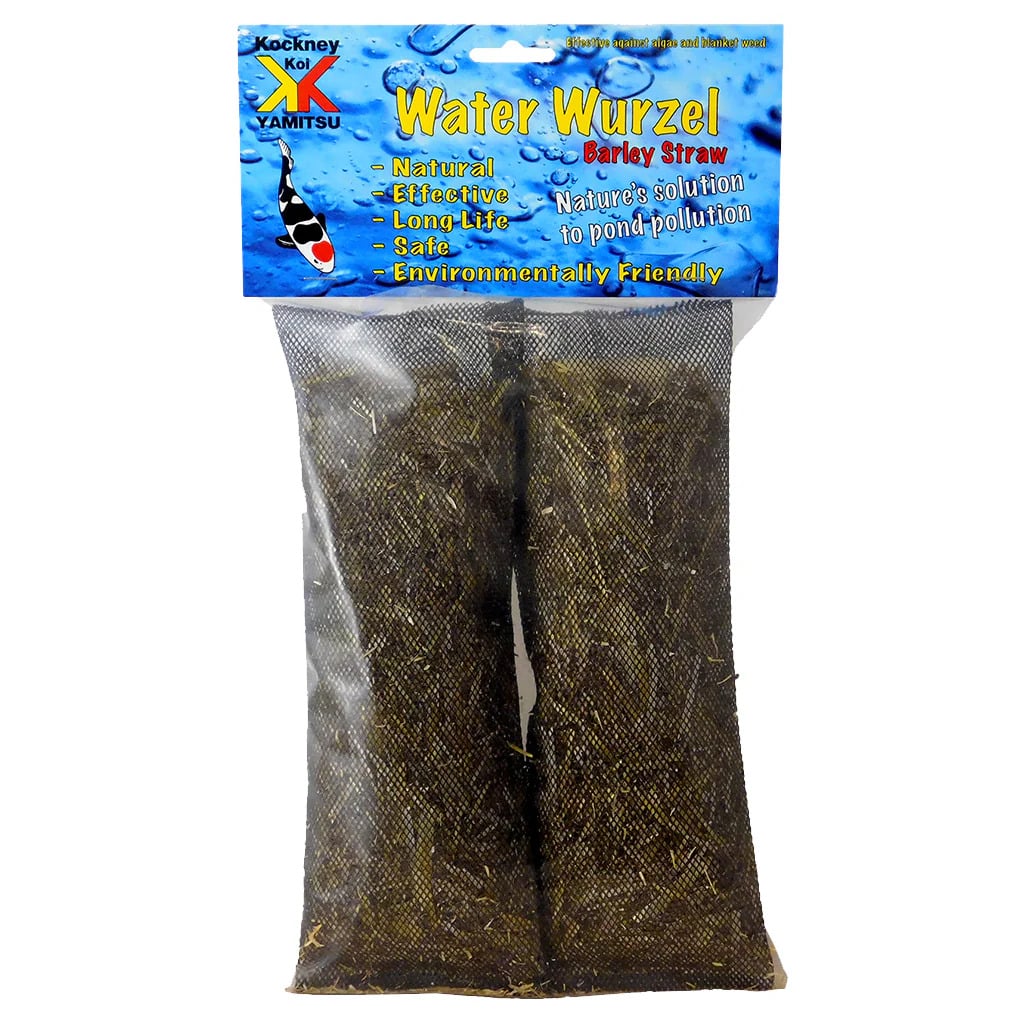
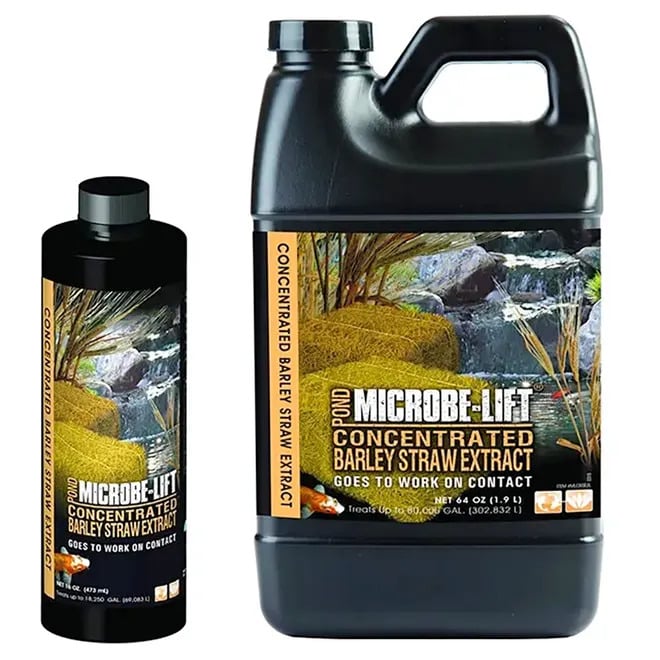
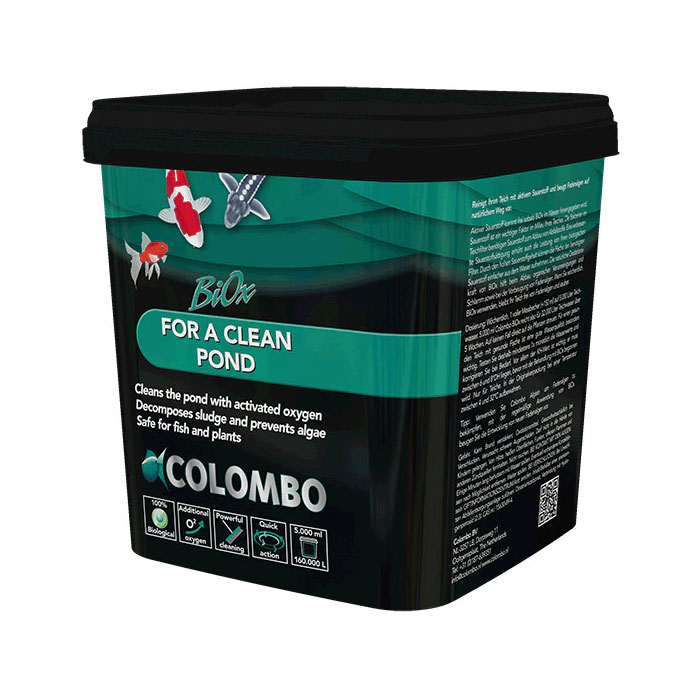
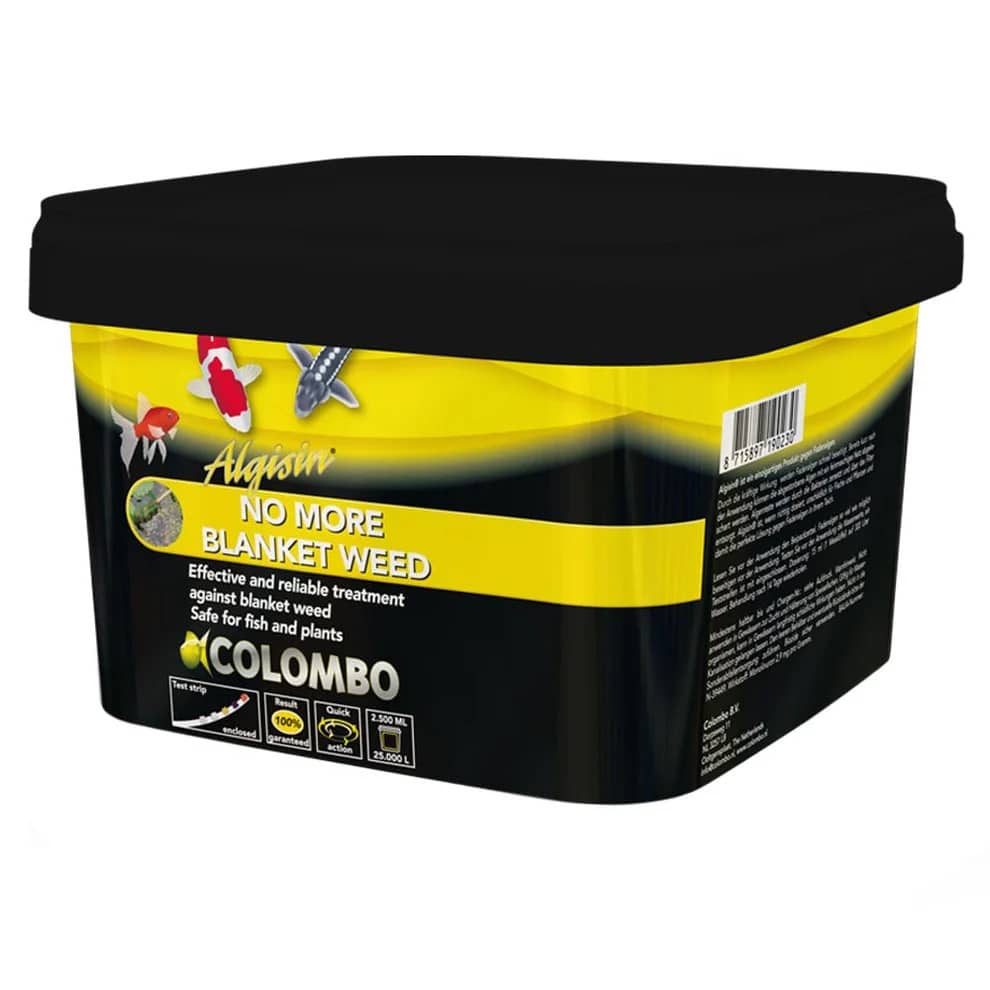
This category includes blanket-weed controls, barley-straw products, green-water treatments and biological waste reducers. Some act directly on algae; others change the conditions that favour it. Remove as much loose growth as practical, maintain strong aeration and measure the pond accurately. Never combine products unless both manufacturers explicitly permit it.
What to check before ordering
- Identify whether the problem is filamentous blanket weed, suspended green water or a surface film.
- Test pH, alkalinity, ammonia, nitrite, nitrate and phosphate where relevant.
- Dose the full pond volume exactly and clear dying material before it decomposes.
Products you can compare in this section
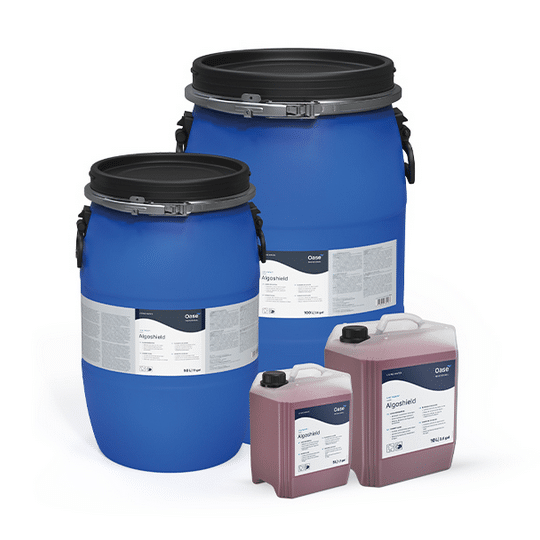
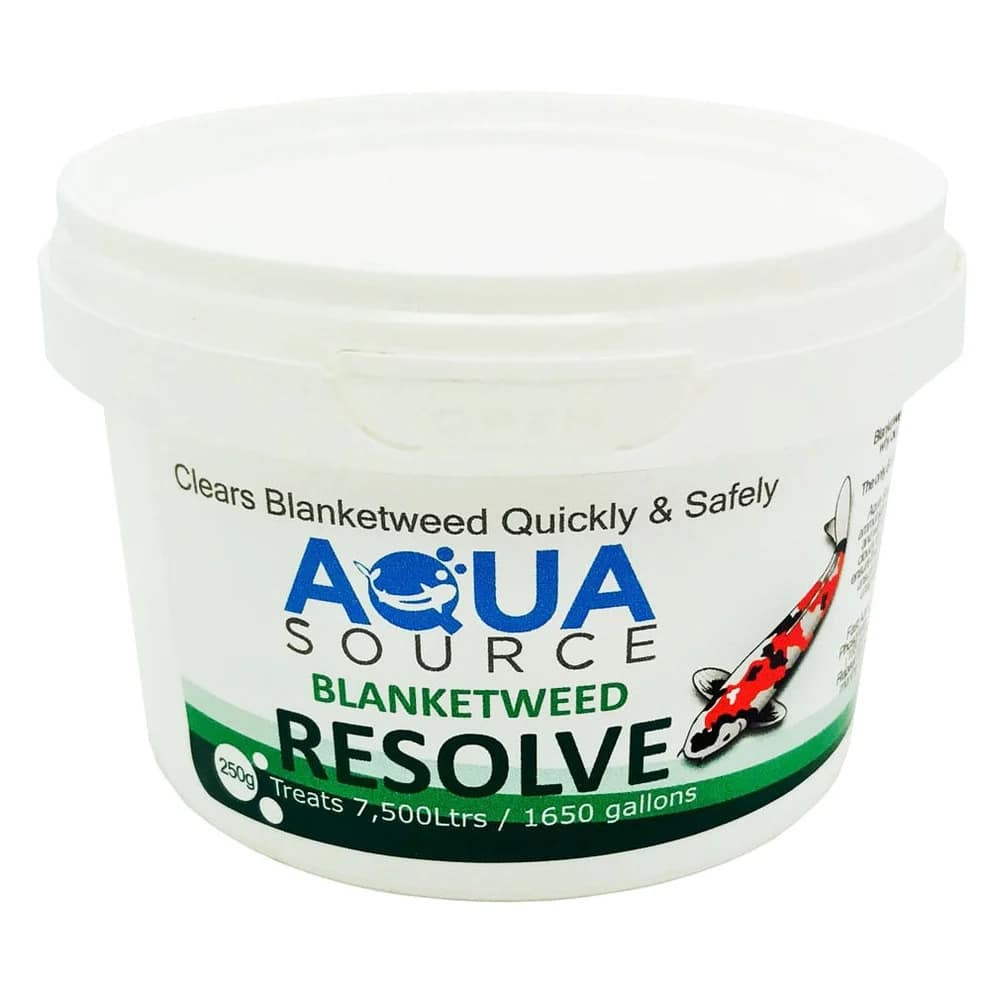
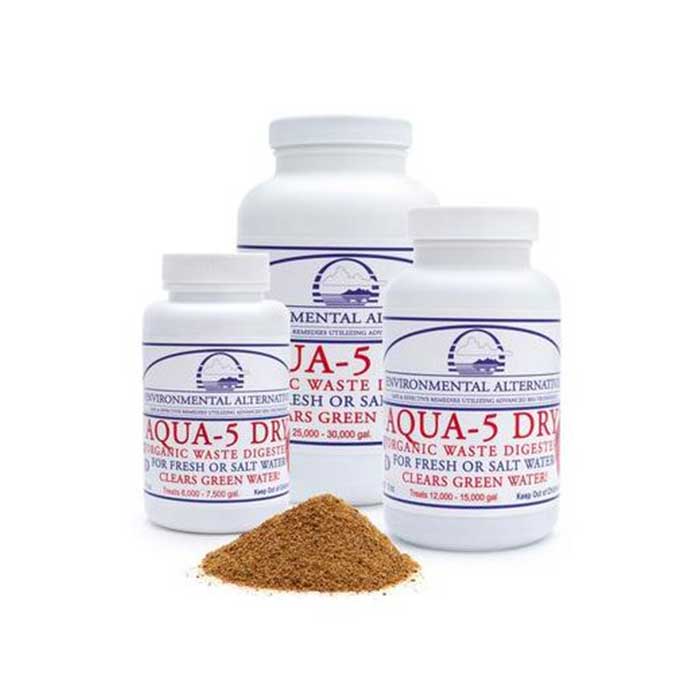
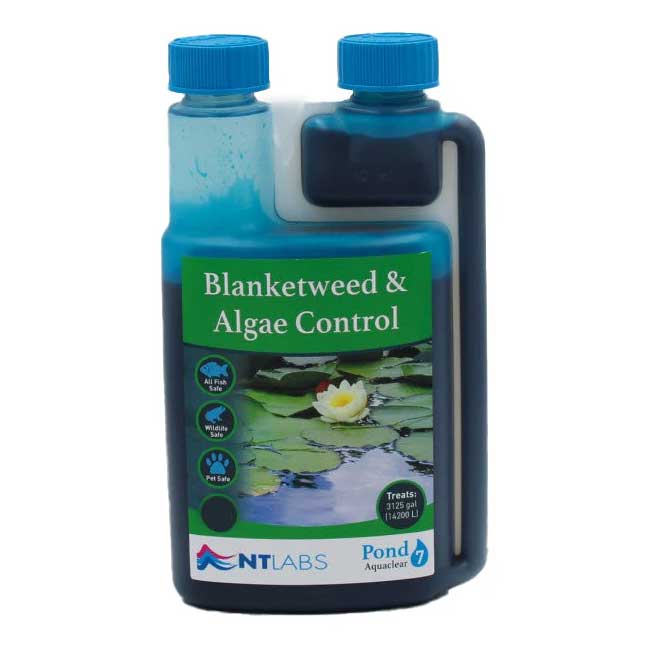
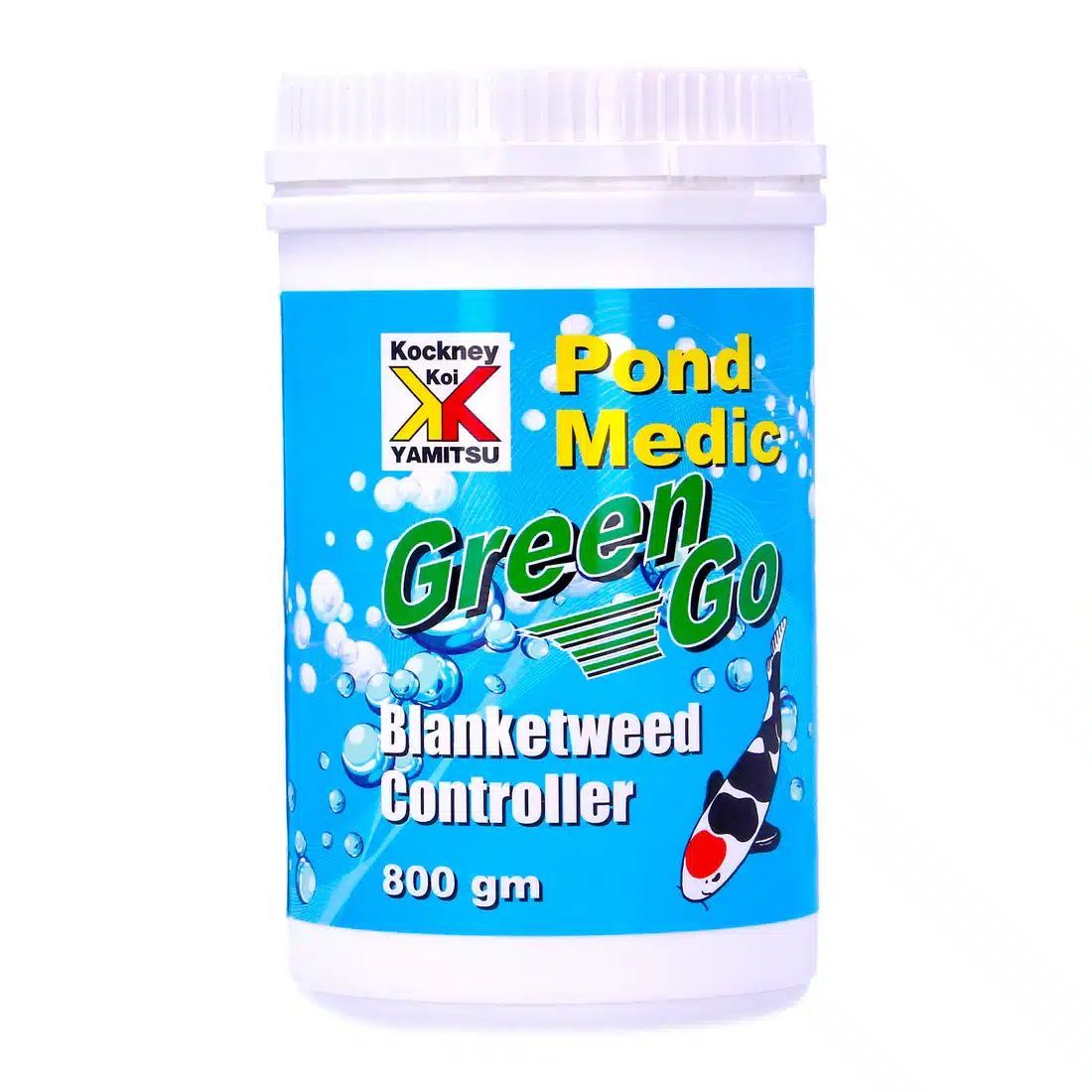
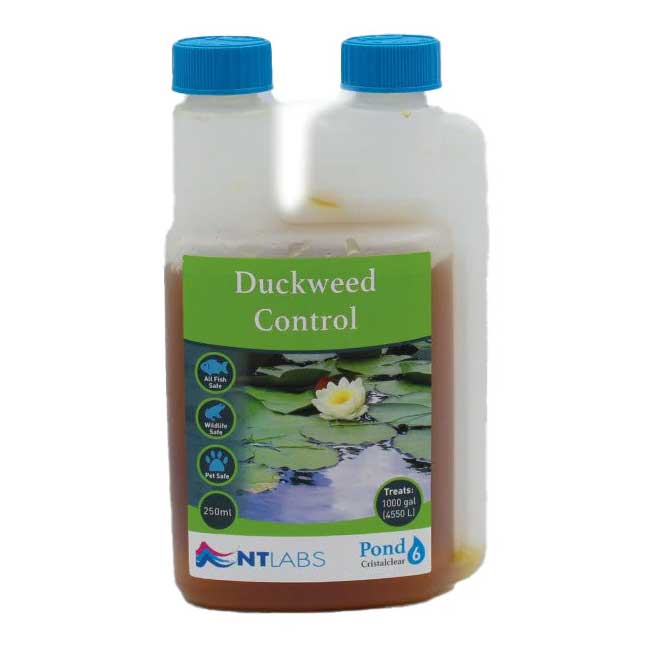
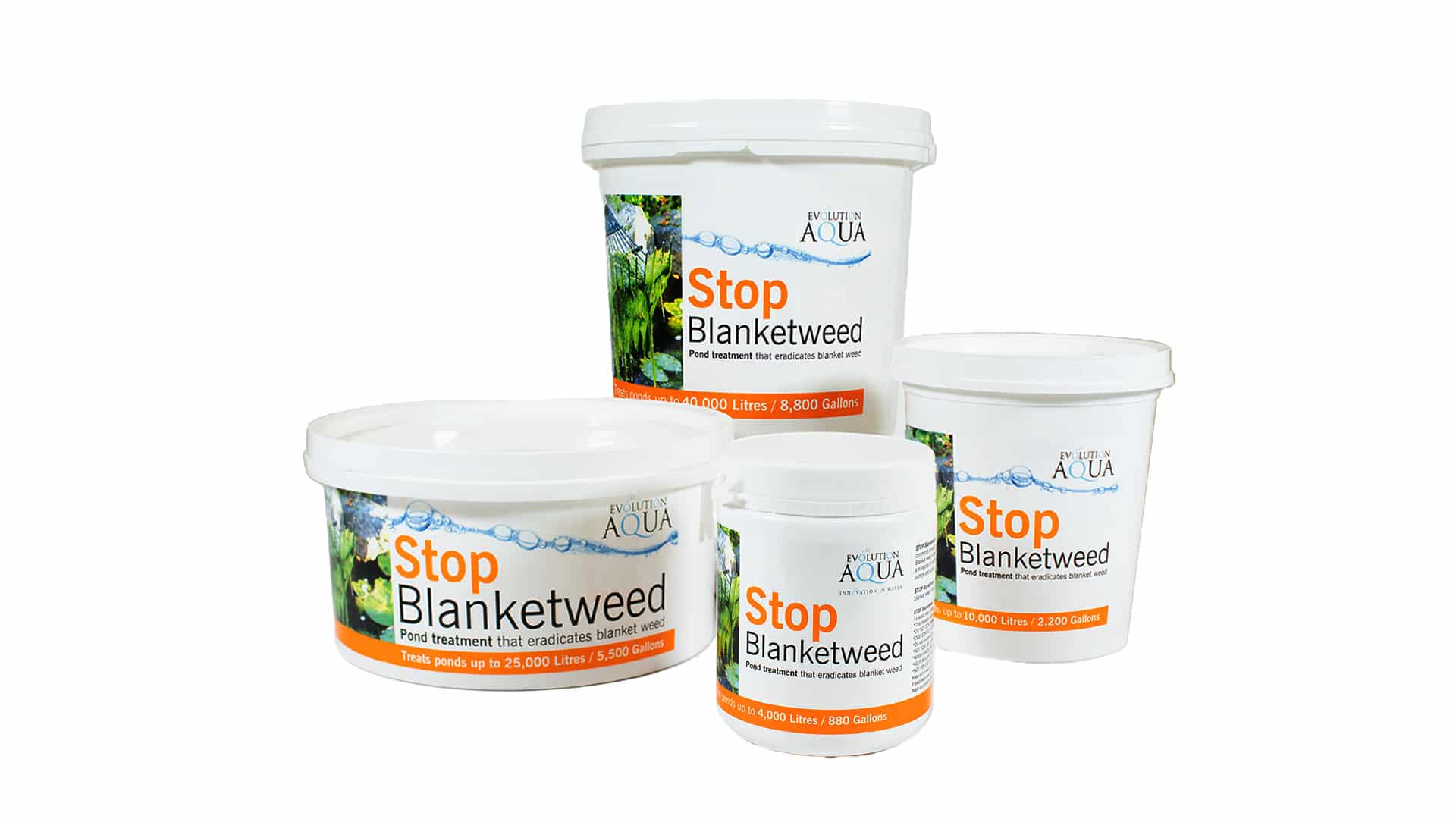
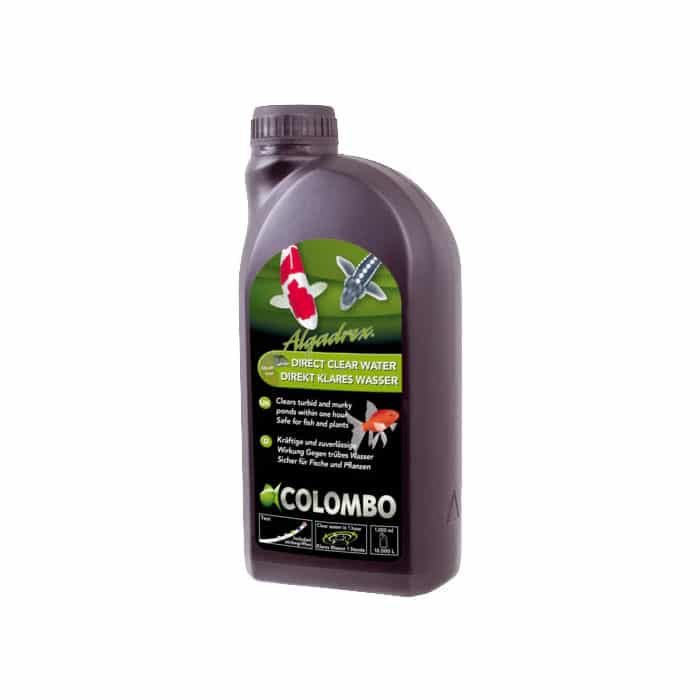
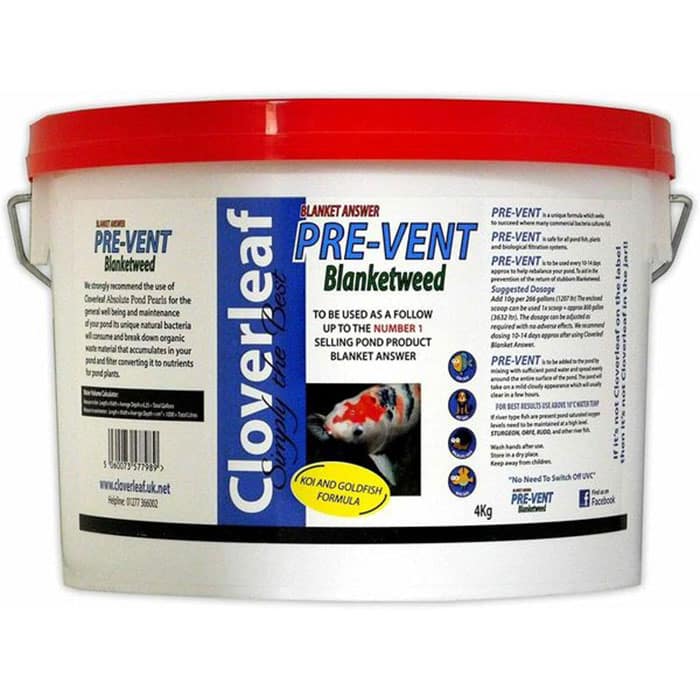
Current examples include Aqua-5 Dry Organic Waste Digester – Clears Green Water, NT Labs Duckweed Control, Evolution Aqua Stop Blanketweed, Aqua Source Blanketweed Resolve and Oase AlgoLon Lake Therapy Water Treatment.
Long-term control usually comes from balanced planting, sensible feeding, maintained filtration and nutrient management. A treatment can reset the pond, but it cannot correct a permanently overloaded system.
Need to compare the wider range? Return to Pond Treatments for the surrounding product family.
Blanket Weed & Algae Treatments Buying and Care Guide
Treating algae changes the pond load
Dead and damaged algae become organic waste. Capture or remove it so nutrients are not simply released back into the water.
Protect oxygen during warm weather
Warm water holds less oxygen while algae and waste breakdown consume it. Observe fish closely and provide additional aeration as required.
Prevent repeated cycles
Manage feeding, runoff, leaves, sludge, filtration and plant competition. Repeated chemical treatment without source control is rarely a complete long-term plan.
Useful pages alongside Blanket Weed & Algae Treatments: All pond treatments · Water clarity and nutrient control · Sludge treatments · Pond cleaning equipment
Blanket Weed & Algae Treatments Frequently Asked Questions
These Blanket Weed & Algae Treatments answers cover recurring pond-care questions. Always follow the label supplied with the exact product.
What is blanket weed?
Blanket weed is filamentous algae that forms strings, clumps or mats attached to pond surfaces and plants.
Is blanket weed the same as green water?
No. Green water is caused mainly by suspended microscopic algae, while blanket weed grows in visible strands or mats.
Should I remove blanket weed by hand?
Careful physical removal can reduce the mass before or after treatment. Avoid damaging wildlife, liners and plants, and follow the product instructions.
Why does blanket weed return?
Available nutrients, sunlight, sediment and warm conditions can remain after the visible growth is removed.
Will a UV clarifier kill blanket weed?
A UV clarifier mainly targets algae passing through the unit and is used for green water. Attached blanket weed does not circulate through it in the same way.
Can algae treatment reduce pond oxygen?
The breakdown of treated algae can increase oxygen demand. Maintain circulation, add aeration where necessary and remove dead material.
Are algae treatments safe for wildlife ponds?
Suitability varies. Check the label for fish, plants, amphibians, snails and other invertebrates, and consider physical and nutrient-control options.
Can I repeat the algae dose if growth remains?
Only at the labelled interval and after checking the dose, diagnosis, water conditions and oxygen. Do not redose early.
How accurately must I know the pond volume for Blanket Weed & Algae Treatments?
Dose Blanket Weed & Algae Treatments from the most accurate practical pond volume, allowing for shelves and displacement and following the units on the exact label.
Can I combine Blanket Weed & Algae Treatments with another pond product?
Combine Blanket Weed & Algae Treatments with another product only when the labels or manufacturers expressly confirm compatibility; record what is already in the pond and never improvise a mixture.
Do I need extra aeration while using Blanket Weed & Algae Treatments?
Follow the Blanket Weed & Algae Treatments label. Extra aeration is a sensible precaution where fish, warm water, biological activity or waste breakdown may increase oxygen demand.
How should I store and dispose of Blanket Weed & Algae Treatments?
Keep Blanket Weed & Algae Treatments products in their original labelled containers and follow storage, expiry and disposal instructions; never release unwanted treatment into natural water or drains.