






Bottom Drains for Koi Ponds and Gravity Fed Filtration Systems
A properly installed bottom drain is the foundation of any high performance koi pond filtration system. Designed to remove heavy waste and debris directly from the lowest point of the pond, bottom drains dramatically improve water quality, reduce maintenance, and protect expensive filtration equipment such as drum filters and moving bed systems.
In a well designed pond build, the floor is gently sloped towards the drain, allowing fish waste, uneaten food, and sinking debris to be carried away efficiently. Instead of allowing solids to break down in the pond and create ammonia spikes, they are transported straight to your mechanical filter where they can be removed before polluting the water.
For koi ponds, bottom drains are not a luxury. They are an essential component. Without one, debris settles, water clarity suffers, and the workload on pumps and filters increases. Whether you are building a new fibreglass pond or upgrading an existing liner pond, installing a quality bottom drain will significantly improve long term performance and ease of maintenance.
Bottom drains are typically connected via 110mm pipework to a gravity fed drum filter, sieve, or settlement chamber. In gravity systems, water flows naturally from the pond into the filter at pond level, allowing solid waste to be removed before it reaches the pump. This is the most efficient and professional way to run a koi pond.
There are several types available, including aerated bottom drains with integrated air domes. These models not only remove waste but also improve oxygen levels and create upward circulation currents, helping guide debris towards the drain.
If you are planning a new pond build, retrofitting a liner pond to fibreglass, or upgrading to a drum filter system, choosing the correct bottom drain size and configuration is critical. Most koi ponds use 110mm drains to ensure unrestricted flow and maximum waste removal capacity.
Investing in a proper bottom drain system will result in cleaner water, healthier fish, improved filtration efficiency, and less long term maintenance.
Key Benefits
-
Removes heavy waste directly from the pond floor
-
Prevents debris build up and sludge accumulation
-
Improves overall water clarity
-
Reduces strain on pumps and filtration systems
-
Essential for gravity fed drum filter installations
-
Supports stable water parameters
-
Aerated models increase oxygen levels and circulation
-
Ideal for koi ponds and heavily stocked fish ponds
Technical Specifications
-
Standard outlet size: 110mm
-
Suitable for gravity fed filtration systems
-
Compatible with drum filters, sieves and settlement chambers
-
Available in aerated and non aerated versions
-
Designed for liner and fibreglass pond installations
-
High strength ABS or pressure moulded construction
-
Dome cover to prevent fish entry


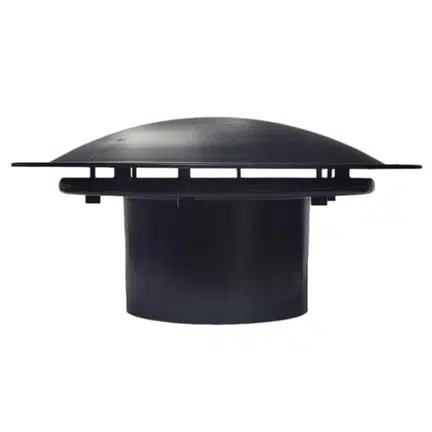


Products in the Current Bottom Drain Range
The Bottom Drain products on this page link directly to their current specifications, variations and prices. If the right option is unclear, tell us what you already own and what you need the new item to do.
- 1.5 Inch Tommy Drain
- 110mm Tommy Drain
- 4 Inch Socket To 110mm Plain Male Converter
- 50mm Bottom drain with Ring Aerator
- Aqua Source Aquadrift 4″ Aerated Bottom Drain
- Aqua Source Aquadrift Liner Flange Kit
- Aqua Source Economy 110mm Bottom Drain
- Aqua Source Stainless Steel Air Dome Diffuser – 12.5mm / 1/2″ Hose
- Complete 110mm Bottom Drain with Aerated lid
- Complete Bottom Drain with Aeration lid & 25mm
- Economy Bottom Drains for Ponds
- Free Standing Bottom Aeration Dome
- Pro-Line Aqua 4″ Aerated Bottom Drain
- Retro Fit Bottom Drain With Aerator
- Spindrifter 4 inch Pressure Bottom Drain for Concrete Ponds
- Supa Tuff Bottom Drain Lid Retro Fit
- Super Aerator 340mm Diffuser For Bottom Drain
- Tornado AirStorm Aerated Drain 110mm with 40mm Air Feed
- Tornado AirStorm Aerated Drain 4 Inch Pressure with 1 Inch Air Feed
Bottom Drain FAQs – Expert Advice for Koi Pond Builds
Choosing the right bottom drain is one of the most important decisions when building or upgrading a koi pond. Below are the most frequently asked questions we receive about pond bottom drains, gravity fed filtration systems, and aerated models.
If you’re planning a full filtration upgrade, you may also want to explore our Drum Filter Systems and Air Pumps for Ponds categories to ensure your setup is complete and working efficiently.
1. What does a bottom drain actually do in a koi pond?
A bottom drain removes heavy waste and debris directly from the lowest point of the pond. Fish waste, uneaten food and sinking particles are pulled into the drain and transported to your mechanical filter. This prevents sludge build up and significantly improves overall water quality.
2. Do I really need a bottom drain for a koi pond?
For lightly stocked ornamental ponds, it may be possible to run without one. However, for koi ponds or heavily stocked systems, a bottom drain is strongly recommended. It keeps the pond floor clean, reduces ammonia spikes caused by decomposing waste, and improves long-term filtration efficiency.
3. What is the difference between a standard and an aerated bottom drain?
A standard bottom drain focuses purely on waste removal.
An aerated bottom drain includes an integrated air diffuser on top of the dome. This creates a vertical column of bubbles that:
-
Increases dissolved oxygen levels
-
Improves water circulation
-
Helps guide debris towards the drain
-
Supports healthier koi
Aerated models are especially popular in modern drum filter systems.
4. What size pipework should a bottom drain use?
Most koi pond bottom drains use 110mm pipework. This size allows high flow rates with minimal restriction and is ideal for gravity fed filtration systems. Smaller pipe sizes may restrict flow and reduce efficiency.
5. Are bottom drains only suitable for gravity fed systems?
Bottom drains are primarily designed for gravity fed setups, where water flows naturally from the pond into a drum filter, sieve or settlement chamber before reaching the pump.
However, retrofit options are available for pump-fed systems where installing traditional gravity pipework is not possible.
6. Does the pond floor need to slope towards the drain?
Yes, a gentle slope is highly recommended. A correctly shaped pond base allows debris to naturally migrate towards the drain rather than collecting in corners or dead spots. Even a subtle fall towards the centre makes a big difference.
7. Can koi get stuck in a bottom drain?
No. Quality bottom drains are fitted with protective domes that prevent fish from entering the pipework. When installed correctly and paired with appropriate flow rates, they are completely safe for koi.
8. How does an aerated bottom drain connect to an air pump?
Aerated drains have a separate air inlet connection. This airline runs to an external air pump located outside the pond. The air supply is independent from the water pipe, allowing continuous aeration without affecting waste removal.
9. What filtration should a bottom drain connect to?
For best results, bottom drains should feed into mechanical filtration before the pump. Common options include:
-
Drum filters (automatic waste removal)
-
Sieve filters
-
Settlement chambers
Modern koi ponds typically use gravity fed drum filters for maximum efficiency and minimal maintenance.
10. What are the most common mistakes when installing a bottom drain?
Common installation errors include:
-
Not sloping the pond floor correctly
-
Using undersized or restrictive pipework
-
Poor solvent welding or bad pipe joins
-
Incorrect filter bay height levels
-
Inadequate planning for future maintenance
Proper planning during the build stage is essential for long-term performance.
If you’re unsure which bottom drain is right for your pond build, we can help you choose the correct size and configuration to match your filtration system and stocking level.
