






Air Pump Accessories for Pond Aeration Systems
Airline, manifolds, air stones, diffusers, connectors and service kits for pond air pumps
Air pump accessories are essential for building a reliable pond aeration system. The correct air pump is important, but performance also depends on the airline size, diffuser type, manifold layout and service parts used with the pump.
This category includes sinking airline, heavy duty airline, air stones, diffuser discs, manifolds, rubber connectors and Charles Austen service kits. These products are used to connect air pumps to ponds, koi filters, quarantine tanks, fish holding vats, lake diffusers and temporary aeration systems.
Choosing the right airline
Small air stones and short runs may use 4mm airline, but larger pond air pumps normally work better with 8mm or 10mm airline. Larger internal diameter airline reduces restriction, especially where the pump is feeding diffuser stations, long runs or deeper water.
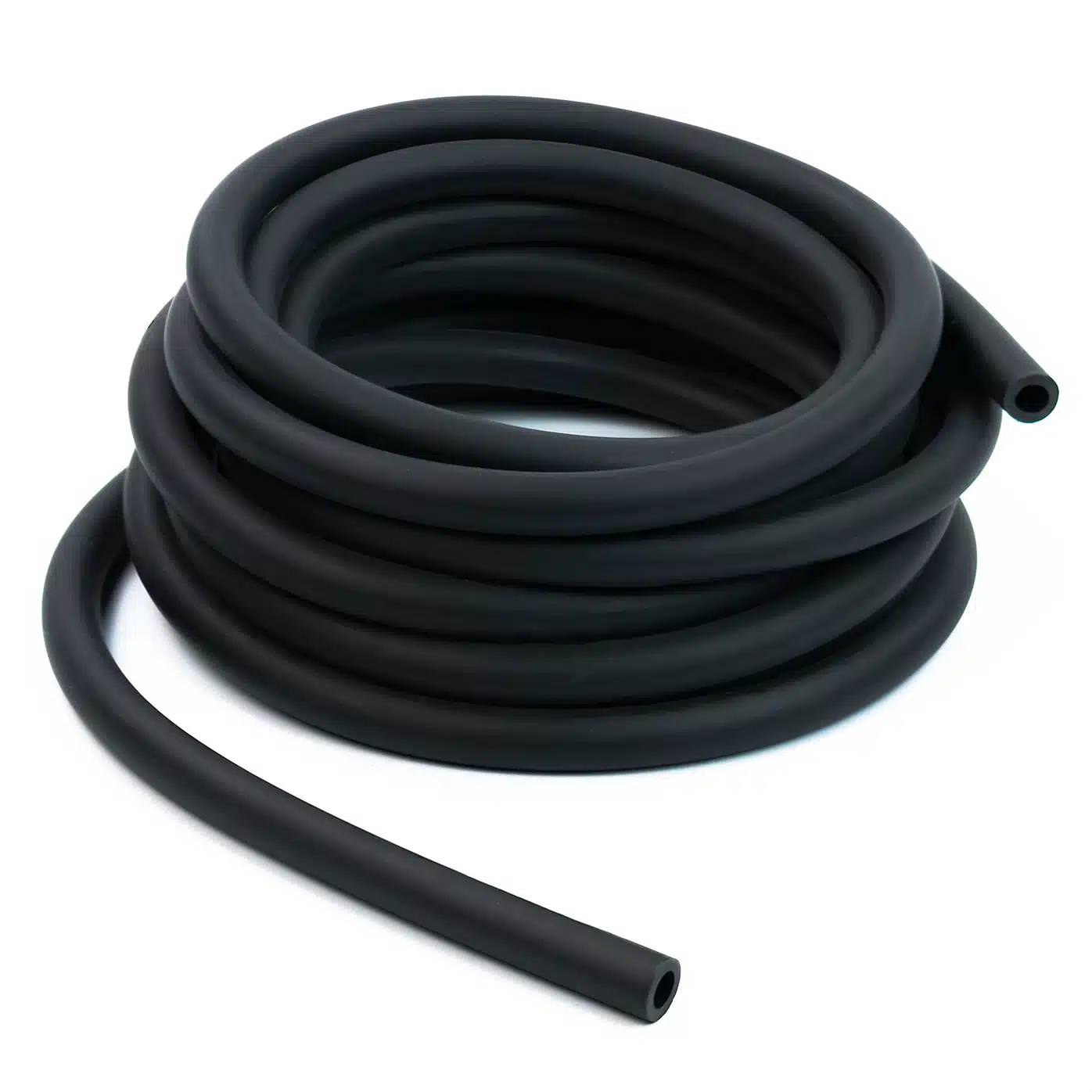
- 4mm/8mm Standard Sinking Airline for general pond aeration and smaller to medium air runs.
- Evolution Aqua Heavy Duty Sinking Airline for longer runs, larger pumps and tougher pond installations.
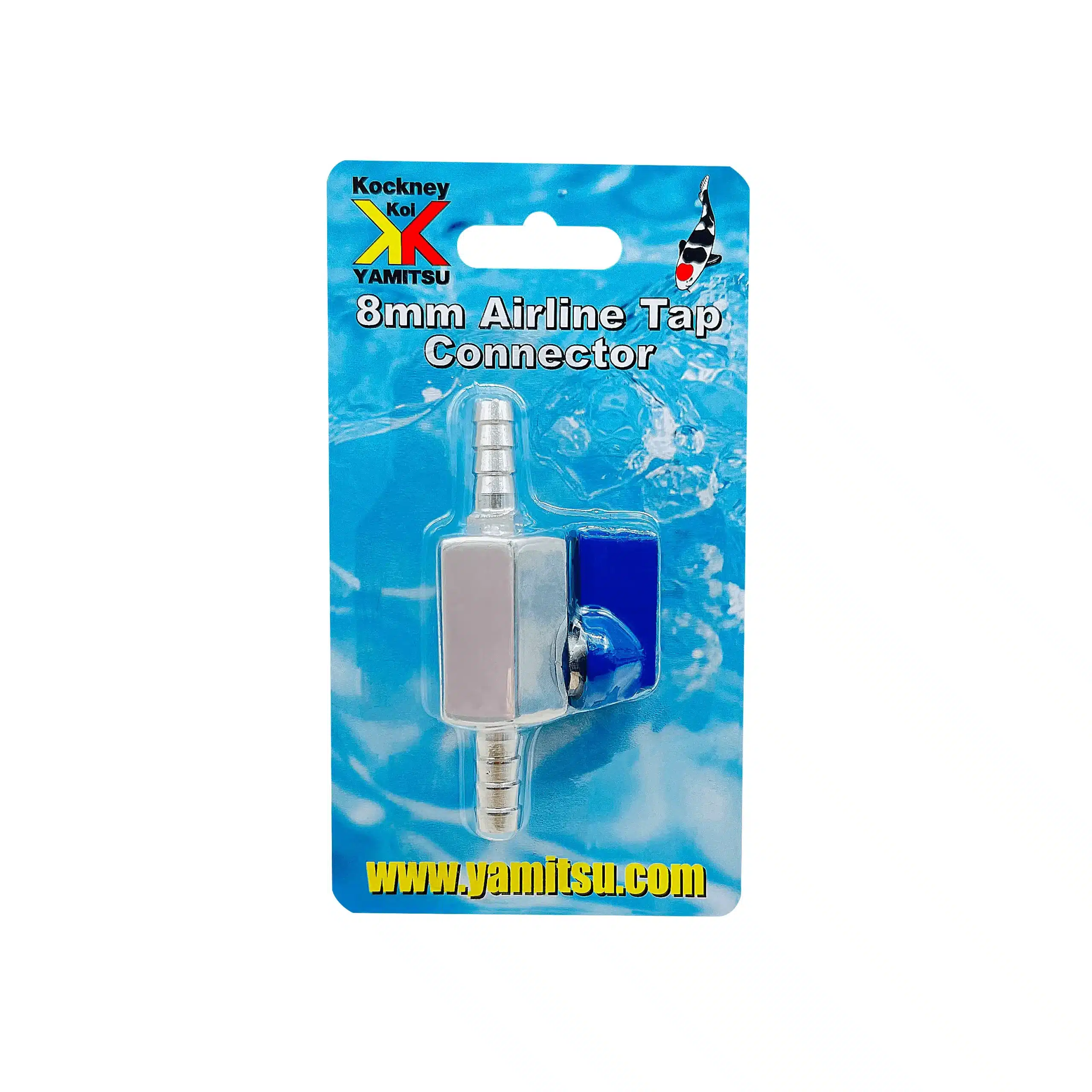
- Air Pump Rubber Connector for connecting compatible pumps, manifolds and airline systems.
Splitting airflow with manifolds
Air manifolds allow one air pump to feed more than one airline or diffuser. This is useful when aerating multiple areas of a pond, running several air stones or balancing air between diffuser stations.
- Air Manifold 4mm/8mm/10mm 2 Way for two airline runs.
- Air Manifold 4mm/8mm/10mm 4 Way for up to four airline runs.
- For Charles Austen pond air pumps, the 8mm or 10mm manifold options are usually the best choice. The 4mm option is better for short, small air stone runs.
Air stones and diffusers
Air stones and diffuser discs release air into the water to help increase oxygen and movement. Ceramic air stones are useful for tanks, vats, quarantine systems and smaller ponds. Larger ponds and lakes are usually better matched with diffuser stations.
- Ceramic Air Stones for fine bubble aeration in ponds, vats and tanks.
- Ceramic Flat Air Discs for pond oxygenation and fine bubble aeration.
- Large Pond and Lake Air Diffusers for bigger ponds, lakes, fisheries and aquaculture systems.
Charles Austen service kits
Many Charles Austen Enviro air pumps should be serviced regularly to maintain airflow and protect the pump. View the Charles Austen Air Pump Service Kit page to choose the correct kit by model, including ET, ETA, ETAO and ETD service kits.
Useful links
- Pond air pumps
- Charles Austen products
- Charles Austen ET Series
- Charles Austen ETX ECO Series
- Charles Austen CP battery backup pumps
- Large pond and lake diffuser stations
Need help matching parts?
If you are unsure which airline, manifold or diffuser to use, contact us with your pump model, pond size, depth and approximate airline run. We can help match the correct accessories to your pond aeration system.
Price range: £1.99 through £2.99 (inc VAT)
Price range: £44.99 through £50.99 (inc VAT)
Price range: £11.99 through £21.99 (inc VAT)
Price range: £13.95 through £39.95 (inc VAT)




Air Pump Accessories FAQs
What air pump accessories do I need for a pond?
Most pond air pump installations need airline, air stones or diffuser stations, and sometimes an air manifold if the pump is being split across more than one air outlet. Larger ponds may also need heavy duty sinking airline, weighted diffuser stations and larger 8mm or 10mm connections to reduce airflow restriction.
What size airline should I use for my pond air pump?
Small air pumps and short air stone runs can often use 4mm airline. For larger pond air pumps, diffuser stations, deeper ponds or longer runs, 8mm or 10mm airline is normally the better choice. A larger internal diameter helps the pump move air more easily and reduces unnecessary back pressure.
Is 4mm airline suitable for Charles Austen air pumps?
4mm airline can be used on small air stone setups, but it is not usually the best choice for larger Charles Austen air pumps. For most Charles Austen ET, ETA, ETAO, ETD and ETX pond installations, 8mm or 10mm airline is normally more suitable, especially when feeding larger diffusers or multiple air outlets.
What is the difference between standard sinking airline and heavy duty sinking airline?
Standard sinking airline is a practical choice for general pond aeration and smaller to medium installations. Heavy duty sinking airline is stronger and better suited to larger ponds, longer airline runs, commercial setups, deeper water and higher output air pumps. If you are using a larger Charles Austen air pump, heavy duty 8mm or 10mm airline is usually the better option.
Do I need sinking airline for my pond?
Sinking airline is usually the neatest and most reliable option for pond aeration. It naturally sits along the pond base instead of floating across the water surface. This makes the installation tidier, safer and less visible, especially when running air to diffuser stations in larger ponds.
Can I use normal clear airline in a pond?
Normal clear airline can be used for some small air stone installations, but it often floats and can become untidy in a pond. For most pond aeration systems, sinking airline is the better choice because it stays in place under the water.
What does an air manifold do?
An air manifold allows one air pump to feed multiple airline runs. This is useful if you want to run two or more air stones, diffuser discs or diffuser stations from a single pump. A manifold also helps you balance airflow between different areas of the pond.
Should I use a two way or four way air manifold?
Use a two way air manifold if you are splitting one air pump into two airline runs. Use a four way air manifold if you want to run up to four outlets from one pump. Larger air pumps are better suited to multiple outlets because they have enough airflow to share across several diffusers.
Can I close unused taps on an air manifold?
Yes, unused taps can normally be closed, but you should avoid creating too much back pressure on the air pump. If the pump sounds strained, runs hot or airflow is heavily restricted, open additional outlets or use a larger diffuser setup.
What are air stones used for?
Air stones release bubbles into the water to improve oxygen levels and water movement. They are useful in ponds, quarantine tanks, fish holding vats, filter chambers and temporary aeration setups. Small air stones are best for smaller pumps and shorter airline runs.
What is the difference between an air stone and a diffuser station?
Air stones are smaller and are normally used in ponds, tanks, vats and filters. Diffuser stations are larger, heavier and designed for larger ponds, lakes and deeper water. A diffuser station spreads air through a larger diffuser disc and is usually the better choice for serious pond or lake aeration.
How much air does a diffuser disc need?
As a practical guide, each 10 inch diffuser disc normally works best with around 40 to 50 litres per minute of air. Some diffuser discs can work outside this range, but matching the air pump output correctly helps keep the airflow even, efficient and reliable.
How many diffuser discs do I need for my air pump?
Divide the pump output by roughly 40 to 50 litres per minute per 10 inch diffuser disc. For example, a 120 litre per minute air pump is usually well matched to around two or three diffuser discs, depending on pond depth, airline length and the amount of airflow you want in each area.
Can one air pump run more than one diffuser?
Yes, one air pump can run multiple diffusers if it has enough airflow. You will usually need an air manifold to split the air between the diffuser runs. Larger air pumps are often used with two or four diffuser stations in bigger ponds and lakes.
Can I put too much air into a pond?
It is unusual to cause problems with extra aeration in a normal pond, but airflow should still be sensible and well distributed. Very strong aeration in a small pond can disturb fish, plants or sediment. In koi ponds, wildlife ponds and lakes, the aim is usually steady oxygenation and circulation rather than violent boiling water everywhere.
Where should I place air stones or diffusers in a pond?
Air stones and diffusers are usually placed in deeper areas where rising bubbles can move the most water. In larger ponds, it is often better to spread diffusers across different zones rather than placing everything in one corner. Avoid placing diffusers directly under delicate plants or somewhere they will constantly stir up heavy silt.
Should my air pump be above the water level?
Where possible, an air pump should be installed above the water level. This helps reduce the risk of water travelling back down the airline into the pump. If the pump is installed below water level, a suitable non return valve should be used, and the installation should be checked carefully.
Do I need a non return valve on my pond air pump?
A non return valve is a good safety measure, especially if the air pump is installed below the pond water level or close to the waterline. It helps stop water travelling backwards through the airline if the pump is switched off.
Can airline length affect air pump performance?
Yes, long airline runs can reduce performance, especially if the airline is too narrow. Longer runs should use larger diameter airline where possible. For bigger pumps, deeper water and larger diffuser stations, 8mm or 10mm airline is normally a better choice than 4mm airline.
Why is my air pump not producing enough bubbles?
Low airflow can be caused by blocked air stones, restricted airline, a kink in the pipe, too much back pressure, a blocked pump filter or worn diaphragms. Check the airline and diffusers first. If the pump is older, it may need a service kit.
How often should air stones be cleaned or replaced?
Air stones can gradually block with mineral deposits, algae and pond debris. They should be checked regularly and cleaned or replaced when the bubbles become weak or uneven. In hard water areas, they may need attention more often.
How often should a Charles Austen air pump be serviced?
Charles Austen Enviro air pumps should usually be serviced regularly to keep the pump working properly and protect performance. For many pond and wastewater installations, an annual service is a sensible routine. This normally involves replacing wear parts such as diaphragms and filters using the correct Charles Austen service kit.
Which Charles Austen service kit do I need?
Choose the service kit that matches the pump model. For example, ET60 needs an ET60 service kit, ET150 needs an ET150 service kit, and ETD150 needs an ETD150 service kit. If your pump is an A or AO alarm version, choose the kit based on the main pump size, such as ET150A or ET150AO using the ET150 service kit.
Are Charles Austen A and AO pumps serviced with the same kits as standard ET pumps?
In most cases, the service kit is matched to the pump size rather than whether the pump is a standard, A or AO version. For example, ET120, ET120A and ET120AO would use the ET120 service kit. Always check the exact pump model before ordering.
Can I use a pond air pump for a septic tank or sewage treatment plant?
Some pond air pumps, especially Charles Austen Enviro models, are also widely used on septic tanks and sewage treatment plants. However, it is important to match the correct flow rate and pressure to the system. A and AO models are often used in wastewater applications because they include alarm features.
Can I use septic tank air pump accessories on a pond?
Many airline, manifolds and service kits can be used across both pond and wastewater applications, but the diffuser type may differ. Pond and lake diffusers are designed to release air into open water, while wastewater systems may use different diffuser arrangements inside treatment chambers.
Are CP battery backup air pumps suitable for normal pond aeration?
Charles Austen CP battery backup pumps are useful for emergency aeration, fish transport, quarantine tanks, holding vats and temporary setups. They are not usually the best choice as the main permanent air pump for a large pond. For continuous pond aeration, a mains powered ET, ETA, ETAO or ETX air pump is normally a better choice.
Can a wave maker replace an air pump?
No, a wave maker and an air pump do different jobs. A wave maker moves water and improves circulation, but it does not push air through stones or diffuser stations. An air pump is still the better choice when the aim is direct oxygenation through bubbles.
What accessories do I need for a quarantine tank or holding vat?
A quarantine tank or holding vat usually needs an air pump, 4mm or 8mm airline, one or more air stones, and sometimes a non return valve. For temporary fish holding, battery backup air pumps can also be useful in case of a power cut.
What accessories do I need for a large pond or lake aeration setup?
A large pond or lake setup normally needs a suitable high output air pump, heavy duty sinking airline, one or more weighted diffuser stations, and a manifold if the pump is feeding multiple areas. Larger systems should be sized around pond depth, shape, airline length and diffuser quantity.
Can I leave my pond air pump running all year?
Yes, many pond air pumps are designed for continuous running. Keeping aeration running helps support oxygen levels, fish health and biological filtration. In winter, some pond owners move air stones slightly shallower to avoid mixing the coldest water at the bottom of deeper ponds.
Do air pump accessories affect running costs?
The accessories themselves do not use electricity, but poor accessory choices can make the air pump work harder. Narrow airline, blocked air stones or too much back pressure can reduce efficiency and shorten pump life. Correctly sized airline and diffusers help the pump run more effectively.
Can you help me choose the right air pump accessories?
Yes. If you are unsure what you need, contact us with your air pump model, pond size, pond depth, approximate airline length and what you want to run. We can help match the correct airline, manifold, air stones or diffuser stations to your setup.
