





In-line Heaters
Direct electric pond heaters for controlled in-line water heating
An in-line heater is installed in the circulating water path and converts electrical input directly into heat. It offers straightforward, responsive control where the available electrical supply and expected running cost suit the required duty.
Size from heat loss and required temperature rise, then check power, voltage, phase, flow range, pressure, wetted materials, connections, thermostat accuracy, flow switch and thermal cut-out. Never select from pond volume alone.
Match electrical power to heat loss and hydraulic protection
- Calculate the required heating duty.
- Confirm voltage, phase and dedicated supply.
- Match flow range and pressure.
- Check fresh, salt or treated-water materials.
- Use flow and overheat safety devices exactly as designed.
Our practical view: An in-line electric heater gives predictable heat, but it can also be costly to run and demanding electrically. We size wattage, flow and control from the pond or aquarium’s real heat loss and installation, not from the heater title alone.


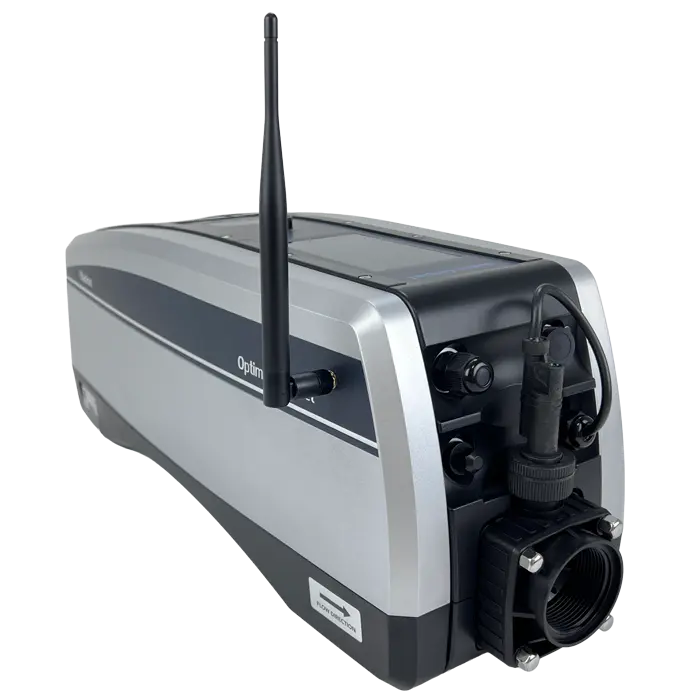


Choosing the right product from the In-line Heaters range
In-line heaters warm water as it is pumped through a stainless or compatible chamber. This section includes pond heaters and aquarium-capable units with different wattages, connection sizes and thermostatic controls. The heater must remain full of moving water, be installed in the stated orientation and be interlocked or protected against dry running. A qualified electrician should confirm the circuit, protective device and earthing.
What to check before ordering
- Calculate the heat required to maintain the target temperature in winter conditions.
- Confirm minimum and maximum flow, connection size and permitted water type.
- Install after suitable filtration where debris cannot collect in the chamber.
Products you can compare in this section
Current examples include AquaForte Profi Heater 3kW, Elecro Cygnet EVO2 Aquatic Heater 8kW (Digital), Elecro Cygnet EVO2 Aquatic Heater 1kW (Digital), Elecro Cygnet EVO2 Aquatic Heater 2kW (Analogue) and Elecro Nano Cygnet 3KW.
For large ponds, insulation and a cover often save more running cost than adding wattage. For smaller aquaria, tight temperature control and material compatibility may matter more than raw output.
Need to compare the wider range? Return to Pond Heating for the surrounding product family.
In-line Heaters Selection and Installation Guide
Every kilowatt adds load to the electrical design
Confirm supply capacity, cable, isolation and protective devices before purchase, especially for higher-power or three-phase units.
No flow can rapidly damage a heater
Correct orientation, air removal and working flow switches are essential; never defeat an interlock to keep the heater on.
Insulation reduces operating cost
Covers, insulated pipework and reduced wind exposure can lower the heat that the in-line heater must replace.
Useful pages alongside In-line Heaters: Pond heating · Air-source heat pumps · In-line heaters · Water chillers · Pond pumps · Pond filters · Air pumps
In-line Heaters Frequently Asked Questions
These In-line Heaters answers cover the practical questions we hear most often. Follow the exact manual and use competent installers where the equipment requires them.
What is a pond in-line heater?
It is a direct electric heater installed in circulating pipework so water passes through a heated chamber.
How many kilowatts should an in-line pond heater be?
Use a heat-loss calculation including target temperature, surface area, cover, insulation, wind and cold-weather conditions.
Does an in-line heater need continuous water flow?
It needs the minimum flow and installation arrangement specified by the manufacturer whenever energised.
Can an in-line heater be installed outdoors?
Only with the weather protection, enclosure and siting allowed by the exact product manual.
What materials should I compare?
Check heating element, flow tube, seals and fittings against freshwater, saltwater, treatment chemicals and temperature.
Can I use flexible pond hose with an in-line heater?
Only where the approved connectors, temperature, pressure and installation instructions permit it.
What happens if an in-line heater freezes?
Trapped freezing water can cause severe damage, so follow the drain-down and frost-protection instructions.
How do I choose the right In-line Heaters product?
For In-line Heaters, compare water volume, calculated heat gain or loss, target temperature, winter ambient conditions, flow, connections, electrical supply and the manufacturers performance data.
Why does water flow matter for In-line Heaters?
Correct flow through In-line Heaters supports heat transfer and its safety devices; too little, too much or interrupted water can reduce output or trigger a fault.
Can In-line Heaters be sized from pond litres alone?
No. Sizing In-line Heaters also requires surface area, insulation, exposure, ambient temperature, equipment heat and the temperature change being requested.
Does In-line Heaters need professional installation?
Install In-line Heaters using competent plumbing, refrigeration and electrical trades where the exact equipment and current requirements call for them.
What plumbing details should I check for In-line Heaters?
For In-line Heaters plumbing, confirm flow direction, connection size, pressure, bypass arrangement, pump duty, isolation, drainage and material compatibility.
What maintenance does In-line Heaters need?
Maintain In-line Heaters using its model manual for scale or debris control, airflow, sensors, flow switches, frost protection and professional service intervals.
Can I ignore a flow or temperature alarm?
No. If In-line Heaters reports a flow or temperature alarm, stop and identify the cause instead of repeatedly resetting or bypassing a safety device.
What should I check before ordering In-line Heaters?
Before ordering In-line Heaters, record the required duty, water volume, target and winter temperatures, hydraulic flow, electrical supply, available space and controls.
