





Match the filter to your fish, pond and return
A pressure filter keeps water inside a sealed housing, allowing the pump to feed a higher return or waterfall after filtration when the installation stays within the equipment limits. Choose it around the fish and feeding load, the delivered water flow and the route back to the pond.
Compare compact foam filters, including models with UV, with bead filters for larger filtration systems. Check what each listing includes: the pump, UV, blower and connecting pipework can be separate items.
Price range: £199.99 through £269.99 (inc VAT)
Original price was: £825.99.£784.69Current price is: £784.69. (inc VAT)
5% Off
Out of stock


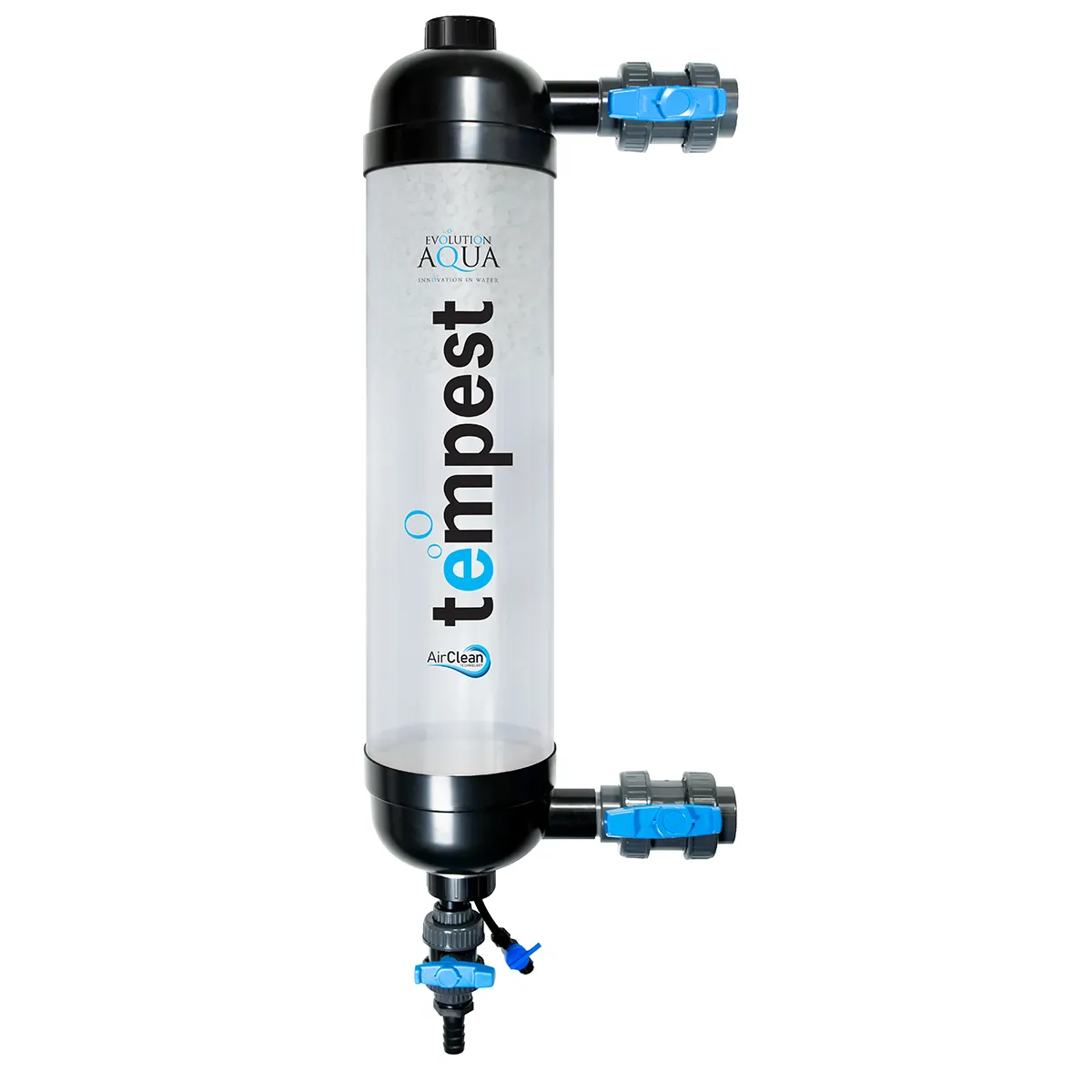


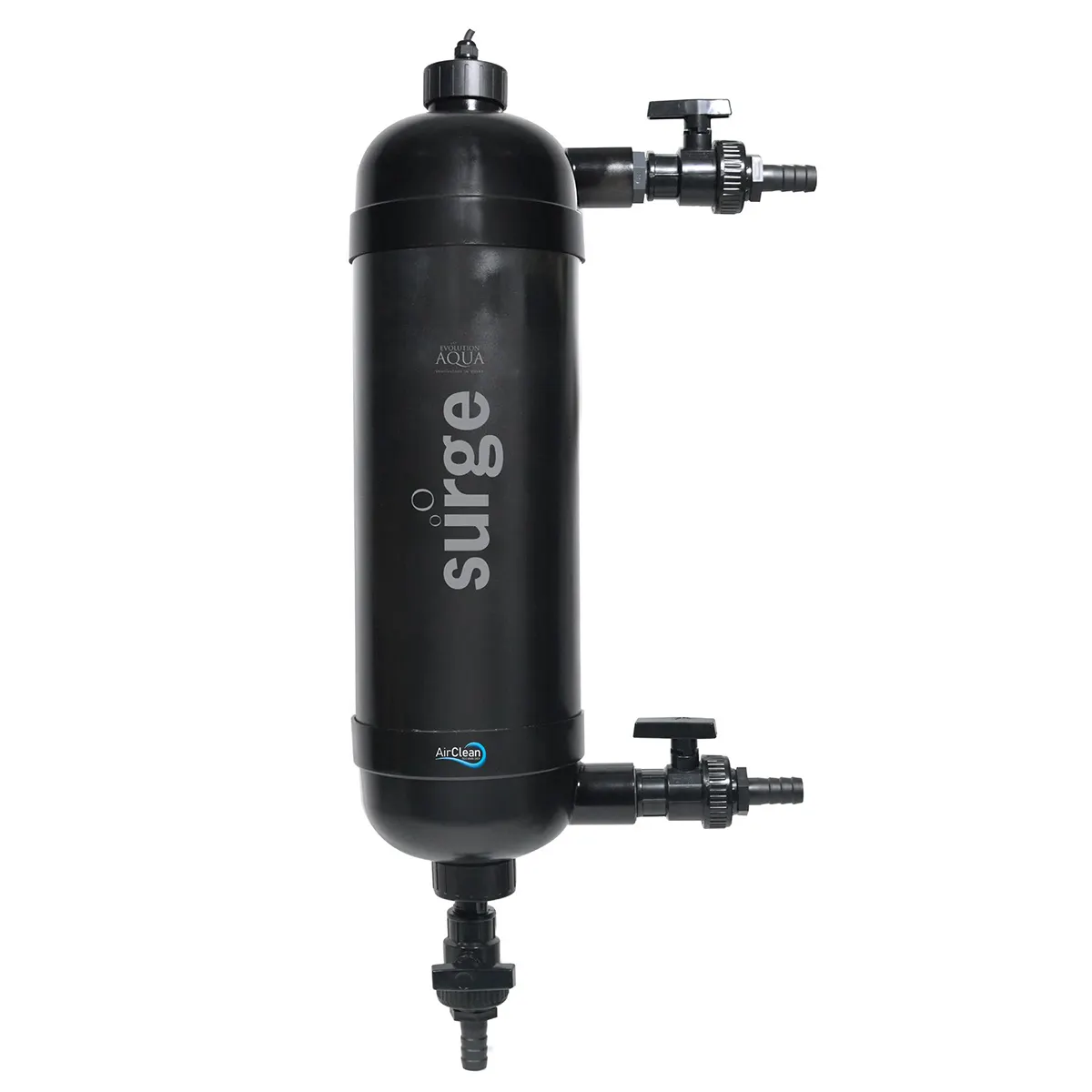


Which pressure-filter layout suits your pond?
| Filter type | Ranges to compare | What to allow for |
|---|---|---|
| Compact foam pressure filters | Oase FiltoClear, PondXpert SpinClean, Oase BioPress and Sicce Green Reset | Fish-load rating, delivered pump flow, UV provision and access to clean the foams. |
| Bead filters | Evolution Aqua K+ Advanced and AquaForte EconoBead | The correct pre-filter, pump duty, cleaning equipment and a practical waste route. |
| Complete bead systems | AquaForte EconoBead systems | Read the package contents and installation requirements for the exact system. |
| Additional polishing stages | Evolution Aqua range | Work out whether the unit is an extra mechanical stage or the main filtration for the pond. |
Use the fish rating, not just the largest number
A maximum pond figure without fish is different from a rating for goldfish or koi. Fish numbers and feeding determine how much waste reaches the filter. Use the appropriate manufacturer guidance, then look at the available biological media, cleaning workload and the rest of the installation.
A filter that needs constant cleaning is a reason to review the whole setup. Heavy debris, a dirty pump cage or restricted pipework can also cause problems. Our pressure-filter guide explains the different stages and layouts.
Match the pump to the installation
The flow printed on a pump is its maximum before losses through lift and pipework. Allow for the height water must be lifted from the pond surface, the hose or pipe bore, fittings and the filter. Pond depth on its own is not the lift. Keep delivered flow and pressure within the limits of the filter and UV.
If you are working out the pump as well, our pond-pump sizing guide covers head height and actual flow. A variable pump can make adjustment easier, provided it is suitable for the system duty.
Decide where the cleaning water will go
Leave room for the cleaning handle or controls, the lid and the waste connection. Blower-assisted bead cleaning needs its own access and the correct valve sequence. Motor-assisted cleaning on a compact filter still needs you to check the waste discharge and filter condition.
Cleaning removes water from the pond, so plan how it will be replaced and prepare chlorinated top-up water appropriately. Follow the exact filter instructions: cleaning methods are not interchangeable between foam, bead and polishing units.
What will UV do for the pond?
UV clarification is for suspended algae that turn water green. It works alongside mechanical filtration, which catches particles, and biological filtration, which processes fish waste. It does not remove blanketweed attached to the pond or establish that ammonia and nitrite are suitable for fish.
Some pressure filters have UV built in; other systems need a separate unit. Use the lamp service interval for the exact model and keep the quartz sleeve clean. There is more advice in our UV clarifier guide and blanketweed guide.
Can the filter be hidden or partially buried?
Only to the level allowed for that model. Keep the lid, controls, electrics and waste route accessible, and support the unit as instructed. Check the permitted return height and pressure rather than assuming any sealed filter can feed any waterfall.
What if the water stays cloudy or flow drops?
Start by identifying the problem: green water, fine suspended dirt and settled sludge need different approaches. Check the pump intake, pipework, media condition and actual flow. A filter can only collect the waste that reaches it; heavy deposits already on the pond floor may need separate cleaning.
Use pond water tests when checking biological performance, particularly after a new installation or an increase in feeding. Clear-looking water is only one part of the picture.
Compare the care as well as the purchase price
Check the cleaning sequence, replacement foams, UV lamps, seals and access before choosing. Winter operation depends on the exact equipment and installation, so follow its temperature and frost instructions. A bigger filter still needs the right flow and routine care.
We install, maintain and upgrade pond filtration. Send us the pond volume, fish and feeding details, current equipment and a photograph of the layout if you would like help narrowing the choice.
For an existing installation that needs a review, see our pond filter, pump and upgrade service. You can also compare flow-through filters if an open filter layout would suit the site.
