





All-In-One Pond Filters for Small and Medium Garden Ponds
One submerged unit for pumping, filtering, UV clarification and a fountain
An all-in-one pond filter is ideal when you want a neat pond without a separate pump, external filter and visible pipework. The Oase Filtral UVC range combines a circulation pump, mechanical and biological filter media, a built-in UVC and adjustable fountain equipment inside one unit that sits in the pond.
We stock the Filtral UVC 1500, 3000, 6000 and 9000. The numbers are the maximum clear ornamental pond ratings under suitable conditions; fish, feeding and strong sunlight reduce the comfortable working size.
What changes as you move up the Filtral range?
The 1500 is the compact option for very small ponds and uses a 5W UVC. The 3000 steps up to a 9W UVC, the 6000 to 11W and the 9000 to 13W, with greater circulation and filter capacity through the range. The larger models suit ponds where a tiny internal box would need cleaning constantly.
The honest limitation of an all-in-one filter
Convenience comes from fitting everything into a compact submerged body. That also limits media volume and means the dirty unit must be lifted from the pond for maintenance. For a koi pond, a heavily stocked goldfish pond or a system with a large daily feed, we would normally move to an external filter with more mechanical and biological capacity.
Price range: £129.99 through £239.99 (inc VAT)



Choosing an Oase Filtral UVC All-In-One Filter
Filtral UVC 1500
The smallest model suits tubs and compact ornamental ponds where space is limited. It is not the model we would stretch to a heavily stocked pond simply because the water volume is close to 1,500 litres.
Filtral UVC 3000 and 6000
These are the most useful sizes for everyday small garden ponds. The 3000 keeps the unit compact, while the 6000 provides more headroom for fish and a larger body of water.
Filtral UVC 9000
The 9000 is the highest-capacity all-in-one option here. It can be a tidy answer for a moderate ornamental pond, but if maintenance access is awkward or the fish load is high, an external system may still be the better long-term purchase.
Fountain and aeration accessories
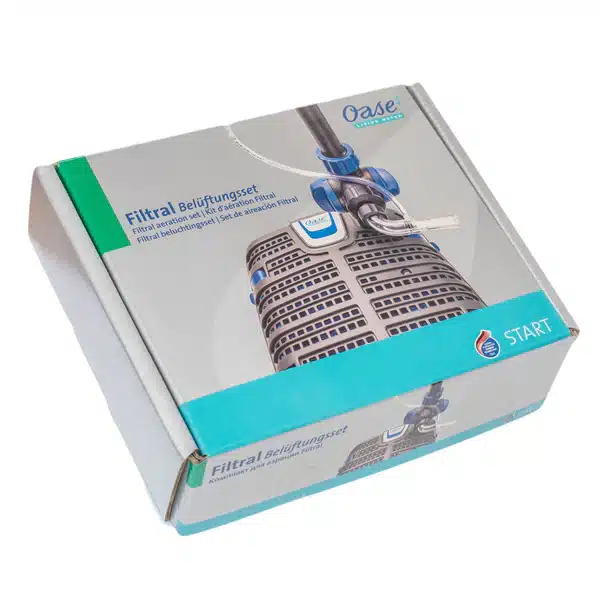
The Filtral Fountain Nozzle Kit provides alternative display patterns, while the Filtral Aeration Set adds venturi aeration to compatible units. These accessories are useful, but they do not replace sensible surface movement during very warm weather or a dedicated air pump where oxygen demand is high.
Our practical advice
Choose an all-in-one when simplicity and hidden equipment matter most. If the pond will contain several koi, a large number of goldfish or lots of falling leaves, talk to us about an external filter before committing.
Keep exploring: Pond filters · Pressure filters · Pump and filter kits · Pond aeration
All-In-One Pond Filters FAQs
What is included in an Oase Filtral UVC filter?
The range combines a submerged pump, mechanical and biological media, built-in UVC and fountain equipment in one unit.
Which Filtral models are available?
This category contains the Filtral UVC 1500, 3000, 6000 and 9000, plus compatible fountain and aeration accessories.
Can an all-in-one filter be used for koi?
We would not normally choose this compact format for a koi pond. Koi generally need more mechanical and biological capacity and easier waste removal.
Does the filter sit inside the pond?
Yes. The Filtral UVC is a submerged unit, so it needs safe access for lifting and cleaning.
Does a Filtral include a fountain?
Yes, the range includes adjustable fountain equipment. Additional compatible nozzles are also available.
Can I add aeration to a Filtral?
Compatible models can use the Filtral Fountain Aeration Set, which uses a venturi arrangement to introduce air.
How do I know when to clean it?
A reduced fountain height or flow is a useful warning. Check the media and intake before the unit becomes heavily restricted.
Should I use the maximum pond-size rating?
Treat it as a best-case reference. Fish load, feeding, sunlight, depth and maintenance all affect the sensible working size.
What is the difference between mechanical and biological filtration?
Mechanical stages remove solids. Biological stages provide oxygenated surfaces for bacteria that process ammonia and nitrite. A good pond system normally needs both.
How long does a new biological filter take to mature?
There is no single date. Temperature, pH, oxygen and food load all matter, so test ammonia and nitrite while the system settles.
Will a bigger filter cure green water?
Not necessarily. Green water is usually dealt with by a correctly sized and maintained UVC working with suitable filtration and flow.
How often should pond filters be cleaned?
Clean according to restriction and waste load rather than a rigid calendar. Mechanical stages need attention before they choke; biological media should be handled more gently.
Can I wash biological media with tap water?
Avoid heavily chlorinated water on established biological media. Use the cleaning method recommended for the exact filter and media.
Does the filter need to run continuously?
For a stocked pond, biological filtration and circulation are normally continuous during the active season. Follow the equipment and winter-management instructions.
Can you check whether a filter will suit my pond?
Yes. We will want the real pond volume, fish stock, feeding, existing pipework, pump position and preferred maintenance routine.
