






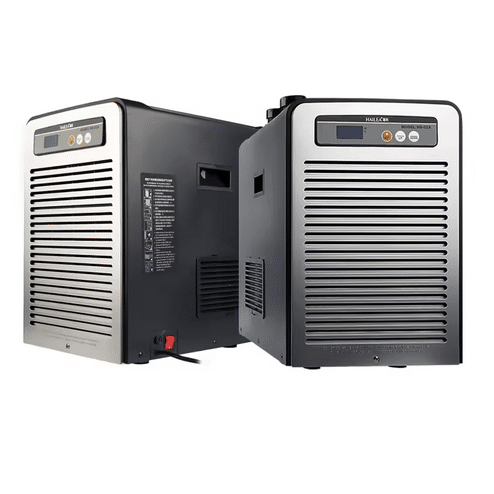
Hailea HS-28A Water Chiller
| Brand | |
|---|---|
| Heating Product Type | Water chiller / temperature controller |
| Heating Output | model-specific output |
| Control Type | electronic digital temperature display / controller |
| Best Use | aquariums, koi holding systems, hydroponics and specialist systems needing stable water temperature |
| Installation Type | External in-line installation |
| Connection Size | 13mm |
Hailea HS Series – HS28A is a Hailea water chiller for stable aquatic, hydroponic or specialist water temperature control. This page explains the suitable use, temperature stability benefits, flow guidance and key technical points in a clearer format.
£280.00 (inc VAT)
Hailea HS-28A Water Chiller
HS Series water chiller for stable aquatic and process temperature control
The Hailea HS-28A Water Chiller is a Hailea HS Series water chiller designed to maintain stable water temperatures in laboratory, medical, laser and industrial cooling systems. It is suited to systems up to around 130 litres, with a $1250 to 1,200 litres per hour.
Stable water temperature is often overlooked, but it can be critical in specialist aquatic systems. Fish, filtration bacteria, hydroponic crops, coral, laboratory equipment and temperature sensitive processes can all suffer when water becomes too warm or fluctuates heavily. A properly sized chiller helps remove excess heat and maintain a controlled environment.
The HS Series is built for dependable temperature regulation. It uses digital temperature control for straightforward adjustment and monitoring, with corrosion resistant construction. This makes it suitable for demanding installations where long term reliability is more important than simply choosing the cheapest cooling option.
When to use a water chiller
A chiller is useful where ambient room temperature, lighting, pumps, filtration equipment or surrounding weather cause the water to rise above the preferred range. In aquariums and holding systems, excess heat can reduce dissolved oxygen and stress fish. In hydroponics, warm nutrient solution can affect oxygen availability and root health. In laboratory and industrial setups, temperature instability can reduce repeatability and reliability.
The right chiller should be chosen by water volume, heat load, desired temperature reduction, room temperature, flow rate and installation layout. The system volume shown on a product information is a useful guide, but actual performance depends on real conditions. A system exposed to strong sunlight, warm air or high heat input may need a larger chiller than the nominal volume suggests.
Installation and flow guidance
This model should be installed with a pump capable of providing the $1250 to 1,200 litres per hour. Too little flow can reduce efficiency and trigger temperature instability, while too much flow may not allow the unit to exchange heat effectively. Use suitable hose or pipework, avoid unnecessary restrictions and make sure the chiller can be accessed for cleaning and maintenance.
Good ventilation is important. A chiller removes heat from the water and releases it into the surrounding air, so it should not be boxed into a sealed cupboard or placed where warm exhaust air is immediately drawn back into the unit. Allow space around the unit and keep intake and outlet areas clear.
Technical information
- Type: HS Series water chiller / temperature controller
- Model: HS28A
- Water volume guidance: Up to around 130 litres
- Flow range: 250–1,200 L/h
- Connector: 13mm
- Dimensions: 338mm x 218mm x 325mm
- Temperature control: Digital display / electronic control
- Electrical input: Electrical input not published in the available supplier summary; check the rating plate before specifying electrical load
Key benefits
✔ Precision Temperature Control – Ideal for laboratory, medical, and industrial applications
✔ Digital Control Panel – Real-time temperature display with user-friendly adjustments
✔ Wide Temperature Range – From sub-zero cooling to high-temperature stability
✔ Efficient & Quiet Cooling – Advanced refrigeration technology with vibration-free performance
✔ Durable Construction – Built from corrosion-resistant materials for long-term reliability
✔ Safety Features – Includes overheat protection and fault diagnostics
✔ Versatile Applications – Suitable for laboratories, medical systems, lasers, and industrial setups
Installation and temperature control advice
A water chiller must be sized around the water volume, heat load, required temperature and the environment it is installed in. Flow rate is important, but so is ventilation. A chiller that cannot reject heat properly will struggle, even if the water flow through the unit looks correct.
Install the unit where it can breathe, where filters can be cleaned and where the display and pipe connections remain accessible. Keep pipework tidy, avoid unnecessary restriction and check the system regularly during warm weather. Stable temperature control depends on the full installation, not just the chiller model.
Related temperature control and pond equipment
Water temperature control should be planned alongside oxygenation, filtration and circulation. Cooler water can hold more dissolved oxygen, but fish, bacteria, plants and specialist aquatic systems still need stable circulation and good water movement to remain healthy.
- Browse pond heating and chillers
- Browse water chillers
- Pond air pumps
- Pond and lake aeration equipment
If you are considering a chiller for a pond, aquarium, holding vat or hydroponic system, it is worth checking the actual heat load before ordering. Water volume is only one factor. Pump heat, sunlight, ambient air temperature and target temperature all affect the size of chiller required.
Professional setup advice
For best results, do not choose aeration, circulation or temperature equipment by model number alone. Consider the water volume, depth, fish load, filter type, pipe or airline run, and how easy the equipment will be to access for routine servicing. A correctly matched system will usually perform better, run more quietly and last longer than an oversized product connected to restrictive pipework or undersized accessories.
On larger ponds and lakes, it is often better to spread performance across the system rather than concentrating everything in one place. Air pumps can be paired with multiple diffuser stations, wave makers can be used to improve circulation in dead spots, and chillers should be installed with enough flow and ventilation to work efficiently. This approach gives a more stable pond environment and makes future maintenance much easier.
Useful installation links
- Browse pond and circulation pumps
- Browse pond air pumps
- Standard sinking airline
- Heavy duty sinking airline
- Air manifolds and accessories
Recommended circulation pump
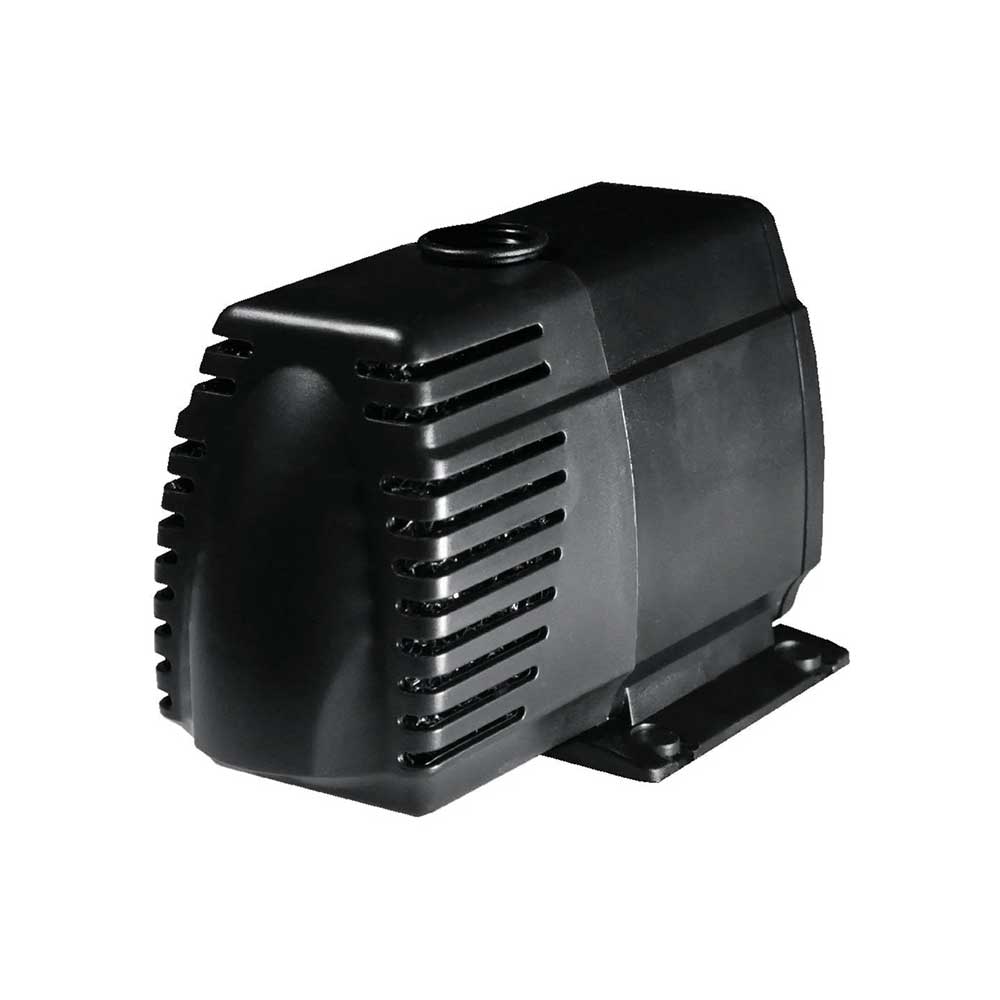
For a straightforward dedicated installation, we recommend the Hailea HX-8815 Water Pump. Its published maximum flow is 1,400 L/h, which gives a practical starting point for this chiller’s recommended 250–1,200 L/h operating band.
Important: pump ratings are measured at little or no head. Hose length, lift, bends, fittings and equipment resistance reduce the actual flow. Use a bypass or control valve where required, and confirm the installed flow remains within the chiller’s stated range. Chiller selection must also allow for water volume, ambient temperature and total heat load.



Reviews
There are no reviews yet.