






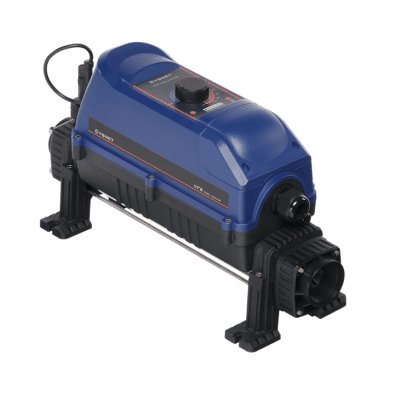
Elecro Cygnet EVO2 Aquatic Heater 8kW (Analogue)
| Brand | |
|---|---|
| Heating Output | 8kW |
| Control Type | analogue thermostat control |
| Best Use | koi ponds, quarantine systems and pond systems where direct electric in-line heating is required |
| Installation Type | External in-line installation |
| Connection Size | 1½ inch / 50mm |
| Heating type | In-line electric heater |
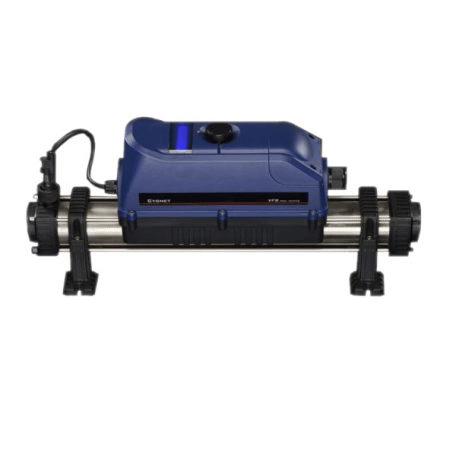
Elecro Cygnet EVO2 Aquatic Heater 8kW (Analogue) is an electric in-line pond heater for controlled pond, koi or quarantine system heating. This page explains the heater type, control style, key benefits, installation guidance and sizing considerations in a clearer format.
£735.99 (inc VAT)
Elecro Cygnet EVO2 Aquatic Heater 8kW (Analogue)
Electric in-line pond heating for controlled koi and pond temperature support
Elecro Cygnet EVO2 Aquatic Heater 8kW (Analogue) is an Elecro electric in-line pond heater designed to provide direct water heating on suitable pond, koi pond, quarantine and holding systems. It is a useful option where controlled temperature support is needed and where the pond owner wants a simple in-line heating unit rather than an air source heat pump.
Electric in-line heaters are often chosen for smaller ponds, temporary holding systems, quarantine tanks, covered koi ponds and systems where accurate temperature control is more important than maximum energy efficiency. They convert electrical power directly into heat, so they are straightforward to understand, but correct sizing and sensible use are still very important.
This model sits in the Cygnet EVO2 range and has a rating of 8kW. The right size depends on water volume, heat loss, insulation, cover use, weather exposure and the temperature difference you are trying to maintain. A pond cover or insulation can greatly reduce running time because most heat loss comes from the water surface and exposed pipework.
When an electric pond heater is the right choice
An electric in-line heater can be very effective when you want dependable controlled heat on a modest water volume or a specialist system. For large open ponds, especially through winter, an air source heat pump or improved insulation may be more efficient, but an in-line heater remains a practical choice for quarantine, recovery, spawning, holding and koi temperature management.
Key benefits
- Direct electric heating for ponds, koi systems, quarantine tanks and holding systems.
- Analogue thermostat control for controlled temperature management.
- Useful for stable water temperatures when correctly sized and installed.
- In-line installation keeps the heater outside the pond and within the pipework run.
- Works best with a cover or insulation to reduce heat loss and running cost.
Technical information
- Type: Elecro Cygnet EVO2 titanium in-line aquatic heater
- Heating output: 8kW
- Electrical input: 8kW direct electric load
- Power requirement: 220–240V single phase
- Control: Analogue thermostat, 0 to 45°C with 1.2°C differential
- Minimum flow: 1m³/h / 1,000 litres per hour
- Maximum flow: 17m³/h / 17,000 litres per hour
- Heating element: Grade 1 titanium
- Flow tube: Grade 1 titanium
- Water connections: 1.5 inch BSP female thread with 1½ inch / 50mm stepped unions and stepped hose tails
- Working pressure: 4 bar maximum
- International protection: IP44
- Net weight: 3.66kg
- Mounting: Floor or wall mounting
Sizing and use advice
Always size a pond heater around actual water volume and heat loss, not just the headline litre capacity of the pond. A small insulated quarantine system is much easier to heat than a large uncovered pond exposed to wind and frost. For koi ponds, temperature changes should be gradual and fish behaviour should be monitored carefully.
The heater should be installed so that it has reliable flow whenever it is operating. Do not run an in-line heater dry, do not restrict the pipework more than necessary, and make sure all electrical work is suitable for outdoor pond equipment. Where a thermostat is fitted, set realistic temperatures and avoid sudden changes.
Helpful heating links
- Browse all pond heating
- Browse pond in-line heaters
- Compare pond air source heat pumps
- Water testing products
Helpful pond heating guide
For more help choosing pond heating equipment and understanding running considerations, see our related guide:
Using the 8kW Evolution 2 Cygnet in a pond system
What the control specification means
The analogue control uses a dial and has a published 1.2°C thermostat differential. Allow for that switching characteristic when comparing it with the closer control offered by the digital Evolution 2 Cygnet models. Check the pond with a suitable thermometer, particularly when first commissioning a system or changing a set point. The available thermostat range is an equipment specification, not a recommendation to use its maximum temperature for koi.
Estimate the electricity used while heating
At rated output, 8kW corresponds to approximately 8kWh of electricity for one continuous hour of heating. For example, a tariff of 25p per kWh would give a heater-only cost of £2.00 for that uninterrupted hour. Substitute your own tariff to make the example relevant to your bills. The circulating pump uses additional electricity, and daily use depends on how long the thermostat actually calls for heat.
It is useful to distinguish warming a body of water from maintaining its temperature. As a physical calculation, raising 1,000 litres of water by 1°C requires approximately 1.16kWh of heat before losses. Dividing that by 8kW gives about 9 minutes in an ideal loss-free calculation. An outdoor pond will take longer because heat escapes while it is warming, and a stocked pond should be managed with gradual changes rather than treated as a rapid heating exercise. This calculation is not a pond-capacity rating.
Circulation, protection and access
Both the Nano Cygnet and Evolution 2 Cygnet ranges specify a water-flow window of 1–17m³/hour. Use the actual flow through the installed heater, not the pump’s maximum flow on its box. Filters, pipe length and fittings change the delivered flow. Keep access to the heater and its connections for inspection, and have the electrical supply assessed for the exact model’s load. A flow switch is a protective device; it does not replace correct circulation design.
Keep the Evolution 2 Cygnet installation and operating instructions with the equipment. Select the manual for the correct control type and follow the version supplied with your heater. Before ordering, compare the model-specific electrical requirements above with the circuit available at your pond and discuss any necessary installation work with your electrician.
A dry installation space
Install the heater in a permanent, dry, weatherproof area with ventilation and access for service. Mount it securely, following the supplied drawing, and keep it after the filter and before chemical dosing. Your electrician must follow the supplied instructions for the dedicated protection and safety circuit. If the heater is shut down in freezing weather, drain it as instructed so water cannot freeze inside.

Reviews
There are no reviews yet.