





Pond Relining and Repairs
A leaking pond can be incredibly frustrating. Whether the water level is slowly dropping, the pond cannot be left running, or you are constantly topping it up, unresolved leaks almost always get worse over time. At That Pond Guy, we specialise in professional pond relining and pond repairs, helping clients restore ponds of all sizes back to a safe, watertight and reliable condition.
We work on all types of ponds including garden ponds, koi ponds, wildlife ponds and ornamental water features. From small liner repairs through to complete pond relines, our approach is always the same: identify the real cause of the problem first and only recommend the level of work that is genuinely required. This service forms part of our wider pond care services across Kent, London and the South East.
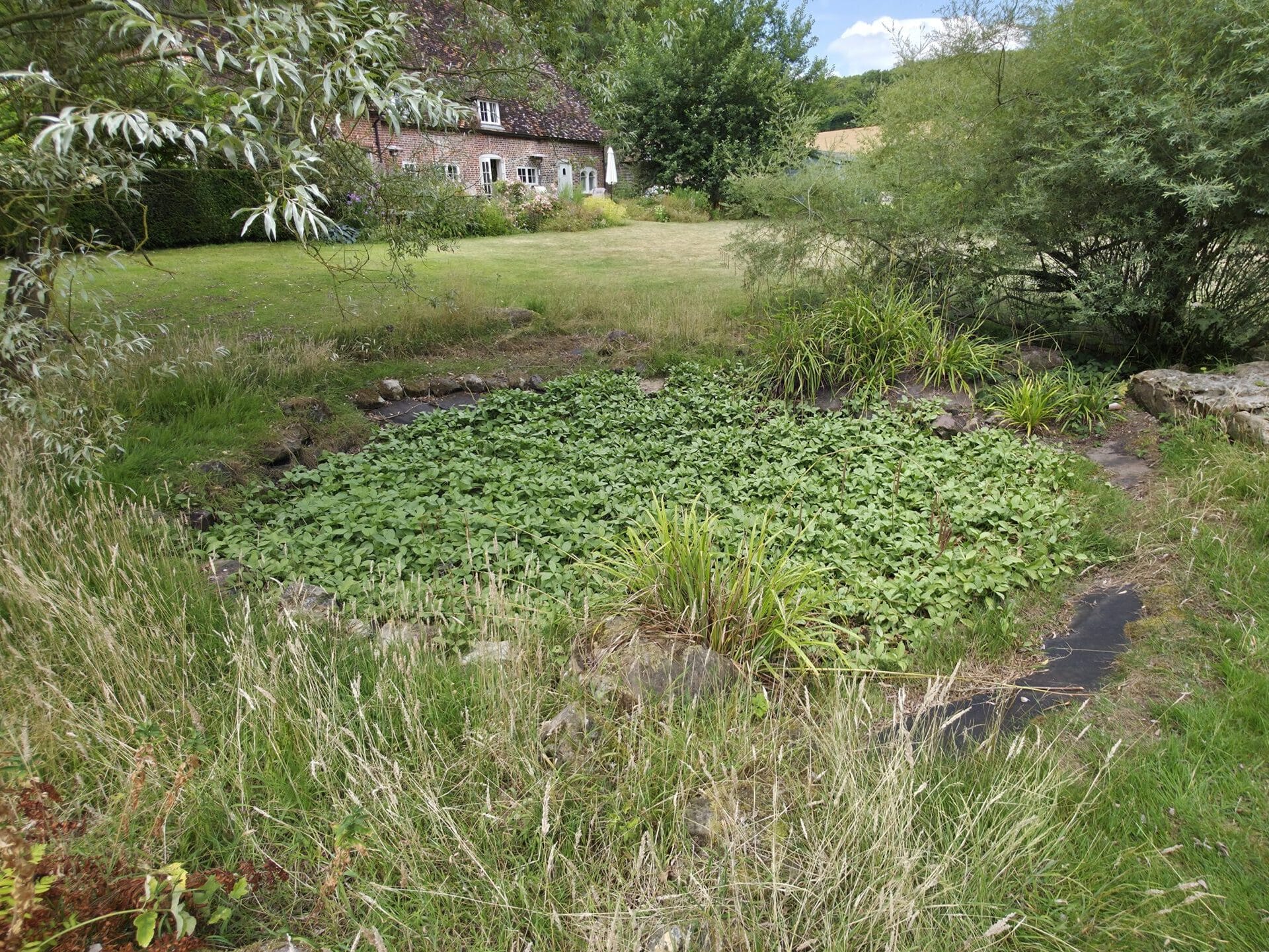
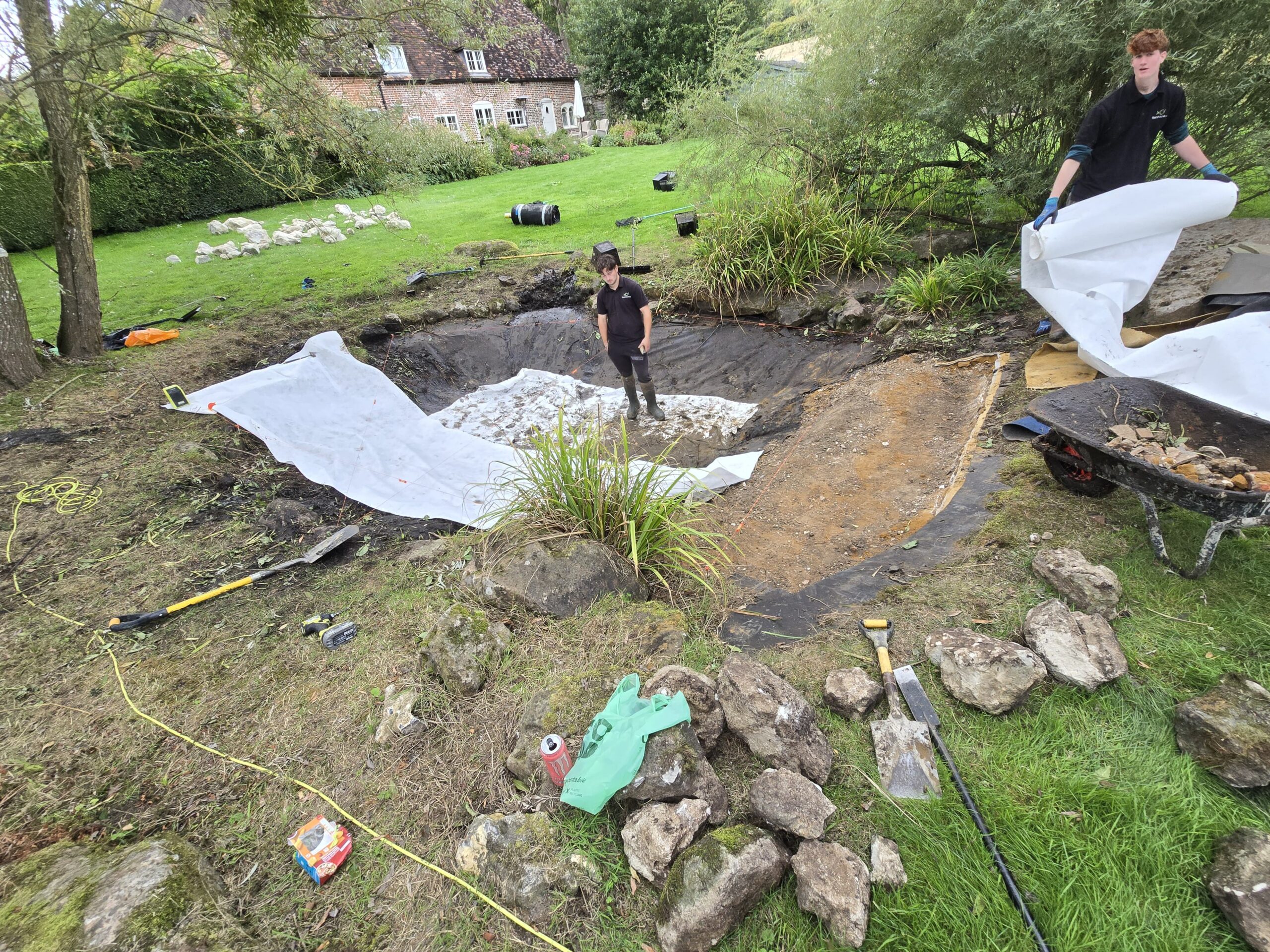
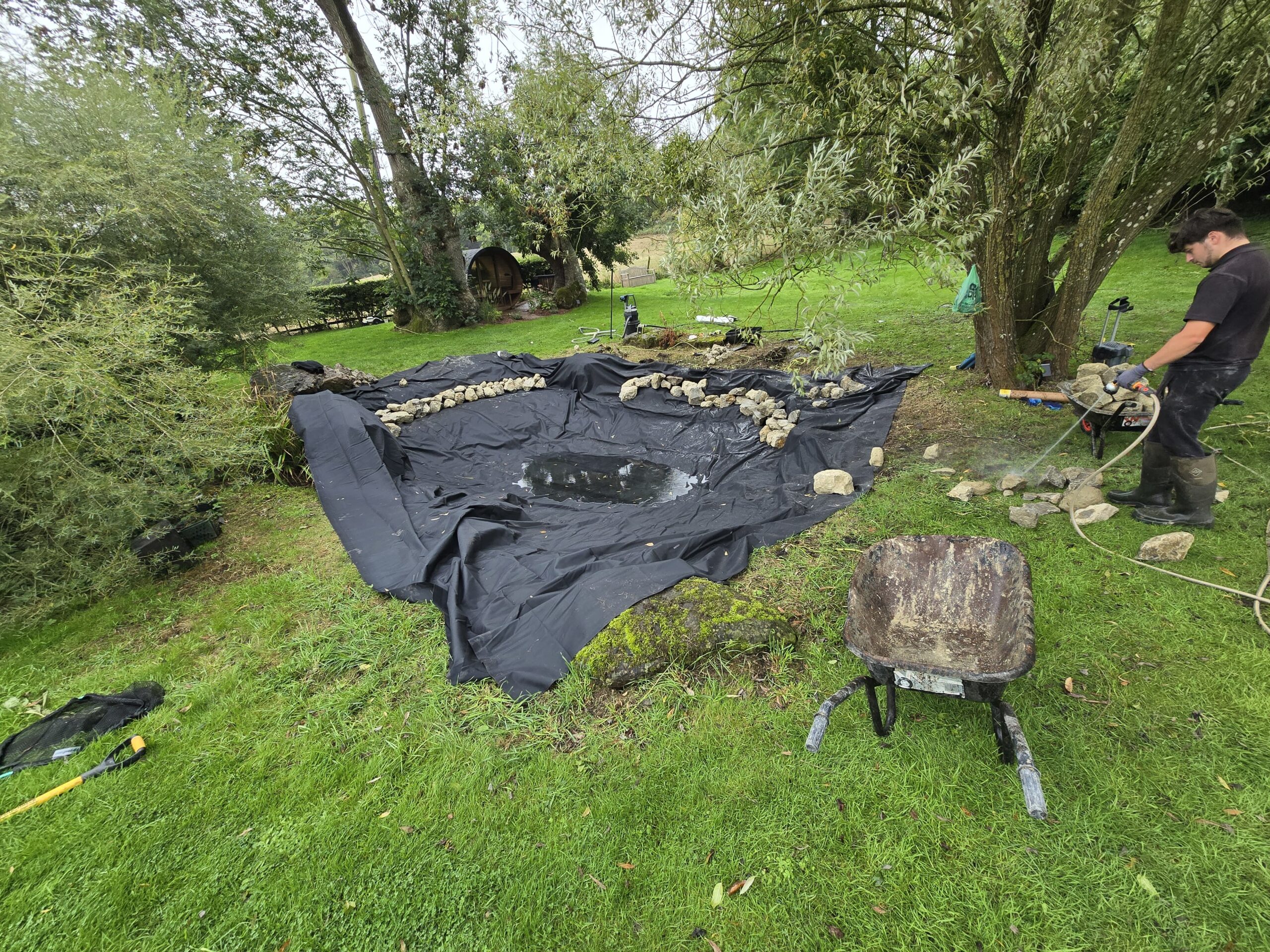
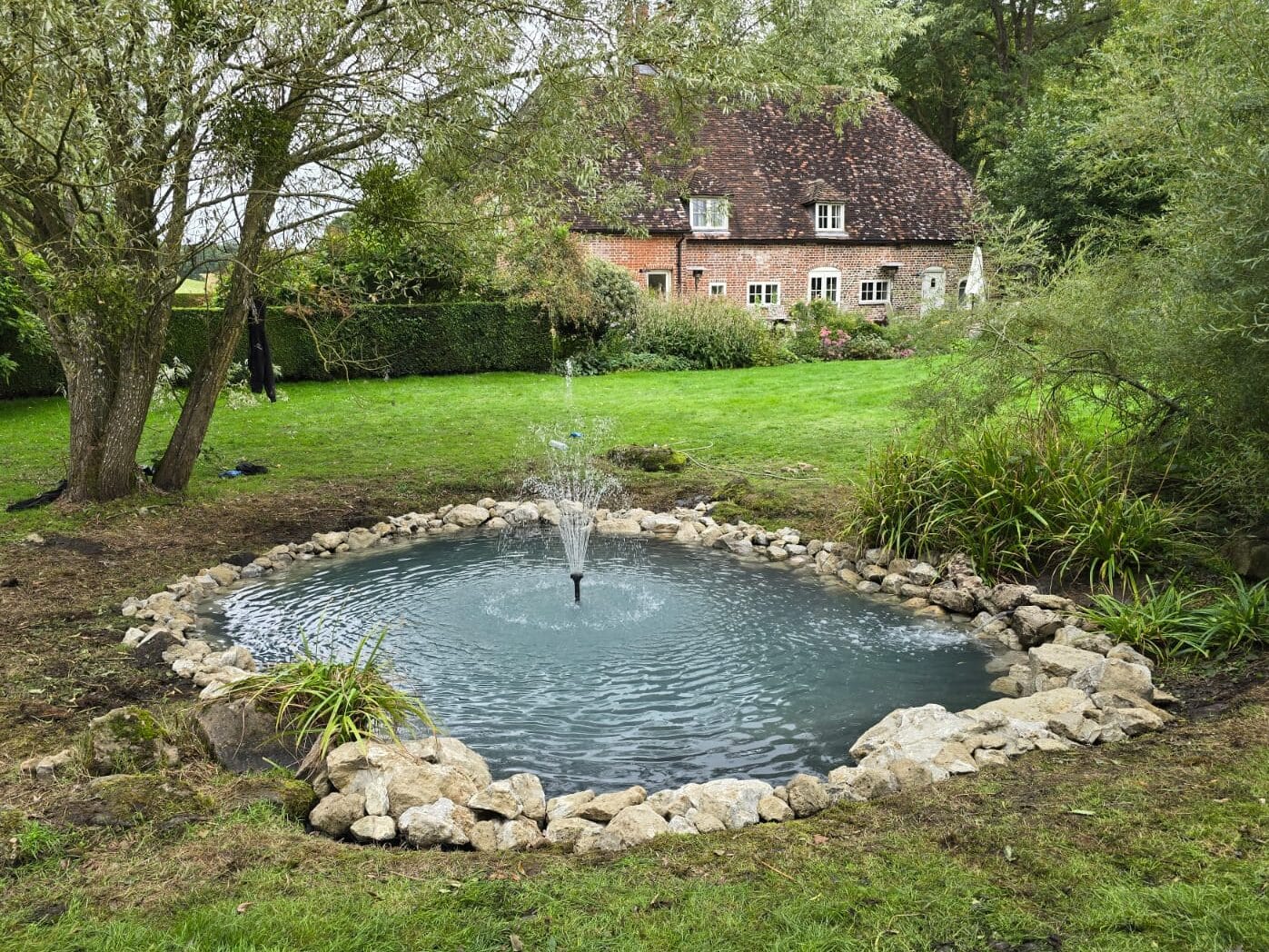
Diagnosing Pond Leaks Properly
Not every leaking pond needs to be fully relined. In many cases, water loss can be caused by issues that are far simpler and more cost effective to resolve.
Before recommending a full pond reline, we carry out thorough checks to rule out common problems such as damaged or aged liner material, leaking pipework, faulty seals around bottom drains or returns, and overflowing or leaking waterfalls and streams. Changes in water level often give important clues, and we use this information to narrow down the likely cause.
This diagnostic approach saves customers money and prevents unnecessary work while still achieving a long term solution.
Pond Liner Repairs
A pond liner repair is often the most cost effective option when the structure of the pond is sound and the liner itself is still in reasonable condition.
This process involves draining the pond, carefully cleaning the liner, and inspecting all exposed surfaces to locate punctures, splits or weak areas. Once identified, repairs are carried out using appropriate materials and techniques for the liner type.
While it is not always possible to guarantee a completely leak free pond following a repair due to liner age, ground movement or hidden damage, our liner repair service has a success rate of around 95 percent. For many ponds, this provides years of further use without the expense of a full reline.
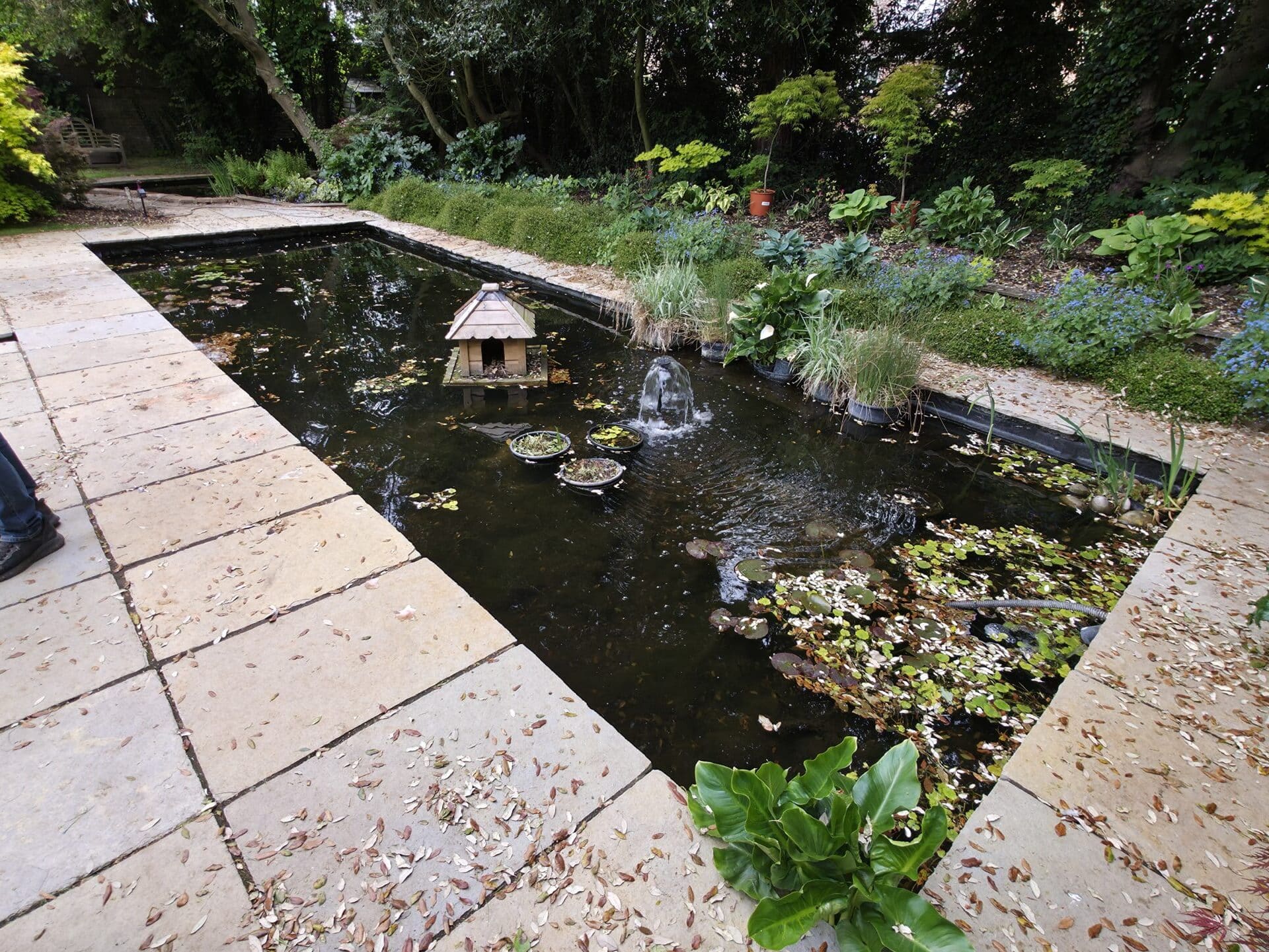
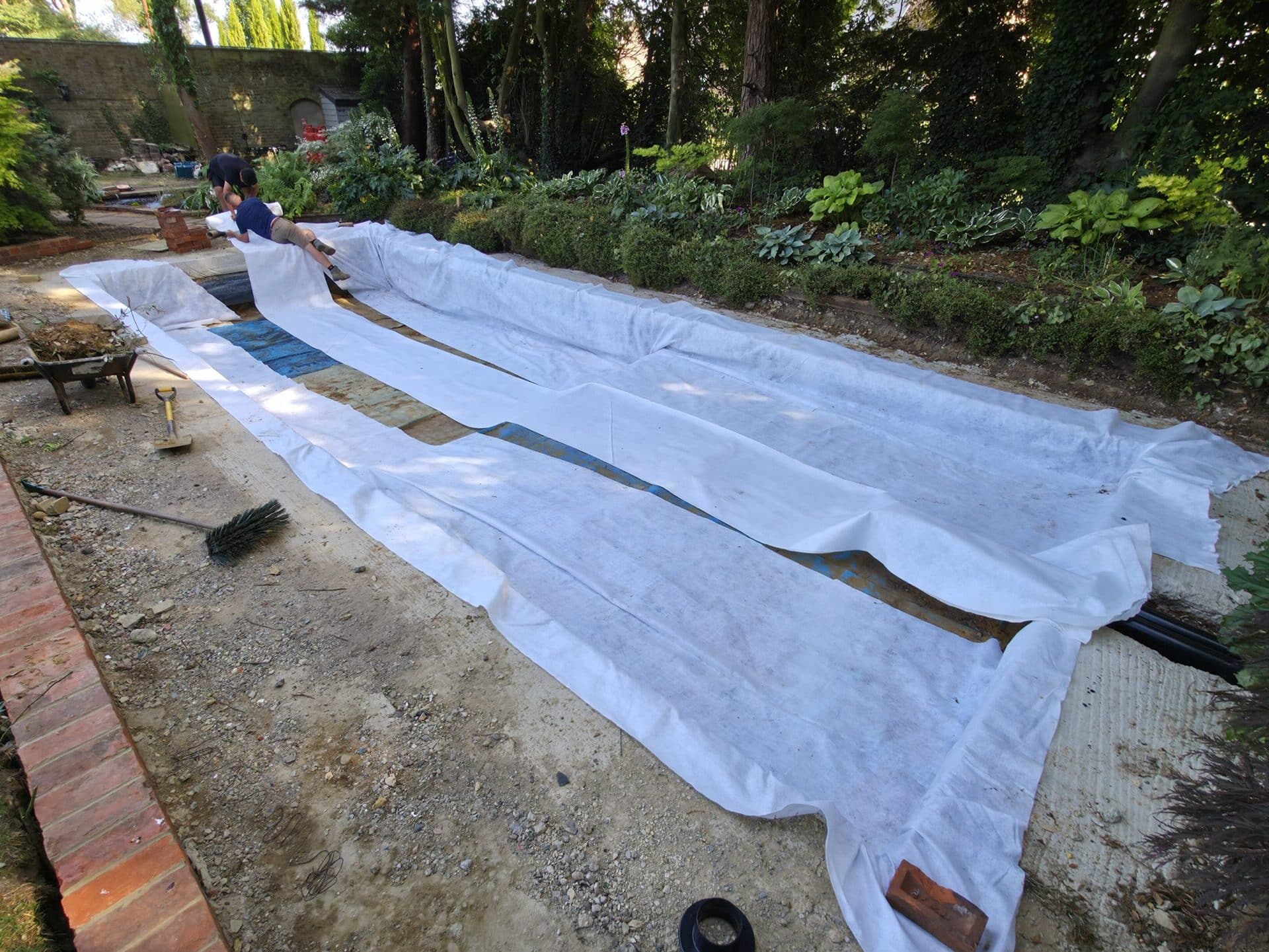
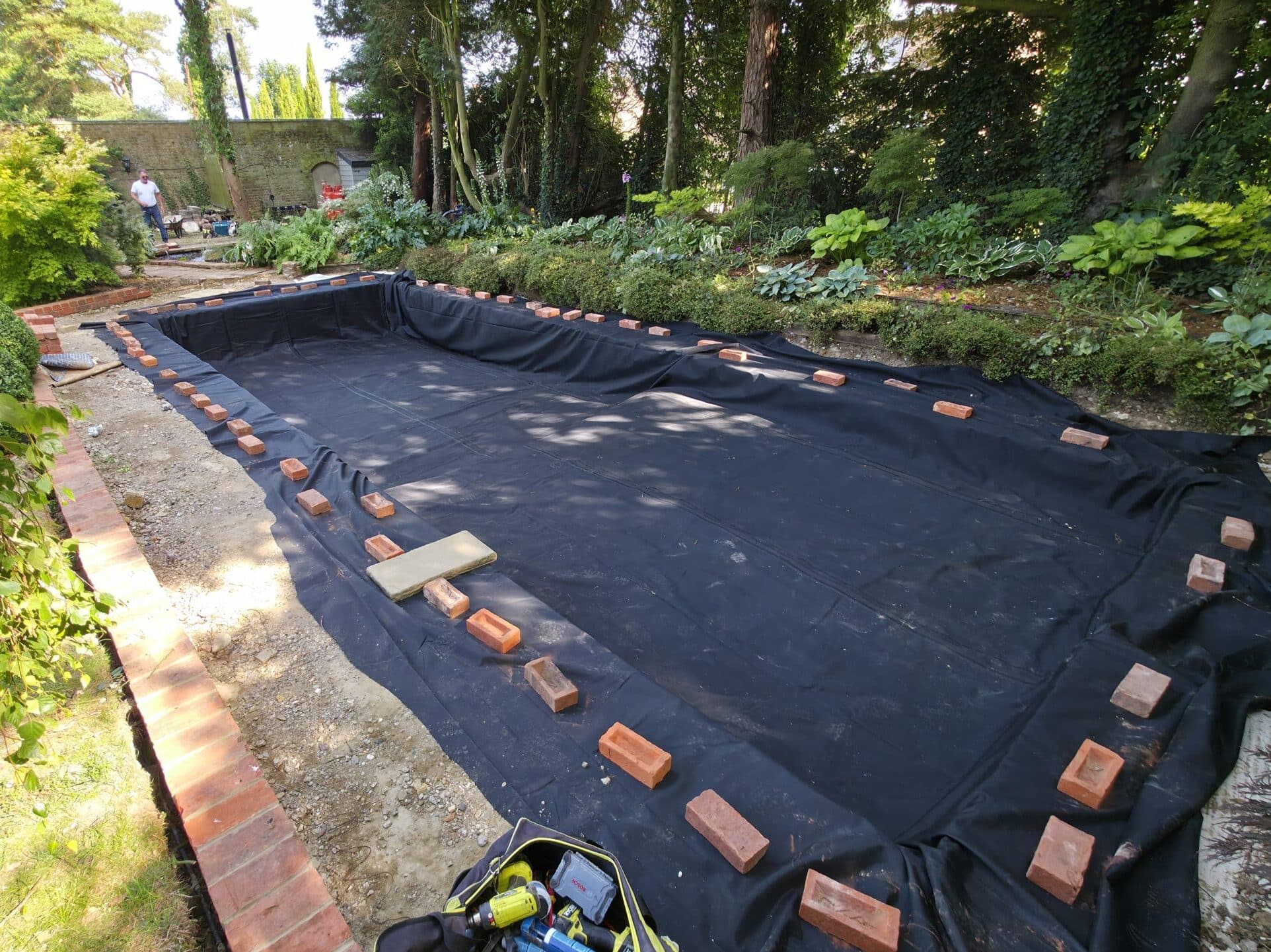
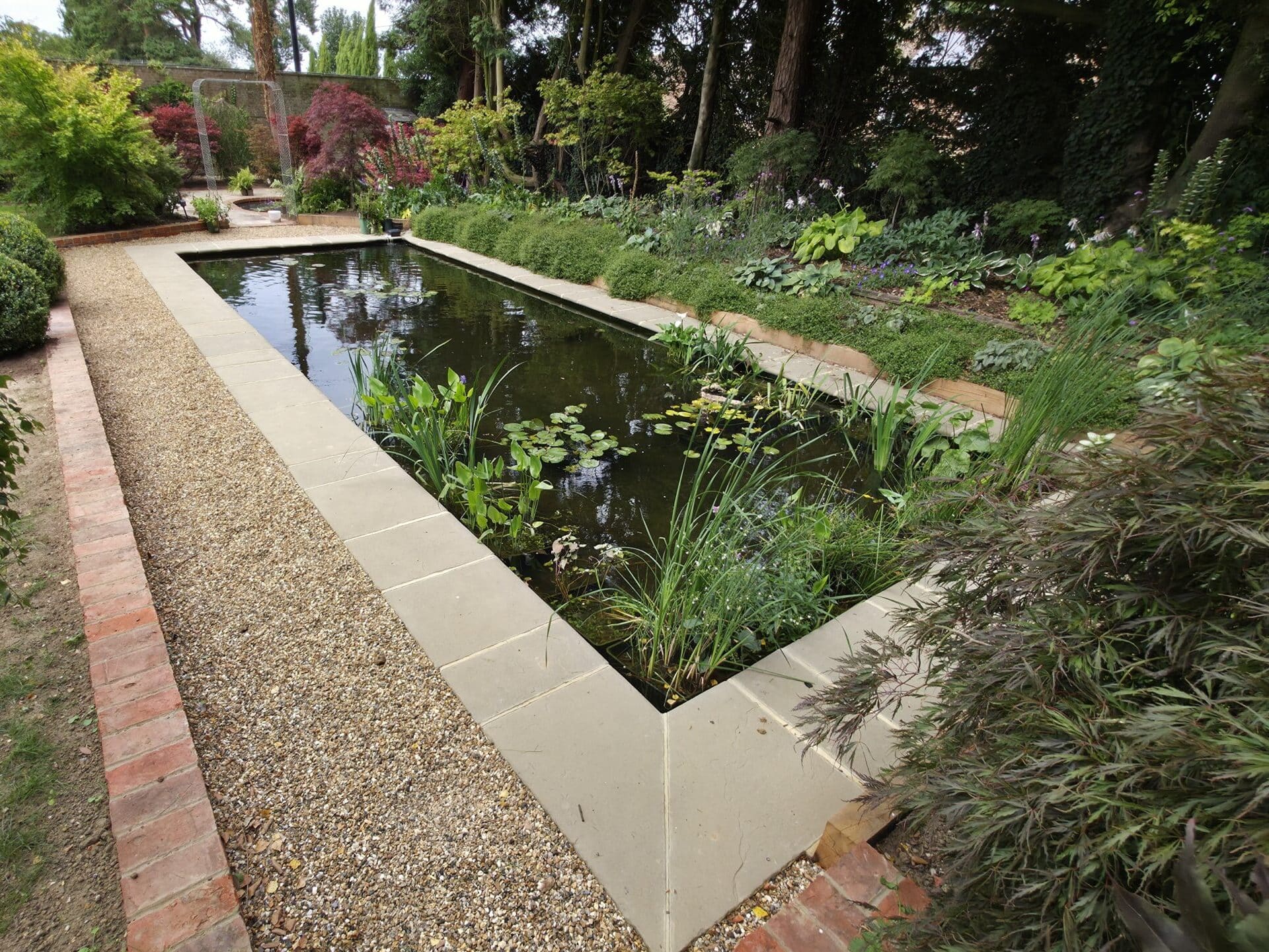
Full Pond Relining
When liners become brittle, heavily creased, cracked, or have multiple areas of failure, a full pond reline is often the most sensible long term solution.
We regularly reline ponds that have reached the end of their natural lifespan, have been poorly installed in the past, or have suffered repeated repairs that no longer hold. Relining allows us to reset the pond completely, removing the risk of future leaks and giving you confidence that the pond can be left running without constant monitoring.
Depending on the pond type and structure, this may involve installing a new high quality rubber liner or converting the pond to a solid fibreglass lining. Both options provide durable, long lasting waterproofing when installed correctly.
Why Professional Relining Matters
Pond relining is not just about making a pond watertight. Poor preparation, incorrect materials, or rushed installation can lead to failures that are difficult and expensive to correct later.
By using proven methods, quality materials and experienced installers, we ensure that relined ponds are structurally sound, visually tidy, and easy to maintain going forward. We also take care to protect fish, plants and surrounding landscaping throughout the process.
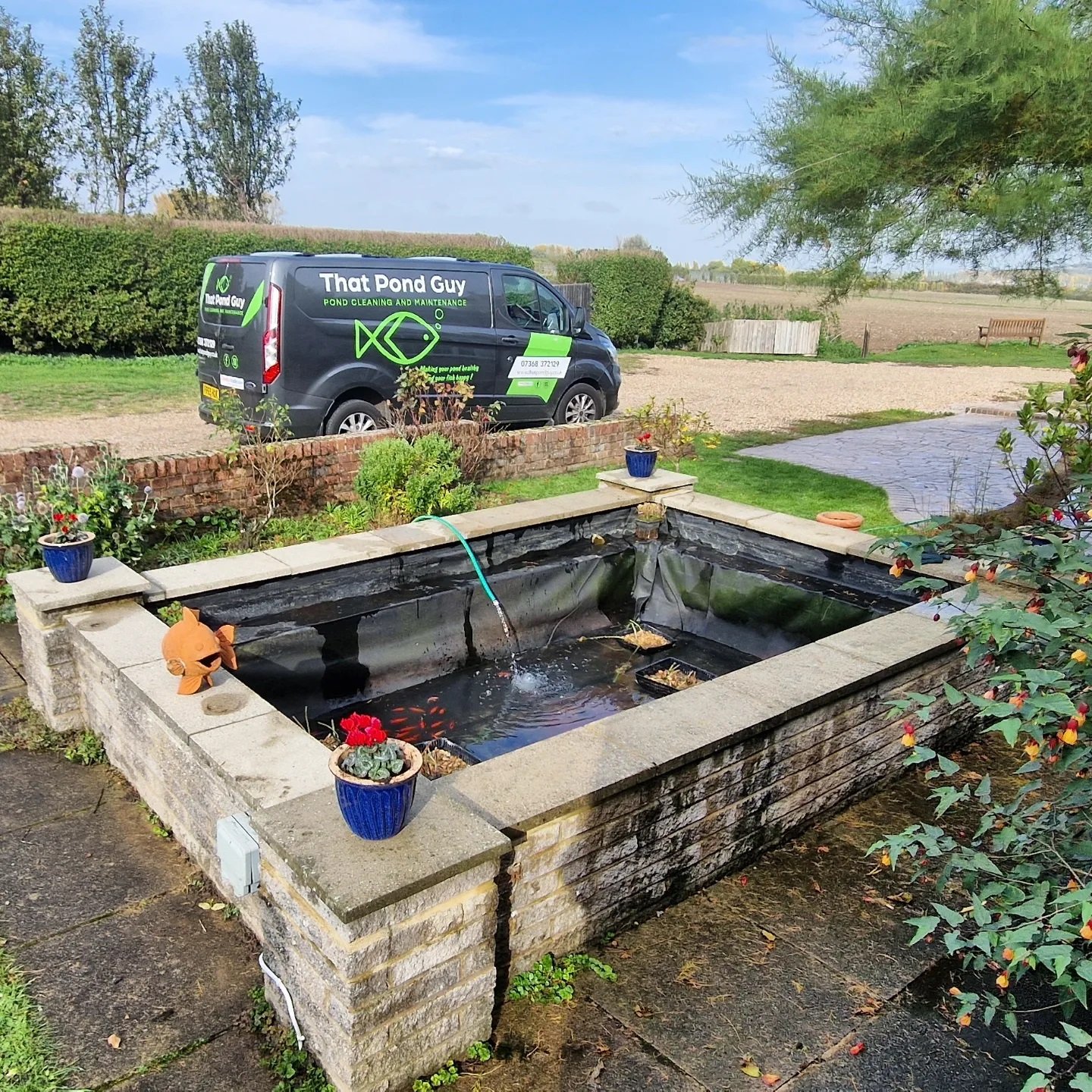
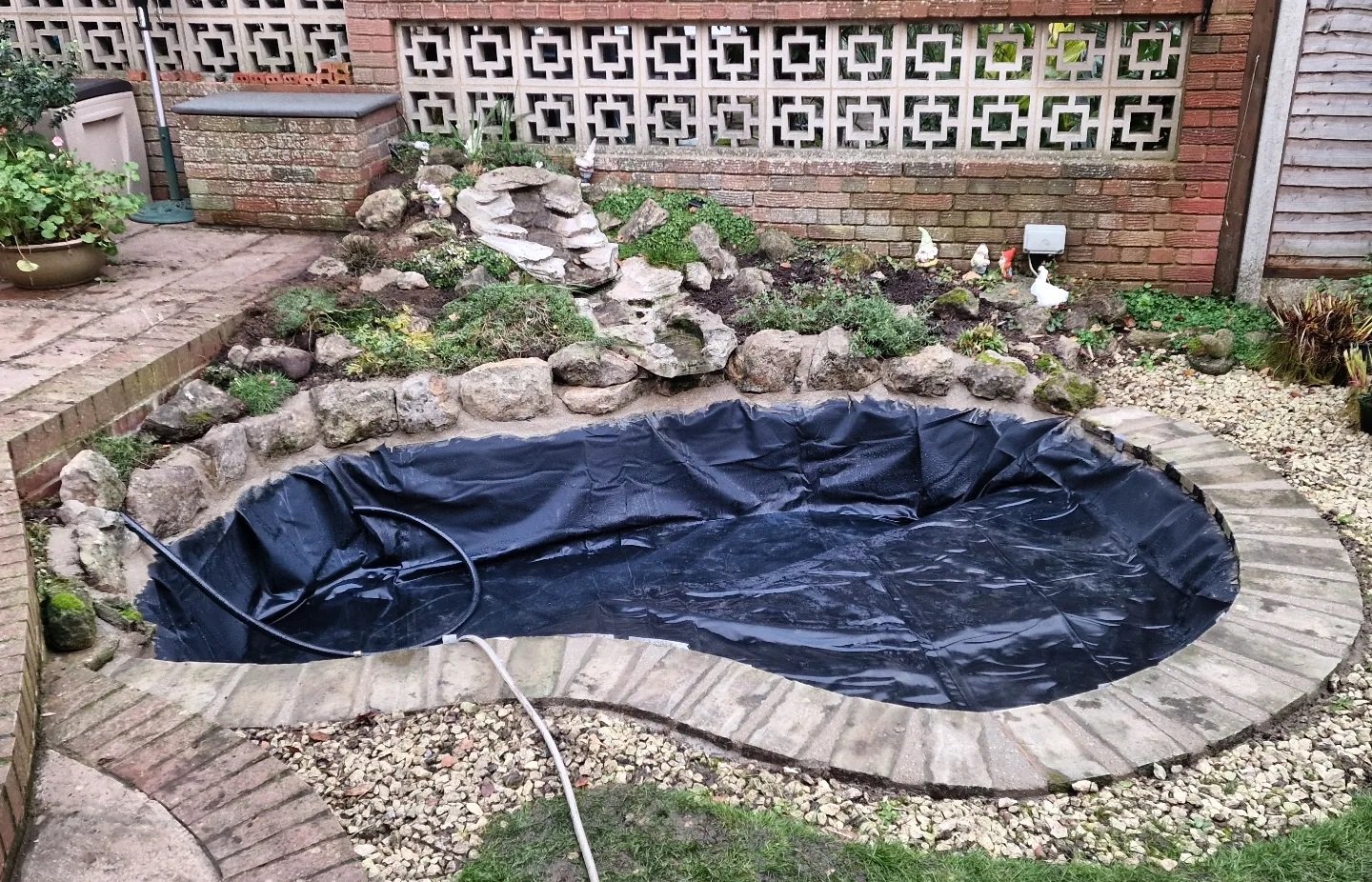
Get Expert Help With a Leaking Pond
If you suspect your pond is leaking, it is always best to address it sooner rather than later. Continued water loss can damage surrounding ground, affect filtration performance, and place unnecessary stress on fish and equipment.
If you would like advice, a repair assessment, or a quotation for pond relining or repairs, please get in touch. We are always happy to talk through the options and help you decide the best way forward for your pond.
Contact Us
Please get in touch to discuss your pond needs and we will get back to you as soon as possible.
matt@thatpondguy.co.uk
07368 372129
Pond Relining and Repairs FAQ
How can I tell if my pond is leaking?
The most common sign of a leaking pond is a consistent drop in water level that cannot be explained by evaporation. In the UK, evaporation alone rarely causes noticeable daily water loss, even in warm weather. If you are regularly topping the pond up or notice the water dropping to the same level each time, this usually indicates a leak.
Other warning signs include damp ground around the pond, exposed liner edges, struggling pumps, or a pond that cannot be left running without supervision.
Could the water loss just be evaporation?
Evaporation does occur, particularly during warm or windy conditions, but it is often overestimated. In most ponds, evaporation only accounts for a small amount of water loss.
If the pond level drops noticeably over a short period, especially overnight or during cooler weather, evaporation is very unlikely to be the cause. A water level that drops and then stabilises often points directly to the leak location.
Do all leaking ponds need to be fully relined?
No. Many leaking ponds can be successfully repaired without a full reline. Issues such as punctures, failed seals, damaged pipework, or leaking waterfalls can often be resolved with targeted repairs.
A full reline is generally only recommended when the liner has degraded, cracked, become brittle, or has multiple areas of failure.
What causes pond liners to fail?
Common causes include age, UV exposure, ground movement, sharp stones beneath the liner, falling rocks, tree roots, and poor original installation. Older PVC liners are particularly prone to becoming brittle over time.
Repeated freezing and thawing cycles can also weaken liners, eventually leading to cracks or splits.
How successful are pond liner repairs?
When the liner is still in reasonable condition and the damage is accessible, repairs can be very effective. Our liner repair service has a success rate of around 95 percent.
However, it is not always possible to guarantee a permanently leak free pond if the liner is already aged. Repairs are often best viewed as extending the usable life of the pond.
Can you repair a pond without draining it?
In most cases, no. Draining the pond allows the liner or structure to be properly cleaned and inspected so defects can be accurately identified and repaired.
Temporary underwater fixes are rarely reliable and often fail again shortly after.
How long will a repaired pond liner last?
This depends on the age and overall condition of the liner. Repairs on a liner that is still flexible and structurally sound can last for many years.
If the liner is nearing the end of its lifespan, a repair may still be worthwhile as a short to medium term solution.
Is it worth repairing an old pond liner?
Often yes, particularly if there is a single identifiable failure and the surrounding liner remains in good condition.
If the liner shows widespread cracking, brittleness, or repeated failures, a full reline is usually more cost effective in the long term.
When is a full pond reline the best option?
A full reline is usually recommended when the liner has multiple failures, is heavily creased, brittle, or cannot be trusted to hold water consistently.
Relining is also commonly chosen during pond refurbishments or filtration upgrades.
What types of ponds can you reline or repair?
We repair and reline garden ponds, koi ponds, wildlife ponds, ornamental ponds, streams, and water features. We regularly work on complex pond shapes, shelves, and integrated waterfalls.
Each pond is assessed individually as no two ponds are ever the same.
Can tree roots cause pond leaks?
Yes. Tree roots are a common cause of liner damage, particularly in older ponds or those close to mature trees. Roots can grow beneath liners and gradually push through or abrade the material.
Additional protection or structural changes may be required to prevent repeat issues.
Can seasonal changes cause pond leaks to appear?
Yes. Temperature changes cause liners to expand and contract, which can expose weaknesses in older materials. This is why some leaks only appear during winter or colder periods.
Seasonal leaks are often a sign that a liner is nearing the end of its usable life.
How long does pond relining take?
This depends on pond size, access, weather conditions, and the lining method used. Smaller ponds can often be completed within a few days, while larger or more complex projects may take longer.
Work is never rushed, as correct preparation is critical to long term success.
What happens to fish during pond repairs or relining?
Fish are temporarily housed in aerated holding tanks with clean, treated water while work is carried out. This keeps stress to a minimum and allows repairs or relining to be completed safely.
Fish are reintroduced once the pond is refilled and conditions are suitable.
Is fibreglass better than a liner?
Both fibreglass and rubber liners have their place. Rubber liners are flexible and suitable for many garden ponds. Fibreglass creates a solid, seamless structure and is often chosen for koi ponds or formal designs.
The best option depends on the pond structure, budget, and long term plans.
Can you repair ponds with waterfalls or streams?
Yes. Waterfalls and streams are very common sources of leaks, especially around liner overlaps, stonework, and pipe transitions.
These areas are carefully checked during diagnostics as water can travel a surprising distance before becoming visible.
Can you reline a pond that has previously been repaired?
Yes. Many ponds we reline have undergone multiple repairs in the past. Relining removes all existing patches and weak points and replaces them with a single continuous waterproofing system.
This is often the most reliable way to permanently resolve recurring leaks.
Is pond relining suitable for wildlife ponds?
Yes, provided it is done carefully. Where possible, beneficial bacteria, substrate, and planting are preserved and reintroduced after the work is completed.
Timing can also be important to minimise disturbance to wildlife.
Will relining change the appearance of my pond?
Relining does not need to change the appearance unless you want it to. Existing stonework, edging, planting, and features are usually reinstated once the lining is complete.
Relining can also be used as an opportunity to subtly improve edges or finishes if desired.
How much does pond relining or repair cost?
Pond relining costs depend on the pond’s size and shape, access, lining material and the work needed around it. A targeted repair may cost less than a full reline when the existing liner is still in suitable condition, so identifying the cause of the leak comes first.
When comparing quotes, check whether they cover draining and preparation, temporary arrangements for fish, work around pipe connections, and lifting and reinstating the pond edging. These details affect the scope of the job as well as the new lining itself.
For advice on your pond, send your postcode, approximate length, width and depth, photos of the pond and its edges, and a description of how the water level changes. Mention any fish, previous repairs and access restrictions. This helps us discuss repair or relining options and what needs to be included in your quotation.
Can you supply a liner without installation?
Yes. We can supply high quality pond liners and provide guidance on sizing and installation for those who prefer to carry out the work themselves.
Professional installation is always recommended for larger or more complex ponds.
Do you offer guarantees on pond relining?
We guarantee our workmanship on pond relining projects. Guarantees vary depending on the lining system used and the condition of the existing pond structure.
This is explained clearly before work begins.
What is the most common cause of recurring pond leaks?
Recurring leaks are most often caused by aged liners, poor original installation, or water escaping from waterfalls, streams, or pipework rather than the pond itself.
Repeated small repairs often mask a larger underlying issue that eventually needs addressing.
When should I get a leaking pond looked at?
As soon as possible. Ongoing water loss can damage surrounding ground, reduce filtration efficiency, and place unnecessary stress on fish and equipment.
Early investigation usually leads to simpler and more cost effective solutions.
