





Cuckoo Flower (Cardamine pratensis)
| Size | 1 Ltr, 1 Ltr Pack of 3, 9cm Pack of 3 |
|---|---|
| Plant Type | Marginal |
| Sun / Shade | Full Sun to Part Shade |
| Flower Colour | Lilac |
| Growth Rate | Slow |
| Native to UK | Yes |
Cuckoo Flower is a native plant of damp meadows, ditches and riverbanks, with pale pink to white flowers appearing in spring. Its relatively open flower stems give a light, natural look beside a pond. It is a different kind of planting from a deep-water aquatic or a dense summer reedbed.
Price range: £14.00 through £34.50 (inc VAT)
Cuckoo Flower (Cardamine pratensis)
Pale spring flowers for damp pondside ground
Cuckoo Flower is a native plant of damp meadows, ditches and riverbanks, with pale pink to white flowers appearing in spring. Its relatively open flower stems give a light, natural look beside a pond. It is a different kind of planting from a deep-water aquatic or a dense summer reedbed.
The flowers have four petals, carried above a basal rosette of divided leaves. Their soft colour is particularly useful early in the year, before many later marginals begin their main display. Leave them visible near lower planting rather than expecting them to compete with a tall canopy of summer foliage.
The main flowering guide is April–June. Combine it with later-flowering plants for interest across the season, while allowing space to see its early flowers. A plant delivered at another time of year can be foliage or resting growth rather than already in bloom.
Choose moist, humus-rich pondside soil. The RHS recommends full or partial shade, while the species also occurs in open damp grassland. Keep the moisture dependable and use the supplied label for the actual planting position; it does not require a submerged crown simply because it is included in a marginal range.
Cuckoo Flower is also a food plant for orange-tip butterfly caterpillars. That is a reason to retain healthy foliage and allow some plants to complete their seasonal growth where possible, rather than clearing the whole patch as soon as flowers fade. A planted specimen provides the opportunity; a visit from any particular butterfly is never certain.
UK-grown plant. Grown at a dedicated aquatic plant nursery in the South of England.

What you receive
Choose three plants in 9 cm nursery pots, one plant in a 1 litre container or three plants in 1 litre containers.
Keep the roots moist after unpacking and plant into appropriate soil. A basket or pot describes the starting root container, not a need to submerge the crown or a guarantee of spring flowers on arrival.
How it changes through the year
The main flowering period is April–June. Plants delivered later in the year may be foliage or resting growth rather than in flower. Keep some healthy foliage after the display where practical, especially if caterpillars are using it.
Choosing a place for it
- For spring flowers: Pale four-petalled blooms offer interest before many summer marginals flower.
- For moist ground: Choose humus-rich soil above water, with suitable light and reliable moisture.
- For a wildlife-minded planting: Healthy foliage can serve orange-tip caterpillars; avoid unnecessary wholesale cutting.
Planting and getting it established
Choose moist, humus-rich ground beside the pond, with partial shade a useful garden position. The species also grows in open damp grassland, but soil moisture must remain dependable. Use an above-water soil setting rather than assuming that a spring wildflower needs a submerged crown.
Set the small rootball at its existing level, settle soil around the roots and water in gently. Keep the basal leaves clear rather than burying them under a thick topping. Allow some room around the fine flower stems so they are not hidden by taller, earlier-growing foliage.
In a container, use a suitable moisture-retentive medium with a position appropriate to the actual plant label. Check the rootball during dry weather. Keep access for selective tidying, and avoid a position where routine mowing or hard cutting will remove all spring flowers and healthy foliage.
Looking after it
- Moist soil: Keep the root area moist while establishing and through dry spells. A damp-looking surface is not always evidence that the whole rootball is adequately watered.
- Healthy foliage: Where the planting is intended to support butterflies, inspect leaves before cutting and allow healthy growth to remain where practical. The species is a caterpillar food plant, rather than a guarantee of butterfly visits.
- Tidying: Remove damaged or decaying material as necessary. If limiting self-seeding, remove faded flower stems selectively, checking for caterpillars and keeping healthy foliage where practical.
- Congestion: Divide or reposition a crowded patch when needed, keeping roots moist and replanting at the same level.
- Seasonal care: This is a hardy perennial with seasonal growth. Keep the crown in its appropriate moist-soil position and avoid burying new growth under winter debris or an unnecessarily heavy topping.
Plant details
- Botanical name
- Cardamine pratensis
- Native status
- Native to Britain and Ireland
- Flowers
- Pale pink to white, four petals; April–June
- Height
- Around 45–50 cm including flower stems
- Spread
- RHS band about 10–50 cm
- Position
- Moist humus-rich ground; partial shade is useful
- Wildlife note
- A food plant for orange-tip butterfly caterpillars
- RHS information
- RHS plant profile: Cardamine pratensis
Delivery and basket information
We do not deliver live plants to Northern Ireland.
Orders received by 11am Monday to Wednesday are normally dispatched on the following working day using a next working day courier service. During busy periods, dispatch may occasionally take an extra day.
To avoid plants being held in depots over a weekend, we do not usually dispatch on Fridays. Highlands and Islands orders using a two day service are not normally dispatched on Thursdays.
Please read our delivery information for delivery arrangements and contact us if you need to check the timing of a particular order.
The 9cm option arrives in nursery pots. For pond planting, pot these plants into suitable aquatic baskets with aquatic planting soil before positioning them at the depth shown on their labels.
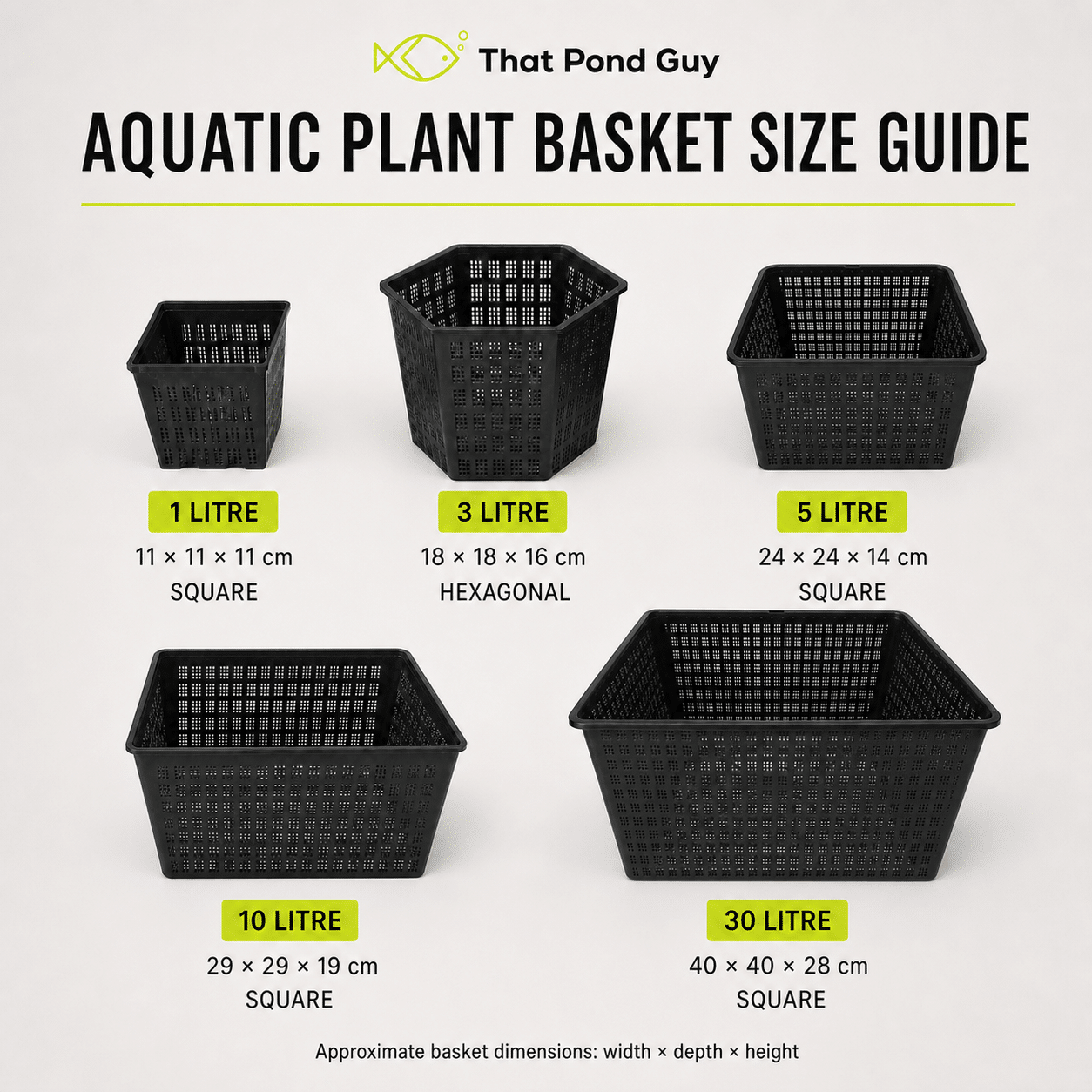
Finofil baskets are made from 100% recycled polypropylene co-polymer. They are not suitable for ordinary kerbside recycling; reuse them where possible and check local specialist recycling options. Their fine mesh helps retain aquatic soil while allowing water to reach the roots.
Basket measurements for the offered sizes:
- 1 Litre Basket – usually 11 × 11 × 11cm square; some varieties may be supplied in a 14cm diameter × 10cm round basket
Other plants to compare
Common Bistort — Its pink spikes provide later seasonal interest in another moist-ground native perennial.
Marsh Marigold — Compare golden spring flowers for a wetter, label-led marginal position.
Choosing plants and planting supplies
Marginal pond plants — Compare pond-edge plants by their eventual size, light and water-depth needs before filling a shelf.
Pond plant baskets and planting supplies — Choose a suitable container and growing medium for the position described above.



Reviews
There are no reviews yet.