






Common Bistort (Persicaria bistorta)
| Size | 1 Ltr, 1 Ltr Pack of 3 |
|---|---|
| Plant Type | Marginal |
| Sun / Shade | Full Sun to Part Shade |
| Flower Colour | Pink |
| Growth Rate | Medium |
| Native to UK | Yes |
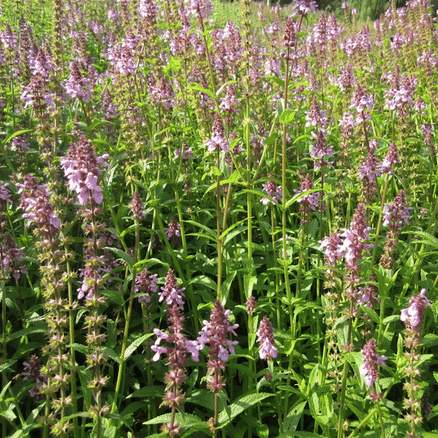
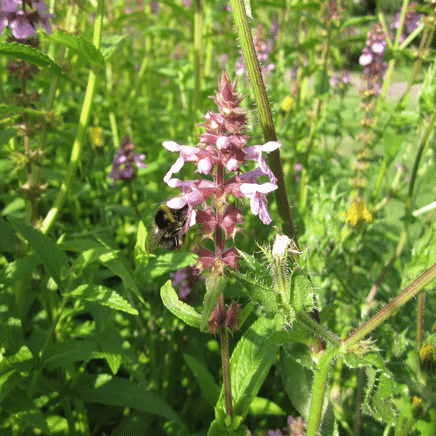
Common Bistort brings a softer flower shape to moist pondside ground. Its dense pink spikes stand above broad green leaves, creating a different effect from an iris or a tall reed. The planting can look natural without needing a mass of different colours along the same stretch of edge.
Price range: £14.00 through £34.50 (inc VAT)
Common Bistort (Persicaria bistorta)
Soft pink flower spikes over broad, veined leaves
Common Bistort brings a softer flower shape to moist pondside ground. Its dense pink spikes stand above broad green leaves, creating a different effect from an iris or a tall reed. The planting can look natural without needing a mass of different colours along the same stretch of edge.
The leaves are an important part of the clump. Their strong veins and broad blades make useful ground-level foliage beneath the flowers. Give them enough space to be seen rather than tucking the plant into a narrow gap that will be shaded and crowded as neighbouring plants mature.
This is a native rhizomatous perennial. Its underground growth can gradually extend the patch beyond the original clump. It can suit a broad damp border, while a restricted planting needs access for checking spread and dividing congested growth.
Choose moist soil beside the pond rather than treating it as a deep-water aquatic. Sun or partial shade can suit it. A damp border can provide the conditions it needs without water over the crown, which is a useful distinction when comparing it with true marginal plants placed on submerged shelves.
Dense flower spikes are mainly a summer to early-autumn feature. The broad leaves continue the ground-level planting between flowers, with semi-evergreen growth varying by winter conditions. Allow access around the patch for dividing rhizomes in spring or autumn when it becomes congested.
UK-grown plant. Grown at a dedicated aquatic plant nursery in the South of England.

What you receive
Choose one plant in a 1 litre container or three plants in 1 litre containers.
Plant into suitable moist soil above the waterline and keep the rootball moist on arrival. A litre size is the starting container volume, not the mature width of the rhizomatous patch.
How it changes through the year
Pale pink to whitish cylindrical flower spikes appear in summer into early autumn. Broad leaves provide interest between blooms and may persist in favourable winter conditions. The supplied plant's visible growth varies by season.
Choosing a place for it
- For damp ground: Use a moist border beside the pond rather than a deep-water shelf.
- For pink spikes: The dense cylindrical flowers contrast with broad veined foliage.
- For a managed patch: Spreading rhizomes need room and occasional division.
Planting and getting it established
Choose moist pondside soil in sun or partial shade. Common Bistort is a damp-ground perennial, so there is no need to submerge its crown on a pond shelf. Prepare enough soil for the rootball and set it at the existing growing level, then firm gently and water in.
Leave room for the broad leaves and the developing rhizomes rather than squeezing a young plant into a small gap. A mature patch can reach around 50–100 cm in height and width, and it can continue extending beyond the initial clump. Keep an edge accessible for inspection.
If growing in a container, use a suitable moisture-retentive medium and keep it in the appropriate above-water position. Check during dry spells, when a confined rootball may lose moisture faster than the surrounding garden. The supplied container describes the starting rootball, not an instruction to lower every plant into water.
Looking after it
- Moisture: Keep the root area moist during growth, checking young plants and containers in dry weather. Correct the root conditions before treating weak growth as a feeding problem.
- Rhizomes: Inspect the expanding edge and remove growth that is moving into neighbouring plants. A small delivery pot does not place a permanent limit on the patch.
- Division: Divide congested planting in spring or autumn. Keep healthy rooted portions, replant at their previous level and water them in so the divisions establish.
- Tidying: Remove dead or damaged material as needed. Healthy broad leaves remain part of the display after flowering and do not require wholesale cutting simply for tidiness.
- Winter: The plant is hardy and can be semi-evergreen, although winter conditions alter the leaves. Keep the site suitably moist and tidy according to what is actually dead.
Plant details
- Botanical name
- Persicaria bistorta
- Native status
- Native to Britain and Ireland
- Mature height
- Around 75 cm; RHS band 50–100 cm
- Mature spread
- About 50–100 cm, extending by rhizomes
- Position
- Sun or partial shade; moist soil above water
- Flowers
- Pale pink to whitish spikes, summer to early autumn
- Division
- Spring or autumn when needed
- RHS information
- RHS plant profile: Persicaria bistorta
Delivery and basket information
We do not deliver live plants to Northern Ireland.
Orders received by 11am Monday to Wednesday are normally dispatched on the following working day using a next working day courier service. During busy periods, dispatch may occasionally take an extra day.
To avoid plants being held in depots over a weekend, we do not usually dispatch on Fridays. Highlands and Islands orders using a two day service are not normally dispatched on Thursdays.
Please read our delivery information for delivery arrangements and contact us if you need to check the timing of a particular order.
Finofil baskets are made from 100% recycled polypropylene co-polymer. They are not suitable for ordinary kerbside recycling; reuse them where possible and check local specialist recycling options. Their fine mesh helps retain aquatic soil while allowing water to reach the roots.
Basket measurements for the offered sizes:
- 1 Litre Basket – usually 11 × 11 × 11cm square; some varieties may be supplied in a 14cm diameter × 10cm round basket
Other plants to compare
Amphibious Bistort — Choose Persicaria amphibia for floating pond leaves; Common Bistort is the moist-ground choice.
Hemp Agrimony — Compare a taller moist-soil perennial with branching pink flower clusters rather than cylindrical spikes.
Choosing plants and planting supplies
Marginal pond plants — Compare pond-edge plants by their eventual size, light and water-depth needs before filling a shelf.
Pond plant baskets and planting supplies — Choose a suitable container and growing medium for the position described above.







Reviews
There are no reviews yet.