





Self Priming Pumps
External self-priming pumps for filters and specialist pond systems
A self-priming pump can remove a limited amount of air from a correctly prepared suction line, which can help where the pump cannot sit below pond water level. It does not mean the pump can start empty, tolerate air leaks or operate dry.
Prime the casing as instructed, minimise suction lift, use generous airtight pipework and confirm the strainer and non-return arrangement. Then compare the performance curve, motor input and recommended operating range.
Design a reliable suction line before selecting power
- Minimise suction lift and pipe length.
- Keep every suction joint airtight.
- Prime exactly as the manual states.
- Clean the strainer basket regularly.
- Operate within the approved curve.
Our practical view: Self-priming does not mean a pump can lift water through a leaking, empty suction line indefinitely. We still design the inlet to be short, airtight and easy to prime.
£1,955.09 (inc VAT)
Out of stock


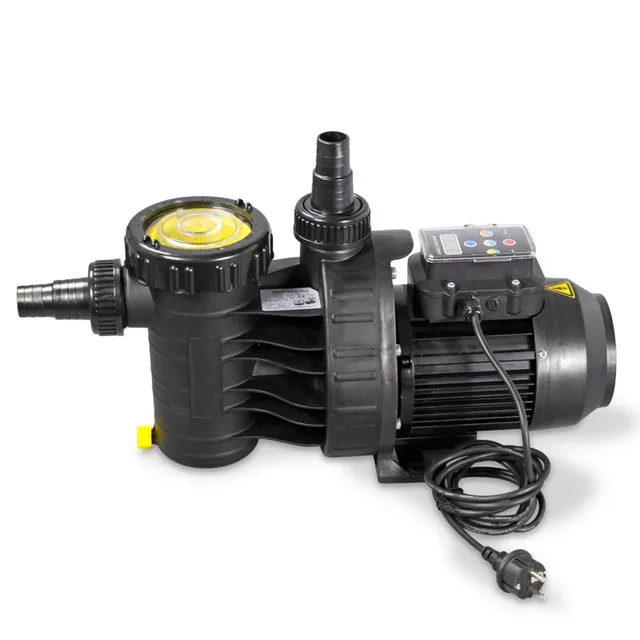
Compare Self Priming Pumps at the real operating head
Self-priming pond and pool pumps include BADU and Performance Pro models with integral strainer baskets. They are useful where the pump cannot sit below water level, within the lift limits stated by the manufacturer. Priming ability varies, and every extra metre of suction lift reduces margin. Fit sound unions and valves, keep the basket lid seal clean and never allow the pump to run dry.
What to check before ordering
- Check allowable suction lift and the priming instructions for the exact model.
- Use full-bore suction pipe with very few high points or restrictions.
- Match the curve to turnover, filter resistance and return head.
Products you can compare in this section
Current examples include Magic 4 1/4HP 1550GPH, Performance Pro Artesian Pro pump 1/4 – 66, BADU Top 14 3/4HP 3900GPH, BADU Eco Touch Pro II Variable Flow Pump and BADU Aqua Vario Plus Pump.
A recurring loss of prime is normally a plumbing or seal problem, not a reason to fit a more powerful pump. We look for the air leak first.
Need to compare the wider range? Return to Pond Pumps for the surrounding product family.
Self Priming Pumps Buying and Installation Guide
Self-priming is not dry-running
The pump still needs water for sealing and cooling and must be prepared before start-up.
Air leaks can exist without water leaks
A suction joint may draw air while appearing dry externally, causing lost prime, bubbles and poor flow.
Use valves without trapping unsafe pressure
Isolation and non-return components should follow the manufacturer system diagram and remain accessible.
Related pump and filtration categories for Self Priming Pumps: All pond pumps · Filter pumps · Variable-flow pumps · Fountain pumps · Pond filters · Pump accessories
Self Priming Pumps Frequently Asked Questions
These Self Priming Pumps answers cover the practical questions we are most often asked. The specification and manual for the exact pump model still take priority.
What does self-priming pond pump mean?
It means the pump can evacuate a specified amount of air from a prepared suction line under the conditions in its manual.
How high can a self-priming pump lift water?
Use the exact model limit and remember that greater suction lift reduces performance and priming reliability.
Why will my self-priming pump not prime?
Possible causes include an empty casing, air leaks, blocked strainer, incorrect valves, excessive lift or low pond level.
Can a self-priming pump run without water?
No unless the manual expressly permits it; self-priming and dry-running are different capabilities.
How do I calculate the flow required from Self Priming Pumps?
For Self Priming Pumps, start with the filter, waterfall or circulation target, then read the pump curve at the vertical lift and plumbing resistance of the real installation.
Should I choose Self Priming Pumps from maximum flow alone?
No. On Self Priming Pumps, maximum flow and maximum head are opposite ends of the curve; compare delivered flow at the head created by the real system.
How does pipe size affect Self Priming Pumps?
With Self Priming Pumps, undersized pipe increases friction, reduces delivered flow and can waste energy, so use the largest practical bore permitted by the pump and system.
Can Self Priming Pumps run dry?
Assume a Self Priming Pumps model cannot run dry unless its exact manual expressly permits it. Protective shut-down features are safeguards, not a normal operating mode.
How should I maintain Self Priming Pumps?
To maintain Self Priming Pumps, isolate the power, clean the strainer, housing and impeller as instructed, and investigate falling flow, noise or repeated stopping.
Can I use Self Priming Pumps with a UV clarifier?
A Self Priming Pumps pump can serve a UV where the delivered flow remains within that UV rating and the plumbing follows both manufacturers instructions.
What electrical protection does Self Priming Pumps need?
Install Self Priming Pumps with the stated outdoor electrical and residual-current protection. Never modify the cable, controller or plug contrary to the manual.
What should I check before ordering Self Priming Pumps?
Before ordering Self Priming Pumps, confirm required delivered flow, total head, pipe bore, connections, installation type, equipment limits, control needs and service access.
