





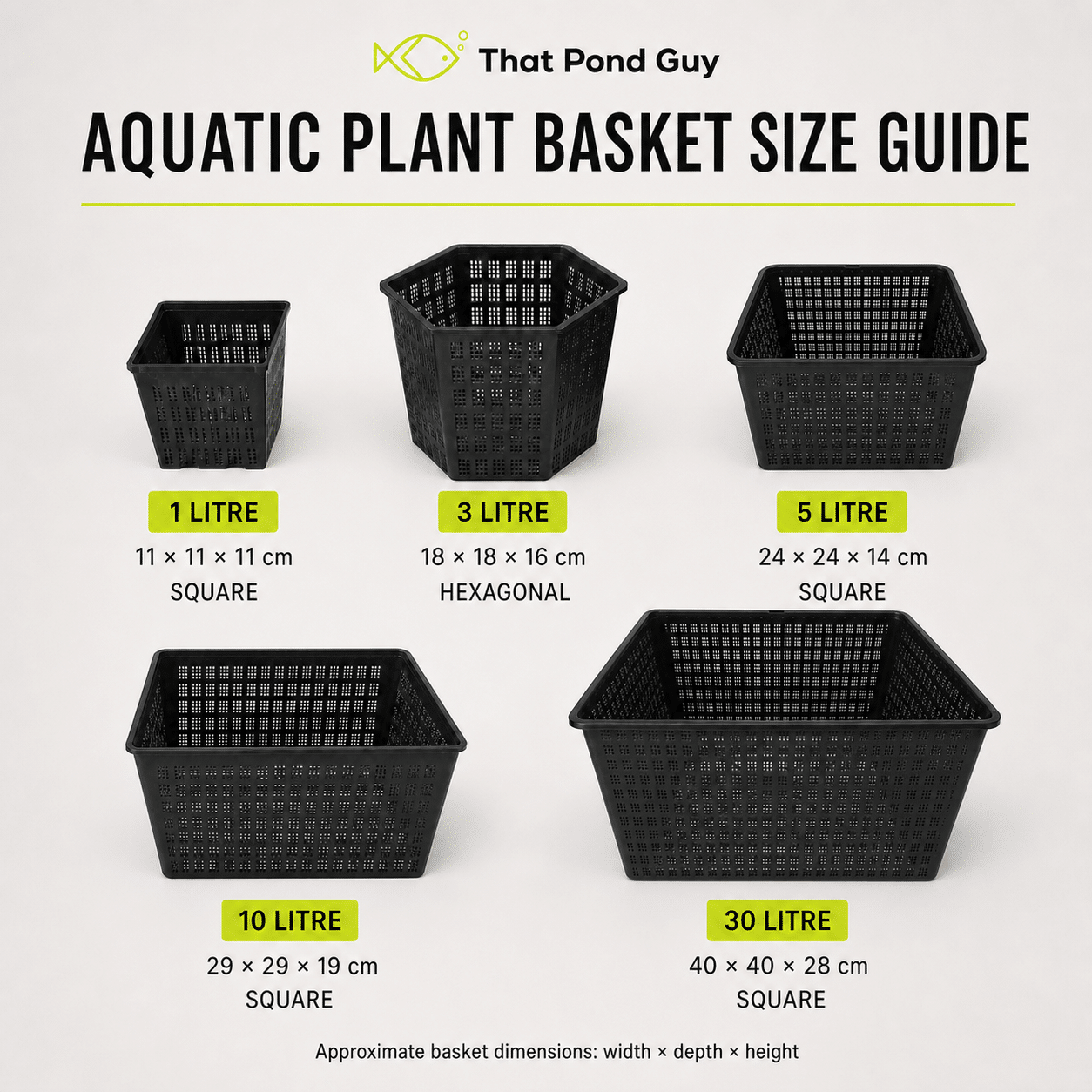
Cyperus Sedge (Carex pseudocyperus)
| Size | 1 Ltr, 1 Ltr Pack of 3, 9cm Pack of 3, 3 Ltr, 5 Ltr |
|---|---|
| Plant Type | Marginal |
| Sun / Shade | Full Sun to Part Shade |
| Growth Rate | Medium |
| Native to UK | Yes |
| Plant group |
Cyperus Sedge brings an arching shape to a wet margin. Its yellow-green leaves make a broad tuft, with decorative drooping spikes carried among them. The effect is quite different from the straight round stems of a rush, even though both may be used near the same stretch of water.
Price range: £14.00 through £45.50 (inc VAT)
Cyperus Sedge (Carex pseudocyperus)
Arching yellow-green leaves with hanging bristly flower spikes
Cyperus Sedge brings an arching shape to a wet margin. Its yellow-green leaves make a broad tuft, with decorative drooping spikes carried among them. The effect is quite different from the straight round stems of a rush, even though both may be used near the same stretch of water.
The flower stems are shorter than the leaves, so look within the arching foliage for the bristly, finger-like clusters. Their green colour is subtle rather than showy. This is a plant for leaf movement and the detail of the hanging heads, not a large brightly coloured flower display.
Allow enough room for a mature tuft around 1–1.5 m tall and 50–100 cm wide. Keep access around the planting so the arching leaves do not block a path, cover small neighbouring plants or make equipment difficult to reach.
Choose moisture-retentive ground, a suitable bog planting or a label-approved marginal position in sun or light shade. Check how any depth is measured before placing the basket. Water above the planted crown is a different figure from the total depth down to a shelf that also has to accommodate the container.
Carex pseudocyperus is a native perennial. Keep the hanging heads visible among its arching leaves, with access for lifting a congested plant and removing dead growth selectively. Retain the healthy foliage rather than cutting away the whole tuft simply to tidy a few damaged leaves.
UK-grown plant. Grown at a dedicated aquatic plant nursery in the South of England.
What you receive
Choose one plant in a 3 litre container, three plants in 9 cm nursery pots, one plant in a 1 litre container, three plants in 1 litre containers or one plant in a 5 litre container.
Keep the roots moist while preparing the site. The supplied volume describes the starting root container, not the final spread of the arching leaves. Follow the plant label for the appropriate soil or water position.
How it changes through the year
Bristly green flower spikes appear in June–July among the arching leaves. Foliage changes seasonally and may die back in winter. The amount of growth supplied depends on season; a small basket will develop a broader tuft with time.
Choosing a place for it
- For an arching outline: Leaves and hanging bristly spikes give a softer form than straight rush stems.
- For a roomy wet site: Allow for a mature tuft roughly a metre or more tall, rather than judging by the nursery pot.
- For accessible care: Leave room to remove dead leaves and lift the rootball when congested.
Planting and getting it established
Choose moisture-retentive ground, a suitable bog position or the shallow marginal position specified by the supplied label. Sun or light partial shade can suit it. Prepare enough room for the mature arching tuft and keep its eventual leaves clear of paths and access points.
Plant the rootball at its existing crown level and settle the medium gently around it. For pond placement, use a suitable aquatic basket and medium, transferring nursery-pot plants where necessary. Check the actual label before choosing water cover rather than applying a general depth to every sedge.
If placing the basket on a submerged shelf, measure from the planted crown or medium to the water surface; the shelf's total depth also includes basket height. In a bog or wet border, check the root area through dry spells. The plant needs dependable moisture even where the surface looks damp.
Looking after it
- Moisture: Keep the root area reliably moist during establishment and dry weather. Container-grown plants can need checking more often than an established wet border.
- Arching leaves: Give the tuft room rather than repeatedly cutting healthy leaves to keep it within an undersized space. Keep smaller neighbouring plants from being smothered by the mature arch.
- Tidying: Remove dead leaves and deteriorating stems selectively. Keep healthy growth in place; pruning every leaf to the same height removes the natural outline.
- Division: Lift and divide a congested clump when required, retaining sound rooted sections. Replant at the original level and keep the roots moist while they establish.
- Nutrition: Use a suitable medium and moisture regime first. Feed only if needed with a product appropriate to the actual planting position and the stated rate.
- Winter: The foliage is seasonal in this hardy deciduous sedge. Tidy dead material when practical and allow room for fresh growth rather than burying the crown.
Plant details
- Botanical name
- Carex pseudocyperus
- Native status
- Native to Britain and Ireland
- Height
- About 1–1.5 m
- Spread
- About 50–100 cm
- Flowers
- Bristly green drooping spikes, June–July
- Position
- Sun or light shade; moisture-retentive bog or label-led marginal site
- Winter
- Hardy deciduous sedge
- RHS information
- RHS plant profile: Carex pseudocyperus
Delivery and basket information
We do not deliver live plants to Northern Ireland.
Orders received by 11am Monday to Wednesday are normally dispatched on the following working day using a next working day courier service. During busy periods, dispatch may occasionally take an extra day.
To avoid plants being held in depots over a weekend, we do not usually dispatch on Fridays. Highlands and Islands orders using a two day service are not normally dispatched on Thursdays.
Please read our delivery information for delivery arrangements and contact us if you need to check the timing of a particular order.
The 9cm option arrives in nursery pots. For pond planting, pot these plants into suitable aquatic baskets with aquatic planting soil before positioning them at the depth shown on their labels.
Finofil baskets are made from 100% recycled polypropylene co-polymer. They are not suitable for ordinary kerbside recycling; reuse them where possible and check local specialist recycling options. Their fine mesh helps retain aquatic soil while allowing water to reach the roots.
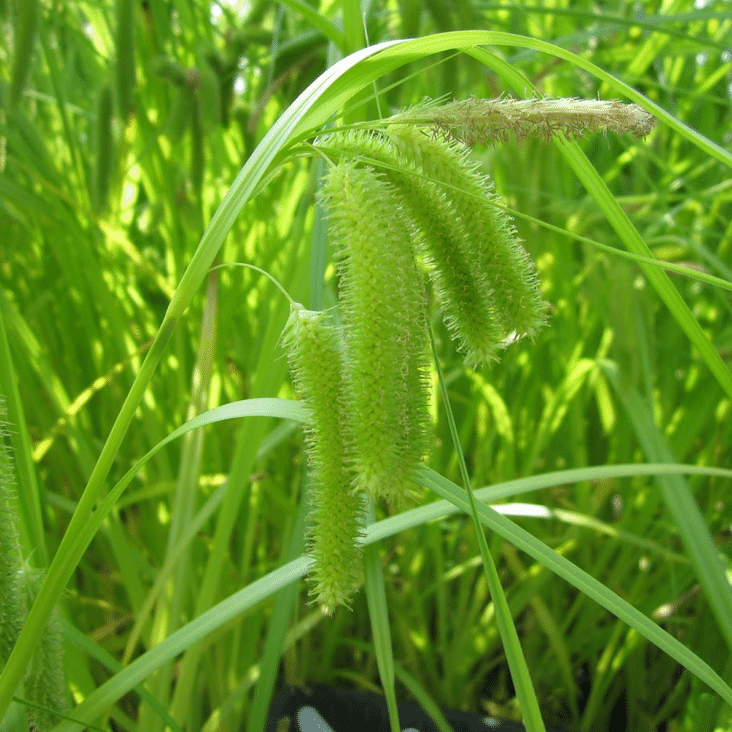
Basket measurements for the offered sizes:
- 1 Litre Basket – usually 11 × 11 × 11cm square; some varieties may be supplied in a 14cm diameter × 10cm round basket
- 3 Litre Hexagonal Basket – 18 × 18 × 16cm
- 5 Litre Square Basket – 24 × 24 × 14cm
Other plants to compare
Mace Sedge — Compare another arching sedge with distinctive mace-like heads rather than drooping finger-like spikes.
Hard Rush — Its straight stems offer a contrasting outline where a wet planting is appropriate.
Choosing plants and planting supplies
Marginal pond plants — Compare pond-edge plants by their eventual size, light and water-depth needs before filling a shelf.
Pond plant baskets and planting supplies — Choose a suitable container and growing medium for the position described above.









Reviews
There are no reviews yet.