






Biomate Rectangular Pre-Filter Foam – 12 x 4 x 4 Inches
| Product type | Pump pre-filter foam |
|---|---|
| Dimensions | 12 x 4 x 4 inches (approximately 305 x 102 x 102mm) |
| Pack quantity | 1 rectangular foam block |
Single Biomate rectangular pre-filter foam block, 12 x 4 x 4 inches (approximately 305 x 102 x 102mm). Supplier reference FL489. Match all three dimensions and the existing mounting arrangement before replacing your foam.
£4.36 (inc VAT)
Biomate 12 x 4 x 4 Inch Pre-Filter Foam
The Biomate 12 x 4 x 4 inch pre-filter foam is a rectangular replacement block for a compatible pond-pump intake or pre-filter arrangement. It provides a washable mechanical stage where the equipment is designed to use this shape of foam. Choose the replacement by its dimensions and mounting arrangement, rather than by pond volume or the pump’s wattage.
This listing is for one rectangular foam block. Its nominal outside dimensions are 12 x 4 x 4 inches, approximately 305 x 102 x 102mm, and the Oasis supplier reference is FL489. A pump, intake manifold and retaining fittings are supplied separately. This is a rectangular block rather than a 12 inch cube, so measure all three dimensions of the foam you are replacing.
Dimensions and supplied contents
| Product | Biomate rectangular pre-filter foam |
|---|---|
| Nominal size | 12 x 4 x 4 inches |
| Approximate metric size | 305 x 102 x 102mm |
| Quantity | One foam block |
| Oasis reference | FL489 |
| Application | Compatible pre-filter or intake arrangement |
Choosing the correct rectangular foam
The longer block needs space for the full twelve-inch length and enough clearance to remove it for cleaning. It is not interchangeable with a six-inch block simply because both have a four-inch cross-section. Compare the length, width and depth of the old foam, then check how it is supported in the installation. A compressed or torn foam may be smaller than its original dimensions, so measure the available space as well.
The outside dimensions alone do not establish the internal opening size or the type of intake that the foam fits. Check those details against your existing equipment before ordering. A correct replacement should sit securely without being stretched over sharp edges or crushed into a narrow compartment. Leave room to lift it out without pulling on the pump cable or disturbing glued pipework.
What a pre-filter foam does
Water passes through the foam before continuing into the component it protects. Debris retained in the foam can be removed during maintenance, helping to keep the intake or next stage clear. The foam works as part of the specified arrangement; it does not turn a bare pump into a complete filtration system.
Some pond filter pumps are designed to pass solids onwards to a separate filter. An extra foam around such an intake changes where debris collects and adds another cleaning task. Follow the pump manufacturer’s guidance when deciding whether a pre-filter is appropriate. A foam that physically fits nearby is not automatically suitable for the pump or the required flow.
Fitting and checking a replacement
Switch off and safely isolate the pump before removing the old foam or working around its intake. Support any manifold or retaining components while taking the foam off. Clear loose leaves and sediment from the surrounding area so they do not immediately enter the exposed intake.
Inspect the parts that hold the foam, and replace damaged supports or clips with the correct spares. Fit the new block in the intended position without forcing it into place. Keep the pump at the operating depth and orientation required by its manufacturer, and refit the original intake guards where they form part of the system.
After restarting, check the outlet, fountain or return flow and make sure the foam remains correctly seated. A marked loss of flow, new pump noise or movement of the block needs investigation. Stop the pump before making adjustments; do not leave it running with a restricted inlet while waiting for debris to clear.
Cleaning the foam in normal use
The right cleaning interval depends on your pond and the amount of debris reaching the intake. Inspect a newly fitted block frequently at first. Leaf fall, disturbed sediment and seasonal changes can fill the foam more quickly than your usual routine allows, so use visible loading and normal flow as practical checks.
Remove accumulated material gently and rinse the block using a method suitable for the equipment. Where established biological media are being preserved, use water taken from the pond. Avoid household detergents and aggressive twisting that can tear the foam. Make sure water can pass through the cleaned block before refitting it.
Replace foam that is torn, permanently compressed or unable to stay securely in position. Damage can let debris bypass the block, while heavy compression can restrict flow. If cleaning the foam does not restore normal operation, inspect the intake, pump and downstream system rather than assuming the foam is the only possible cause.
Other media and useful alternatives
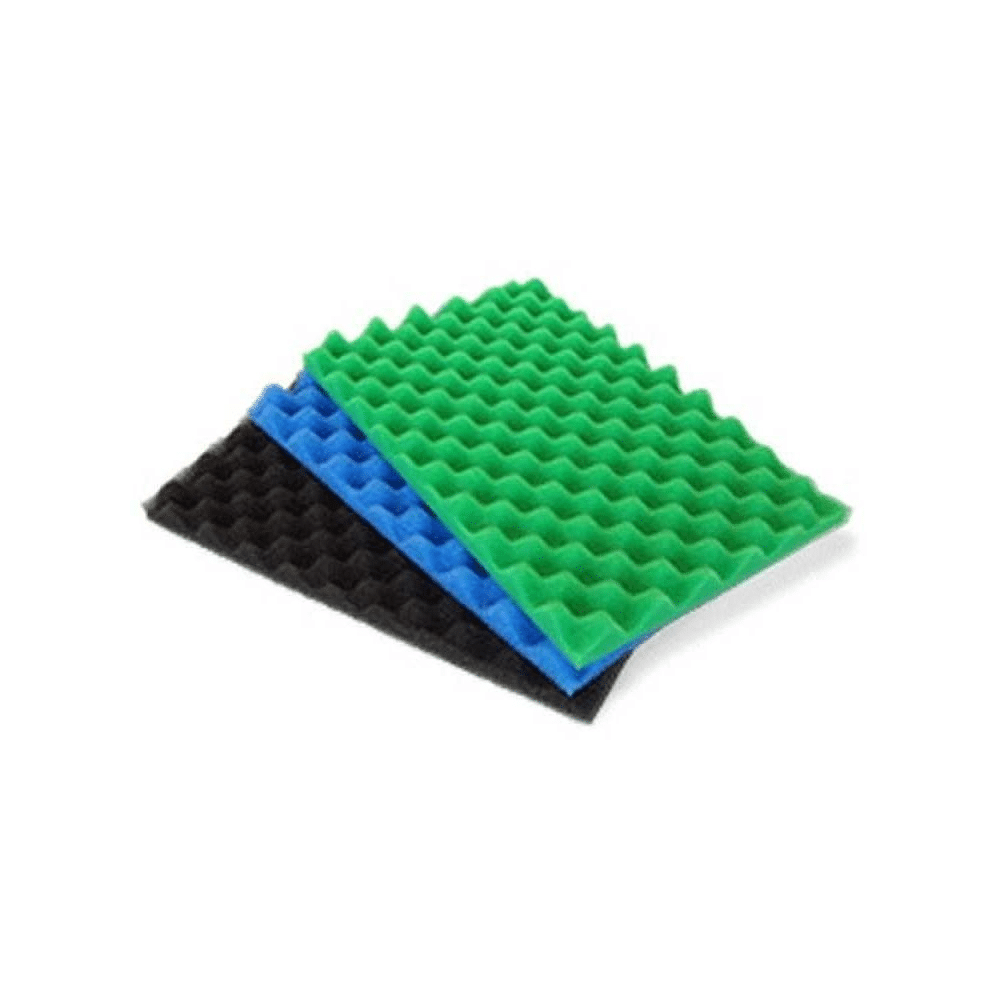
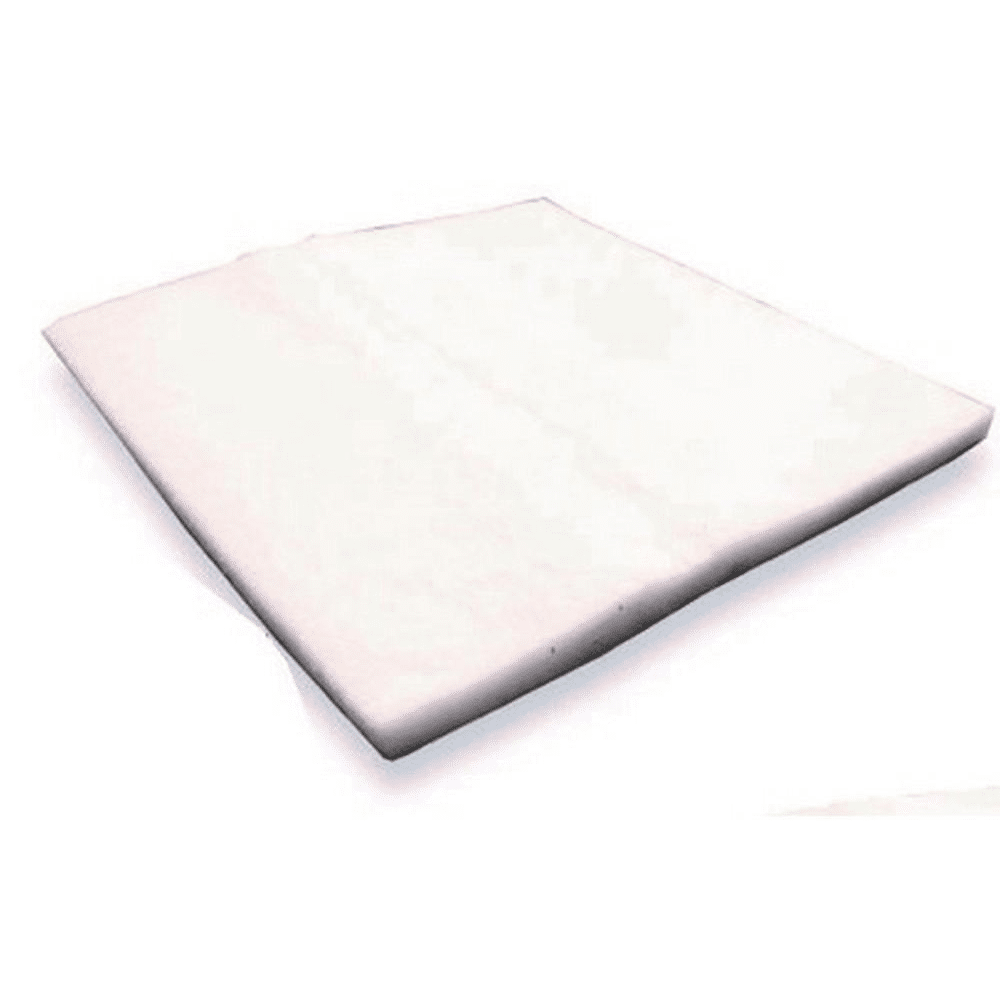
For a separate filter chamber, our pond filter foam sets provide a different form of mechanical media. Match the sheet or set to the filter housing and its media order. Fine pond filter wool pads are another option for suitable filter stages, with their own cleaning and replacement requirements.
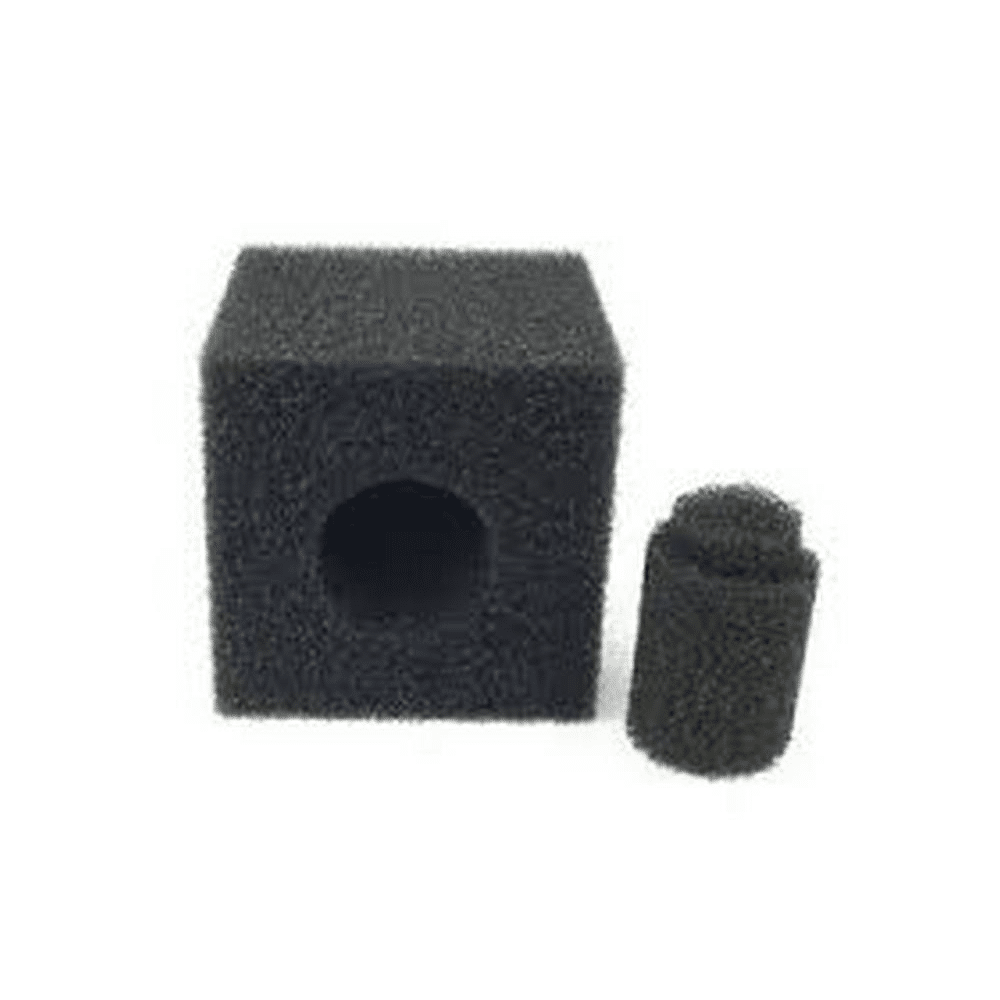
If your existing intake uses a large cube rather than a rectangular cartridge, compare the 8 inch pump pre-filter foam cube. The cube, foam sheets and this 12 inch rectangular block serve different mounting arrangements. Select the part that matches the equipment being maintained, and keep the original water route clear.



Reviews
There are no reviews yet.