






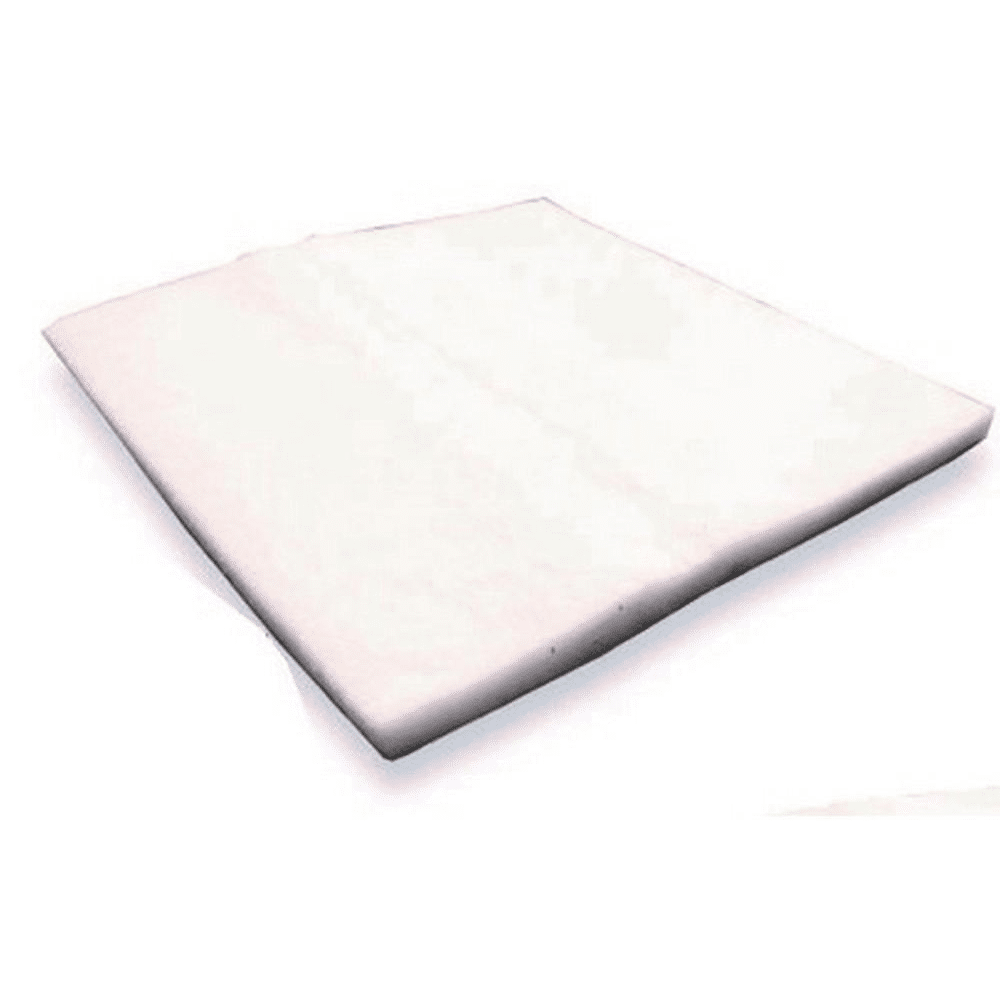
Pond Filter Wool Pads
| Sheet size | Small: 17 x 11 inches, Medium: 25 x 18 inches, Large: 43 x 21 inches |
|---|
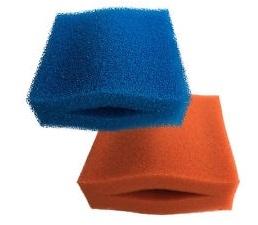
Filter wool pads provide a fine mechanical filtration layer that catches suspended particles as water passes through the material. These pre-cut sheets are available in three sizes, allowing you to select a pad for the available filter space. Choose the required sheet dimensions before trimming to suit your arrangement.
Price range: £4.99 through £14.99 (inc VAT)
Pond Filter Wool Pads
Three sheet sizes for a fine mechanical layer in a suitable pond filter
These pond filter wool pads collect suspended particles as water passes through the material. They are supplied as sheets in small, medium and large sizes, giving you a choice of dimensions when renewing a compatible filter’s fine mechanical stage. Select the size from the table below and compare it with the space and shape required by your filter.
Filter wool is useful where a filter has provision for a fine particle-catching layer that can be inspected and removed easily. Its job is to retain physical debris for removal during maintenance. It should be fitted as part of the intended filtration layout, with enough access to replace a loaded pad before it obstructs circulation.
Sheet dimensions and product codes
| Small: FM2403 | 17 × 11 inches Approximately 43.2 × 27.9cm |
|---|---|
| Medium: FM2402 | 25 × 18 inches Approximately 63.5 × 45.7cm |
| Large: FM2401 | 43 × 21 inches Approximately 109.2 × 53.3cm |
| Format | Filter wool sheet in the selected size |
| Purpose | Fine mechanical particle capture |
Metric figures are approximate conversions of the supplier’s inch sizes, rounded to one decimal place. Use the listed sheet dimensions when planning your purchase, then measure the compartment itself before fitting. The large pad offers a different footprint from the medium option; check both length and width rather than assuming that any larger-looking sheet will cover your intended outline.
Where a wool pad belongs in the filter
A fine mechanical layer commonly follows a coarser stage, so larger pieces of waste are intercepted before reaching it. Follow the arrangement specified for your own filter, including its support trays and retaining parts. The correct location is one that directs water through the pad while still allowing the system to pass its intended flow.
Our Pond Filter Foam Sets provide a separate choice of coarse, medium and fine sheet media for suitable layouts. Foam and wool are different formats, so compare the existing components before replacing either. A wool pad is not a direct substitute for every foam cartridge, particularly where a shaped insert has to hold its position around a pipe or within a frame.
Measure, trim and support the sheet
Where trimming is permitted by the filter design, establish the required outline before cutting. Include corners, pipe positions and retaining edges in that check. An old pad can help show the arrangement, but use the chamber as the final reference if the old material has stretched, folded or become damaged.
Fit the material evenly on the intended support. Gaps around the edges can allow water to miss the pad, while folds or an unnecessarily thick stack can restrict its passage. Keep the outlet and any designed overflow route clear. Make sure the sheet can be lifted out for maintenance without having to dismantle unrelated equipment each time it becomes dirty.
Why regular inspection matters
The waste held by a pad remains inside the filter until you remove it. As that material builds up, the pad can become more restrictive. Watch the water level around the media and the returning flow as well as the appearance of the sheet. A visibly dirty surface is useful evidence, but it is not the only sign that maintenance is needed.
Check a newly fitted pad soon after the filter has begun collecting waste, especially following work that disturbed sediment. Continue at an interval suited to the amount of debris reaching that stage. There is no single weekly or monthly replacement schedule that can cover every pond, filter layout and feeding pattern.
Cleaning or replacing a loaded pad
Follow your filter’s instructions on rinsing or replacing its mechanical media. Inspect the material after removal: a pad that is torn, matted or unable to sit evenly should not be forced back into service merely because it has been rinsed. Have the correct replacement size ready so the filter can be reassembled promptly.
Handle the dirty sheet so the collected waste is removed from the system, rather than washed back into the clean side of the filter. Check its support at the same time and clear any debris that would prevent the new pad from lying correctly. After reassembly, restart as instructed and inspect the complete flow path before leaving the system to run.
Clearer water still needs testing
Particle capture and biological filtration address different aspects of pond-water quality. A wool pad does not make clear-looking water proof that ammonia and nitrite are controlled. Keep the biological stage maintained and use water tests to assess conditions that cannot be judged by appearance alone.
The Colombo Pond Test Lab Professional can support those routine checks, including after substantial filter maintenance. If water quality deteriorates, investigate the filtration and pond conditions rather than simply adding more wool. Overpacking the mechanical stage can create a circulation problem of its own.
Choose by the filter requirement
These pads are identified by sheet size, not by a stated pond-volume capacity or numerical micron rating. Check the dimensions, support and access requirements of your installation before selecting an option. Keeping the supplier code with your maintenance notes makes it straightforward to reorder the correct sheet when the next replacement is needed.






Reviews
There are no reviews yet.