





Koi Food Filters
Koi Food
Premium koi food, pond fish food, treats and automatic feeders for healthy, active fish
Choosing the right koi food helps support fish health, growth, colour, digestion and water quality. At That Pond Guy, we stock a carefully selected range of koi food, pond fish food, natural treats, sturgeon food and automatic fish feeders for garden ponds, koi ponds and mixed ornamental fish ponds across the UK.
Whether you are feeding through the warmer summer months, switching to wheatgerm koi food in cooler weather, encouraging steady growth, supporting colour or looking for a reliable everyday complete food, this category is designed to help you compare the right options quickly.
Choosing the right koi food
Koi food should be chosen around the pond, the fish and the time of year. A richer growth koi food is best suited to warmer water when koi are active and feeding strongly, while wheatgerm food is usually better for spring, autumn and cooler conditions. Staple and complete koi foods are ideal for regular everyday feeding, and colour-enhancing koi food can be used when you want to support natural colour development.
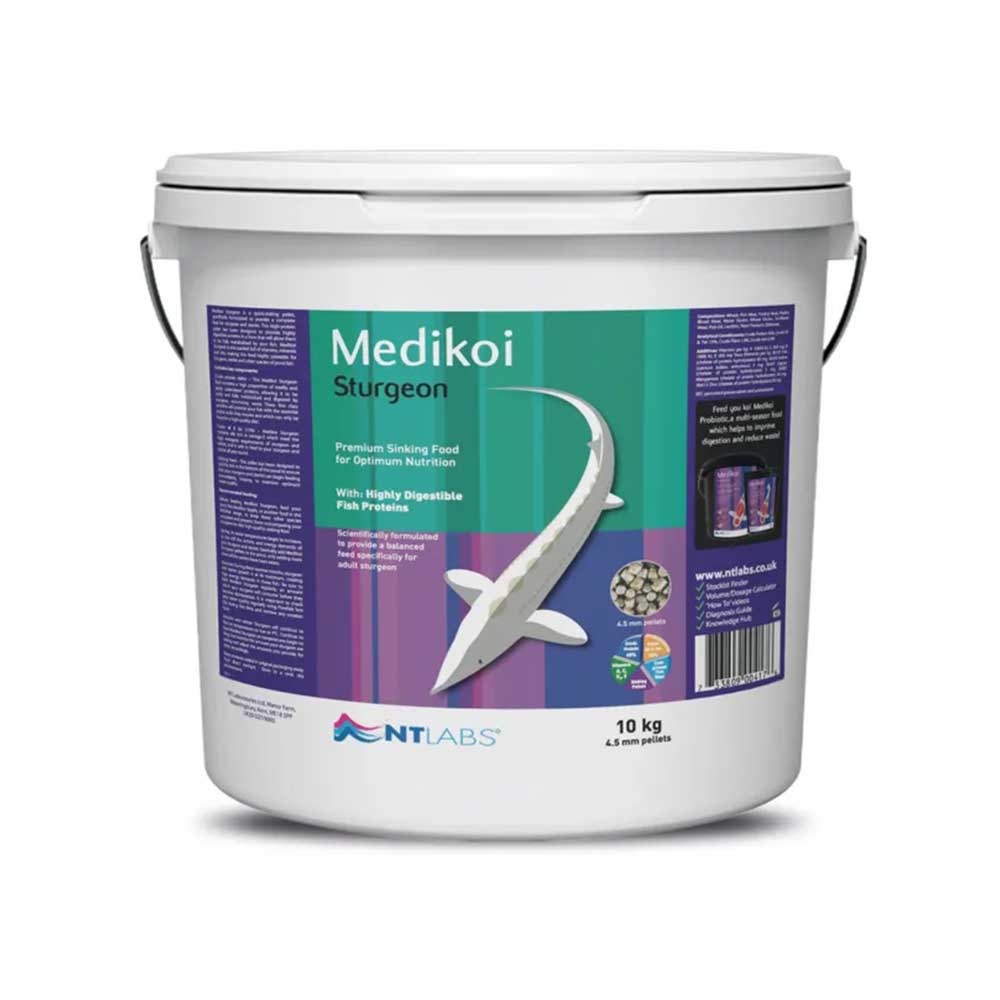
Pellet size and feeding behaviour also matter. Smaller koi need smaller pellets, while larger koi can usually manage medium or large pellets. Floating food is popular because it lets you watch the fish feed and remove uneaten food more easily. Sinking food can be useful for deeper ponds, shy fish or species such as sturgeon and sterlet.
Use the filters to narrow the range
Use the filters on this page to shop by brand, food type, feeding season, pellet behaviour, bag size and pellet size. This makes it easier to find the right food without having to scroll through every product.
For cooler-weather feeding, choose wheatgerm. For summer growth, choose a suitable growth food. For regular daily feeding, choose a staple or complete food. For variety, use koi treats in moderation alongside a proper complete diet. If you want more controlled feeding through the day, browse our automatic fish feeders.
Feeding advice
Always feed according to water temperature, fish activity and water quality. Feed small amounts that are eaten quickly, avoid leaving uneaten food in the pond, and reduce feeding if fish become slow, stressed or if ammonia or nitrite are present. Good koi food works best alongside suitable filtration, aeration and regular pond maintenance.
Browse the products below or use the filters to compare koi food by brand, food type, feeding season, pellet behaviour, bag size and pellet size.
Price range: £39.95 through £84.75 (inc VAT)
Price range: £42.95 through £89.75 (inc VAT)
Price range: £40.95 through £84.75 (inc VAT)
Out of stock
Price range: £42.95 through £89.75 (inc VAT)
Price range: £28.99 through £104.99 (inc VAT)
Price range: £21.50 through £122.99 (inc VAT)
Price range: £32.50 through £115.00 (inc VAT)
Out of stock




Koi Food Frequently Asked Questions
What is the best koi food for my pond?
The best koi food depends on your pond, the water temperature, the size of your fish and what you want the food to achieve. For everyday feeding, a good staple or complete koi food is usually the safest starting point. For cooler weather, wheatgerm koi food is normally more suitable. For summer feeding, growth food or colour-enhancing food may be a better choice if the fish are active and the pond filter is mature.
There is not one single best koi food for every pond. A lightly stocked garden pond may only need a simple complete pond fish food, while a heavily stocked koi pond may benefit from higher-quality foods, probiotic support, automatic feeding and regular water testing. The best results usually come from matching the food to the season and feeding carefully rather than simply choosing the richest or most expensive option.
How do I choose the right koi food?
Start by looking at the water temperature. Koi digest food differently depending on temperature, so seasonal feeding is very important. Wheatgerm foods are generally used in cooler conditions, while growth and colour foods are normally used when the water is warmer and koi are feeding strongly.
Next, think about the purpose of the food. Choose growth food for body development, colour food for natural colour support, staple or complete food for everyday feeding, health or probiotic food for digestive support, and treats only as a supplement. Finally, choose a pellet size your fish can comfortably eat.
What is the difference between koi food and ordinary pond fish food?
Koi food is usually formulated with koi growth, colour, body condition and digestion in mind. Many koi foods use ingredients such as fish meal, wheatgerm, krill, spirulina, vitamins, minerals, oils and sometimes probiotics or prebiotics. Ordinary pond fish food is often aimed at mixed ponds with goldfish, shubunkins, orfe and smaller ornamental fish.
That does not mean ordinary pond fish food is bad. In a mixed garden pond, a good complete pond fish food can be ideal. In a dedicated koi pond, especially with larger or higher-value koi, it often makes sense to use a koi-specific food that suits the water temperature and feeding goal.
Can goldfish eat koi food?
Yes, goldfish can usually eat many koi foods, provided the pellet size is suitable and the food is appropriate for the water temperature. In mixed ponds with koi and goldfish, staple pond fish food, wheatgerm food and smaller floating pellets are often suitable for both.
The main thing is not to overfeed and not to use pellets that are too large for smaller fish. If the pond contains a mix of koi, goldfish and smaller ornamental fish, choose a food that all fish can eat comfortably. Smaller pellets are often better than large pellets in mixed ponds.
Can koi eat goldfish food?
Koi can eat many goldfish foods or general pond fish foods, but that does not always make them the best choice. Goldfish food may be fine for basic maintenance in a mixed pond, but koi often benefit from koi-specific nutrition if you want better growth, colour, body condition and feeding performance.
For larger koi or dedicated koi ponds, it is better to choose a proper koi food that matches the season. Use wheatgerm food in cooler weather, growth food in warm water, colour food when colour support is the aim, and complete food for normal everyday feeding.
What is a complete koi food?
A complete koi food is designed to provide the main nutrients koi need as a regular diet. It should include a balanced mix of protein, fats, carbohydrates, vitamins and minerals. Complete foods are useful because they can be used as the main feed rather than only as a treat or occasional supplement.
Complete does not mean suitable in every condition. A complete growth food may still be too rich for cold water, while a complete wheatgerm food may be better for cooler conditions. Always check the feeding guidance and match the food to water temperature and fish activity.
What is staple koi food?
Staple koi food is an everyday food designed for regular feeding when pond conditions are suitable. It is usually less specialised than growth food, colour food or wheatgerm food. For many pond owners, staple food is the main daily feed through the normal feeding season.
Staple food is a good choice if you want a simple, balanced diet without focusing heavily on growth or colour. It is especially useful for mixed ponds and general koi keeping, where the goal is healthy fish, steady condition and good water quality rather than maximum growth.
Is all-season koi food the same as staple food?
No, not exactly. All-season koi food describes when the food can be used, while staple food describes what the food is for. An all-season food is usually designed to be fed across a wider part of the year, depending on water temperature. A staple food is an everyday main diet.
A koi food can be both all-season and staple or complete. For customer filters, it is clearer to treat All Season / Year Round as a feeding season, and Staple / Complete as a food type. That avoids confusing customers with two labels that sound similar but mean slightly different things.
What koi food should I use for a mixed pond?
For a mixed pond with koi, goldfish, shubunkins or orfe, a good staple or complete pond fish food is often the best starting point. Choose a pellet or stick size that all fish can manage. If you have smaller fish, avoid using only large pellets, as they may struggle to feed properly.
In cooler weather, switch to wheatgerm or a more digestible seasonal food. In summer, you can use growth or colour food if koi are the main fish and the filter can cope with heavier feeding. For mixed ponds, it is usually better to feed sensibly and consistently rather than pushing fish with overly rich food.
Is premium koi food worth it?
Premium koi food can be worth it, especially in koi ponds where fish health, colour, growth and water quality are priorities. Better foods often use higher-quality ingredients, more targeted nutrition and improved digestibility. This can be helpful in ponds with larger koi, higher fish loads or owners who want better long-term condition.
However, premium food is only part of the picture. Even the best koi food can cause problems if it is overfed or used in the wrong temperature range. Filtration, oxygen, stocking level and water testing are just as important as the food itself.
What koi food should I feed in spring?
In spring, koi should usually be fed lightly at first, using a digestible wheatgerm or spring/autumn food once they are active and water temperatures are suitable. Their digestion is slower after winter, so it is better to build feeding up gradually rather than suddenly switching to a rich summer food.
As temperatures become more stable and koi are feeding confidently, you can gradually move towards an all-season or staple food. Growth food should generally wait until the water is warmer and the filter is biologically active enough to process the extra waste.
What koi food should I feed in summer?
In summer, koi are usually more active and can often digest richer foods more effectively. This is the main time to use growth food, colour-enhancing food, higher-protein food and more frequent feeding, provided water quality is good and oxygen levels are suitable.
Summer feeding still needs control. Warm water can hold less oxygen, and heavy feeding creates more waste. Feed small amounts that are eaten quickly, test the water regularly, and reduce feeding if fish are off their food or ammonia or nitrite becomes detectable.
What koi food should I feed in autumn?
In autumn, gradually move away from rich growth foods and back towards wheatgerm or easier-digesting seasonal foods. As the water cools, koi metabolism slows down, so the same amount of food that was fine in summer can become too much.
Autumn is also a useful time to prepare fish for winter by keeping them in good condition without overloading the pond. Feed lightly, choose a food suited to cooler temperatures, and let the fish’s behaviour guide you. If they are slow to feed, reduce the amount.
Should I feed koi in winter?
In many UK ponds, koi should be fed very little or not at all during the coldest parts of winter. The exact answer depends on water temperature, fish activity and whether the pond is heated. If koi are inactive and not looking for food, do not feed them.
Some foods are designed for cooler water, but that does not mean fish should be fed heavily through winter. Feeding should always be based on the fish, the pond temperature and how confidently they are taking food.
When should I switch to wheatgerm koi food?
Switch to wheatgerm koi food when the water is cooling and koi are still feeding, but no longer need rich summer diets. This is usually during autumn and again in spring when fish begin feeding after winter. Wheatgerm is commonly used because it is easier to digest in cooler water.
It is also useful during periods where temperatures are unstable. Rather than pushing high-protein growth food too early or too late in the season, wheatgerm gives a safer option for controlled feeding.
When should I switch from wheatgerm to growth food?
Switch from wheatgerm to growth food when the water is consistently warm, koi are active, and the filter is coping well. Many growth foods are intended for warmer water feeding, when koi can digest richer diets and make better use of the extra protein and energy.
Do not switch just because the calendar says summer. Use a pond thermometer and watch the fish. If the water is still cool, or if the filter is immature, stay with wheatgerm or staple food until conditions improve.
What temperature should I start feeding koi again?
Start feeding koi again when the water temperature is suitable for the food you are using and the fish are actively looking for food. In spring, that usually means starting with small amounts of wheatgerm or a cooler-weather food rather than immediately using growth food.
Avoid relying only on air temperature. Pond water warms more slowly than the air, especially in deeper ponds. A pond thermometer is one of the simplest tools for choosing the right food and avoiding seasonal feeding mistakes.
What temperature should I stop feeding koi?
You should stop or heavily reduce feeding when the water becomes too cold for koi to digest food properly, or when the fish are inactive and not feeding confidently. Many keepers stop feeding during colder winter periods unless the pond is heated and the fish remain active.
Different foods have different guidance, so always check the specific product. Some wheatgerm or multi-season foods can be used at lower temperatures than growth foods, but uneaten food should never be left to break down in the pond.
Can I feed koi all year round?
You can only feed koi all year round if water temperatures and fish activity allow it. In an unheated UK pond, there will usually be periods where feeding is reduced or stopped. In a heated pond, feeding may continue for longer, but the food type and amount still need to match the fish’s metabolism.
All-season food can be useful, but it does not mean unlimited feeding in any weather. The phrase “all season” means the food is more flexible across the year, not that it should be fed heavily during very cold or unsuitable conditions.
Why does water temperature matter when feeding koi?
Water temperature matters because koi are cold-blooded fish. Their digestion and appetite change with the temperature of the pond. When water is warm, koi are usually more active and can process richer foods. When water cools, digestion slows and heavy feeding becomes riskier.
That is why koi food is often grouped by season. Wheatgerm foods are used in cooler conditions, staple foods suit normal feeding, and growth or colour foods are usually used when the water is warmer and fish are feeding strongly.
Koi Food FAQs – Wheatgerm and Growth Food
What is wheatgerm koi food?
Wheatgerm koi food is a more digestible type of koi food that is often used during cooler periods of the year, especially in spring and autumn. It contains wheatgerm as a key ingredient, which is commonly used in fish foods designed for easier digestion when koi are less active.
It is particularly useful when the water is not warm enough for rich growth foods, but the koi are still active and looking for food. Wheatgerm food is not just a “winter food”; it is mainly a cooler-weather food for controlled, gentle feeding.
Why is wheatgerm food better in cooler weather?
Wheatgerm food is generally easier for koi to digest than richer summer growth foods. As water temperature drops, koi metabolism slows down, which means they cannot process heavy, high-protein foods as efficiently as they can in warmer water.
Using wheatgerm in cooler weather helps reduce the risk of overloading the fish and the pond filter. It is still important to feed lightly and only when the fish are actively feeding. Even an easy-digest food can cause water quality issues if too much is fed.
Can I feed wheatgerm koi food all year?
You can feed wheatgerm koi food through much of the year if the fish are active and the water temperature is suitable, but it is not always the best choice for every season. In warmer weather, koi may benefit more from a staple, growth or colour food depending on your goals.
Wheatgerm is most useful in spring, autumn and cooler weather. It is a safe, sensible food for seasonal transitions, but if you are trying to build growth or improve colour during summer, a more targeted food may be a better option.
Is wheatgerm koi food good for goldfish?
Yes, wheatgerm food can be suitable for goldfish and other pond fish, provided the pellet size is appropriate. In mixed ponds with koi, goldfish, shubunkins and orfe, wheatgerm pond fish food can be a good choice during cooler periods.
The main thing is to make sure all fish can eat it comfortably. If the pond contains smaller fish, choose a smaller pellet size or a food that softens easily enough for them to manage. Avoid feeding large koi pellets if smaller pond fish cannot take them properly.
Is wheatgerm food lower protein?
Wheatgerm foods are often lighter and less rich than summer growth foods, although the exact protein level depends on the product. The main point is not just the protein percentage, but the overall digestibility and suitability for cooler-water feeding.
A wheatgerm food is generally designed for steady condition rather than fast growth. It can help keep fish ticking over when they are feeding, but it is not usually intended to push heavy body development in the same way as a warm-weather growth food.
When is the best time to feed wheatgerm koi food?
The best time to feed wheatgerm koi food is during spring and autumn, or whenever the water is cool but the fish are still active. It is especially useful when koi are coming out of winter and beginning to feed again, or when temperatures are dropping after summer.
Feed small amounts and watch the fish closely. If they are slow to respond, reduce the amount. If they are feeding confidently and the water temperature is rising, you can gradually move towards a staple or growth food when conditions are right.
What is the best wheatgerm koi food?
The best wheatgerm koi food depends on your pond, your fish and your budget. For general pond keeping, a good-quality wheatgerm food from a trusted brand is usually enough. For more serious koi keepers, premium wheatgerm foods may offer better ingredient quality, digestibility and feeding performance.
Look for a food that suits the size of your fish, the temperature range you are feeding in and the type of pond you have. A heavily stocked koi pond may benefit from a higher-quality wheatgerm food, while a mixed garden pond may only need a reliable complete wheatgerm pond food.
Is wheatgerm food suitable for small koi?
Yes, wheatgerm food can be suitable for small koi, but pellet size matters. Small koi need small pellets that they can take easily. If the pellets are too large, the fish may struggle to feed properly or smaller fish may be outcompeted by larger koi.
For young koi or mixed ponds, choose a small or medium pellet depending on fish size. If you have a mix of large and small fish, it can sometimes help to use a smaller pellet so more fish can feed evenly.
Should I feed wheatgerm after winter?
Yes, wheatgerm is often a good choice after winter, once koi become active and begin looking for food again. After a cold period, koi digestion is slower, so it is better to restart feeding gently rather than offering a rich summer diet too soon.
Start with very small amounts and only feed when fish are showing clear interest. As the water warms and the pond filter becomes more active, feeding can gradually increase. If the fish are still sluggish, keep feeding light or pause until conditions improve.
Can wheatgerm food help reduce waste?
Wheatgerm food can help reduce unnecessary waste when used correctly, because it is generally easier to digest in cooler conditions than rich growth food. Better digestion can mean less uneaten food and less strain on the filter.
However, no food will keep the pond clean if it is overfed. Uneaten food, excess fish waste and poor filtration can still cause cloudy water, ammonia, nitrite and sludge problems. Wheatgerm should be used as part of sensible feeding, not as a fix for poor water quality.
What is growth koi food?
Growth koi food is a richer food designed to support body development and size gain during warmer periods, when koi are active and able to digest more protein and energy. It is often higher in protein and fat than a basic staple or wheatgerm food.
Growth food is best used when the water is warm, the fish are feeding strongly and the pond filter can cope with the extra waste. It is not usually the right food for cold water, inactive fish or immature filtration.
When should I feed growth koi food?
Growth koi food should normally be fed during the warmer months, when the water temperature is suitable and koi are actively feeding. It is most useful in late spring, summer and early autumn, depending on the weather and pond conditions.
Do not rush into growth feeding too early in the season. If the water is still cool or the filter has not fully recovered after winter, use wheatgerm or staple food first. Growth food should be introduced gradually once conditions are stable.
What temperature is best for growth food?
Growth food is generally best used in warm water, when koi metabolism is high enough to digest richer food properly. The exact temperature depends on the product, so always check the feeding guidance on the food you are using.
As a general rule, growth foods are better suited to summer and warm-weather feeding rather than spring or late autumn. If the pond temperature is borderline, it is usually safer to use a staple or wheatgerm food until the water is consistently warmer.
Is high-protein koi food always better?
No, high-protein koi food is not always better. Protein is important for growth and condition, but the right food depends on water temperature, fish activity, filtration and the overall pond setup. A high-protein food used at the wrong time can create more waste and water quality problems.
High-protein growth food is useful when koi are actively growing and the pond can support heavier feeding. In cooler weather, after pond treatments, during water quality issues or when fish are not feeding strongly, a lighter food is usually the better choice.
Can growth food make koi grow faster?
Growth food can help koi grow faster when it is used in the right conditions. Warm water, good genetics, strong filtration, stable water quality, oxygen and regular feeding all play a part. Food alone will not produce good growth if the pond is poorly filtered or the water quality is unstable.
For best results, feed small amounts regularly rather than dumping in large quantities. Koi grow better when they can digest food efficiently and the pond remains stable. Overfeeding growth food can have the opposite effect by damaging water quality and stressing the fish.
Can I feed growth food every day?
You can feed growth food daily during suitable warm-weather conditions, provided the koi are active and the pond filter can manage the waste. Many koi keepers use growth food as part of a summer feeding routine, sometimes alongside staple or colour food.
It should not be fed heavily all year round. In cooler weather, growth food may be too rich. If ammonia or nitrite appear, or if the fish become less active, reduce feeding and switch to a more suitable food if needed.
Should small koi have growth food?
Small koi can benefit from growth food when conditions are right, as younger fish often have strong growth potential. However, the pellet size needs to be suitable. Small koi should not be expected to manage large pellets meant for bigger fish.
A small or medium pellet growth food can be useful in warm water, especially if the pond is well filtered. Feed carefully and avoid pushing growth too hard in poor conditions. Steady growth in clean, stable water is better than fast growth with water quality issues.
Can growth food affect water quality?
Yes, growth food can affect water quality because richer feeding produces more waste. Higher-protein foods can be excellent when koi are growing strongly, but the filter has to process the extra load. If the pond is overfed, ammonia and nitrite can rise, and the water may become cloudy or dirty.
Before feeding growth food heavily, make sure the pond filter is mature and working well. Test the water regularly, especially in heavily stocked koi ponds. If water quality drops, reduce feeding immediately.
What is the best growth koi food?
The best growth koi food depends on the fish, pond temperature, filtration and budget. A good growth food should be suitable for warm-weather feeding, easy for the fish to eat, and made by a trusted koi food brand. Some growth foods focus on rapid body development, while others aim for balanced growth and condition.
For serious koi keepers, premium growth foods from specialist brands may be worth the extra cost. For general pond keepers, a reliable growth food used at the right time can still give good results. The most important thing is to match the food to the pond rather than simply choosing the highest protein percentage.
Should I use floating or sinking growth food?
Floating growth food is popular because it lets you watch the koi feed, check their behaviour and remove uneaten food more easily. This makes it a good choice for most ponds, especially where you want to monitor fish health during feeding.
Sinking growth food can be useful for fish that feed more confidently below the surface or in deeper ponds where you want food distributed differently. The downside is that uneaten sinking food is harder to see and remove, so it needs to be fed more carefully.
Koi Food FAQs – Colour, Health and Probiotic Foods
What is colour-enhancing koi food?
Colour-enhancing koi food is a specialist food designed to support the natural colour development of koi, especially red, orange and sometimes yellow pigmentation. These foods often contain ingredients such as spirulina, krill, paprika, carotenoids or other natural colour-supporting ingredients, depending on the brand and formula.
Colour food is not magic, and it will not turn a poor-quality koi into a show-quality fish. Genetics, water quality, sunlight, skin quality and general health all play a part. However, a good colour-enhancing koi food can help support the colour potential the fish already has when used correctly as part of a balanced feeding routine.
Does colour food really improve koi colour?
Colour food can help support koi colour, but the results depend on the fish. Koi with good natural colour potential may show improved depth and brightness when fed a quality colour-enhancing food in the right conditions. Koi with weaker genetics or poor skin quality may show less noticeable improvement.
It is also important to keep water quality stable. Poor water quality, stress, overfeeding and unsuitable pond conditions can all affect how koi look. Colour food works best when the pond is clean, well filtered and properly maintained.
What ingredients help koi colour?
Common colour-supporting ingredients in koi food include spirulina, krill meal, paprika, carotenoids, astaxanthin and certain algae-based ingredients. These are used to help support pigmentation, particularly red and orange tones.
Different brands use different formulas, so the ingredient list will vary from one food to another. Some colour foods are heavily focused on pigmentation, while others combine colour support with growth, staple feeding or general condition. It is worth choosing a colour food that suits both your goals and the season.
Can colour food make white areas yellow?
Some colour-enhancing foods can affect the appearance of white areas if they are overused or fed for too long, especially on koi where clean white skin is important. This is why many koi keepers use colour food carefully rather than feeding it heavily all year round.
If you keep koi where white skin quality is a priority, use colour food as part of a balanced feeding programme rather than as the only food. It is often better to feed colour food during suitable warmer periods and then return to a staple, wheatgerm or maintenance food when colour support is no longer the main aim.
When should I feed colour-enhancing koi food?
Colour-enhancing koi food is usually best used when koi are actively feeding and the water is warm enough for them to digest richer foods properly. For many ponds, this means using colour food during late spring, summer and early autumn, depending on water temperature and fish activity.
It should not normally be the first food used after winter. In cooler water, a wheatgerm or easier-digesting seasonal food is usually more appropriate. Once fish are feeding strongly and the pond filter is stable, colour food can be introduced gradually.
Can I feed colour food all year?
Colour food can be fed for extended periods if the product is suitable and the water conditions allow it, but it is not usually the best food to use heavily all year. In cooler weather, colour food may be too rich or less suitable than wheatgerm or all-season food.
A better approach is to use colour food as part of a seasonal feeding plan. Use wheatgerm in cooler periods, staple or all-season food for everyday feeding, growth food for body development, and colour food when colour support is the main aim.
What is the best colour food for koi?
The best colour food for koi depends on your fish, budget, pond conditions and the type of colour you want to support. Premium colour foods from specialist koi brands are often better suited to serious koi keepers, while more affordable colour foods can still be useful for general pond keeping.
Look for a colour food from a trusted brand, with clear feeding guidance and suitable pellet size. If you are feeding high-value koi, it is worth being more selective and avoiding overuse. The goal should be to support natural colour without compromising skin quality, digestion or water clarity.
Should colour food be mixed with staple food?
Yes, colour food can often be mixed with staple food, especially if you want colour support without feeding a very rich colour diet all the time. Mixing can also make the feeding routine more balanced, particularly in ponds with koi of different sizes, ages and quality.
If you are using a premium colour food, you may not need to feed it at every meal. You could use staple food as the main feed and introduce colour food during warmer periods or at certain feeds. Always watch how the fish respond and adjust feeding if water quality changes.
Is spirulina good for koi colour?
Spirulina is commonly used in colour-enhancing koi foods because it contains natural pigments that can support colour development. It is especially associated with supporting red and orange tones in koi, although the final result still depends on the fish’s genetics and condition.
Spirulina is not the only colour-supporting ingredient. Many colour foods combine it with krill, paprika, carotenoids or other ingredients. A well-balanced formula is usually better than focusing on one ingredient alone.
What is the difference between colour food and growth food?
Colour food is designed mainly to support natural pigmentation and skin appearance, while growth food is designed mainly to support body development and size gain. Some foods may support both, but they usually have a main purpose.
Growth food is generally richer and used when the goal is body development in warm water. Colour food is used when the aim is to improve or maintain colour quality. Both types of food should be used carefully, as overfeeding either can affect water quality.
What is probiotic koi food?
Probiotic koi food is koi food that includes beneficial bacteria or digestive-support ingredients designed to help the fish process food more efficiently. These foods are often used to support digestion, gut balance and overall condition.
Probiotic food can be especially useful in ponds where you want a more digestible feed, where fish are being fed more regularly, or where you are trying to support water quality by reducing unnecessary waste. It is not a replacement for a good filter, but it can be part of a better feeding routine.
Is probiotic koi food worth using?
Probiotic koi food can be worth using, especially if you want to support digestion and feed efficiency. It may be particularly useful during periods of heavier feeding, after seasonal changes, or when fish need a more supportive diet.
However, it should not be seen as a cure-all. If the pond has ammonia, nitrite, parasite issues, low oxygen or poor filtration, probiotic food alone will not fix the problem. It works best alongside stable water quality, good aeration and sensible feeding amounts.
When should I use health-support koi food?
Health-support koi food can be useful when koi need extra nutritional support, such as after transport, after a stressful period, during seasonal changes or when fish are rebuilding condition. These foods may include ingredients aimed at digestion, immune support, appetite, skin condition or general wellbeing.
It is important to remember that health-support food is still food, not medication. If fish are showing signs of disease, parasites, wounds or serious stress, the first step should be water testing and diagnosis rather than simply changing food.
What is garlic koi food used for?
Garlic is sometimes used in koi food because it can help encourage feeding response and may support general condition as part of the diet. Some koi keepers use garlic-based or garlic-containing foods when fish are reluctant to feed or when they want an extra supportive food.
Garlic koi food should not be treated as a medicine. It can be useful as part of a feeding programme, but it will not replace proper water testing, parasite checks or treatment when fish are genuinely unwell.
Can koi food improve immunity?
Good koi food can support general health and condition, which may help fish cope better with stress. A balanced diet with the right vitamins, minerals, protein, fats and digestible ingredients is important for healthy koi.
However, koi food should not be described as a guaranteed way to prevent illness. Fish health depends on many factors, including water quality, oxygen, filtration, stocking level, temperature, stress, parasites and general pond maintenance. Food is one important part of the overall picture.
What food should I feed after adding new koi?
After adding new koi, it is usually best to feed lightly and avoid heavy feeding straight away. New fish can be stressed from transport, changes in water conditions and introduction to a new pond. A digestible staple, wheatgerm or health-support food may be more suitable than immediately feeding a rich growth diet.
Keep a close eye on fish behaviour and water quality. If new koi are slow to feed, give them time to settle. Avoid overfeeding just because you want to encourage them to eat. Stable water and low stress are more important than heavy feeding in the first few days.
What food should I feed after fish have been stressed?
After fish have been stressed, choose an easy-to-digest food and feed lightly. Stress can come from transport, netting, pond cleaning, water quality issues, treatments, predator visits, oxygen problems or sudden temperature changes. During these periods, the fish may not digest food as efficiently.
A health-support, probiotic, wheatgerm or lighter staple food can be a sensible option, depending on the water temperature. If the fish are not feeding properly, do not force food into the pond. Uneaten food will only make water quality worse.
Is supplement food the same as a treat?
Not always. A treat is usually something fed for variety, such as shrimp, gammarus, mealworms or other natural snack foods. A supplement food may be a more targeted food designed to support digestion, condition, colour, immune function or recovery.
Some products overlap, especially where treats are described as supplementary foods. The key point is that treats and supplements should not normally replace a complete daily koi food. They should be used alongside a suitable staple, wheatgerm, growth or colour food.
Can food cure koi disease?
No, koi food should not be relied on to cure disease. Good food can support health and condition, but it cannot treat parasites, bacterial infections, ulcers, poor water quality or serious illness on its own.
If koi are flashing, gasping, clamped, sulking, not feeding, showing sores or behaving unusually, test the water first. Check ammonia, nitrite, nitrate, pH and KH, and consider whether a scrape or proper diagnosis is needed. Food can support recovery, but it should not replace correct treatment.
Should I feed probiotic food after pond treatments?
Probiotic food may be useful after some pond treatments if the fish are active, feeding and water quality is stable. It can support digestion and help fish return to a normal feeding routine. However, it is usually best to feed lightly at first after treatments.
Always follow the treatment instructions. Some treatments may advise reducing or stopping feeding for a period. If the filter has been affected, or if ammonia or nitrite are present, feeding should be reduced until the pond is stable again.
Koi Food FAQs – Floating, Sinking, Pellet Size and Feeding Routine
Is floating koi food better than sinking koi food?
Floating koi food is usually the best choice for most garden ponds and koi ponds because it lets you watch the fish while they feed. This makes it easier to check that all fish are eating, spot changes in behaviour, and remove any uneaten food before it breaks down in the pond.
Floating food is especially useful for koi keepers because feeding time is one of the easiest times to check fish condition. If a koi that normally feeds well suddenly hangs back, clamps its fins or refuses food, that can be an early sign that something is wrong. Sinking food still has its place, but floating koi food is normally easier to monitor and manage.
When should I use sinking koi food?
Sinking koi food can be useful for fish that feed more confidently below the surface, deeper ponds, nervous fish, or situations where you want food to spread through the water rather than staying at the top. Some koi will feed better on sinking pellets, especially if they are shy or lower in the group.
Sinking food should be used carefully because uneaten pellets are harder to see once they reach the pond floor. Any uneaten food can break down, add waste and affect water quality. If using sinking food, feed small amounts and watch carefully to make sure it is being eaten.
What pellet size should I feed koi?
The right pellet size depends on the size of the koi. Smaller koi need smaller pellets that they can take easily, while larger koi can usually manage medium or large pellets. If the pellet is too big, smaller fish may struggle to eat it or may be pushed away by larger fish.
For mixed ponds, a smaller or medium pellet is often the safest choice because more fish can feed comfortably. If you have very large koi only, a larger pellet may be fine. The aim is to choose a pellet that fish can eat quickly without struggling, spitting it out repeatedly or leaving bits behind.
Can small koi eat large pellets?
Small koi may try to eat large pellets, but that does not mean it is ideal. If the pellet is too large, the fish may struggle to take it, break it up badly, or lose out to larger koi. This can lead to uneven feeding, where the bigger fish get most of the food.
For smaller koi, choose a small or medium pellet. If you have a mix of fish sizes, it is often better to feed a smaller pellet that all the fish can manage. You can always feed a little more often rather than using oversized pellets.
Are pond sticks good for koi?
Pond sticks can be suitable for koi, especially in mixed garden ponds with koi, goldfish, shubunkins and other ornamental pond fish. They are usually easy for many fish to take from the surface and can be a practical everyday food.
However, pond sticks are not always the best choice for serious koi keepers looking for targeted growth, colour or premium nutrition. For dedicated koi ponds, a good koi pellet is usually a better option because it is more specifically formulated for koi condition, digestion, colour and growth.
What is the difference between small, medium and large koi pellets?
Small koi pellets are designed for younger or smaller fish. Medium pellets suit many average-sized koi and mixed ponds. Large pellets are intended for larger koi that can take bigger food easily.
The exact size varies by brand, so always check the product details. One brand’s medium pellet may not be exactly the same as another brand’s medium pellet. As a simple rule, choose the pellet size that the smallest fish in the pond can eat comfortably, unless you are feeding different foods separately.
Should I soak koi pellets before feeding?
Most koi pellets do not need to be soaked before feeding, but some pond keepers choose to soften pellets slightly for smaller fish, cautious feeders or fish recovering after stress. Soaking can make the food easier to take, but it can also make it messier if left too long.
If you do soak pellets, only soak the amount you are about to feed. Do not leave wet food sitting around, and do not throw in mushy food that will cloud the water. For normal healthy koi, a suitable pellet size is usually better than soaking food unnecessarily.
Why do some koi ignore floating food?
Koi may ignore floating food for several reasons. The water may be too cold, the fish may be stressed, the food may be unfamiliar, or there may be an underlying water quality issue. New fish may also take time to learn where and when food is offered.
If koi suddenly stop feeding, do not just try lots of different foods. First, check the water quality and watch the fish closely. Ammonia, nitrite, low oxygen, parasites, recent treatments, predators or sudden temperature changes can all affect feeding behaviour. Food refusal is often a symptom, not the main problem.
What food should I feed sturgeon and sterlet?
Sturgeon and sterlet should be fed a suitable sinking sturgeon food. They are bottom-feeding fish and should not be expected to survive on floating koi food. In mixed ponds, koi often eat floating food very quickly, meaning sturgeon may not get enough if their needs are not considered separately.
A proper sturgeon food should sink and be suitable for the size of the fish. Feed in a way that allows the sturgeon to find the food, and make sure it is not all being eaten by other fish first. Good oxygen levels and water quality are especially important for sturgeon.
Can sturgeon eat normal koi food?
Sturgeon may eat some koi food if they find it, but normal floating koi food is not suitable as their main diet. Sturgeon feed differently from koi and need sinking food that reaches them properly. If kept with koi, they can easily be outcompeted at feeding time.
If you have sturgeon or sterlet in the pond, use a dedicated sturgeon food and check that they are actually feeding. Do not assume they are getting enough just because the koi are eating well.
How much koi food should I feed?
Feed only as much as the koi will eat quickly. A common rule is to feed small amounts that are cleared within a few minutes, rather than throwing in a large amount all at once. The exact amount depends on fish size, stocking level, water temperature, food type and filter capacity.
It is better to slightly underfeed than overfeed. Overfeeding can lead to uneaten food, extra fish waste, cloudy water, ammonia, nitrite and more pressure on the filter. If you are unsure, start small and increase gradually while monitoring water quality.
How often should I feed koi?
Koi can be fed once or several times a day depending on the season and pond conditions. In warmer weather, when koi are active and the filter is mature, several small feeds are often better than one large feed. In cooler weather, feeding should be reduced.
During spring and autumn, feed lightly and watch the fish. In summer, you can feed more often if the fish are active and the water quality remains good. In winter, feeding is often reduced heavily or stopped in unheated ponds.
How long should koi take to eat their food?
Koi food should usually be eaten within a few minutes. If food is still floating around after feeding, you are probably feeding too much, the pellet size may be wrong, or the fish may not be active enough for that food.
Uneaten food should be removed where possible. It will soften, sink, break down and add waste to the pond. Feeding time should be active and controlled, not a case of food sitting on the surface for a long period.
What happens if I overfeed koi?
Overfeeding koi can quickly damage water quality. Excess food and increased fish waste can lead to ammonia, nitrite, cloudy water, algae, sludge and extra load on the filter. In warm weather, overfeeding can also contribute to oxygen problems because fish, bacteria and decomposing waste all use oxygen.
Overfeeding can also affect the fish themselves. Koi may become sluggish, produce more waste or suffer from stress if the pond water deteriorates. Good feeding is not about giving as much food as possible; it is about feeding what the fish and filter can handle.
Can uneaten food cause poor water quality?
Yes, uneaten food is one of the easiest ways to create poor water quality. Food that is not eaten breaks down in the pond, adding waste and nutrients to the water. This can increase ammonia, encourage algae and contribute to sludge.
If you regularly see uneaten food, reduce the amount you are feeding. It may also be worth checking whether the pellet size is suitable, whether the water is too cold, or whether the fish are off their food because of water quality or health issues.
Should I feed koi once a day or several times a day?
Several small feeds are usually better than one large feed when conditions are suitable. Small feeds are easier for the fish to digest and easier for the filter to process. This is one reason automatic fish feeders can be useful in warm weather.
That said, feeding frequency should match the pond. A lightly stocked pond in cooler weather may only need a small feed once a day or less. A warm, well-filtered koi pond may benefit from several controlled feeds. Always let water temperature and water quality guide the routine.
Should I feed koi more in hot weather?
Koi are often more active in warm weather and may feed more strongly, but hot weather also brings risks. Warm water holds less oxygen, and heavy feeding creates more waste. If oxygen levels are low, fish are stressed or the pond is struggling, feeding more can make things worse.
In normal warm summer conditions with good oxygen and filtration, feeding can usually be increased gradually. During very hot, still or stormy weather, it may be safer to feed less and make sure aeration is strong.
Should I feed koi during a heatwave?
During a heatwave, feed carefully. Koi may appear hungry, but oxygen levels can drop in warm water, especially overnight. Heavy feeding during these conditions can put extra pressure on the fish and the filter.
It is usually better to feed smaller amounts, avoid overfeeding, and make sure the pond has good aeration. If fish are gasping, hanging near waterfalls or air stones, or behaving unusually, stop feeding and check oxygen and water quality.
Should I feed koi after cleaning the filter?
Be careful after cleaning the filter, especially if a lot of biological media has been disturbed. The filter bacteria are what process fish waste, so if the filter has been cleaned too aggressively, it may not deal with heavy feeding straight away.
After filter maintenance, feed lightly and check water quality. Avoid feeding rich growth food heavily immediately after a major clean. If ammonia or nitrite appear, reduce feeding until the filter settles again.
Should I feed koi if ammonia or nitrite is present?
No, or at least very little. If ammonia or nitrite is present, feeding should be reduced or stopped until the problem is under control. Feeding adds more waste, which can make the situation worse.
Test the water, check the filter, make sure there is enough aeration, and carry out suitable corrective action. Once ammonia and nitrite are back to safe levels and fish are behaving normally, feeding can gradually resume.
Koi Food FAQs – Brands, Treats, Feeders and Storage
Which koi food brand is best?
There is no single best koi food brand for every pond. The best brand depends on your budget, the size and quality of your koi, the water temperature, the feeding goal and how heavily stocked the pond is. Some brands are excellent for premium koi keeping, while others offer better value for everyday feeding.
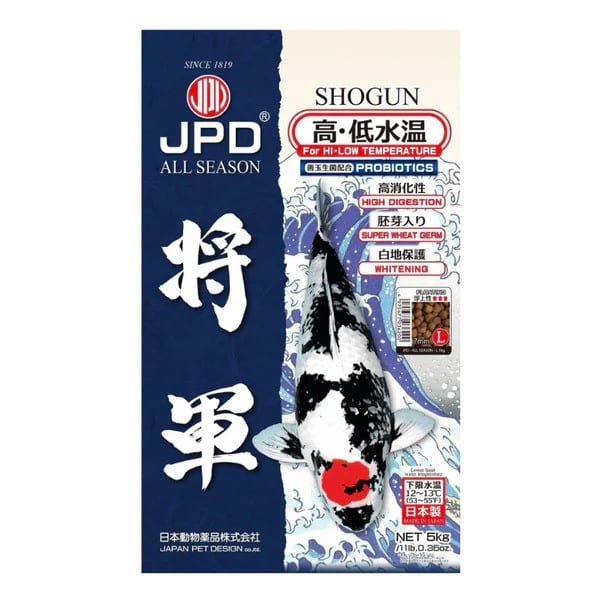
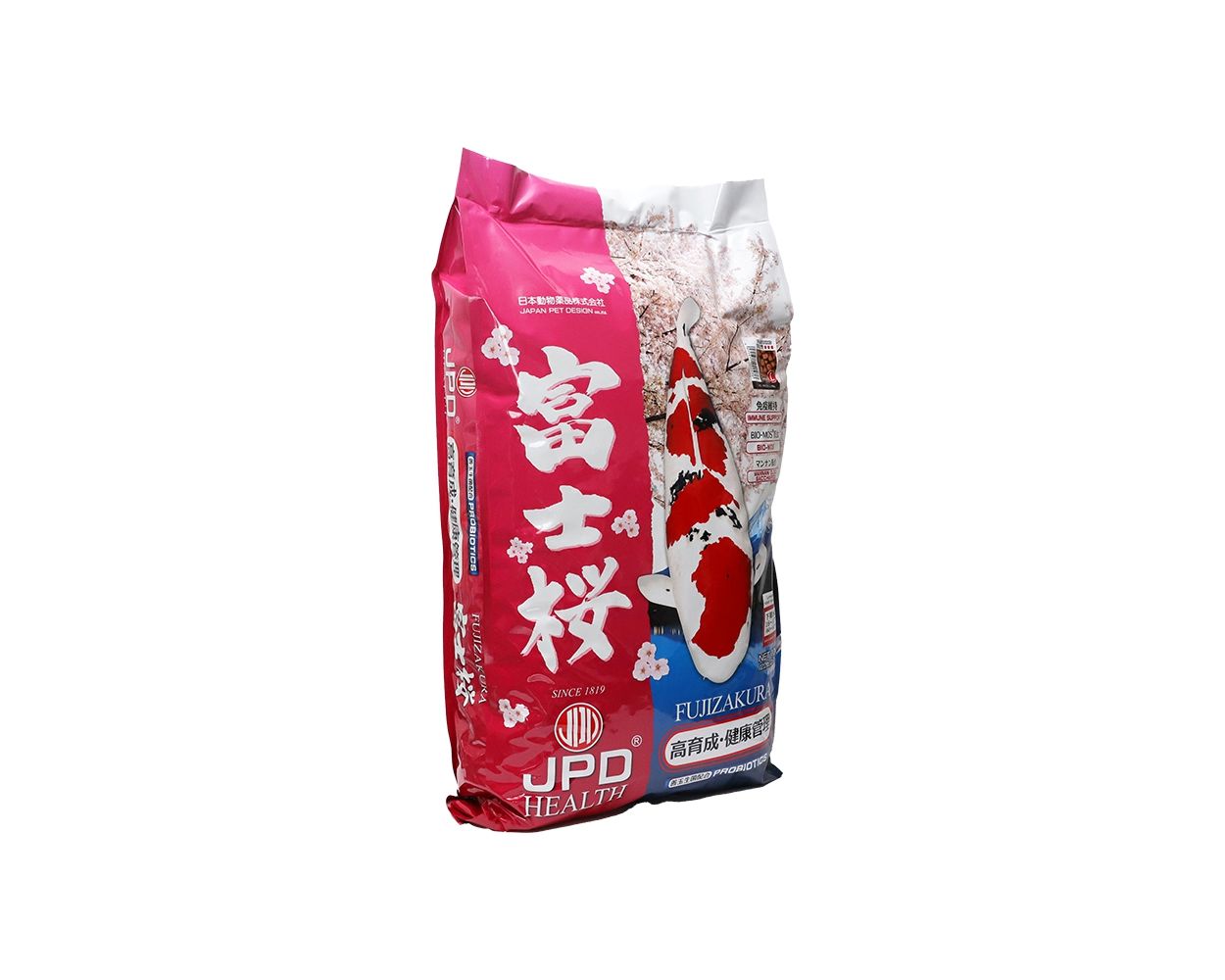
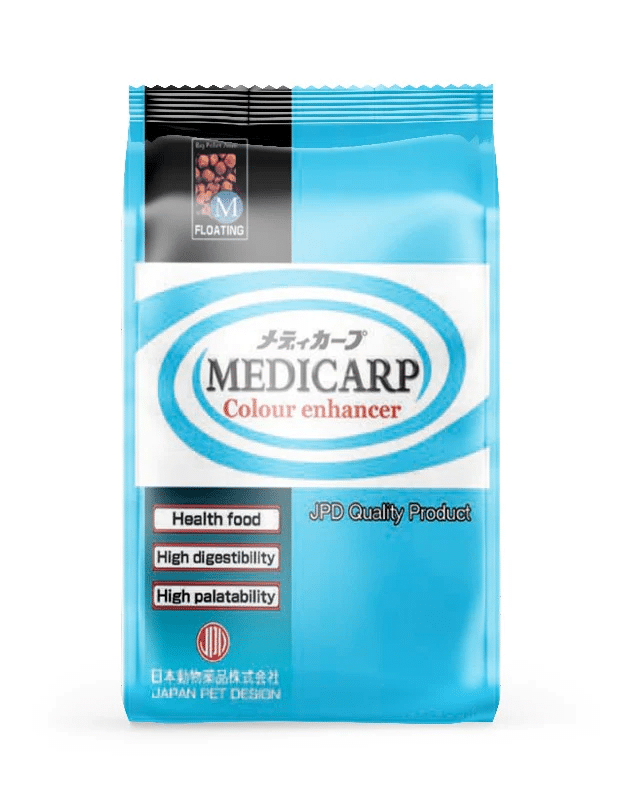
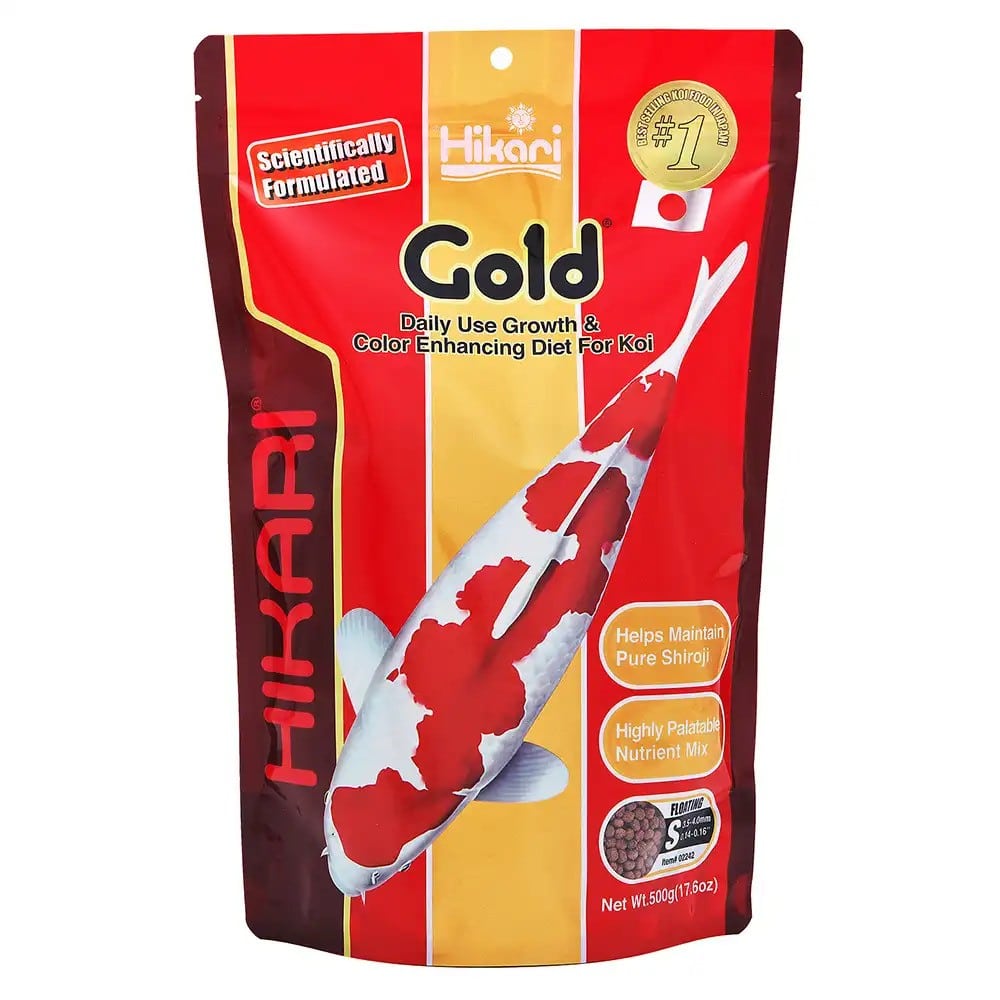
For serious koi keepers, brands such as Hikari, JPD, Kusuri, Takazumi, NT Labs Medikoi, Pro Line Aqua and FD Food are popular because they offer more targeted foods for growth, colour, wheatgerm, probiotic support and seasonal feeding. For mixed ponds or everyday use, value-focused brands can still be perfectly suitable if the food is used correctly and not overfed.
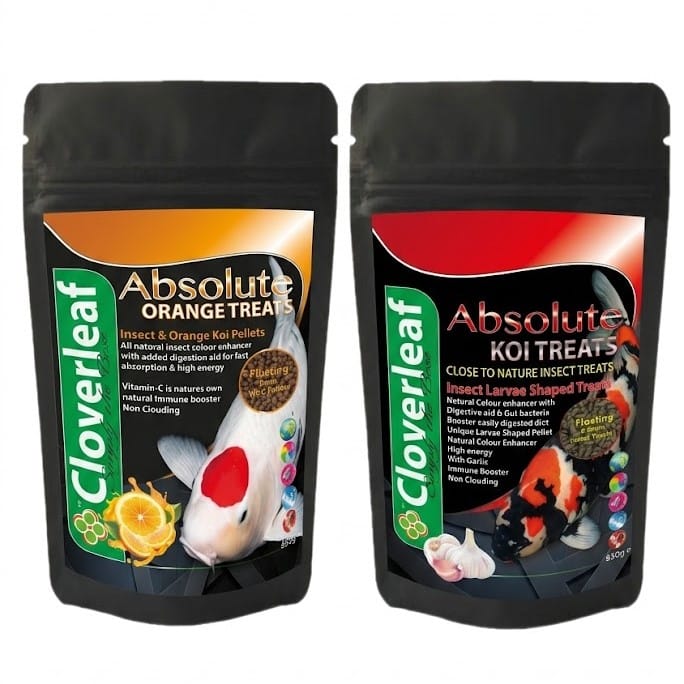
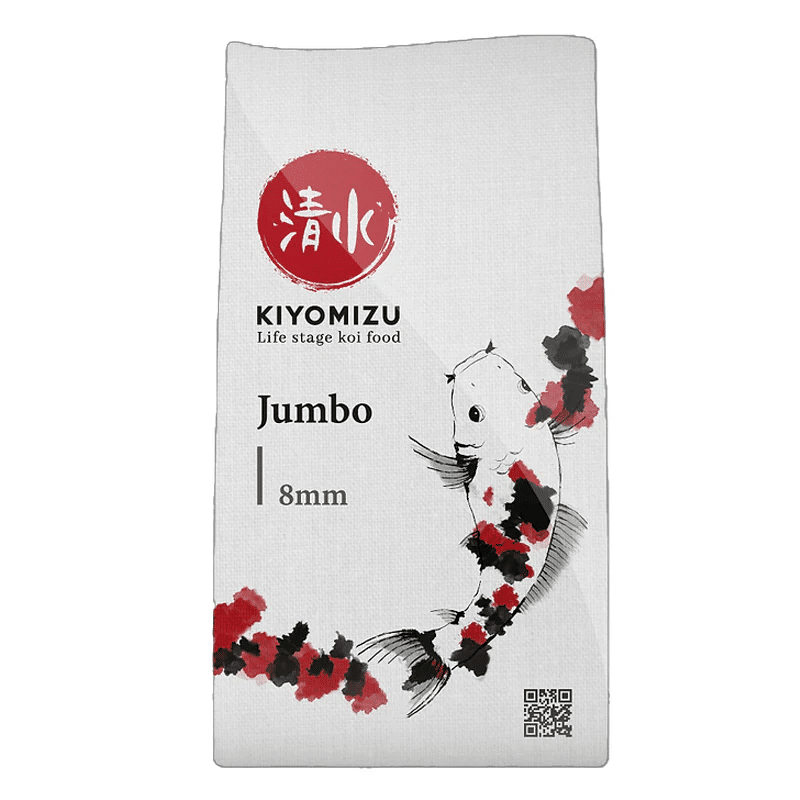
There are also dedicated brand pages for Evolution Aqua, Burtons, Cloverleaf, Kiyomizu and Yamitsu, which is useful if you already know which range you want to browse.
Is Hikari koi food good?
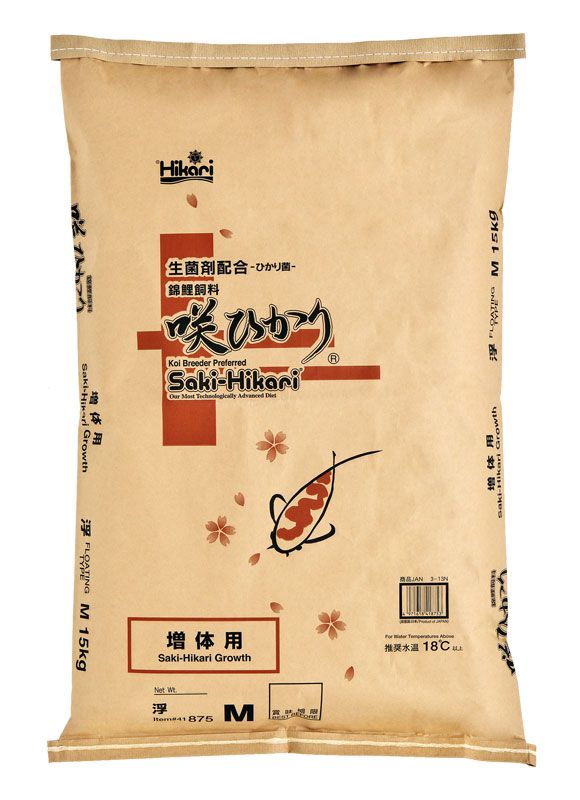
Yes, Hikari is generally regarded as a very strong koi food brand, especially for keepers who want high-quality, specialist koi nutrition. Hikari produces a wide range of foods, including wheatgerm, staple, growth, colour and premium Saki-Hikari diets.
Hikari is often chosen by koi keepers who want reliable food from an established Japanese brand. It can be more expensive than basic pond fish food, but for better-quality koi or ponds where colour, growth and long-term condition matter, Hikari is a strong option.
Is JPD koi food good?
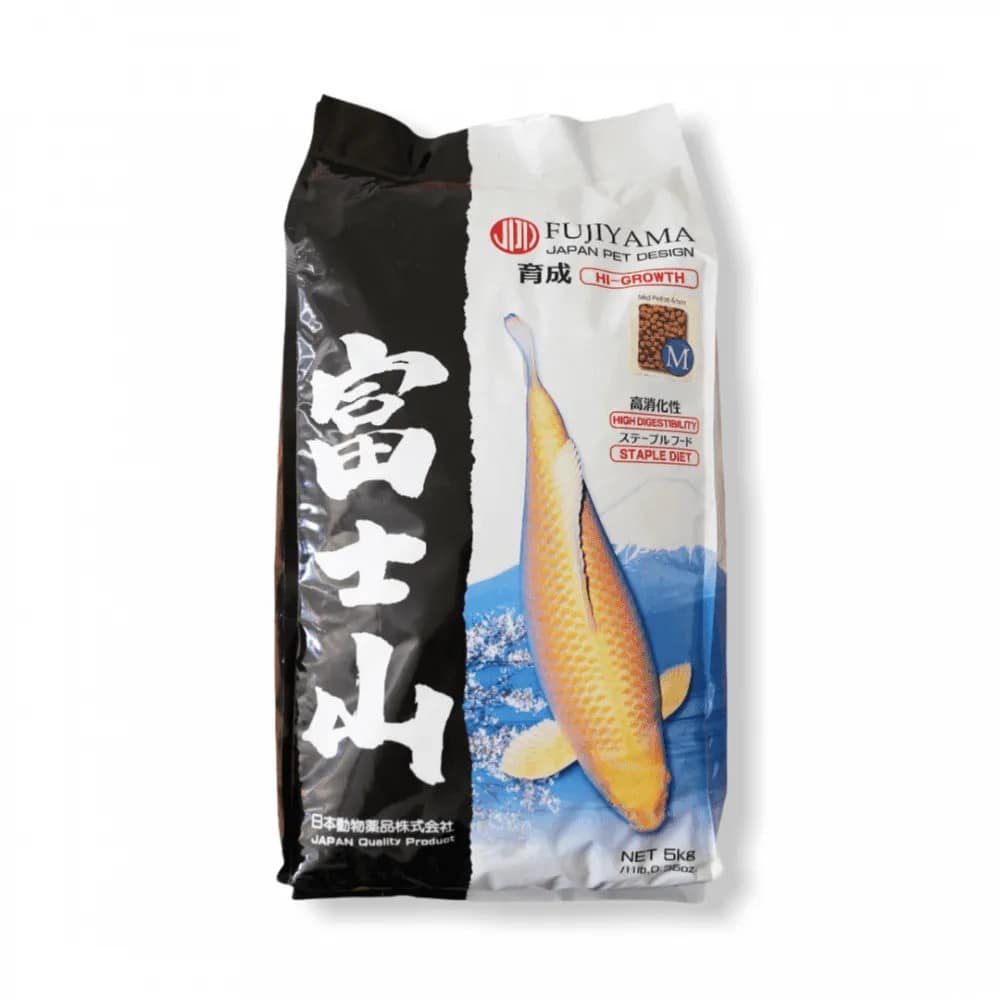
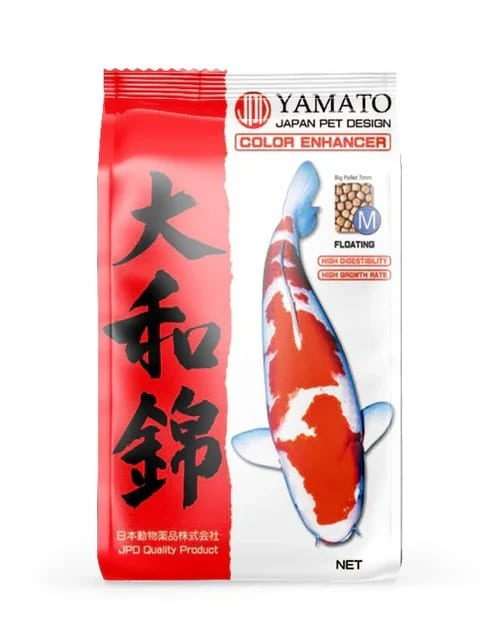
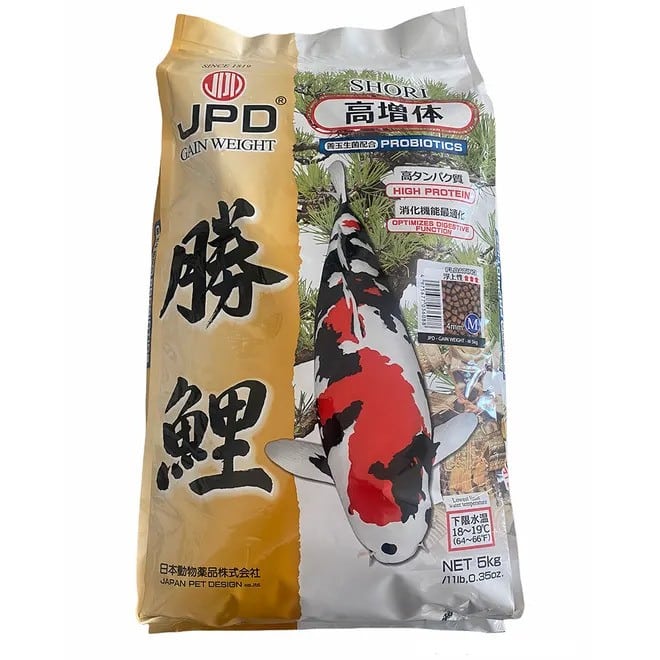
Yes, JPD koi food is a good choice for koi keepers who want specialist koi nutrition with options for growth, colour, all-season feeding and more advanced feeding programmes. JPD foods are often used by hobbyists who want a more serious food than a basic pond pellet.
The best JPD food depends on the aim. Some JPD foods are better suited to growth, some to colour, some to general feeding and some to seasonal use. As with all koi food, the right choice depends on water temperature, fish size, pond filtration and feeding goals.
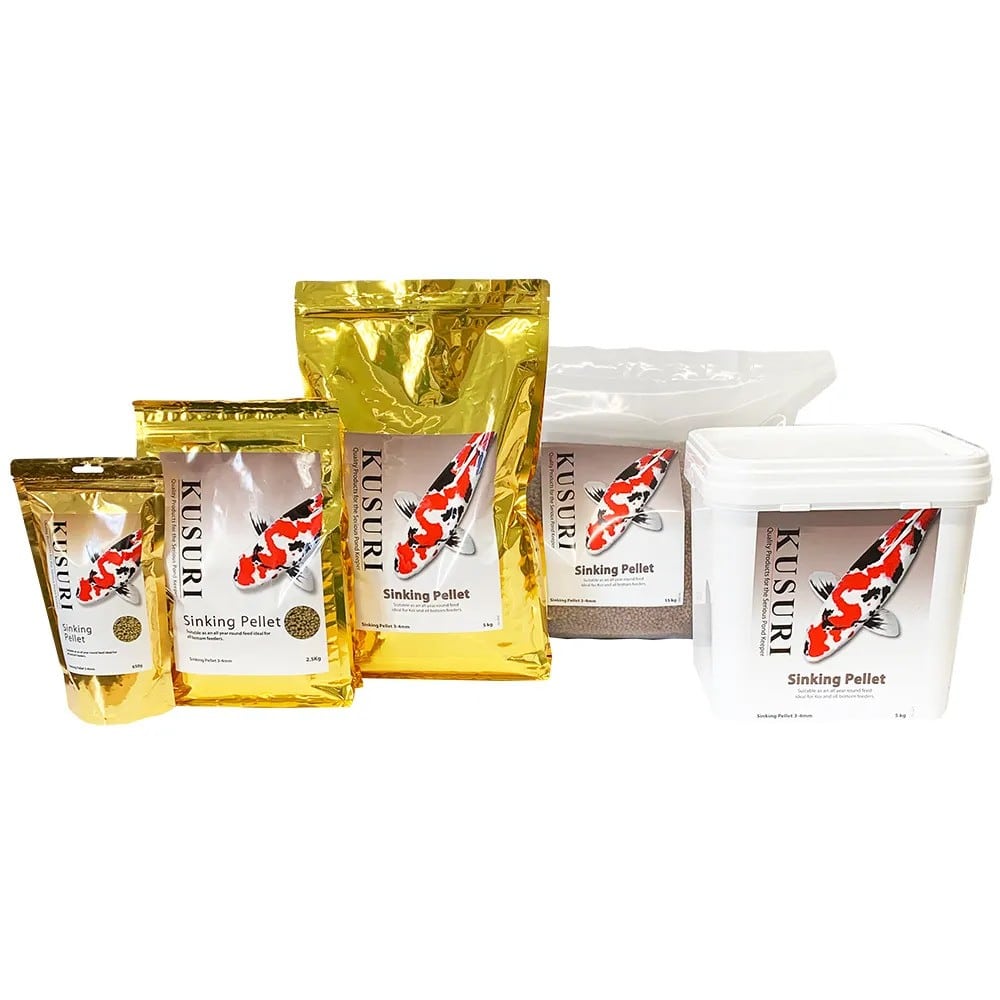
Is Kusuri koi food good?
Yes, Kusuri koi food is a well-known option in the UK koi market, with foods designed for different feeding situations including multi-season feeding, growth, colour and specialist support. Kusuri is also a familiar name for koi health and pond care products, so many pond keepers already know the brand.
Kusuri foods can be a good choice for keepers who want a trusted koi-focused brand without necessarily going to the very highest-priced premium foods. Choose the specific Kusuri food based on season, pellet size and feeding purpose.
Is NT Labs Medikoi food good?
Yes, NT Labs Medikoi food is a popular UK koi food range, especially for pond keepers looking for reliable everyday feeding, wheatgerm, probiotic support, growth food or colour-enhancing food. Medikoi foods are widely used by koi and pond fish keepers.
The Medikoi range can be useful because it covers several common feeding needs. For example, a pond keeper can use wheatgerm in cooler weather, growth food in warmer conditions, and probiotic or staple food for general feeding. As always, feeding should be adjusted to water temperature and water quality.
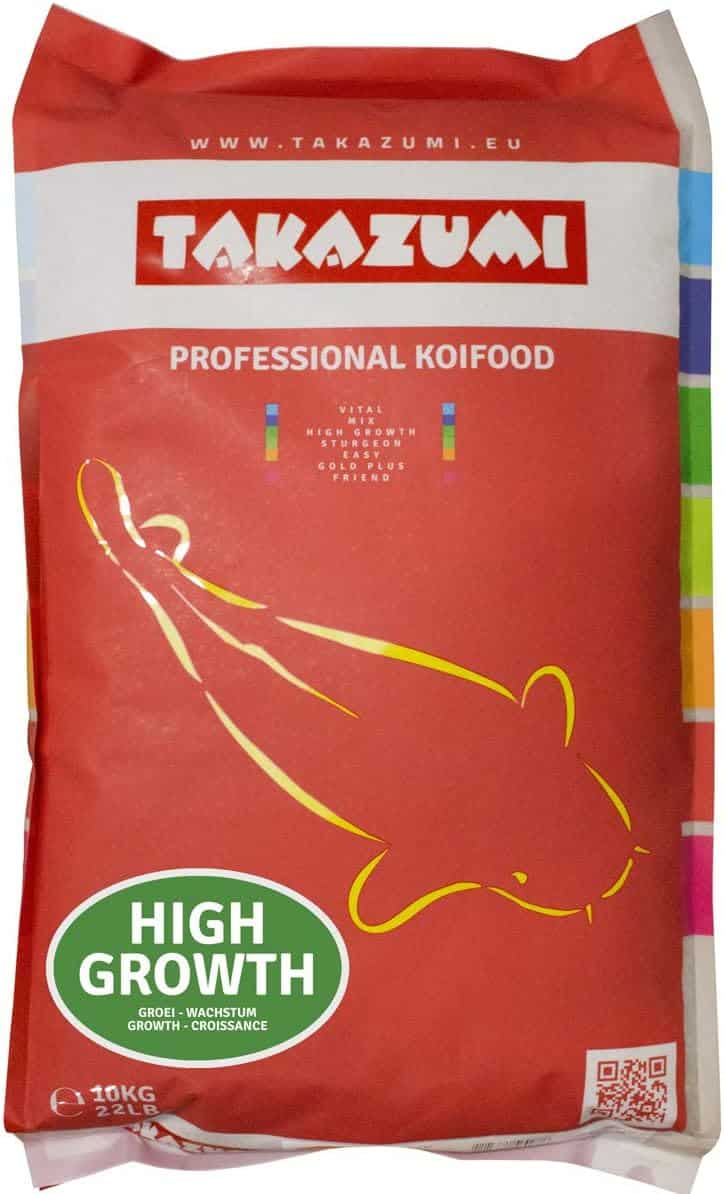
Is Takazumi koi food good?
Takazumi is a recognised koi food brand with options for seasonal feeding, growth, colour and general koi nutrition. It is often used by pond keepers who want a more koi-specific food rather than a basic mixed pond fish food.
Takazumi can be a good option where you want to match the food more closely to the season or feeding aim. The important thing is to choose the right Takazumi food for the conditions, rather than using one type heavily all year round.
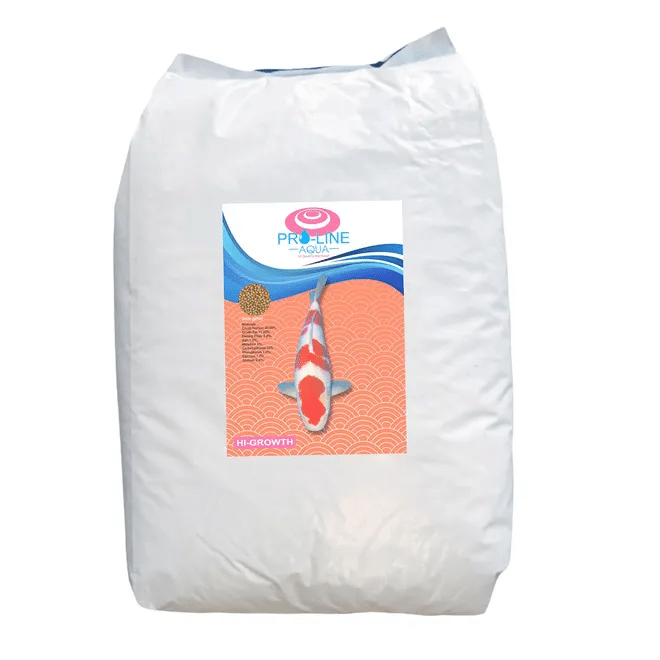
Is Pro Line Aqua koi food good?
Yes, Pro Line Aqua koi food can be a good choice for customers looking for practical koi foods with clear feeding purposes, such as growth, colour, wheatgerm or staple feeding. It is useful for pond keepers who want a more structured feeding routine without making the buying process too complicated.
When choosing Pro Line Aqua food, pay close attention to the available bag size and pellet size. Some products are available in different pellet sizes or larger bags, so it is worth choosing the option that suits the size of your fish and how quickly you will use the food.
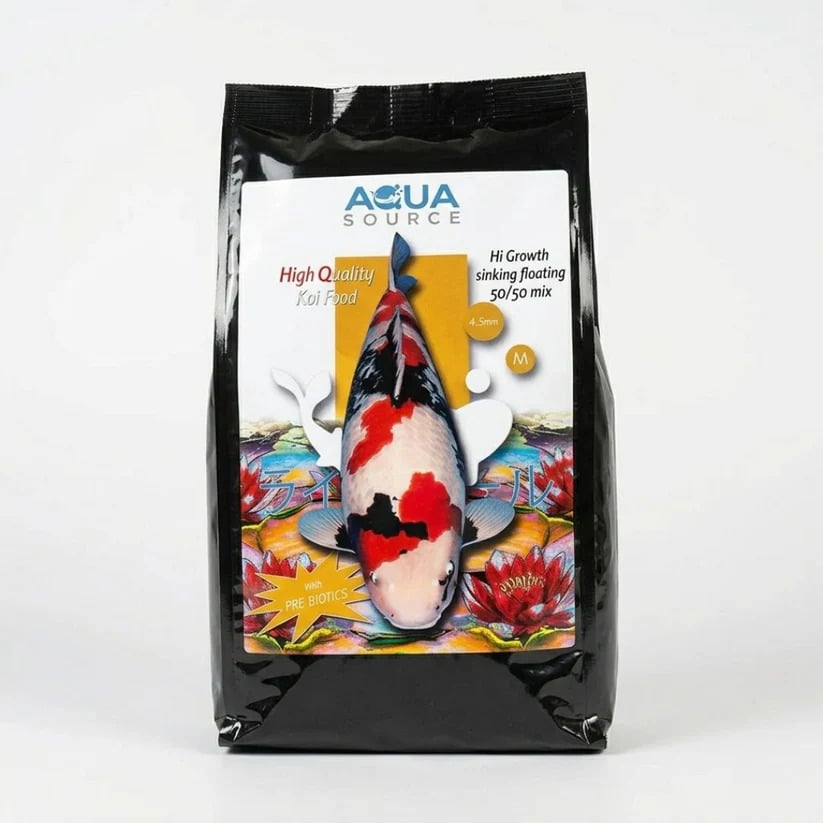
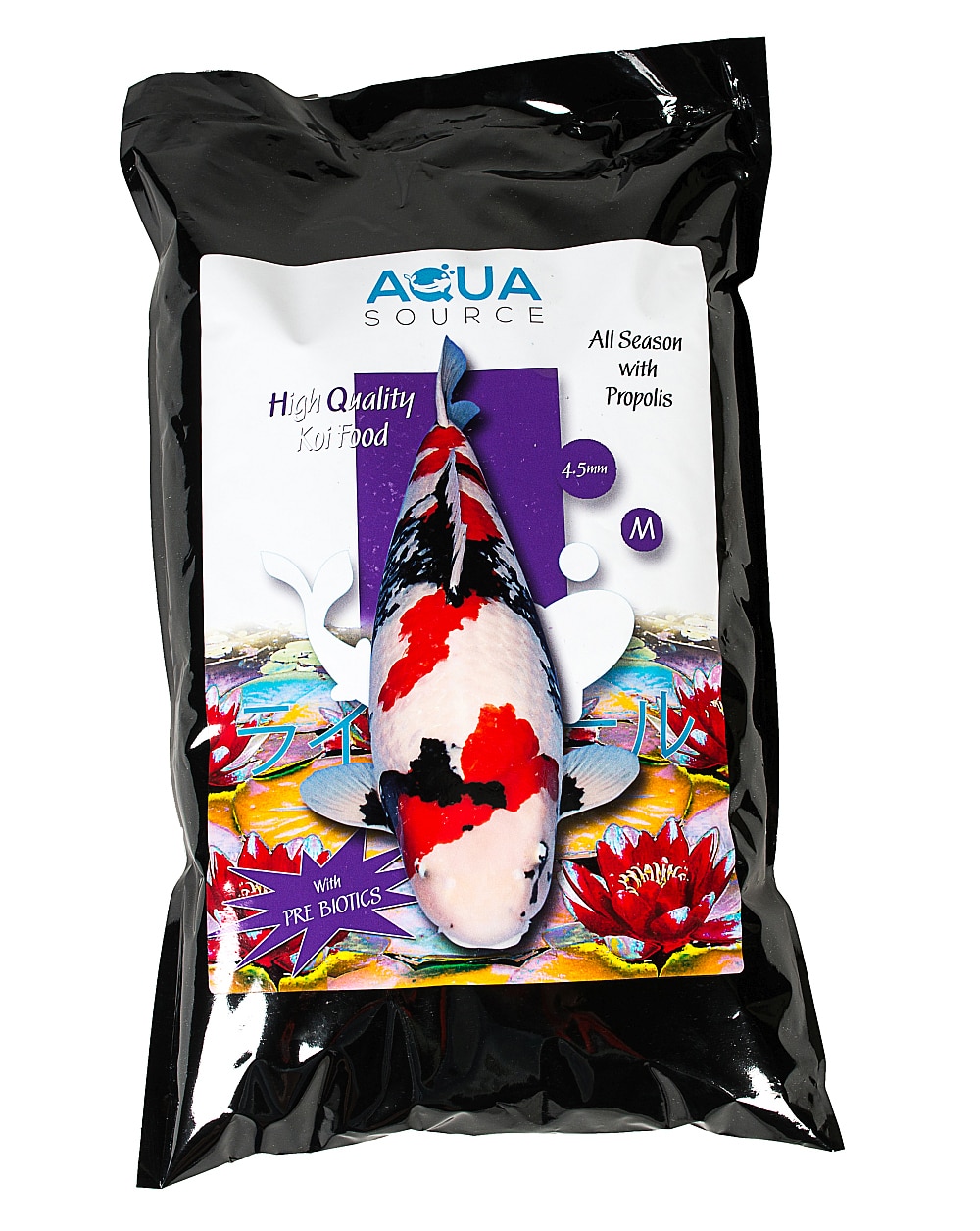
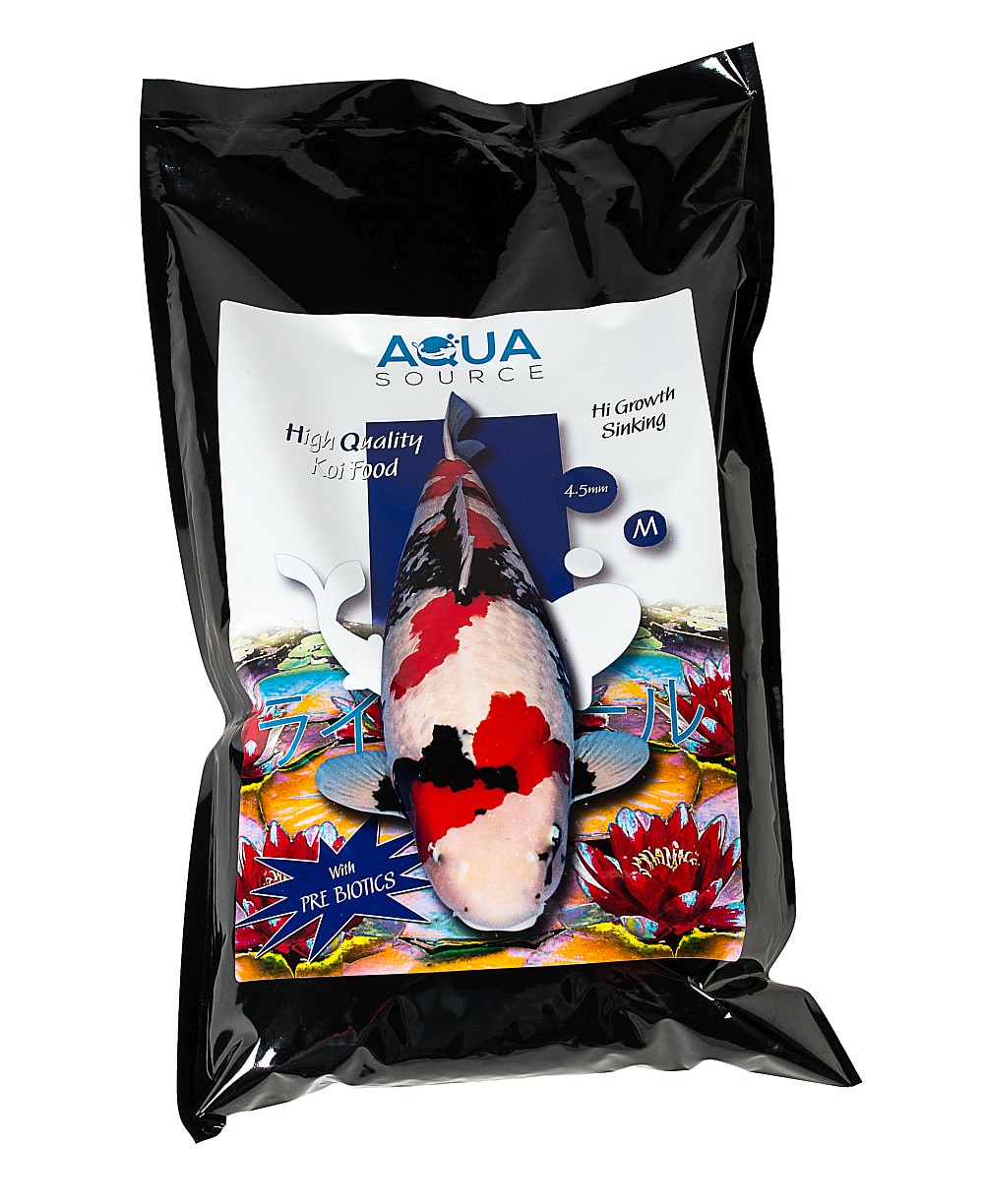
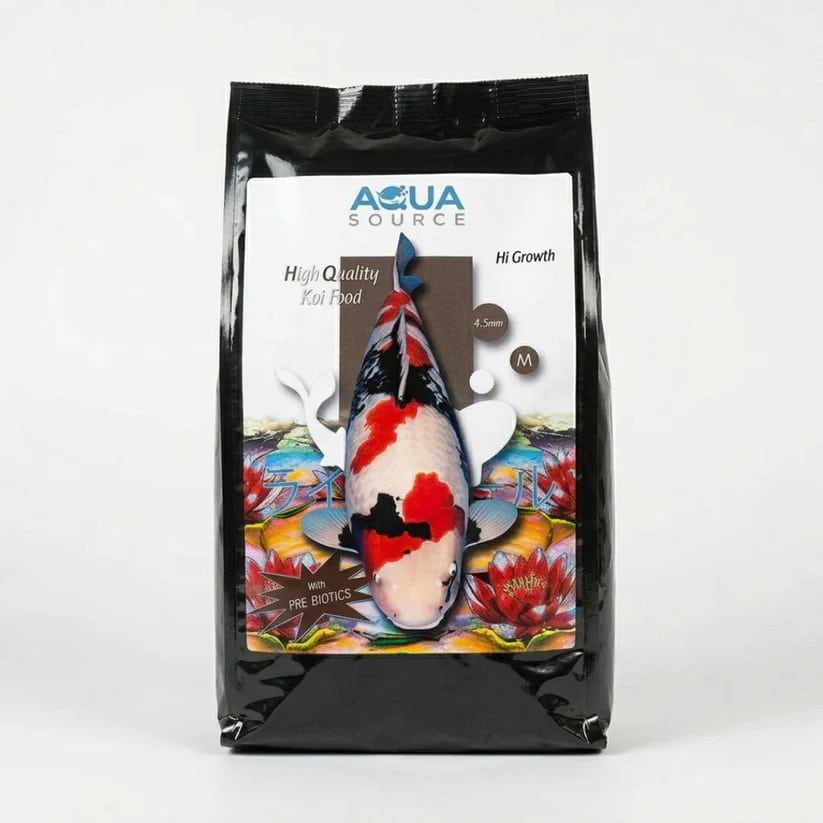
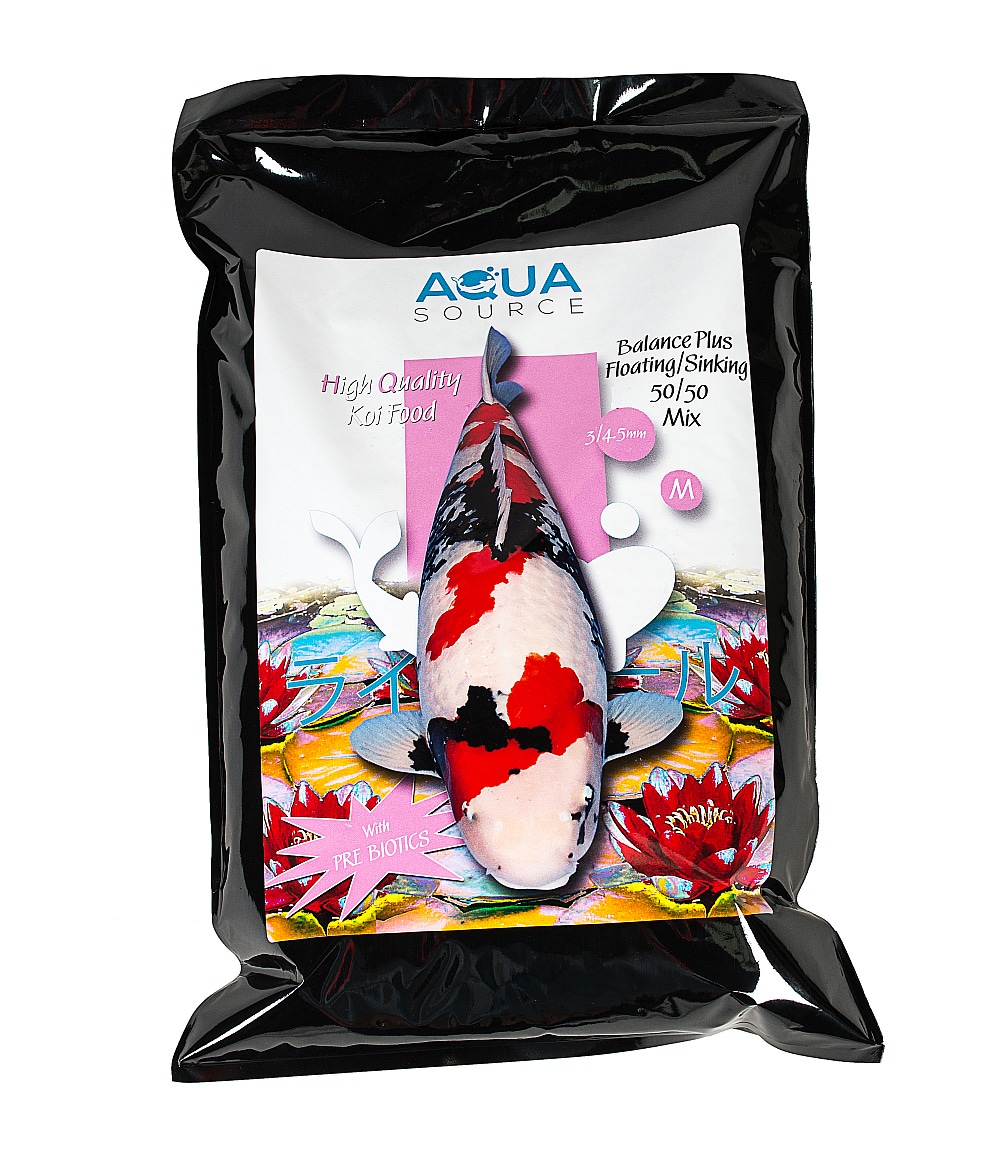
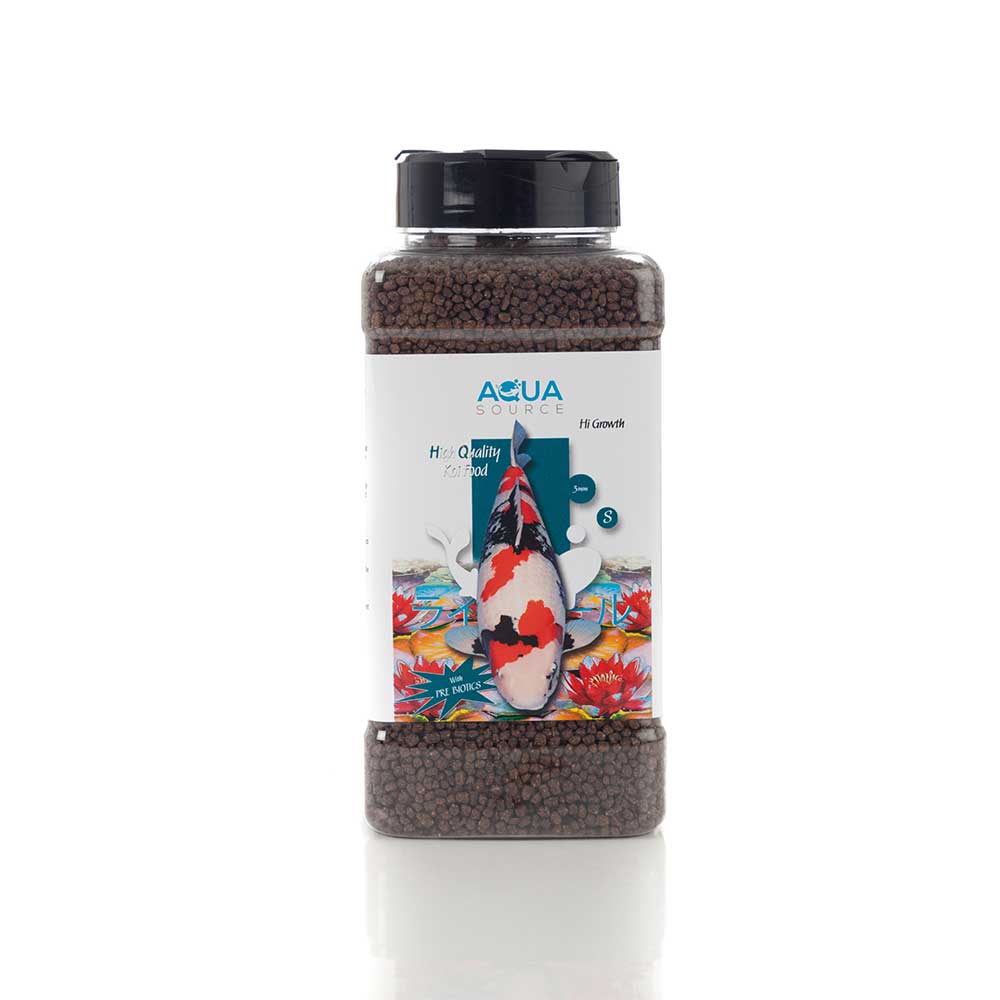
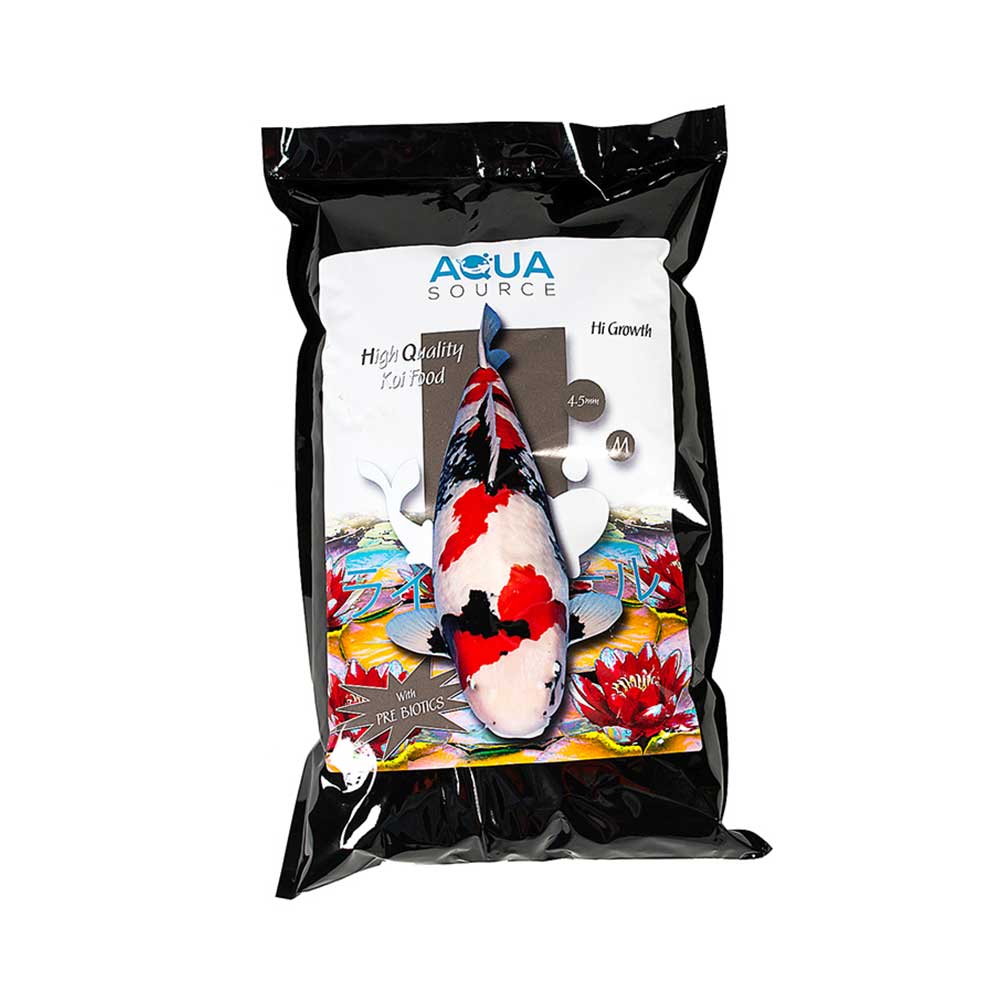
Is Aqua Source koi food good?
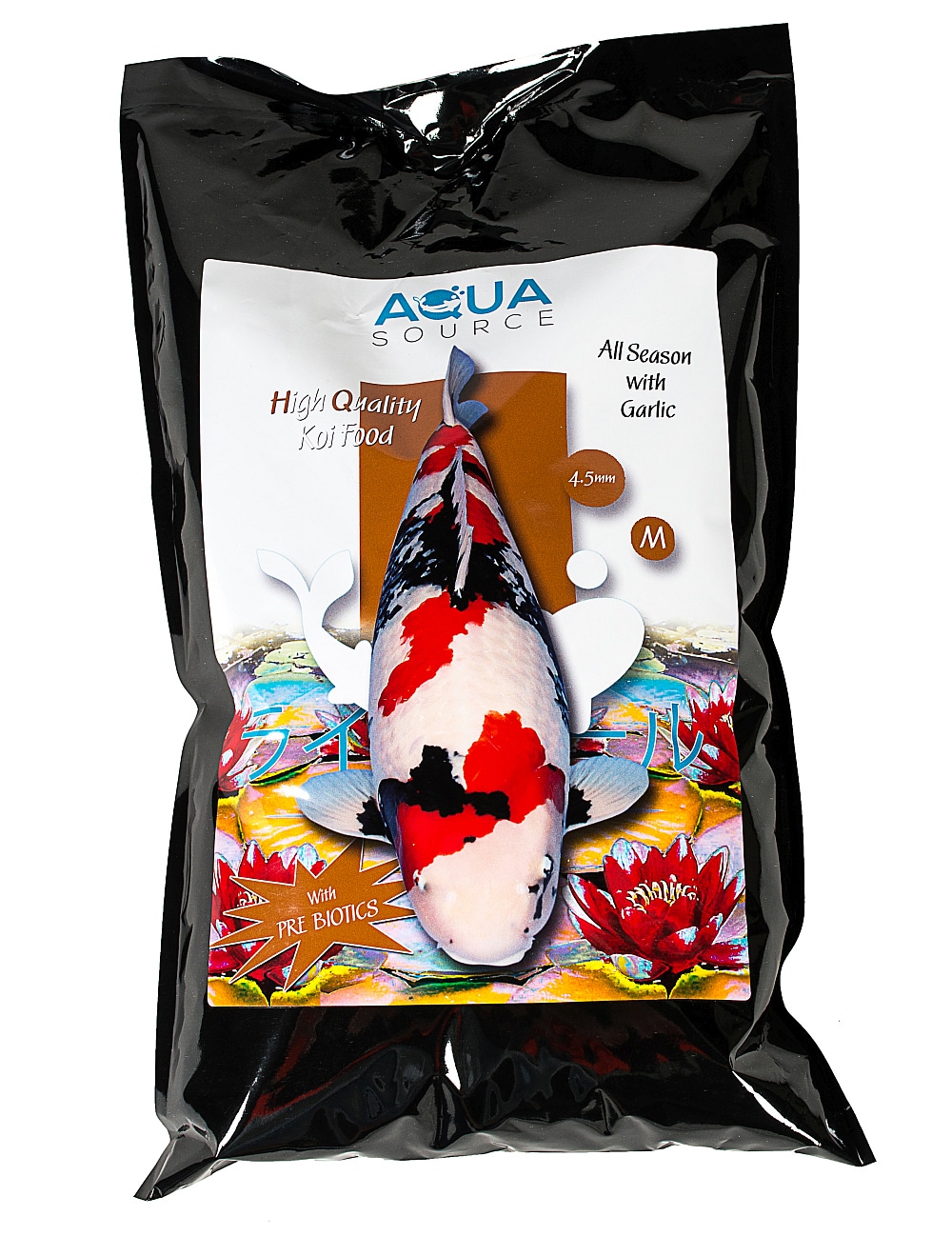
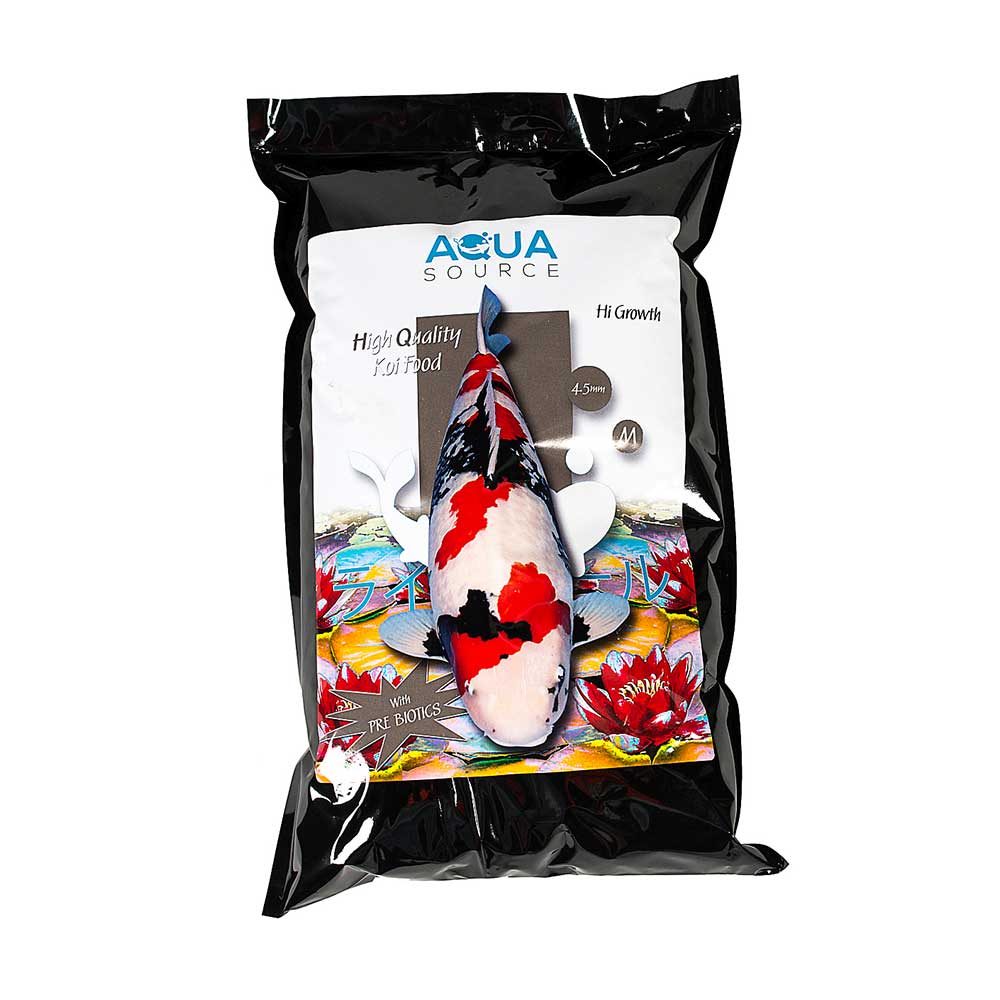
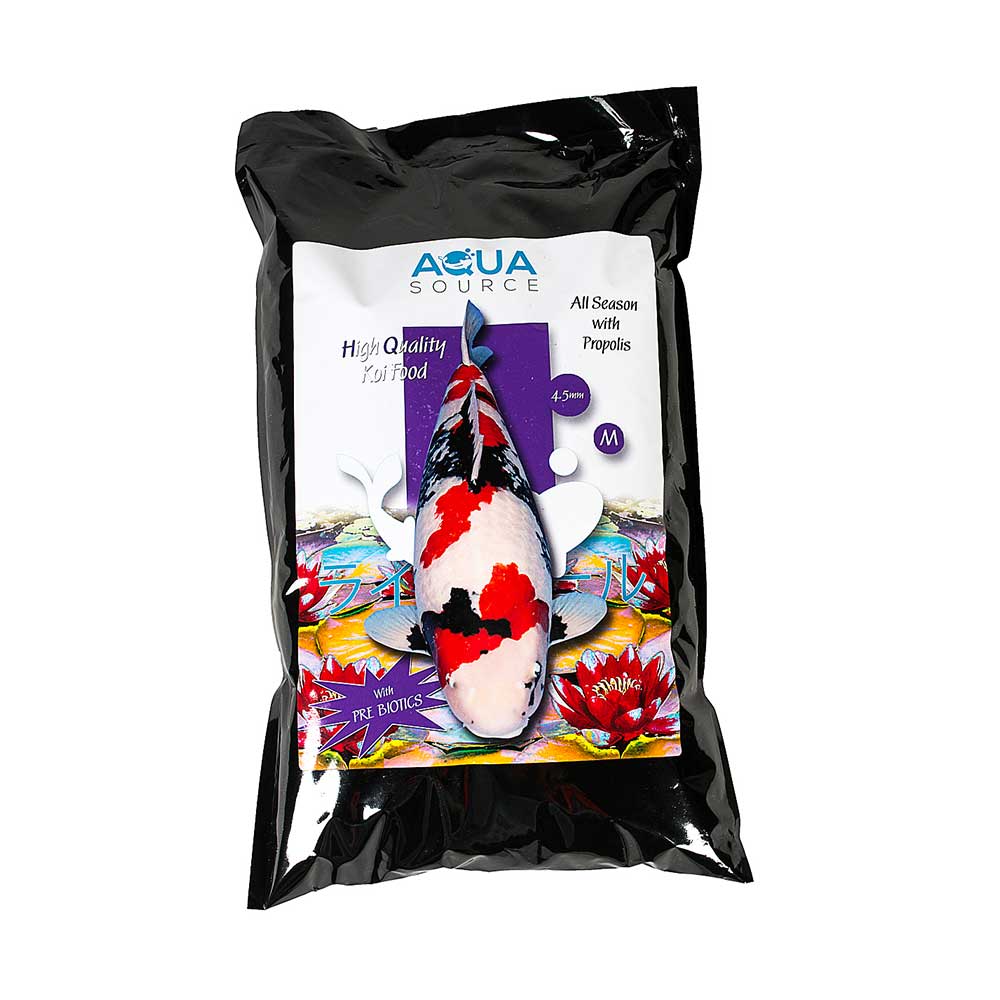
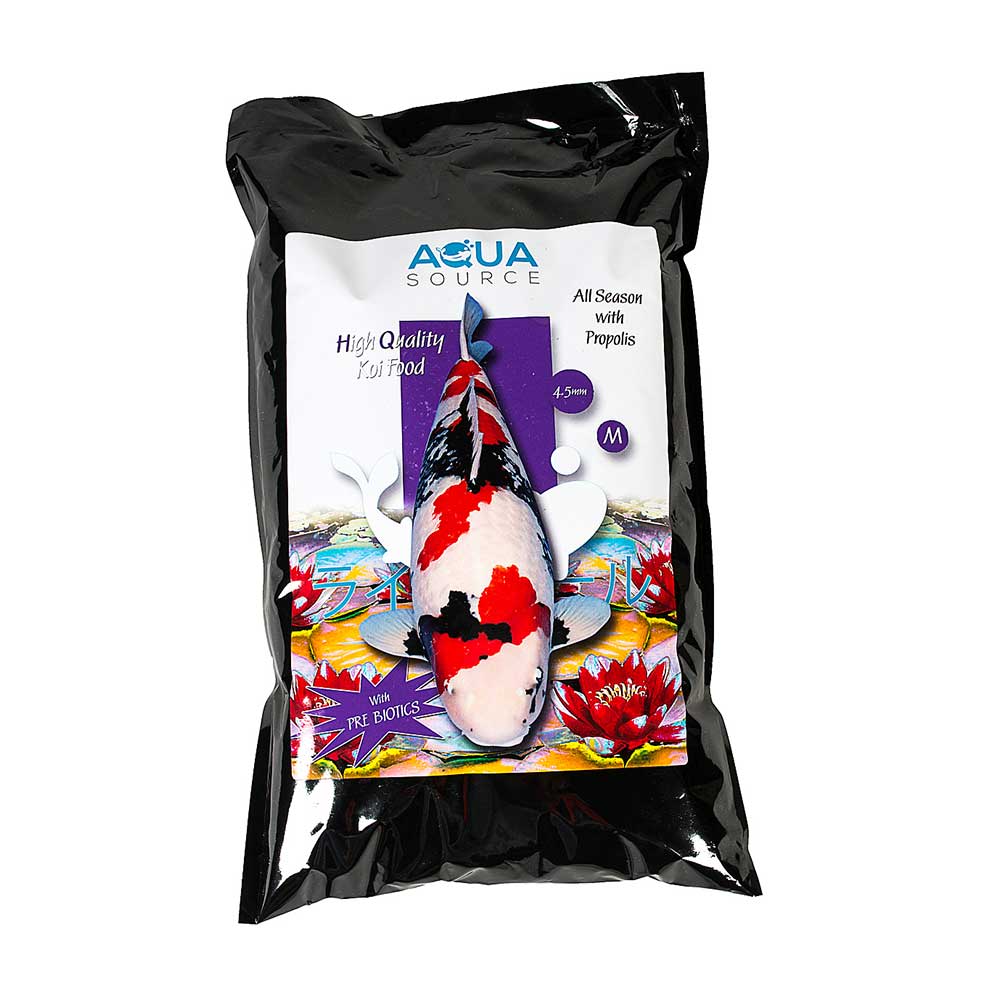
Aqua Source koi food is a useful option for everyday pond and koi feeding, especially where customers want clear, practical foods for different situations. The range includes products such as all-season food, growth food, wheatgerm, pond pellets, pond sticks, sturgeon food and natural treats.
Aqua Source is often a good choice for mixed ponds, garden ponds and koi keepers who want decent value without overcomplicating feeding. As with any brand, the important part is choosing the correct food type for the season and feeding it sensibly.
What is the best value koi food?
The best value koi food is not always the cheapest bag. A good-value food should be digestible, suitable for the season, accepted well by the fish and not create unnecessary waste. A cheap food that clouds the water or is poorly digested can end up costing more in treatments, filter cleaning and water-quality issues.
For general pond keeping, a reliable staple or complete food is often the best-value choice. For spring and autumn, wheatgerm food is usually better value than feeding a rich summer diet at the wrong time. For serious koi keepers, a more premium food may be better value if it supports better growth, colour and condition.
What is the best koi food for serious koi keepers?
Serious koi keepers usually choose food based on a feeding programme rather than one product alone. They may use wheatgerm in cooler weather, growth food during warm summer conditions, colour food for colour development, and probiotic or health-support food at certain times of year.
Premium brands such as Hikari, JPD, Kusuri, Takazumi, NT Labs Medikoi, FD Food and Pro Line Aqua all offer foods that can suit more serious koi ponds. The best choice depends on the fish, pond temperature, filtration, oxygen levels, feeding goals and budget.
Are koi treats good for fish?
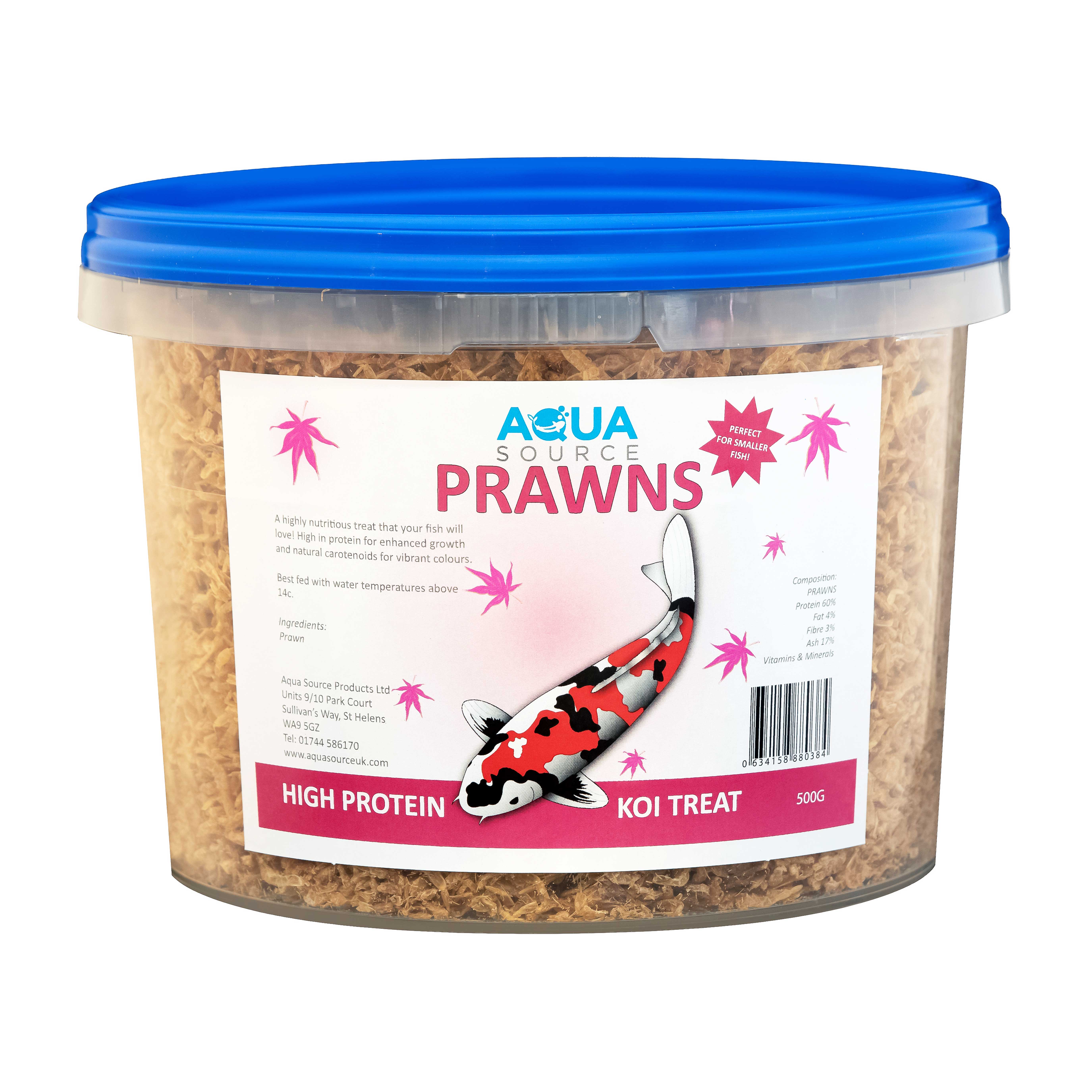
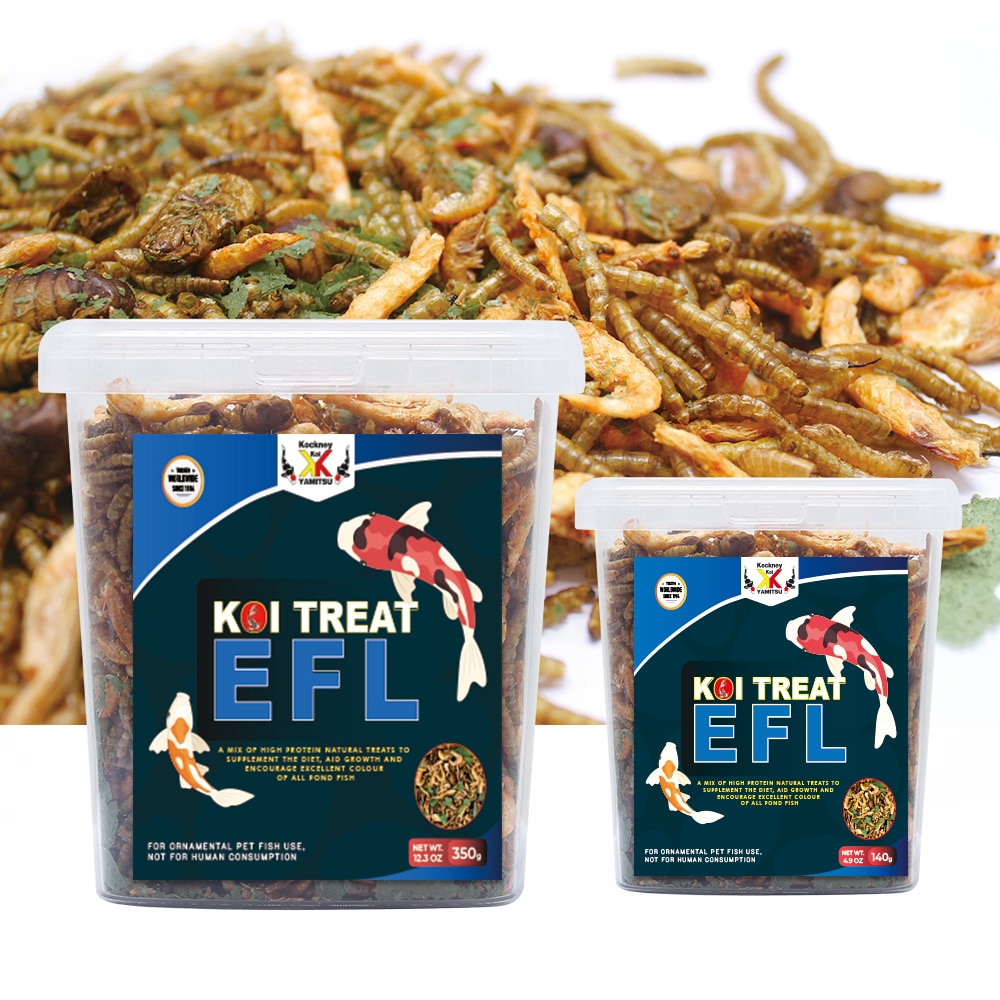
Koi treats can be good when used properly. Natural treats such as shrimp, gammarus, mealworms, prawns or mixed treat blends can add variety and encourage confident feeding. They are also useful for hand feeding and for bringing fish to the surface so you can check their behaviour and condition.
Treats should not replace a complete koi food. They are supplementary foods, so they should be fed in moderation alongside a balanced staple, wheatgerm, growth or colour food. Too many treats can still add waste and affect water quality.
How often should I feed koi treats?
Koi treats should be fed occasionally rather than as the main diet. In warm weather, when fish are active and feeding well, treats can be offered a few times a week in small amounts. In cooler weather, after treatments or when fish are not feeding strongly, treats should be reduced or avoided.
The best approach is to use treats as a small extra. Feed enough to encourage interest, but not so much that fish ignore their complete food or leave waste in the pond. If treats are not eaten quickly, remove them and feed less next time.
Are shrimp, gammarus and mealworms good koi treats?
Yes, shrimp, gammarus and mealworms can be good natural koi treats. They are attractive to many koi and pond fish, and they can help add variety to the diet. They are especially useful during warmer periods when fish are active and feeding confidently.
They should still be treated as supplementary foods. A complete koi food should remain the main diet because it provides the balanced vitamins, minerals and nutrition needed for everyday feeding. Natural treats are best used for variety, hand feeding and occasional feeding interest.
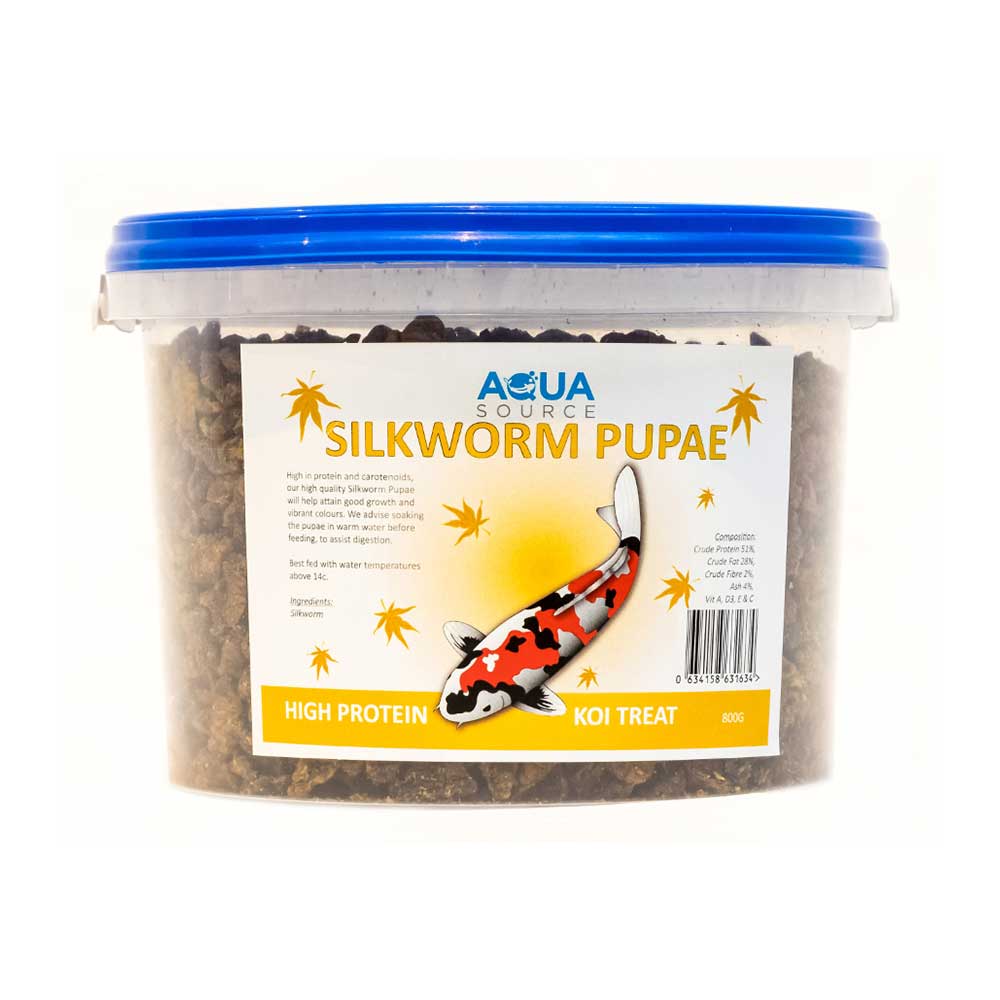
Can koi eat silkworm pupae?
Yes, koi can eat silkworm pupae, and they are often used as a rich treat or supplementary food. Silkworm pupae are popular with koi keepers because they are highly attractive and can encourage strong feeding.
Because they are rich, they should be fed in moderation. They are best used during warmer feeding periods when koi are active and able to digest richer foods. They should not replace a complete koi pellet or be fed heavily in cooler water.
Are automatic fish feeders worth it?
Automatic fish feeders can be worth it, especially for koi ponds where regular, controlled feeding is useful. They allow smaller feeds to be given throughout the day, which can be better than one large feed. This is helpful during the warmer months when koi are more active.
They are also useful during holidays, busy working weeks or when you want a more consistent feeding routine. However, an automatic feeder still needs checking. You should make sure the food is dry, flowing correctly and being eaten by the fish.
Can automatic feeders improve koi growth?
Automatic feeders can help support koi growth by providing regular, controlled feeds during suitable warm-weather conditions. Koi often respond well to smaller feeds spread through the day, as long as the pond filter and oxygen levels can cope.
The feeder itself does not guarantee growth. Growth still depends on food quality, water temperature, genetics, filtration, stocking level and water quality. Used sensibly, an automatic feeder can make a good feeding programme easier to maintain.
What pellet size works with automatic fish feeders?
The correct pellet size depends on the feeder. Some automatic fish feeders are designed for a specific pellet size range, so always check the product details before filling the hopper. Pellets that are too large may jam, while very small pellets may dispense too quickly.
Dry, consistent pellets usually work best. Avoid using damp, oily, broken or irregular food that may clog the mechanism. If you change food brand or pellet size, test the feeder while you are at home before relying on it.
How should I store koi food?
Koi food should be stored in a cool, dry place with the bag or tub sealed properly after use. Keep it away from damp, direct sunlight, pests and big temperature changes. Poor storage can affect freshness, smell, texture and nutritional quality.
Large bags can be good value, but only if you can use the food while it is still fresh. If you have a small pond or only feed lightly, it may be better to buy smaller bags more often rather than keeping a large sack open for too long.
Does koi food go off?
Yes, koi food can go off or lose quality over time. Oils and fats in the food can become stale, and damp storage can cause pellets to soften, clump or spoil. Old food may lose nutritional value and become less attractive to fish.
Always check the best-before date and storage instructions. If the food smells rancid, looks mouldy, feels damp or has changed texture, do not feed it. Poor-quality or spoiled food can affect fish health and water quality.
Should I buy small bags or large bags of koi food?
Small bags are better if you have a small pond, feed lightly or are trying a new food for the first time. They stay fresher and reduce the risk of wasting food if the fish do not take to it. They are also useful for seasonal foods that you may only use for part of the year.
Large bags are usually better value for heavily stocked koi ponds or customers who feed regularly through the warmer months. If buying large bags, make sure the food is stored properly and used within a sensible time. Fresh, well-stored food is better than a large cheap bag that sits open for too long.
Koi Food FAQs – Water Quality, Ingredients and Buying Advice
Can koi food make pond water cloudy?
Yes, koi food can contribute to cloudy pond water if too much is fed, if the food is poor quality, or if the filter is not able to process the extra waste. Uneaten food breaks down in the pond and releases nutrients into the water, which can increase waste levels and affect clarity.
Cloudy water is not always caused by food, but feeding is one of the first things to check. If the pond becomes cloudy after increasing feeding, reduce the amount, remove uneaten food where possible, check the filter and test the water for ammonia, nitrite, nitrate, pH and KH.
What koi food is best for clear water?
The best koi food for clear water is one that is digestible, suitable for the season and fed in the right amount. Low-waste koi foods can help, but no food will keep water clear if the pond is overfed or under-filtered.
For clear water, choose a food that matches the water temperature and fish activity. Use wheatgerm in cooler conditions, staple or complete food for regular feeding, and richer growth or colour food only when the pond is warm enough and the filter is mature. Good filtration, UV clarification, aeration and water testing are just as important as the food itself.
Does expensive koi food produce less waste?
A better-quality koi food may produce less waste if it is more digestible and better matched to the fish, but price alone does not guarantee cleaner water. The food still needs to be used correctly, and the pond filter must be able to process the fish waste being produced.
Expensive koi food can still cause poor water quality if overfed. A premium growth food used heavily in a pond with weak filtration may create more problems than a simpler staple food fed sensibly. The best results come from good food, correct feeding amounts and a properly sized filter system.
What does low-waste koi food mean?
Low-waste koi food usually means the food is designed to be more digestible, so more of the nutrition is used by the fish and less passes through as waste. This can help reduce pressure on the filter and may help with water clarity when used correctly.
However, “low waste” does not mean “no waste”. Every food adds load to the pond. Fish produce waste, uneaten food breaks down, and the filter still needs to process it all. Low-waste food is helpful, but it is not a replacement for good pond filtration and sensible feeding.
Should I change koi food if my pond has algae?
Changing koi food may help if overfeeding is contributing to excess nutrients, but algae is usually caused by a combination of sunlight, nutrients, filtration, UV performance, plant balance and maintenance. Food is one part of the issue, not the only cause.
If algae is a problem, reduce overfeeding, remove uneaten food, test the water and check that the UV clarifier is working properly. A better food can help reduce unnecessary waste, but pond treatments, UV bulbs, filtration improvements or better maintenance may also be needed.
Can koi food affect ammonia levels?
Yes, koi food can affect ammonia levels because food becomes fish waste. The more you feed, the more waste the fish produce. If the biological filter cannot process that waste quickly enough, ammonia can rise.
This is why it is important to feed according to the pond’s filtration capacity, not just the appetite of the fish. If ammonia is detected, reduce or stop feeding, check the filter and increase aeration while dealing with the underlying water-quality issue.
Can koi food affect nitrite levels?
Yes, koi food can affect nitrite levels indirectly. When fish waste and uneaten food break down, ammonia is produced first. The filter bacteria then convert ammonia into nitrite, and then nitrite into nitrate. If the filter is immature, overloaded or struggling, nitrite can build up.
Nitrite is dangerous to fish, so feeding should be reduced if nitrite is present. Heavy feeding with rich food can make the problem worse. Water testing is especially important when feeding growth food, increasing feeding frequency or adding new fish.
Should I feed koi if the pond water is green?
You can feed koi if the water is green and the fish are active, but feed carefully. Green water is usually caused by suspended algae, often linked to sunlight, nutrients and UV performance. Overfeeding can add more nutrients and make the problem worse.
If the pond is green, check the UV clarifier, filter, pump flow and water quality. Feed small amounts that are eaten quickly and avoid leaving food in the pond. If fish are gasping, stressed or water tests are poor, reduce feeding until the issue is resolved.
Should I feed koi if they are flashing?
If koi are flashing, do not just change food and hope it goes away. Flashing can be caused by parasites, poor water quality, irritation, treatments, pH swings or other stress. The first step should be to test the water and observe the fish properly.
If ammonia or nitrite are present, reduce feeding straight away. If water quality is fine but flashing continues, a scrape or further diagnosis may be needed. Food can support general health, but it will not fix parasites or poor water conditions.
Should I feed koi after a water change?
You can usually feed koi after a normal water change if the fish are settled, the water has been dechlorinated and conditions are stable. It is still sensible to feed lightly at first, especially after a large water change or if the fish seem stressed.
If the pond has had a major water change due to a water-quality problem, test the water before feeding heavily again. Feeding too soon after a serious issue can quickly add more waste and put the pond back under pressure.
What ingredients should I look for in koi food?
Good koi foods commonly include ingredients such as fish meal, wheatgerm, fish oil, krill, spirulina, vitamins, minerals and sometimes probiotics, prebiotics or clay. The right ingredients depend on the purpose of the food. Growth foods need a richer nutrition profile, wheatgerm foods focus more on digestibility, and colour foods often include colour-supporting ingredients.
Do not choose food from one ingredient alone. A balanced formula is more important than a single headline ingredient. Also check feeding temperature, pellet size, food type and whether it suits your pond and fish.
Is fish meal good in koi food?
Fish meal is commonly used in koi food as a source of animal protein. It can be useful for growth, condition and general nutrition when included in a well-balanced formula. Many higher-quality koi foods use fish meal as part of their protein base.
The quality of the overall food matters more than simply whether fish meal is listed. A good koi food should be digestible, suitable for the season and made for the feeding purpose you need, whether that is growth, colour, wheatgerm, staple feeding or health support.
Is krill good in koi food?
Krill is often used in koi food because it is attractive to fish and can provide useful nutrients and natural colour-supporting compounds. It is commonly found in premium koi foods, colour foods and higher-quality diets.
Krill can be a good ingredient, but it should not be the only reason to choose a food. The full formula, feeding guidance, pellet size and suitability for your pond are more important than one ingredient by itself.
Is spirulina good in koi food?
Spirulina is commonly used in koi foods, especially colour-enhancing foods, because it can support natural pigmentation. It is often associated with helping red and orange tones, although results depend heavily on the koi’s genetics and overall condition.
Spirulina is useful, but it should be fed sensibly. Colour foods containing spirulina are normally best used as part of a balanced feeding programme rather than as the only food all year round.
Is wheatgerm an ingredient or a food type?
Wheatgerm is an ingredient, but in pond keeping it is also used to describe a type of seasonal koi food. Wheatgerm foods are usually designed to be easier to digest and are commonly used in spring, autumn and cooler weather.
Not every food containing wheatgerm is automatically the best cooler-weather food, so it is still worth checking the product guidance. A proper wheatgerm koi food should be chosen because it suits the feeding temperature and season, not just because wheatgerm appears somewhere on the ingredients list.
How do I compare two koi foods?
To compare two koi foods, look at the purpose first. Decide whether you need wheatgerm, growth, colour, staple, probiotic, sinking, sturgeon or treats. Then check the feeding temperature, pellet size, ingredients, protein and fat levels, brand reputation, pack size and price per kilogram.
Do not compare by protein percentage alone. A high-protein food may be excellent in warm water but unsuitable in cooler conditions. A lower-protein wheatgerm food may be the better choice in spring or autumn. The best food is the one that suits the pond conditions.
Is price per kilogram the best way to compare koi food?
Price per kilogram is useful, but it should not be the only comparison. A cheaper food may look better value, but if it is less digestible, less suitable for the season or creates more waste, it may not be the best option.
A fair comparison should include food quality, feeding purpose, pellet size, brand, ingredients, water temperature range and how quickly you will use the bag. Large bags are normally better value, but only if the food stays fresh and is used within a sensible time.
Should I buy different koi foods for different seasons?
Yes, many koi keepers get better results by using different foods through the year. Wheatgerm is useful in cooler weather, staple or complete food is good for everyday feeding, growth food is better suited to warm summer conditions, and colour food can be used when colour development is the goal.
You do not need to overcomplicate it, but having at least a cooler-weather food and a main-season food is sensible for many ponds. More serious koi keepers may use a more detailed feeding programme with growth, colour, probiotic and supplementary foods.
Can I mix different koi food brands?
Yes, you can mix different koi food brands, provided the foods are suitable for the same season and feeding conditions. Some pond keepers mix foods to combine benefits, such as staple food with colour food, or wheatgerm with an all-season food during seasonal changes.
Introduce new foods gradually where possible. Sudden changes can affect feeding response and digestion. Also remember that mixing foods does not mean feeding more overall. The total amount still needs to suit the fish, temperature and filter.
Should I change koi food suddenly or gradually?
It is usually better to change koi food gradually, especially when moving between very different food types. For example, switching from wheatgerm to growth food, or from a basic food to a richer premium food, should be done carefully as temperatures and fish activity increase.
A gradual change lets the fish adjust and gives you time to watch feeding behaviour and water quality. If the fish respond badly, become sluggish or water tests worsen, reduce feeding and slow the changeover.
