





Water Violet (Hottonia palustris)
| Size | Weighted Bunches |
|---|---|
| Plant Type | Oxygenator |
| Sun / Shade | Full Sun to Part Shade |
| Flower Colour | Lilac |
| Growth Rate | Medium |
| Native to UK | Yes |
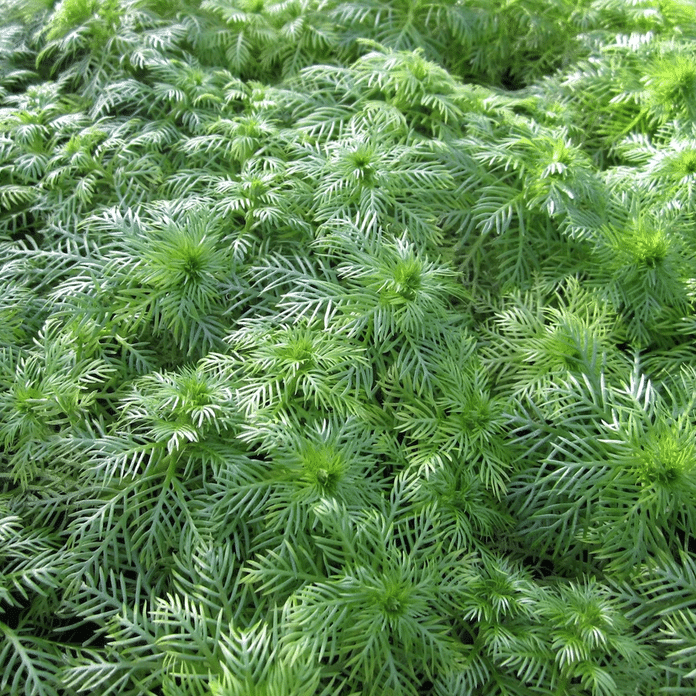
Water Violet combines finely divided submerged leaves with upright flower stems above the water. Its flowers are primula-like, in pale lilac to whitish shades, rather than true violet flowers. The scientific name Hottonia palustris identifies a member of the primrose family.
£14.00 (inc VAT)
Water Violet (Hottonia palustris)
Feathery submerged leaves with pale flowers above the water
Water Violet combines finely divided submerged leaves with upright flower stems above the water. Its flowers are primula-like, in pale lilac to whitish shades, rather than true violet flowers. The scientific name Hottonia palustris identifies a member of the primrose family.
Its submerged foliage needs light through reasonably clear water, with room for shoots to grow and for the flower stems to emerge. The display develops with the plant and conditions, so a small new planting may look much less full than an established colony. Leave access to remove damaged material without repeatedly lifting the rooted plant.
Root Water Violet in a margin or basket in clear, still or very slowly moving water. RHS allows mature plants up to 60 cm of water. Do not use that maximum as the starting depth for every short young plant. Position where light can reach the leaves, and gently remove filamentous algae if it starts to smother them.
Plants sold as oxygenators contribute oxygen while photosynthesising in sufficient light, but they also respire. The amount varies with growth, temperature and conditions. We would use them as part of a mixed planting scheme, alongside the aeration, filtration and checks that the particular pond needs, rather than promise a fixed oxygen output or algae cure.
Water Violet is deciduous and can form resting buds that sink below the visible surface planting. Those buds may produce fresh growth in spring, so winter disappearance is not automatically a sign that the plant has failed. Keep the planting undisturbed where practical and remove soft, deteriorating material carefully rather than pulling through healthy shoots or resting growth.
Keep spreading stems and leaves clear of pump intakes and retain access for pond care. Thin growth in manageable portions if it starts to crowd its neighbours, checking removed material for pond animals. Keep all surplus within responsible garden disposal and never introduce purchased plants or fragments into a natural pond, stream or ditch.
UK-grown plant. Grown at a dedicated aquatic plant nursery in the South of England.

What you receive
We supply Water Violet in the format you select: Weighted Bunches. A bunch is a supplied group of growth, not a fixed number of stems or an established planted basket. Use the quantity and presentation stated for the selected option.
Unpack promptly and keep the living growth wet while preparing its position. The amount of visible growth changes with the season, so a newly supplied plant may look smaller than an established planting in the photograph. Introduce it as described below rather than leaving it to dry in the packaging.
Is Water Violet right for your pond?
Water Violet is useful when you want fine submerged leaves plus primula-like pale lilac or white flower whorls above the water. Give it clear still or very slowly moving water, full sun and around 0.5–1 m of room. Avoid a dense shade canopy over the underwater foliage.
Positioning and getting established
Root it into suitable aquatic medium at a margin or in a stable basket, following the supplied starting-position instructions. UK horticultural guidance allows water up to around 60 cm above the planted growing point for a suitable established plant. Keep young foliage within reach of light and do not confuse that cover with the whole pond depth.
For a rooted basket, use appropriate aquatic planting medium, position the roots or rhizome as directed and keep the leafy growing parts clear. If supplied as bunches, follow the instructions for anchoring or rooting those stems rather than assuming a fully established basket is included. Lower a planted container slowly and keep its whole base stable.
Choose a position you can reach for inspection and thinning, with space between the plant and equipment. Watch the light that actually reaches the leaves as other planting grows. A sunny garden can still have a shaded underwater position beneath a dense raft of lilies or floating plants.
Practical care and growth management
- Keeping the right position: Check the planting after introduction and after other plants fill out. Keep live growth appropriately wet, avoid crushing shoots while moving nearby baskets and maintain access to the planted area. Review its true light and water position if new growth is poor.
- Managing this plant: Avoid moving or newly planting Water Violet in summer where possible; the RHS specifically cautions against summer disturbance. Plan any necessary thinning or positioning around the supplied growth and season. Preserve healthy submerged foliage and collect soft dead material rather than repeatedly lifting the plant during flowering.
- Medium and feeding: Use suitable medium for a rooted planting and follow the plant’s own guidance before adding feed. Apply any aquatic fertiliser within the medium as its label directs; do not scatter it into open pond water. Poor light, unsuitable depth or a loose planting are not corrected by extra feed.
- Tidying without spreading it: Remove soft decaying material and collect loose stems, roots or leaves rather than allowing them to drift into equipment. Check removed growth for pondlife before disposal. Keep nursery plants, fragments and pond waste within managed garden arrangements and out of natural ponds, streams and drains.
Seasonal appearance and winter care
Water Violet is deciduous and may rest as buds below the water, with fresh growth returning in spring. The absence of summer flower stems is normal outside their season. Keep the resting planting in suitable water and do not discard sound dormant growth simply because the surface looks empty.
Size and growing conditions
- Position
- Clear, still or very slowly moving water, rooted in margins or baskets
- Depth
- Established plants: up to 60 cm of water above the planted growing point; establish young plants according to their supplied label
- Reference point
- Water above the planted soil or growing point, excluding the height of the container.
- Sun
- Full sun
- Height
- 0.1–0.5 m including emergent flowering growth
- Spread
- 0.5–1 m
- Flowering
- Whorls of pale lilac/white primula-like flowers
- Winter care
- Deciduous; resting buds may sink and produce new growth in spring.
- Native status
- Native species in Britain and Ireland
- RHS information
- RHS plant profile: Hottonia palustris
Ordering and delivery
We do not deliver live plants to Northern Ireland.
To avoid plants being held in depots over a weekend, we do not usually dispatch on Fridays. Highlands and Islands orders using a 2 day service are not normally dispatched on Thursdays.
Please read our delivery information for delivery arrangements and contact us if you need to check the timing of a particular order.
Other plants to compare
Whorled Water Milfoil — For fine submerged foliage with minute dull-red flowers rather than prominent primula-like whorls.
Water Crowfoot — For white flowers and broader floating leaves as well as fine submerged foliage.
More help with underwater planting
oxygenating pond plants guide — Explains the different planted, weighted, attached and rootless formats, depth choices and responsible thinning.







Reviews
There are no reviews yet.