





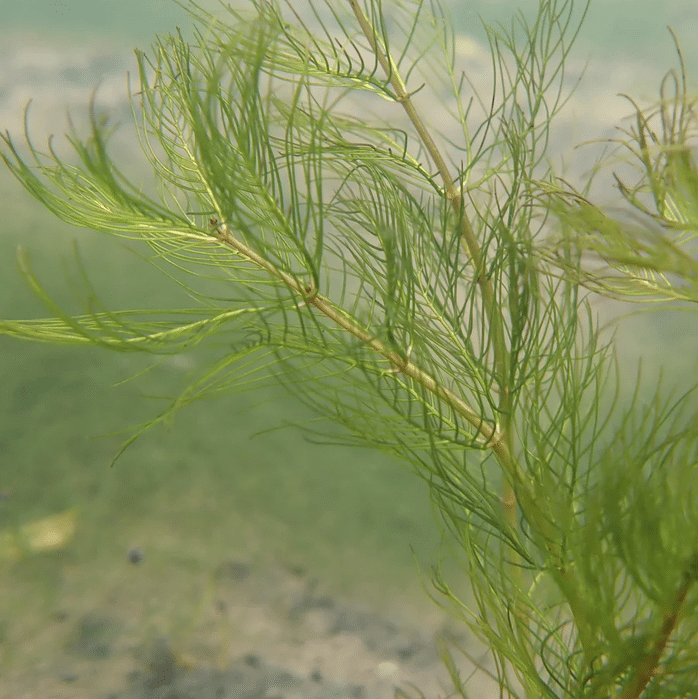
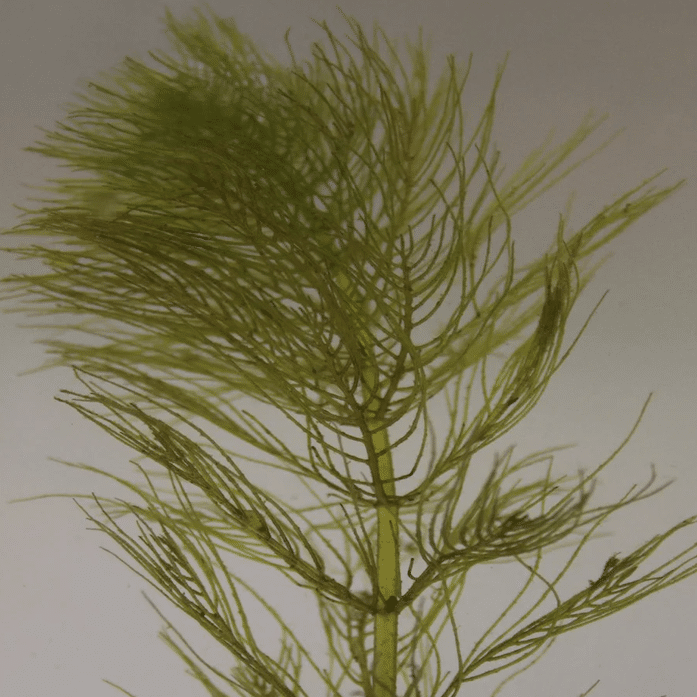
Whorled Water Milfoil (Myriophyllum verticillatum)
| Size | Weighted Bunches, 1 Ltr Deep Water Pot |
|---|---|
| Plant Type | Oxygenator |
| Sun / Shade | Full Sun to Part Shade |
| Flower Colour | Red |
| Growth Rate | Medium |
| Native to UK | Yes |
| Plant group |
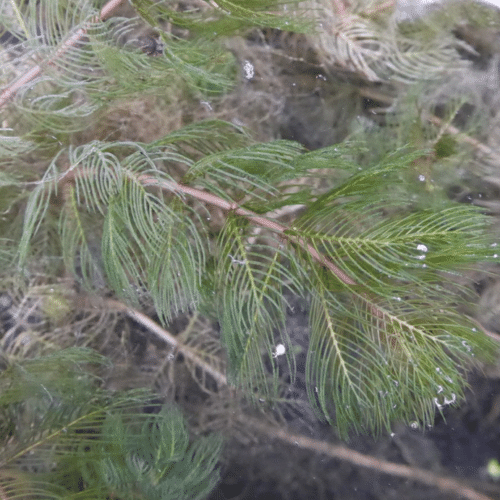
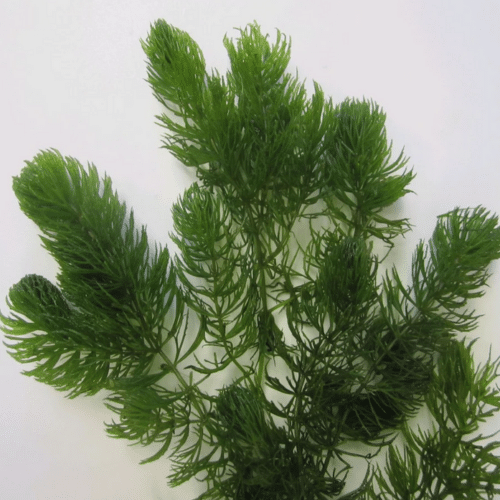
Whorled Water Milfoil produces branching underwater shoots with leaves divided into fine, hair-like segments. The leaves are held in whorls around the stems, creating a soft texture below the water. Minute dull red flowers can be carried on spikes above the surface in summer.
£14.00 (inc VAT)
Whorled Water Milfoil (Myriophyllum verticillatum)
Fine whorls of leaves on branching submerged shoots
Whorled Water Milfoil produces branching underwater shoots with leaves divided into fine, hair-like segments. The leaves are held in whorls around the stems, creating a soft texture below the water. Minute dull red flowers can be carried on spikes above the surface in summer.
The leaves are slightly longer than those of Spiked Water Milfoil. The overall habit remains mainly submerged, with fine foliage below the surface rather than an upright leafy shrub above the pond. Give the shoots room to spread through clear, well-lit water.
Whorled Water Milfoil needs a rooted aquatic position with room for its submerged stems. RHS recommends loamy basket planting in water around 1 m deep. A young short-shooted plant may need a different initial level, so check the supplied label and actual light penetration rather than measuring only total pond depth.
Plants sold as oxygenators contribute oxygen while photosynthesising in sufficient light, but they also respire. The amount varies with growth, temperature and conditions. We would use them as part of a mixed planting scheme, alongside the aeration, filtration and checks that the particular pond needs, rather than promise a fixed oxygen output or algae cure.
Whorled Water Milfoil reduces its visible growth in winter, with a different outline from its fuller summer stems. Keep sound living growth and remove soft, deteriorating material selectively. When thinning or lifting a planting, work in manageable portions so that healthy shoots are not torn apart and detached pieces can be collected before they drift elsewhere.
Keep spreading stems and leaves clear of pump intakes and retain access for pond care. Thin growth in manageable portions if it starts to crowd its neighbours, checking removed material for pond animals. Keep all surplus within responsible garden disposal and never introduce purchased plants or fragments into a natural pond, stream or ditch.
UK-grown plant. Grown at a dedicated aquatic plant nursery in the South of England.

What you receive
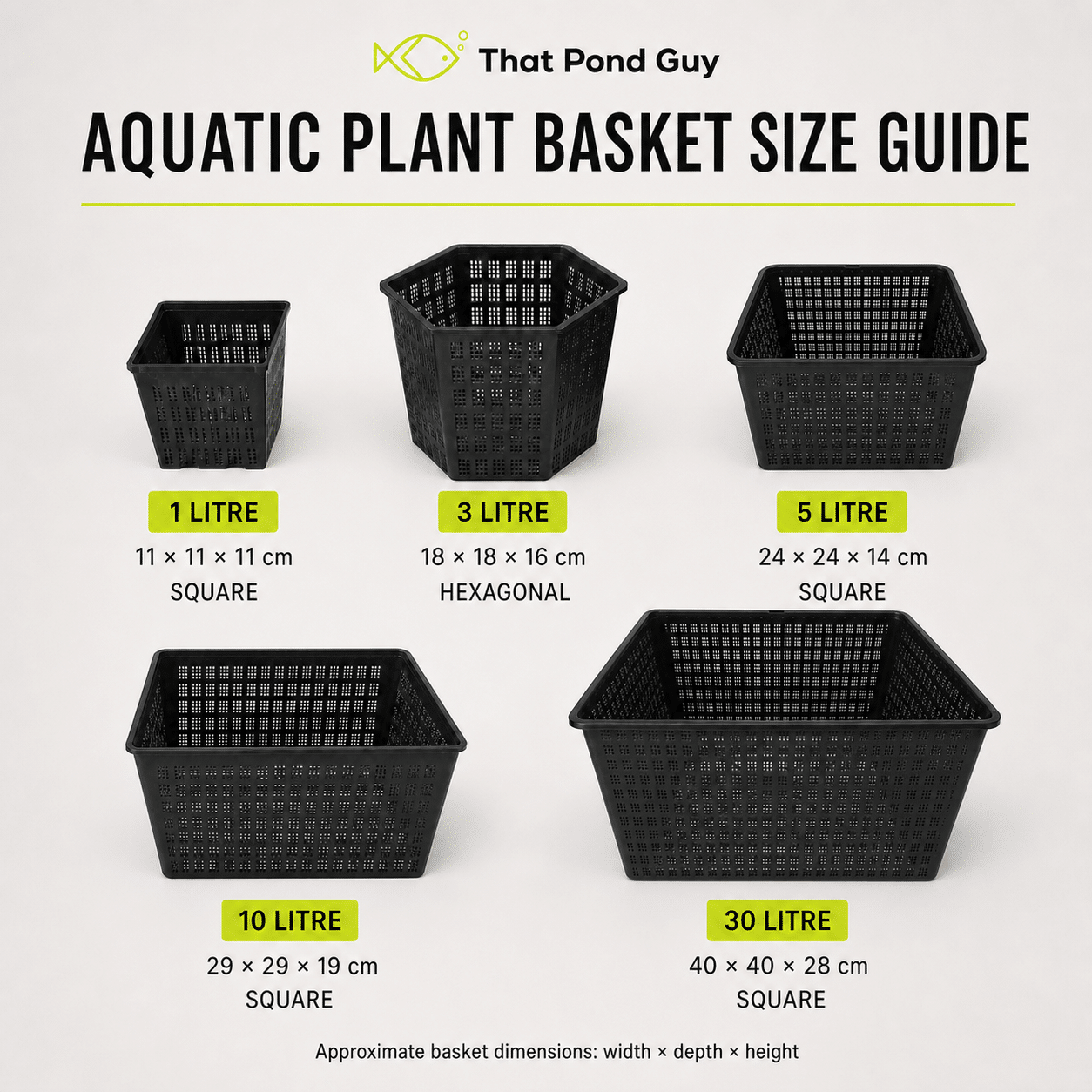
We supply Whorled Water Milfoil in the format you select: Weighted Bunches and 1-litre Deep Water Pot. A bunch is a supplied group of growth, not a fixed number of stems or an established planted basket. Use the quantity and presentation stated for the selected option.
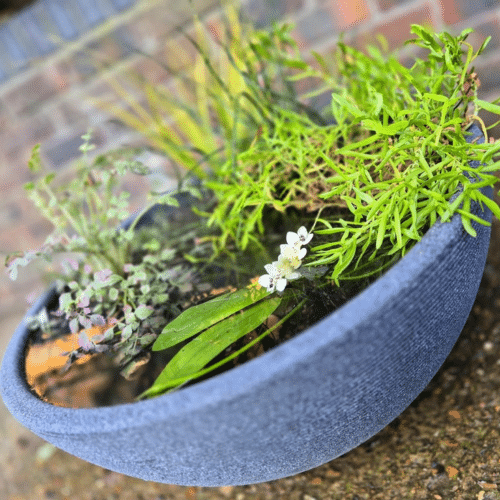
Unpack promptly and keep the living growth wet while preparing its position. The amount of visible growth changes with the season, so a newly supplied plant may look smaller than an established planting in the photograph. Introduce it as described below rather than leaving it to dry in the packaging.
Is Whorled Water Milfoil right for your pond?
Whorled Water Milfoil has branching submerged shoots with fine leaf segments in whorls. Allow around 1–1.5 m of managed spread, full sun and enough light through the water. Its tiny dull-red summer flowers are a secondary detail, so choose it for underwater texture rather than a showy flower display.
Positioning and getting established
Use a rooted aquatic arrangement with loamy medium suited to the supplied format. Horticultural guidance allows an established position around 1 m of water above the planted growing point; introduce young growth at the level on its label rather than immediately at that depth. Keep the basket or anchor stable while submerged stems establish.
For a rooted basket, use appropriate aquatic planting medium, position the roots or rhizome as directed and keep the leafy growing parts clear. If supplied as bunches, follow the instructions for anchoring or rooting those stems rather than assuming a fully established basket is included. Lower a planted container slowly and keep its whole base stable.
Choose a position you can reach for inspection and thinning, with space between the plant and equipment. Watch the light that actually reaches the leaves as other planting grows. A sunny garden can still have a shaded underwater position beneath a dense raft of lilies or floating plants.
Practical care and growth management
- Keeping the right position: Check the planting after introduction and after other plants fill out. Keep live growth appropriately wet, avoid crushing shoots while moving nearby baskets and maintain access to the planted area. Review its true light and water position if new growth is poor.
- Managing this plant: Cut back excessive growth before it crowds the planting or reaches equipment, collecting every loose fragment. Leave healthy rooted portions and assess the available underwater light through the season. Dense surface plants can change that light even when the pond itself is in a sunny garden.
- Medium and feeding: Use suitable medium for a rooted planting and follow the plant’s own guidance before adding feed. Apply any aquatic fertiliser within the medium as its label directs; do not scatter it into open pond water. Poor light, unsuitable depth or a loose planting are not corrected by extra feed.
- Tidying without spreading it: Remove soft decaying material and collect loose stems, roots or leaves rather than allowing them to drift into equipment. Check removed growth for pondlife before disposal. Keep nursery plants, fragments and pond waste within managed garden arrangements and out of natural ponds, streams and drains.
Seasonal appearance and winter care
This is a deciduous aquatic, so visible stem and leaf growth can reduce in winter. Remove genuinely soft decay and allow new growth in its normal season. A thinner winter planting should not automatically be treated with extra feed or discarded.
Size and growing conditions
- Position
- Rooted basket of loamy aquatic soil with submerged stems
- Depth
- around 1 m; establish young plants according to supplied label
- Reference point
- Water above the planted soil or growing point, excluding the height of the container.
- Sun
- Full sun
- Height
- Main shoots submerged; small flower spikes above surface
- Spread
- 1–1.5 m; cut back excessive growth
- Flowering
- Minute dull-red flowers in summer
- Winter care
- Deciduous aquatic; visible growth can reduce in winter.
- Native status
- Native species in Britain and Ireland
- RHS information
- RHS plant profile: Myriophyllum verticillatum
Ordering and delivery
We do not deliver live plants to Northern Ireland.
To avoid plants being held in depots over a weekend, we do not usually dispatch on Fridays. Highlands and Islands orders using a 2 day service are not normally dispatched on Thursdays.
Please read our delivery information for delivery arrangements and contact us if you need to check the timing of a particular order.
Other plants to compare
Spiked Water Milfoil — For a closely comparable native submerged texture with a different leaf/flower arrangement.
Willow Moss — For a slower-growing submerged moss attached to hard material rather than rooted milfoil stems.
More help with underwater planting
oxygenating pond plants guide — Explains the different planted, weighted, attached and rootless formats, depth choices and responsible thinning.







Reviews
There are no reviews yet.