

Curly Pondweed (Potamogeton Crispus)
| Product Type | Oxygenator |
|---|---|
| Sun/Shade | Full sun to part shade |
| Colour | Green |
| Growth Rate | Medium |
| Native | Yes |
Curly Pondweed, Potamogeton crispus, is a hardy UK native oxygenating plant with distinctive narrow leaves and strongly curled edges. Each pack contains 5 weighted bunches suitable for water between 20 cm and 100 cm deep, providing approximate coverage for 2.5 m² while creating valuable underwater shelter for pond wildlife.
£14.00 (inc VAT)
Curly Pondweed | Potamogeton crispus
A hardy native oxygenating plant with distinctive curled foliage, supplied as a pack of 5 weighted bunches for quick and simple placement in garden and wildlife ponds.
A valuable native oxygenator for deeper areas of your pond
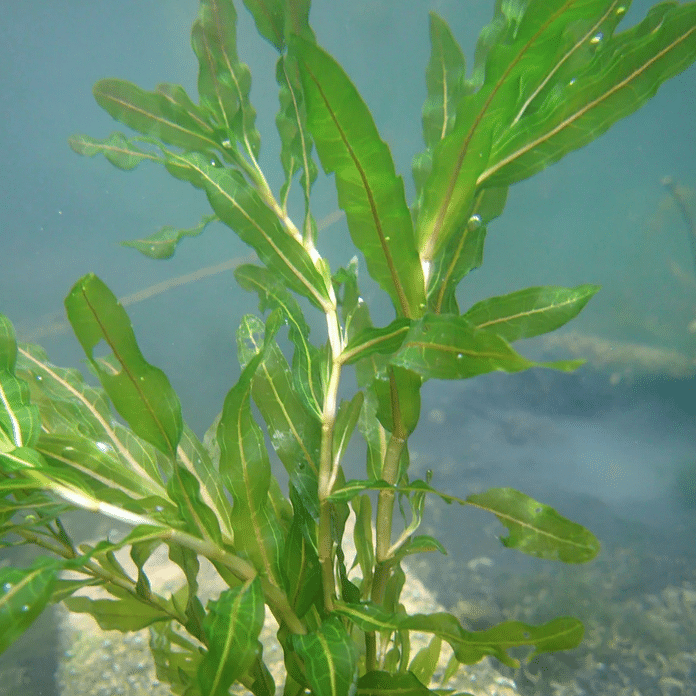
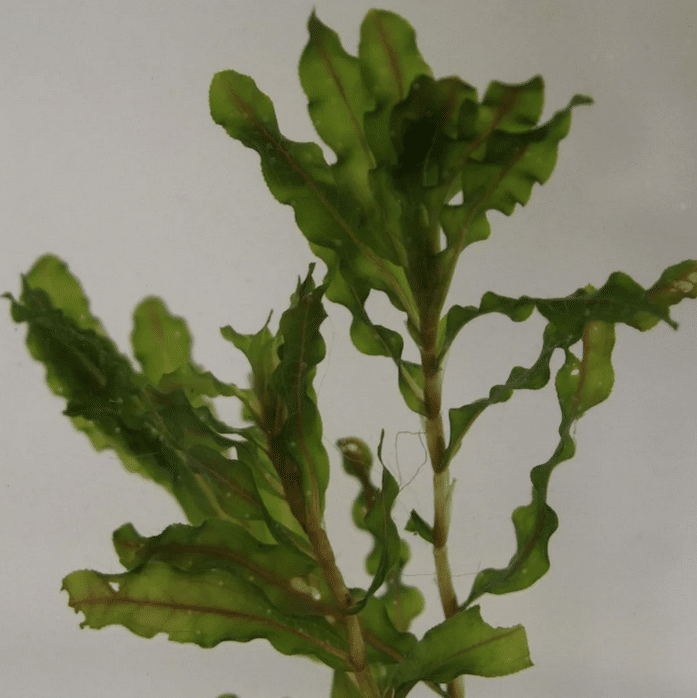
Curly Pondweed, botanically known as Potamogeton crispus, is an attractive submerged aquatic plant recognised by its narrow, translucent leaves and strongly curled or rippled edges. Its upright stems grow beneath the water, creating an interesting mass of textured green, bronze and reddish foliage that moves gently with the flow of the pond.
Supplied as a pack of 5 weighted bunches, Curly Pondweed is easy to introduce into an established pond. The attached weights help the plants sink towards the pond floor, where the stems can begin developing roots in soil, silt or a fine substrate. Where no natural substrate is available, the bunches can be pushed into aquatic soil inside a suitable planting basket.
During active growth, the submerged leaves photosynthesise and release oxygen into the surrounding water. The plant also takes up nutrients as it develops, helping to reduce the amount available to suspended algae. This can support better pond balance and clearer water when Curly Pondweed is combined with suitable filtration, aeration and a varied selection of aquatic plants.
No oxygenating plant can guarantee clear water or completely prevent algae. Its performance will depend on sunlight, water temperature, nutrient levels, fish stocking and the amount of plant growth within the pond. Curly Pondweed should therefore be viewed as part of a balanced pond ecosystem rather than a replacement for filtration or mechanical aeration.
The curled underwater foliage provides valuable shelter for tadpoles, newts, aquatic insects and young fish. Small pond creatures can move between the leaves to feed, rest and hide from predators. This makes Curly Pondweed particularly useful in wildlife ponds, natural garden ponds and larger ponds where additional submerged habitat is required.
Curly Pondweed grows successfully in still or slow moving water and is suitable for planting at depths between approximately 20 cm and 100 cm. For reliable establishment, it is often best to begin at the shallower end of this range. Good light penetration is important because the foliage must receive sufficient sunlight beneath the water to photosynthesise effectively.
Its seasonal growth can vary from other oxygenating plants. Curly Pondweed often produces strong growth during cooler periods and may naturally become less vigorous or die back during warmer summer weather. This does not necessarily mean that the plant has failed. Resting buds can remain within the pond and produce new growth when conditions become suitable again.
The submerged stems may occasionally produce small flower spikes that rise towards or just above the water surface. These flowers are subtle and are not the plant’s main ornamental feature. Curly Pondweed is primarily selected for its curled foliage, oxygenating qualities and value as an underwater habitat.
Once established, the plant can gradually spread across suitable areas of the pond. Remove excessive growth when necessary to prevent it overwhelming neighbouring oxygenators. Any removed foliage should be left beside the pond for approximately 24 hours, giving small aquatic creatures an opportunity to return to the water.
Key benefits
• Supplied as 5 ready weighted bunches
• Covers approximately 2.5 m² when planted at the recommended rate
• Native to Great Britain
• Produces distinctive curled and rippled underwater leaves
• Releases oxygen into the water during daylight and active growth
• Takes up nutrients as it grows
• Can contribute to a balanced pond planting scheme
• Provides shelter for fish, newts, tadpoles and aquatic insects
• Suitable for garden ponds and wildlife ponds
• Can be planted between approximately 20 cm and 100 cm deep
• Suitable for still or slow moving water
• Hardy throughout the UK
Reasons to buy Curly Pondweed
Curly Pondweed is a practical choice for introducing submerged planting into the deeper areas of a pond. Unlike potted oxygenators that need a suitable shelf, weighted bunches can be lowered directly into position and allowed to settle towards the pond floor.
The distinctive wavy foliage makes it easy to recognise and provides more underwater texture than many fine leaved oxygenators. Its leaves and stems create valuable cover for developing amphibians, aquatic insects and small fish.
Each pack contains 5 weighted bunches and provides approximate coverage for 2.5 m². This makes it simple to calculate the number of packs required for a new pond or an existing pond that needs additional submerged vegetation.
As a UK native species, Curly Pondweed is also a suitable addition to natural and wildlife friendly planting schemes. It can be combined with other native oxygenators and marginal plants to create a more varied aquatic habitat.
Care instructions
Place the weighted bunches directly into still or slow moving pond water. Where possible, gently push the weighted ends into soil, fine gravel, silt or another suitable pond substrate to encourage the stems to root.
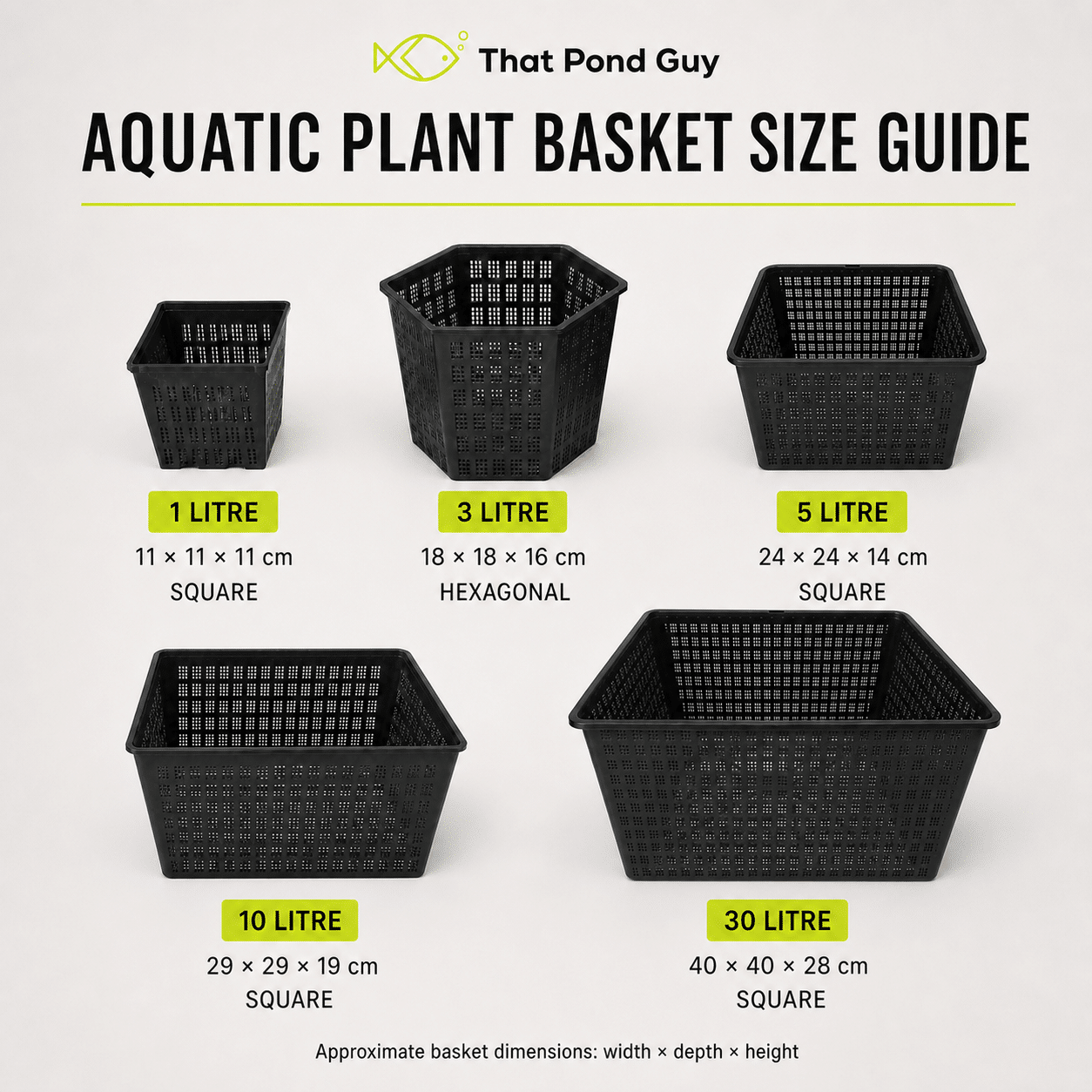
In a new pond without an established substrate, fill an aquatic planting basket with aquatic soil and carefully insert the weighted ends into the soil. Position the basket on a lower shelf or on the pond floor within the recommended planting depth.
Curly Pondweed requires sufficient underwater light. New plants are often best introduced at approximately 20 cm to 50 cm deep before being moved gradually deeper once established.
Planting depth is measured from the position of the weighted base or planting basket to the surface of the water.
Remove excessive or damaged growth when necessary. Do not allow large amounts of cut foliage to sink and decay within the pond. Leave removed material beside the water for approximately 24 hours so that any aquatic wildlife can return to the pond.
Curly Pondweed is rarely affected by serious pests or diseases. However, koi, carp, goldfish, ducks and other wildfowl may eat or disturb the stems. Protection may be required where fish or visiting birds regularly damage aquatic plants.
Flowering period
Curly Pondweed may produce small, insignificant reddish or greenish flower spikes from approximately May to August. Flowering is most likely during the main growing period and may vary according to water depth, sunlight, temperature and the maturity of the plant.
The short flower spikes may rise towards or slightly above the surface of the water. They are not especially showy, and Curly Pondweed is grown primarily for its distinctive submerged foliage and oxygenating value.
Size, coverage and growing conditions
Supplied quantity: 5 weighted bunches
Approximate coverage: 2.5 m² per pack
Recommended planting rate: Approximately 2 to 3 bunches per m²
Recommended water depth: 20 cm to 100 cm
Initial establishment depth: Approximately 20 cm to 50 cm
Position: Full sun or partial shade
Water conditions: Still or slow moving freshwater
Growth rate: Medium
Foliage: Narrow, translucent leaves with strongly curled and wavy edges
Foliage colour: Green, bronze or reddish green depending on conditions
Growth habit: Fully submerged, spreading upright stems
Flowering period: May to August
Flower colour: Small reddish or greenish flowers
Hardiness: Hardy across the UK
Winter growth: Growth varies seasonally, with resting buds capable of producing new stems
Plant type: Weighted bunched oxygenating plant
Native status: UK native
Wildlife value: Provides shelter for amphibians, aquatic insects and small fish
How many bunches will I need?
For general pond planting, allow approximately 2 to 3 bunches of Curly Pondweed for every 1 m² of pond surface area.
Each pack contains 5 weighted bunches and is intended to cover approximately 2.5 m². Larger ponds may require several packs, particularly when the existing pond contains very little submerged vegetation.
Oxygenators do not need to be spread evenly across the entire pond. They can be positioned in small groups at different depths, leaving open areas for fish movement and routine pond maintenance.
Different varieties of oxygenating plant can be combined within the same pond. Position each variety in a separate area so it has room to establish. Growing several types can also provide greater seasonal variety because individual species may perform differently as water temperatures and light levels change.
Bunched and potted oxygenators
Bunched oxygenators are supplied as groups of stems secured with a plant weight. They are designed to sink into deeper areas of the pond and can eventually root into soil, silt or a suitable aquatic planting basket.
Potted oxygenators arrive rooted in aquatic soil and are normally placed on pond shelves or in shallower areas. Their foliage may grow closer to or above the water surface, providing additional cover for amphibians and insects.
It is not essential to use both types, but combining bunched and potted oxygenators creates planting at several different depths. This helps produce a more varied habitat and distributes submerged foliage throughout the pond.
Your plants on arrival
Your Curly Pondweed will arrive as a pack of 5 weighted bunches inside a protective bag. The bunches are ready to be placed directly into the pond.
The appearance, colour and length of the stems will vary according to seasonal growing conditions. Leaves may range from fresh green to bronze or reddish green, which is natural for this variety.
Unpack the plants promptly after delivery and place them into pond water as soon as possible. Do not allow the stems to dry out.
Where the bunches have moved during transportation, gently reposition the stems around the weight before lowering them into the pond. Avoid pulling forcefully on individual stems, as freshly supplied aquatic growth can be delicate.
Dispatching your pond plants
Aquatic plants are carefully selected, kept moist and packed to help protect them during delivery. As these are living plants, their size, colour and amount of visible growth will naturally vary throughout the season.
Curly Pondweed may arrive with shorter stems or reduced foliage early in the season. It can also experience natural periods of dieback as temperatures and growing conditions change. This seasonal variation does not necessarily indicate that the plant is unhealthy.
Upon arrival, open the packaging promptly and place the weighted bunches into a container of pond water or directly into the pond. Never allow bunched oxygenators to dry out.
Curly Pondweed is normally available from May, although availability can vary according to water temperatures, nursery growing conditions and the quality of the current crop.


Reviews
There are no reviews yet.