






Ivy-leaved Crowfoot (Ranunculus hederaceus)
| Size | 5 bunches |
|---|---|
| Plant Type | Oxygenator |
| Sun / Shade | Full Sun to Part Shade |
| Flower Colour | White |
| Growth Rate | Medium |
| Native to UK | Yes |
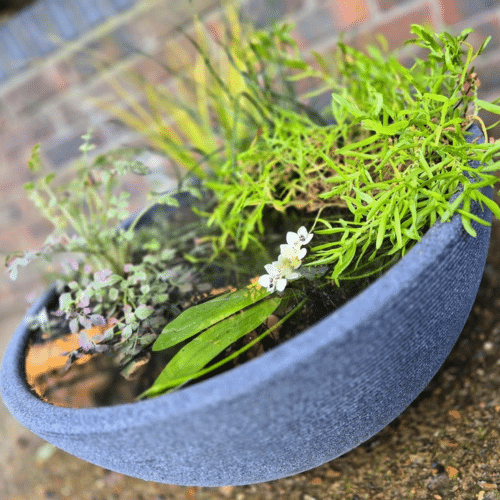
Ivy Leaved Crowfoot, Ranunculus hederaceus, is a pretty UK native shallow water plant with bright green scalloped leaves and tiny white flowers. Ideal for wildlife ponds, mini ponds and muddy pond edges, it grows best in very shallow water or wet mud and is usually supplied loose as a mat.
£14.00 (inc VAT)
Ivy-leaved Crowfoot (Ranunculus hederaceus)
A pretty UK native shallow water plant with bright green scalloped leaves and tiny white flowers, ideal for muddy pond edges, wildlife ponds and very shallow water.
A delicate native crowfoot for shallow pond edges, mud margins and wildlife planting
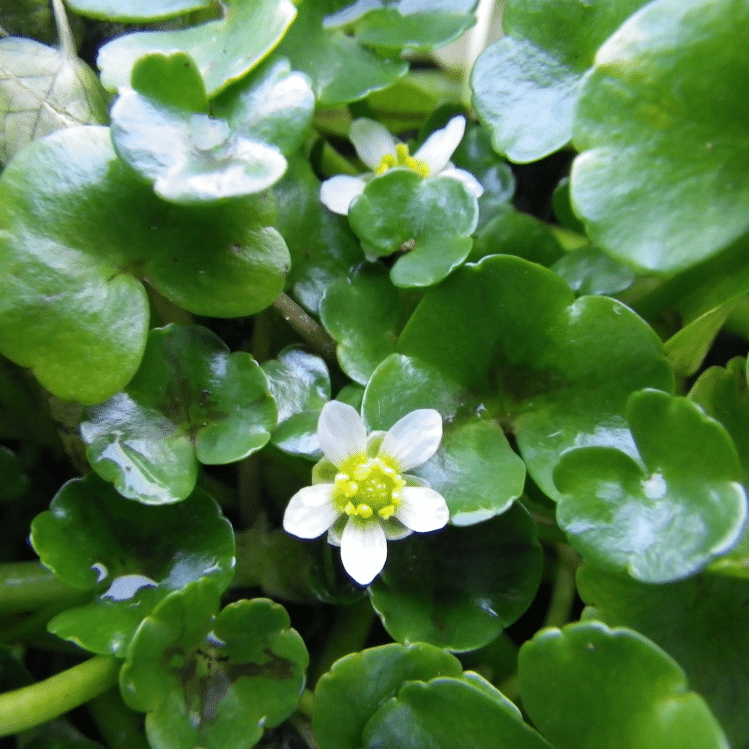
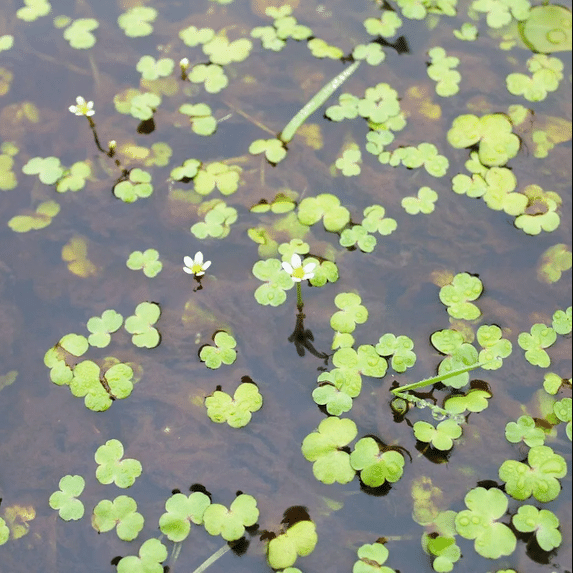
Ivy Leaved Crowfoot, botanically known as Ranunculus hederaceus, is a small native aquatic plant found naturally in shallow water, muddy pond edges, ditches, streams and wet ground close to water. It is a delicate, creeping plant with bright green scalloped leaves and tiny white flowers that sit just above the water surface.
This is a beautiful choice for wildlife ponds, natural ponds, mini ponds and damp pond margins where a soft, low growing native plant is wanted. Unlike some other water crowfoots, Ivy Leaved Crowfoot does not produce long thread like submerged leaves. Instead, it creeps across shallow water, mud and wet pond edges, creating a fresh green mat of rounded ivy like foliage.
The small white flowers are simple and charming, usually appearing from late spring into summer depending on the weather and growing conditions. Although the flowers are tiny, they look lovely in a natural wildlife pond, especially where they can be seen close up around the pond edge. The flowers may also be visited by small pollinating insects when conditions are suitable.
Ivy Leaved Crowfoot is best used in very shallow water, wet mud or damp marginal areas. It is not a deep water oxygenator and should not be dropped into deep pond water like Hornwort, Elodea or Stonewort. It performs best in cool, shallow positions, ideally in full sun to partial shade, although it can disappear quickly in hot or dry conditions. This is part of its natural behaviour and it may set seed and return when conditions are suitable again.
This plant is particularly useful for wildlife ponds because it provides low cover at the water’s edge. Small aquatic insects, tadpoles and other pond creatures can use the foliage and creeping stems as shelter in shallow areas. It is also a good choice for softening bare mud, shallow shelves and natural pond margins.
Ivy Leaved Crowfoot is usually supplied loose as a mat rather than as a weighted bunch. It can be placed into very shallow water or gently pressed into wet mud, where it can root and spread if conditions are suitable.
🇬🇧 UK-grown aquatic plant: Grown at a dedicated aquatic plant nursery in the South of England and carefully prepared for delivery across the UK.
Key Benefits
- UK native shallow water plant
- Pretty bright green scalloped leaves
- Tiny white flowers above the water surface
- Ideal for wildlife ponds and natural pond edges
- Suitable for very shallow water, mud and wet margins
- Creeping growth helps soften bare pond edges
- Good for mini ponds and small wildlife ponds
- Provides low cover for small pond wildlife
- Best in cool, shallow positions
- Little maintenance required
- Supplied loose as a mat, not as a standard bunch
- Usually available in limited quantities from late spring to early summer
Reasons to Buy Ivy Leaved Crowfoot
- Ivy Leaved Crowfoot is a lovely choice if you want a small native plant for the shallowest parts of a wildlife pond. Its bright green leaves and tiny white flowers create a soft, natural look around the waterline.
- It is especially useful for muddy pond edges and very shallow shelves where larger marginal plants would be too tall or too dominant. The low creeping habit makes it ideal for subtle planting rather than bold structure.
- This plant is also a good option for mini ponds and wildlife containers where you want a native plant that stays low and does not overwhelm the whole display straight away.
- For the best results, use Ivy Leaved Crowfoot in a cool, shallow, damp position and avoid placing it in deep water. It is a seasonal plant and may disappear in warm conditions after seeding, which is normal.
Care Instructions
- Place Ivy Leaved Crowfoot in very shallow water, wet mud or a damp pond edge. It is best suited to the shallowest part of the pond rather than deep water.
- A planting depth of 0 cm to 20 cm can be used, but it will usually establish best very shallow, with the foliage at or just above the water surface.
- If supplied as a loose mat, gently place it onto wet mud or into very shallow water. Press the roots or lower stems lightly into the substrate so they can make contact with the mud.
- Grow in full sun to partial shade. In hotter gardens, a cooler part shaded position may help prevent the plant drying out or disappearing too quickly.
- Do not allow the plant to dry out. It needs wet mud, shallow water or consistently damp conditions.
- Little maintenance is required. Remove surplus growth if it spreads further than wanted, and remove any dead or decaying material before it breaks down in the pond.
- This plant may set seed and disappear during warm or dry conditions. This can be normal, especially in small shallow areas, and it may return when conditions become suitable again.
Flowering Period
Ivy Leaved Crowfoot usually flowers from late spring into early summer, with flowers often appearing between April and August depending on conditions.
The flowers are tiny, white and held just above the water surface. They are not large or showy, but they are very attractive in a natural wildlife pond setting.
Flowering can vary depending on water level, temperature, light, plant maturity and seasonal weather.
Size, Spread and Growing Conditions
Botanical name: Ranunculus hederaceus
Common name: Ivy Leaved Crowfoot, Water Ivy
Plant type: Native shallow water and muddy edge plant
Plant height: Low growing, usually only a few centimetres above the water or mud
Spread: Creeping mat forming growth, spreading where conditions suit
Growth rate: Fast in suitable cool, shallow conditions
Flower colour: White with yellow centres
Flowering period: Late spring to summer, often April to August
Position: Full sun to partial shade
Soil or substrate: Wet mud, shallow pond margins, rich loamy pond substrate or damp muddy ground
Recommended planting depth: 0 cm to 20 cm, best started very shallow
Native status: Native to GB and Ireland
Best suited for: Wildlife ponds, mini ponds, muddy pond edges, very shallow water, ditches, wet margins and natural pond planting
Wildlife value: Provides low cover for small pond creatures and may attract small pollinating insects when in flower
How Many Plants Will I Need?
Ivy Leaved Crowfoot is usually supplied loose as a mat rather than in bunches.
For a small wildlife pond or mini pond, one mat can be enough to start a shallow planted area.
For a larger shallow margin, use several mats spaced along the wet edge and allow them to root and spread naturally.
It is best to plant in small groups or patches rather than covering the whole pond edge at once. This allows you to see where it establishes best and manage spread if required.
Your Plant on Arrival
Ivy Leaved Crowfoot is generally supplied loose as a mat, not as a weighted oxygenator bunch.
The size, density and amount of visible growth will vary depending on the season and availability. This plant is often only available in limited quantities, usually from late spring to early summer.
Place the mat into very shallow water, wet mud or a damp pond edge as soon as practical. Do not allow it to dry out.
If the plant looks smaller or softer on arrival, this is normal for a delicate shallow water plant. It should be handled carefully and introduced gently into suitable conditions.
Dispatching Your Pond Plants
Pond plants are carefully selected, packed and dispatched to help them arrive in good condition. As living aquatic plants, Ivy Leaved Crowfoot can vary in size, colour, density and flowering stage depending on the season, weather and natural growth cycle.
Unpack your plant promptly when it arrives and keep it wet at all times.
Do not leave Ivy Leaved Crowfoot exposed to sun, wind or drying conditions. If you cannot place it into the pond immediately, keep it in a shallow container of pond water in a cool, shaded position for a short period.
Introduce the plant to very shallow water or wet mud as soon as practical. Avoid placing it into deep water, fast flowing areas or hot exposed positions where it may struggle to establish.






Reviews
There are no reviews yet.