





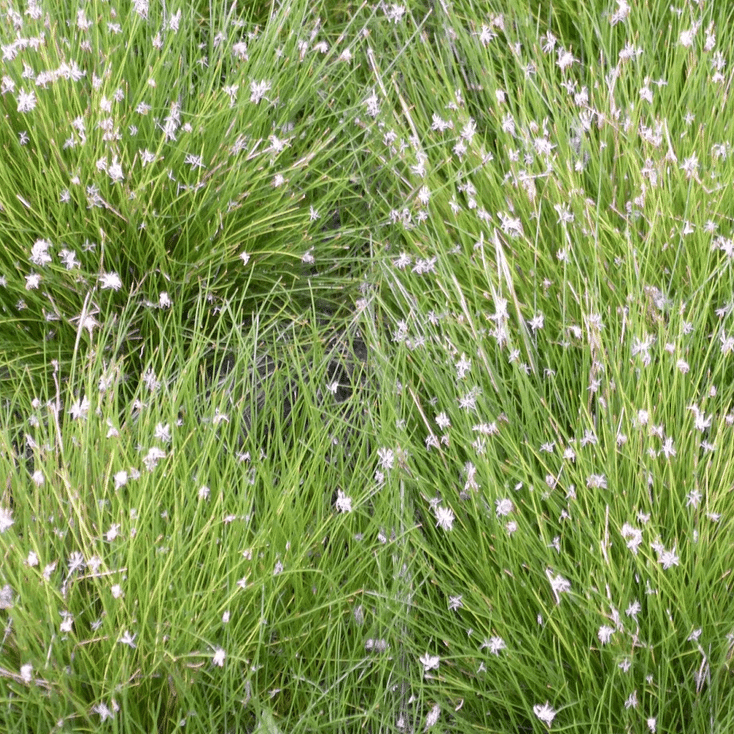

Dwarf Hairgrass (Eleocharis acicularis)
| Size | 1 Ltr, 1 Ltr – Pack of 3, 2 Ltr, 9cm – Pack of 3 |
|---|---|
| Plant Type | Oxygenator |
| Sun / Shade | Full Sun to Part Shade |
| Flower Colour | Brown |
| Growth Rate | Medium |
| Native to UK | Yes |
Dwarf Hairgrass makes a fine-textured carpet of narrow green shoots. Despite its common name, Eleocharis acicularis is a sedge rather than a lawn grass. It can grow at a wet pond margin or submerged, with the form of the shoots reflecting the conditions.
Price range: £14.00 through £34.00 (inc VAT)
Dwarf Hairgrass (Eleocharis acicularis)
Fine grass-like growth for wet margins or shallow water
Dwarf Hairgrass makes a fine-textured carpet of narrow green shoots. Despite its common name, Eleocharis acicularis is a sedge rather than a lawn grass. It can grow at a wet pond margin or submerged, with the form of the shoots reflecting the conditions.
Spreading rhizomes gradually link the growth into a broader patch. When submerged, RHS describes shoots up to around 15 cm, with small brown spikelets produced on unbranched stems in summer. This species should not automatically be treated as the separately named aquarium selection Mini simply because the common name includes dwarf.
Dwarf Hairgrass needs a reliably moist margin, boggy soil or suitable shallow submerged position. RHS allows a moisture-retentive margin or water up to 40 cm deep. Light still needs to reach the shoots, so a clear shallow position is different from the same depth beneath a dense raft of floating leaves.
Choose this plant for the way it grows in the position described here. Not every leaf grows underwater, and the plant does not replace aeration. Match the planting to the pond and leave room for other plants rather than relying on one species to do everything.
Dwarf Hairgrass is evergreen, although individual old or damaged shoots still need occasional removal. The fullness of its fine-leaved patch changes with the growing conditions and season. Inspect the roots and new shoots as it establishes, keeping the young planting clear of smothering debris rather than repeatedly cutting healthy growth to an even height.
Keep spreading stems and leaves clear of pump intakes and retain access for pond care. Thin growth in manageable portions if it starts to crowd its neighbours, checking removed material for pond animals. Keep all surplus within responsible garden disposal and never introduce purchased plants or fragments into a natural pond, stream or ditch.
UK-grown plant. Grown at a dedicated aquatic plant nursery in the South of England.
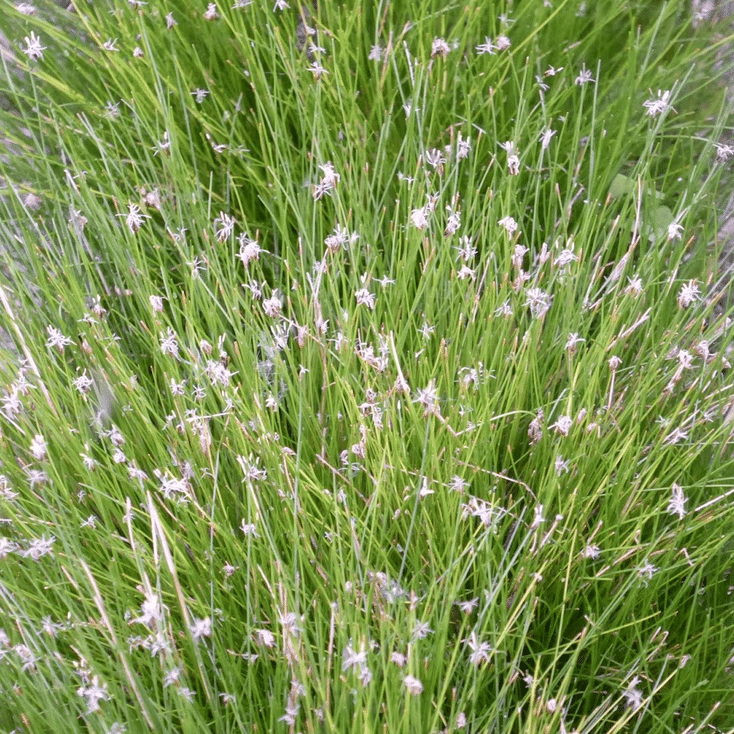
What you receive
We supply Dwarf Hairgrass in the format you select: 2-litre, 9 cm – pack of 3, 1-litre and 1-litre – pack of 3. Litre sizes describe the starting planted container, not a guaranteed number of shoots or flowers. The 9 cm pack contains three nursery-pot plants; transfer these into suitable aquatic baskets before pond placement.
Unpack promptly and keep the living growth wet while preparing its position. The amount of visible growth changes with the season, so a newly supplied plant may look smaller than an established planting in the photograph. Introduce it as described below rather than leaving it to dry in the packaging.
Is Dwarf Hairgrass right for your pond?
Dwarf Hairgrass is a sedge for a fine low carpet at a reliably moist edge or suitable submerged position. Its narrow shoots need light, so do not place it beneath a dense lily or floater canopy. Allow access around the rhizomatous patch; “dwarf” describes the scale of the foliage, not a promise that it never spreads.
Positioning and getting established
Keep the roots in suitable moist or aquatic substrate and avoid burying the shoot bases beneath a heavy dressing. UK guidance allows submersion to around 40 cm, but the supplied label and available underwater light determine the young plant’s starting level. A clear shallow position is different from the same nominal depth under shaded or cloudy water.
Use appropriate aquatic planting medium and keep the roots or rhizome at the correct level, leaving the growing point clear. Lower the planted basket slowly so that loose medium stays contained, and support its whole base on a stable shelf or planting stand.
Choose a position you can reach for inspection and thinning, with space between the plant and equipment. Watch the light that actually reaches the leaves as other planting grows. A sunny garden can still have a shaded underwater position beneath a dense raft of lilies or floating plants.
Practical care and growth management
- Keeping the right position: Check the planting after introduction and after other plants fill out. Keep live growth appropriately wet, avoid crushing shoots while moving nearby baskets and maintain access to the planted area. Review its true light and water position if new growth is poor.
- Managing this plant: Thin or divide spreading rhizomes when the carpet reaches its intended boundary. Remove soft or damaged shoots carefully without pulling out the healthy whole patch. Keep enough light reaching the short underwater leaves and avoid burying the growing bases under a heavy dressing.
- Medium and feeding: Use suitable medium for a rooted planting and follow the plant’s own guidance before adding feed. Apply any aquatic fertiliser within the medium as its label directs; do not scatter it into open pond water. Poor light, unsuitable depth or a loose planting are not corrected by extra feed.
- Tidying without spreading it: Remove soft decaying material and collect loose stems, roots or leaves rather than allowing them to drift into equipment. Check removed growth for pondlife before disposal. Keep nursery plants, fragments and pond waste within managed garden arrangements and out of natural ponds, streams and drains.
Seasonal appearance and winter care
Dwarf Hairgrass is described as evergreen, but the density and condition of its fine shoots change with the season. Some old growth may need tidying after winter. Keep the root area appropriately wet and give fresh shoots adequate light as the growing season resumes.
Size and growing conditions
- Position
- Reliably moist pond margin, boggy soil or shallow submerged aquatic planting
- Depth
- submersion up to 40 cm; follow supplied label
- Reference point
- Water above the planted soil or growing point, excluding the height of the container.
- Sun
- Sun; keep sufficient light to reach submerged shoots
- Height
- Submerged shoots up to about 15 cm; growth varies with the position.
- Spread
- Spreads by rhizomes; thin/divide to intended area
- Flowering
- Tiny brown spikelets in summer
- Winter care
- Evergreen species, but damaged or old shoots may need removal and seasonal fullness varies.
- Native status
- Native species in Britain and Ireland
- RHS information
- RHS plant profile: Eleocharis acicularis
Delivery and basket information
We do not deliver live plants to Northern Ireland.
Orders received by 11am Monday to Wednesday are normally dispatched on the following working day using a next working day courier service. During busy periods, dispatch may occasionally take an extra day.
To avoid plants being held in depots over a weekend, we do not usually dispatch on Fridays. Highlands and Islands orders using a 2 day service are not normally dispatched on Thursdays.
Please read our delivery information for delivery arrangements and contact us if you need to check the timing of a particular order.
The 9cm option arrives in nursery pots. For pond planting, pot these plants into suitable aquatic baskets with aquatic planting soil before positioning them at the depth shown on their labels.
Finofil baskets are made from 100% recycled polypropylene co-polymer. They are not suitable for ordinary kerbside recycling; reuse them where possible and check local specialist recycling options.
Basket measurements for the offered sizes:
- 1 Litre Basket, usually 11 × 11 × 11cm square; some varieties may be supplied in a 14cm diameter × 10cm round basket
- 2 Litre Basket, usually 17cm diameter × 13cm round or 19 × 19 × 9cm square, depending on the plant
Other plants to compare
Shoreweed — For short fleshy rosettes rather than a fine sedge-like carpet.
Water Shamrock — For four-part clover-like fern leaves in shallow water rather than narrow upright shoots.
More help with underwater planting
oxygenating pond plants guide — Explains the different planted, weighted, attached and rootless formats, depth choices and responsible thinning.






Reviews
There are no reviews yet.