







Brazilian Micro Sword (Lilaeopsis brasiliensis)
| Size | 1 Ltr, 1 Ltr – Pack of 3, 2 Ltr, 9cm – Pack of 3 |
|---|---|
| Plant Type | Oxygenator |
| Sun / Shade | Full Sun to Part Shade |
| Flower Colour | Green |
| Growth Rate | Medium |
| Native to UK | No |
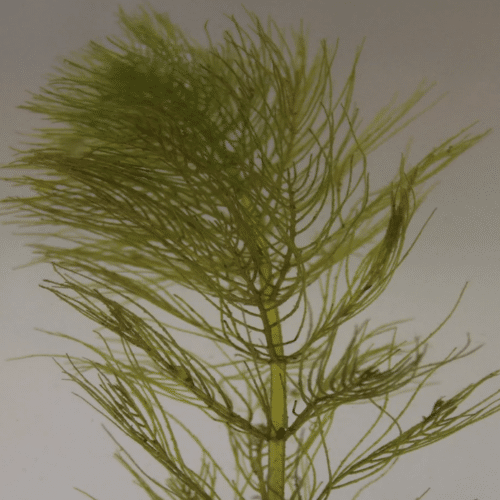
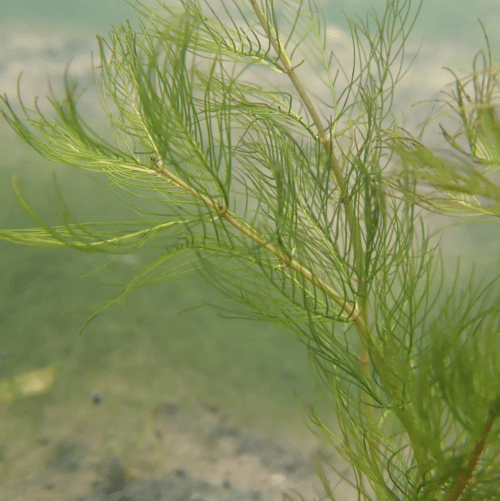
Brazilian Micro Sword grows narrow, grass-like leaves from a spreading network of runners. It can form a low green carpet where light reaches the planting, giving a different effect from tall marginal stems or large floating leaves. This South American species brings a fine texture to a suitable planted position.
Price range: £14.00 through £34.00 (inc VAT)
Brazilian Micro Sword (Lilaeopsis brasiliensis)
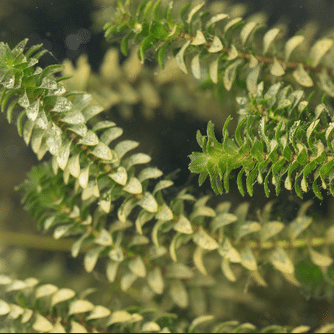
A low carpet of narrow leaves beneath clear water
Brazilian Micro Sword grows narrow, grass-like leaves from a spreading network of runners. It can form a low green carpet where light reaches the planting, giving a different effect from tall marginal stems or large floating leaves. This South American species brings a fine texture to a suitable planted position.
The compact lawn-like effect is conditional rather than automatic. Specialist grower Tropica describes denser growth under stronger light; lower light or shading from neighbouring plants changes the result. Give separate small clumps room to join together, rather than expecting a newly supplied pot to look like an established carpet immediately.
Root Brazilian Micro Sword in suitable aquatic substrate in an open, well-lit position. Place the roots in suitable aquatic medium and keep the crown at the growing level indicated on the supplied label. A grass-like leaf does not mean that the pot belongs in ordinary dry lawn soil.
Plants sold as oxygenators contribute oxygen while photosynthesising in sufficient light, but they also respire. The amount varies with growth, temperature and conditions. We would use them as part of a mixed planting scheme, alongside the aeration, filtration and checks that the particular pond needs, rather than promise a fixed oxygen output or algae cure.
Brazilian Micro Sword can have less visible foliage outdoors in winter, and its carpet changes in density through the season. A small planted container needs time to develop into the fuller patch shown by an established specimen. Retain healthy shoots and remove soft, deteriorating material carefully so that seasonal tidying does not pull apart the fine new growth.
Keep spreading stems and leaves clear of pump intakes and retain access for pond care. Thin growth in manageable portions if it starts to crowd its neighbours, checking removed material for pond animals. Keep all surplus within responsible garden disposal and never introduce purchased plants or fragments into a natural pond, stream or ditch.
UK-grown plant. Grown at a dedicated aquatic plant nursery in the South of England.

What you receive
We supply Brazilian Micro Sword in the format you select: 2-litre, 9 cm – pack of 3, 1-litre and 1-litre – pack of 3. Litre sizes describe the starting planted container, not a guaranteed number of shoots or flowers. The 9 cm pack contains three nursery-pot plants; transfer these into suitable aquatic baskets before pond placement.
Unpack promptly and keep the living growth wet while preparing its position. The amount of visible growth changes with the season, so a newly supplied plant may look smaller than an established planting in the photograph. Introduce it as described below rather than leaving it to dry in the packaging.
Is Brazilian Micro Sword right for your pond?
Brazilian Micro Sword is useful for a low runner-forming carpet where light reaches the leaves. It is not a tall marginal grass, despite its grass-like appearance, and shaded underwater positions can change its growth. Allow space to inspect and manage runners instead of planting it beneath a heavy surface canopy.
Positioning and getting established
Root the supplied growth in suitable aquatic substrate, keeping the leaf bases correctly exposed rather than burying the whole plant. Use the supplied label for the starting depth. UK horticultural guidance permits submerged culture, but an aquarium leaf-height figure is not an outdoor water-depth recommendation.
Use appropriate aquatic planting medium and keep the roots or rhizome at the correct level, leaving the growing point clear. Lower the planted basket slowly so that loose medium stays contained, and support its whole base on a stable shelf or planting stand.
Choose a position you can reach for inspection and thinning, with space between the plant and equipment. Watch the light that actually reaches the leaves as other planting grows. A sunny garden can still have a shaded underwater position beneath a dense raft of lilies or floating plants.
Practical care and growth management
- Keeping the right position: Check the planting after introduction and after other plants fill out. Keep live growth appropriately wet, avoid crushing shoots while moving nearby baskets and maintain access to the planted area. Review its true light and water position if new growth is poor.
- Managing this plant: Keep taller neighbouring plants and floating cover from cutting off the light to this low planting. Thin runners or divide the patch when needed, retaining healthy rooted portions. Avoid pulling an established carpet apart simply to remove one damaged leaf.
- Medium and feeding: Use suitable medium for a rooted planting and follow the plant’s own guidance before adding feed. Apply any aquatic fertiliser within the medium as its label directs; do not scatter it into open pond water. Poor light, unsuitable depth or a loose planting are not corrected by extra feed.
- Tidying without spreading it: Remove soft decaying material and collect loose stems, roots or leaves rather than allowing them to drift into equipment. Check removed growth for pondlife before disposal. Keep nursery plants, fragments and pond waste within managed garden arrangements and out of natural ponds, streams and drains.
Seasonal appearance and winter care
Outdoor foliage can become thinner in winter and the carpet’s density depends on conditions. Remove soft decaying growth and assess fresh development when light and warmth improve. Do not expect the same dense aquarium-style carpet in every outdoor pond throughout the year.
Size and growing conditions
- Position
- Rooted aquatic substrate in an open, well-lit position
- Depth
- Current supplied label determines depth; UK horticultural guidance permits submerged pond culture
- Reference point
- Water above the planted soil or growing point, excluding the height of the container.
- Sun
- Sun or light shade with sufficient underwater light
- Height
- Low grass-like carpet; leaf height varies with light and growing conditions.
- Spread
- Spreads by runners; manage within the allotted area
- Flowering
- Foliage is the main display; no guaranteed flowering underwater
- Winter care
- Outdoor foliage may reduce during winter; density changes with the conditions.
- Native status
- South American; not native to Britain or Ireland
- RHS information
- RHS guide: aquatic plants: planting (general guidance)
Delivery and basket information
We do not deliver live plants to Northern Ireland.
Orders received by 11am Monday to Wednesday are normally dispatched on the following working day using a next working day courier service. During busy periods, dispatch may occasionally take an extra day.
To avoid plants being held in depots over a weekend, we do not usually dispatch on Fridays. Highlands and Islands orders using a 2 day service are not normally dispatched on Thursdays.
Please read our delivery information for delivery arrangements and contact us if you need to check the timing of a particular order.
The 9cm option arrives in nursery pots. For pond planting, pot these plants into suitable aquatic baskets with aquatic planting soil before positioning them at the depth shown on their labels.
Finofil baskets are made from 100% recycled polypropylene co-polymer. They are not suitable for ordinary kerbside recycling; reuse them where possible and check local specialist recycling options.
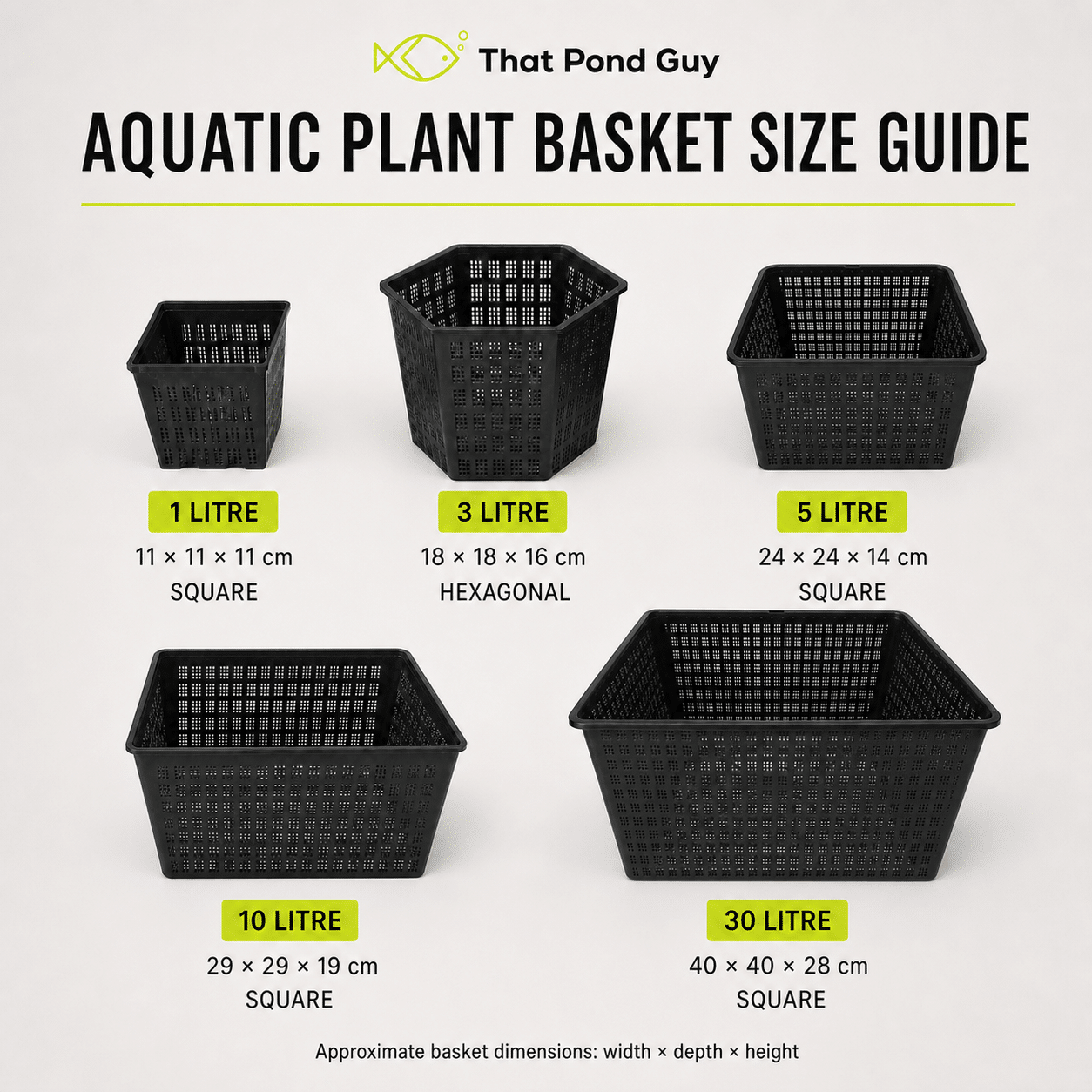
Basket measurements for the offered sizes:
- 1 Litre Basket, usually 11 × 11 × 11cm square; some varieties may be supplied in a 14cm diameter × 10cm round basket
- 2 Litre Basket, usually 17cm diameter × 13cm round or 19 × 19 × 9cm square, depending on the plant
Other plants to compare
Dwarf Hairgrass — For a native sedge with fine shoots and its own wet-margin or submerged guidance.
Shoreweed — For fleshy low rosettes in a suitable wet margin or clear submerged position.
More help with underwater planting
oxygenating pond plants guide — Explains the different planted, weighted, attached and rootless formats, depth choices and responsible thinning.





Reviews
There are no reviews yet.