






Water Mint (Mentha aquatica)
| Size | 1 Ltr, 1 Ltr – Pack of 3, 3 Ltr, 9cm – Pack of 3 |
|---|---|
| Plant Type | Marginal |
| Sun / Shade | Full Sun to Part Shade |
| Flower Colour | Purple |
| Growth Rate | Fast |
| Native to UK | Yes |
| Plant group |
A native wet-edge mint with aromatic leaves and rounded pinkish-purple summer flowers. Keep the roots wet, allow room for spreading rhizomes and divide congested clumps in spring.
Price range: £14.00 through £34.00 (inc VAT)
Water Mint (Mentha aquatica)
Aromatic native mint for a wet margin, with spread to keep in check
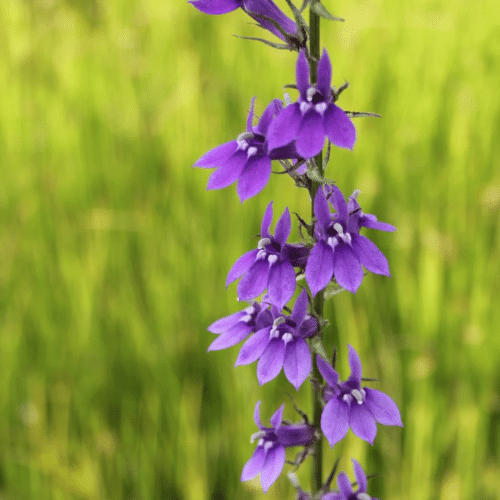
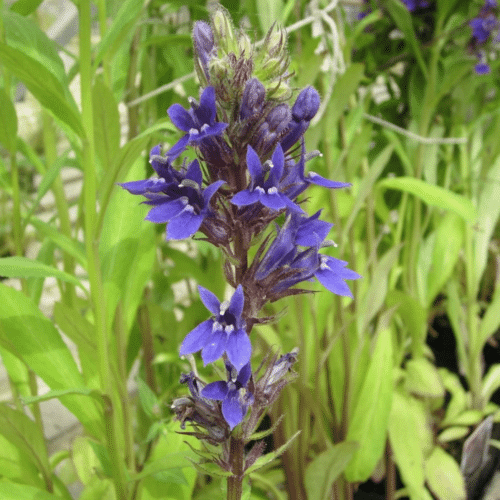
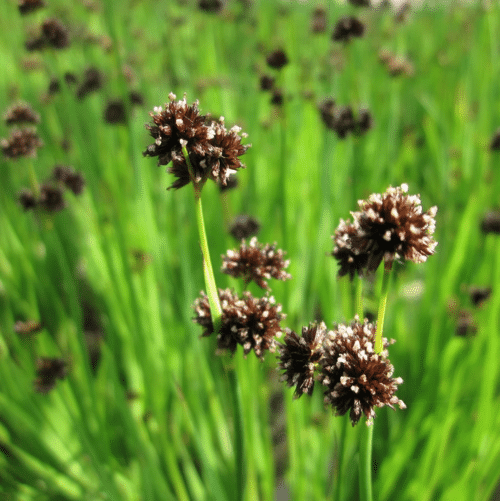
Water Mint brings scented leaves and rounded heads of pinkish-purple flowers to a wet pond edge. Mentha aquatica is a native marginal perennial, with dark green foliage and often reddish stems. The aroma is noticeable when leaves are brushed, while the summer flowers give a softer outline among upright irises and rushes.
Its rhizomes spread readily. Plan where the plant can grow and how you will reach it before setting it among other baskets. A defined container is helpful, but shoots and roots still need checking; a plant can look pleasantly informal while gradually taking space from smaller neighbours or blocking practical access.
Use muddy pond margins or a suitable aquatic basket, keeping the foliage above water. Established plants can tolerate up to about 25cm of water cover in a large pond, although a small newly planted basket should follow its supplied label. Measure that water cover above the planted soil surface rather than from the bottom of the pot.
Full sun encourages flowering, with partial shade also suitable where the roots stay wet. Do not let the root zone dry while lifting or dividing a clump. Dry conditions can also favour problems such as mint rust or mildew, so choosing the right moisture position is more useful than promising that mint needs no care.
Cut back after flowering as needed, and divide established plants in spring when they become crowded. Check removed stems for pond animals and dispose of unwanted rhizomes responsibly. Keep fragments out of nearby streams and natural waterways rather than treating a native plant as something that can be released anywhere.
The foliage dies back seasonally, so its winter appearance is different from the full summer clump. Species descriptions can reach about 90cm in favourable conditions, even though shorter growth is common. Leave space for that variation and enjoy the aromatic foliage as one part of a mixed pond margin, alongside appropriate filtration and routine pond care.

What you receive
Choose from a 1 litre or 3 litre plant, a pack of three 1 litre plants or a pack of three 9cm plants, as listed above. The selected option determines the container size and pack quantity; a young plant will not have the spread of an established summer clump.
Water Mint is deciduous, so an autumn or winter order can have much less top growth than the photograph. Keep the label with the plant and the roots wet while you prepare its position. The rounded pinkish-purple flowers develop during the growing season and are not part of every delivery.
Is this right for your pond?
Water Mint suits a wet margin where you can enjoy the aromatic foliage and still reach its spreading stems. Its native status does not remove the need to manage its growth.
- Room for spreading roots: The rhizomes can travel into neighbouring planting. A liftable basket helps with inspection and division, but check shoots outside the basket as well as the main clump.
- An accessible pond edge: Leave a route to trim stems and check nearby outlets. Avoid planting an inaccessible patch behind equipment or delicate small plants that could become hidden.
- Sun or partial shade: A sunny position encourages flowering, while partial shade is also suitable if the root zone stays wet. The mint scent is released when foliage is brushed; it is not a substitute for a flower display.
- A mixed native planting: Use it alongside plants with different leaf shapes and flowering seasons. A varied margin is more useful than expecting one vigorous species to occupy every wet position.
Planting position and getting established
Choose muddy, wet ground at the pond edge or an aquatic basket with room for the rhizomes. The foliage should rise above the water. Keep the rootball wet during planting and set it securely so an unsettled basket cannot tip into deeper water.
For a basket, measure water cover from the planted soil surface to the water surface, rather than measuring the whole pond depth. Established Water Mint can tolerate up to about 25cm of cover in a roomy pond, but start the supplied young plant at the shallower position on its label. Do not suddenly lower a small plant until its leaves are submerged.
Check the position after topping up the pond and as seasonal water levels change. Leave enough room to lift and divide the basket later, and inspect stems that reach beyond it. This is particularly important near a skimmer, pump intake or narrow channel where spreading growth could interrupt access or flow.
Looking after your plants
- After flowering: Shorten spent stems as needed once the main display is over. Work in manageable sections, check the cut material for pond animals and remove it from the water rather than leaving it to decay.
- Spring division: Lift and divide an established congested clump in spring. Replant healthy rooted sections promptly and keep them wet; division is also a chance to remove runners that have moved into other baskets.
- Summer moisture: Keep the roots consistently wet, including when the basket is temporarily out of the pond. A small container can dry quickly in hot weather, and dry stress can contribute to poor growth and leaf problems.
- Winter appearance: The top growth dies back seasonally. Remove soft dead stems when necessary, retain the planting label and leave the resting root system in its appropriate wet position for the next season.
- Inspect the leaves: Watch for powdery mildew or mint rust and remove badly affected material during routine care. Keep unwanted stems and rhizomes out of drains, streams and natural waterways; dispose of them responsibly.
Size and growing conditions
- Botanical name
- Mentha aquatica
- Plant type
- Spreading aquatic marginal perennial
- Planting position
- Muddy wet edge or managed aquatic basket
- Water cover
- Young plants: supplied label; established plants up to about 25cm above the planted soil
- Depth measurement
- From the planted soil surface to the water surface
- Light
- Full sun or partial shade; sun encourages flowering
- Height
- Can reach around 90cm in favourable conditions
- Spread
- A developing clump can reach 0.5–1m, with rhizomes extending farther if unmanaged
- Flowers
- Rounded pinkish-purple heads in summer
- Foliage
- Aromatic; deciduous
- Winter care
- Keep the roots wet; remove decaying top growth selectively
- Native status
- Native to Great Britain and Ireland
- RHS information
- RHS plant profile: Mentha aquatica
Delivery and basket information
We do not deliver live plants to Northern Ireland.
Orders received by 11am Monday to Wednesday are normally dispatched on the following working day using a next working day courier service. During busy periods, dispatch may occasionally take an extra day.
To avoid plants being held in depots over a weekend, we do not usually dispatch on Fridays. Highlands and Islands orders using a two day service are not normally dispatched on Thursdays.
Please read our delivery information for delivery arrangements and contact us if you need to check the timing of a particular order.
The 9cm option arrives in nursery pots. For pond planting, pot these plants into suitable aquatic baskets with aquatic planting soil before positioning them at the depth shown on their labels.
Finofil baskets are made from 100% recycled polypropylene co-polymer. They are not suitable for ordinary kerbside recycling; reuse them where possible and check local specialist recycling options. Their fine mesh helps retain aquatic soil while allowing water to reach the roots.
Basket measurements for the offered sizes:
- 1 Litre Basket – usually 11 × 11 × 11cm square; some varieties may be supplied in a 14cm diameter × 10cm round basket
- 3 Litre Hexagonal Basket – 18 × 18 × 16cm
Other plants to compare
Water Forget-me-not — Water Forget-me-not has small blue flowers and softer low growth at a wet, shallow edge. It also spreads, but gives a different leaf texture beside the broader mint foliage.
Marsh Marigold — Marsh Marigold provides a yellow spring display before the summer mint flowers. Its broad leaves give a different outline in a wet pond-edge planting.







Reviews
There are no reviews yet.