





Square-stalked St John’s Wort (Hypericum tetrapterum)
| Size | 1 Ltr, 1 Ltr – Pack of 3, 9cm – Pack of 3 |
|---|---|
| Plant Type | Marginal |
| Sun / Shade | Full Sun to Part Shade |
| Flower Colour | Yellow |
| Growth Rate | Slow |
| Native to UK | Yes |
Square-stalked St John’s Wort is a native moist-soil perennial with winged square stems and small yellow later-season flowers. Use a damp pondside border with room to inspect the developing patch.
Price range: £14.00 through £34.50 (inc VAT)
Square-stalked St John’s Wort (Hypericum tetrapterum)
A native damp-ground perennial with small yellow summer flowers
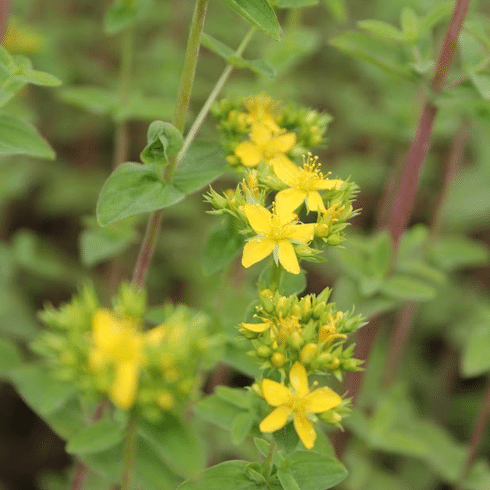
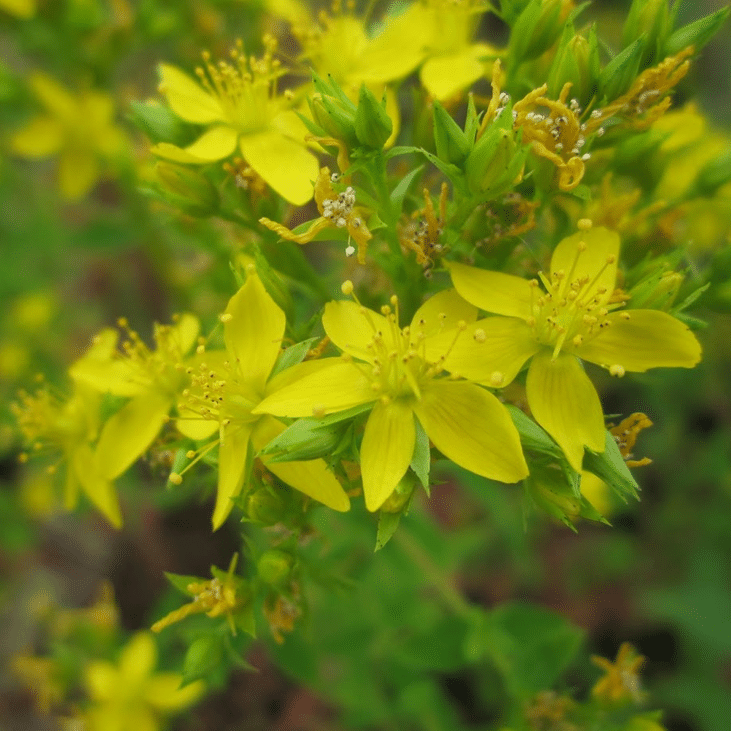
Square-stalked St John’s Wort is a native wildflower for the damp ground around a pond. Hypericum tetrapterum has upright stems with a narrow wing along each corner, paired green leaves and clusters of small yellow flowers. It gives a looser, meadow-like effect than a large-flowered garden shrub, so it suits a natural pondside planting.
The yellow display comes in late summer and early autumn, when it can continue the season after many spring marginals have finished. Individual flowers are small, about a centimetre across, rather than large showy cups. Leave them visible among neighbouring plants and allow for the upright flowering stems when arranging a mixed border.
Mature stems can reach around 70cm, with growth varying within roughly half a metre to a metre. That makes it a useful middle layer behind low creeping plants, with enough height to be visible above low ground cover.
Choose soil that remains moist in sun or partial shade. Poor to moderately fertile ground is suitable; the important point is that it must not dry out. A moist pondside soil position gives the roots the conditions they need while keeping the crown accessible above standing water.
It spreads as it develops, and its native status does not mean it will always stay exactly where first planted. Check its footprint among smaller neighbours and remove unwanted growth when necessary. Its small summer flowers can contribute to a mixed pollinator planting while other pond plants provide different seasons and shapes.
This is a deciduous perennial: its above-ground growth is seasonal, with new growth following dormancy. It does not need routine hard pruning to produce an ornamental hedge. Tidy old material as needed, keep the roots moist and wear gloves when handling. This is an ornamental St John’s Wort, not a plant we recommend for medicinal or edible use.
UK-grown plant. Grown at a dedicated aquatic plant nursery in the South of England.
What you receive
Choose a single 1-litre plant, a pack of three 1-litre plants or a pack of three 9cm pots. Leave space for upright branching stems and a developing patch rather than planting each nursery pot tightly against the next.
Square-stalked St John’s Wort is deciduous. A delivery can be leafy, developing towards its later yellow flowers or resting with much less visible top growth. Keep the label and crown position identifiable while it is quiet, particularly in a mixed meadow-like border.
Is this right for your pond?
This native perennial offers a lighter, branching flower shape than a dense iris clump or broad rush. It suits a damp, informal pondside planting where the ground remains moist through the growing season.
- Soil that stays moist: Use ground that does not dry out. Poor to moderately fertile soil is suitable, so the priority is the moisture regime rather than creating an especially rich planting pocket.
- Sun or partial shade: Both suit the species. Let the yellow flowers remain visible among neighbouring leaves rather than allowing larger plants to lean across the branching stems.
- Later interest: Small yellow flowers appear later in the summer and towards early autumn. They can follow earlier pink or blue pondside flowers without needing the same flower shape or height.
- An accessible patch: Allow room for a perennial around 70cm tall, with spreading growth to inspect. The square, winged stems and small flowers are easier to appreciate near a route where you can see their detail.
Planting position and getting established
Choose moist soil at the pond edge, in a damp meadow-style area or a moisture-retentive border. Set the rootball at its existing soil level, firm gently and water the surrounding ground. Keep a gap around the base so new stems can emerge without being covered by neighbouring growth.
A damp-ground position is sufficient. Do not assume a deep aquatic shelf is suitable because the plant appears in a marginal range. Keep the crown at its normal soil position, using the supplied label for any alternative planting method rather than applying an unrelated centimetres-of-water rule.
Plan for seasonal access. The branching stems will occupy more space than a nursery pot, and you will need to see the base if surrounding plants begin to crowd it. Check a new rootball during dry weather while its roots are still establishing, especially on a raised bank or beside paving.
Looking after your plants
- Maintaining moisture: Keep the root area from drying out, particularly during the first season. The plant can grow in relatively modest soil, but an unsuitable dry position cannot be corrected simply by adding fertiliser.
- A light tidy: No regular pruning programme is required. Remove dead or damaged material when it needs clearing, retaining healthy stems while they still carry flowers or useful foliage.
- Managing neighbours: Keep larger marginal leaves from covering the lower part of the plant. Check the edge of the developing patch and reduce encroaching neighbouring growth before it becomes tangled around the stems.
- Seasonal dieback: Expect the above-ground growth to die back as the season ends. Clear dead material when practical and keep the planting position known so the crown is not mistaken for unused space in winter.
- Handling and use: Wear gloves when working with the plant. Its fruits are ornamental and must not be eaten; keep it identified as a garden plant rather than treating the name St John’s Wort as advice to use it as a remedy.
Size and growing conditions
- Botanical name
- Hypericum tetrapterum
- Plant type
- Branching herbaceous perennial
- Stems
- Square stems with narrow wings
- Flowers
- Small yellow flowers later in summer and early autumn
- Height
- Around 70cm in descriptive guidance
- Spread
- A developing perennial patch; leave growing and maintenance space
- Light
- Sun or partial shade
- Soil
- Poor to moderately fertile soil that does not dry out
- Planting position
- Moist pondside soil above the waterline
- Winter habit
- Deciduous
- Native status
- Native to Britain and Ireland
- Handling
- Wear gloves; ornamental fruit is not to be eaten
- RHS information
- RHS plant profile: Hypericum tetrapterum
Delivery and basket information
We do not deliver live plants to Northern Ireland.
Orders received by 11am Monday to Wednesday are normally dispatched on the following working day using a next working day courier service. During busy periods, dispatch may occasionally take an extra day.
To avoid plants being held in depots over a weekend, we do not usually dispatch on Fridays. Highlands and Islands orders using a two day service are not normally dispatched on Thursdays.
Please read our delivery information for delivery arrangements and contact us if you need to check the timing of a particular order.
Finofil baskets are made from 100% recycled polypropylene co-polymer. They are not suitable for ordinary kerbside recycling; reuse them where possible and check local specialist recycling options. Their fine mesh helps retain aquatic soil while allowing water to reach the roots.
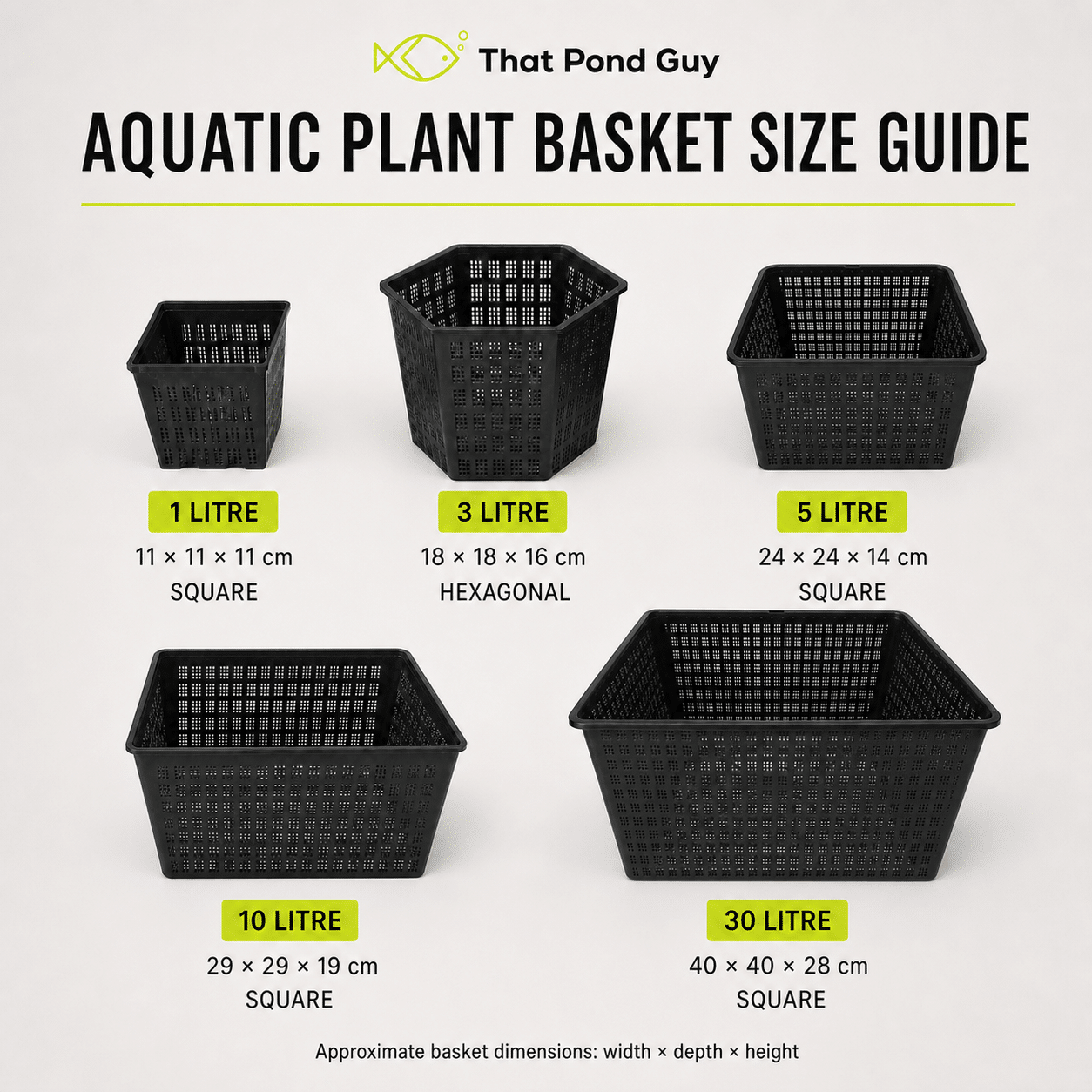
Basket measurements for the offered sizes:
- 1 Litre Basket – usually 11 × 11 × 11cm square; some varieties may be supplied in a 14cm diameter × 10cm round basket
Other plants to compare
Marsh St John’s Wort — Marsh St John’s Wort is a lower, creeping choice for a much wetter, shallow muddy edge. Compare the root position and scale rather than choosing solely by the shared yellow flowers and name.
Ragged Robin — Ragged Robin gives pink flowers with finely divided petals earlier in the season. It offers another native moist-soil flower shape alongside this later yellow display.





Reviews
There are no reviews yet.