





Chives (Allium schoenoprasum)
| Size | 9cm Pack of 3 |
|---|---|
| Plant Type | Marginal |
| Sun / Shade | Full Sun to Part Shade |
| Flower Colour | Pink, Purple |
| Growth Rate | Slow |
| Native to UK | Yes |
Chives bring fine, upright foliage and rounded flowerheads to the garden beside a pond. The narrow hollow leaves make a neat contrast with broad-leaved wetland planting. The purple flowers are held above them, giving a different outline from the vertical spikes of irises or the floating leaves on the water.
£22.50 (inc VAT)
Chives (Allium schoenoprasum)
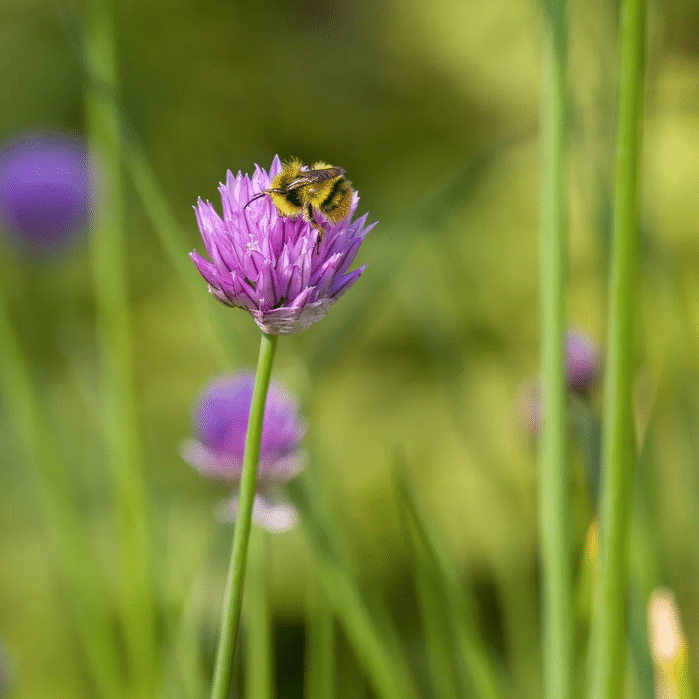
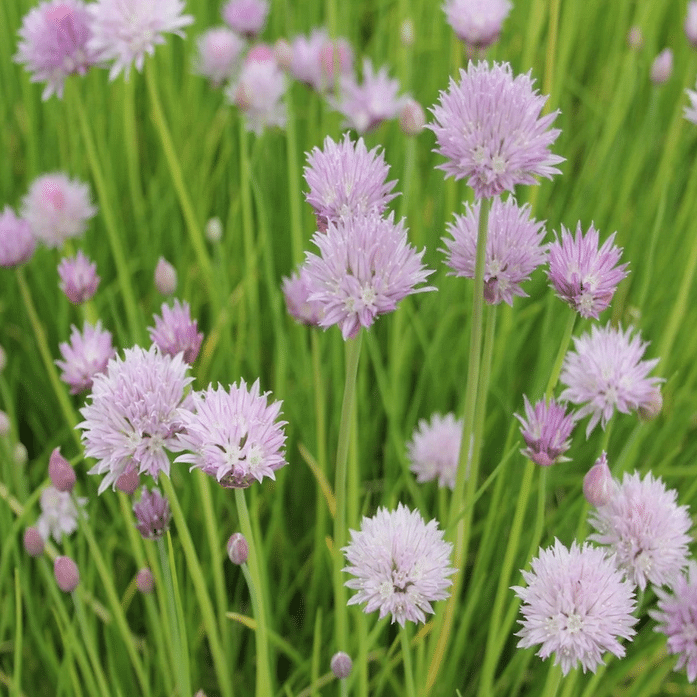
Purple flowerheads and fine green leaves above the waterline
Chives bring fine, upright foliage and rounded flowerheads to the garden beside a pond. The narrow hollow leaves make a neat contrast with broad-leaved wetland planting. The purple flowers are held above them, giving a different outline from the vertical spikes of irises or the floating leaves on the water.
This is a border herb rather than a submerged aquatic. Its inclusion in a pondside range should not imply that the crown belongs beneath water. Choose a position above the waterline where the soil can hold some moisture while still draining, rather than a permanently flooded shelf.
The rounded heads contain many small bell-shaped flowers and can offer nectar to pollinating insects. They are easy to appreciate at the front of a border, with the flower stems above the tuft of narrow leaves. Flowering is seasonal, with the amount on a delivered plant depending on the time of year.
Give the leaves enough room to form a tuft. Established growth can be divided when it becomes crowded, and removing spent flower stems can help keep a controlled border tidy. The plant should still be chosen for the available space and soil, rather than because a small delivery pot seems to fit a narrow gap.
Chives are a hardy bulbous perennial native to Britain and Ireland. Plant them in the garden soil above the waterline, where their upright leaves and purple heads can complement wetter planting nearby. This supplied pondside product is ornamental nursery stock; do not assume it has been grown or handled as a food crop.
UK-grown plant. Grown at a dedicated aquatic plant nursery in the South of England.

What you receive
You receive three plants in 9 cm nursery pots.
These should be planted into suitable soil or containers above water. They are not sold as three aquatic baskets ready to lower into the pond, and container width does not describe the mature tuft size.
How it changes through the year
Purple flowerheads are mainly a late-spring and summer feature. The hollow green leaves form a tuft during growth and can die back seasonally. The delivered nursery pots may be smaller or resting outside active growth and do not carry a guaranteed flower count.
Choosing a place for it
- For ground above water: Suitable for a drained border or container beside a pond, rather than a flooded shelf.
- For fine foliage: Narrow hollow leaves contrast with the broad leaves of wetland plants.
- For purple flowerheads: Rounded heads offer nectar for pollinators in season; leave space to see them above the tuft.
Planting and getting it established
Plant in fertile, moisture-retentive but well-drained soil above the pond's waterline, in sun or partial shade. Chives are not a plant to put on a submerged marginal shelf. Check the route by which water drains from a border or container rather than relying on its distance from the pond.
Remove the nursery pot and set the rootball at its existing level, firming gently around the roots and watering in. The current choice contains three 9 cm nursery-pot plants. Space them with room to form separate tufts or a deliberate group, rather than treating three small pots as one permanent rootball.
Keep young plants moist while they establish. A container needs appropriate drainage and a suitable growing medium, with room for the bulbs to develop. Leave enough access to remove spent flower stems or divide an older clump without disturbing the planting inside the pond.
Looking after it
- Watering: Water new plants and container-grown clumps as needed during dry weather. Maintain drainage: moisture-retentive soil is different from keeping the crown permanently under water.
- After flowering: Remove spent stems, or cut a tired clump back after flowering to tidy it. Keep the cut above the living base rather than damaging the bulbs.
- Crowded clumps: Divide when the tuft becomes congested. Replant healthy portions at their original level, water in and allow them to establish in suitable soil.
- Seedlings: If you want a controlled border, remove unwanted flower stems and check for seedlings around the clump. Keep only the growth that fits the space.
- Winter: Seasonal leaves can die back while the bulbs persist. Tidy dead material when practical and keep the root area well-drained through wet winter weather.
- Ornamental supply: The botanical species is widely grown as a herb, but this listing does not certify the supplied plants as food-crop stock. Keep care and use appropriate to the product actually supplied.
Plant details
- Botanical name
- Allium schoenoprasum
- Current format
- Pack of three 9 cm nursery pots
- Foliage
- Narrow, hollow, onion-scented leaves
- Flowers
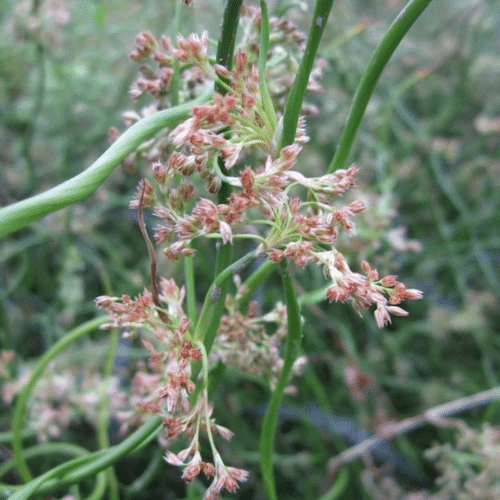
- Rounded light-purple flowerheads
- Leaf height
- Around 30 cm in descriptions
- Position
- Sun or partial shade; fertile soil with drainage above water
- Native status
- Native species to Britain and Ireland
- Habit
- Hardy bulbous perennial with seasonal leaves
- RHS information
- RHS plant profile: Allium schoenoprasum
Ordering and delivery
We do not deliver live plants to Northern Ireland.
Orders received by 11am Monday to Wednesday are normally dispatched on the following working day using a next working day courier service. During busy periods, dispatch may occasionally take an extra day.
To avoid plants being held in depots over a weekend, we do not usually dispatch on Fridays. Highlands and Islands orders using a two day service are not normally dispatched on Thursdays.
Please read our delivery information for delivery arrangements and contact us if you need to check the timing of a particular order.
Other plants to compare
Bloodwort Wood Dock — Compare a broader red-veined leaf for a sunny border above water.
Chinese Marshflower — Its lower creeping habit offers a different front-edge outline, with moisture and shelter needs to check separately.
Choosing plants and planting supplies
Marginal pond plants — Compare pond-edge plants by their eventual size, light and water-depth needs before filling a shelf.
Pond plant baskets and planting supplies — Choose a suitable container and growing medium for the position described above.






Reviews
There are no reviews yet.