





Purple Lobelia (Lobelia × speciosa ‘Vedrariensis’)
| Size | 1 Ltr, 1 Ltr – Pack of 3 |
|---|---|
| Plant Type | Marginal |
| Sun / Shade | Full Sun to Part Shade |
| Flower Colour | Purple |
| Growth Rate | Slow |
| Native to UK | No |
| Plant group |
Purple Lobelia ‘Vedrariensis’ has deep violet-purple late-season flowers and dark, sometimes red-tinged leaves. Use a sheltered moist border above standing water and plan for dry winter mulch and spring care.
Price range: £14.00 through £34.50 (inc VAT)
Purple Lobelia (Lobelia × speciosa ‘Vedrariensis’)
Violet-purple late flowers for a moist, sheltered border
Purple Lobelia gives a damp border a strong upright line with violet-purple flowers late in the season. Its narrow dark green leaves can carry red tones, so the plant has some colour interest before the flowering stems develop. It is a good contrast to broad foliage without needing a large, spreading raft over the pond.
The flowers form along the upper parts of the stems in late summer and early autumn. This later display is useful when spring pondside flowers are over, but the season is still warm enough to enjoy the garden. The individual tubular blooms are more interesting at close range than a distant block of purple.
Choose deep, fertile soil that stays reliably moist. It suits a bog-garden or moist-border position in sun or partial shade. That is a more useful description than assuming that a plant listed with marginals should be put permanently under a measured layer of pond water.
A sheltered position helps the tall stems fit into a mixed planting. Allow roughly half a metre to a metre in height and up to half a metre across in RHS guidance. Put the crown where it can be reached for tidying and where neighbouring roots will not dry it out or crowd the new shoots.
Winter care deserves a place in the plan. This lobelia can be short-lived, and the RHS recommends a dry protective mulch. Divide suitable clumps in spring when needed and watch fresh shoots for slugs. A hardiness rating does not mean that a small plant will be unaffected by every combination of cold and wet.
Vedrariensis is a cultivated hybrid, not a British native species. It is also harmful if eaten and can irritate skin, so wear gloves when handling it. Grow it for its late purple flowers and rich foliage in a suitable damp border, with the winter protection and seasonal care it needs.
UK-grown plant. Grown at a dedicated aquatic plant nursery in the South of England.

What you receive
Choose a single 1-litre plant or a pack of three 1-litre plants. These are rooted plants for moist soil beside the pond, not baskets to lower into deep water. Plan each planting position around the mature upright stems rather than placing the three together without growing room.
Purple Lobelia has seasonal top growth. A plant can arrive before its late-summer flowers develop or with little above the soil when resting. Keep the crown and label identifiable through winter, and follow the care instructions for this particular hybrid rather than treating every Lobelia as equally hardy.
Is this right for your pond?
Vedrariensis provides deep violet-purple flowers later in the season, above narrow dark leaves that can be tinged with red. Its main requirements are a reliably moist root area, a suitable crown position and winter care.
- A moist, fertile border: Use deep, fertile soil in a bog-garden or pondside border. It needs moisture around its roots, but this is not a recommendation to leave the crown under permanent deep pond water.
- Sun or partial shade: Give the stems a sheltered position with good light. Avoid hiding the plant between much larger neighbours, where its purple flower spikes and narrow foliage will be difficult to see.
- Late colour: The main flowers appear in late summer and early autumn. Combine it with earlier-flowering plants so the border has interest while the lobelia is developing its tall stems.
- Winter protection: It can be short-lived and benefits from a dry winter mulch. Choose a position where you can reach the crown in autumn rather than relying on an inaccessible wet pocket to look after itself.
Planting beside the pond
Prepare a fertile, reliably moist area of soil in sun or partial shade. Water the rootball, plant at its existing soil level and firm gently before watering the surrounding ground. Keep the crown identifiable rather than burying it deeply under compost or a heavy new cap of material.
The soil position matters more than the supplied container. This hybrid is not a deep-water marginal to lower according to a generic pond-depth chart. Keep the crown above standing pond water, while providing the moist soil its roots need. A raised bank that becomes dry in summer will need watering despite being close to the pond.
Leave room for upright flower stems approaching a metre, with access around the base for winter protection and spring checks. Planting several together can give a stronger late-season display, but do not crowd new rootballs so tightly that it becomes difficult to inspect the crowns or remove damaged material.
Looking after your plants
- Consistent summer moisture: Water during establishment and dry spells so that the rootball remains reliably moist. Check the soil itself before responding to tired-looking leaves; a nearby body of water does not supply separate border soil.
- After the flowers: Cut down faded flower spikes in autumn. Work around any remaining sound foliage and the crown rather than pulling the stems out of the plant or leaving a mass of decaying material pressed against its base.
- Winter protection: Protect the resting crown with a dry winter mulch as recommended for this hybrid. This is protection for the cold season, not a reason to let its growing-season roots become dry or to plant it in deep water.
- Spring checks: Watch emerging shoots for slugs. Check the crown as new growth returns, particularly after a wet winter, and remove material that is actually dead without damaging fresh shoots.
- Division and handling: Divide established plants in spring when necessary. Wear gloves when planting, cutting or dividing: this ornamental lobelia is harmful if eaten and can irritate skin. Keep removed material out of food use.
Size and growing conditions
- Botanical name
- Lobelia × speciosa ‘Vedrariensis’
- Flowers
- Deep violet-purple tubular flowers
- Foliage
- Narrow dark-green leaves, often red-tinged
- Flowering
- Late summer and early autumn
- Height
- Allow around 50–100cm
- Spread
- A developing clump; leave room around its base and stems
- Light
- Sun or partial shade in a sheltered position
- Soil
- Deep, fertile and reliably moist
- Crown position
- At normal soil level above permanent standing water
- Winter care
- Dry winter mulch; plants can be short-lived
- Division
- Spring when needed
- Native status
- Non-native garden hybrid
- Safety
- Harmful if eaten; skin irritant. Wear gloves when handling.
- RHS information
- RHS plant profile: Lobelia × speciosa 'Vedrariensis'
Delivery and basket information
We do not deliver live plants to Northern Ireland.
Orders received by 11am Monday to Wednesday are normally dispatched on the following working day using a next working day courier service. During busy periods, dispatch may occasionally take an extra day.
To avoid plants being held in depots over a weekend, we do not usually dispatch on Fridays. Highlands and Islands orders using a two day service are not normally dispatched on Thursdays.
Please read our delivery information for delivery arrangements and contact us if you need to check the timing of a particular order.
Finofil baskets are made from 100% recycled polypropylene co-polymer. They are not suitable for ordinary kerbside recycling; reuse them where possible and check local specialist recycling options. Their fine mesh helps retain aquatic soil while allowing water to reach the roots.
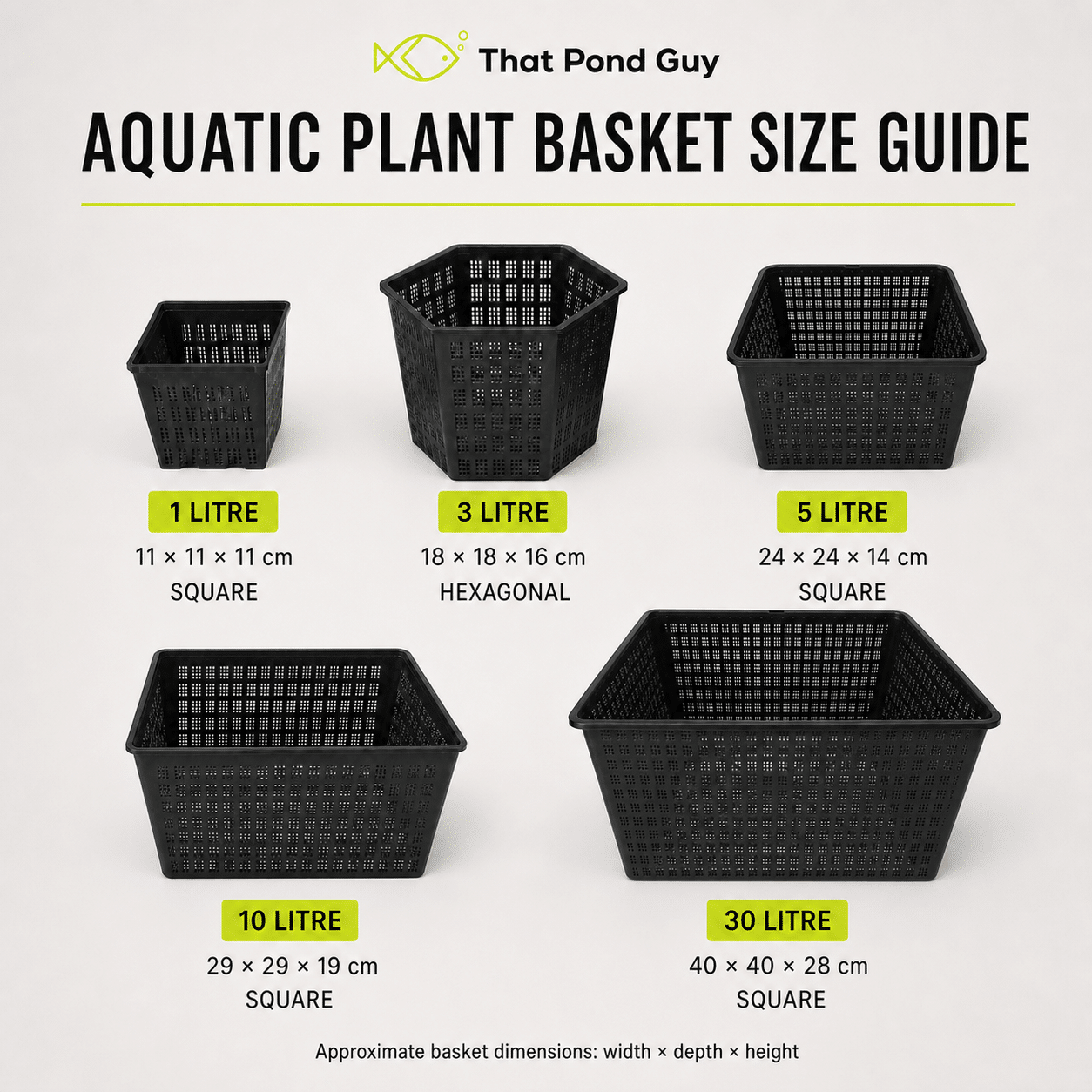
Basket measurements for the offered sizes:
- 1 Litre Basket – usually 11 × 11 × 11cm square; some varieties may be supplied in a 14cm diameter × 10cm round basket
Other plants to compare
Queen Victoria Cardinal Flower — Queen Victoria Cardinal Flower gives scarlet flowers rather than violet-purple. It also needs a carefully chosen moist position and winter treatment, so compare its care as well as the colour.
White Lobelia — White Lobelia provides pale flowers on an upright pondside perennial. It is another soil-grown option to compare for a lighter-coloured planting rather than a deep aquatic shelf.






Reviews
There are no reviews yet.