





Palm Sedge (Carex muskingumensis)
| Size | 1 Ltr, 1 Ltr – Pack of 3, 3 Ltr, 9cm – Pack of 3 |
|---|---|
| Plant Type | Marginal |
| Sun / Shade | Full Sun to Part Shade |
| Flower Colour | Brown |
| Growth Rate | Slow |
| Native to UK | No |
| Plant group |
Palm Sedge has light-green, fan-like foliage for moist pondside ground or a suitably shallow labelled margin. Partial shade suits it well, with room for the clump to mature and access for selective tidying.
Price range: £14.00 through £34.50 (inc VAT)
Palm Sedge (Carex muskingumensis)
Palm-like sprays of light green foliage for damp planting
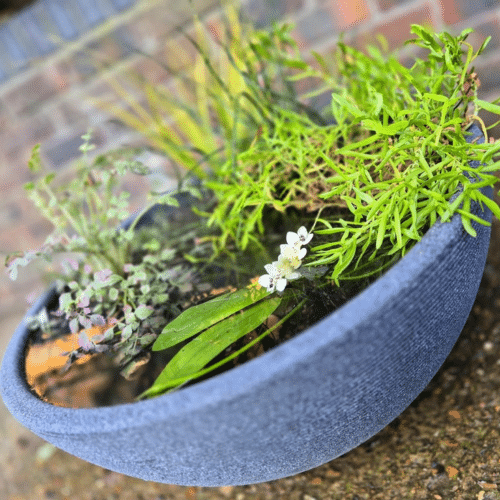
Palm Sedge is grown mainly for the arrangement of its leaves. The narrow blades spread from the stems in sprays that suggest small palm fronds, giving a different texture from the straight swords of an iris or the broad leaves of a waterlily. It is a useful foliage choice when the planting already has plenty of flowers.
Light green growth forms a clump that can soften the transition between a pond and the garden around it. The foliage brings movement without relying on bright flower colour. Small brownish flower stems appear in early summer, but they are a quieter feature than the distinctive leaves.
The most important growing requirement is moisture. The RHS recommends soil that does not dry out and notes tolerance of shallow water, while a specialist North American grower describes fertile, moist ground. A damp bank or bog garden is an uncomplicated position; deep water over the crown is not needed to enjoy the plant.
Partial shade is a particularly useful option. Sun can also be suitable where the roots remain moist, but a hot, dry edge is a poor match for this sedge. Look at the conditions through summer, including the water level after a warm spell, rather than choosing its position from the name Palm Sedge alone.
Allow around half a metre to a metre for mature height and spread in RHS guidance. Growth can extend beyond an original clump, so leave access to check the root area and divide when necessary. It is more practical to manage a reachable patch than to let it become mixed through several small neighbouring plants.
This is a North American species, not a British native. Some foliage can persist in mild conditions, but winter appearance varies, so remove damaged leaves rather than promising a perfect evergreen display. The RHS H4 rating makes choosing a suitable site worthwhile in colder or more exposed gardens.
UK-grown plant. Grown at a dedicated aquatic plant nursery in the South of England.

What you receive
The options are a single 1-litre or 3-litre plant, a pack of three 1-litre plants or a pack of three 9cm pots. Choose the number of containers around the space you have for the mature foliage, leaving a gap for access rather than setting the young plants tightly against the pond edge.
Palm Sedge is grown mainly for its leaves. The fullness of a delivered plant changes with the season and previous trimming; a young or recently tidied plant may have fewer stems than an established clump in a photograph. Some foliage can remain through winter, but damaged leaves and fresh replacement growth are normal parts of its care.
Is this right for your pond?
Choose Palm Sedge when you want a soft, upright foliage layer rather than a large show of flowers. The distinctive sprays work particularly well where you can see the arrangement of leaves along the stems.
- Moisture around the roots: Use soil that does not dry out. A damp border or bog-garden edge is suitable, and shallow aquatic planting can be used where the supplied label permits it.
- Partial shade: A partly shaded position is especially useful. Sun can also work when the roots remain moist, but a hot raised container needs more attention than a shaded bank.
- Space for the leaves: Allow a mature clump around 50–100cm high and wide. Leave the fan-like shoots visible and keep access for inspecting the base instead of hiding it between much larger plants.
- Foliage through the seasons: The light green sprays provide most of the interest; the small golden-brown flowers are secondary. Choose it for leaf shape and texture, allowing for variation in winter leaf retention.
Planting position and getting established
For a pondside border, prepare a moisture-retentive planting area and set the rootball at the level at which it grew in the nursery container. Firm around it, water thoroughly and keep moisture around the original rootball while roots move into the surrounding ground. A pond nearby does not automatically water a separate raised bed.
Palm Sedge tolerates shallow water, but moist soil is sufficient and there is no need to put it on a deep shelf. If you choose an aquatic position, use the supplied label to set the permitted water cover. Measure that from the planted level identified by the label, allowing for the height of the basket itself when assessing the shelf.
Leave room around the base for a gradually developing clump. The upright leafy stems need light, and the root area needs to remain reachable if division becomes necessary. A 9cm nursery plant used in the pond needs a suitable aquatic basket; the same plant placed in a damp border can be planted into prepared soil.
Looking after your plants
- Keeping it moist: Check soil around a new planting during dry spells, especially where paving or a raised edge makes the root area warmer. Maintain moisture rather than allowing the small original rootball to dry between occasional heavy waterings.
- Selective tidying: Cut out dead or damaged foliage as needed. Keep sound green stems where they still contribute to the clump; this is not a plant to shear automatically to bare soil just because it looks grass-like.
- Space and light: Look at the planting from the side as well as above. If the fan-like stems are being hidden by taller neighbours, thin or move that encroaching growth so the sedge has light and room to develop.
- Dividing a crowded clump: Division is useful when the root area becomes congested or the clump extends beyond its allotted space. Lift manageable rooted sections, replant into moist conditions and water them while they establish.
- Seasonal checks: Foliage can remain partly green through mild weather and look more weathered after cold exposure. Remove material that is actually dead, then watch for fresh shoots before deciding how much further tidying is needed.
Size and growing conditions
- Botanical name
- Carex muskingumensis
- Common name
- Palm Sedge; Muskingum sedge
- Plant type
- Clump-forming sedge
- Foliage
- Fine light-green leaves arranged in fan-like sprays
- Flowers
- Small golden-brown flowers, usually June–July
- Mature height
- Allow around 50–100cm
- Mature spread
- Allow around 50–100cm
- Light
- Partial shade is ideal; sun is suitable with reliable moisture
- Soil
- Moisture-retentive soil that does not dry out
- Aquatic position
- Shallow water only where specified on the supplied label
- Winter foliage
- Often partly evergreen; retention varies with conditions
- Native status
- North American species; not native to Britain
- RHS information
- RHS plant profile: Carex muskingumensis
Delivery and basket information
We do not deliver live plants to Northern Ireland.
Orders received by 11am Monday to Wednesday are normally dispatched on the following working day using a next working day courier service. During busy periods, dispatch may occasionally take an extra day.
To avoid plants being held in depots over a weekend, we do not usually dispatch on Fridays. Highlands and Islands orders using a two day service are not normally dispatched on Thursdays.
Please read our delivery information for delivery arrangements and contact us if you need to check the timing of a particular order.
The 9cm option arrives in nursery pots. For pond planting, pot these plants into suitable aquatic baskets with aquatic planting soil before positioning them at the depth shown on their labels.
Finofil baskets are made from 100% recycled polypropylene co-polymer. They are not suitable for ordinary kerbside recycling; reuse them where possible and check local specialist recycling options. Their fine mesh helps retain aquatic soil while allowing water to reach the roots.
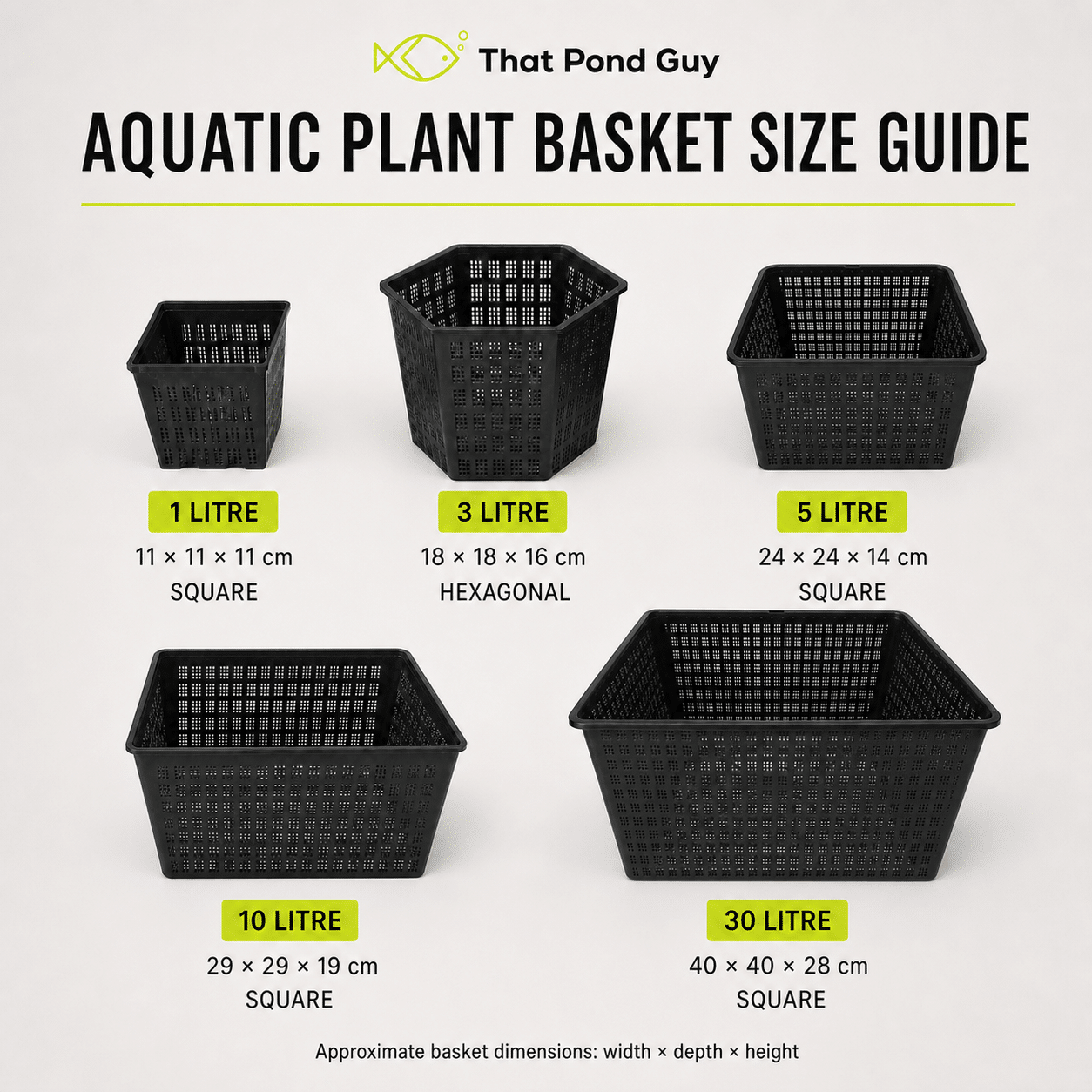
Basket measurements for the offered sizes:
- 1 Litre Basket – usually 11 × 11 × 11cm square; some varieties may be supplied in a 14cm diameter × 10cm round basket
- 3 Litre Hexagonal Basket – 18 × 18 × 16cm
Other plants to compare
Pendulous Sedge — Pendulous Sedge has larger, arching dark-green leaves and drooping flower stems. It is a native sedge for a roomier moist planting, and needs careful seedling management.
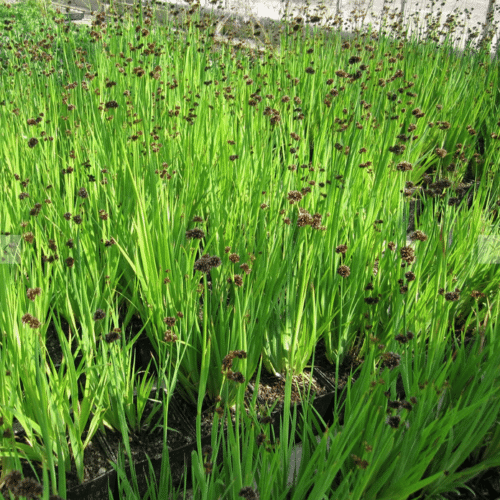
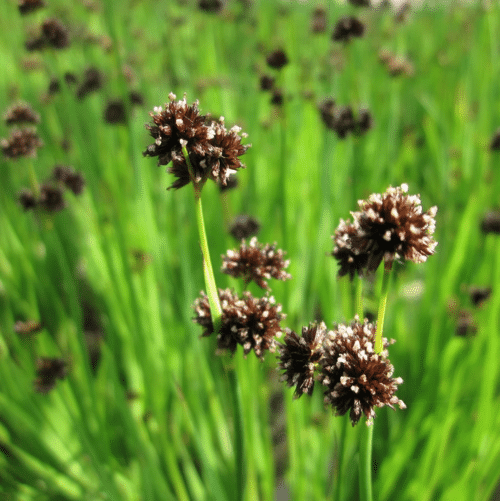
Miniature Bulrush — Miniature Bulrush gives finer upright blades and short brown summer heads in full sun and shallow water. Compare it when the position is more aquatic and you prefer a reedmace-style outline.





Reviews
There are no reviews yet.