






Eel Grass (Vallisneria gigantea)
| Size | 5 bunches |
|---|---|
| Plant Type | Oxygenator |
| Sun / Shade | Full Sun to Part Shade |
| Flower Colour | Green |
| Growth Rate | Medium |
| Native to UK | No |
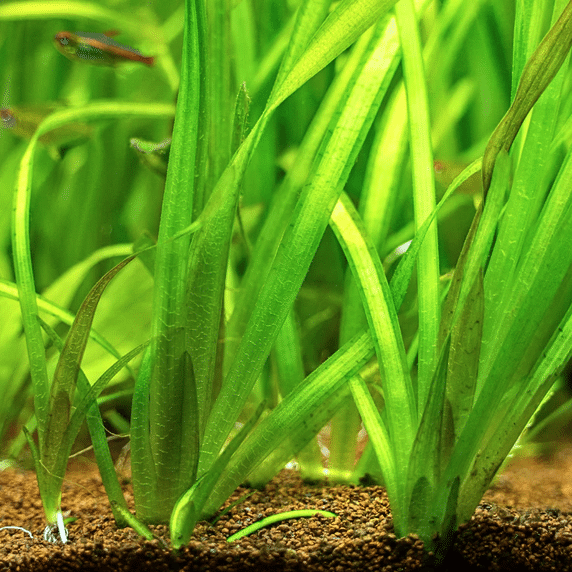
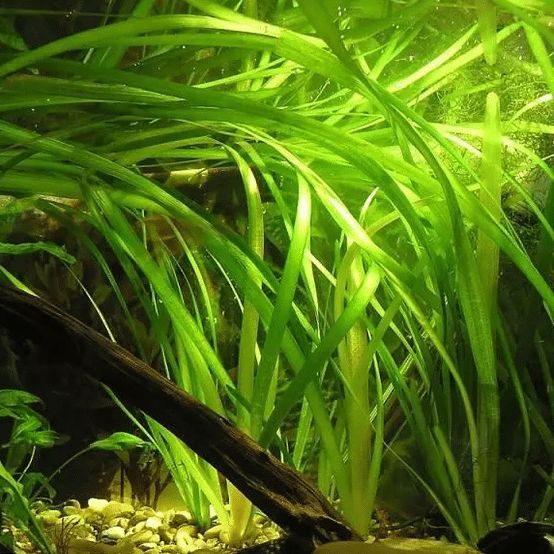
Vallisneria gigantea, also known as Eel Grass or Giant Vallis, is a large submerged oxygenating plant with long ribbon like leaves. Ideal for deeper ponds, larger aquariums and planted water features, it provides flowing underwater foliage, natural shelter and support for a balanced aquatic environment.
£14.00 (inc VAT)
Eel Grass (Vallisneria gigantea)
A dramatic submerged oxygenating plant with long ribbon like leaves, ideal for deeper ponds, larger aquariums and planted water features.
Long flowing underwater foliage for deeper ponds, aquariums and natural shelter
Vallisneria gigantea, commonly known as Eel Grass, Giant Vallis or Vallis, is a striking submerged aquatic plant grown for its long, ribbon like green leaves. In suitable conditions, the leaves can reach impressive lengths, often rising through the water and floating across the surface in shallower ponds or aquariums. This creates a graceful underwater display with plenty of movement and natural cover.
This plant is commonly used as an oxygenating pond plant and aquarium background plant. It grows from the base, sending up long strap like leaves that sway gently in the water. The leaves may show small darker flecks or markings, giving the plant extra texture when viewed through clear water.
Vallisneria gigantea is especially useful where underwater structure is needed. The long leaves provide shelter for small fish, fry, shrimp, tadpoles, aquatic insects and other pond life in suitable ponds. In aquariums, it is often used as a background plant because of its height and ability to form dense green stands over time.
As a submerged oxygenating plant, Vallisneria gigantea photosynthesises below the water surface when enough light reaches the foliage. During daylight, the leaves release oxygen and take up nutrients as the plant grows. This can help support a more balanced planted pond or aquarium, although it should not be treated as a guaranteed cure for algae or poor water quality.
This is a large growing plant, so it is best suited to deeper ponds, larger aquariums and planted water features rather than very small containers. In shallow water, the leaves may quickly reach the surface and trail across it. In larger settings, this can look attractive and natural, but in small ponds or tanks it may need regular trimming to prevent overcrowding.
Vallisneria gigantea grows best in full sun to partial shade outdoors, or under good aquarium lighting indoors. It prefers to be rooted into aquatic soil, gravel or suitable substrate. It can tolerate a range of water conditions and may cope with slightly brackish water, but it should be given stable conditions and good light for best results.
🇬🇧 UK-grown aquatic plant: Grown at a dedicated aquatic plant nursery in the South of England and carefully prepared for delivery across the UK.
Key Benefits
- Long ribbon like submerged leaves
- Excellent oxygenating plant for deeper ponds and aquariums
- Provides natural underwater shelter for pond and aquarium life
- Useful background plant in larger planted aquariums
- Adds movement and texture below the water surface
- Can form attractive dense stands once established
- Suitable for ponds, aquariums and planted water features
- Helps support pond balance as part of a planted system
- Can tolerate slightly brackish conditions
- Propagates naturally by runners in suitable conditions
- Ideal for larger setups where its long leaves have room to grow
- Low maintenance once established, with trimming as needed
Reasons to Buy Vallisneria gigantea
- Vallisneria gigantea is a great choice if you want a bold submerged plant with real visual impact. Its long, flowing leaves create a lush underwater effect that looks natural in ponds and impressive in larger aquariums.
- It is especially useful for adding cover. Fish fry, small aquatic life and pond creatures benefit from plants that provide shelter below the surface, while aquarium fish often enjoy moving through the tall leaves.
- This plant is also a good choice for deeper water where shorter oxygenators may not give enough vertical structure. Once established, it can fill the water column with attractive green foliage.
- For the best results, use Vallisneria gigantea where there is enough space. It is a large plant and can become too much for very small ponds, mini ponds or compact aquariums unless trimmed regularly.
Care Instructions
- Plant Vallisneria gigantea into aquatic soil, gravel or a suitable pond or aquarium substrate. The roots should be covered, but avoid burying the crown too deeply.
- For pond use, place in a deeper planted area where good light can still reach the leaves. A general pond depth of around 50 cm to 100 cm is suitable, although establishment will depend on light levels, water clarity and plant size.
- For aquarium use, plant towards the back or sides of the tank where the long leaves can grow upwards without blocking the whole display.
- Provide good light. Outdoors, full sun to partial shade is suitable if the water is clear enough for light to reach the submerged foliage. Indoors, use suitable aquarium lighting.
- Trim long leaves if they become too dense or start covering too much of the water surface. Use clean scissors and remove cut foliage from the pond or aquarium.
- Do not allow trimmed or unwanted growth to enter natural waterways. Dispose of surplus plant material responsibly.
- Vallisneria can sometimes take time to settle after planting. Older leaves may melt or decline while the plant adjusts, but new growth should appear from the base if the roots remain healthy.
Flowering Period
Vallisneria gigantea can produce small, insignificant flowers on long twisted stems.
The flowers are not the main feature of this plant. It is mainly grown for its long submerged leaves, oxygenating value and habitat benefits.
Flowering is more likely when the plant is mature and growing strongly in suitable conditions.
Size, Spread and Growing Conditions
Botanical name: Vallisneria gigantea
Common name: Eel Grass, Giant Vallis, Vallis
Plant type: Submerged oxygenating aquatic plant
Leaf length: Up to approximately 1.5 m in suitable conditions
Spread: Forms clumps and can spread by runners
Growth rate: Medium to fast once established
Flower colour: Small and insignificant
Flowering period: Variable, not normally the main display
Position outdoors: Full sun to partial shade
Aquarium position: Background or side planting
Recommended pond depth: Approximately 50 cm to 100 cm
Water type: Freshwater, with some tolerance of slightly brackish conditions
Soil or substrate: Aquatic soil, pond substrate, aquarium gravel or planted aquatic substrate
Native status: Not UK native
Best suited for: Deeper ponds, larger aquariums, planted water features, wildlife ponds with clear water and natural aquarium displays
Wildlife value: Provides submerged shelter for small fish, fry, aquatic insects, tadpoles and other pond life in suitable ponds
How Many Plants Will I Need?
For ponds, use a small number to start with and allow the plant to establish before adding more. Vallisneria gigantea can spread by runners, so it is better not to overplant from the beginning.
For aquariums, plant several individual plants in the background with space between each crown. Once settled, runners can form new plants and create a fuller stand.
As a guide:
- Small pond or aquarium: start with 1 to 3 plants
- Medium pond or larger aquarium: start with 3 to 6 plants
- Larger planted pond: use in groups where a dense underwater display is wanted
Thin and trim as required once established.
Oxygenating Pond Plant Guidance
Oxygenating plants grow below the water surface and help create a more natural planted pond environment. Their underwater leaves photosynthesise when light reaches them, releasing oxygen into the water during daylight hours.
Vallisneria gigantea is best used where there is enough depth, light and space. In shallow water, the long leaves may reach the surface quickly and float across it.
Good water clarity is important. If the water is very green, cloudy or heavily shaded, the plant may struggle because not enough light reaches the submerged leaves.
Your Plant on Arrival
Vallisneria gigantea may arrive as a bare root plant, potted aquatic plant or bunch, depending on the size and supply format.
Plant it as soon as practical. Keep the roots wet and do not allow the plant to dry out.
When planting, gently place the roots into the substrate while keeping the crown just above the soil or gravel line. Burying the crown too deeply can cause the plant to rot.
Plant size, leaf length and foliage condition will vary depending on the season and growing conditions. Some leaf damage or adjustment after planting is normal, especially when moved between growing environments.
Dispatching Your Pond Plants
Pond plants are carefully selected, packed and dispatched to help them arrive in good condition. As living aquatic plants, Vallisneria gigantea can vary in height, leaf length, colour and density depending on season, weather and growing conditions.
Unpack your plant promptly when it arrives. Keep it wet at all times and plant it into the pond, aquarium or water feature as soon as practical.
Do not leave Vallisneria exposed to sun, wind or drying conditions. If you cannot plant immediately, keep it in a container of pond or aquarium water in a cool, shaded position for a short period.
After planting, allow time for the plant to settle. Older leaves may decline while new roots and fresh growth establish.




Reviews
There are no reviews yet.