






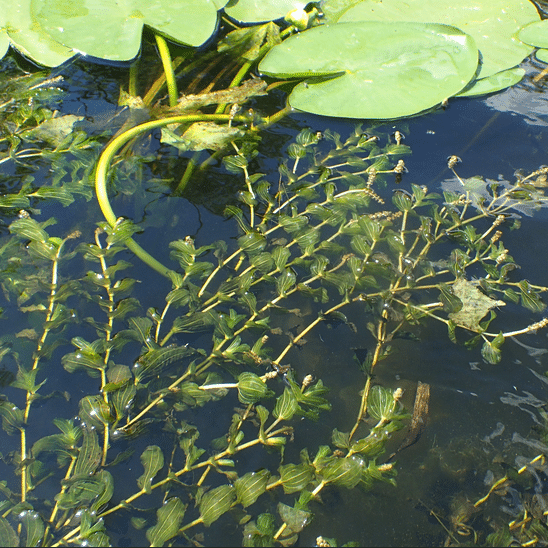
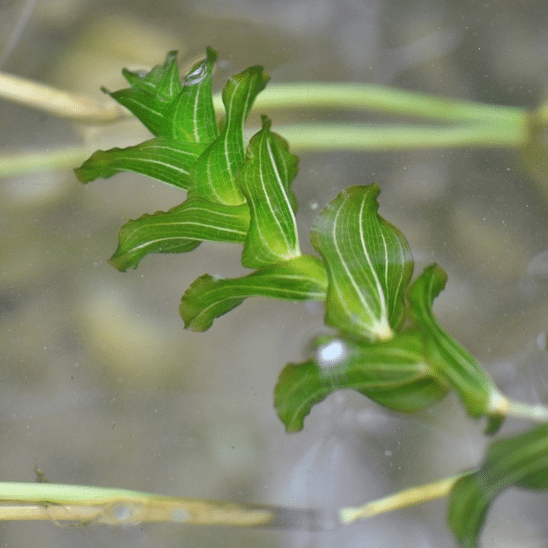
Clasping-leaved Pondweed (Potamogeton perfoliatus)
| Size | 5 bunches |
|---|---|
| Plant Type | Oxygenator |
| Sun / Shade | Full Sun to Part Shade |
| Flower Colour | Green |
| Growth Rate | Medium |
| Native to UK | Yes |
Clasping Leaf Pondweed, Potamogeton perfoliatus, is a British native submerged oxygenating pond plant with olive green leaves that clasp around the stem. Ideal for wildlife ponds, deeper garden ponds and small lakes, it provides underwater cover for newts, tadpoles, fish fry and aquatic insects.
£14.00 (inc VAT)
Clasping-leaved Pondweed (Potamogeton perfoliatus)
A British native submerged oxygenating pond plant with olive green clasping leaves, ideal for wildlife ponds, natural ponds, deeper garden ponds and small lakes.
Native submerged pondweed for newts, wildlife cover and natural pond balance
Clasping Leaf Pondweed, botanically known as Potamogeton perfoliatus, is a British native submerged aquatic plant grown for its long underwater stems and distinctive olive green leaves that appear to clasp around the stem. It has a natural, seaweed like appearance below the water and is a brilliant choice for wildlife ponds, natural ponds, larger garden ponds and small lakes where underwater habitat is needed.
This plant grows fully submerged, making it useful as an oxygenating pond plant when enough light reaches the foliage. During daylight, the underwater leaves photosynthesise, releasing oxygen into the water and taking up nutrients as the plant grows. This helps support the overall balance of a planted pond, especially when used alongside other oxygenators, marginal plants, floating plants and waterlilies. It should not be treated as a guaranteed cure for algae, but it is a valuable part of a healthy wildlife pond planting scheme.
Potamogeton perfoliatus is especially useful for pond wildlife. The long stems and clasping leaves create excellent underwater cover for newts, tadpoles, fish fry, aquatic insects and invertebrates. Newts are particularly fond of submerged plants with leaves that can be used for egg laying, making this a strong choice for customers wanting to encourage a more natural wildlife pond environment.
Compared with some other pondweeds, Clasping Leaf Pondweed is tolerant of more water movement and can be suitable for larger ponds, deeper ponds and small lakes. It can produce very long stems in favourable conditions, so it is best used where there is enough space for growth and where surplus stems can be trimmed if required.
The recommended planting depth is around 45 cm to 100 cm over the crown once established. However, newly supplied plants should normally be started shallower, where underwater light levels are stronger, then moved deeper once they are growing well. Planting into aquatic soil or heavy loam in an aquatic basket will usually give the best establishment.
This is a good choice for customers looking for a native, wildlife friendly oxygenating plant with broader leaves than fine textured oxygenators such as milfoil, hornwort or stonewort.
🇬🇧 UK-grown aquatic plant: Grown at a dedicated aquatic plant nursery in the South of England and carefully prepared for delivery across the UK.
Key Benefits
- British native oxygenating pond plant
- Distinctive clasping olive green leaves
- Fully submerged growth for underwater habitat
- Excellent for newts, tadpoles, fish fry and pond insects
- Suitable for wildlife ponds, larger ponds and small lakes
- Can tolerate more water movement than some other pondweeds
- Helps support natural pond balance as part of a planted pond
- Good for deeper water once established
- Long stems create useful cover below the surface
- Excess growth is easy to trim if needed
- Can be dropped in as weighted bunches
- Establishes best when planted into aquatic soil or heavy loam
Reasons to Buy Clasping Leaf Pondweed
- Clasping Leaf Pondweed is a great choice if you want a native submerged plant that provides real wildlife value below the water surface. Its broad clasping leaves create a more substantial underwater structure than many fine oxygenators.
- It is especially useful for wildlife ponds where newts, tadpoles and aquatic insects need shelter. The underwater leaves can provide cover and potential egg laying sites, helping the pond support a wider range of life.
- This plant is also useful for deeper ponds. Once established, it can grow in water around 45 cm to 100 cm deep, provided there is enough light and the water is reasonably clear.
- For the best results, plant in an aquatic basket rather than simply dropping loose stems into the pond. This helps the plant establish more strongly and makes it easier to manage later.
Care Instructions
- Plant Clasping Leaf Pondweed in a sunny to partially shaded pond position where good underwater light is available. Clear water helps submerged plants establish, as the leaves need light to photosynthesise.
- Start newly supplied plants in shallower water while they settle. A starting depth of around 30 cm is usually useful, then the basket can be moved gradually deeper once the plant is growing strongly.
- Once established, a depth of around 45 cm to 100 cm over the crown is normally suitable. In very clear water, mature stems may grow longer and reach deeper areas.
- Weighted bunches can be dropped into the pond, but the plant will usually benefit from being planted into aquatic soil, heavy garden loam or clay based soil in a suitable aquatic basket.
- Top the basket with fine aquatic gravel to help keep the soil in place. Avoid peat based compost, as it can float, cloud the water and is unsuitable for pond planting. Avoid large pebbles or heavy stones over the crown, as they can restrict growth.
- Trim back excess growth if stems become too long or dense. Remove cut material from the pond so it does not decay in the water.
- Never dispose of unwanted pond plant material into wild ponds, rivers, streams, lakes or ditches. Compost safely away from natural waterways or dispose of responsibly.
Flowering Period
Clasping Leaf Pondweed can produce small, greenish to brownish flower spikes, usually in late spring to summer.
The flowers are not showy and are not the main feature of the plant. This pondweed is mainly grown for its submerged foliage, oxygenating value and wildlife habitat.
Flowering can vary depending on water depth, light levels, plant maturity and seasonal conditions.
Size, Spread and Growing Conditions
Botanical name: Potamogeton perfoliatus
Common name: Clasping Leaf Pondweed, Clasping Leaved Pondweed, Perfoliate Pondweed
Plant type: British native submerged oxygenating pond plant
Stem length: Long submerged stems, potentially several metres in favourable conditions
Leaf colour: Olive green to dark green
Leaf shape: Broad submerged leaves that clasp around the stem
Growth rate: Medium to fast once established
Flower colour: Small greenish to brownish flower spikes
Flowering period: Late spring to summer
Position: Full sun to partial shade
Water conditions: Best in clean, clear water with good light penetration
Recommended starting depth: Around 30 cm while establishing
General planting depth: 45 cm to 100 cm over the crown once established
Soil: Aquatic soil, heavy loam or clay based topsoil in an aquatic basket
Native status: British native
Best suited for: Wildlife ponds, natural ponds, deeper garden ponds, small lakes and ponds with gentle water movement
Wildlife value: Provides underwater cover for newts, tadpoles, fish fry, aquatic insects and invertebrates
How Many Bunches Will I Need?
As a useful guide, allow approximately 3 bunches per square metre of pond surface area when establishing submerged planting.
For example:
- 1 m² pond area: approximately 3 bunches
- 2 m² pond area: approximately 6 bunches
- 4 m² pond area: approximately 12 bunches
The correct amount will depend on pond depth, water clarity, existing plant cover, shade levels and how quickly you want the plant to establish.
For deeper ponds, start plants in shallower baskets first, then move them deeper once they are growing well.
Oxygenating Pond Plant Guidance
Oxygenating plants grow below the water surface and help create a more natural planted pond environment. Their underwater leaves photosynthesise when light reaches them, releasing oxygen into the water during daylight hours.
Planting depth is a guide only. New plants establish best when started shallow enough to receive good light.
Clasping Leaf Pondweed is best used in ponds with reasonable water clarity. If the water is very cloudy, green or heavily shaded, establishment may be slower because less light reaches the submerged leaves.
Your Plant on Arrival
Clasping Leaf Pondweed may arrive as weighted bunches or as potted aquatic plants, depending on size and availability.
Weighted bunches can be placed directly into the pond, but they usually establish better when planted into aquatic soil or heavy loam in a planting basket.
If supplied as a potted plant, position it at the recommended starting depth and allow it to establish before moving deeper.
Plant size, stem length, leaf shape and colour will vary depending on the season and growing conditions. This is normal for living aquatic plants.
Dispatching Your Pond Plants
Pond plants are carefully selected, packed and dispatched to help them arrive in good condition. As living aquatic plants, Clasping Leaf Pondweed can vary in colour, length, density and leaf condition depending on the season, weather and natural growth cycle.
Unpack your plants promptly when they arrive. Keep them wet at all times and introduce them to the pond as soon as practical.
Do not leave Potamogeton perfoliatus exposed to sun, wind or drying conditions. If you cannot place it into the pond immediately, keep it in a container of pond water in a cool, shaded position for a short period.
For best establishment, plant into aquatic soil or heavy loam and start in shallower water before gradually moving deeper as the plant grows.





Reviews
There are no reviews yet.