






Willow Moss (Fontinalis antipyretica)
| Size | Weighted Bunches, 1 Ltr Deep Water Pot |
|---|---|
| Plant Type | Oxygenator |
| Sun / Shade | Full Sun to Part Shade |
| Growth Rate | Slow |
| Native to UK | Yes |
Willow Moss is a submerged moss with fine branching stems and small dark green leaves. It does not have the same roots, flowers or planting needs as a waterlily or marginal perennial. Its soft texture can be seen below the surface where clear water allows light through.
£14.00 (inc VAT)
Willow Moss (Fontinalis antipyretica)
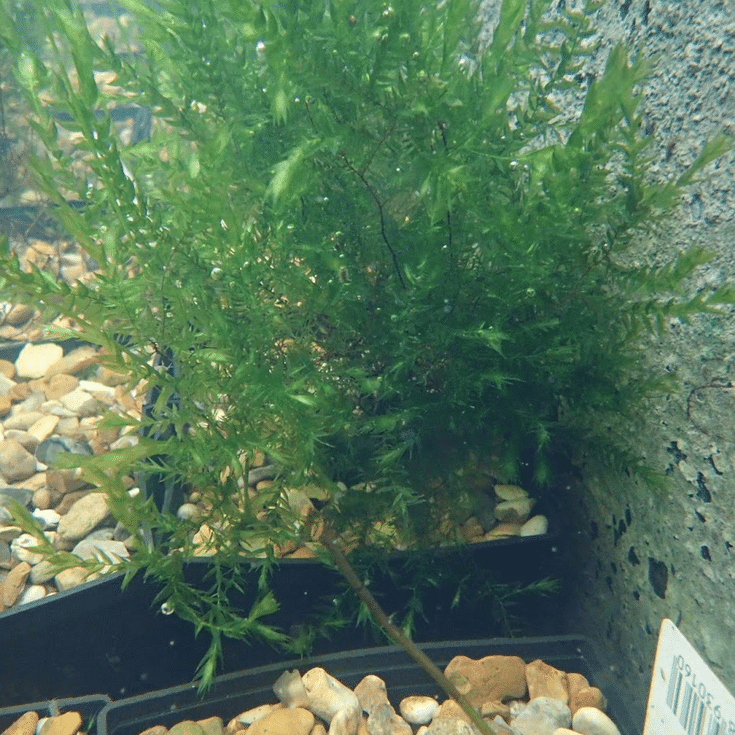
Dark green aquatic moss attached to stone below the water
Willow Moss is a submerged moss with fine branching stems and small dark green leaves. It does not have the same roots, flowers or planting needs as a waterlily or marginal perennial. Its soft texture can be seen below the surface where clear water allows light through.
The growth attaches to hard surfaces rather than needing its crown buried in aquatic compost. The RHS describes it as relatively slow-growing, so it is worth giving a new piece time to establish. A natural-looking clump on stone is a more realistic expectation than an instant large underwater hedge.
Willow Moss grows attached to stone or another suitable hard surface below water. RHS guidance describes tying the moss gently to a brick or stone at water depths of about 10–90 cm. Keep the attachment secure without crushing the shoots and choose neutral to acidic water, with enough light reaching the moss at its support position.
Plants sold as oxygenators contribute oxygen while photosynthesising in sufficient light, but they also respire. The amount varies with growth, temperature and conditions. We would use them as part of a mixed planting scheme, alongside the aeration, filtration and checks that the particular pond needs, rather than promise a fixed oxygen output or algae cure.
Willow Moss is an evergreen aquatic moss, with fine shoots that must be kept wet during handling. Suitable cool, clean water and enough light help the attached clump develop. Its fullness changes with the season and conditions; remove deteriorating pieces carefully without tearing the healthy branching growth away from its stone or other support.
Keep spreading stems and leaves clear of pump intakes and retain access for pond care. Thin growth in manageable portions if it starts to crowd its neighbours, checking removed material for pond animals. Keep all surplus within responsible garden disposal and never introduce purchased plants or fragments into a natural pond, stream or ditch.
UK-grown plant. Grown at a dedicated aquatic plant nursery in the South of England.
What you receive
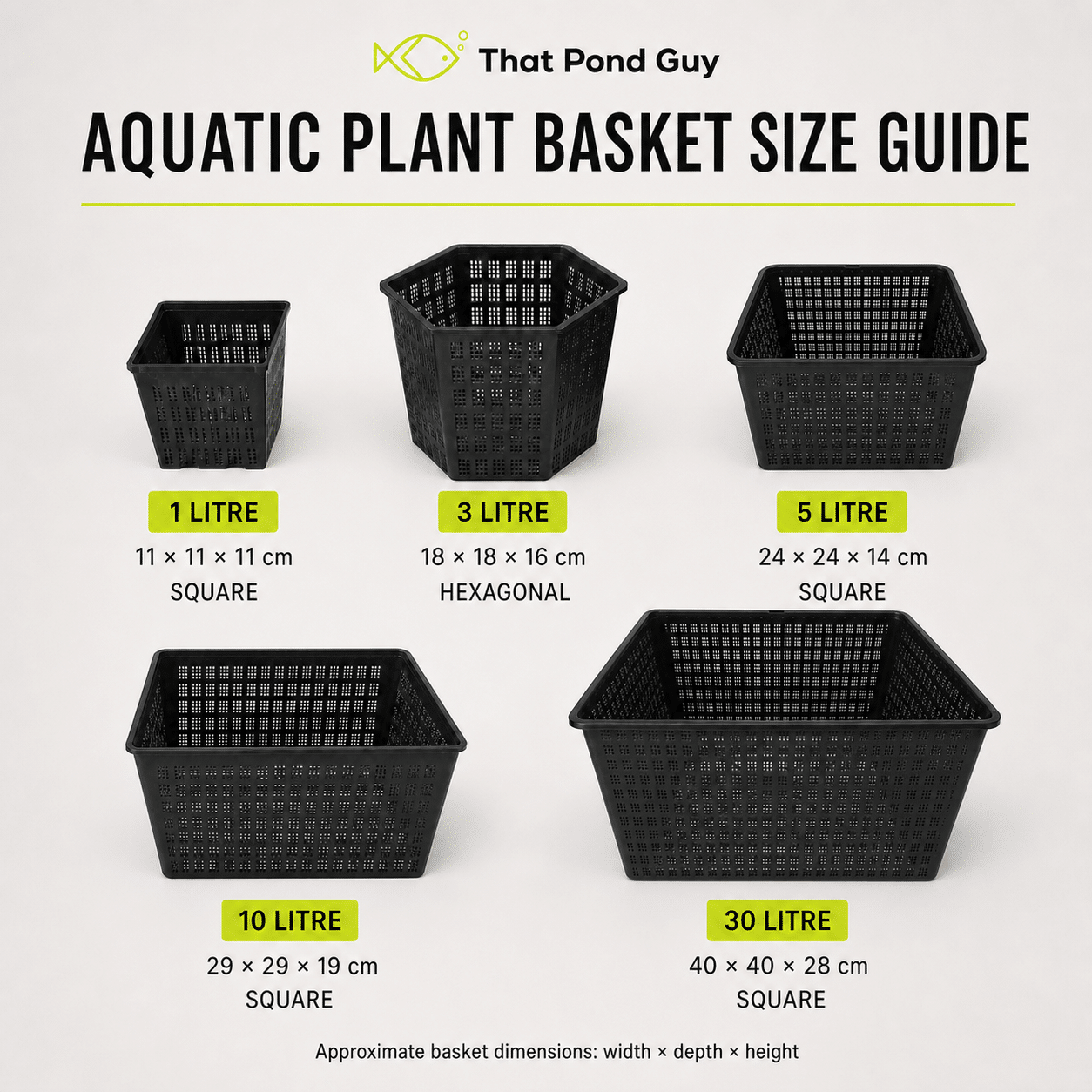
We supply Willow Moss in the format you select: Weighted Bunches and 1-litre Deep Water Pot. A bunch is a supplied group of growth, not a fixed number of stems or an established planted basket. Use the quantity and presentation stated for the selected option.
Unpack promptly and keep the living growth wet while preparing its position. The amount of visible growth changes with the season, so a newly supplied plant may look smaller than an established planting in the photograph. Introduce it as described below rather than leaving it to dry in the packaging.
Is Willow Moss right for your pond?
Willow Moss is for clear, clean, cool water where its submerged branching growth can receive light. It can grow in sun or shade and is relatively slow-growing compared with many stemmed pond plants. Choose it for underwater texture on a suitable support, not for a flower display or a planted rhizome in rich soil.
Positioning and getting established
Tie or attach the moss gently to a suitable stone, brick or other support, keeping it below water where the light and clarity suit it. RHS horticultural guidance gives about 10–90 cm of water cover. Measure the water above the moss at its support position, not from the pond floor, and follow the supplied label when introducing young growth.
A weighted bunch and a deep-water-pot presentation describe the supplied format, not a requirement to bury moss shoots in soil. Keep the growth wet and positioned on its appropriate support as the label directs. Check that it is secure without crushing or smothering the fine branching material.
Choose a position you can reach for inspection and thinning, with space between the plant and equipment. Watch the light that actually reaches the leaves as other planting grows. A sunny garden can still have a shaded underwater position beneath a dense raft of lilies or floating plants.
Practical care and growth management
- Keeping the right position: Check the planting after introduction and after other plants fill out. Keep live growth appropriately wet, avoid crushing shoots while moving nearby baskets and maintain access to the planted area. Review its true light and water position if new growth is poor.
- Managing this plant: Check that the moss remains securely placed and is not buried by silt or shaded by dense floating growth. Remove loose soft decaying material carefully and thin only where necessary. It does not need its stems pushed into compost as though they were waterlily roots.
- Medium and feeding: Do not add rich soil or scatter fertiliser into the open pond to imitate a rooted lily feeding routine. Check light, water conditions and secure placement first if growth is poor. Follow any format-specific instructions supplied with the plant.
- Tidying without spreading it: Remove soft decaying material and collect loose stems, roots or leaves rather than allowing them to drift into equipment. Check removed growth for pondlife before disposal. Keep nursery plants, fragments and pond waste within managed garden arrangements and out of natural ponds, streams and drains.
Seasonal appearance and winter care
Willow Moss is an evergreen aquatic moss, but its fullness still reflects water and light conditions. Keep it from drying whenever it is moved, and maintain its cool clean-water position through the year.
Size and growing conditions
Ordering and delivery
We do not deliver live plants to Northern Ireland.
To avoid plants being held in depots over a weekend, we do not usually dispatch on Fridays. Highlands and Islands orders using a 2 day service are not normally dispatched on Thursdays.
Please read our delivery information for delivery arrangements and contact us if you need to check the timing of a particular order.
Other plants to compare
Smooth Stonewort — For another fine underwater texture, but one formed by a stonewort alga rather than a moss attached to hard material.
Whorled Water Milfoil — For rooted feathery stems and a different growth/seasonal habit.
More help with underwater planting
oxygenating pond plants guide — Explains the different planted, weighted, attached and rootless formats, depth choices and responsible thinning.








Reviews
There are no reviews yet.