





Canadian Pondweed (Elodea canadensis)
| Size | 5 bunches |
|---|---|
| Plant Type | Oxygenator |
| Sun / Shade | Full Sun to Part Shade |
| Flower Colour | Green |
| Growth Rate | Fast |
| Native to UK | No |
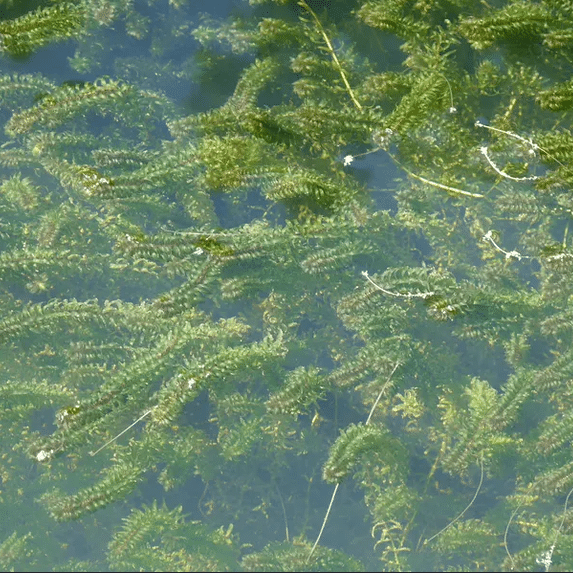
Elodea canadensis, also known as Canadian Pondweed or Canadian Waterweed, is a fast growing submerged oxygenating pond plant for contained garden ponds, mini ponds and planted water features. It provides underwater cover for fish fry, tadpoles, newts and pond invertebrates, but must be managed responsibly and never released into the wild.
£14.00 (inc VAT)
Canadian Pondweed (Elodea canadensis)
A popular submerged oxygenating pond plant for contained garden ponds, mini ponds and planted water features, providing underwater shelter, natural texture and support for pond balance.
Submerged oxygenating pond plant for mini ponds, containers and established garden ponds
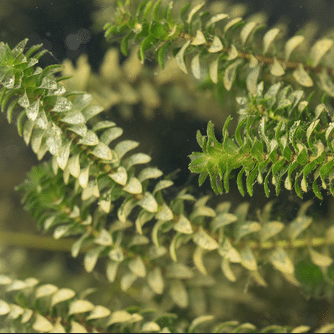
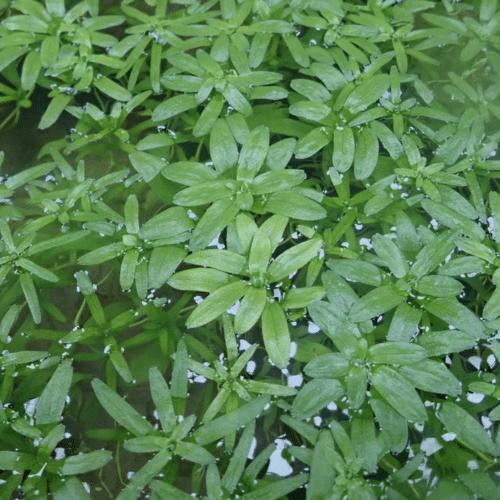
Elodea canadensis, commonly known as Canadian Pondweed, Canadian Waterweed or Anacharis, is a well known submerged oxygenating pond plant grown for its fast underwater growth and ability to provide excellent habitat within a pond. It produces long green stems with small leaves held in whorls along the stem, creating dense underwater growth once established.
This plant is especially useful in contained garden ponds, mini ponds, container ponds and planted water features where submerged cover is needed. The underwater foliage provides shelter for small fish, fry, tadpoles, newts, aquatic insects and other pond invertebrates. In a balanced pond, this type of submerged planting is very valuable because it creates structure below the surface rather than leaving the water column open and bare.
As an oxygenating plant, Elodea canadensis photosynthesises below the water surface when enough light reaches the leaves. During daylight, the submerged growth releases oxygen into the water and takes up nutrients as it grows. This can help support a healthier pond environment as part of a wider planting scheme. It should not be treated as a guaranteed cure for green water or blanketweed, but it is a useful addition to a planted pond alongside marginals, waterlilies and other oxygenators.
Elodea canadensis is a vigorous plant and should be managed responsibly. It is best suited to contained ponds where surplus growth can be removed and disposed of carefully. It must not be released into streams, ditches, lakes, rivers or any wild watercourse. Never dispose of unwanted pond plants in the wild. Remove excess growth by hand and compost it away from natural waterways, or dispose of it safely.
For smaller garden ponds and mini ponds, Elodea canadensis can be a very effective oxygenator, but it should still be thinned if it becomes too dense. In large ponds, natural ponds or lakes, it can become difficult to control once established, so it should only be used where it can be managed.
The recommended planting depth is 30 cm to 1.5 m. It is best started in shallower water while it establishes, especially in new ponds. Once growing strongly, it may grow deeper where water clarity is good and enough light reaches the plant.
🇬🇧 UK-grown aquatic plant: Grown at a dedicated aquatic plant nursery in the South of England and carefully prepared for delivery across the UK.
Key Benefits
- Popular submerged oxygenating pond plant
- Suitable for contained garden ponds, mini ponds and container ponds
- Provides underwater shelter for pond wildlife
- Excellent nursery cover for fish fry, tadpoles and invertebrates
- Supports natural pond balance as part of a planted pond
- Takes up nutrients as it grows
- Fast growing once established
- Can be dropped into the pond as weighted bunches
- Benefits from planting into aquatic soil or heavy loam
- Good for adding submerged texture below the water surface
- Useful alongside waterlilies, marginals and floating plants
- Best for ponds where growth can be managed responsibly
Reasons to Buy Elodea canadensis
- Elodea canadensis is a good choice if you want a fast growing oxygenating plant for a contained pond, mini pond or wildlife garden pond. It quickly adds submerged greenery and helps create a more natural underwater environment.
- It is especially useful in ponds that need cover for small pond life. The stems provide places for invertebrates, young fish, tadpoles and amphibians to shelter, rest and feed.
- This oxygenator is also easy to introduce. Weighted bunches can be placed into the pond, although planting into aquatic soil or a small planting crate can help it establish more quickly, particularly in new ponds.
- Elodea canadensis is best for customers who are happy to manage growth if needed. It can grow strongly in the right conditions, so it should be thinned before it becomes overcrowded.
Care Instructions
- Place Elodea canadensis in a bright pond position where sunlight can reach the submerged foliage. Oxygenating plants need underwater light to photosynthesise properly.
- The recommended planting depth is 30 cm to 1.5 m, measured from the water surface down to the plant position. In a new pond, start the bunches closer to the shallower end of this range so the plant receives good light while establishing.
- Weighted bunches can be dropped into the pond, but they often establish better if planted into aquatic soil, heavy garden loam or aquatic compost in a small planting crate or basket.
- If using in a lined or fibreglass pond, plant into a basket or container rather than loose soil on the base of the pond.
- Remove excess growth if it becomes too dense. This is especially important in small ponds, mini ponds and container ponds where space is limited.
- Do not allow removed plant material to enter natural waterways. Compost responsibly away from ditches, streams, rivers and lakes, or dispose of it safely.
- Avoid introducing Elodea canadensis to ponds connected to natural watercourses.
Flowering Period
Elodea canadensis may produce small white flowers in summer, but it is mainly grown for its submerged oxygenating foliage rather than flowers.
In garden pond use, flowers are not usually the main feature and may not be seen every year.
The main value of this plant is its underwater growth, habitat value and role within a balanced planted pond.
Size, Spread and Growing Conditions
Botanical name: Elodea canadensis
Common name: Canadian Pondweed, Canadian Waterweed, Anacharis
Plant type: Submerged oxygenating pond plant
Plant height: Grows as submerged stems below the water surface
Potential spread: Can spread quickly in suitable conditions
Growth rate: Fast once established
Flower colour: Small white flowers may appear
Flowering period: Summer, depending on conditions
Position: Full sun to partial shade, provided enough light reaches below the water
Recommended planting depth: 30 cm to 1.5 m
Possible established depth: May grow deeper in clear water where light levels are suitable
Soil: Can be used as weighted bunches, but benefits from aquatic soil, heavy loam or aquatic compost
Native status: Not UK native
Important use note: For contained garden ponds only. Do not release into the wild or allow it to spread into natural waterways
Best suited for: Contained garden ponds, mini ponds, container ponds, planted water features and managed ornamental ponds
Wildlife value: Provides underwater shelter for fish fry, tadpoles, newts, aquatic insects and pond invertebrates
How Many Bunches Will I Need?
A useful guide is around 3 bunches per square metre of pond surface area.
For example:
- 1 m² pond area: approximately 3 bunches
- 2 m² pond area: approximately 6 bunches
- 4 m² pond area: approximately 12 bunches
Each bunch is normally supplied weighted with a minimum of 6 strands.
This is only a guide. The amount needed will depend on pond depth, shade, water clarity, existing plant cover and how quickly you want submerged growth to establish.
For mini ponds and small containers, start with fewer bunches and thin growth regularly if it becomes too dense.
Oxygenating Pond Plant Guidance
Oxygenating plants grow below the water surface and help create a more natural planted pond environment. Their submerged leaves photosynthesise when light reaches them, releasing oxygen into the water during daylight hours.
Planting depth is a guide only. Smaller or newly introduced oxygenators usually establish better when started shallower, where underwater light levels are stronger.
Elodea canadensis can grow quickly, so check growth during the growing season. If it fills too much of the pond, remove surplus stems by hand.
Never release unwanted oxygenating plants into natural ponds, streams, rivers, ditches or lakes.
Your Plant on Arrival
Elodea canadensis is usually supplied as weighted bunches with a minimum of 6 strands per bunch.
Bunch size, stem length and foliage density can vary depending on the season and growing conditions.
Place the bunches into the pond as soon as practical. Do not allow oxygenating plants to dry out.
For best establishment in a new pond, plant the bunches into a small aquatic planting crate using heavy garden loam or aquatic compost. Position the crate in around 30 cm of water to start with, then move deeper once the plant is growing well if needed.
Dispatching Your Pond Plants
Pond plants are carefully selected, packed and dispatched to help them arrive in good condition. As living aquatic plants, Elodea canadensis can vary in colour, length and density depending on season, weather and natural growth cycle.
Unpack your oxygenating plants promptly when they arrive. Keep them wet at all times and introduce them to the pond as soon as practical.
Do not leave Elodea canadensis exposed to sun, wind or drying conditions. If you cannot place it into the pond immediately, keep it in a container of pond water in a cool, shaded position for a short period.
Introduce into a contained garden pond, mini pond or planted water feature only. Do not release into the wild.





Reviews
There are no reviews yet.