





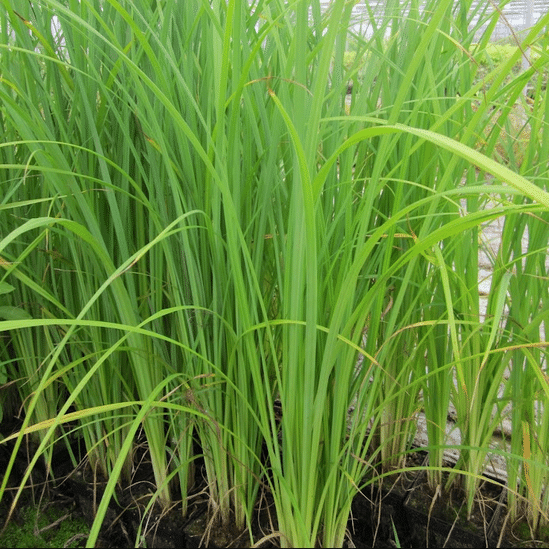
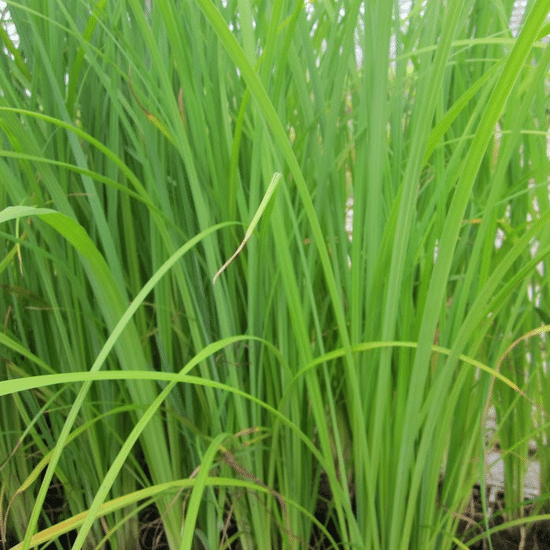

Slender Tufted Sedge (Carex acuta)
| Size | 1 Ltr, 1 Ltr – Pack of 3, 5 Ltr, 3 Ltr, 9cm – Pack of 3 |
|---|---|
| Plant Type | Marginal |
| Sun / Shade | Full Sun to Part Shade |
| Flower Colour | Brown |
| Growth Rate | Medium |
| Native to UK | Yes |
| Plant group |
Slender Tufted Sedge is a native spreading plant for roomy wet ground or a shallow margin. Allow space for its rhizomes and arching leaves, with access for early-spring division and regular boundary checks.
Price range: £14.00 through £42.00 (inc VAT)
Slender Tufted Sedge (Carex acuta)
A spreading native sedge for roomy, wet pond margins
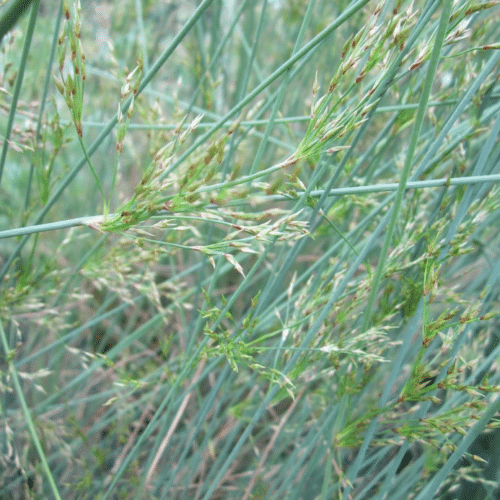
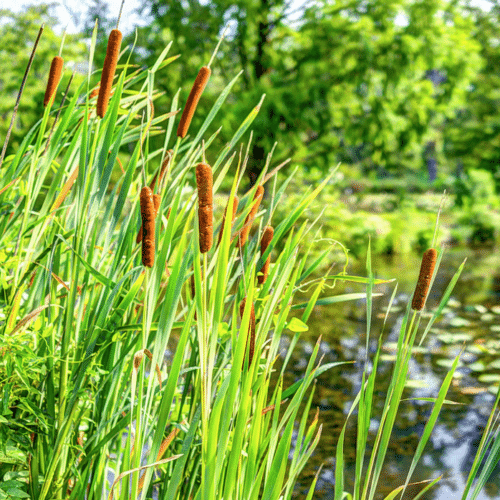
Slender Tufted Sedge brings a loose sweep of green leaves to a wet pond edge. Carex acuta is a British native sedge, also encountered under the name Carex gracilis. Its narrow leaves arch away from the base, with brown flower spikes adding a quieter display in late spring and summer.
This is a plant to give room, rather than a small decorative tuft to tuck between delicate marginals. It spreads through underground rhizomes and can occupy surrounding wet ground. That makes it useful where a broader natural planting is wanted, but regular checking or a suitable container matters in a smaller garden pond.
Choose moist ground or a shallow pond margin in sun or light shade. The RHS Plants guidance allows water up to 15cm deep at the margin. Measure that cover above the planted root zone, not the distance from the bottom of the pond to its surface; a basket on a shelf raises the plant considerably.
Mature plants can reach around 90cm tall and spread to about a metre. Conditions and room to run affect the eventual footprint. Place lower flowers in front where they can still be seen, and allow access to lift or divide the sedge instead of trapping it tightly behind stone edging.
Use its arching green leaves to link the larger flowers and upright stems around a broad wet edge. Leave enough open space to see the outline of the pond, and choose neighbouring plants with room for their own roots and light. An accessible, varied planting is easier to manage than several spreading species packed tightly together.
The above-ground growth dies back as the season ends. Remove old leaves and spent stems when tidying, and divide an established plant in early spring if the clump is crowded or spreading too far. Keep divisions in their intended planting area and dispose of surplus responsibly rather than releasing them into natural waterways.
UK-grown plant. Grown at a dedicated aquatic plant nursery in the South of England.

What you receive
Choose a single 1-litre, 3-litre or 5-litre plant, a pack of three 1-litre plants or a pack of three 9cm pots. This is a spreading sedge, so select the number of plants around the mature area you can manage rather than filling every gap with young pots.
Slender Tufted Sedge has seasonal top growth. A delivery may have leafy shoots or much less visible foliage while resting. Give a new plant time to establish in the correct wet position before expecting the broad sweep of leaves shown by a mature planting.
Is this right for your pond?
This native sedge suits a roomy wet edge or a larger natural-looking pond planting. Its growth habit needs as much attention as its height: underground rhizomes can occupy ground beyond the original clump.
- Room for spread: Allow around a metre for a developing clump, with further growth to manage. Keep it away from small plants that would be difficult to separate from its root system later.
- Wet soil or a shallow margin: Use reliably moist ground or a suitable shallow aquatic position. A small dry container will need much more attention than wet ground connected to the planting area.
- Sun or light shade: Both suit it when moisture is reliable. Leave the arching leaves visible and avoid packing the base beneath a dense canopy of other marginal plants.
- Maintenance access: Choose a place where the clump and basket can be lifted if needed. Its usefulness in a broader natural planting does not remove the need for control in a small garden pond.
Planting position and getting established
For a damp bank, prepare a broad area of moist soil and plant at the existing rootball level. Firm gently and water well. Leave a clear boundary between this sedge and smaller neighbours so that extending shoots can be recognised while they are still easy to remove.
For aquatic use, put the plant in a suitable pond basket and use a shallow margin. Keep water cover no deeper than about 15cm above the planted basket top, subject to the label on your plant. Include the basket height separately when deciding which shelf is appropriate.
Repot 9cm nursery plants before pond placement and keep the basket stable. A container makes the root area easier to inspect and reduce, but it does not make the species permanently compact. Leave access from a safe position so that an established plant can be divided without first dismantling the whole pond edge.
Looking after your plants
- Establishing roots: Keep the root area moist or suitably wet while the plant settles. Check a new rootball during dry weather or low pond levels before assuming the surrounding wet-looking ground is supplying enough water.
- Checking rhizomes: Look for shoots outside the intended patch and inspect growth around the basket sides. Remove unwanted rooted pieces before they become mixed through neighbouring plants.
- Tidying seasonal material: Remove dead leaves and spent flower stems as needed, keeping the water and access route clear of cut material. Work carefully around new shoots rather than pulling old leaves through the centre.
- Early-spring division: Divide congested clumps in early spring when necessary. Retain healthy rooted sections, replant promptly into suitable moist conditions and reduce the overall patch to fit the space available.
- Reviewing the planting: Assess the footprint each season. If the sedge is shading or squeezing smaller marginals, reduce or move it; a narrow nursery pot does not describe the space its mature roots and leaves will use.
Size and growing conditions
- Botanical name
- Carex acuta
- Also known as
- Carex gracilis; Slender Tufted Sedge
- Plant type
- Spreading rhizomatous sedge
- Leaves
- Narrow green leaves arching from the base
- Flowers
- Brown spikes in late spring and summer
- Height
- Around 90cm in nursery guidance
- Spread
- Allow around 1m, with further rhizome spread to manage
- Light
- Sun or light shade
- Soil
- Reliably moist or boggy soil
- Aquatic position
- Shallow margin, no deeper than about 15cm over the planted basket top, subject to the supplied label
- Winter habit
- Seasonal top growth dies back
- Division
- Early spring if congested
- Native status
- Native British species
- RHS information
- RHS guide: aquatic plants: planting (general guidance)
Delivery and basket information
We do not deliver live plants to Northern Ireland.
Orders received by 11am Monday to Wednesday are normally dispatched on the following working day using a next working day courier service. During busy periods, dispatch may occasionally take an extra day.
To avoid plants being held in depots over a weekend, we do not usually dispatch on Fridays. Highlands and Islands orders using a two day service are not normally dispatched on Thursdays.
Please read our delivery information for delivery arrangements and contact us if you need to check the timing of a particular order.
The 9cm option arrives in nursery pots. For pond planting, pot these plants into suitable aquatic baskets with aquatic planting soil before positioning them at the depth shown on their labels.
Finofil baskets are made from 100% recycled polypropylene co-polymer. They are not suitable for ordinary kerbside recycling; reuse them where possible and check local specialist recycling options. Their fine mesh helps retain aquatic soil while allowing water to reach the roots.
Basket measurements for the offered sizes:
- 1 Litre Basket – usually 11 × 11 × 11cm square; some varieties may be supplied in a 14cm diameter × 10cm round basket
- 3 Litre Hexagonal Basket – 18 × 18 × 16cm
- 5 Litre Square Basket – 24 × 24 × 14cm
Other plants to compare
Pendulous Sedge — Pendulous Sedge gives larger evergreen arching leaves and drooping flower stems. Compare its year-round outline and seedling management with this deciduous spreading sedge.
Palm Sedge — Palm Sedge has fine fan-like leaf arrangements and particularly suits moist partial shade. It offers a different texture and is not a native species.



Reviews
There are no reviews yet.