





Marsh Woundwort (Stachys palustris)
| Size | 1 Ltr, 1 Ltr – Pack of 3, 3 Ltr, 9cm – Pack of 3 |
|---|---|
| Plant Type | Marginal |
| Sun / Shade | Full Sun to Part Shade |
| Flower Colour | Pink |
| Growth Rate | Fast |
| Native to UK | Yes |
Marsh Woundwort is a native perennial with pink-purple summer flower spikes and softly hairy foliage. Plant it in reliably moist ground beside the pond, allowing room for the developing patch and access to manage its spread.
Price range: £14.00 through £34.50 (inc VAT)
Marsh Woundwort (Stachys palustris)
Pink-purple summer flowers for a damp, informal pond edge
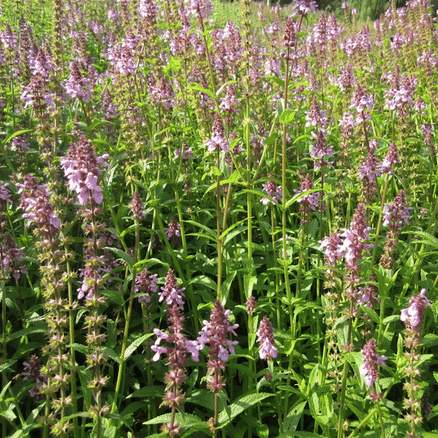
Marsh Woundwort brings an upright layer of pink-purple flowers to the wetter parts of a garden. Its square stems and softly hairy, toothed leaves give it a quite different character from the smooth leaves of an iris or the fine blades of a sedge. It suits a pond edge that is allowed to look a little relaxed.
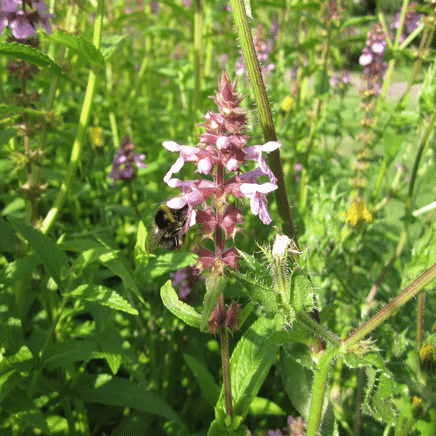
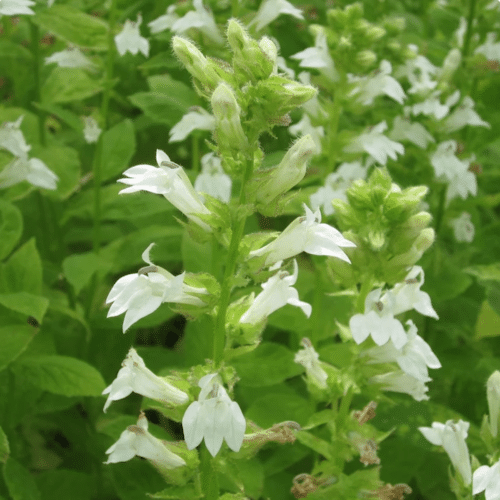
The small, hooded flowers are carried in tapering clusters up the stems during summer. Looking closely reveals the individual lipped blooms within each upright cluster. The species is included in the RHS pollinator selection, so it is a useful candidate when flowers for visiting insects are part of the planting plan.
It needs ground that stays moist. Damp banks, a bog garden and wet soil beside the water are sensible starting places, with sun or partial shade available. The water level and the position of the growing crown matter more than calling everything beside a pond a marginal planting shelf.
Allow it a proper patch of ground rather than squeezing it between small, slow-growing plants. Marsh Woundwort spreads below ground, and established growth may need thinning or division. A basket can make the root area easier to inspect when using it near a pond, but regular checks still matter.
Allow for a mature height and spread around half a metre to a metre, with variation between sites. These dimensions help plan the growing space rather than describing the size of a delivered pot. Place it where the flower stems remain visible without hiding lower plants immediately behind it.
This species is native to Britain; keep cultivated plants within managed garden planting. Above-ground growth is seasonal: the plant dies back and regrows from its perennial root system. Keep the crown accessible for maintenance and remove unwanted spread before it becomes woven through neighbouring planting.
UK-grown plant. Grown at a dedicated aquatic plant nursery in the South of England.

What you receive
Choose a single 1-litre or 3-litre plant, a pack of three 1-litre plants, or a pack of three 9cm pots. The selected option tells you the number of containers supplied; allow space for each plant to develop rather than treating a small pot as its final footprint.
Marsh Woundwort is a herbaceous perennial. A summer plant can have leafy stems, while an autumn or winter delivery may have much less top growth. It does not need to be flowering when planted: the important starting points are a sound rootball, consistent moisture and room for the shoots to return.
Is this right for your pond?
This is useful for a damp, informal planting where upright flowers and a spreading patch are welcome. Its native status does not make it a plant to squeeze into every spare gap. Think about the whole patch you can accommodate and how you will reach it later.
- A moist pond bank: Choose soil that stays moist or wet around the roots. A raised bank can be dry even beside a full pond, so check the ground itself rather than judging by its distance from the water.
- Sun or partial shade: A partly shaded, moisture-retentive edge suits it well. In a sunnier position, pay particular attention to the rootball while the surrounding roots become established.
- Room for a colony: Allow approximately 50–100cm for a developing clump and keep small, slow-growing neighbours clear of the expanding root area. Leave a route for thinning and division.
- An informal flower display: Its pink-purple summer flowers are useful in a wildlife-minded scheme. Choose it for that seasonal display and soft foliage, with other plants providing interest before and after flowering.
Planting position and getting established
A damp border, bog garden or wet pond bank is the straightforward place to begin. Prepare a planting space wide enough for the rootball and set it at its existing soil level, then firm gently and water the surrounding soil. Do not bury the base of the stems under a new mound of compost. The ground must continue to hold moisture after the first watering.
If you intend to use an aquatic basket, follow the water-cover instructions supplied with the plant. Moist ground is sufficient for this species, so there is no need to push a new plant down onto a deeper shelf simply because one is available. Any stated water cover is measured over the planted crown or basket top specified on that label, not from the pond floor.
Keep the first planting easy to inspect. A contained position can make the root area easier to lift and reduce later, but roots and shoots still need checking as the patch expands. Leave enough room between the young plant and the path, liner edge or equipment so you can reach the crown without walking through the whole planting.
Looking after your plants
- While roots establish: Check the actual rootball during dry weather and water the soil if it is beginning to dry. The surface of a bog garden can look damp while a recently planted pot is drying inside it.
- After flowering: Remove finished stems if you want a neater edge, or retain sound seasonal growth where it is not obstructing access. Avoid pulling whole stems from the roots when a clean cut will do the tidying.
- Managing the patch: Look for shoots appearing outside the intended area. Lift unwanted rooted growth before it becomes mixed through smaller plants; cutting the tops alone does not remove the spreading underground parts.
- Dividing established plants: Lift and divide a crowded patch when it needs reducing, keeping healthy rooted sections for replanting. Water replanted divisions and keep them moist while they settle; there is no need to divide a small, newly supplied plant immediately.
- Autumn and winter: Old stems can be cut back in autumn, or cleared before spring shoots make access difficult. Seasonal loss of top growth is normal. Keep the damp-ground position intact rather than letting the resting root area become dry.
Size and growing conditions
- Botanical name
- Stachys palustris
- Plant type
- Herbaceous perennial for damp ground
- Flowers
- Pinkish-purple, hooded and lipped, on upright summer spikes
- Foliage
- Dark green, hairy, toothed leaves on square stems
- Mature height
- Allow around 50–100cm; conditions affect growth
- Mature spread
- Around 50–100cm, with outward growth to manage
- Light
- Sun or partial shade; semi-shade suits it well
- Soil
- Reliably moist or wet soil
- Planting position
- Pond bank, bog garden or damp border; use supplied guidance for any water cover
- Winter habit
- Deciduous; above-ground stems die back seasonally
- Native status
- Native to Britain and Ireland
- RHS information
- RHS plant profile: Stachys palustris
Delivery and basket information
We do not deliver live plants to Northern Ireland.
Orders received by 11am Monday to Wednesday are normally dispatched on the following working day using a next working day courier service. During busy periods, dispatch may occasionally take an extra day.
To avoid plants being held in depots over a weekend, we do not usually dispatch on Fridays. Highlands and Islands orders using a two day service are not normally dispatched on Thursdays.
Please read our delivery information for delivery arrangements and contact us if you need to check the timing of a particular order.
The 9cm option arrives in nursery pots. For pond planting, pot these plants into suitable aquatic baskets with aquatic planting soil before positioning them at the depth shown on their labels.
Finofil baskets are made from 100% recycled polypropylene co-polymer. They are not suitable for ordinary kerbside recycling; reuse them where possible and check local specialist recycling options. Their fine mesh helps retain aquatic soil while allowing water to reach the roots.
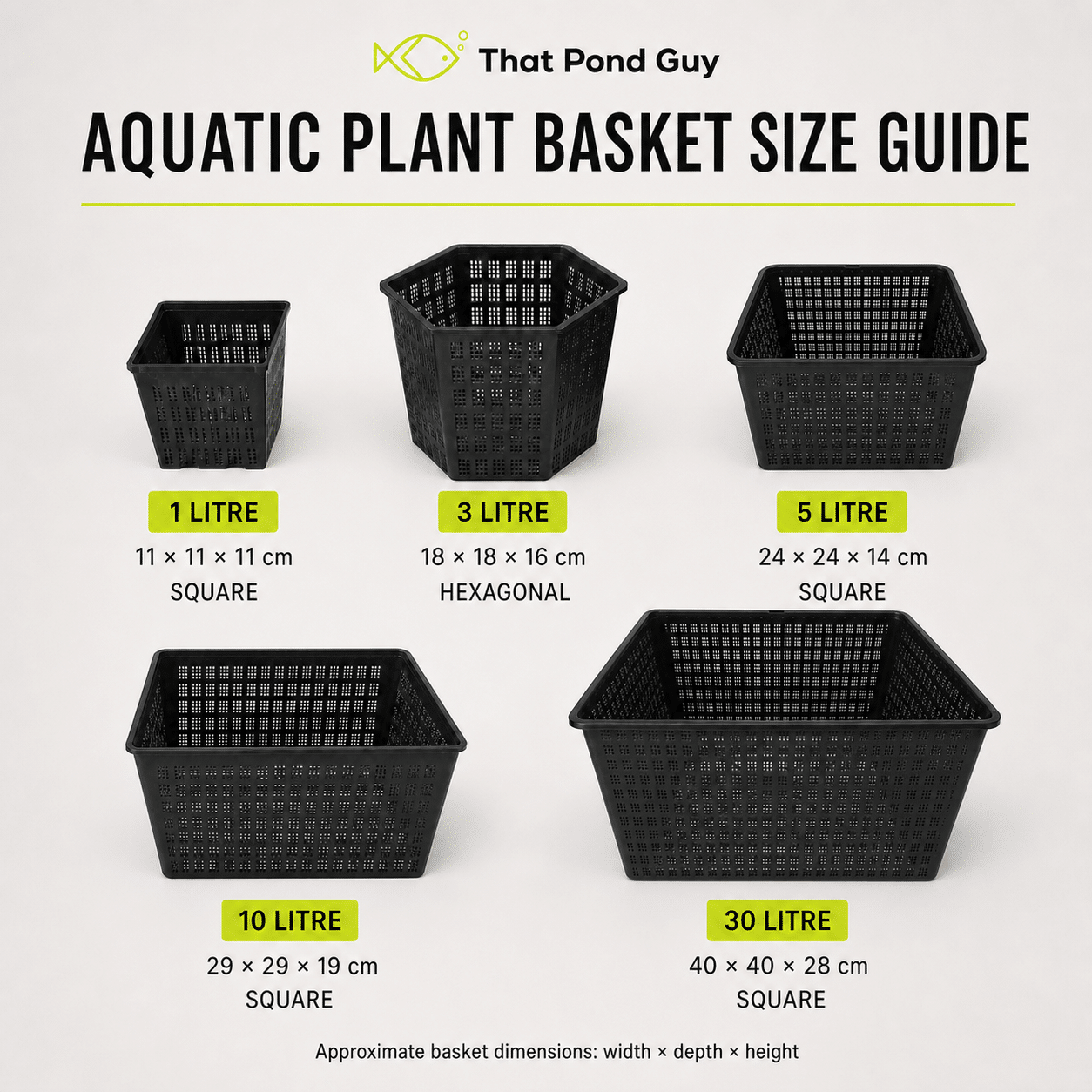
Basket measurements for the offered sizes:
- 1 Litre Basket – usually 11 × 11 × 11cm square; some varieties may be supplied in a 14cm diameter × 10cm round basket
- 3 Litre Hexagonal Basket – 18 × 18 × 16cm
Other plants to compare
Purple Loosestrife — Purple Loosestrife gives taller, more concentrated purplish-pink flower spikes in a sunny, moist position. Compare the mature height and the different flower shape when planning the back of a border.
Queen’s Prize Monkey Flower — Queen’s Prize Monkey Flower offers a much lower mound with yellow, red-marked trumpet flowers. It gives a different colour and scale at the front of a damp planting.






Reviews
There are no reviews yet.