





Queen’s Prize Monkey Flower (Mimulus luteus ‘Queen’s Prize’)
| Size | 1 Ltr, 1 Ltr – Pack of 3, 9cm – Pack of 3 |
|---|---|
| Plant Type | Marginal |
| Sun / Shade | Full Sun |
| Flower Colour | Red, Yellow |
| Growth Rate | Fast |
| Native to UK | No |
| Plant group |
Queen’s Prize monkeyflower forms a low green mound with yellow trumpet flowers marked in red. Choose reliably damp soil or a very shallow labelled marginal position, with light around the growing stems.
Price range: £14.00 through £34.50 (inc VAT)
Queen’s Prize Monkey Flower (Mimulus luteus ‘Queen’s Prize’)
Yellow monkeyflower trumpets marked with reddish blotches
Queen’s Prize brings yellow flowers with reddish markings to damp ground around a pond. The markings are part of the appeal: this is a choice for seeing the detail of individual flowers at close range, rather than simply making another block of green foliage at the water’s edge.
Its trumpet-shaped blooms are held above a leafy, bushy base during summer. The combination works well in the front or middle of a mixed marginal planting, where taller stems can sit behind it. A bright flower colour can also be useful beside grey paving or a dark pond surround without needing a large plant.
The plant needs reliable moisture. A boggy border gives the roots a damp place to grow while keeping the crown easy to reach. For aquatic-basket planting, choose a very shallow position and use the label supplied with the plant; nursery depth recommendations are not all the same for this named selection.
Allow for a growing patch rather than treating the delivery pot as its final footprint. The stems can reach around 30–50cm, while the established plant needs room to spread. Inspect it regularly and keep neighbouring plants away from the crown so their leaves do not bury or shade the new growth.
Sun or light shade can suit the plant when the root area stays moist. Deadheading is a practical part of looking after the summer display, along with keeping slug damage on young shoots in check. A tired flower or leaf is a normal maintenance job, rather than a reason to add more fertiliser automatically.
Queen’s Prize is a cultivated selection, not a British native wildflower. Its leafy display can die back outside the growing season, and regrowth depends on the season and local conditions. Use it for its particular flower pattern and damp-ground habit, while choosing different plants for deeper shelves and permanent winter structure.
UK-grown plant. Grown at a dedicated aquatic plant nursery in the South of England.

What you receive
Choose a single 1-litre plant, a pack of three 1-litre plants or a pack of three 9cm pots. The larger group options are useful for repeated planting positions, but each plant still needs room to form its own low spreading mound.
This is a seasonal perennial, so a delivered plant may be leafy without flowers, past its main display or resting with little top growth. Yellow trumpets with darker markings develop during the growing season; a nursery container should not be judged by the fullness of an established flowering plant.
Is this right for your pond?
Queen’s Prize suits a reliably damp edge where a patterned yellow flower will be easy to see. It is lower than most flag irises and reedmaces, making it useful near the front rather than behind a tall wall of foliage.
- Flower pattern: The yellow trumpets have reddish speckles and darker throat markings. Choose it for this pattern when you want more detail than a single block of yellow.
- Light and moisture: A damp border in full sun or light shade is suitable. A sunny site must remain moist at the roots; a dry strip above the liner is not made wet simply by being beside a pond.
- Space for the mound: Allow for a plant that can approach about 50cm high and spread to around 70cm in favourable conditions. Leave smaller plants visible rather than packing new nursery pots tightly together.
- A very shallow edge: For aquatic planting, begin close to the waterline and follow the supplied water-cover label. The leaves and flower stems belong above the water, with a stable root area below.
Planting position and getting established
In a bog garden or damp border, plant into reliably moist, humus-rich soil at the level the plant was growing in its pot. Water the planting area as well as the rootball. This gives young roots a damp route into the surrounding soil and helps avoid a dry nursery rootball sitting within an otherwise wet-looking bed.
For a marginal basket, use appropriate aquatic planting soil and start with the planted soil close to the waterline. The nursery guidance for this product is particularly shallow, around 0–1cm of cover; follow the label with your plant when setting it out. Measure that cover above the planted soil surface, rather than down to the shelf beneath the basket.
Keep a newly placed basket upright and accessible. Check that rising water has not covered the foliage, and keep surrounding growth from pushing across the low stems. If using a 9cm nursery pot in the pond, repot into an aquatic basket first. For a soil-only border position, the nursery plant can go into prepared ground rather than being submerged.
Looking after your plants
- Watering the root area: Keep the soil and new rootball consistently moist. This matters particularly in a small container or exposed pond edge, where a modest change in water level can leave the root zone drier than expected.
- Finished flowers: Remove spent flower and seed heads when practical. It keeps the patterned flowers easier to see and can encourage more blooms; it does not guarantee uninterrupted flowering throughout summer.
- Young growth: Watch newly emerging shoots for slugs and snails, especially where nearby large leaves give them cover. Inspect early damage before the small plant loses much of its fresh growth.
- Neighbouring plants: Trim or move encroaching growth before it shades the mound. Leave enough space to reach the base and clear dead stems without pulling healthy shoots through a tangle of surrounding plants.
- Autumn and spring: Top growth naturally dies back in autumn and returns as conditions improve. Tidy dead material and keep the root area suitably moist, then protect and observe the fresh spring shoots rather than expecting winter flowers.
Size and growing conditions
- Botanical name
- Mimulus luteus ‘Queen’s Prize’
- Plant type
- Low spreading marginal or bog-garden perennial
- Flowers
- Yellow trumpets with reddish speckles and throat markings
- Flowering
- Late spring and summer, depending on conditions
- Leaves
- Small green leaves forming a bushy mound
- Mature height
- Allow up to around 50cm
- Mature spread
- Allow up to around 70cm in a favourable position
- Light
- Full sun or light shade
- Soil
- Moist, humus-rich soil; reliably damp or boggy
- Water cover
- Very shallow nursery guidance around 0–1cm above the planted soil; set out according to the supplied label
- Winter habit
- Deciduous; top growth dies back in autumn
- Native status
- Non-native cultivated selection
- RHS information
- RHS plant profile: Mimulus 'Queen's Prize'
Delivery and basket information
We do not deliver live plants to Northern Ireland.
Orders received by 11am Monday to Wednesday are normally dispatched on the following working day using a next working day courier service. During busy periods, dispatch may occasionally take an extra day.
To avoid plants being held in depots over a weekend, we do not usually dispatch on Fridays. Highlands and Islands orders using a two day service are not normally dispatched on Thursdays.
Please read our delivery information for delivery arrangements and contact us if you need to check the timing of a particular order.
The 9cm option arrives in nursery pots. For pond planting, pot these plants into suitable aquatic baskets with aquatic planting soil before positioning them at the depth shown on their labels.
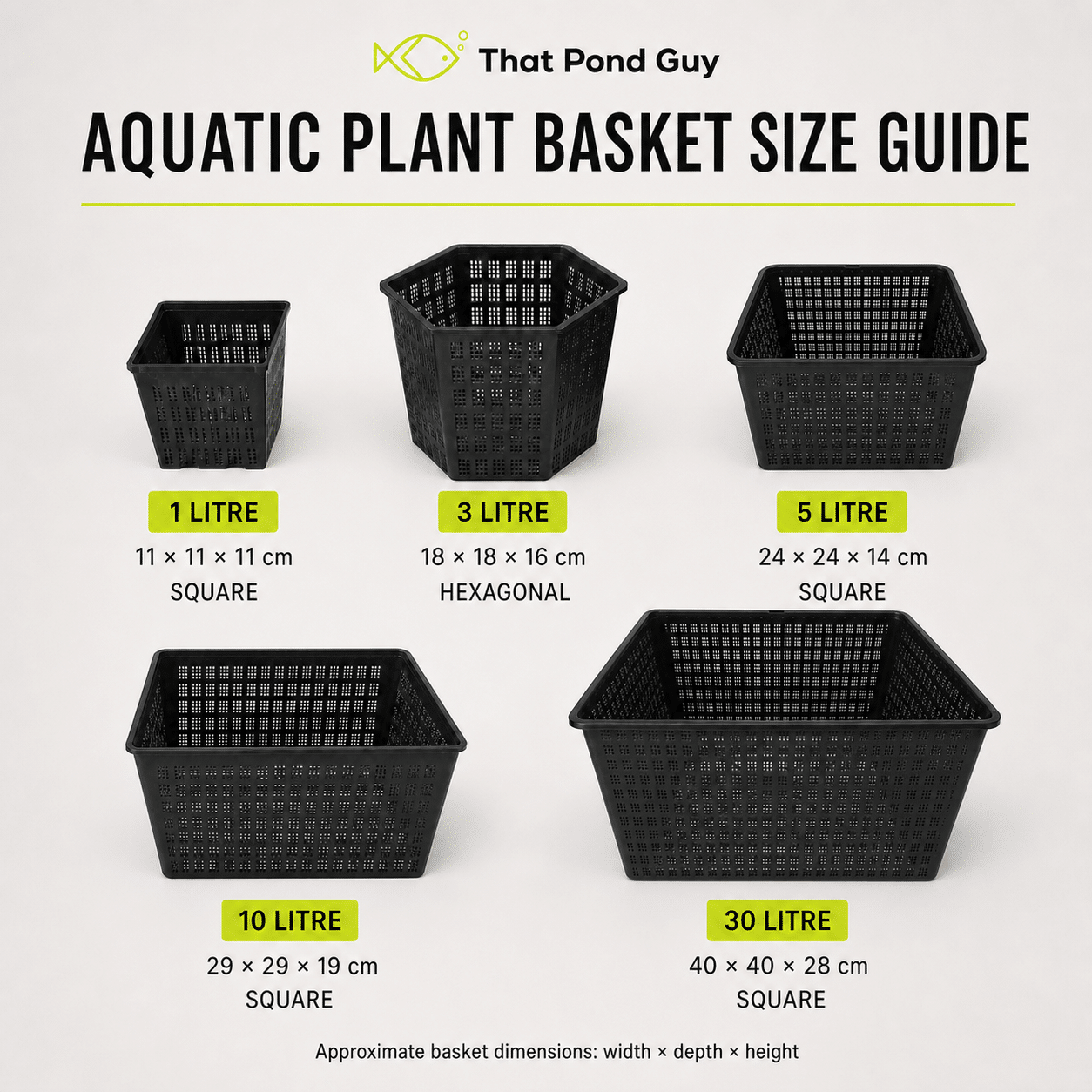
Finofil baskets are made from 100% recycled polypropylene co-polymer. They are not suitable for ordinary kerbside recycling; reuse them where possible and check local specialist recycling options. Their fine mesh helps retain aquatic soil while allowing water to reach the roots.
Basket measurements for the offered sizes:
- 1 Litre Basket – usually 11 × 11 × 11cm square; some varieties may be supplied in a 14cm diameter × 10cm round basket
Other plants to compare
Red Emperor Monkey Flower — Red Emperor has bright red trumpets rather than yellow, red-marked flowers. Compare it for a stronger red accent in the same low, damp-edge layer of the planting.
Ragged Robin — Ragged Robin has finely divided pink petals on taller, airier stems. It offers a different flower shape for moist pondside soil and is a native species rather than this cultivated monkeyflower.







Reviews
There are no reviews yet.