





Fibre Optic Plant (Isolepis cernua, syn. Scirpus cernuus)
| Size | 1 Ltr, 1 Ltr – Pack of 3, 2 Ltr, 3 Ltr, 9cm – Pack of 3 |
|---|---|
| Plant Type | Marginal |
| Sun / Shade | Full Sun to Part Shade |
| Flower Colour | White |
| Growth Rate | Slow |
| Native to UK | Yes |
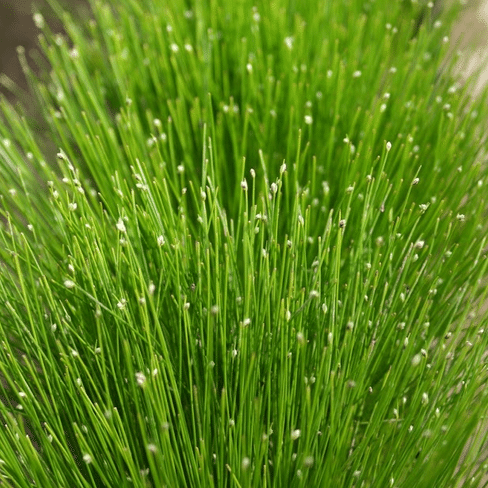
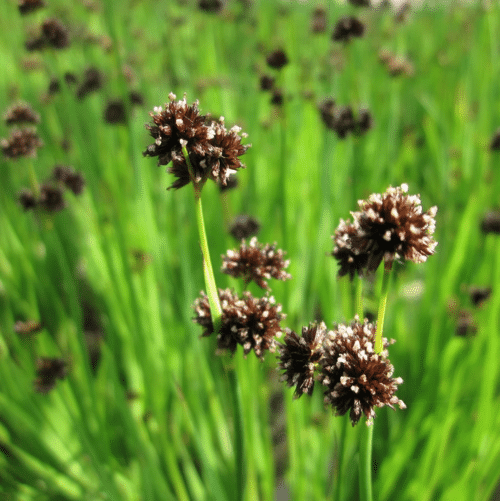
Fibre Optic Plant forms fine green tufts with tiny pale terminal heads. Keep roots damp, measure shallow water above the actual basket, and tidy dead stems selectively rather than cutting all growth down.
Price range: £14.00 through £34.50 (inc VAT)
Fibre Optic Plant (Isolepis cernua, syn. Scirpus cernuus)
Fine green stems with tiny pale tips for the shallow pond edge
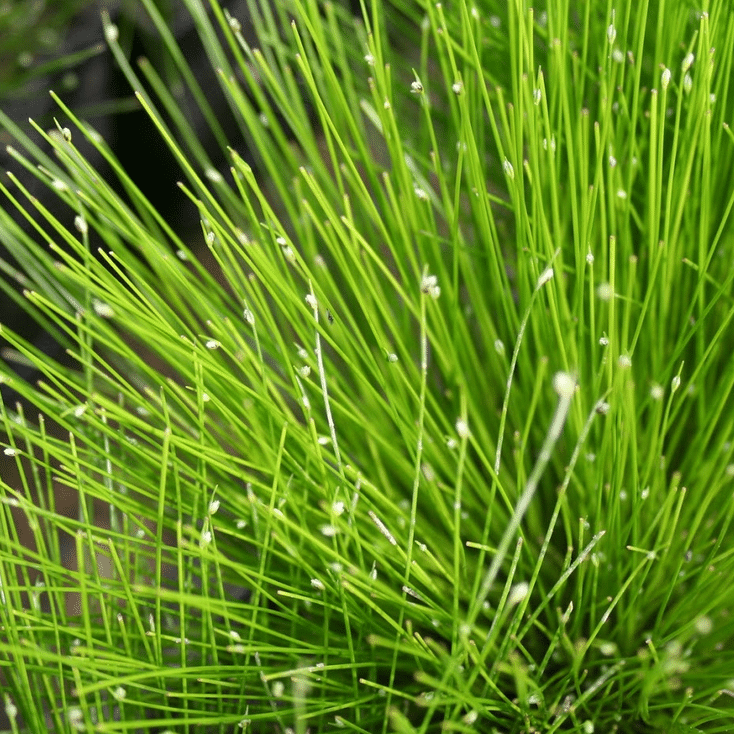
Fibre Optic Plant is grown for the fine detail at the water’s edge. Isolepis cernua, also known as Scirpus cernuus, makes a tuft of slender green stems with tiny pale flower heads at their ends. Those light tips explain the common name; they are small natural flower heads rather than large white blooms.
Its scale is useful beside a small pond or a container water garden, where a tall rush could hide the water altogether. The stems soften the outline of a basket or hard edge, and the fine texture contrasts with broader marginal leaves. Leave room to see that outline instead of crowding it behind larger, faster-growing plants.
Use consistently damp soil or a genuinely shallow shelf. UK specialist nursery guidance gives only a few centimetres of water above the basket, rather than treating a ten-centimetre-deep shelf as a universal instruction. The height of the basket changes the shelf depth needed, so measure from the top of the planted basket to the water.
Full sun or partial shade is suitable. Keep the root zone damp throughout establishment and check small containers in warm weather, when their water level can fall quickly. This is a marginal plant with its stems above the surface; do not position it like a submerged oxygenating plant or claim it will clear the pond water.
The pale flower heads darken as they age, and individual stems can become brown or untidy. Neaten dead material rather than cutting the entire tuft down automatically in autumn. Established clumps can be divided during active spring growth if necessary. The compact appearance does not remove the need to check the roots and available basket space.
This species is native to Britain and Ireland. Its fine stems can change with the weather, and a small exposed container may need more attention than a sheltered planted margin. Keep the roots damp, inspect weathered growth and retain healthy stems as the tuft develops through the seasons.
UK-grown plant. Grown at a dedicated aquatic plant nursery in the South of England.
What you receive
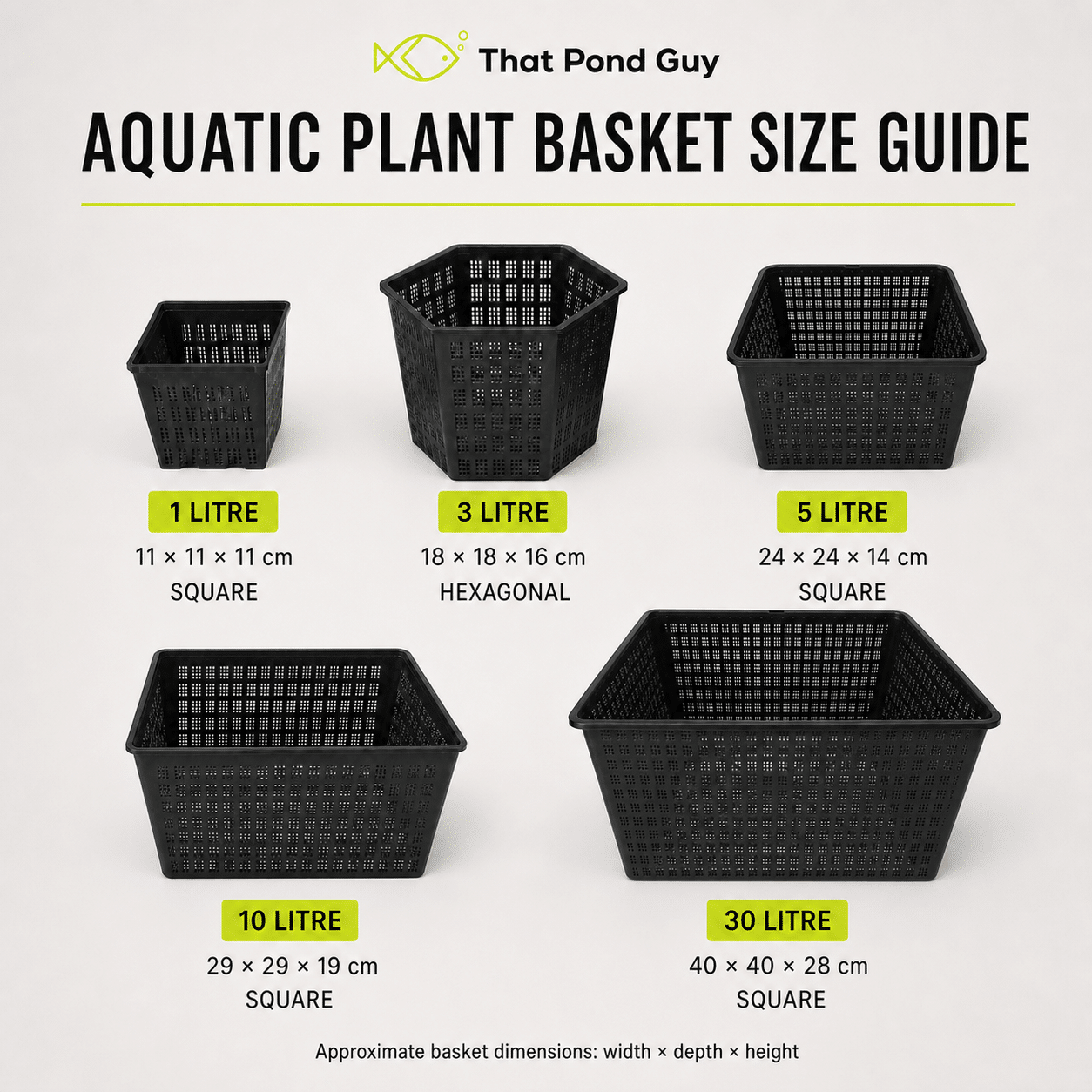
The available formats are 1-litre, 2-litre and 3-litre plants, a pack of three 1-litre plants or a pack of three 9cm pots. Choose around the space for small tufts and the actual shelf depth you have; different container heights affect how much water sits above the planted basket.
Fibre Optic Plant is grown for its fine green stems and small pale terminal heads. A young, recently tidied or seasonally resting plant can look less full than an established tuft in a photograph. Some stems may brown as they age, without meaning the whole plant needs cutting down.
Is this right for your pond?
This small, fine-textured plant is useful where a tall rush would dominate the view. It belongs at a damp edge or genuinely shallow marginal position, with its slender stems visible above the water.
- Small-scale texture: Use it near a container pond or the front of a planting where the pale tips and curved stems can be seen. Leave a clear view instead of putting it behind broad, fast-growing leaves.
- Damp roots: Keep the root area consistently damp. A small basket or patio container can change water level quickly in warm weather and needs checking during establishment.
- Shallow placement: Allow only the shallow water cover specified for the plant. A shelf measurement taken for a small nursery basket cannot be used unchanged for a taller container.
- Selective care: Choose it where you can reach the tuft for tidying and occasional division. Fine stems can become weathered, but healthy growth should not all be removed in an automatic autumn cutback.
Planting position and getting established
In damp ground, plant at the existing rootball level and water the surrounding soil. For pond use, use a suitable aquatic basket and planting medium, repotting a solid 9cm nursery pot before placing it in water. Support the basket securely so that the small tuft is not tilted by an uneven shelf.
Measure water cover above the basket rather than using total shelf depth. The specialist nursery illustrates a 9cm-high basket on a shelf 12–16cm below the surface, leaving only a few centimetres above the basket. As a simple example, a 9cm basket on a 13cm-deep shelf has about 4cm of water over its top. Your selected container may be taller, so calculate its position separately.
Follow the label with your actual plant and keep the stems above the surface. Place it where larger marginals will not lean over the tuft, and check the water level in small containers during dry weather. A fine-leaved plant at the edge still needs a stable, moist root environment while new growth develops.
Looking after your plants
- Checking water levels: Keep the roots damp and check patio ponds or small baskets during warm or windy weather. Do not rely on the look of the exposed stems alone to judge whether the rootball has enough moisture.
- Neatening the tuft: Remove dead or damaged stems selectively. The specialist autumn advice is to neaten the plant, not cut the whole tuft back completely; retain healthy green stems where they remain useful.
- Allowing the tips to age: The small pale heads become browner with age. Distinguish that normal change from a whole stem that has died, so tidying does not remove every stem carrying an older head.
- Dividing crowded growth: Divide a congested tuft during active spring or early-summer growth when needed. Keep rooted sections moist and replant into the appropriate shallow or damp position, rather than leaving a small division exposed to dry out.
- Winter exposure: Review the position of small outdoor containers before cold weather. Keep the plant from drying out and follow its supplied protection guidance; exposed pots can show more winter damage than a sheltered planted margin.
Size and growing conditions
- Botanical name
- Isolepis cernua
- Also known as
- Scirpus cernuus; Slender Club Rush
- Plant type
- Fine-stemmed marginal perennial
- Stems
- Slender green stems in small tufts
- Terminal heads
- Small pale heads becoming brown with age
- Height
- Usually around 15–30cm; nursery example around 15–20cm
- Spread
- Developing tufts; inspect and divide if crowded
- Light
- Sun or partial shade
- Root position
- Damp soil or a genuinely shallow margin
- Depth measurement
- Water over basket top, allowing separately for the actual basket height
- Tidying
- Neaten selectively; do not automatically remove all autumn growth
- Native status
- Species native to Britain and Ireland
- RHS information
- RHS guide: aquatic plants: planting (general guidance)
Delivery and basket information
We do not deliver live plants to Northern Ireland.
Orders received by 11am Monday to Wednesday are normally dispatched on the following working day using a next working day courier service. During busy periods, dispatch may occasionally take an extra day.
To avoid plants being held in depots over a weekend, we do not usually dispatch on Fridays. Highlands and Islands orders using a two day service are not normally dispatched on Thursdays.
Please read our delivery information for delivery arrangements and contact us if you need to check the timing of a particular order.
The 9cm option arrives in nursery pots. For pond planting, pot these plants into suitable aquatic baskets with aquatic planting soil before positioning them at the depth shown on their labels.
Finofil baskets are made from 100% recycled polypropylene co-polymer. They are not suitable for ordinary kerbside recycling; reuse them where possible and check local specialist recycling options. Their fine mesh helps retain aquatic soil while allowing water to reach the roots.
Basket measurements for the offered sizes:
- 1 Litre Basket – usually 11 × 11 × 11cm square; some varieties may be supplied in a 14cm diameter × 10cm round basket
- 2 Litre Basket – usually 17cm diameter × 13cm round or 19 × 19 × 9cm square, depending on the plant
- 3 Litre Hexagonal Basket – 18 × 18 × 16cm
Other plants to compare
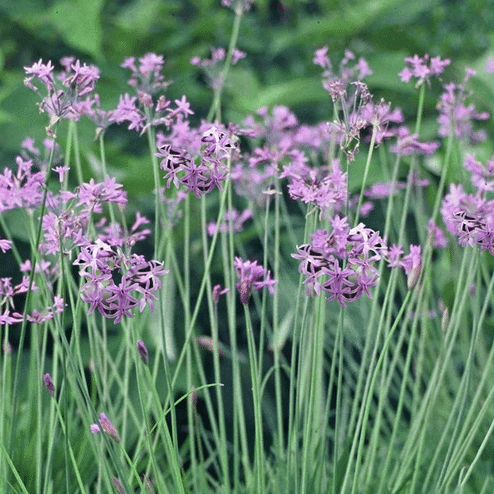
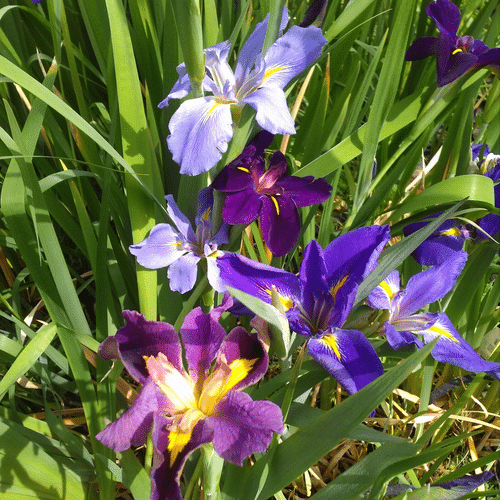
Miniature Bulrush — Miniature Bulrush gives a more upright reedmace outline and small brown cylindrical heads. It is a different choice for a sunny shallow position where a stronger vertical shape is wanted.
Cotton Grass — Cotton Grass produces conspicuous white cottony seed heads rather than these tiny pale tips. Compare its more acidic, wet-soil requirements before choosing by the white effect alone.







Reviews
There are no reviews yet.