





Watercress (Nasturtium officinale, syn. Rorippa nasturtium-aquaticum)
| Size | 1 Ltr, 1 Ltr – Pack of 3, 9cm – Pack of 3 |
|---|---|
| Plant Type | Marginal |
| Sun / Shade | Full Sun to Part Shade |
| Flower Colour | White |
| Growth Rate | Fast |
| Native to UK | Yes |
A native aquatic with green trailing stems and small white flowers. Give it a defined wet planting area and trim spreading growth. Do not eat watercress grown in a garden pond.
Price range: £14.00 through £34.00 (inc VAT)
Watercress (Nasturtium officinale, syn. Rorippa nasturtium-aquaticum)
Fast-spreading green stems and small white flowers for wet planting
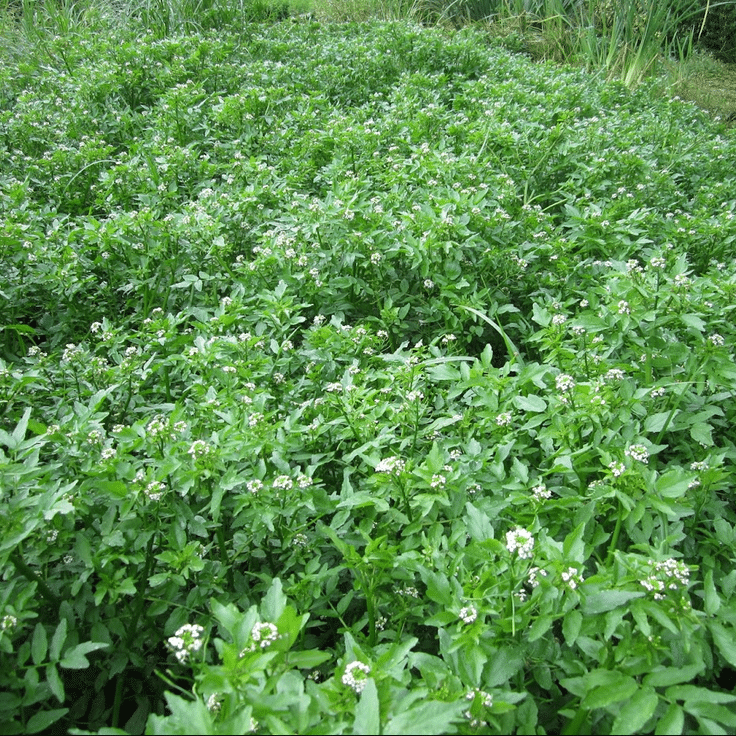
Watercress is a native aquatic perennial with oval green leaves and trailing stems that root as they spread. Nasturtium officinale is the accepted botanical name; Rorippa nasturtium-aquaticum is a familiar synonym in older pond plant lists. It can quickly make a patch of foliage at a wet pond edge or along a contained water feature.
Its speed is both useful and a maintenance consideration. Leave a defined area for growth and access to trim it back, rather than relying on a small basket to hold every rooting stem. Keep growth clear of pumps, outlets and other plants, particularly in a small pond where a dense mat could soon cover more water than intended.
Choose humus-rich wet soil or a root zone that stays reliably moist through summer, in sun or partial shade. Keep the leaves at or above the surface rather than placing the plant in deep water. Follow the supplied label when positioning the basket and allow for the height of its planting medium.
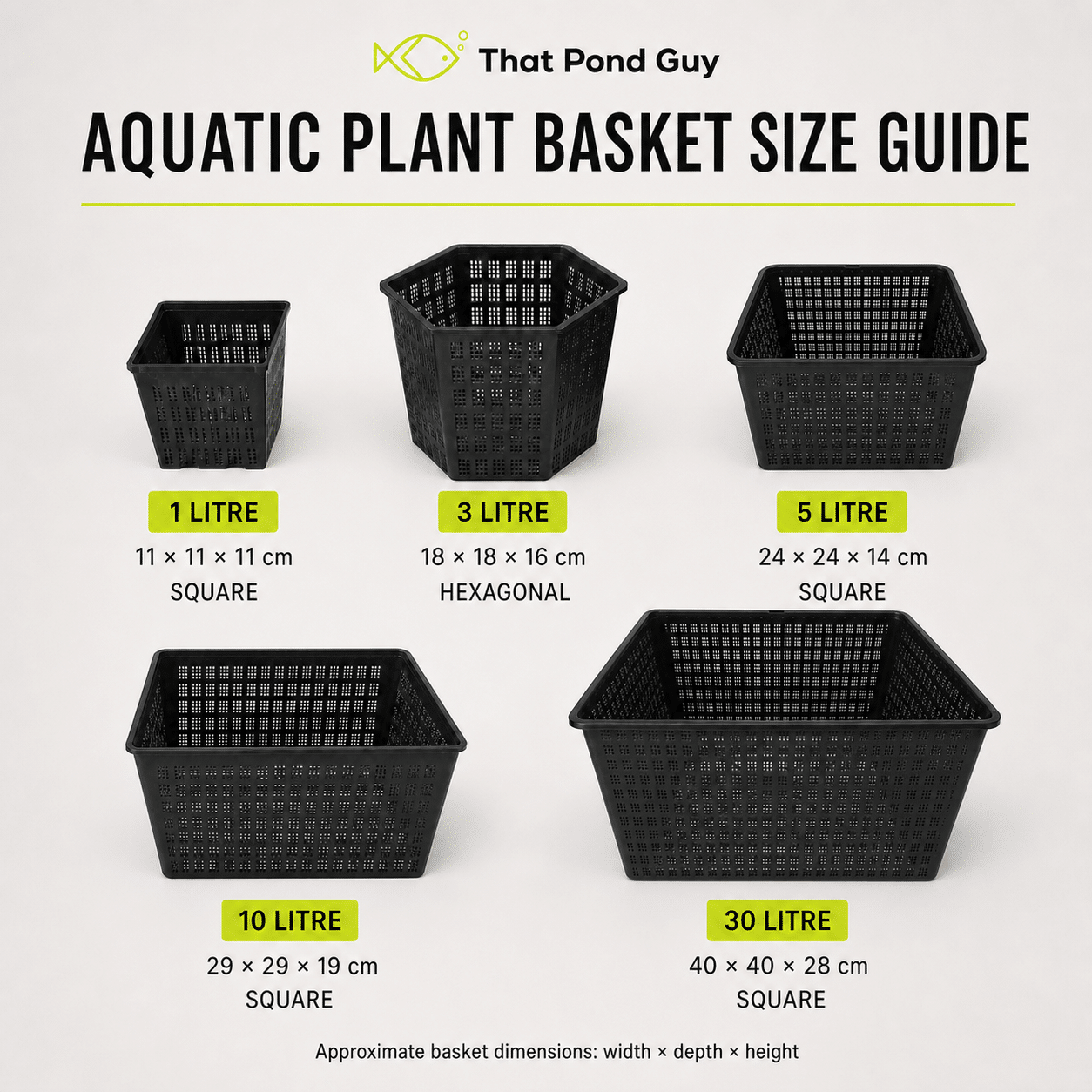
Small white flowers appear from late spring to midsummer. The plant is grown as much for its green, spreading foliage as for the flowers. Leave open water around the patch, keep the stems clear of equipment and manage it alongside the pond’s normal filtration and routine care.
Trim excess growth regularly and remove the cut material responsibly after checking it for pond animals. Rooted runners can be replanted in spring where required. Do not release spare pieces into streams or natural waterways, even though the species is native: the aim is a managed garden planting, not uncontrolled spread beyond the pond.
Watercress is a familiar food crop, but this listing is for ornamental pond planting. Do not eat watercress grown in a garden pond. Seasonal growth also varies: foliage can reduce or die back in winter, so the patch will not always have its summer appearance.
UK-grown plant. Grown at a dedicated aquatic plant nursery in the South of England.
What you receive
Choose a single 1 litre plant, a pack of three 1 litre plants or three 9cm plants using the options above. These are plants for ornamental pond planting; they are not supplied as a ready-to-eat crop.
Keep the roots wet while you prepare the planting. Watercress can grow quickly in the season, but an order in colder weather may have much less foliage than the mature photograph. The selected option determines the plant count and container size.
Is this right for your pond?
Watercress can make a fast-growing patch of green foliage at a wet edge. Choose it where trailing stems can be reached and trimmed before they cover more of the pond than intended.
- A managed wet edge: The stems can trail, float and root as they spread. Keep a defined planting area and inspect the edges regularly, especially around smaller plants.
- Access for trimming: Do not tuck a basket behind an inaccessible filter or waterfall outlet. A route for lifting stems and removing cut growth matters more than the small size of the original plant.
- Reliable moisture: The roots need wet, humus-rich soil or a suitable shallow wet planting. A dry garden border or a basket left above a falling water level will not provide that.
- Ornamental pond use: Do not eat watercress grown in a garden pond. A plant’s familiar food-crop name does not make leaves exposed to pond water, treatments or garden conditions suitable for the kitchen.
Planting position and getting established
Choose wet, humus-rich soil at the edge or a contained shallow position where the roots stay wet. Keep the leaves at or above the water surface rather than dropping a young basket into deep water. Sun or partial shade can suit it; the important first step is a reliable wet root zone.
Position the plant securely and follow its supplied label for any water cover over the basket. Check the height of the planted soil as well as the shelf depth. A container can make the original roots easier to lift, but trailing stems can root beyond it, so leave an accessible strip around the planting rather than filling every space.
Before planting, look at nearby pump intakes, outlets and the amount of open water you want to keep. Direct new growth into its intended area and check it as the season progresses. Lift unwanted rooted stems before they become tangled through several baskets, and remove cut material from the pond after inspecting it for small animals.
Looking after your plants
- Trim growing stems: Shorten excess trailing growth regularly to retain open water and access. Work carefully around rooted sections and remove the trimmings from the pond rather than allowing them to form a decaying mat.
- Replant rooted runners in spring: Healthy rooted runners can be used to renew or extend a managed patch in spring. Replant only where you want further growth and keep the roots wet during the work.
- Keep the root zone wet: Check small containers during warm weather or low pond levels. A plant temporarily lifted for maintenance should be kept moist and out of drying sun until it is returned to its appropriate position.
- Seasonal clean-up: Growth can reduce or die back in winter. Remove soft decaying stems selectively, retain the label and allow the next season’s shoots to develop without burying the crown under debris.
- Food and disposal: Do not eat watercress grown in a garden pond. Check removed stems for wildlife, then dispose of spare pieces responsibly; do not release rooted fragments into streams or natural waterways.
Size and growing conditions
- Botanical name
- Nasturtium officinale
- Familiar synonym
- Rorippa nasturtium-aquaticum
- Plant type
- Fast-growing aquatic perennial with trailing rooting stems
- Planting position
- Wet humus-rich edge or contained shallow planting
- Water position
- Roots wet, leaves at or above the surface; follow the supplied label
- Light
- Full sun or partial shade
- Height
- Around 20cm; trailing stems can extend over the water
- Spread
- An established patch may reach 0.5–1m and extend farther through rooted stems
- Flowers
- Small white flowers from late spring into midsummer
- Winter appearance
- Deciduous to semi-evergreen; growth varies with conditions
- Food safety
- Do not eat watercress grown in a garden pond
- Native status
- Native to Great Britain and Ireland
- RHS information
- RHS plant profile: Nasturtium officinale
Delivery and basket information
We do not deliver live plants to Northern Ireland.
Orders received by 11am Monday to Wednesday are normally dispatched on the following working day using a next working day courier service. During busy periods, dispatch may occasionally take an extra day.
To avoid plants being held in depots over a weekend, we do not usually dispatch on Fridays. Highlands and Islands orders using a two day service are not normally dispatched on Thursdays.
Please read our delivery information for delivery arrangements and contact us if you need to check the timing of a particular order.
The 9cm option arrives in nursery pots. For pond planting, pot these plants into suitable aquatic baskets with aquatic planting soil before positioning them at the depth shown on their labels.
Finofil baskets are made from 100% recycled polypropylene co-polymer. They are not suitable for ordinary kerbside recycling; reuse them where possible and check local specialist recycling options. Their fine mesh helps retain aquatic soil while allowing water to reach the roots.
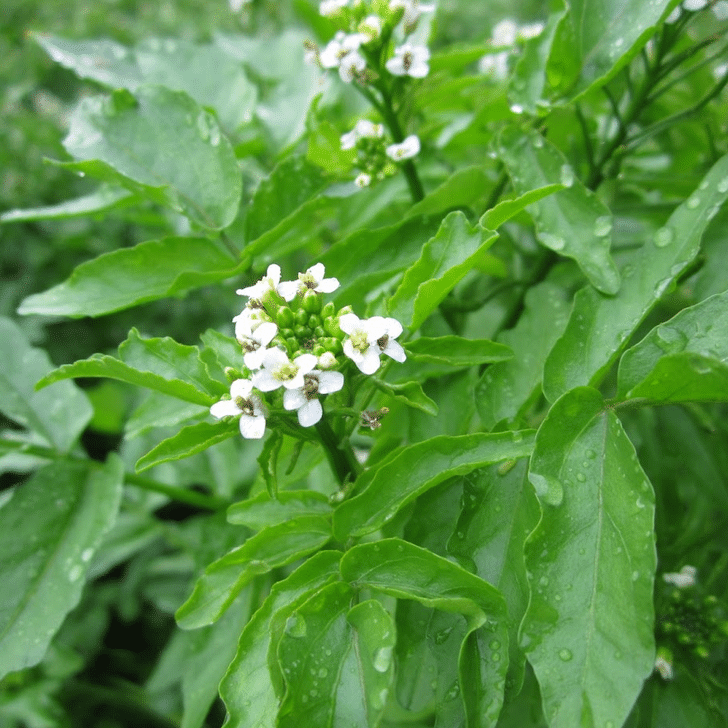
Basket measurements for the offered sizes:
- 1 Litre Basket – usually 11 × 11 × 11cm square; some varieties may be supplied in a 14cm diameter × 10cm round basket
Other plants to compare
Water Spearmint — Water Spearmint has narrow aromatic foliage and lilac flower whorls in a managed shallow position. It gives a different texture while still requiring checks on spreading growth.
White Chinese Marshflower — White Chinese Marshflower forms a low white-flowered mat in moist pondside soil above standing water. Choose it for the garden side of the edge rather than trailing aquatic stems.





Reviews
There are no reviews yet.