





Giant King Cup (Caltha palustris ‘Polypetala’)
| Size | 3 Ltr |
|---|---|
| Plant Type | Marginal |
| Sun / Shade | Full Sun to Part Shade |
| Flower Colour | Yellow |
| Growth Rate | Medium |
| Native to UK | No |
| Plant group |
Giant King Cup, supplied as Caltha palustris ‘Polypetala’, has large single yellow flowers and rounded green leaves. A substantial wet-edge marginal supplied in a 3-litre basket, with a nursery water-cover guide of 0–20 cm.
£26.50 (inc VAT)
Giant King Cup (Caltha palustris ‘Polypetala’)
Large golden-yellow flowers for a substantial pond-edge planting
Giant King Cup has bold, single yellow flowers above a clump of rounded green leaves. It gives a stronger outline at the pond edge than the ordinary marsh marigold, with broad foliage that remains part of the planting between flowers. The open, buttercup-like blooms are quite different from the tightly filled flowers of a double Caltha.
We supply it under the nursery name Caltha palustris ‘Polypetala’. The name is useful to keep with the plant, particularly when comparing different king cups and marsh marigolds. Choose this listing for its large single flowers and substantial marginal growth, rather than expecting a double-flowered form from the name alone.
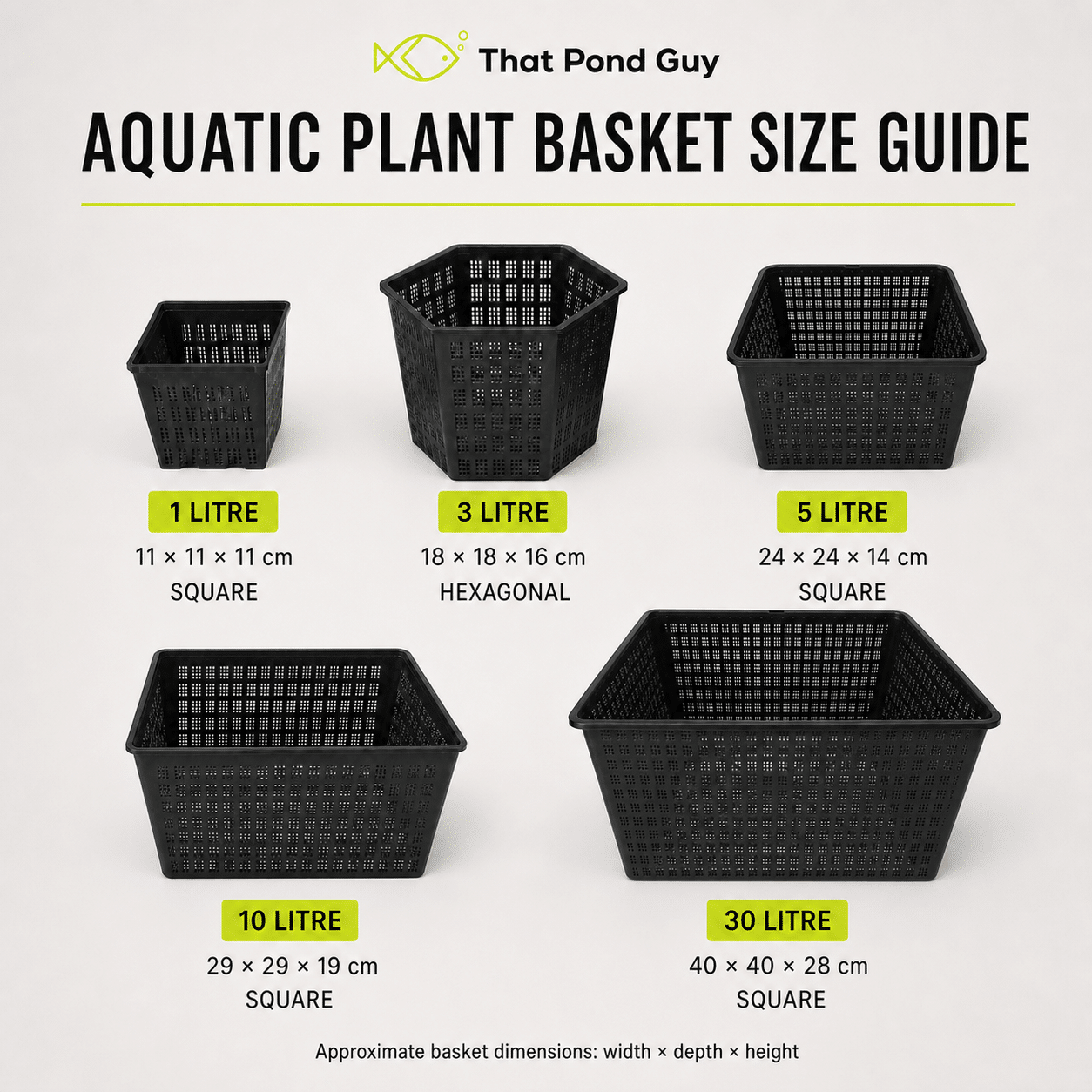
Allow for a height guide of about 60–100 cm and a planting roughly 80 cm across as it establishes, with room to adjust if it grows beyond that outline. These are garden-planning guides, not the size of a newly delivered plant. A 3-litre basket can sit neatly on a shelf while the mature leaves occupy much more space beside it.
The flowers bring early-season colour, mainly through spring and into early summer. Weather and growing conditions affect the start and length of the display, and an established plant may produce flowers outside its main season. Planting it alongside later-flowering marginals gives a more useful sequence of interest than relying on any one king cup to stay in flower.
Choose a wet pond margin, boggy ground or a shallow shelf. Our nursery growing guide is 0–20 cm of water over the top of the planted basket, in sun or partial shade. A damp border that becomes dry in summer is a different environment from a reliably wet pond edge. Keep the root area wet and check the actual cover above the basket before placing the plant.
The foliage can soften the edge and create low cover around the planting, but leave open water and access for pond care. Divide a crowded clump when necessary and remove spent or deteriorating growth without stripping healthy leaves. This is an ornamental plant, not a food crop: do not eat it, and use gloves when handling and dividing it.

What you receive
Your Giant King Cup is supplied planted in a 3-litre aquatic basket. The basket volume describes the container, not a guaranteed plant height, number of crowns or number of flowers. Check the live availability message when ordering, and allow the plant to develop according to its growing conditions.
Leaf size, stem length and the amount of top growth vary with the season. A resting plant can look much smaller than an established clump in flower. Keep the care label with it so its supplied growing position can be checked when it is planted or moved later.
Is Giant King Cup right for the position?
Choose a place where the roots will remain wet and the mature leaves have room to open. Its 60–100 cm height guide makes it a more substantial edge plant than a small creeping marginal. Leave a clear route to inspect the basket, divide the clump and reach equipment behind the planting.
It can be used on a suitable shallow pond shelf or in wet ground beside the water. The important distinction is reliable moisture at the roots. An ordinary border that dries out, or a deep shelf that submerges the whole young plant, will not provide the same starting conditions. If the shelf is too deep, use a safe broad support rather than forcing the basket onto the pond floor.
Planting on a shelf or in wet ground
For pond planting, measure the 0–20 cm water cover from the top of the planted basket to the surface. Basket height is part of the total shelf depth. A basket standing on a shelf therefore has less water above it than the distance from that shelf to the surface. Start new growth at a level suited to the supplied plant and follow its care label before increasing the cover.
Keep a settled planted basket intact when it goes into the pond. Place its whole base on a firm level shelf or support and lower it slowly so the medium is not washed out. If repotting is needed later, choose a suitable aquatic basket and growing medium, retaining the crown at its proper planting level rather than piling soil over the emerging growth.
In wet ground, plant at the existing soil level and firm gently around the rootball. Choose a position that remains wet through summer. Check the root area regularly through dry spells, particularly while new roots are growing beyond the supplied basket, and add water when needed.
Keeping the planting in good condition
- Moisture and feeding: Keep the root area reliably wet and check it during dry weather or falling pond levels. Use a suitable rich planting medium when repotting. If feeding a container plant, follow the instructions on an appropriate aquatic fertiliser and check what has already been incorporated, rather than adding repeated doses to the open water.
- After the flowers: Remove spent flowers and soft, deteriorating leaves where needed, while retaining healthy green growth. Do not cut the whole plant back simply because the first flowers have finished. Any later flowering depends on the plant and conditions and is not guaranteed by deadheading.
- Dividing a crowded clump: Check the crown and root space if growth is pressed against the basket or the planting has become awkward to manage. Lift and divide an established clump in early spring when required, keeping healthy growing portions and roots together. Replant promptly at the correct wet level; there is no need to disturb an uncrowded plant on a fixed annual timetable.
- Room around the edge: Keep neighbouring plants from hiding the crown and leave an open route for pond maintenance. Work in manageable sections and check removed growth for pond animals before taking it away.
- Handling safely: Do not eat the plant. Wear gloves when handling or dividing it and wash your hands afterwards. Keep removed material away from food preparation and from children or animals that may chew it.
Flowering, resting growth and winter care
Its principal display is in spring, with flowering sometimes extending into early summer or beyond in favourable conditions. An early or late season can change the timing, so a fixed April-to-July display should not be expected every year. Healthy foliage remains useful after the blooms, even when the plant is less conspicuous than it was in flower.
Giant King Cup is grown as a perennial pond-edge plant. As growth declines, remove soft dead material selectively and keep the root area wet. Do not empty or dry a container simply because little top growth is visible. Mark a wet-ground planting so it is not dug into while resting, and check the label when moving a recently supplied or divided plant. Fresh growth and the timing of the next display depend on the season and its position.
Plant details
- Nursery name
- Caltha palustris ‘Polypetala’ — Giant King Cup
- Flowers
- Large, single golden-yellow flowers; mainly spring into early summer
- Leaves
- Broad, rounded green foliage
- Height guide
- About 60–100 cm
- Spread guide
- Allow roughly 80 cm across and room to manage an expanding clump
- Position
- Reliably wet ground or a shallow pond shelf; sun or partial shade
- Water cover
- Nursery guide 0–20 cm above the top of the planted basket; follow the supplied label
- Supplied format
- One 3-litre planted aquatic basket
- Native status
- Nursery-grown ornamental line; not sold as native British wild stock
- Handling
- Ornamental; do not eat; wear gloves and wash hands after handling
- RHS information
- RHS general guide: choosing pond plants
Dispatch and supplied aquatic baskets
We cannot deliver live plants to Northern Ireland.
Orders received by 11am Monday to Wednesday are normally dispatched on the following working day using a next working day courier service. During busy periods, dispatch may occasionally take an extra day. Check the product’s current availability message before ordering.
To avoid plants being held in depots over a weekend, we do not usually dispatch on Fridays. Highlands and Islands orders using a two-day service are not normally dispatched on Thursdays.
Finofil baskets are made from 100% recycled polypropylene co-polymer. Their fine dual-mesh construction helps retain aquatic soil while letting water reach the roots. Reuse the basket where possible; these black baskets are not suitable for ordinary kerbside recycling, so check local specialist options when reuse is no longer possible. Basket shape can vary slightly with the plant and availability.
- 3-litre hexagonal basket
- 18 × 18 × 16 cm
Other pond-edge plants to compare
Marsh Marigold — The familiar native species has a smaller growing guide and spring yellow flowers, useful when this Giant King Cup’s outline would be too substantial.
Golden Club — For blue-green leaves and slender yellow-tipped flower spikes rather than open buttercup-like blooms; compare its own depth guidance.
Choosing plants and planting supplies
Caltha pond plants — Compare the different white, yellow, single and double flower forms before choosing a king cup.
Marginal pond plants — Choose neighbouring shelf plants by their eventual size, flowering season and water-cover requirements.
Pond plant baskets and planting supplies — Find a suitable basket and aquatic growing medium when an established clump needs more root room.



Reviews
There are no reviews yet.