





Sweet Galingale (Cyperus longus)
| Size | 1 Ltr, 1 Ltr – Pack of 3, 3 Ltr, 5 Ltr |
|---|---|
| Plant Type | Marginal |
| Sun / Shade | Full Sun to Part Shade |
| Flower Colour | Brown |
| Growth Rate | Fast |
| Native to UK | Yes |
| Plant group |
Sweet Galingale is a large native marginal with glossy arching leaves and a spreading root system. Choose roomy wet ground or an accessible container, allowing for mature size and autumn foliage care.
Price range: £14.00 through £45.00 (inc VAT)
Sweet Galingale (Cyperus longus)
A tall, spreading native sedge for roomy wet margins
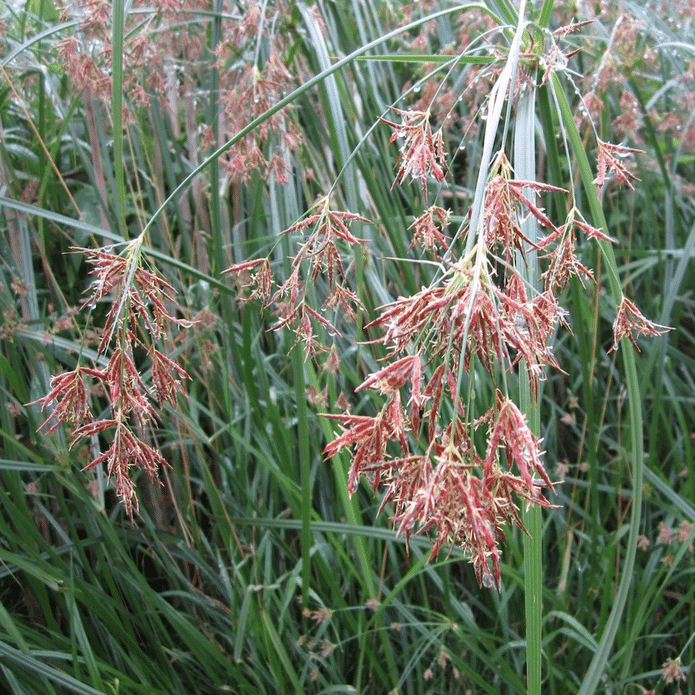
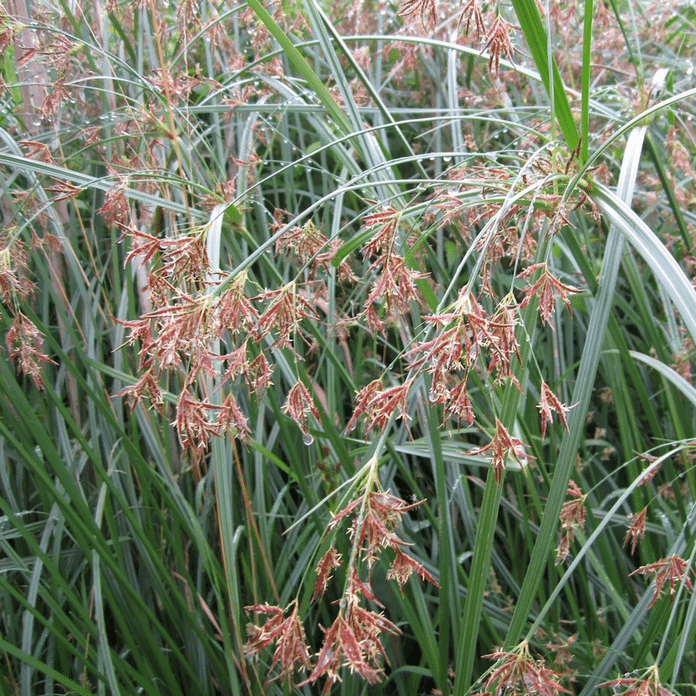
Sweet Galingale makes a taller, arching outline around a pond. Cyperus longus is a native sedge with narrow glossy leaves and upright stems carrying small olive-green to brown flower clusters in summer. Its foliage gives movement to a wet margin, particularly where there is enough room to appreciate the whole clump.
Room is the important part of the choice. This plant spreads by underground roots and can outgrow a confined planting area. The RHS gives both mature height and spread in the 1–1.5 metre range. It is better considered for a broader pond edge or a large managed container than assumed to be a small decorative accent.
Use moisture-retentive or boggy soil in sun or light shade. It can also grow as a marginal in water up to 30cm deep in the RHS guidance. That is water above the planted root zone, not the total depth of a shelf holding a tall basket. Follow the supplied planting label and keep the foliage above the surface.
A large container helps limit access to surrounding soil, but roots and new shoots still need checking. Leave a route to lift the basket or divide the clump. Planting it tightly between smaller marginals and hoping its native status will keep it in balance is likely to make future maintenance harder.
The flower clusters are a secondary feature to the green leaves. They add summer texture rather than a bold floral colour, and the evergreen to semi-evergreen foliage can retain some structure in mild conditions. Winter damage and old leaves still need tidying; older stems can brown while healthier foliage remains.
Trim old foliage above the waterline in autumn where it needs clearing, and divide established clumps when necessary. Wear gloves when handling the rough leaf edges. The plant adds physical cover and structure to a varied pond margin, with enough access left for inspecting the clump and carrying out normal pond maintenance.
UK-grown plant. Grown at a dedicated aquatic plant nursery in the South of England.

What you receive
Choose a single 1-litre, 3-litre or 5-litre plant, or a pack of three 1-litre plants. Sweet Galingale develops into a substantial clump, so select the quantity around the mature area available and access for future division.
The glossy foliage may remain partly green through winter, with older leaves weathering or dying back according to conditions. A delivered plant can be much smaller and less dense than an established clump. Summer flower clusters are secondary to the leaf display and are not expected on every delivery.
Is this right for your pond?
This is a large native foliage plant for roomy wet ground or a pond margin. Its rough-edged leaves and spreading roots need consideration before it is placed beside a narrow path or between small marginals.
- A substantial wet space: Allow around 1–1.5m in height and spread where conditions suit. Choose a broad margin or bog-garden area, not a tiny gap whose surrounding plants cannot cope with competition.
- Sun or light shade: Both work with moisture-retentive ground. Keep the leaves in enough light and leave a view of the arching clump rather than letting several large plants merge into an inaccessible mass.
- Root control: A large container can help manage its spreading roots. It still needs inspecting and dividing when crowded; container planting is a way to organise maintenance, not a permanent guarantee of compact growth.
- Access and handling: Leave room for safe access around the rough-edged foliage. Position it away from a tight route to filters or pumps so routine pond work does not require pushing through the leaves.
Planting position and getting established
Choose moisture-retentive, wet ground or an appropriate marginal basket position. Set the rootball at its existing level and firm it securely. In soil, water the planting area after planting; in an aquatic basket, use suitable aquatic medium and a stable shelf or support beneath the container.
The RHS allows marginal or bog culture in water up to about 30cm deep. Use the supplied label for the appropriate water cover of the actual plant, measuring above its planted basket level rather than to the pond floor. Keep a young plant accessible while it establishes instead of hiding it at the deepest available position.
Use a large, reachable container if controlling spread is important. Consider how it will be lifted when filled with roots and wet medium, and leave the route clear before surrounding plants grow. Give smaller neighbours room outside the likely clump boundary rather than planting them directly against the galingale’s base.
Looking after your plants
- Keeping roots wet: Check moisture during establishment and when the water level falls. An impressive leaf canopy can develop over a container that still needs its root conditions checking.
- Containment checks: Inspect the basket sides and the surrounding margin for extending roots or shoots. Remove unwanted growth early, before it becomes mixed through a smaller plant’s rootball.
- Autumn foliage tidy: Trim old foliage to just above water level in autumn, as recommended for this species. Select the old material and work carefully around any sound green growth and the crown.
- Division: Lift and divide established clumps when crowding or spread makes it necessary. Replant manageable healthy rooted sections into suitable wet conditions and maintain moisture while they settle.
- Handling and access: Wear gloves when working with the rough leaf edges. Keep cut foliage out of the water and clear of the path, and review the clump’s width so it does not gradually block pond maintenance access.
Size and growing conditions
- Botanical name
- Cyperus longus
- Common name
- Sweet Galingale
- Plant type
- Spreading sedge-like marginal perennial
- Leaves
- Glossy narrow green leaves with rough edges
- Flowers
- Olive-green to brown summer clusters
- Height
- Allow around 1–1.5m
- Spread
- Allow around 1–1.5m and manage extending roots
- Light
- Sun or light shade
- Soil
- Moisture-retentive wet soil
- Aquatic position
- Marginal water up to about 30cm, according to the supplied plant label
- Autumn care
- Trim old foliage just above water level
- Winter foliage
- Evergreen to semi-evergreen appearance, depending on conditions
- Native status
- Native to Britain and Ireland
- RHS information
- RHS plant profile: Cyperus longus
Delivery and basket information
We do not deliver live plants to Northern Ireland.
Orders received by 11am Monday to Wednesday are normally dispatched on the following working day using a next working day courier service. During busy periods, dispatch may occasionally take an extra day.
To avoid plants being held in depots over a weekend, we do not usually dispatch on Fridays. Highlands and Islands orders using a two day service are not normally dispatched on Thursdays.
Please read our delivery information for delivery arrangements and contact us if you need to check the timing of a particular order.
Finofil baskets are made from 100% recycled polypropylene co-polymer. They are not suitable for ordinary kerbside recycling; reuse them where possible and check local specialist recycling options. Their fine mesh helps retain aquatic soil while allowing water to reach the roots.
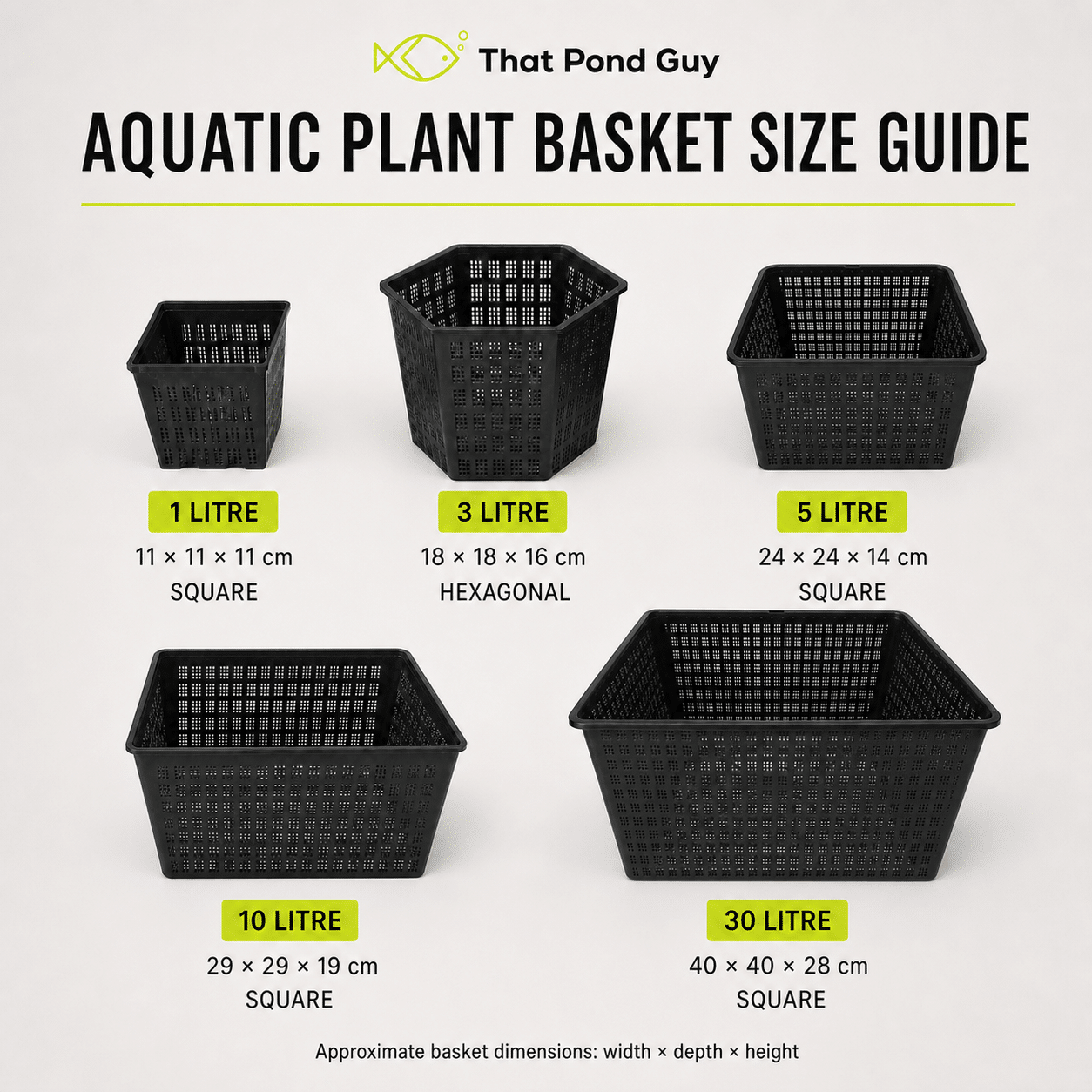
Basket measurements for the offered sizes:
- 1 Litre Basket – usually 11 × 11 × 11cm square; some varieties may be supplied in a 14cm diameter × 10cm round basket
- 3 Litre Hexagonal Basket – 18 × 18 × 16cm
- 5 Litre Square Basket – 24 × 24 × 14cm
Other plants to compare
Umbrella Palm — Umbrella Palm gives distinct umbrella-like leaf whorls and needs a more sheltered container approach with winter protection. Compare the appearance and cold-weather requirements rather than assuming all Cyperus behave alike.
Soft Rush — Soft Rush gives rounded upright green stems instead of arching rough-edged leaves. It is another native wet-ground structural plant, with its own soil preference and very shallow position.







Reviews
There are no reviews yet.