





Obedient Plant (Physostegia virginiana)
| Size | 1 Ltr, 1 Ltr – Pack of 3 |
|---|---|
| Plant Type | Marginal |
| Sun / Shade | Full Sun to Part Shade |
| Flower Colour | Pink |
| Growth Rate | Slow |
| Native to UK | No |
Obedient Plant is a moist-soil border perennial with upright pink-purple flower spikes from midsummer. Plant it beside the pond with the crown above standing water, allowing room for the developing clump.
Price range: £14.00 through £34.50 (inc VAT)
Obedient Plant (Physostegia virginiana)
Upright pink flower spikes for a reliably moist border
Obedient Plant is a flowering perennial for moist soil beside a pond, rather than a plant to sink onto a deep shelf. Its upright spikes of pink to purplish flowers give a border height in the second half of summer, when some of the earlier pondside flowers have finished.
The blooms are arranged on square stems above pairs of narrow, toothed green leaves. Their individual tubular shape is worth a closer look from a path or seating area. The familiar common name refers to flowers that can remain in a moved position on their stalks; it does not promise obedient roots.
This distinction matters when choosing a place for it. Physostegia can extend from its original clump, so allow space and check the edge of the planting each year. A small group can create a line of flower spikes, but it should not be squeezed between plants that need a clear, undisturbed crown.
Choose fertile, reliably moist soil in sun or partial shade. Plant it at its normal soil level, with drainage that suits the root system and the crown above standing water. A damp border beside the pond provides different conditions from a basket lowered onto a flooded shelf.
Plan for stems approaching a metre in a suitable position, with an initial clump allowance around half a metre. These are growing dimensions, not the size of a new plant. Keep the taller stems where they add a backdrop without hiding lower flowers or making access to the pond awkward.
The species comes from North America and is not a British native. It is a hardy herbaceous perennial, with old stems cut back in winter and fresh growth returning seasonally. It offers a useful late-season flower shape for damp garden planting, provided the site is chosen for its border-plant needs.
UK-grown plant. Grown at a dedicated aquatic plant nursery in the South of England.

What you receive
This product has a single 1-litre option and a pack of three 1-litre plants. Choose the number of planting positions you need, leaving room for each clump to expand in the border. The growing container is a supply format; this species belongs in moist soil rather than beneath pond water.
Obedient Plant is herbaceous and loses its top growth seasonally. Plants may arrive before their flowering stems develop or with much less visible growth in the resting season. Keep the planting position marked so that a quiet winter crown is not disturbed while preparing the border.
Is this right for your pondside border?
Use Obedient Plant to extend the flower display in the damp garden around the pond. It is a border perennial, and its inclusion in a pond-plant range should not lead to planting its crown under water.
- Moist soil with drainage: Choose fertile ground that stays reliably moist while allowing water to drain. A wet border beside the pond is a different environment from a permanently submerged planting shelf.
- A summer flower layer: Pink to purplish tubular flowers appear from midsummer towards early autumn. They are useful where the earlier iris display has finished and the border needs another upright flowering shape.
- Light and shelter: Sun or partial shade suits it. Use a sheltered planting position where the upright stems can develop without being squeezed between taller plants or repeatedly knocked along a narrow path.
- Space to expand: Allow roughly 50–100cm of height and room for the developing root system. Keep a gap around young plants so you can inspect their base and divide a crowded clump later.
Planting in moist soil beside the pond
Select a border position outside the permanent waterline. Prepare fertile, moisture-retentive soil and plant at the level of the existing rootball, with the crown above standing water. Firm gently and water well so that the original potting medium and surrounding soil are both moist.
A supplied basket or pot does not change the plant’s soil requirements. If planting it into the ground, remove the appropriate nursery container as you would for a border perennial, keeping the rootball together. There is no useful centimetres-of-water figure to set for this species: this is soil planting, not a basket to lower into the pond.
Leave room around the planting for its flowering stems and future division. Check moisture during dry weather while roots establish, particularly in a raised or sloping bed beside a lined pond. The water in the pond cannot keep separate garden soil damp, so plan how you will water the border before choosing the site.
Looking after Obedient Plant
- Establishment: Keep the rootball and surrounding soil reliably moist while roots grow into the border. Check a newly planted clump during warm or windy weather rather than assuming a nearby pond supplies its water.
- Flowering stems: Retain healthy stems through the summer display and remove damaged material when necessary. Keep neighbouring plants from leaning across the flower spikes so that light and access remain around the clump.
- Winter tidy: Cut back old stems in winter. Work around the crown carefully, particularly if new shoots are already visible, and keep the position marked while there is little top growth to show where the plant is.
- Dividing: Divide established clumps in early spring when crowding makes it necessary. Retain healthy rooted sections and water them after replanting; division should create manageable plants rather than leave roots drying on the border.
- Fresh growth: Inspect emerging shoots for slugs and snails. If growth is damaged, look closely around the base and nearby cover before deciding the plant has failed or needs extra fertiliser.
Size and growing conditions
- Botanical name
- Physostegia virginiana
- Plant type
- Herbaceous border perennial
- Flowers
- Pink to purplish tubular flowers on upright spikes
- Flowering
- Midsummer into early autumn
- Leaves and stems
- Toothed, lance-shaped leaves on square stems
- Mature height
- Around 50–100cm
- Spread
- Allow room for an extending clump; divide when crowded
- Light
- Sun or partial shade
- Soil
- Fertile, reliably moist soil with drainage
- Crown position
- At normal soil level, above standing pond water
- Winter habit
- Deciduous; cut back old stems in winter
- Native status
- North American species; not native to Britain
- RHS information
- RHS plant profile: Physostegia virginiana
Delivery and basket information
We do not deliver live plants to Northern Ireland.
Orders received by 11am Monday to Wednesday are normally dispatched on the following working day using a next working day courier service. During busy periods, dispatch may occasionally take an extra day.
To avoid plants being held in depots over a weekend, we do not usually dispatch on Fridays. Highlands and Islands orders using a two day service are not normally dispatched on Thursdays.
Please read our delivery information for delivery arrangements and contact us if you need to check the timing of a particular order.
Finofil baskets are made from 100% recycled polypropylene co-polymer. They are not suitable for ordinary kerbside recycling; reuse them where possible and check local specialist recycling options. Their fine mesh helps retain aquatic soil while allowing water to reach the roots.
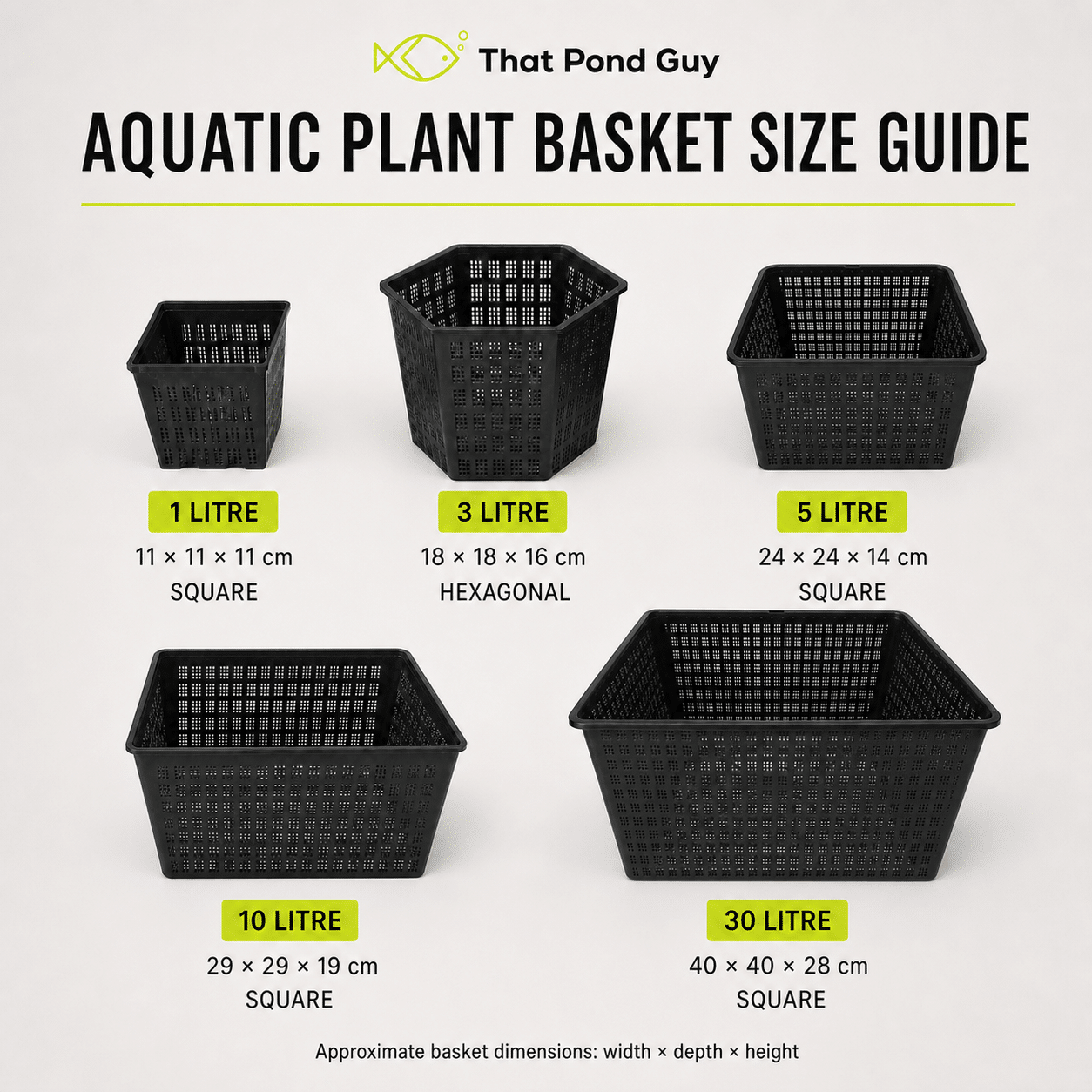
Basket measurements for the offered sizes:
- 1 Litre Basket – usually 11 × 11 × 11cm square; some varieties may be supplied in a 14cm diameter × 10cm round basket
Other plants to compare
Marsh Woundwort — Marsh Woundwort is a native choice for wetter ground, with pink-purple hooded flowers and hairy leaves. Compare it when a damp, more informal patch suits the site and you can manage its spreading roots.
Orange Peel Plant — Orange Peel Plant is lower and carries a white display over aromatic green foliage. Its vigorous underground spread needs managing, and its shallow-margin possibilities differ from the soil-only position needed here.






Reviews
There are no reviews yet.