





Water Shamrock (Marsilea quadrifolia)
| Size | 1 Ltr, 1 Ltr – Pack of 3, 9cm – Pack of 3, 2 Ltr |
|---|---|
| Plant Type | Oxygenator |
| Sun / Shade | Full Sun to Part Shade |
| Growth Rate | Medium |
| Native to UK | No |
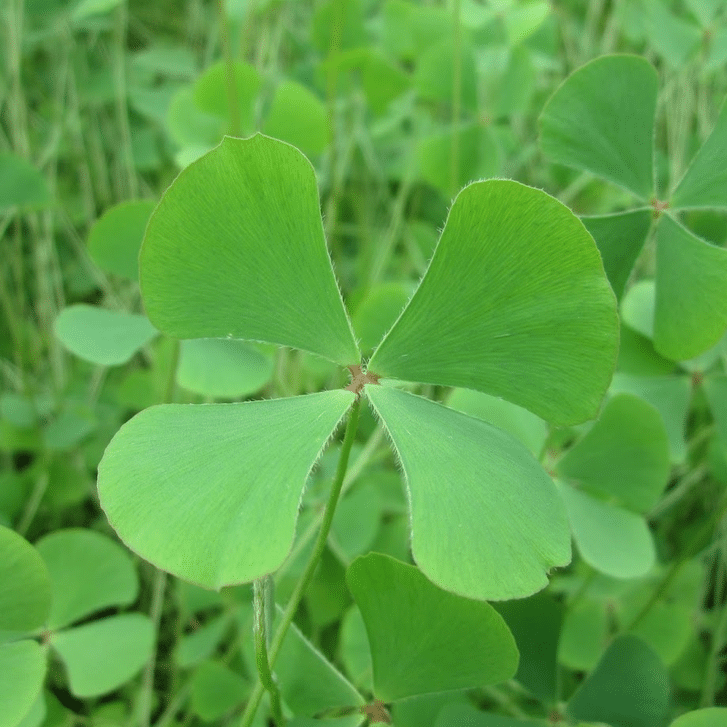
Water Shamrock has leaves divided into four fan-shaped parts, giving them a clover-like outline. Despite that familiar appearance, Marsilea quadrifolia is a fern, not a flowering shamrock. Its interest comes from the foliage and the way the leaves spread across or rise above a wet planting.
Price range: £14.00 through £34.00 (inc VAT)
Water Shamrock (Marsilea quadrifolia)
Four-part leaves on a creeping aquatic fern
Water Shamrock has leaves divided into four fan-shaped parts, giving them a clover-like outline. Despite that familiar appearance, Marsilea quadrifolia is a fern, not a flowering shamrock. Its interest comes from the foliage and the way the leaves spread across or rise above a wet planting.
A creeping rhizome connects the growth and can form a mat. It is useful to allow a defined area for that habit rather than pushing it between plants that will soon crowd it. Tiny spore-bearing structures replace the familiar flowers and seeds of many pondside perennials.
Plant Water Shamrock in a muddy margin or an aquatic basket in shallow water. RHS recommends muddy margins or lattice baskets of loamy aquatic soil in no more than 15 cm of water. This is a shallow planting instruction, not a reason to lower the fern to the same depth as a large waterlily.
Choose this plant for the way it grows in the position described here. Not every leaf grows underwater, and the plant does not replace aeration. Match the planting to the pond and leave room for other plants rather than relying on one species to do everything.
Water Shamrock is a hardy deciduous fern, so its clover-like leaves reduce outside the main growing season. The rhizomes remain the basis of the planting even when less foliage is visible. Keep them in the appropriate wet position and remove soft, dead material carefully, leaving room for new leaves instead of treating winter leaf loss as a reason to replace the plant.
Keep spreading stems and leaves clear of pump intakes and retain access for pond care. Thin growth in manageable portions if it starts to crowd its neighbours, checking removed material for pond animals. Keep all surplus within responsible garden disposal and never introduce purchased plants or fragments into a natural pond, stream or ditch.
UK-grown plant. Grown at a dedicated aquatic plant nursery in the South of England.
What you receive
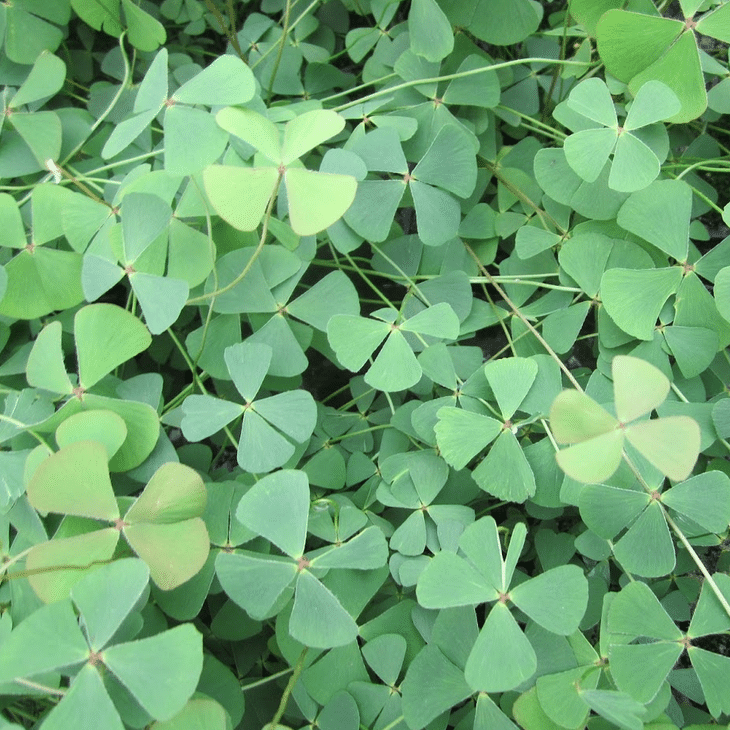
We supply Water Shamrock in the format you select: 2-litre, 1-litre, 1-litre – pack of 3 and 9 cm – pack of 3. Litre sizes describe the starting planted container, not a guaranteed number of fronds or shoots. The 9 cm pack contains three nursery-pot plants; transfer these into suitable aquatic baskets before pond placement.
Unpack promptly and keep the living growth wet while preparing its position. The amount of visible growth changes with the season, so a newly supplied plant may look smaller than an established planting in the photograph. Introduce it as described below rather than leaving it to dry in the packaging.
Is Water Shamrock right for your pond?
Water Shamrock is a small aquatic fern with four-part clover-like leaves, not a flowering shamrock. Allow around 0.5–1 m of spread and a sunny shallow position. It is useful for leaf shape rather than flowers, and its creeping rhizome needs a defined area where you can reach the edge of the mat.
Positioning and getting established
Use muddy pond-margin substrate or an aquatic basket in shallow water. The RHS profile allows no more than around 15 cm of water above the planted soil or growing point. Keep the rhizome correctly positioned and do not use a deep-pond floor merely because the leaves are sometimes seen floating.
Use appropriate aquatic planting medium and keep the roots or rhizome at the correct level, leaving the growing point clear. Lower the planted basket slowly so that loose medium stays contained, and support its whole base on a stable shelf or planting stand.
Choose a position you can reach for inspection and thinning, with space between the plant and equipment. Watch the light that actually reaches the leaves as other planting grows. A sunny garden can still have a shaded underwater position beneath a dense raft of lilies or floating plants.
Practical care and growth management
- Keeping the right position: Check the planting after introduction and after other plants fill out. Keep live growth appropriately wet, avoid crushing shoots while moving nearby baskets and maintain access to the planted area. Review its true light and water position if new growth is poor.
- Managing this plant: Check the creeping rhizome as the leaf patch expands and thin or divide unwanted growth where necessary. Keep the healthy remaining growth securely rooted. Do not look for flowers or apply flowering-plant remedies to the small spore-bearing structures that a fern produces instead.
- Medium and feeding: Use suitable medium for a rooted planting and follow the plant’s own guidance before adding feed. Apply any aquatic fertiliser within the medium as its label directs; do not scatter it into open pond water. Poor light, unsuitable depth or a loose planting are not corrected by extra feed.
- Tidying without spreading it: Remove soft decaying material and collect loose stems, roots or leaves rather than allowing them to drift into equipment. Check removed growth for pondlife before disposal. Keep nursery plants, fragments and pond waste within managed garden arrangements and out of natural ponds, streams and drains.
Seasonal appearance and winter care
Water Shamrock is deciduous and can lose its leaves seasonally. Keep the rhizome appropriately wet and protected in its shallow planting position, remove soft decay and look for renewed fronds when conditions warm rather than expecting summer leaf cover through winter.
Size and growing conditions
- Position
- Muddy pond margin or aquatic basket in shallow water
- Depth
- no more than 15 cm water
- Reference point
- Water above the planted soil or growing point, excluding the height of the container.
- Sun
- Full sun
- Height
- Clover-like leaves close to the water surface; position responds to water depth
- Spread
- 0.5–1 m
- Flowering
- Fern: no flowers
- Winter care
- Deciduous hardy fern; foliage reduces seasonally.
- Native status
- Not native to Britain or Ireland
- RHS information
- RHS plant profile: Marsilea quadrifolia
Delivery and basket information
We do not deliver live plants to Northern Ireland.
Orders received by 11am Monday to Wednesday are normally dispatched on the following working day using a next working day courier service. During busy periods, dispatch may occasionally take an extra day.
To avoid plants being held in depots over a weekend, we do not usually dispatch on Fridays. Highlands and Islands orders using a 2 day service are not normally dispatched on Thursdays.
Please read our delivery information for delivery arrangements and contact us if you need to check the timing of a particular order.
The 9cm option arrives in nursery pots. For pond planting, pot these plants into suitable aquatic baskets with aquatic planting soil before positioning them at the depth shown on their labels.
Finofil baskets are made from 100% recycled polypropylene co-polymer. They are not suitable for ordinary kerbside recycling; reuse them where possible and check local specialist recycling options.
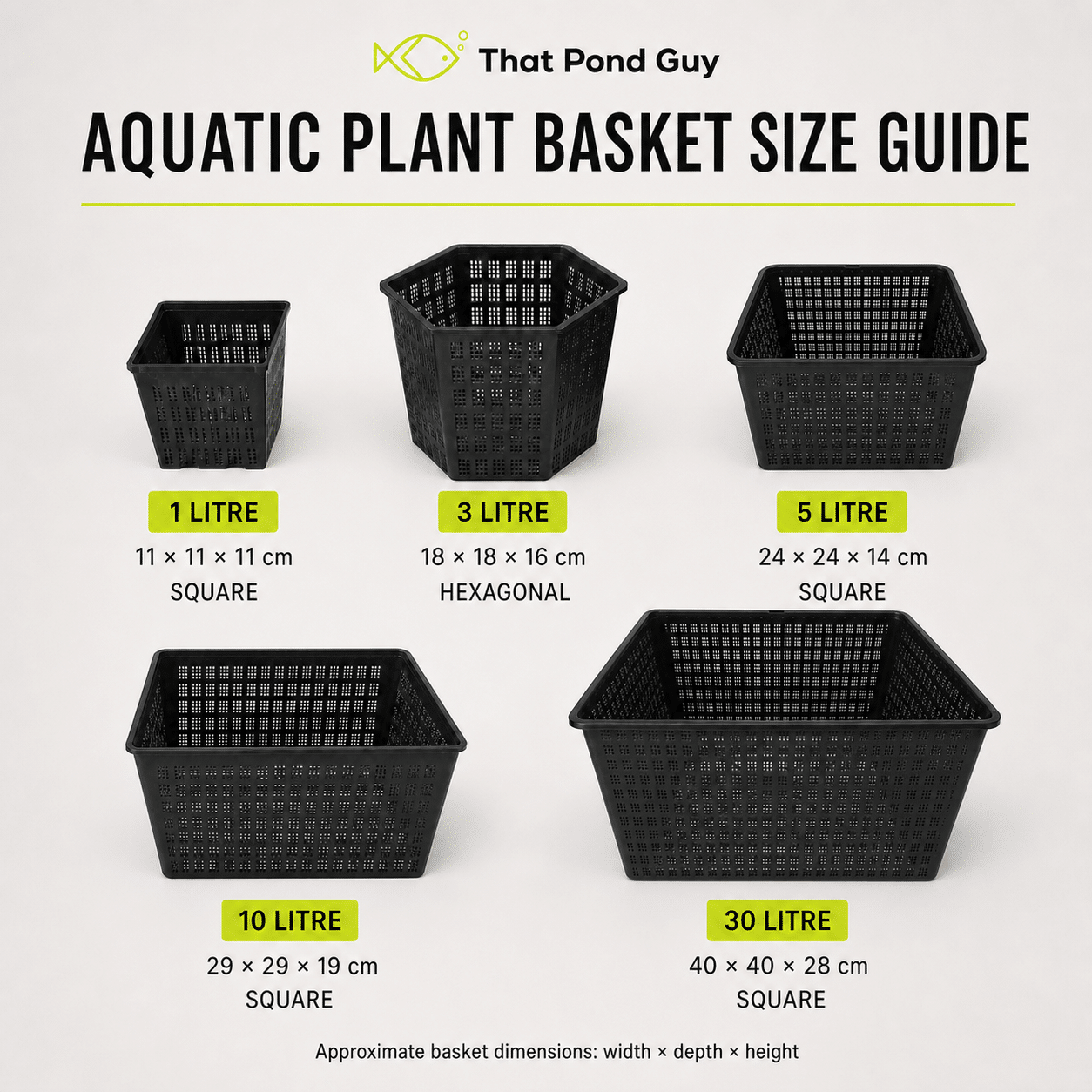
Basket measurements for the offered sizes:
- 1 Litre Basket, usually 11 × 11 × 11cm square; some varieties may be supplied in a 14cm diameter × 10cm round basket
- 2 Litre Basket, usually 17cm diameter × 13cm round or 19 × 19 × 9cm square, depending on the plant
Other plants to compare
Dwarf Hairgrass — For narrow sedge-like shoots rather than clover-shaped fern leaves.
Pillwort — For another small native wetland fern with fine cylindrical fronds and a wet-margin position.
More help with underwater planting
oxygenating pond plants guide — Explains the different planted, weighted, attached and rootless formats, depth choices and responsible thinning.







Reviews
There are no reviews yet.