





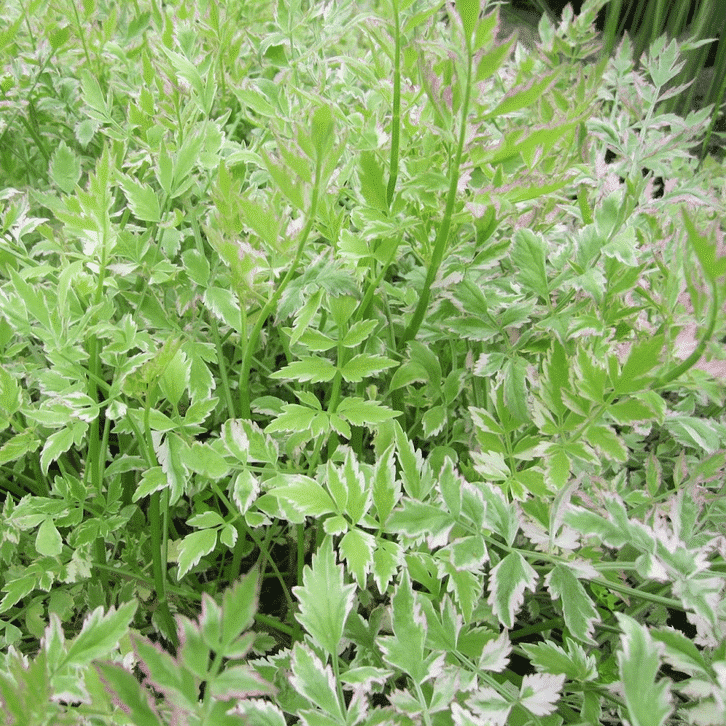
Variegated Water Dropwort (Oenanthe javanica ‘Flamingo’)
| Size | 1 Ltr, 1 Ltr – Pack of 3, 3 Ltr, 9cm – Pack of 3 |
|---|---|
| Plant Type | Marginal |
| Sun / Shade | Full Sun to Part Shade |
| Flower Colour | White |
| Growth Rate | Fast |
| Native to UK | No |
Variegated Water Dropwort ‘Flamingo’ has cream-and-pink divided foliage for moist soil or a shallow margin. Give it light, shelter and room to spread, with access for late-spring division.
Price range: £14.00 through £34.00 (inc VAT)
Variegated Water Dropwort (Oenanthe javanica ‘Flamingo’)
Pink, cream and green foliage for a sheltered wet edge
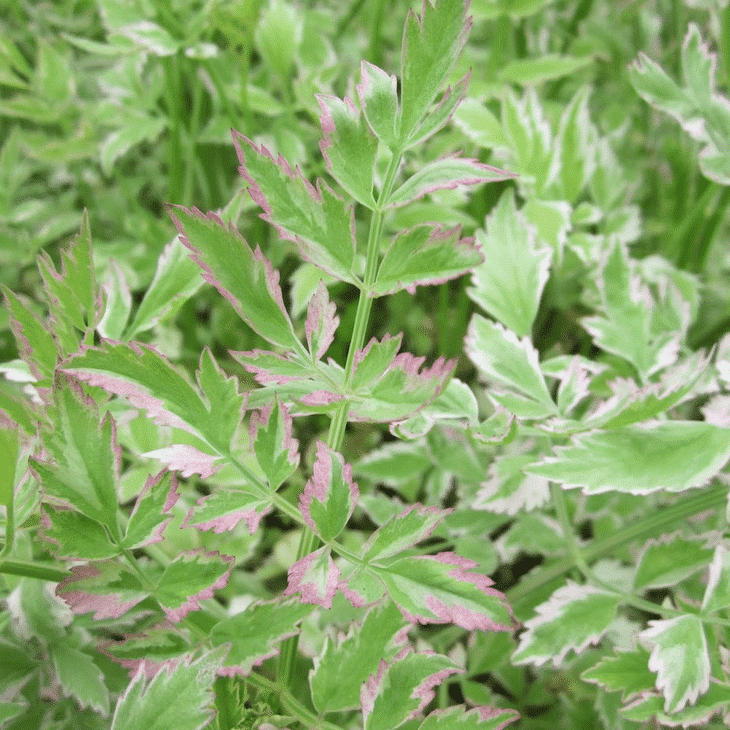
Variegated Water Dropwort is chosen for its leaves as much as its flowers. Oenanthe javanica ‘Flamingo’ has divided grey-green foliage edged with cream and flushed pink. The mix changes as the leaves develop, giving a different texture from the broad blades of an iris or the upright stems of a rush.
It forms spreading ground cover in suitable damp conditions, so leave room for it to move beyond the small pot in which it starts. The RHS gives a mature spread of 0.5–1 metre. It can soften an edge, but should not be treated as a fixed little clump that will politely stay between two slower-growing neighbours.
Use moist soil in a sheltered sunny or partly shaded position. The cultivar can also grow as a marginal in up to 10cm of water according to the RHS. Measure that water above the planted soil surface, with the foliage in the air. Shelter from cold drying winds is part of the siting advice, not an optional extra for every exposed garden.
Sun helps bring out the leaf colour, although partial shade is useful where surrounding soil would otherwise dry too quickly. Do not chase brighter foliage by letting the roots become parched. The plant can tolerate somewhat drier soil in shade, but a reliably moist root zone is the sensible starting point for a pondside planting.
Small white flowers appear in late summer, above foliage generally less than half a metre tall. They are an additional seasonal feature above the variegated leaves. Remove or trim excessive growth when necessary and divide in late spring as new growth begins, keeping sound divisions moist during the job.
This cultivar is deciduous, so winter loss of leaves is normal. It is not a British native, and we sell it for ornamental planting. Do not use this listing as a foraging guide or infer that other plants called water dropwort are interchangeable: related species can be dangerously different and exact identification matters.
UK-grown plant. Grown at a dedicated aquatic plant nursery in the South of England.
What you receive
Choose a 1-litre or 3-litre plant, a pack of three 1-litre plants or a pack of three 9cm pots. Leave space for a spreading low patch so the variegated leaves can be seen rather than covering each other immediately.
The amount and colouring of foliage change with seasonal growth and light. A plant may arrive without its full pink-and-cream display or white summer flowers, and resting growth can be much reduced. The photograph shows the character of established foliage, not a fixed colour pattern on every delivered leaf.
Is this right for your pond?
Flamingo is chosen chiefly for its divided leaves with cream and pink variegation. It can brighten a damp edge, but it is still a spreading plant and needs a position where stems and roots can be reached.
- Moisture: Use moist soil, a bog-garden edge or a suitably shallow aquatic position. Do not let a recently planted rootball dry out while waiting for surrounding stems to fill the space.
- Leaf colour: Sun gives the strongest leaf colour, with partial shade also suitable. Keep taller neighbours from leaning over the variegated leaves if their colour is the main reason for the planting.
- Shelter: Choose shelter from cold, drying winds. A small exposed patio container can require more attention than a protected damp bed beside a larger pond.
- Room to spread: Allow roughly 50–100cm of potential spread and inspect the boundary. Its low height does not mean the plant will stay within the outline of its nursery pot.
Planting position and getting established
Prepare moist soil and set the rootball at its existing level. Firm gently and water the surrounding ground. Position it where the divided variegated leaves have light and can be inspected, leaving space from the bases of small, slow-growing neighbours.
For aquatic planting, use an appropriate basket and growing medium and keep the margin shallow. Use up to 10cm of water cover; follow the label with the plant and measure above the planted basket level, including basket height separately when assessing a shelf. Keep foliage clear of the surface.
If using a 9cm nursery plant in the pond, repot it first into a suitable aquatic basket. In a border, plant it into prepared damp ground instead. Choose shelter at the outset and leave a route to lift or reduce an established patch rather than tucking it behind inaccessible edging.
Looking after your plants
- Moist roots: Keep the root area moist during establishment and check containers in dry or windy weather. A sheltered position reduces exposure, but it does not remove the need to check actual rootball moisture.
- Excess growth: Cut back excess stems as necessary to keep the patch within its space. Inspect rooted growth outside the planned boundary instead of repeatedly trimming only the visible leaves.
- Late-spring division: Divide in late spring as growth begins when needed. Retain healthy rooted sections and settle them into suitable moist conditions, keeping roots damp while the work is done.
- Fresh foliage: Check young growth if slugs, snails or aphids cause visible damage. Keeping the base accessible makes it easier to identify the cause before a low plant loses much of its new foliage.
- Winter appearance: Expect top growth to reduce or die back seasonally. Keep the planting position known and maintain its appropriate root conditions, then assess the new growth as warmth returns.
Size and growing conditions
- Botanical name
- Oenanthe javanica ‘Flamingo’
- Plant type
- Spreading marginal/bog-garden perennial
- Foliage
- Divided green leaves with cream and pink variegation
- Flowers
- Small white late-summer flowers
- Height
- Generally within 10–50cm
- Spread
- Allow around 50–100cm
- Light
- Sun or partial shade; best leaf colour in sun
- Exposure
- Shelter from cold, drying winds
- Soil
- Moist soil or suitable shallow marginal culture
- Water cover
- Up to about 10cm over the planted basket level, subject to the supplied label
- Division
- Late spring as growth begins
- Winter habit
- Deciduous
- Native status
- Non-native cultivated selection
- RHS information
- RHS plant profile: Oenanthe javanica 'Flamingo'
Delivery and basket information
We do not deliver live plants to Northern Ireland.
Orders received by 11am Monday to Wednesday are normally dispatched on the following working day using a next working day courier service. During busy periods, dispatch may occasionally take an extra day.
To avoid plants being held in depots over a weekend, we do not usually dispatch on Fridays. Highlands and Islands orders using a two day service are not normally dispatched on Thursdays.
Please read our delivery information for delivery arrangements and contact us if you need to check the timing of a particular order.
The 9cm option arrives in nursery pots. For pond planting, pot these plants into suitable aquatic baskets with aquatic planting soil before positioning them at the depth shown on their labels.
Finofil baskets are made from 100% recycled polypropylene co-polymer. They are not suitable for ordinary kerbside recycling; reuse them where possible and check local specialist recycling options. Their fine mesh helps retain aquatic soil while allowing water to reach the roots.
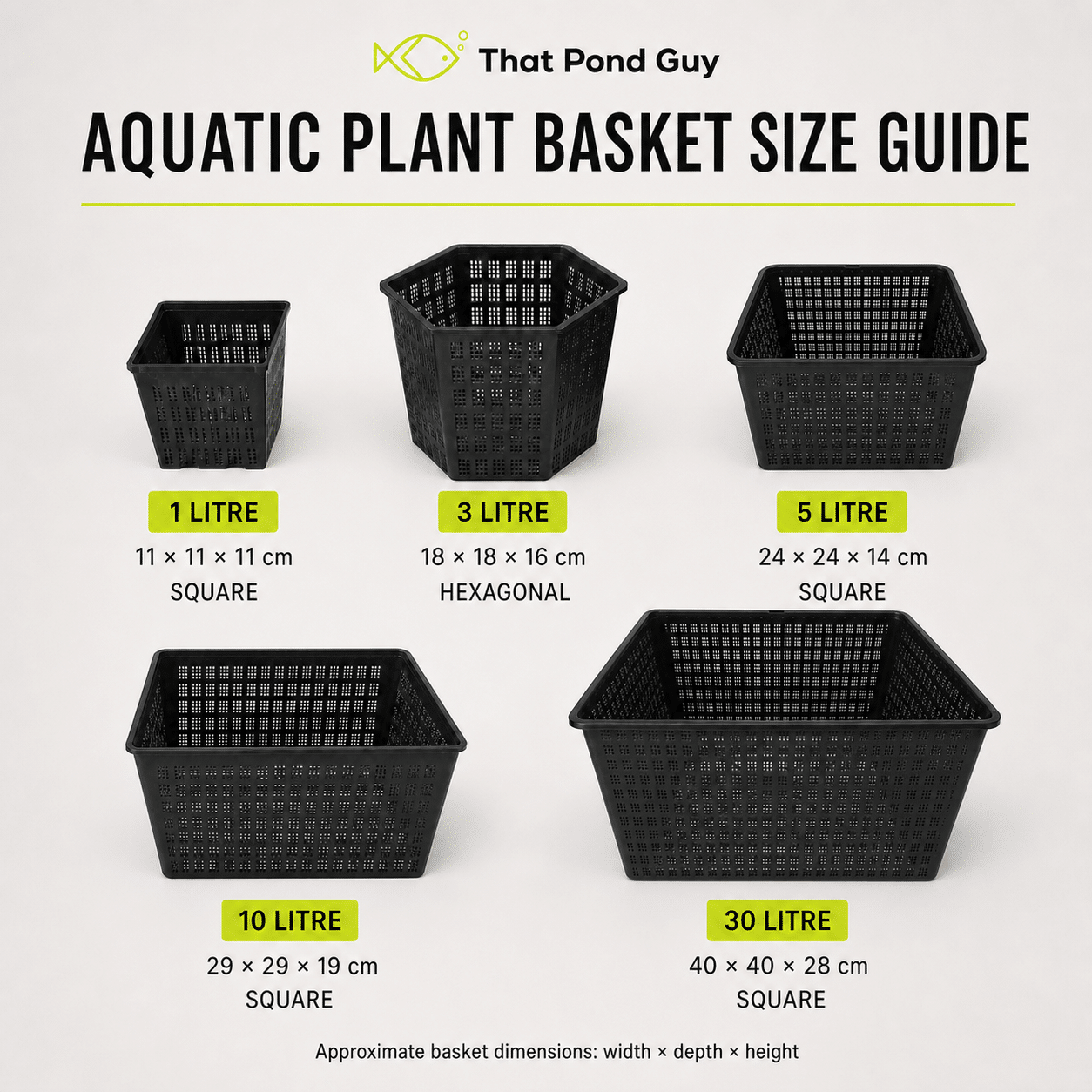
Basket measurements for the offered sizes:
- 1 Litre Basket – usually 11 × 11 × 11cm square; some varieties may be supplied in a 14cm diameter × 10cm round basket
- 3 Litre Hexagonal Basket – 18 × 18 × 16cm
Other plants to compare
Chameleon Plant — Chameleon Plant has broader heart-shaped variegated leaves and a different white display. Compare it for a bolder leaf shape, remembering that its underground spread also needs regular control.
Variegated Reed Sweet Grass — Variegated Reed Sweet Grass gives taller striped grass foliage and can occupy a much larger footprint. It is a different-scale option for a generous wet area rather than a substitute for this low patch.






Reviews
There are no reviews yet.