





Umbrella Palm (Cyperus alternifolius)
| Size | 1 Ltr, 1 Ltr – Pack of 3 |
|---|---|
| Plant Type | Marginal |
| Sun / Shade | Full Sun |
| Flower Colour | Brown |
| Growth Rate | Medium |
| Native to UK | No |
| Plant group |
Umbrella Palm has radiating green bracts for a sheltered pondside container. Keep its loam-based medium moist, plan protected winter care and leave room to manage or move the pot.
Price range: £14.00 through £34.50 (inc VAT)
Umbrella Palm (Cyperus alternifolius)
Umbrella-like green bracts for a sheltered summer pondside display
Umbrella Palm is a sedge, not a palm tree. Cyperus alternifolius makes upright stems topped by a circle of narrow green bracts, which spread out like the spokes of a small parasol. The outline is the main attraction, giving a different shape from the straight leaves of an iris or the fine stems of a rush.
It suits a summer display near a sheltered patio pond or in a container where the foliage can be seen at close quarters. Small brownish flower clusters appear among the bracts from summer into autumn, but the plant is grown mainly for its green architectural form rather than a colourful floral display.
Keep its root zone consistently moist. The RHS recommends a pot of loam-based compost standing in a shallow tray of water, which is a useful model for a container beside a pond. Do not let a pot dry out on warm paving, and do not assume the entire stem and leaf crown should be submerged because the roots like wet conditions.
Choose sun or partial shade outdoors, with shelter from cold winds. Indoors, bright filtered light is suitable. A pot that can be moved makes seasonal care more practical, but check the weight and access route before setting a large container into a pond edge where it will be difficult to lift again.
Winter care needs planning. It needs protection in colder or more exposed conditions rather than being left as an ordinary hardy rush. Move a vulnerable container to a bright protected position before damaging cold arrives, keeping the roots moist rather than treating winter protection as a reason to let the pot dry out.
This umbrella sedge can reach about 90cm in suitable conditions. Use the botanical name on the product and plant label when comparing it with other umbrella sedges, which can have different mature sizes. Remove dead stems and divide crowded clumps as needed, keeping healthy roots moist while the plant establishes.
UK-grown plant. Grown at a dedicated aquatic plant nursery in the South of England.

What you receive
Choose a single 1-litre plant or a pack of three 1-litre plants. Plan the number around a sheltered container display and the space needed for the leaf whorls, including how containers will be moved or protected for winter.
Umbrella Palm is grown mainly for its radiating leaf-like bracts. A young plant may have fewer stems than a mature photograph, and seasonal or tidied growth can look quite open. It needs a suitable moist root environment and winter plan rather than being treated as an ordinary hardy rush.
Is this right for your pond?
Use Umbrella Palm for a distinctive architectural container beside a pond or water feature. Its care is different from the hardy native Cyperus longus: consistent moisture is essential, but cold exposure also needs planning.
- Moist container roots: A loam-based growing medium and shallow water tray provide a practical container method. Do not let the rootball dry out between occasional waterings.
- Suitable light: Choose sun or partial shade outdoors in shelter, or bright filtered light under cover. Give the umbrella-like whorls room so that individual stems can develop their shape.
- Winter provision: Plan a protected position for vulnerable cold conditions. A pot chosen for summer display should still be manageable when it needs moving before winter weather.
- Moderate stature: Allow for growth to around 90cm in suitable conditions. Allow room above the pot as well as around the rootball, and keep the display away from a narrow access route.
Growing in a moist pondside container
Use a pot with suitable loam-based growing medium and stand it in a shallow tray of water so the roots have ample moisture. The upper stems and umbrella-like bracts remain above water. This is a practical container arrangement, not a reason to lower a small plant onto a deep pond shelf.
Choose a stable, sheltered summer position with enough light around the stems. Check the actual rootball after planting and top up the water tray as needed; a container can dry quickly during warm or windy weather. Keep the tray arrangement separate and manageable if the plant will be moved under cover later.
Think about winter handling before the pot becomes heavy. Leave a safe route to move the container to its protected position and enough room for the leaf whorls under cover. If dividing or repotting, settle the roots into the correct moist medium promptly rather than leaving them exposed while the rest of the display is arranged.
Looking after your plants
- Watering: Keep the growing medium moist at all times, using the shallow water-tray method for a container. Check frequently in growing weather rather than letting the tray become empty for long periods.
- Feeding an isolated pot: The RHS recommends a balanced liquid feed monthly during the growing season for its pot-grown method. Follow the product label and manage the separate container appropriately; do not pour general houseplant feed into a fish pond.
- Removing old stems: Trim off dead or dying stems while retaining healthy green growth. Work around new shoots at the base rather than stripping the whole plant whenever one stem becomes brown.
- Repotting and division: Divide an established congested clump when required and repot manageable rooted sections into suitable moist growing medium. Check that the chosen container still allows a practical winter move.
- Winter care: Move or protect vulnerable containers before severe cold, maintaining suitable light and root moisture under cover. Reduced growth is a reason to adjust care to the season, not to leave the rootball dry.
Size and growing conditions
- Botanical name
- Cyperus alternifolius
- Common name
- Umbrella Palm; Umbrella Plant
- Plant type
- Moisture-loving container perennial
- Main feature
- Radiating green bracts at the ends of upright stems
- Flowers
- Small brown clusters in summer and autumn
- Height
- To around 90cm in suitable conditions
- Light
- Sun/partial shade outdoors; bright filtered light under cover
- Growing medium
- Loam-based medium kept moist
- Container method
- Pot standing in a shallow tray of water
- Feeding
- Monthly balanced liquid feed in the growing season for a separate pot, following its label
- Winter suitability
- Sheltered/protected container care in vulnerable conditions
- Native status
- Not native to Britain or Ireland
- RHS information
- RHS plant profile: Cyperus alternifolius L.
Delivery and basket information
We do not deliver live plants to Northern Ireland.
Orders received by 11am Monday to Wednesday are normally dispatched on the following working day using a next working day courier service. During busy periods, dispatch may occasionally take an extra day.
To avoid plants being held in depots over a weekend, we do not usually dispatch on Fridays. Highlands and Islands orders using a two day service are not normally dispatched on Thursdays.
Please read our delivery information for delivery arrangements and contact us if you need to check the timing of a particular order.
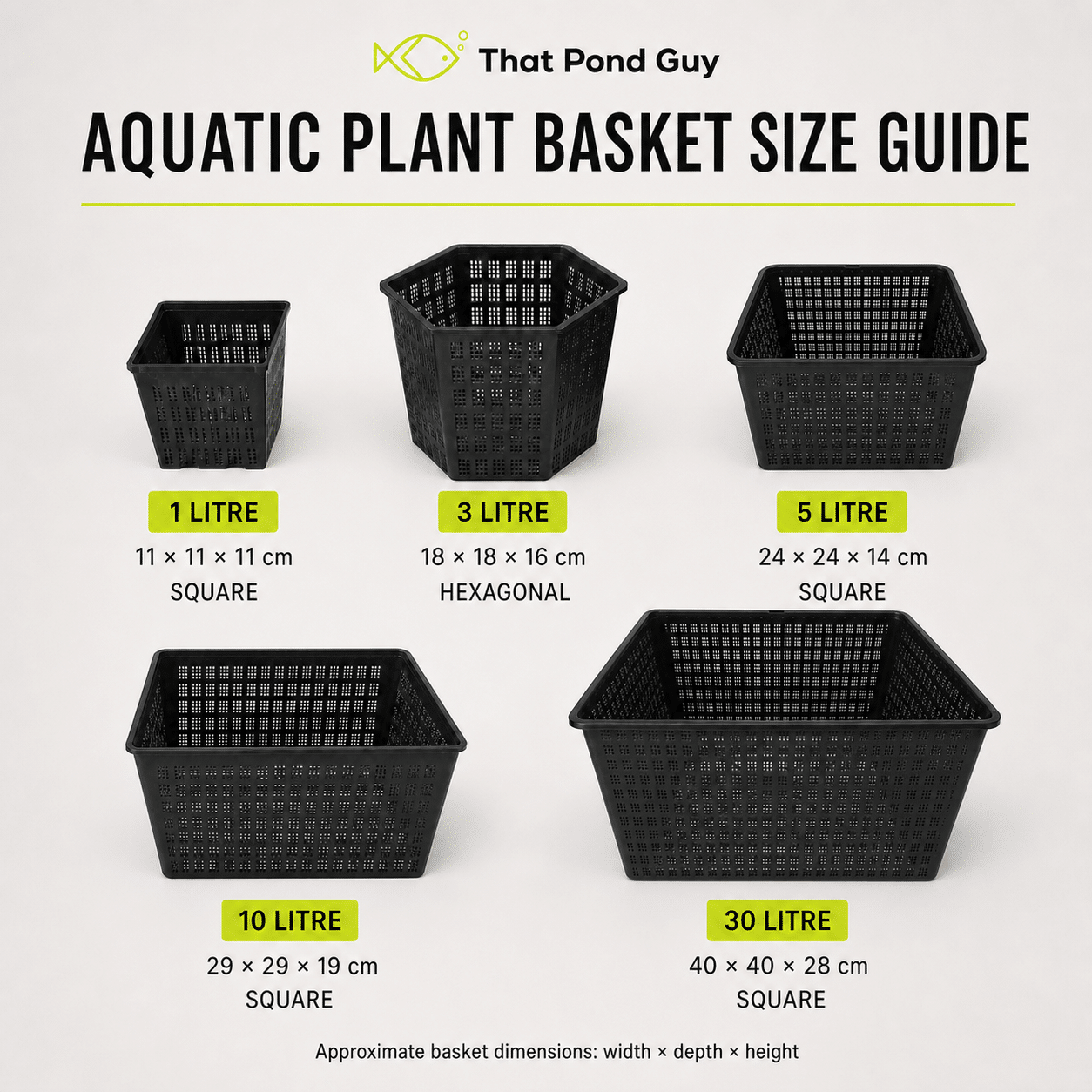
Finofil baskets are made from 100% recycled polypropylene co-polymer. They are not suitable for ordinary kerbside recycling; reuse them where possible and check local specialist recycling options. Their fine mesh helps retain aquatic soil while allowing water to reach the roots.
Basket measurements for the offered sizes:
- 1 Litre Basket – usually 11 × 11 × 11cm square; some varieties may be supplied in a 14cm diameter × 10cm round basket
Other plants to compare
Sweet Galingale — Sweet Galingale is a larger native Cyperus with arching leaves and a hardier outdoor wet-margin role. Compare the plant shape and winter treatment, as the two species should not share one generic care routine.
Dwarf Egyptian Paper Rush — Dwarf Egyptian Paper Rush gives a more finely divided papyrus-style head. It is another architectural container choice, with its own mature size and cold-weather requirements to check.





Reviews
There are no reviews yet.