





Greater Spearwort (Ranunculus lingua ‘Grandiflorus’)
| Size | 1 Ltr, 1 Ltr Pack of 3, 3 Ltr |
|---|---|
| Plant Type | Marginal |
| Sun / Shade | Full Sun to Part Shade |
| Flower Colour | Yellow |
| Growth Rate | Fast |
| Native to UK | No |
| Plant group |
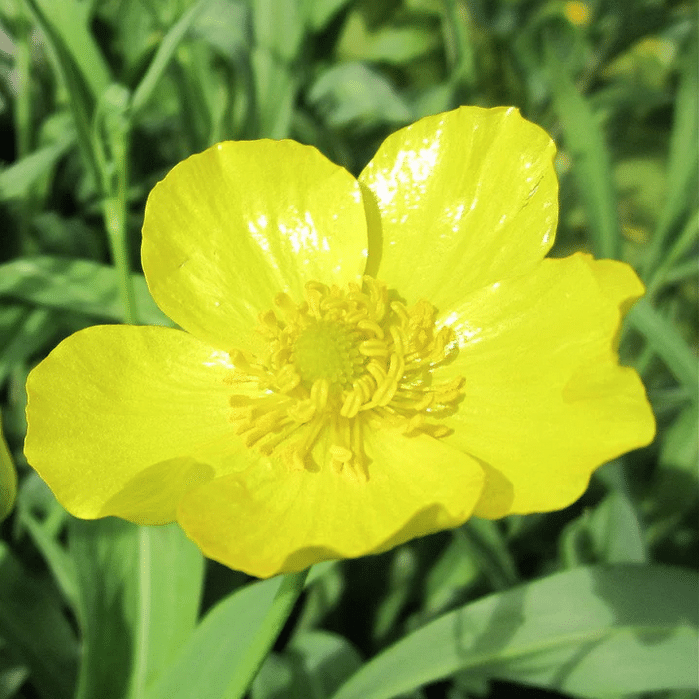
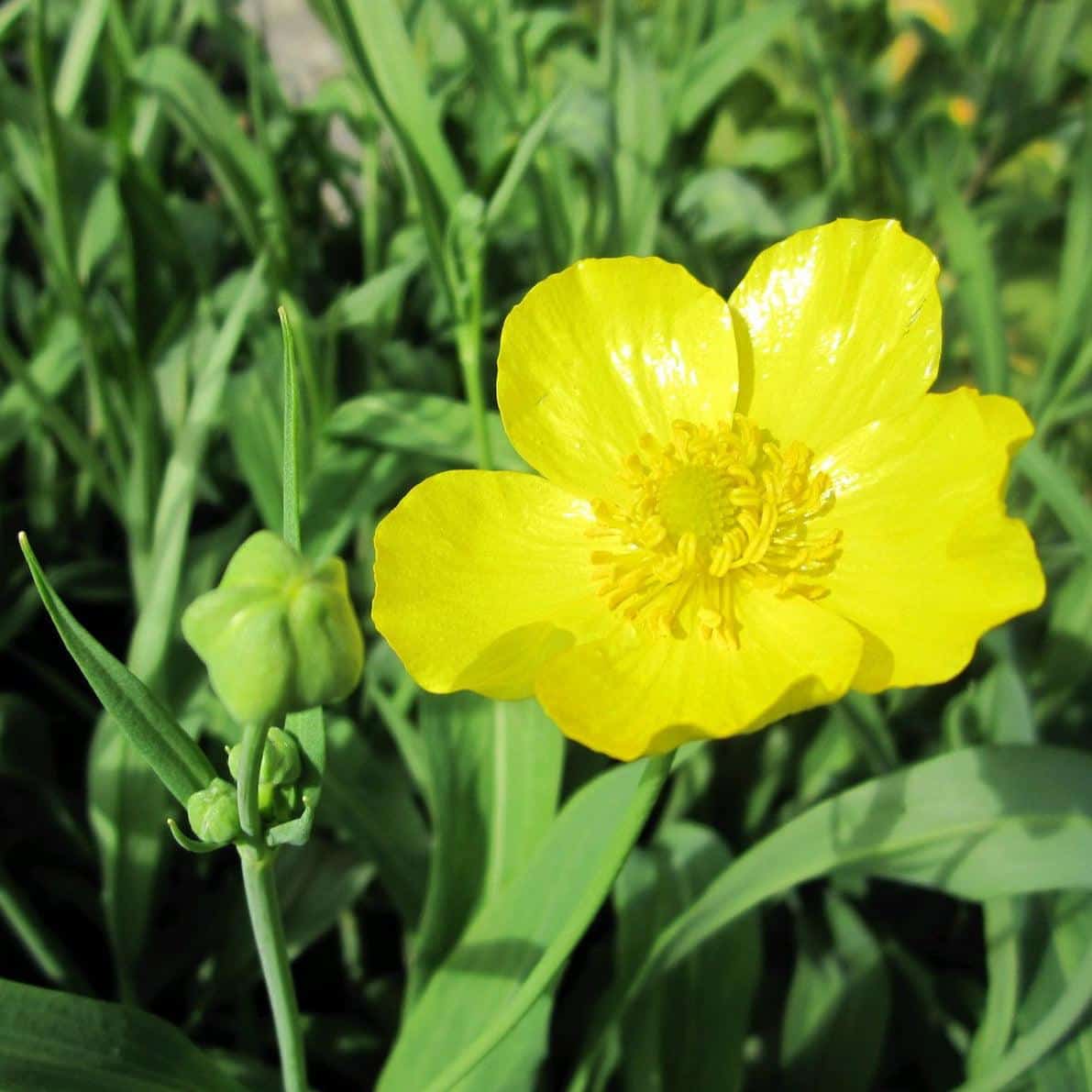
Large-flowered Greater Spearwort gives a shallow margin a taller yellow flower display. Bowl-shaped blooms are carried on branching upright stems, with long blue-green leaves below. The flowers can be substantial compared with the smaller buttercups familiar from lawns and meadows, so use the exact name when matching the plant.
Price range: £14.00 through £34.50 (inc VAT)
Greater Spearwort (Ranunculus lingua ‘Grandiflorus’)
Large yellow buttercup flowers on tall marginal stems
Large-flowered Greater Spearwort gives a shallow margin a taller yellow flower display. Bowl-shaped blooms are carried on branching upright stems, with long blue-green leaves below. The flowers can be substantial compared with the smaller buttercups familiar from lawns and meadows, so use the exact name when matching the plant.
Grandiflorus is a selected garden form of Greater Spearwort. The species occurs naturally in Britain, but that does not make this cultivated selection identical to wild native stock. Keeping the distinction clear is more useful than applying a simple native badge to every nursery form of the species.
Give it enough room. The RHS lists an eventual height of one to one-and-a-half metres, which is taller than a small delivery pot suggests. Its upright leaves and flowers should remain visible without blocking maintenance access or overwhelming low plants arranged at the front of the margin.
Choose a sunny muddy pool margin in still or slowly moving water. The planting section explains the 15–25 cm water-cover guidance for this form. Measure above the planted crown or medium, allowing separately for basket height, and follow the supplied label when establishing the plant.
The broad yellow bowls can reach about 6 cm across, giving this garden form a substantial early-summer display. The plant is deciduous and can develop a spreading clump. Treat it as ornamental: it is harmful if eaten and can irritate skin, so wear gloves for planting and maintenance.
UK-grown plant. Grown at a dedicated aquatic plant nursery in the South of England.

What you receive
Choose one plant in a 3 litre container, one plant in a 1 litre container or three plants in 1 litre containers.
Keep the roots wet while preparing the site. The selected container volume does not set the eventual height or number of yellow flowers.
How it changes through the year
Large yellow flowers are principally an early-summer feature above blue-green lance-shaped leaves. The plant dies back seasonally, so a resting delivery will not resemble a fully flowering clump. Grandiflorus is a selected garden form of a native species, rather than unselected wild stock.
Choosing a place for it
- For substantial yellow flowers: The larger bowl-shaped blooms distinguish this selected form from smaller spearworts.
- For a roomy margin: Plan for a mature plant around a metre or more tall and a developing rhizome clump.
- For measured shallow water: Use a suitable muddy aquatic position with the correct water cover above the crown.
Planting and getting it established
Choose a sunny muddy margin in still or slowly moving water. RHS guidance for this exact form gives about 15–25 cm of water cover. Follow the supplied label for the young plant and measure above the planted crown or top of the medium rather than from the shelf floor.
Use suitable aquatic medium and a basket that can support the established clump. Set the plant at its original level, settle the root area and lower the basket gently to avoid washing medium into the water.
Allow for a plant around 1–1.5 m tall and up to about a metre wide rather than squeezing it into a small gap. Keep the crown and rhizomes accessible for lifting if crowded. The height of the flowers above the water and the water cover over the roots are separate measurements.
Looking after it
- Wet roots: Maintain the appropriate muddy or aquatic position. Recheck crown-to-surface depth after changes in water level rather than assuming the shelf always gives the same cover.
- Flowering stems: Cut back finished growth after flowering as appropriate, leaving healthy material where it remains sound. Avoid damaging the crown while tidying.
- Spread: Inspect the clump as it expands and lift or divide crowded growth when needed. Retain healthy rooted sections and replant at an appropriate label-led depth.
- Feeding: Use a suitable growing medium. Apply supplementary aquatic feed only if needed and at the pack rate; additional fertiliser does not correct a position that is too shaded or crowded.
- Winter: Seasonal leaves and stems die back. Remove loose decaying material where practical while leaving the perennial root system in its appropriate wet position.
- Safety: Wear gloves and avoid sap contact. The plant is harmful if eaten and can irritate skin; keep removed pieces away from children, pets and food use.
Plant details
- Botanical name
- Ranunculus lingua 'Grandiflorus'
- Flowers
- Yellow bowls, up to about 6 cm across; early summer
- Mature height
- About 1–1.5 m
- Mature spread
- About 50–100 cm
- Position
- Full sun; muddy margin in still or slow water
- Water cover
- About 15–25 cm above planted crown/medium, following the label
- Native status
- Garden form of a British native species
- Safety
- Harmful if eaten; skin irritant
- RHS information
- RHS plant profile: Ranunculus lingua 'Grandiflorus'
Delivery and basket information
We do not deliver live plants to Northern Ireland.
Orders received by 11am Monday to Wednesday are normally dispatched on the following working day using a next working day courier service. During busy periods, dispatch may occasionally take an extra day.
To avoid plants being held in depots over a weekend, we do not usually dispatch on Fridays. Highlands and Islands orders using a two day service are not normally dispatched on Thursdays.
Please read our delivery information for delivery arrangements and contact us if you need to check the timing of a particular order.
Finofil baskets are made from 100% recycled polypropylene co-polymer. They are not suitable for ordinary kerbside recycling; reuse them where possible and check local specialist recycling options. Their fine mesh helps retain aquatic soil while allowing water to reach the roots.
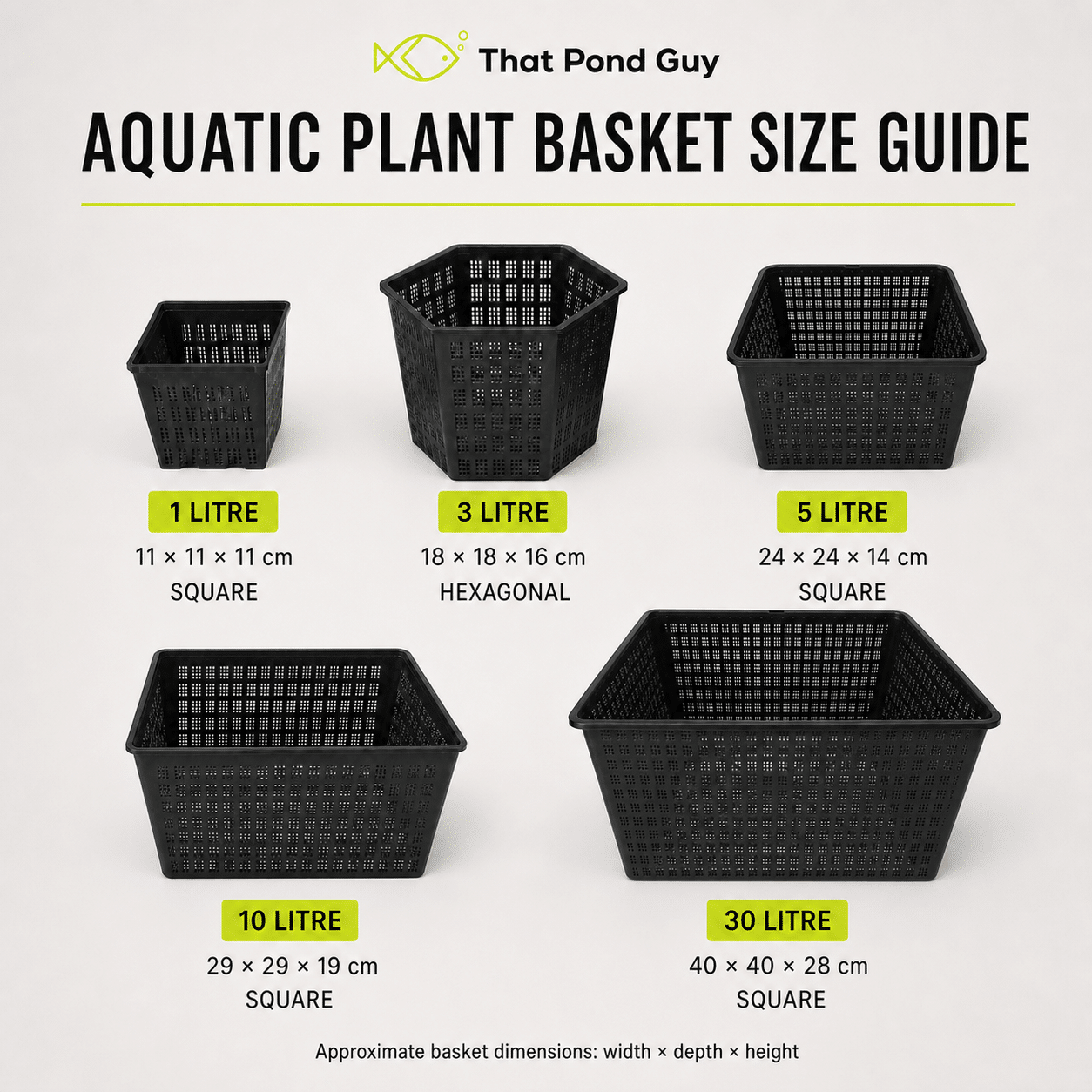
Basket measurements for the offered sizes:
- 1 Litre Basket – usually 11 × 11 × 11cm square; some varieties may be supplied in a 14cm diameter × 10cm round basket
- 3 Litre Hexagonal Basket – 18 × 18 × 16cm
Other plants to compare
Lesser Spearwort — Compare a lower, smaller-flowered native buttercup for a wet edge where Greater Spearwort would be too tall.
Marsh Marigold — Its earlier golden flowers and different leaf shape provide a spring alternative, with its own planting depth.
Choosing plants and planting supplies
Marginal pond plants — Compare pond-edge plants by their eventual size, light and water-depth needs before filling a shelf.
Pond plant baskets and planting supplies — Choose a suitable container and growing medium for the position described above.




Reviews
There are no reviews yet.