





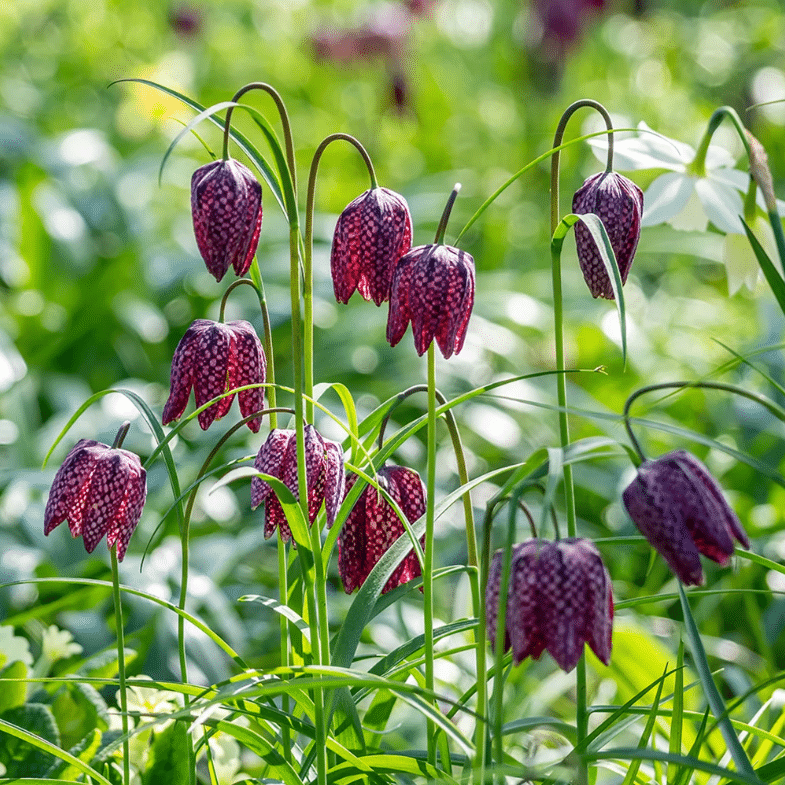
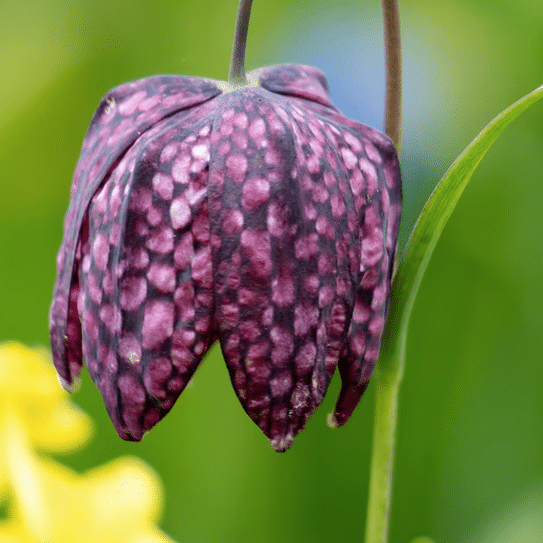

Snake’s Head Fritillary (Fritillaria meleagris)
| Size | 1 Ltr, 9cm – Pack of 3 |
|---|---|
| Plant Type | Marginal |
| Sun / Shade | Full Sun to Part Shade |
| Flower Colour | Purple |
| Growth Rate | Medium |
| Native to UK | Yes |
Snake’s Head Fritillary, Fritillaria meleagris, is a beautiful spring flowering bulb with nodding purple, pinkish purple or white checkerboard flowers in April and May. Ideal for damp lawns, moist pondside borders, woodland edges and natural meadow style planting, it brings delicate early colour to wildlife friendly gardens.
Price range: £16.00 through £18.00 (inc VAT)
Snake’s Head Fritillary | Fritillaria meleagris
A beautiful spring flowering bulb with nodding checkerboard flowers, perfect for damp lawns, meadow style planting, woodland edges and moist pondside borders.
Checkerboard spring flowers for damp meadows, pond edges and natural garden planting
Snake’s Head Fritillary, botanically known as Fritillaria meleagris, is one of the most distinctive spring flowering bulbs you can grow in a wildlife friendly garden. It produces slender stems topped with elegant, drooping bell shaped flowers, usually in shades of pinkish purple with a beautiful checkerboard pattern. White flowers can also appear, adding extra charm and a more natural mixed appearance.
This is a moisture loving spring bulb rather than an aquatic pond plant. It should not be planted directly into the pond or placed in standing water. Instead, it is perfect for damp soil around ponds, moist lawns, meadow style planting, woodland edges, lightly shaded borders and naturalistic garden areas where the soil does not dry out too much in spring and early summer.
Fritillaria meleagris is especially useful for creating a soft, natural look around pond edges. The delicate spring flowers bring early colour before many summer pondside plants are fully established, while the slender foliage blends beautifully into grass, wildflower areas and informal planting schemes. It is a lovely choice for customers who want a traditional cottage garden or meadow style feel rather than bold, tropical looking pond plants.
The flowers usually appear in April and May, hanging gracefully from thin stems above narrow green leaves. After flowering, the plant naturally dies back and enters a resting period below ground. This is completely normal. Once established, Snake’s Head Fritillary can naturalise in suitable conditions, returning each spring and slowly increasing over time.
For best results, plant in moderately fertile, humus rich, moist but well drained soil. It prefers soil that remains damp in spring and does not become too dry during early summer. It can be grown in full sun or light shade, making it useful for pondside lawns, woodland margins and damp borders. Avoid very dry, sandy soil or hot exposed areas where the bulbs may dry out.
Snake’s Head Fritillary is a brilliant companion for Cowslips, Primulas, Ferns, Marsh Marigold, Ragged Robin, Hostas, Astilbes and other moisture loving plants. It works especially well planted in small groups or natural drifts, where the flowers can nod above grass or low spring planting.
Please note: this plant is toxic if eaten and may irritate skin and eyes, so handle with care and keep away from children and pets.
🇬🇧 UK-grown aquatic plant: Grown at a dedicated aquatic plant nursery in the South of England and carefully prepared for delivery across the UK.
Key Benefits
- Distinctive checkerboard spring flowers
- Beautiful purple, pinkish purple and occasional white bells
- Excellent for damp lawns and meadow style planting
- Ideal for moist pondside borders and woodland edges
- Flowers in April and May
- Natural looking choice for wildlife friendly gardens
- Suitable for full sun or light shade
- Can naturalise in suitable moist conditions
- Fully hardy spring flowering bulb
- Softens pond edges with delicate seasonal colour
- Works well with Primulas, Cowslips, Ferns and other damp soil plants
- Dies back naturally after flowering and returns the following season
Reasons to Buy Snake’s Head Fritillary
- Snake’s Head Fritillary is a wonderful choice if you want early spring colour around a pond, damp lawn or natural garden border. The patterned flowers are unusual, delicate and instantly recognisable, making this one of the most attractive spring bulbs for wildlife style planting.
- It is especially useful for customers creating a softer, more natural pondside area. Rather than giving a formal or heavily planted look, Fritillaria meleagris feels relaxed, seasonal and meadow like.
- This plant is also ideal if you want spring interest before your marginal and pondside plants reach their full summer size. It flowers early in the year, then dies back naturally as later plants take over the display.
- For the best effect, plant in groups or drifts rather than as single bulbs. This creates a more natural display and gives the checkerboard flowers more impact.
Care Instructions
- Plant Snake’s Head Fritillary in moist, humus rich, well drained soil. The soil should stay damp in spring but should not remain permanently waterlogged.
- Choose a position in full sun or light shade. Light shade is ideal for woodland edges and pondside borders, while full sun works well in damp lawns or meadow style planting where the ground does not dry out.
- Plant bulbs approximately 10 cm deep. If planting potted plants, plant at the same depth as the rootball and water in well.
- Avoid lifting or disturbing the bulbs once planted. Snake’s Head Fritillary is happiest when left to settle and naturalise over time.
- Allow the foliage to die back naturally after flowering. Do not cut it back too early, as the leaves help feed the bulb for the following year’s growth.
- Keep the soil from drying out completely in spring and early summer, especially while plants are establishing.
- In very dry spells, water gently to keep the soil evenly moist. A mulch of compost or leaf mould can help retain moisture and improve the soil.
- Handle with care. This plant is toxic if eaten and may irritate skin and eyes.
Flowering Period
Snake’s Head Fritillary usually flowers in April and May.
The flowers are nodding, bell shaped and often patterned with a distinctive checkerboard effect. Most flowers are purple to pinkish purple, although white forms may also appear.
After flowering, the plant naturally dies back and rests underground until the following growing season.
Size, Spread and Growing Conditions
Botanical name: Fritillaria meleagris
Common name: Snake’s Head Fritillary, Snake’s Head Lily, Chequered Lily
Plant type: Spring flowering bulb
Plant height: Approximately 20 cm to 30 cm
Potential spread: Approximately 5 cm to 10 cm per bulb, slowly increasing where naturalised
Growth rate: Fast seasonal growth in spring
Flower colour: Purple, pinkish purple and sometimes white
Flowering period: April to May
Position: Full sun or light shade
Soil: Moderately fertile, humus rich, moist but well drained soil
Soil moisture: Moist, not dry, not permanently waterlogged
Planting depth: Bulbs approximately 10 cm deep
Foliage: Narrow green leaves
Foliage type: Deciduous, dies back after flowering
Hardiness: Fully hardy
Best suited for: Damp lawns, wildflower gardens, woodland edges, moist borders, pondside planting and naturalistic garden schemes
Safety note: Toxic if eaten and may irritate skin and eyes
Moisture-Loving Plant Guidance
Snake’s Head Fritillary is best treated as a moisture loving pondside plant, not a marginal aquatic plant.
It should be planted outside the pond in damp soil, moist grass, meadow planting or a woodland edge where the ground remains fresh and does not dry out too quickly.
It is not suitable for planting into aquatic baskets and placing in pond water.
Your Plant on Arrival
Your Snake’s Head Fritillary may arrive as bulbs or as potted plants, depending on the size and seasonal availability.
If supplied as bulbs, plant them approximately 10 cm deep into prepared moist soil. If supplied as potted plants, remove from the pot and plant into the ground at the same depth as the rootball.
Plant appearance will vary depending on the season. During the growing season, plants may arrive with visible foliage or flowers. Later in the year, bulbs or potted plants may have little or no top growth, which is normal for a spring flowering bulb.
Dispatching Your Pondside Plants
Plants and bulbs are carefully selected, packed and dispatched according to the season. As living plants, the amount of visible growth, foliage and flowering stage will naturally vary throughout the year.
Spring plants may arrive in active growth, while plants supplied later in the season may be dying back or dormant. This is normal for Snake’s Head Fritillary, as it naturally flowers in spring and then rests underground.
Unpack your plants or bulbs promptly on arrival. If supplied as potted plants, check that the compost is moist and keep the plant watered until it is planted. If supplied as bulbs, plant as soon as practical into suitable moist, well drained soil.
Do not allow potted plants to dry out while waiting to be planted. Choose a damp lawn, meadow edge, woodland border or pondside planting area where the soil remains moist in spring.




Reviews
There are no reviews yet.