






Vial’s Primrose (Primula vialii)
| Size | 9cm – Pack of 3 |
|---|---|
| Plant Type | Marginal |
| Sun / Shade | Full Sun to Part Shade |
| Flower Colour | Pink / Purple |
| Growth Rate | Medium |
| Native to UK | No |
| Plant group |
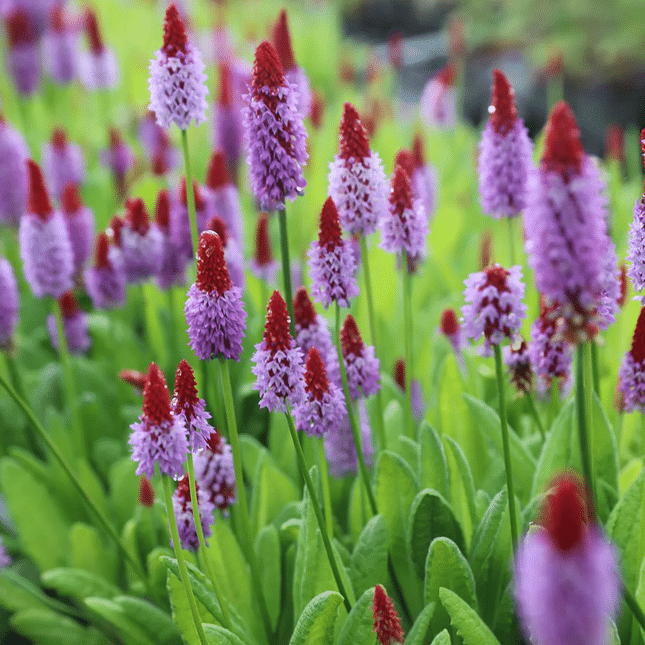
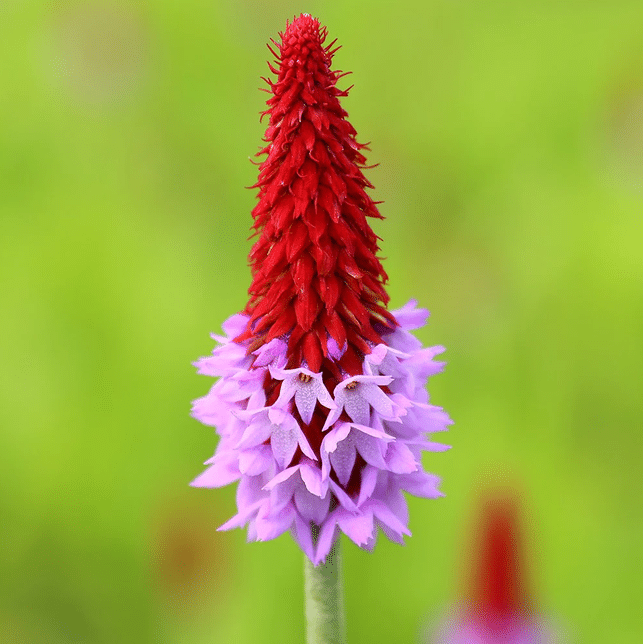
Vial’s Primrose has unusually shaped flower spikes, with lilac flowers opening from the base while the unopened buds retain a red tip. The two colours can be visible on the same spike. The flowering stems rise above a low rosette of green leaves.
£18.00 (inc VAT)
Vial's Primrose (Primula vialii)
Lilac flower spikes opening beneath red tips
Vial’s Primrose has unusually shaped flower spikes, with lilac flowers opening from the base while the unopened buds retain a red tip. The two colours can be visible on the same spike. The flowering stems rise above a low rosette of green leaves.
Its pale green leaves sit below the summer flowering stems, giving the plant a clear outline in a moist border. It is also known as Orchid Primrose because of the flower shape, but it is a Primula rather than an orchid. It can be short-lived, so review the health and growth of an established clump rather than expecting it to remain unchanged indefinitely.
Deep, humus-rich soil with neutral to acidic conditions suits Vial's Primrose. Keep it moist while allowing appropriate drainage. Partial shade is a useful choice; sun can be suitable where the roots remain consistently moist. Check the actual root area and avoid an unsuitable waterlogged winter position.
Plant this in the surrounding garden soil or a suitable container with the right drainage. It is not a deep-water aquatic to lower onto the pond floor. Prepare enough soil around the rootball for new roots to move out, settle the plant gently and water after planting rather than packing wet material over its centre.
The flower spikes often rise to around 40 cm, with the mature plant's height and spread varying within roughly 10–50 cm. Leave space around the rosette and stems so that the changing red tips and violet flowers remain visible. Keep the planting reachable for watering and tidying without trampling the surrounding border.
Vial's Primrose is deciduous, with less visible growth outside its season. Protect the resting crown from unsuitable winter waterlogging and keep the planting position marked or remembered so it is not disturbed. Remove deteriorating material carefully, retaining sound rooted growth for the following season.
A mixed pondside border works best when its plants suit the same ground conditions. Match neighbours by moisture, light and eventual size, and keep open access to pond equipment. More flowers or fuller foliage should come from sound planting and care rather than repeated feeding of a struggling plant in the wrong place.
UK-grown plant. Grown at a dedicated aquatic plant nursery in the South of England.

What you receive
We supply Vial's Primrose in the option you select: 9 cm – pack of 3. Check the selector for current availability and the pack quantity you are ordering. The pot size describes the container supplied, while the mature dimensions below describe the plant once established.
Unpack promptly, check the rootball is moist and keep it in a sheltered place if planting is delayed. Water the root area when needed rather than leaving a small nursery pot to dry beside the pond. Visible leaves and flower stems vary with the season, so the delivered plant may look less full than its growing-season photograph.
Is Vial's Primrose right for your garden?
Vial’s Primrose has lilac flowers opening up from the base of a spike while the tip remains red with buds. It suits a moist planted border where that two-colour outline can be seen. Its roughly 0.1–0.5 m height and spread band makes it a different scale from tall architectural pondside perennials.
Planting in the pondside border
Use deep, humus-rich neutral-to-acid soil in partial shade, with consistent moisture during growth but suitable drainage in winter. Plant the growing rootball at its original level and leave the rosette centre clear. It belongs in the surrounding soil rather than a permanently submerged basket.
Prepare enough surrounding soil for the roots to establish rather than slipping the nursery rootball into a tight, dry hole. Remove the container carefully, set the existing soil line level with the surrounding ground and firm gently around the roots. Water it in so the rootball and the prepared soil are both moist, keeping the plant’s central crown or rosette clear.
Check moisture beyond the first watering, especially where roots compete with trees or other vigorous plants. A suitable organic mulch around the root zone can help retain moisture, but it should not smother the growing point. In a container, use an appropriate medium and drainage and check watering more often; nearby pond water does not automatically supply its roots.
Practical care through the growing season
- Water during establishment: Inspect the rootball and surrounding soil in dry weather and water when needed so the new roots can grow beyond the delivery pot. Keep the moisture and drainage balance described for this plant; neither a dry rootball nor unsuitable standing water is corrected by extra feed.
- Soil and feeding: Maintain a suitable root area with appropriate organic matter and mulch where needed, keeping the crown clear. Follow the directions on any garden fertiliser you use. This is a soil-grown perennial, so aquatic feeding tablets are not a substitute for preparing and watering its border soil.
- Flowers, foliage and older growth: Keep the root zone moist and tidy finished flower stems without pulling through the rosette. Divide an established clump in early spring when necessary. Mark its position while dormant so a small resting crown is not dug over or buried by later border planting.
- Routine tidying: Remove damaged or exhausted material carefully without pulling through the crown or stripping healthy new leaves. Keep encroaching neighbours and weeds from hiding the plant, and leave safe access for watering and inspecting the root area.
Seasonal appearance and winter care
The flower spike and leafy outline are seasonal. Growth reduces in winter, when the planting position should remain marked and free of unsuitable standing water. New growth needs time to develop, so a plant may arrive without flowers or with little visible top growth.
Review the planting position as the season changes. Keep its label or a discreet marker in place where top growth disappears, and judge the plant’s normal resting habit before deciding it has failed. New growth and flowers depend on the season, establishment and conditions rather than the delivery photograph.
Size and growing conditions
- Position
- Pondside garden soil or suitable container outside the pond
- Depth
- Plant at the existing soil line; do not submerge as an aquatic basket
- Reference point
- The existing rootball or crown level in the surrounding soil.
- Sun
- Partial shade; sun only if soil remains consistently moist
- Height
- Often around 40 cm; 0.1–0.5 m band
- Spread
- 0.1–0.5 m
- Flowering
- Conical light-violet spikes with red unopened tips in midsummer
- Winter care
- Deciduous perennial; protect from unsuitable winter waterlogging.
- Native status
- South-west Chinese species; not native to Britain or Ireland.
- Soil moisture
- Deep humus-rich neutral to acidic soil, moist but with appropriate drainage
- RHS information
- RHS plant profile: Primula vialii
Delivery and basket information
We do not deliver live plants to Northern Ireland.
Please read our delivery information for delivery arrangements and contact us if you need to check the timing of a particular order.
Unpack promptly and check that the planting medium is moist. Keep the rootball moist if planting is delayed, and keep the plant in a sheltered position. Plant into suitable moist soil in the position described above.
Other pondside plants to compare
Primula beesiana — For open purple candelabra tiers with yellow eyes rather than a narrow two-coloured spike.
Primula bulleyana — For orange-yellow tiers opening from red buds in a moist border.





Reviews
There are no reviews yet.