







Angelica (Angelica archangelica) – Wild Celery
| Size | 1 Ltr |
|---|---|
| Plant Type | Moisture |
| Sun / Shade | Full Sun to Part Shade |
| Flower Colour | White |
| Growth Rate | Fast |
| Native to UK | No |
| Plant group |
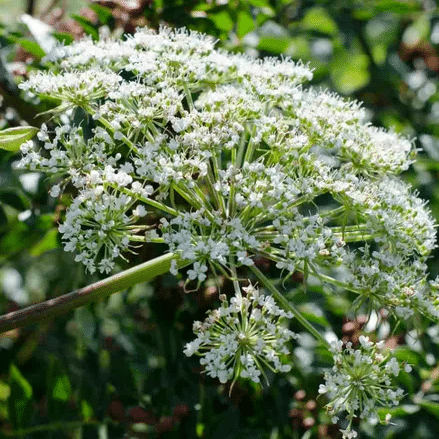
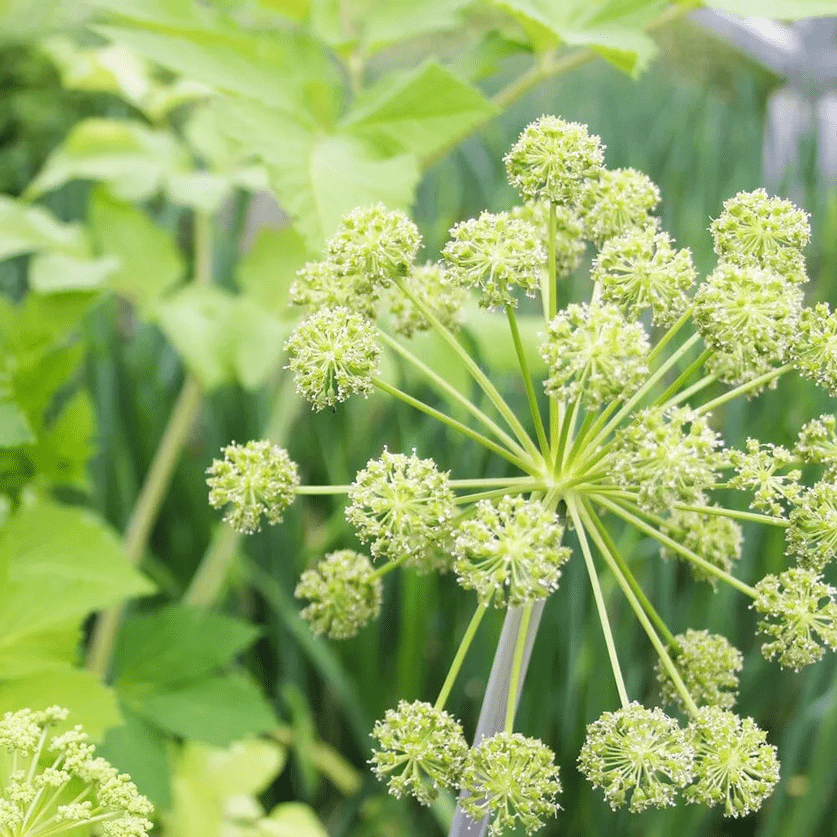
Angelica (Angelica archangelica), also known as Wild Celery, is a spectacular moisture-loving plant with large architectural foliage and tall stems topped with rounded greenish-white flower heads. Growing up to approximately 2.5m tall, it makes an impressive statement plant for larger bog gardens, damp pond edges, wildlife ponds and naturalistic waterside planting.
£11.50 (inc VAT)
Angelica (Angelica archangelica) – Wild Celery
A tall, architectural moisture-loving plant for bog gardens, damp pond edges and wildlife planting
Angelica (Angelica archangelica), also known as Wild Celery, Garden Angelica or simply Angelica, is an impressive moisture-loving plant with bold architectural foliage and tall flowering stems. Ideal for bog gardens, damp borders and planting around larger ponds, Angelica is particularly effective where height and structure are needed amongst lower-growing pondside plants.
The plant develops large, divided green leaves that create a lush and almost tropical appearance. As it matures, substantial hollow stems rise above the foliage and can eventually carry rounded umbels containing numerous small greenish-white to creamy-white flowers. These unusual flower heads typically appear from July to September and give Angelica its distinctive architectural appearance.
Reaching approximately 2.5 metres tall with a potential spread of up to 3 metres in favourable conditions, this is not a plant that disappears into the background. Angelica makes an excellent statement plant for larger bog gardens, natural ponds, wildlife ponds and informal waterside planting schemes.
Why Choose Angelica for Your Pond or Bog Garden?
Angelica is particularly useful when designing a pond planting scheme that needs greater variation in height. While many moisture-loving plants remain relatively compact, Angelica archangelica can provide a dramatic backdrop behind smaller bog plants and pondside perennials.
Its large foliage creates dense seasonal growth, while the flowers are attractive to a wide range of insects. As a member of the Apiaceae family, its numerous small flowers are arranged in umbels that provide accessible feeding opportunities for many pollinating insects.
Angelica is also a plant with a long history of cultivation. Its young stems have traditionally been candied and used in confectionery and cake decoration, although plants purchased primarily as ornamental pond and garden plants should not automatically be assumed suitable for consumption.
Where to Plant Angelica archangelica
Angelica performs best in fertile, consistently moist soil and is therefore well suited to damp areas surrounding ponds and water features. It can be planted in bog gardens, moisture-retentive borders, streamside areas and naturally damp sections of the garden.
Although it loves moisture, Angelica should be regarded as a pondside or bog garden plant rather than a submerged marginal aquatic plant. Its planting depth is 0cm, meaning the crown should be planted in moist ground rather than positioned beneath the pond water.
Choose a position in full sun or partial shade. Because Angelica develops into a substantial plant, allow plenty of room for it to mature without overwhelming smaller neighbouring plants.
Angelica Size, Spread & Flowering
- Botanical name: Angelica archangelica
- Common names: Angelica, Wild Celery, Garden Angelica
- Plant type: Biennial or short-lived herbaceous perennial
- Position: Full sun to partial shade
- Planting depth: 0cm – do not permanently submerge
- Preferred soil: Fertile, moist and moisture-retentive
- Approximate mature height: Up to 250cm
- Approximate mature spread: Up to 300cm in favourable conditions
- Flower colour: Greenish-white to creamy white
- Flowering period: July to September
- Growth rate: Fast
- Growth habit: Tall, upright and architectural
- Frost tolerance: Hardy
- Wildlife value: Excellent flowers for pollinating insects
Caring for Angelica
Keep Angelica well watered after planting and ensure the surrounding soil remains consistently moist during its active growing period. This is particularly important during prolonged warm or dry weather.
A layer of organic mulch around the plant can help retain moisture and reduce competition from weeds. Fertile soil containing plenty of organic matter will support its naturally vigorous growth.
Angelica is commonly biennial, meaning it generally produces leafy growth before flowering, setting seed and completing its lifecycle. Allowing some mature flower heads to remain can encourage natural self-seeding and help maintain Angelica within an informal planting scheme.
Old stems and dead foliage can be cut back once they have finished providing seasonal interest.
A Striking Plant for Larger Pond Landscapes
Due to its eventual size, Angelica is particularly effective around larger wildlife ponds, natural ponds, streams and substantial bog gardens. Positioning it towards the rear of a planting area allows its tall growth to provide a backdrop without hiding smaller plants.
Combine it with other moisture-loving pond plants of different heights, foliage textures and flowering periods to create a layered, natural-looking waterside display.
Dispatching Your Angelica Pond Plant
Our moisture-loving pond and bog garden plants are living plants and their appearance will naturally vary according to the season.
During spring and summer, Angelica may be dispatched with active foliage and increasingly substantial growth as the season progresses. Mature plants can grow very quickly, so taller foliage or stems may occasionally be trimmed where necessary to protect the plant during transportation.
During autumn and winter, plants may have considerably less visible foliage as growth naturally slows or dies back. This is normal and should not be confused with poor plant health.
The photographs used on our website generally show established plants during their main growing or flowering season. The plant you receive may therefore be smaller or at a different stage of its natural growth cycle.







Reviews
There are no reviews yet.