






Drumstick Primula (Primula denticulata)
| Size | 9cm – Pack of 3 |
|---|---|
| Plant Type | Marginal |
| Sun / Shade | Full Sun to Part Shade |
| Flower Colour | Purple |
| Growth Rate | Medium |
| Native to UK | No |
| Plant group |
Drumstick Primula, Primula denticulata, is a compact moisture-loving perennial with rounded purple flower heads from March to May. Ideal for damp pond edges, bog gardens, wildlife ponds and shaded borders, it adds early spring colour and soft natural planting close to the waterline.
£22.50 (inc VAT)
Drumstick Primula | Primula Denticulata
A compact moisture-loving primula with rounded purple spring flower heads, ideal for damp pond edges, bog gardens and shaded borders.
Rounded spring flowers for damp pondside planting and wildlife-friendly borders
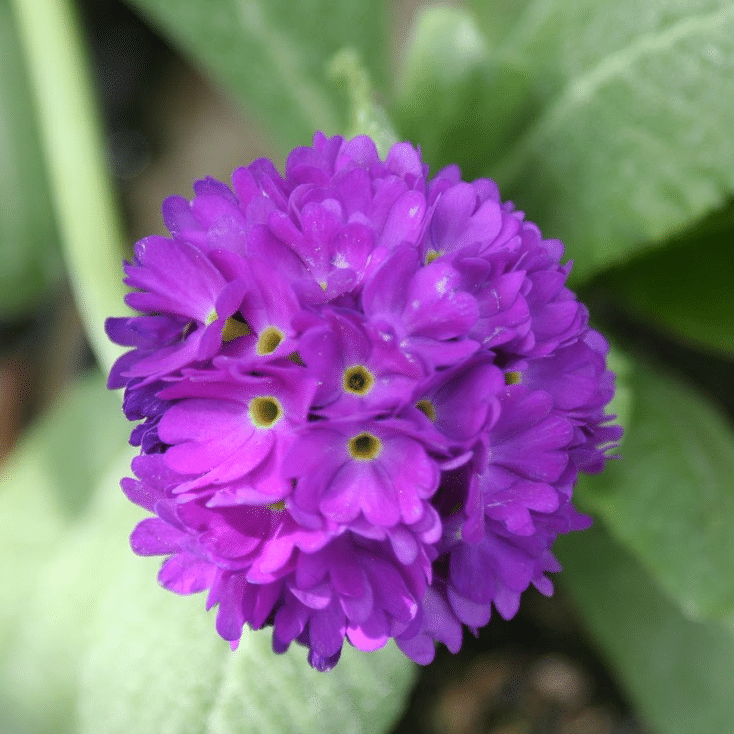
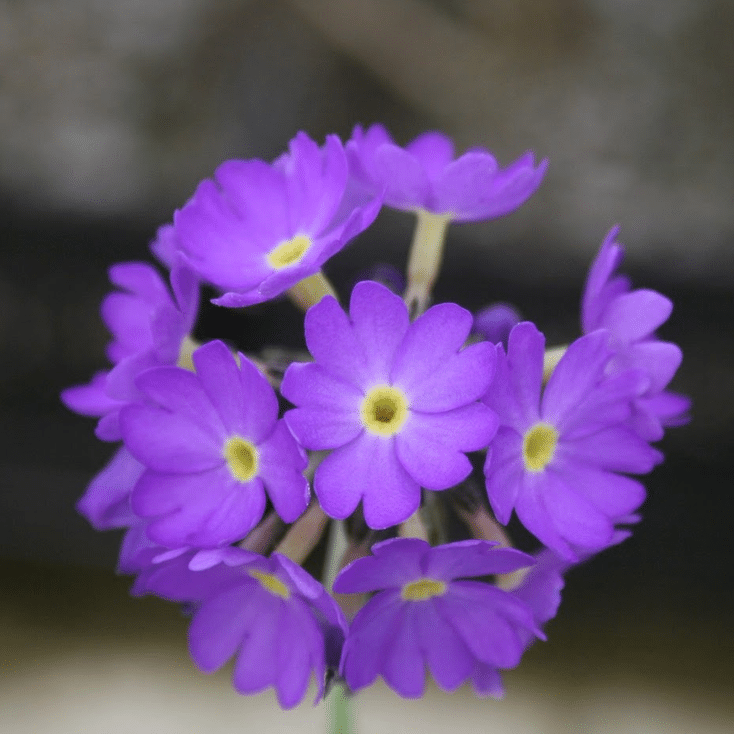
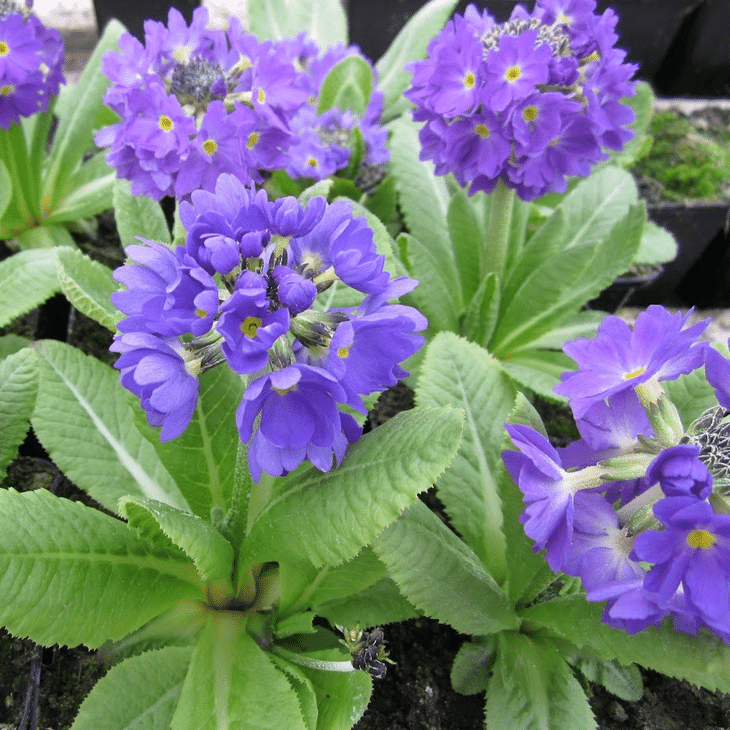
Drumstick Primula, botanically known as Primula denticulata, is a charming moisture-loving perennial grown for its distinctive rounded flower heads. Also known as Drumstick Primrose, it produces neat rosettes of green leaves in spring, followed by upright stems topped with tight, rounded clusters of purple flowers. These pom-pom style blooms give the plant its common name and make it a lovely choice for adding early seasonal colour around pond edges and damp garden areas.
This plant is best used around the pond rather than in deep water. It enjoys cool, moist soil and is ideal for pondside borders, bog gardens, damp planting pockets, stream edges and wildlife-friendly planting schemes. It can tolerate very shallow marginal conditions, but the crown and foliage should not be submerged. For most ponds, it is best planted in damp soil beside the pond or in the very shallowest edge where the soil remains consistently moist.
Drumstick Primula is particularly useful because it flowers early in the season, often before many summer marginal pond plants have reached their peak. The rounded purple flower heads appear from March to May, depending on the season, plant maturity and growing conditions. This makes it a great way to add colour before the main summer display of irises, loosestrife, lobelia and other later flowering pondside plants.
Its compact height makes it suitable for small gardens, wildlife ponds, container pond displays and mixed damp borders. It works beautifully with ferns, rushes, irises, Water Forget Me Not, Astilbes, Hellebores and other moisture-loving plants. Around a pond, it helps soften hard edging, stonework and liner edges, giving the waterline a more natural and planted appearance.
Primula denticulata prefers moist, humus-rich soil in full sun or partial shade. In sunnier positions, the soil must be kept damp, especially during warm or dry weather. Partial shade is often ideal, particularly in sheltered pondside areas where the ground stays cool and moisture retentive.
This is a hardy, clump-forming perennial that will naturally die back after its growing season and return with fresh growth in spring. Once established, it is fairly easy to care for, needing only regular moisture, removal of old flower stems and occasional division if clumps become crowded.
🇬🇧 UK-grown aquatic plant: Grown at a dedicated aquatic plant nursery in the South of England and carefully prepared for delivery across the UK.
Key Benefits
- Distinctive rounded purple flower heads
- Adds early spring colour around pond edges
- Ideal for damp soil, bog gardens and moist borders
- Useful for wildlife ponds and naturalistic planting
- Helps soften hard pond edges and liner lines
- Compact habit suitable for smaller gardens
- Works well with ferns, irises, astilbes and other moisture-loving plants
- Suitable for full sun or partial shade if soil remains moist
- Good for pondside containers and damp planting pockets
- Hardy and reliable in suitable UK garden conditions
Reasons to Buy Drumstick Primula
- Drumstick Primula is a great choice if you want early colour around a pond without relying only on summer flowering marginal plants. Its rounded purple flower heads appear at a time of year when many pond edges can still look bare, giving the garden a much-needed lift in spring.
- It is especially useful for softening the transition between pond and garden. Planted in damp soil close to the waterline, it helps create a more natural, relaxed and wildlife-friendly edge.
- This plant is also ideal for smaller spaces. Its compact size means it can be used in small wildlife ponds, container pond displays, damp patio planters and mixed borders where larger pondside plants may be too dominant.
- For the best effect, plant in small groups or repeat it through the border. A drift of Drumstick Primulas creates a stronger and more natural display than a single plant on its own.
Care Instructions
- Plant Drumstick Primula in moist, humus-rich soil that does not dry out for long periods. It prefers partial shade, although it can grow in full sun if the soil stays consistently damp.
- Do not plant in deep water. This is a damp soil and very shallow margin plant, not a submerged aquatic plant. If using near a pond, position it around the pond edge, in a bog garden, or in very shallow marginal conditions where the crown remains above the waterline.
- Water regularly during dry weather, especially in the first growing season. Primulas perform best when their roots remain cool and moist.
- Improve the soil before planting with compost, leaf mould or well-rotted organic matter. This helps retain moisture and gives the plant the fertile conditions it prefers.
- Remove old flower stems once flowering has finished. Tidy tired or damaged foliage when needed, but allow healthy leaves to remain while they are still feeding the plant.
- If clumps become congested, divide them after flowering or in early spring. Replant divisions into moist soil and water well until established.
Flowering Period
Drumstick Primula usually flowers from March to May.
The flowers are normally purple to lilac-purple and are held in rounded clusters on upright stems above the foliage. Flowering time may vary slightly depending on weather, plant maturity and growing conditions.
Plants grown in cool, moist soil with partial shade will usually produce the strongest display.
Size, Spread and Growing Conditions
Botanical name: Primula denticulata
Common name: Drumstick Primula, Drumstick Primrose
Plant type: Moisture-loving perennial and pondside plant
Plant height: Approximately 20 cm to 40 cm
Potential spread: Approximately 20 cm to 35 cm
Growth rate: Medium
Flower colour: Purple to lilac-purple
Flowering period: March to May
Position: Full sun or partial shade
Soil: Moist, humus-rich soil
Soil moisture: Damp soil, boggy soil or very shallow marginal conditions
Planting depth: Damp soil to very shallow water only
Foliage: Green rosettes of leaves
Habit: Compact, clump-forming perennial
Native status: Not UK native
Best suited for: Damp pond edges, wildlife ponds, bog gardens, stream edges, moist borders and container pond planting areas
Wildlife value: Flowers can support early pollinators, while foliage helps create soft cover near pond edges
Your Plant on Arrival
Your Drumstick Primula will arrive in a pot or suitable plant container, depending on the size selected.
Plant size and appearance will vary depending on the time of year. Early season plants may arrive with fresh young foliage and developing buds. Plants sent after flowering may have fewer flowers or may be settling back into leafy growth.
This is normal for a hardy perennial. Flowering is seasonal and plants are not always supplied in bloom.
If planting around a pond, choose a damp position close to the waterline, but avoid submerging the crown. If using a container or damp planting pocket, make sure the compost stays moist but not stagnant.
Dispatching Your Pond Plants
Pondside plants are carefully selected, watered and packed before dispatch. As living plants, the amount of visible growth, foliage size and flowering stage will naturally vary throughout the year.
Early season plants may arrive with less top growth and will develop once planted into suitable damp conditions. Plants dispatched outside their flowering window may not be in flower on arrival.
Unpack your plants promptly when they arrive and check that the compost is moist. If you cannot plant straight away, keep the plant in a cool, sheltered position and water as needed.
Do not allow the pot or rootball to dry out. Plant as soon as practical into damp soil, a bog garden, a pondside border or a suitable container pond planting area.








Reviews
There are no reviews yet.