






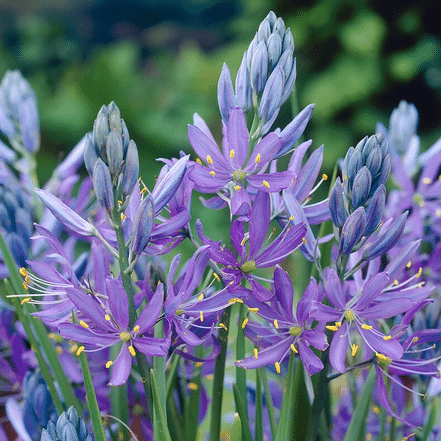
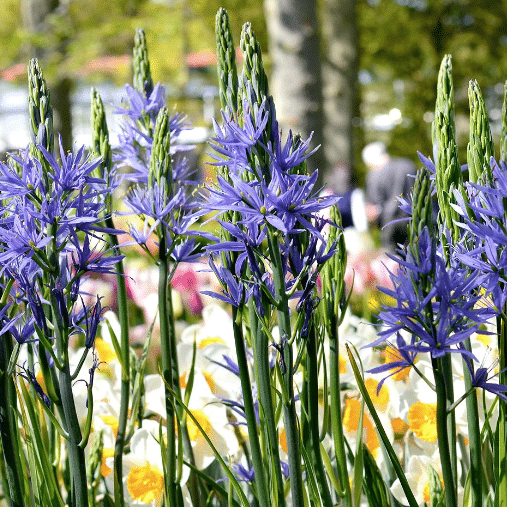
Camas Lily (Camassia Esculenta)
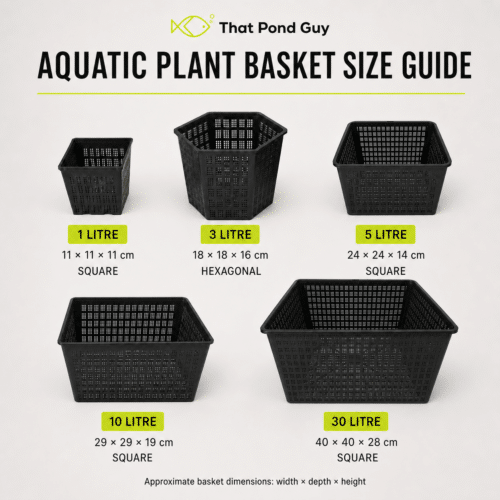
| Size | 1 Ltr |
|---|---|
| Plant Type | Moisture |
| Sun / Shade | Full Sun to Part Shade |
| Flower Colour | Blue |
| Growth Rate | Medium |
| Native to UK | No |
| Plant group |
Camas Lily (Camassia esculenta) is a hardy moisture-loving bulbous perennial producing beautiful spikes of star-shaped blue flowers in late spring and early summer. Ideal for bog gardens, damp borders, wildlife ponds and natural pondside planting, it can gradually naturalise to create an impressive seasonal display.
£11.50 (inc VAT)
Beautiful blue spring flowers for damp borders, bog gardens and natural pondside planting
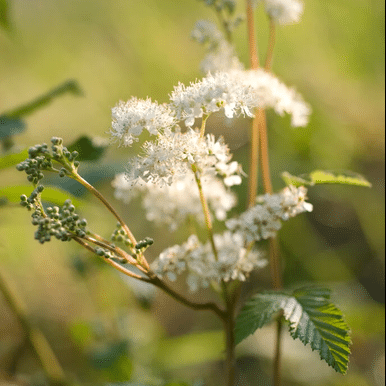
Camas Lily (Camassia esculenta) is an attractive bulbous perennial producing elegant spikes of star-shaped blue flowers above fresh green, strap-like foliage. Flowering during late spring and early summer, it is an excellent moisture-loving plant for adding an early burst of colour to bog gardens, damp borders and natural planting around ponds and streams.
Also known as Indian Hyacinth, Quamash or Wild Hyacinth, Camas Lily originates from North America, where Camassia naturally occurs in moist meadows, open grassland and areas alongside streams. Its preference for moisture-retentive ground makes it particularly useful for parts of the garden that may remain too damp for many conventional spring bulbs.
As the plant establishes, the bulbs can gradually naturalise to form attractive groups. Planting several Camas Lilies together creates a particularly impressive display, with numerous upright blue flower spikes emerging through surrounding moisture-loving planting.
Why Choose Camas Lily?
Camas Lily is an excellent choice if you want to extend the flowering season around your pond. While many traditional bog garden and marginal plants provide their strongest displays during summer, Camassia begins flowering in late spring and continues into early summer.
The upright flower stems carry numerous star-shaped blooms, providing colour without creating excessively dense or heavy growth. The flowers are also attractive to pollinating insects, making Camas Lily a useful addition to wildlife-friendly gardens.
Once established in suitable conditions, Camassia is hardy, relatively easy to maintain and can return year after year. Its ability to naturalise also makes it particularly effective in informal and naturalistic planting schemes.
Where to Plant Camassia esculenta
Camas Lily prefers fertile, moisture-retentive soil and works particularly well in bog gardens, damp meadows, moisture-loving borders and alongside ponds or streams.
Although Camassia enjoys damp conditions, it is a moisture-loving pondside plant rather than an aquatic plant. The bulbs should be planted in soil around the pond and should not be permanently submerged beneath the water.
A position in full sun or partial shade is ideal. Avoid locations that become excessively dry during spring while the plant is actively growing.
Camas Lily looks particularly effective planted amongst other moisture-loving perennials or allowed to naturalise through informal grass and pondside planting.
Camas Lily Size, Spread & Flowering
- Botanical name: Camassia esculenta
- Common name: Camas Lily
- Other names: Indian Hyacinth, Quamash, Wild Hyacinth
- Plant type: Hardy bulbous perennial
- Origin: North America
- Position: Full sun to partial shade
- Soil: Fertile, moist and moisture-retentive
- Planting depth in water: 0cm – do not submerge
- Approximate mature height: 30–80cm
- Approximate mature spread: 10–30cm per plant, gradually forming larger groups
- Flower colour: Blue to blue-violet
- Flowering period: Late spring to early summer
- Growth habit: Upright and clump forming
- Foliage: Long, narrow green leaves
- Hardiness: Hardy
- Wildlife value: Attractive to pollinating insects
Caring for Camas Lily
Camas Lily is relatively low maintenance once established. Keep the soil moist during spring and early summer, particularly during prolonged periods of dry weather.
After flowering, allow the foliage to remain naturally until it begins to yellow and die back. The leaves continue feeding the bulb after flowering, helping it store energy for the following year’s display. Once the foliage has completely died back, it can be removed.
Established clumps can gradually increase in size. If they become overcrowded, they can be lifted and divided while dormant before being replanted.
Creating a Natural Pondside Display
For maximum impact, consider planting Camas Lilies in small groups or larger drifts rather than individually. Their slender blue flower spikes work beautifully amongst lower-growing moisture-loving plants and can provide contrast against ferns and foliage plants.
They are particularly suited to wildlife ponds, natural ponds, cottage-style gardens, damp meadows and informal waterside landscapes where their ability to naturalise becomes an advantage.
Dispatching Your Camas Lily Plant
Our moisture-loving pond and bog garden plants are living plants, so their appearance will naturally vary throughout the year.
During the active growing season, Camas Lily may be supplied with foliage, developing flower stems or flowers depending on the time of dispatch. Flowering cannot be guaranteed when your plant arrives.
As a bulbous perennial, Camassia naturally becomes dormant after its growing season. Plants dispatched during dormancy may therefore have very little or no visible growth above the compost. This is completely normal and fresh growth will emerge from the bulb when seasonal conditions are suitable.
Product photographs generally show established plants during their flowering period. The plant you receive may therefore differ in size and appearance according to the season.







Reviews
There are no reviews yet.